Skid Mounted Electric Fire Pump Set with Integrated Control System
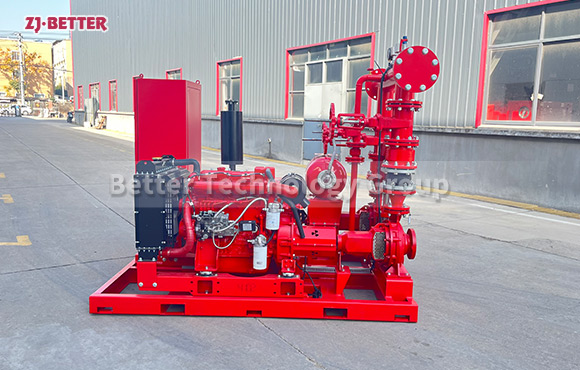
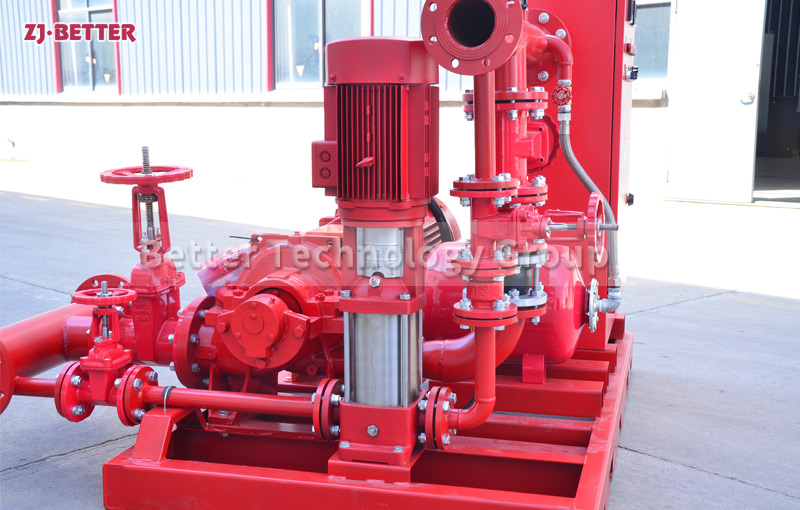
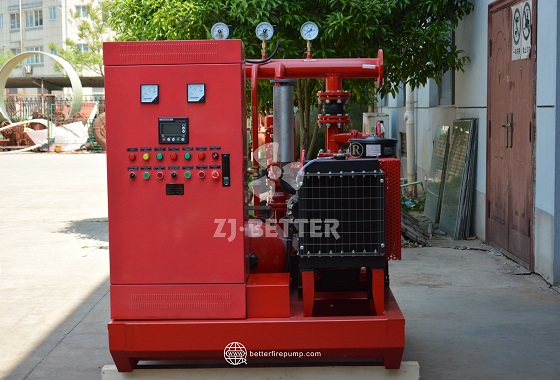
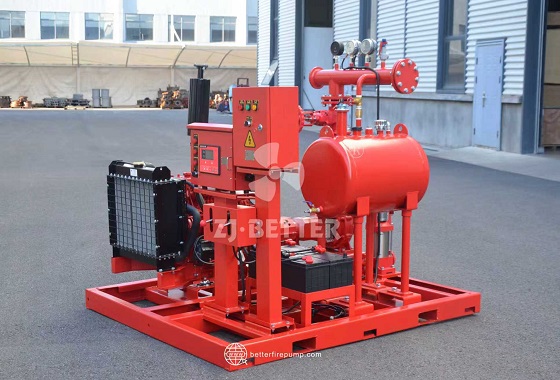
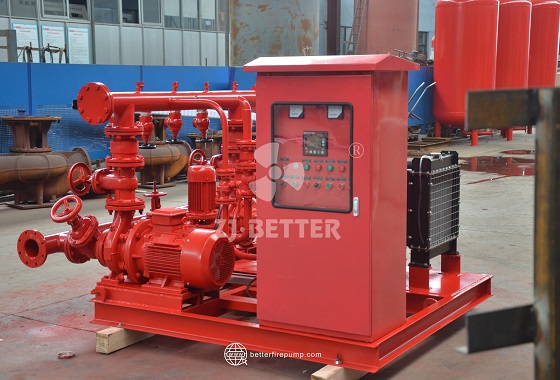
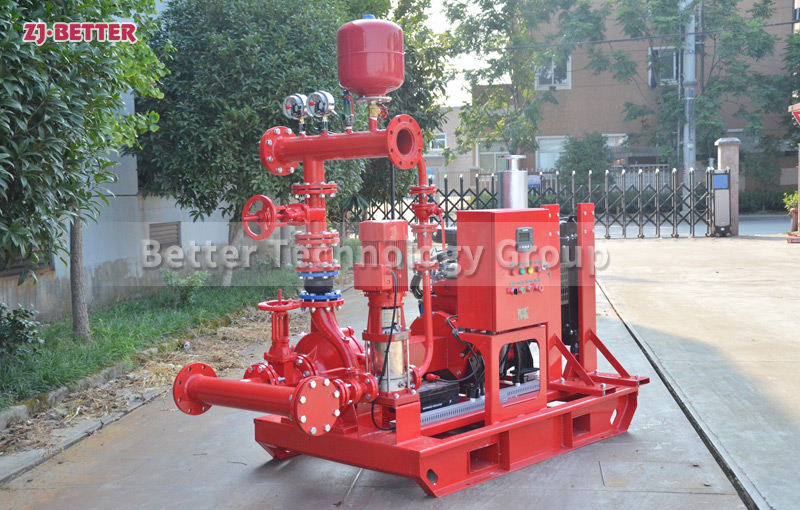
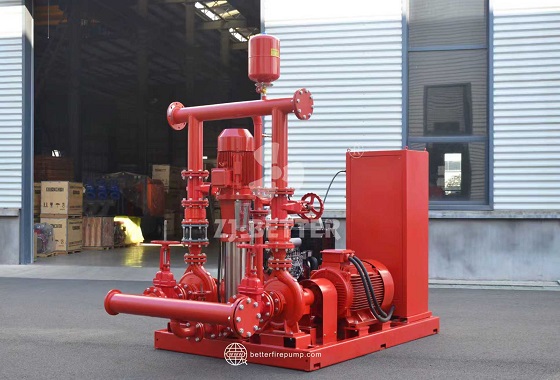
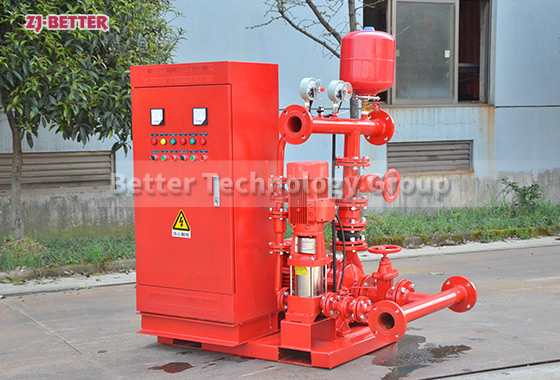
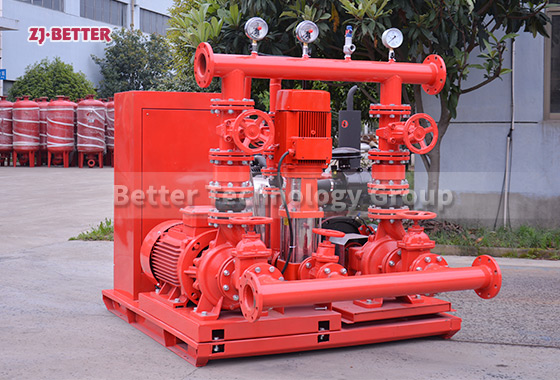
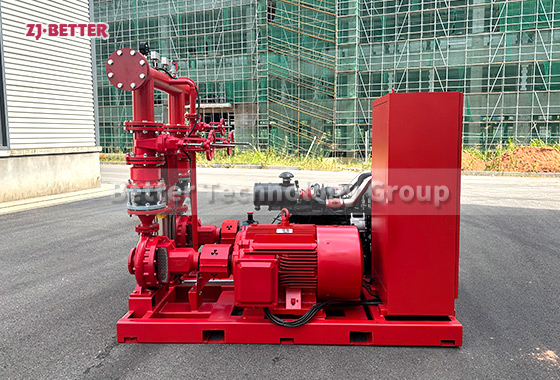
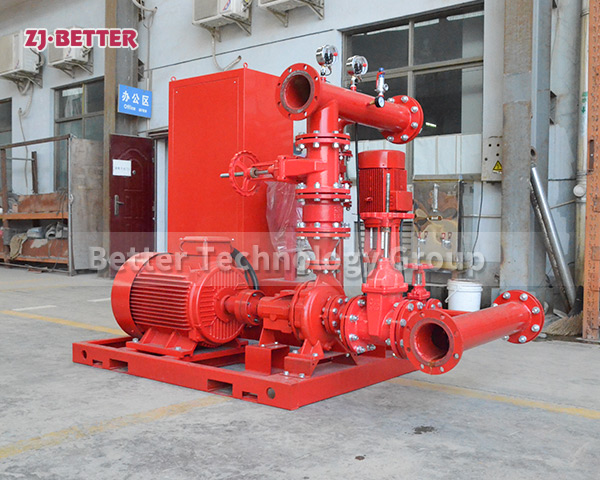
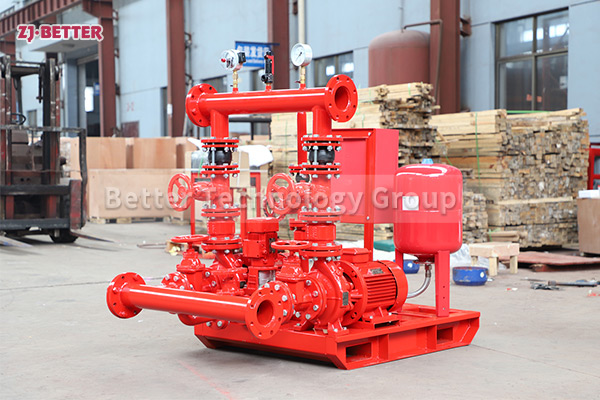
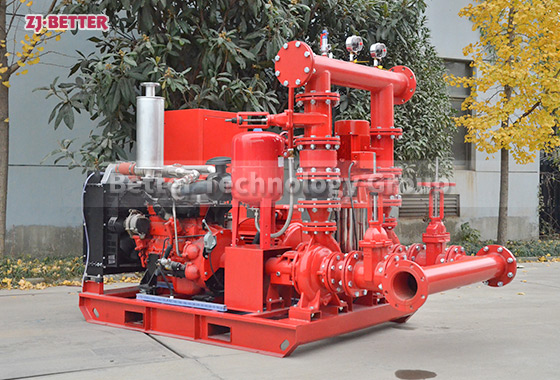
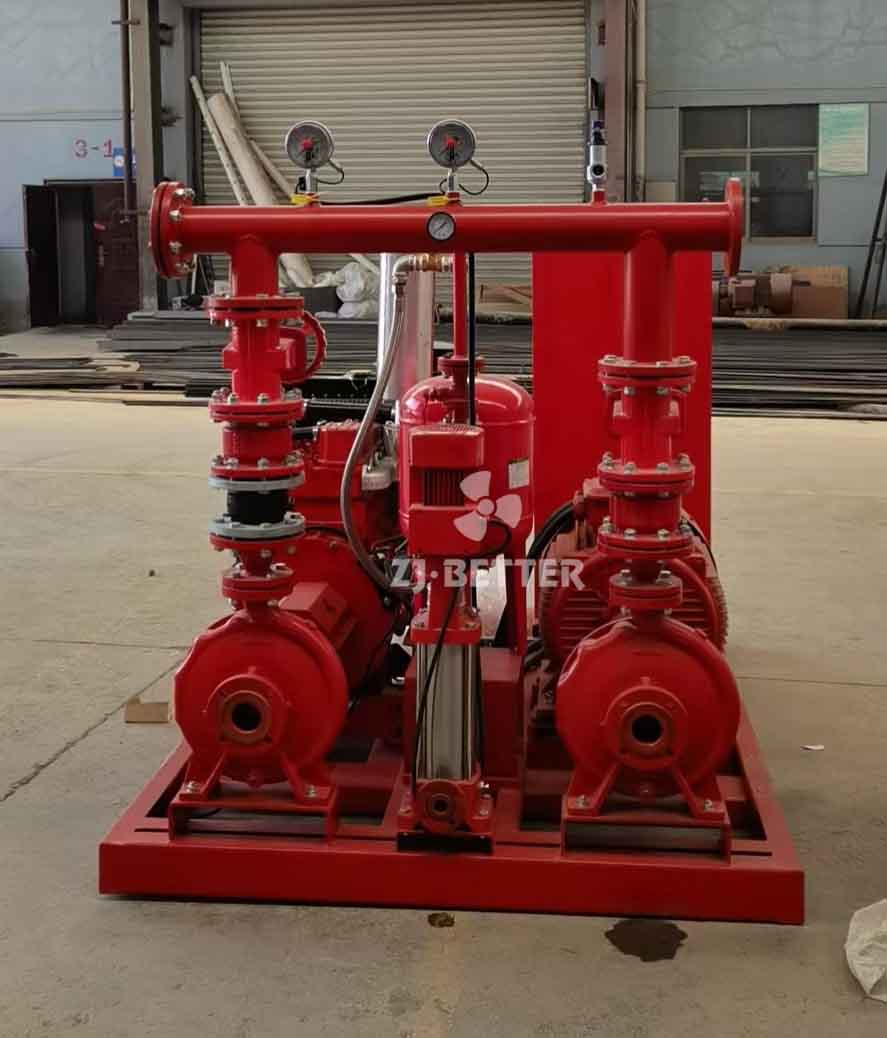
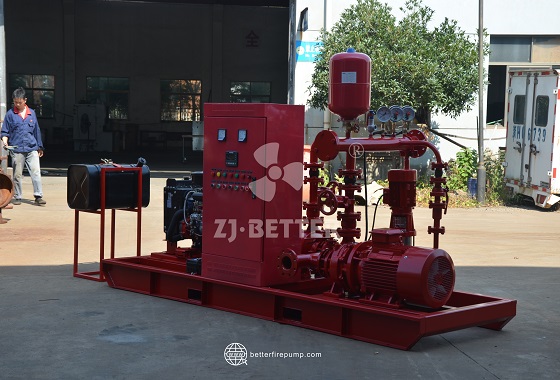
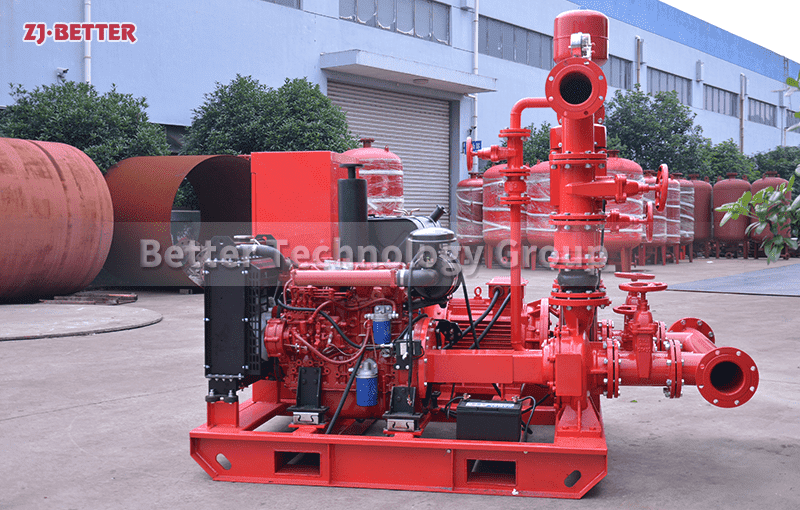
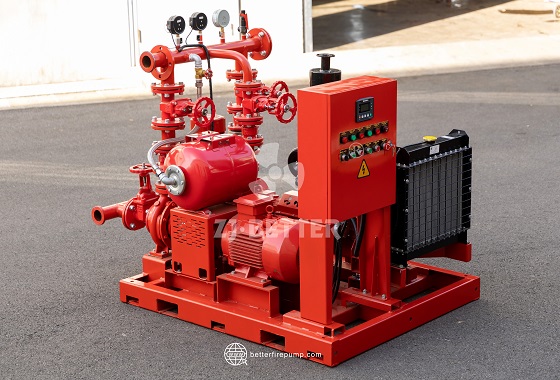
Skid-mounted electric fire pump sets integrate dual electric fire pumps, pressure-stabilizing pumps, automatic control cabinets, and pipeline accessories. They offer advantages such as convenient installation, automatic control, stable pressure boosting, large-flow water supply, and main/standby operation. They are suitable for fire water supply systems in industrial plants, warehouses, airports, docks, and large buildings.
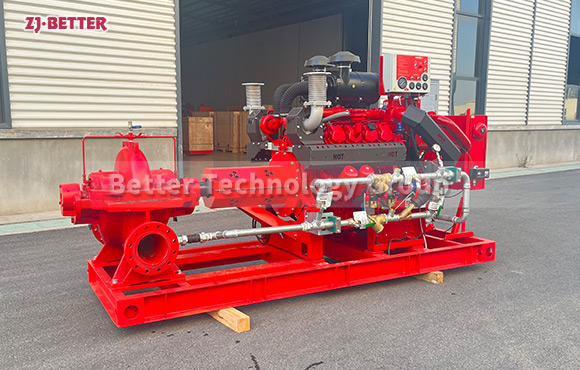
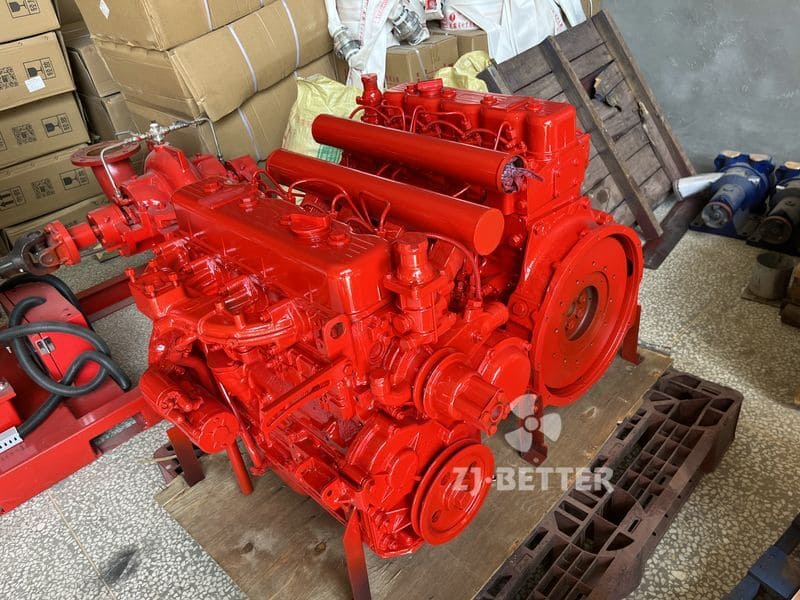
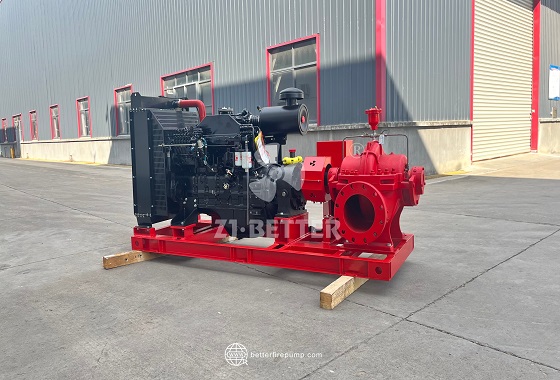
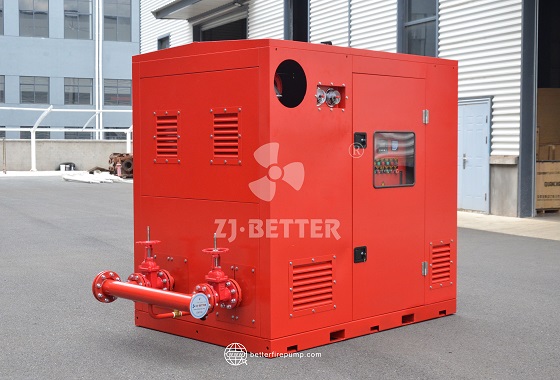
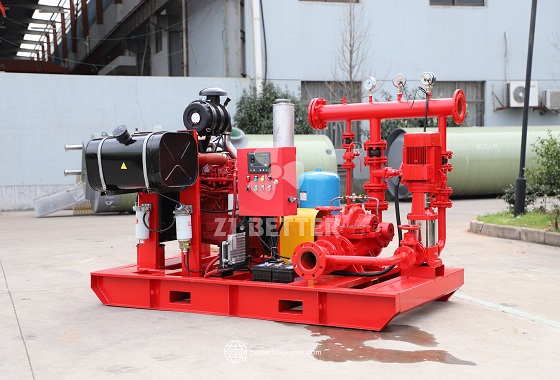
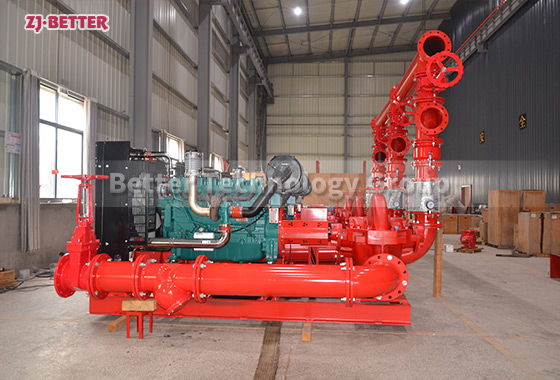
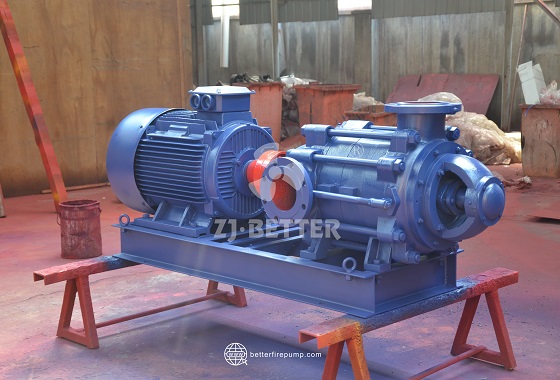
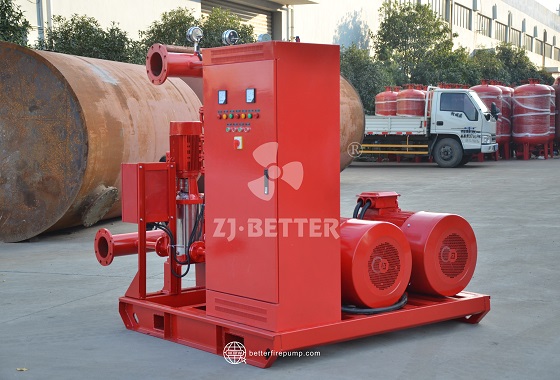
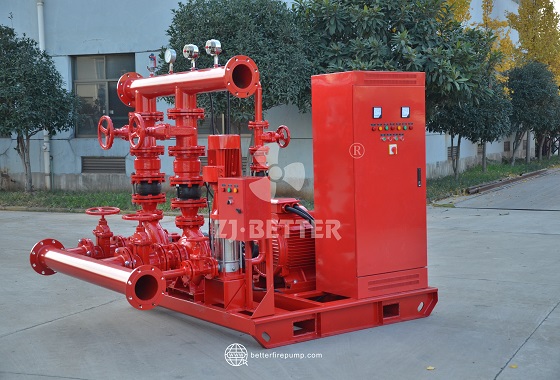
Skid-mounted electric fire pump sets are complete fire-fighting water supply systems designed for industrial plants, warehousing and logistics centers, commercial buildings, airports, docks, power facilities, and petrochemical plants. By integrating the main fire pump, motor, pressure-stabilizing pump, control cabinet, pressure detection device, valves, piping accessories, and common base, these sets transform traditionally dispersed fire pump equipment into a compact, functional, and easily installable modular fire-fighting water supply system. These sets can employ a dual-electric fire pump configuration, with one pump serving as the working pump and the other as a standby pump, working in conjunction with the pressure-stabilizing pump. Under normal conditions, the pressure-stabilizing pump maintains the required pressure in the fire-fighting network. When the system pressure drops and reaches the set conditions, the main fire pump can be activated to quickly establish the required flow and pressure in the fire-fighting network. The combined design of the main and standby pumps further enhances the redundancy and operational reliability of the fire-fighting water supply system. The products can be configured with different pump types, such as single-stage centrifugal pumps, horizontal split-case pumps, end-suction pumps, or multi-stage pumps, according to project requirements, allowing for appropriate selection of pump sets based on different flow rates, head, installation space, and network conditions. According to the product technical data, the flow rate range of the dual electric fire pump set can cover 50–5000 GPM, the head range is 3–20 Bar, the electric fire pump power range is 1.5–710 kW, and the speed range is 740–2900 r/min, which can meet the different water supply needs from small and medium-sized buildings to large industrial fire protection systems. The skid-mounted structure is one of the key advantages of this product. The fire pump, motor, and related accessories are centrally located on a common base, which reduces the workload of locating, connecting, and installing numerous independent devices on the construction site. This helps to shorten the construction and commissioning cycle of the fire pump room, while also making the overall equipment layout more organized and facilitating later inspection and maintenance. The centralized control system can automatically control the fire pumps and pressure-stabilizing pumps, and has overload and overcurrent protection functions. Pressure gauges and pressure sensors can be used to monitor the pressure of the fire pipeline network, providing necessary status information for the automatic operation of the pump set. The system can also integrate check valves, gate valves, pressure tanks, common suction and discharge pipelines, flexible joints, and flanges, further improving the degree of system integration. In terms of performance, motor-driven systems feature fast start-up response, stable operation, and convenient control, making them particularly suitable for fire protection systems in industrial and civil buildings with stable power supplies. Pressure-stabilizing pumps employ relatively small flow configurations, while their head is typically higher than the working pressure requirements of the main fire pump. This compensates for minor leaks or pressure fluctuations in the fire pipeline network, reducing frequent starts of the main fire pump due to slight pressure changes, thereby improving the overall system’s operational efficiency. Regarding material selection, pump sets can be configured with cast iron, stainless steel, or bronze impellers, depending on the project and media conditions, providing more flexible selection options for different fire protection projects. Compared to traditional on-site distributed installation methods, skid-mounted electric fire pump sets systematically integrate mechanical equipment, electrical controls, and piping accessories. This not only reduces matching work between equipment but also improves pump room space utilization, making transportation, installation, commissioning, and maintenance more convenient. For large-scale fire protection projects, fire water supply equipment not only needs to provide sufficient flow and pressure but also requires rapid response, continuous operation, and backup capabilities. The configuration of dual electric main pumps combined with pressure-stabilizing pumps can address both daily pipeline pressure stabilization and emergency fire water supply needs. With its integrated skid-mounted structure, dual-pump backup design, automatic control, high-flow water supply capacity, wide range of performance configurations, and high engineering adaptability, skid-mounted electric fire pump sets can provide efficient, stable, and easy-to-install and maintain fire water supply solutions for warehouses, docks, airports, petrochemical facilities, power plants, and other important locations.