Compact Horizontal Fire Pump with Optimized Pump and Motor Layout for Fire Pump Room Installation
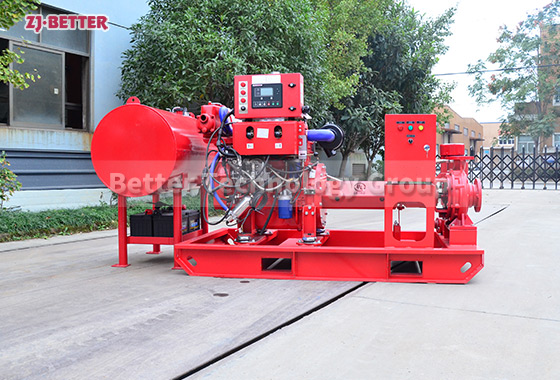
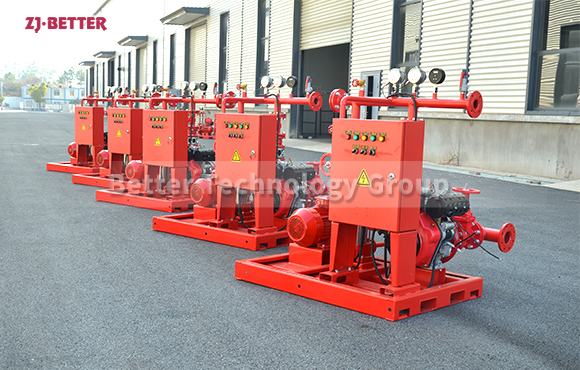
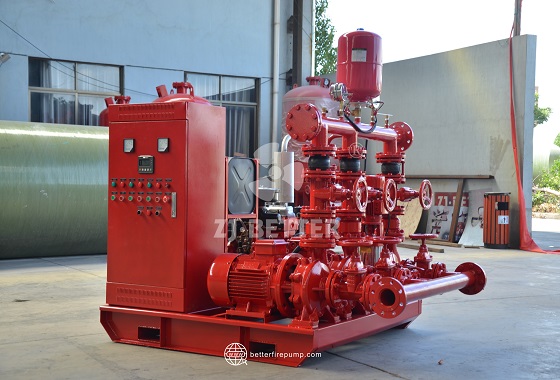
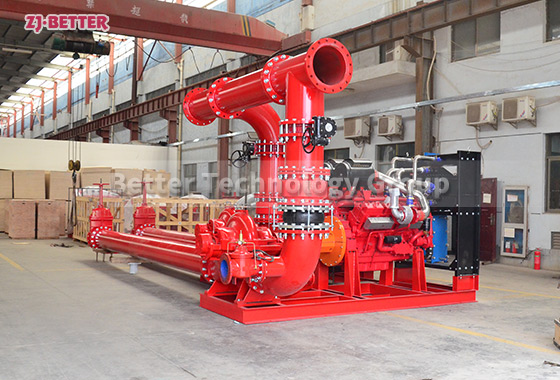
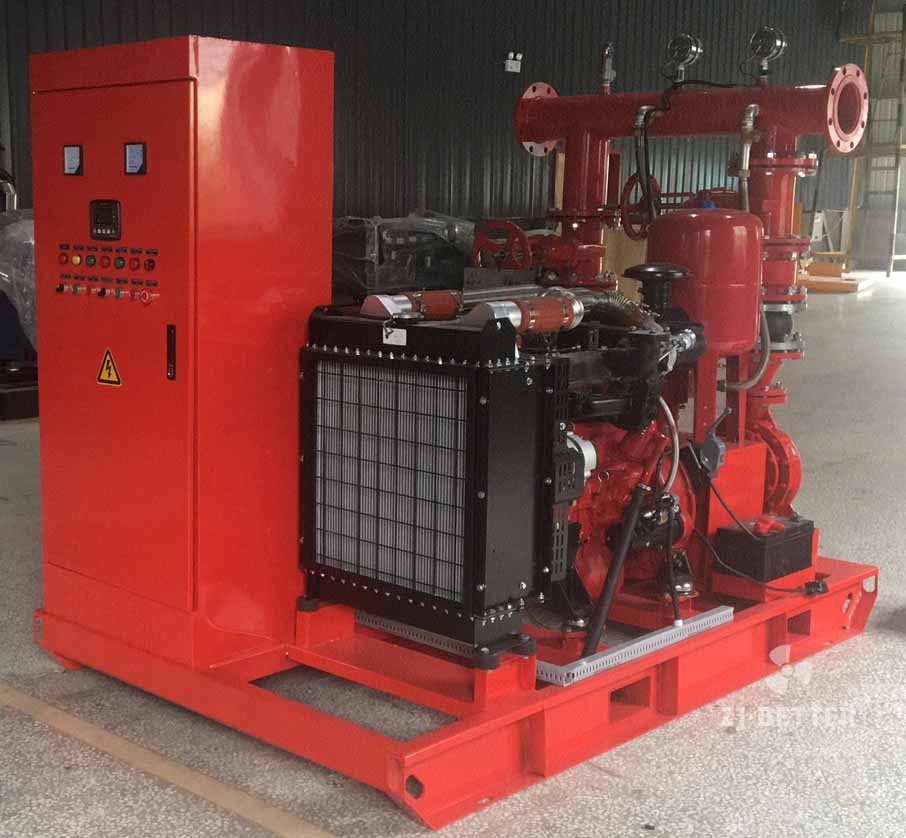
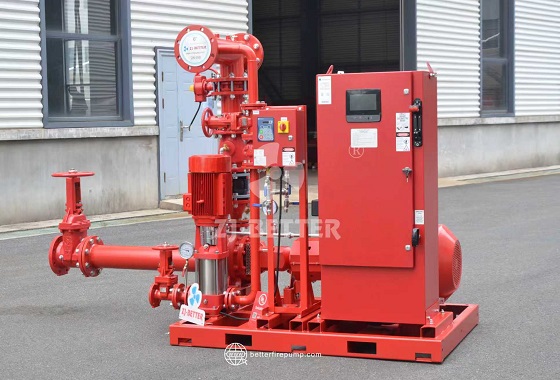
The compact horizontal fire pump features an optimized horizontal layout of the pump body and motor, saving installation space in the fire pump room and facilitating pipeline connection, equipment maintenance, and engineering configuration. It is suitable for fire water supply systems in buildings, industries, and warehouses.
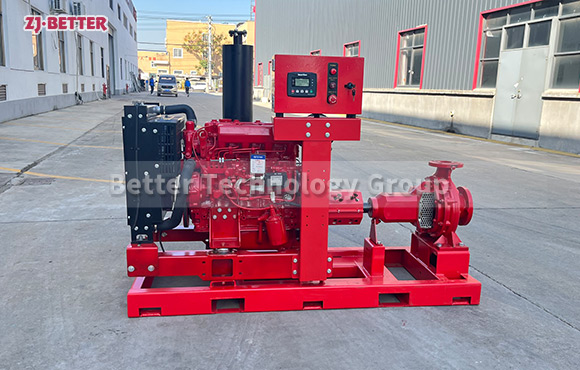
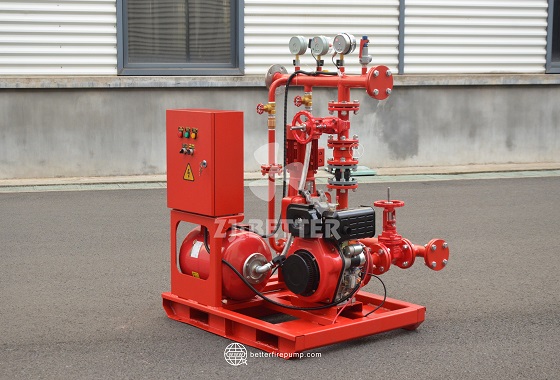
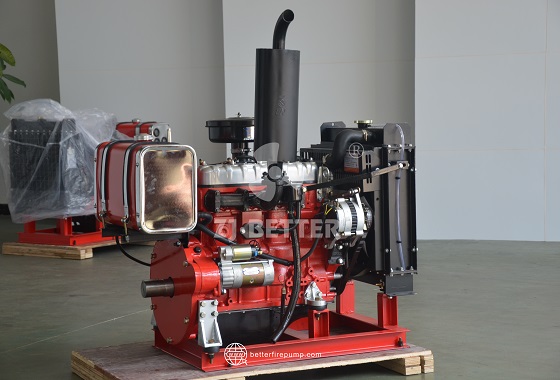
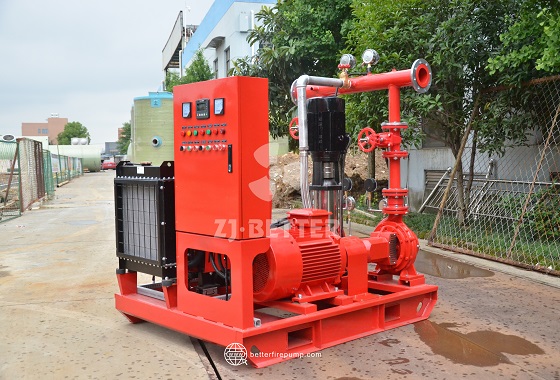
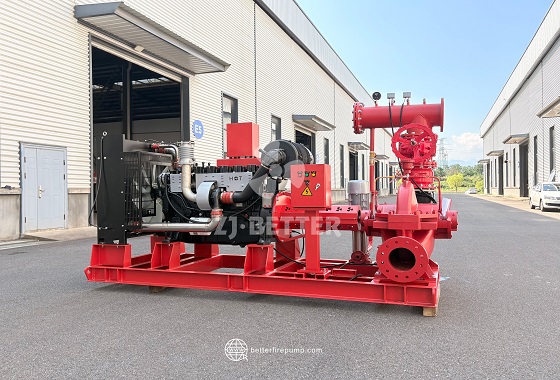
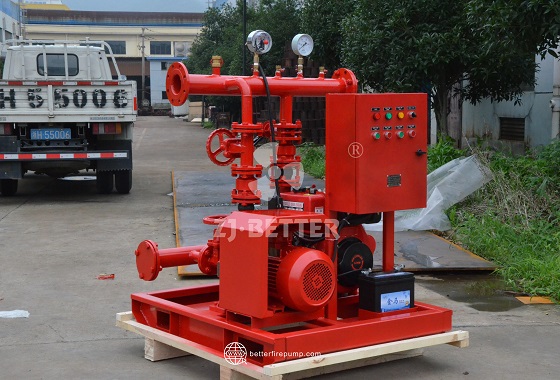
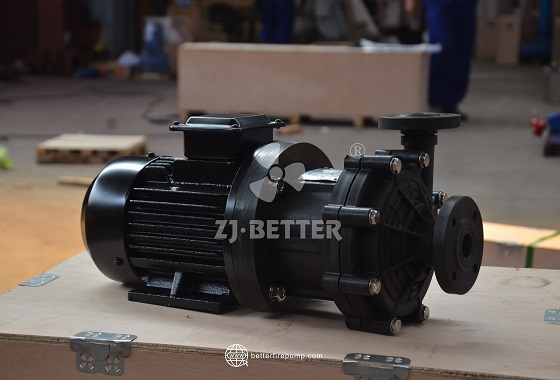
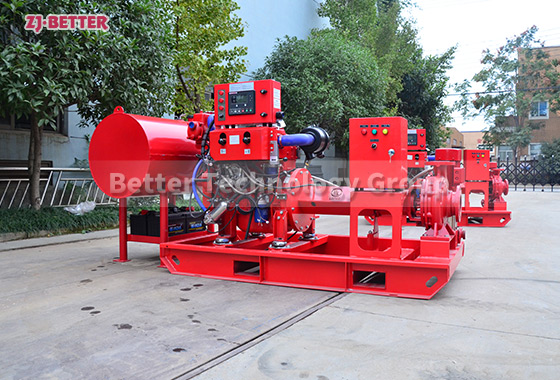
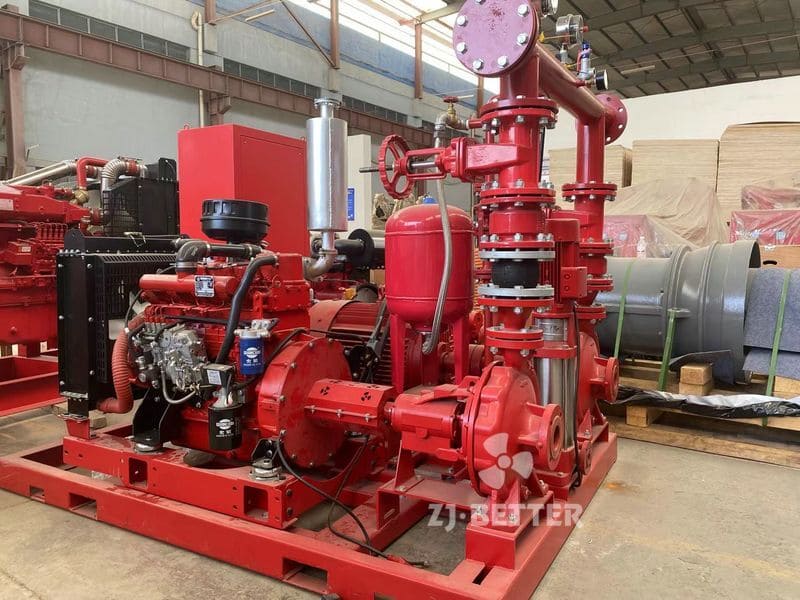
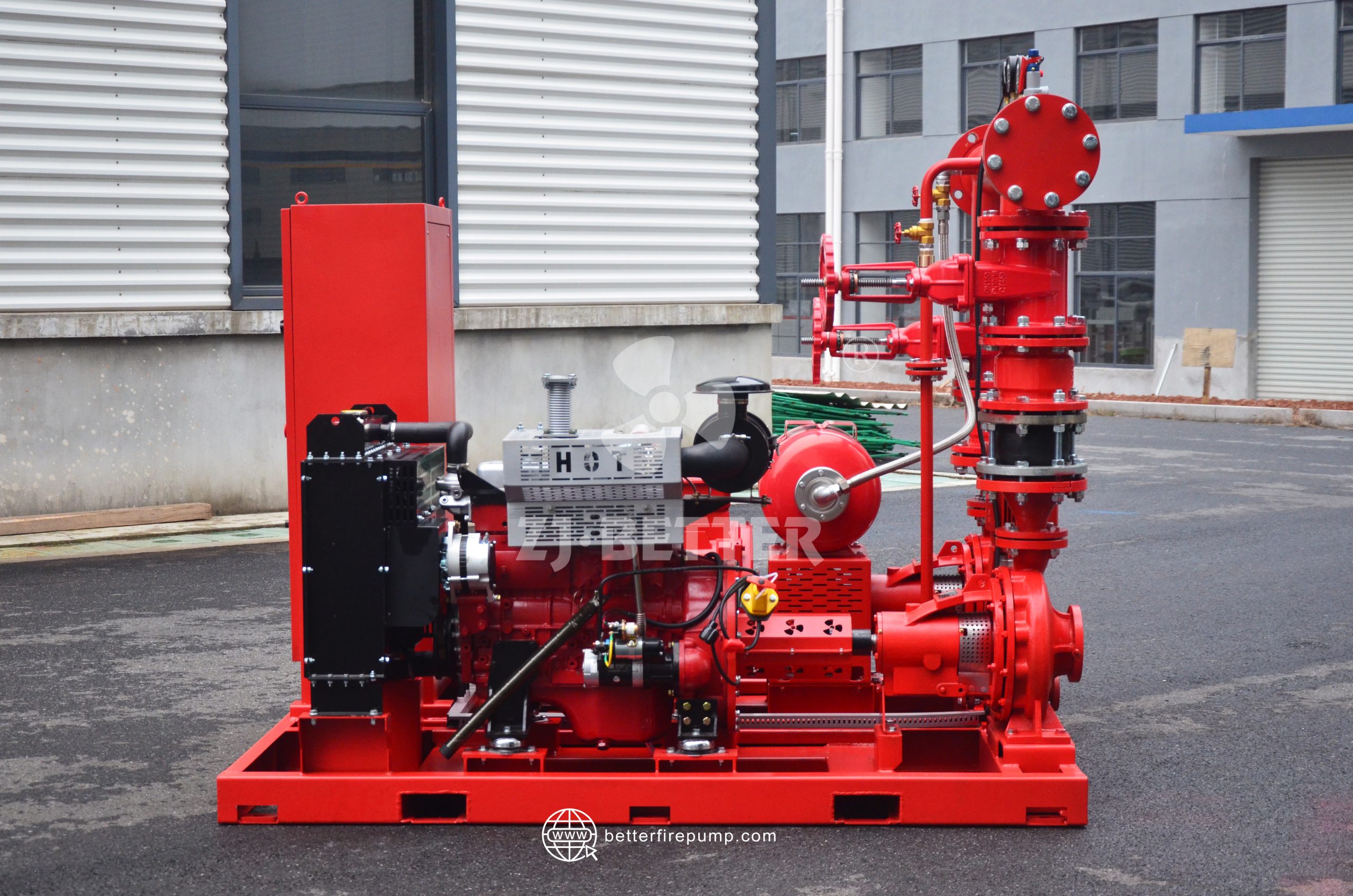
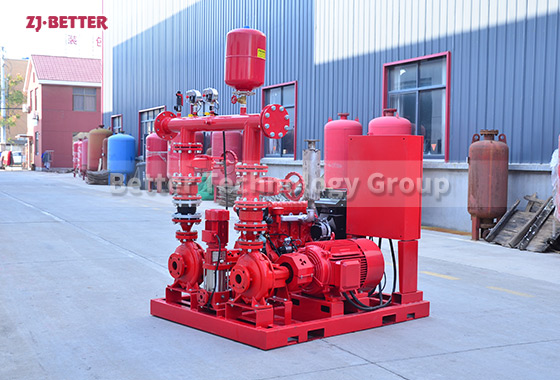
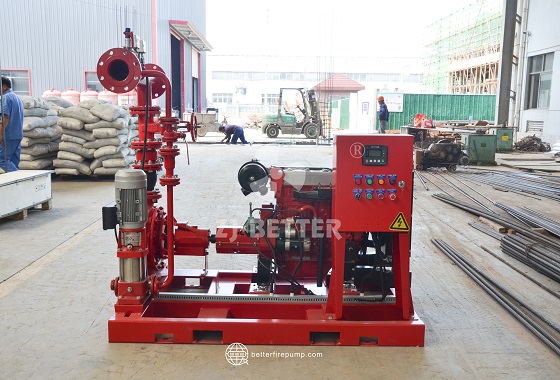
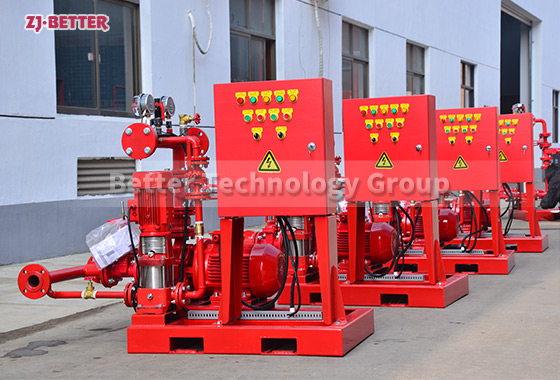
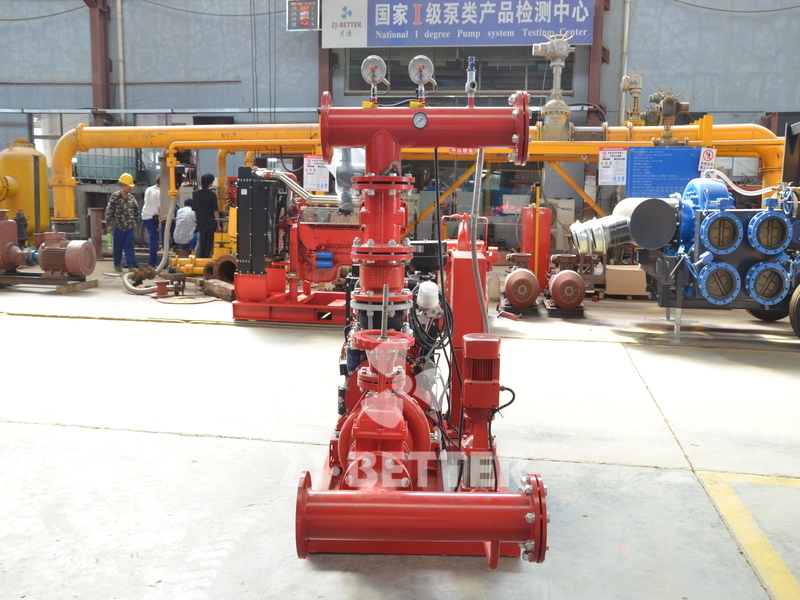
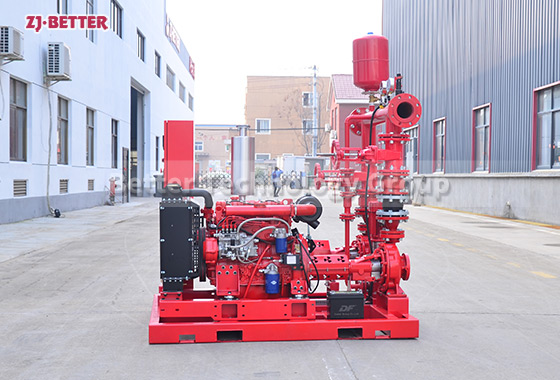
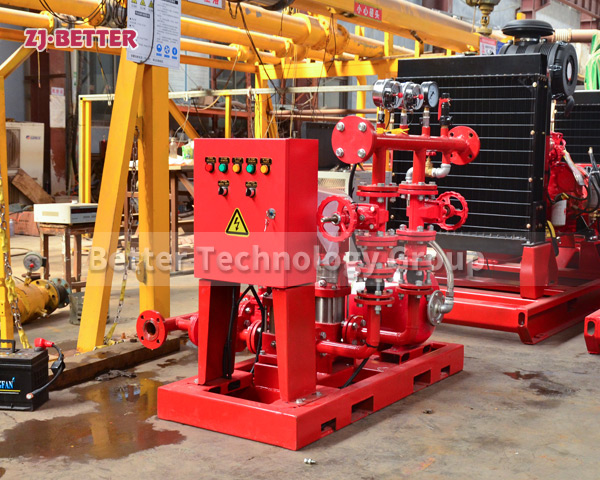
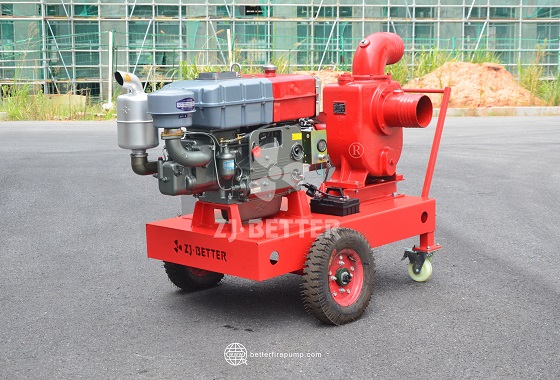
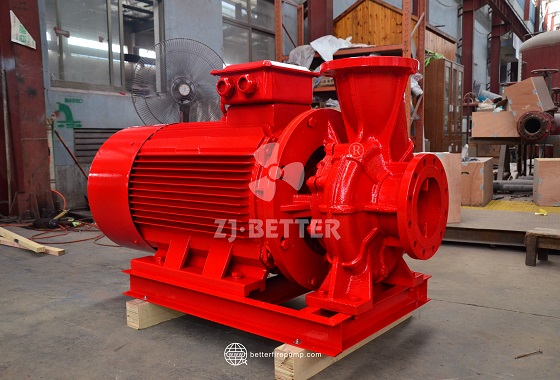
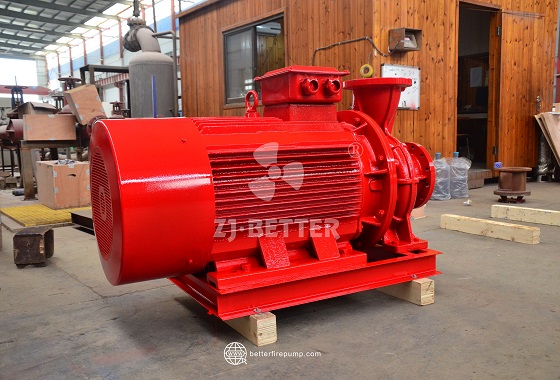
Compact horizontal fire pumps feature a horizontally arranged pump body and motor, resulting in a clear overall layout and enabling efficient installation within limited fire pump room space. For fixed fire water supply systems, pump sets must not only meet flow and head requirements but also consider practical engineering needs such as footprint, piping connections, operational stability, and future maintenance. Horizontal fire pumps optimize the relative positions of the pump body, motor, and mounting base, creating a compact structure that facilitates space planning and piping layout in fire pump rooms. These pumps typically operate on a centrifugal principle, converting mechanical energy into water pressure energy through high-speed impeller rotation, providing the necessary flow and pressure to the fire protection network. Depending on the project’s fire water demand, design head, pipe diameter, and power requirements, appropriate fire pump specifications can be selected to suit buildings, industrial plants, warehouses, and other fixed fire water supply scenarios. According to official website information, the relevant horizontal end-suction fire pumps feature a horizontal installation structure with the inlet and outlet located on the same horizontal centerline, facilitating connection to fire pipelines. The equipment is also equipped with a mounting base to improve installation stability. Some products offer flow rates ranging from 80 to 2500 GPM and head ranges from approximately 2 to 16 bar; specific parameters should be selected based on the actual fire protection system design requirements. In terms of structural design, the pump body and motor adopt a compact layout with direct connection, reducing the overall length of the equipment and making more efficient use of pump room space. Reasonable axial dimensions and installation methods also help maintain stable operation and reduce the impact of vibration on long-term use. The impeller, pump cover, mechanical seal, and other components inside the pump body bear the main hydraulic and sealing functions. The mechanical seal structure reduces media leakage during operation and provides a fundamental guarantee for continuous fire water supply. For fire protection equipment that needs to be in standby mode for extended periods, structural reliability and ease of maintenance are equally important. During maintenance of this type of horizontal fire pump, the rotating and sealing components inside the pump body can be inspected or replaced according to the specific structure, facilitating routine maintenance. During the installation of fire pump rooms, the compact horizontal structure helps engineers rationally plan the distances between the pump set and the water tank, main pipelines, valves, and other fire-fighting equipment. It is also important to ensure that the weight of the inlet and outlet pipes does not directly affect the pump body to avoid adversely impacting equipment performance. For fire protection projects with different flow rate and head requirements, different pump models can be selected for matching, or appropriate pump set configurations can be adopted based on the actual system. From an application perspective, horizontal fire pumps can be used in fire hydrant systems, automatic sprinkler systems, and other fixed fire water supply facilities, providing stable hydraulic support for the fire pipe network. Their compact equipment structure, clear horizontal layout, and relatively convenient pipe connection methods make them suitable for fire pump room projects that require efficient use of equipment space. For engineering designers, when selecting fire pumps, parameters such as design flow rate, head, suction conditions, pipe size, installation space, and motor power should be comprehensively considered to ensure that the pump set is reasonably matched with the entire fire protection system, meeting design water supply requirements while facilitating subsequent equipment inspection, commissioning, and maintenance.