Remote Monitoring Fire Water Supply System for Digital Fire Management
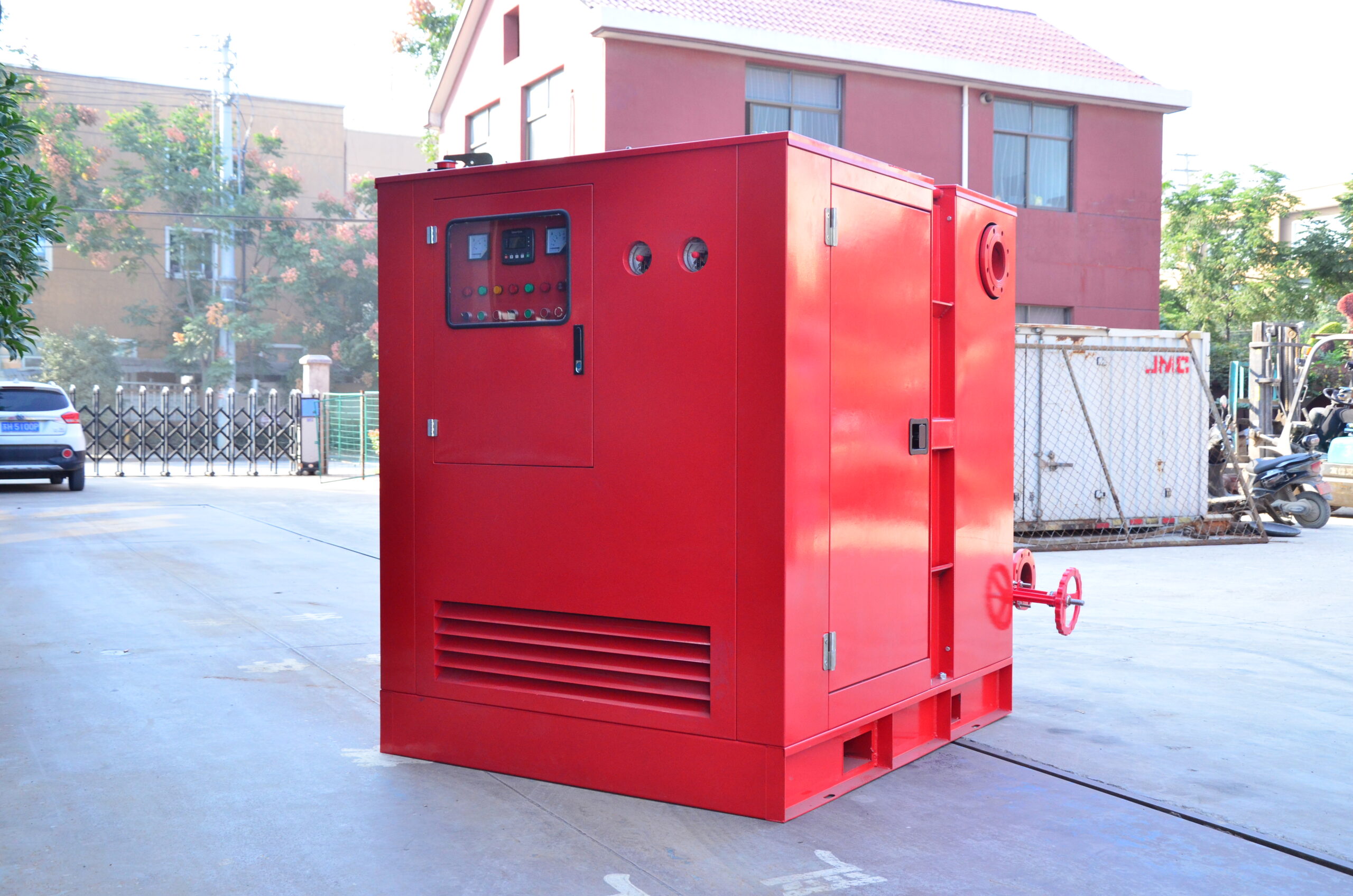
Remote monitoring fire water supply systems have the advantages of intelligent monitoring, automatic control, stable water supply and remote management, and are widely used in high-rise buildings, industrial fire protection and smart fire protection projects.
Modern fire protection engineering is rapidly evolving towards digitalization, intelligence, and remote operation. Traditional fire water supply systems are increasingly unable to meet the demands of large buildings, industrial parks, commercial complexes, and smart city construction for efficient management and real-time monitoring. Especially in complex fire environments such as high-rise buildings, underground spaces, petrochemical plants, power facilities, and warehousing and logistics centers, fire water supply systems not only need stable and reliable fire-fighting water supply capabilities but also require remote monitoring, intelligent early warning, and automated management functions. Remote monitoring fire water supply systems are crucial fire protection equipment that has been continuously upgraded in response to this market demand. Through intelligent control technology, an IoT communication platform, and automated water supply equipment, this system achieves 24/7 real-time monitoring and remote management of the fire water supply system’s operational status, effectively improving the system’s operational efficiency, reducing manual maintenance costs, and comprehensively enhancing modern fire safety capabilities. As an important component of modern smart fire protection systems, remote monitoring fire water supply systems are widely used in industrial fire protection, high-rise building fire protection, municipal fire protection, and large public facility fire protection projects, becoming a core piece of equipment for modern fire water supply management.
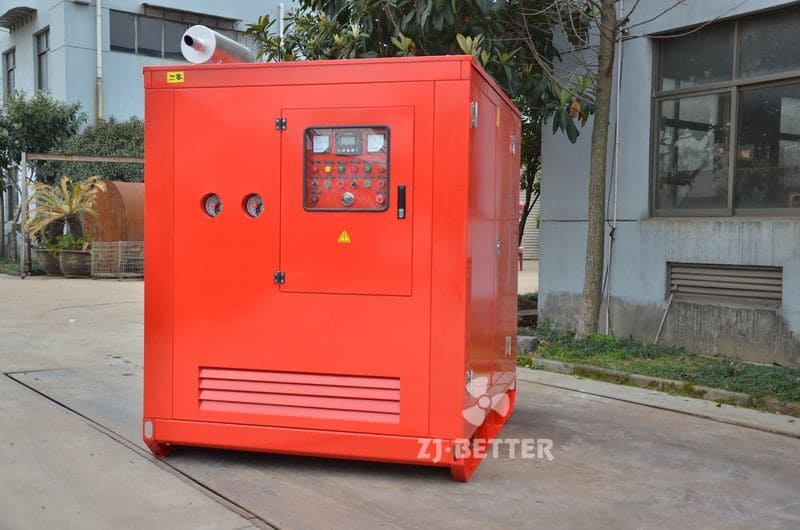
The most significant feature of remote monitoring fire water supply systems lies in their highly intelligent real-time monitoring capabilities. Traditional fire-fighting water supply equipment typically relies on manual inspections and on-site operations, resulting in low management efficiency and an inability to promptly detect potential faults. In contrast, remote monitoring fire-fighting water supply systems, through digital sensors and intelligent control platforms, can collect real-time key data such as fire pipeline pressure, flow rate, voltage, current, equipment temperature, and operating status, transmitting this data to a central monitoring platform via network. Management personnel can monitor the operation of fire-fighting equipment anytime, anywhere via computer, mobile phone, or tablet without needing to be on-site. When system pressure, equipment malfunction, or water supply abnormalities occur, the platform can issue alarm information immediately, helping management personnel to take timely emergency measures and significantly improving the efficiency of fire system safety management.
Stable and reliable water supply capability is the most important core performance characteristic of a fire-fighting system. Remote monitoring fire-fighting water supply systems employ high-efficiency fire pumps and intelligent booster technology, automatically adjusting water pressure and flow rate according to the actual needs of the fire-fighting system. In large high-rise buildings or industrial fire-fighting projects, due to long water delivery distances and complex water supply levels, traditional water supply equipment is prone to localized insufficient pressure. Remote monitoring systems, through dynamic pressure control and automatic booster functions, can continuously maintain the stable operation of the entire fire pipeline network. Whether it’s starting the sprinkler system, supplying water to fire hydrants, or extinguishing fires with fire monitors, the system can respond quickly and provide a stable water supply, effectively improving fire extinguishing efficiency and the stability of the fire protection system.
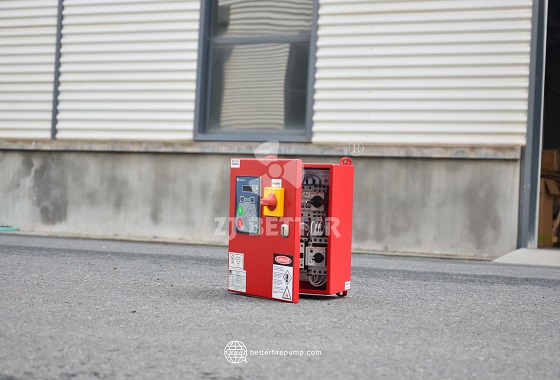
Intelligent automatic control is one of the key technological advantages of remotely monitored fire water supply systems. The system typically employs PLC intelligent control programs and automatic linkage technology, automatically adjusting equipment operating modes based on the operating status of the fire pipeline network. When the system is in standby mode, the equipment automatically maintains stable pipeline pressure; when a fire occurs or system pressure drops, the fire pumps automatically start and quickly enter water supply mode; when water demand decreases, the equipment automatically reduces operating power or switches operating modes. This fully automatic control mode not only improves fire water supply efficiency but also reduces the risk of human error, thereby enhancing the reliability and stability of the entire fire protection system.
In modern smart fire protection construction, remote data management has become an important direction for improving fire management. Remotely monitored fire water supply systems can seamlessly connect with smart fire protection platforms, enabling centralized management and intelligent analysis of fire data. All equipment operating data can be stored long-term, generating operating records and fault analysis reports. Managers can analyze the operational trends of fire protection systems through a data platform, promptly identify potential problems, and perform maintenance in advance. This data-driven management model not only improves the efficiency of fire protection equipment management but also reduces system failure rates and maintenance costs, providing crucial technical support for the construction of modern smart buildings and smart city fire protection systems.
Energy-saving operation is another important performance advantage of modern remote-monitored fire water supply systems. Traditional fire water supply equipment typically operates at a fixed power level, easily resulting in significant energy waste during long periods of standby and low load conditions. Remote monitoring systems, through variable frequency speed control technology and intelligent operating algorithms, can automatically adjust equipment operating speed and output power according to actual water supply needs. When the system is operating under low load, the equipment automatically reduces energy consumption; when the system requires a large flow of water, the equipment can quickly increase its operating capacity. This intelligent energy-saving mode not only effectively reduces long-term operating electricity costs but also reduces mechanical wear and equipment heat generation, thereby extending equipment lifespan and better meeting the development needs of modern green buildings and energy-saving fire protection projects.
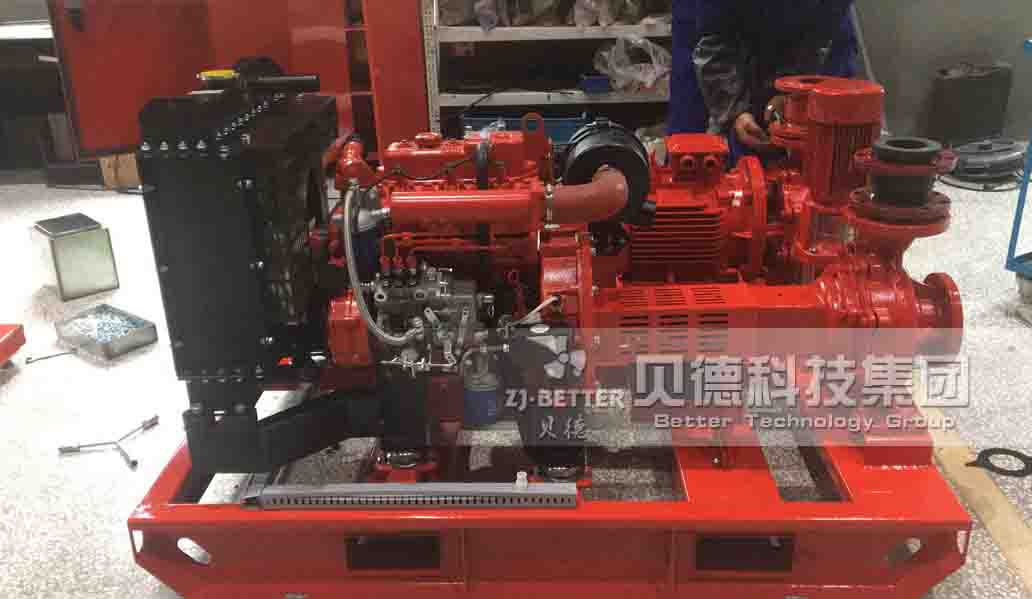
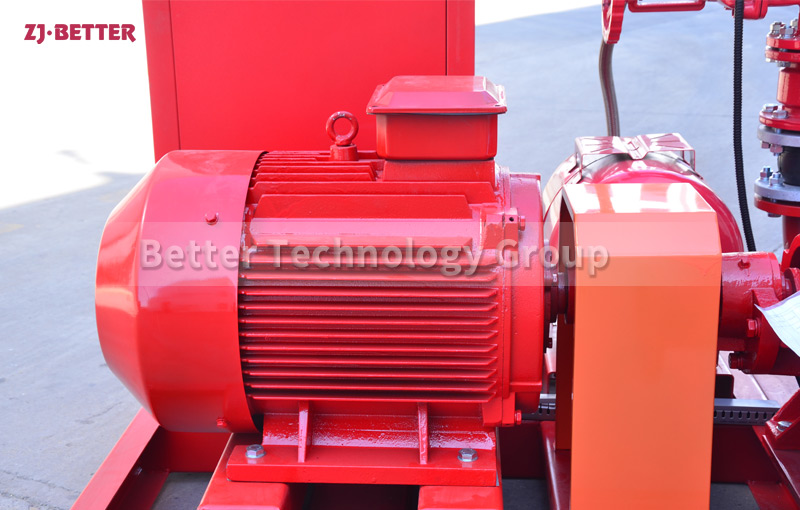
High reliability design is a key core competitiveness of remote-monitored fire water supply systems. Firefighting equipment must operate stably during critical moments. Therefore, the system utilizes industrial-grade high-performance motors, high-strength pump bodies, and corrosion-resistant materials, enabling it to withstand long-term operation in high-temperature, high-humidity, high-dust, and complex industrial environments. The system is also equipped with multiple safety protection functions, including overload protection, phase loss protection, short-circuit protection, overpressure protection, and automatic fault switching. When the main equipment malfunctions, the backup system automatically starts and takes over, ensuring uninterrupted fire water supply. This high reliability is invaluable for critical fire-fighting locations such as large industrial parks, data centers, and commercial complexes.
The remote-monitored fire water supply system also features low-noise and low-vibration operation. Traditional high-power fire water supply equipment tends to generate significant noise and vibration during operation, affecting equipment stability and causing disturbance to the building environment. Modern remote monitoring systems, through optimized impeller structure, rotor balancing design, and vibration-damping base systems, significantly reduce operating noise and mechanical vibration. This results in smoother equipment operation, reducing wear and tear and improving the environment of the fire pump room. This low-noise operation characteristic is particularly suitable for projects with high environmental requirements, such as hospitals, schools, high-end commercial complexes, and residential buildings.
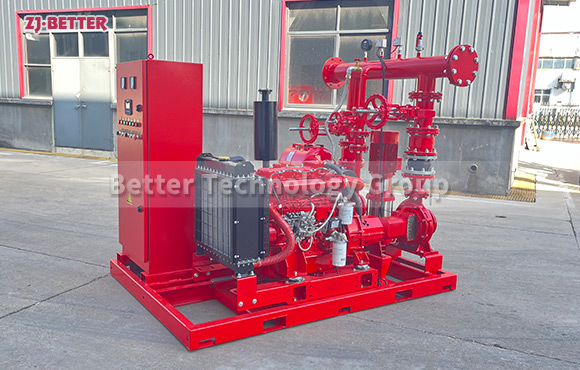
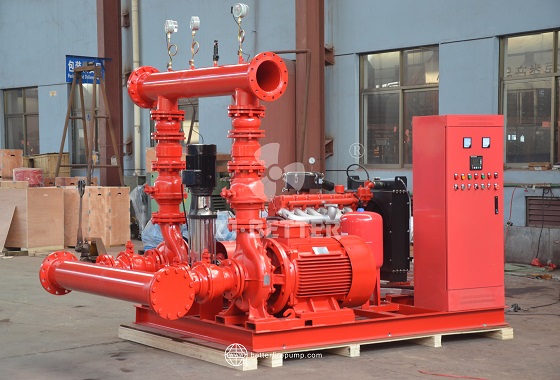
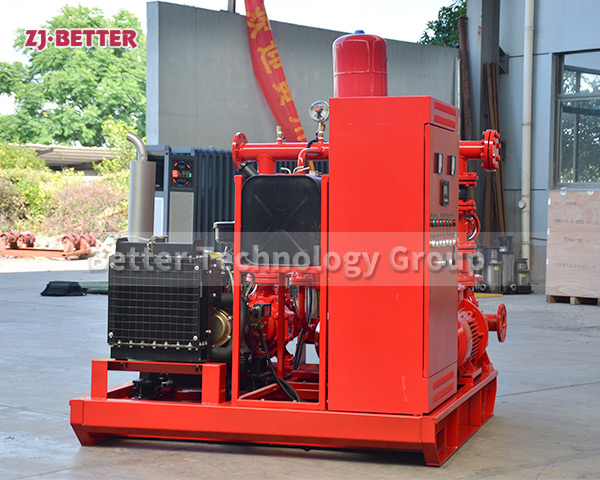
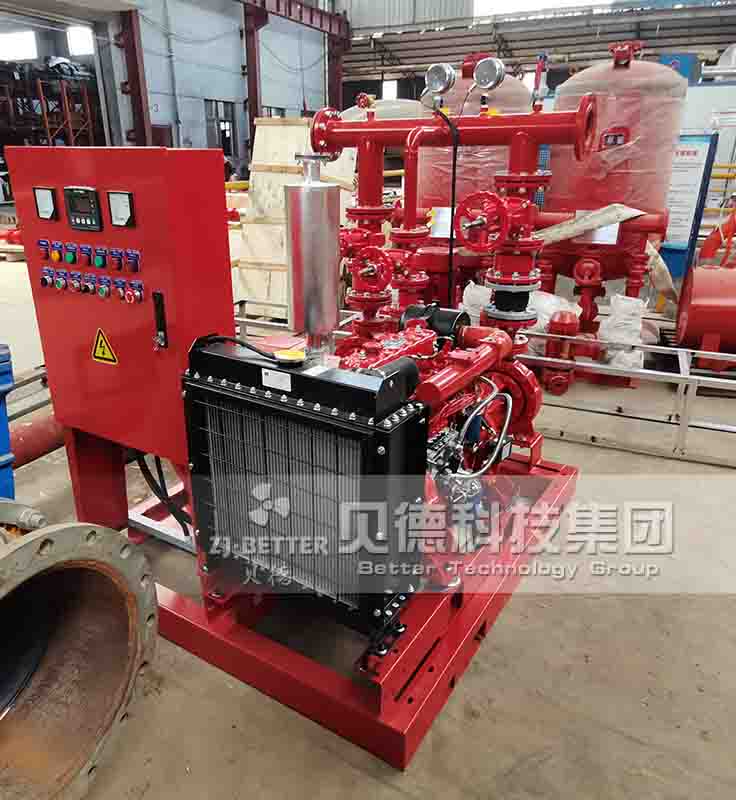
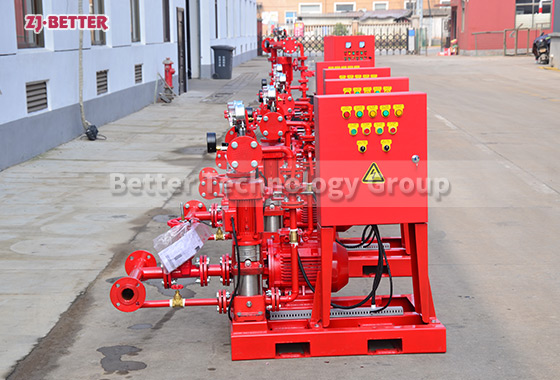
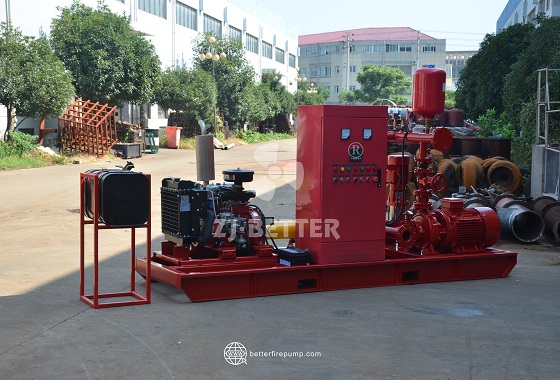
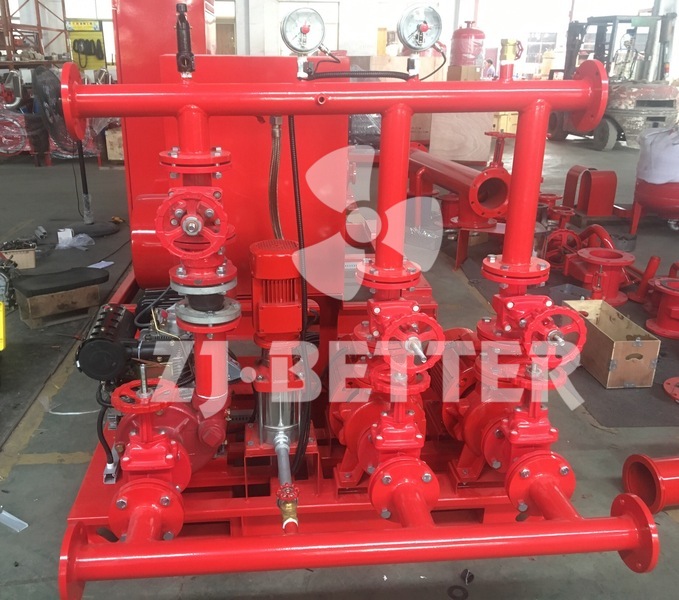
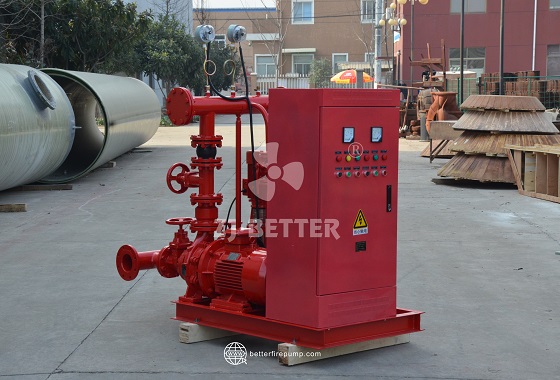
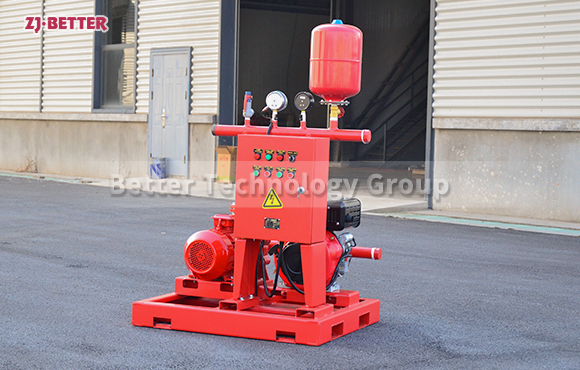
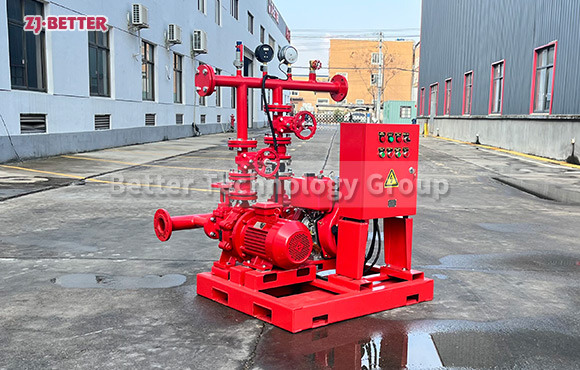
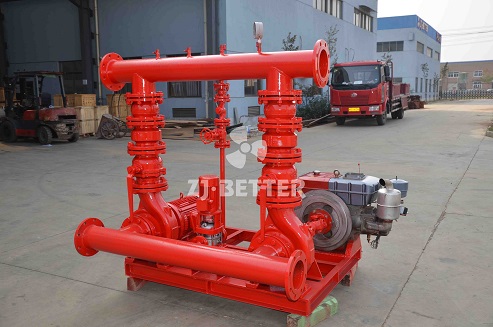
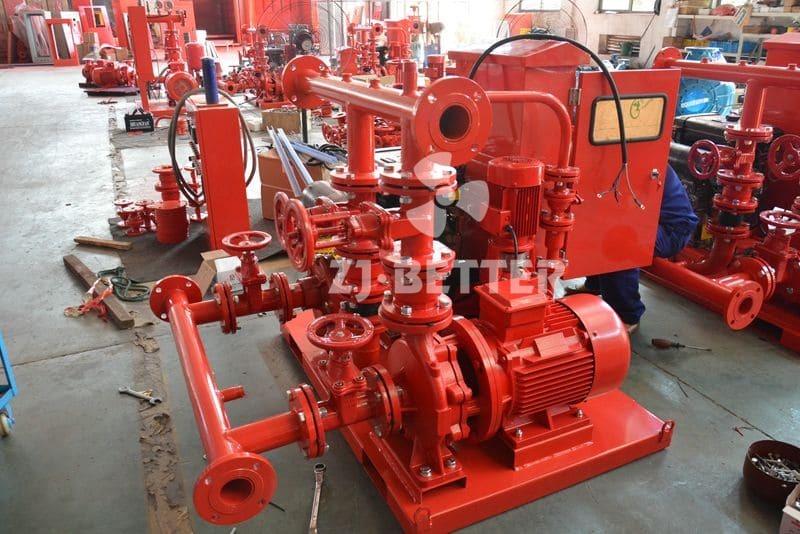
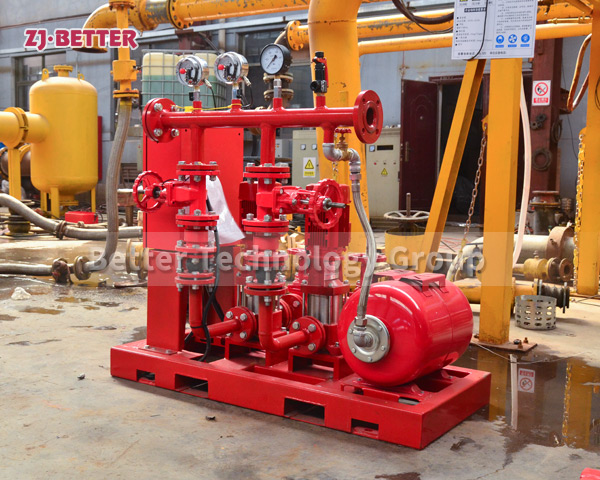
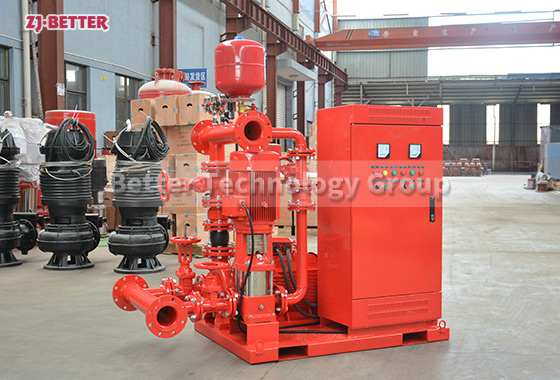
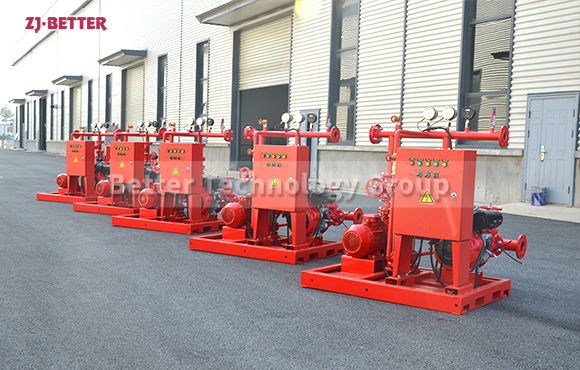
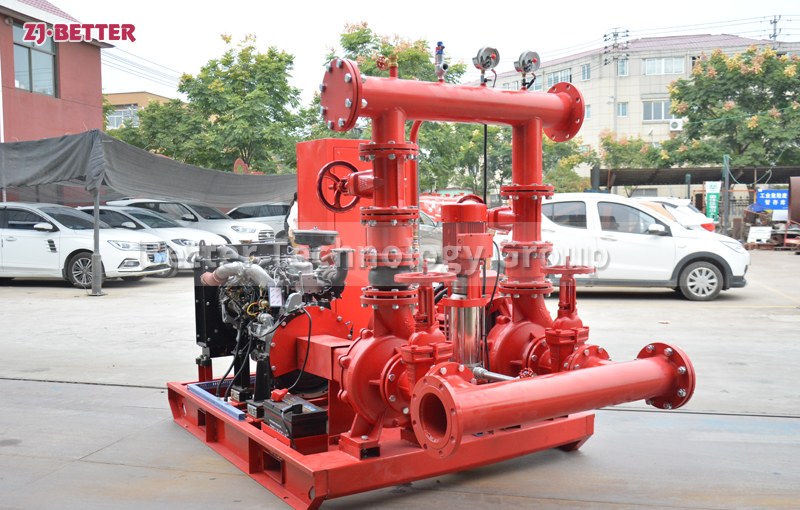
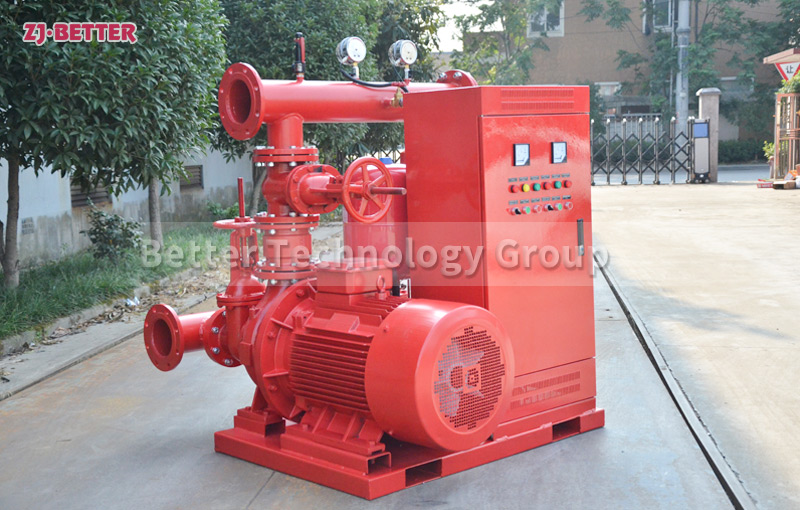
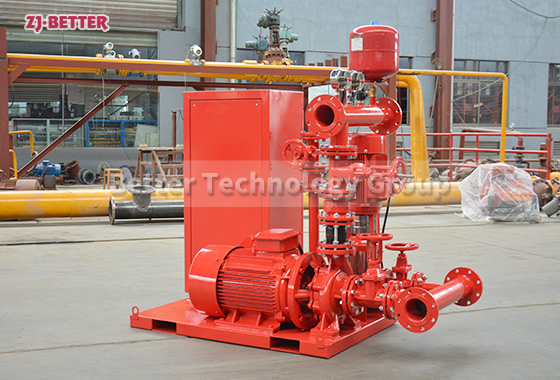
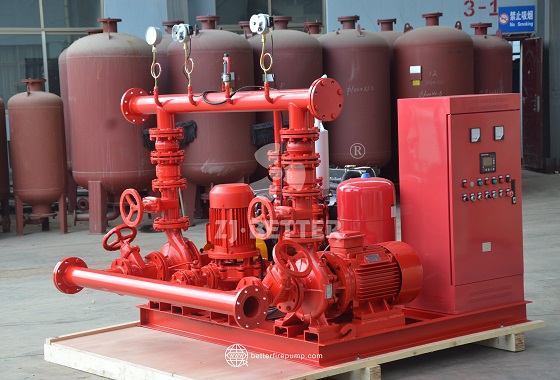
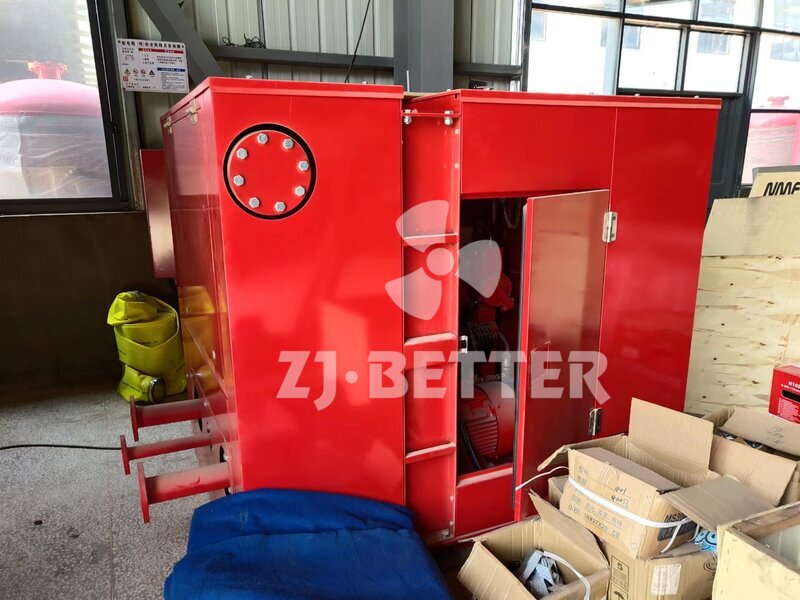
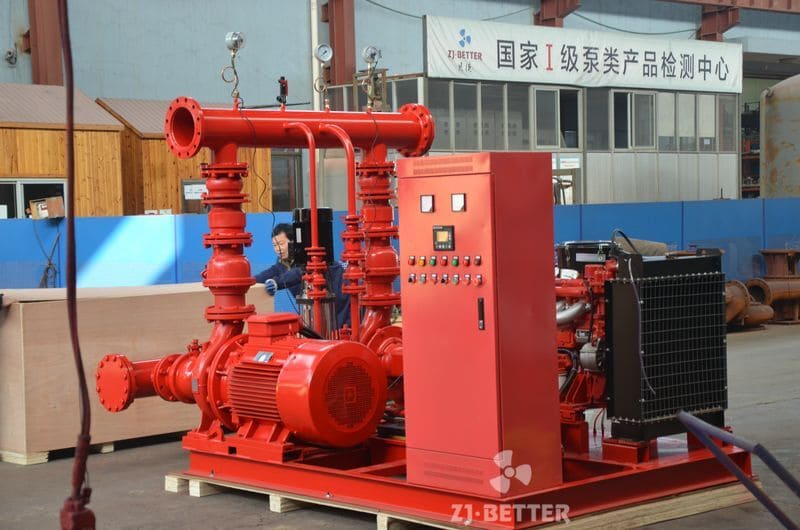
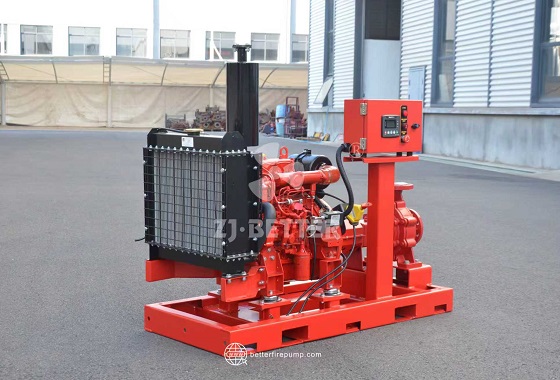
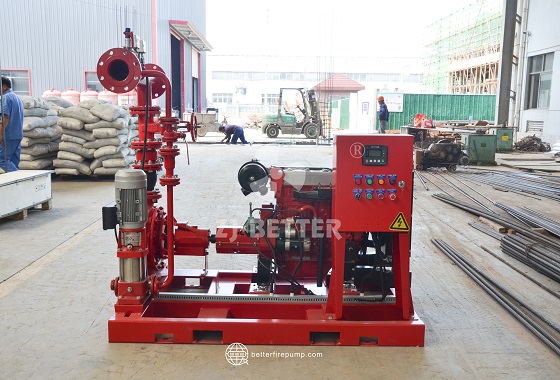
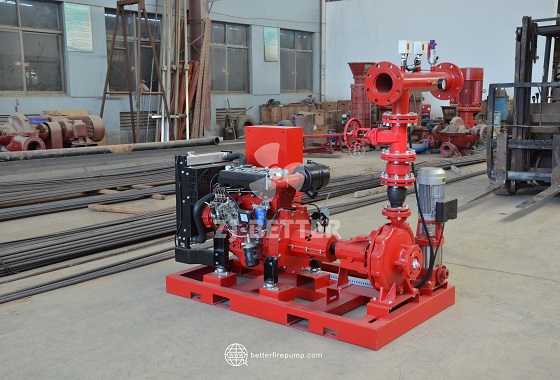
Modular design gives remote-monitored fire water supply systems greater flexibility in installation and maintenance. The system typically adopts an integrated structural design, integrating fire pumps, control cabinets, piping systems, and monitoring modules into a unified platform. It has a small footprint, a compact structure, and can be flexibly configured to meet different fire protection engineering needs. The equipment can be fully commissioned before leaving the factory, requiring only simple connections on-site for rapid deployment, significantly shortening the construction cycle. At the same time, the modular design also improves the convenience of later maintenance; key components are easy to disassemble and assemble, effectively reducing maintenance difficulty and equipment downtime.
In the field of industrial fire protection, remote-monitored fire water supply systems perform particularly well. Petrochemical plants, power facilities, mines, natural gas stations, and large manufacturing plants have extremely high reliability requirements for fire water supply systems. The system not only needs to operate stably for extended periods but must also be able to withstand the high temperatures, corrosion, and continuous water supply demands of complex industrial environments. Remote-monitored fire water supply systems employ enhanced heat dissipation design and industrial-grade protective structures, enabling long-term stable operation in complex working conditions. Meanwhile, its remote alarm and automatic fault analysis functions effectively reduce the frequency of manual inspections, improving the overall management efficiency and safety level of industrial fire protection systems.
With the continuous development of IoT, big data, and artificial intelligence technologies, remote monitoring fire water supply systems are upgrading towards greater intelligence. Future systems will possess more powerful data analysis and predictive maintenance capabilities. Through intelligent analysis of historical operating data and equipment status, potential fault risks can be detected in advance, and maintenance suggestions can be automatically generated. Simultaneously, the system can also link with smart building platforms, security systems, and urban emergency management platforms to achieve more comprehensive smart fire management. This intelligent development trend not only further improves the operational efficiency of fire protection systems but also provides safer and more reliable fire protection for the construction of modern smart cities.
Overall, remote monitoring fire water supply systems, with their advantages of intelligent monitoring, automatic control, stable water supply, remote management, and energy-saving operation, have become key core equipment in modern smart fire protection construction. They not only improve the fire extinguishing efficiency and safety management capabilities of fire protection systems but also reduce long-term operating costs and maintenance difficulties. With the continuous expansion of modern building scale and the ongoing development of smart fire protection technology, remote monitoring fire water supply systems will play an increasingly important role in future fire protection engineering construction, providing more efficient, safe and intelligent water supply guarantees for fire protection systems in industrial, commercial and public buildings.