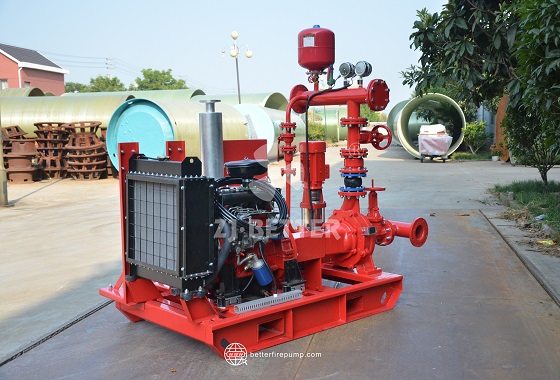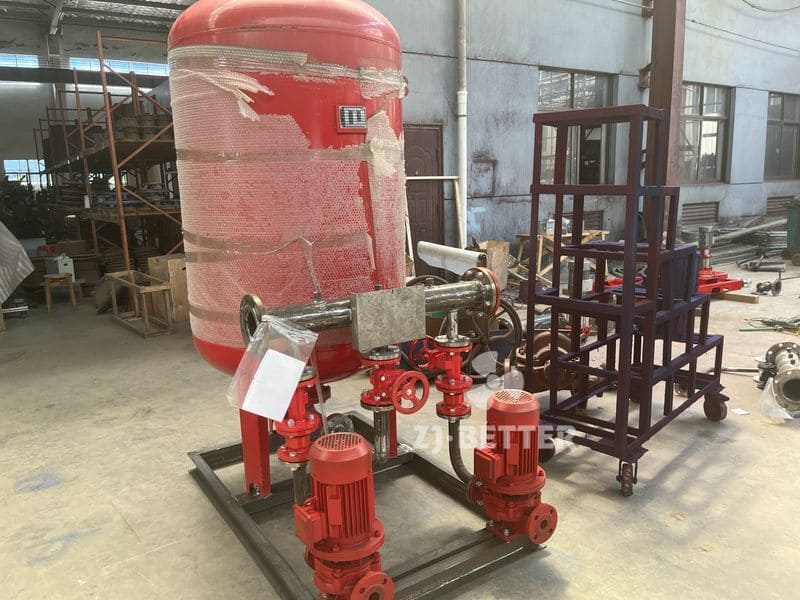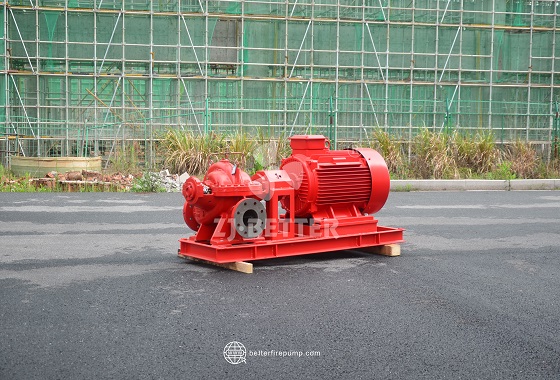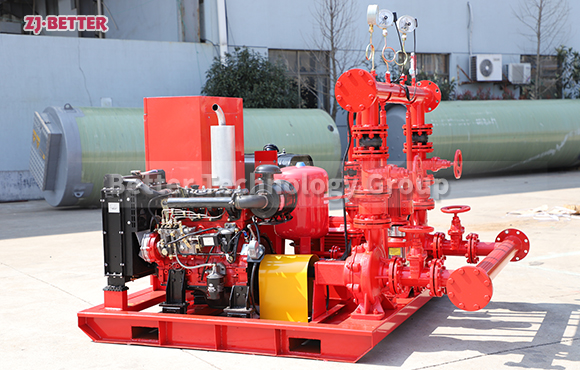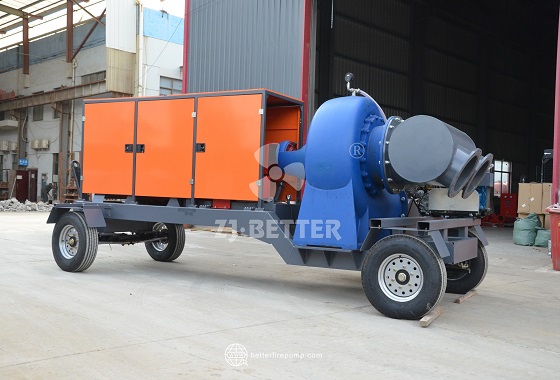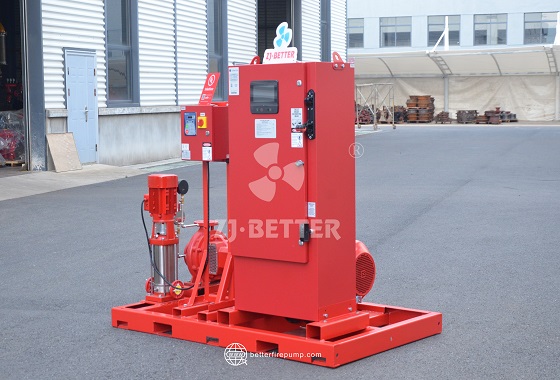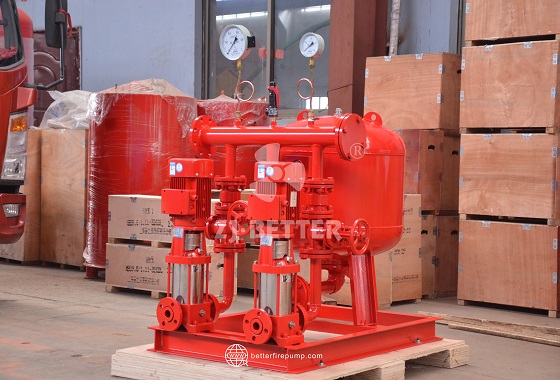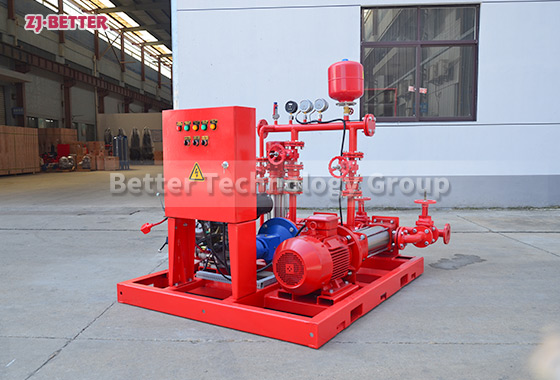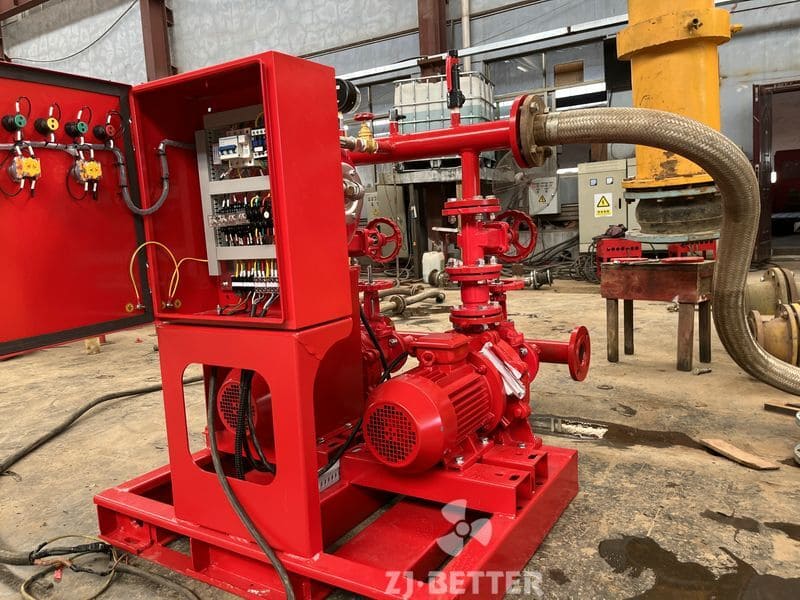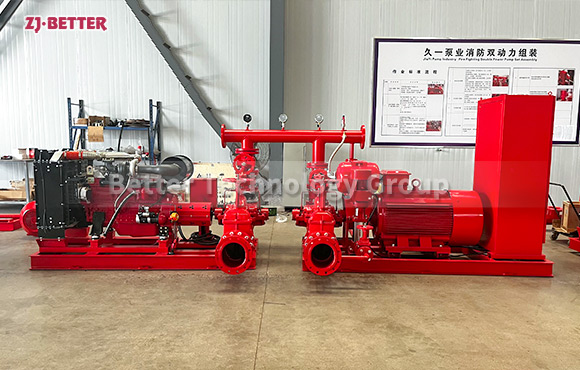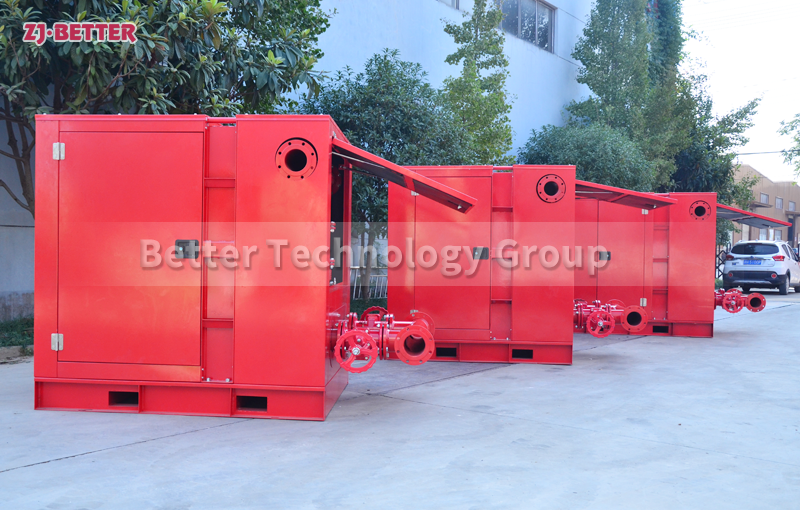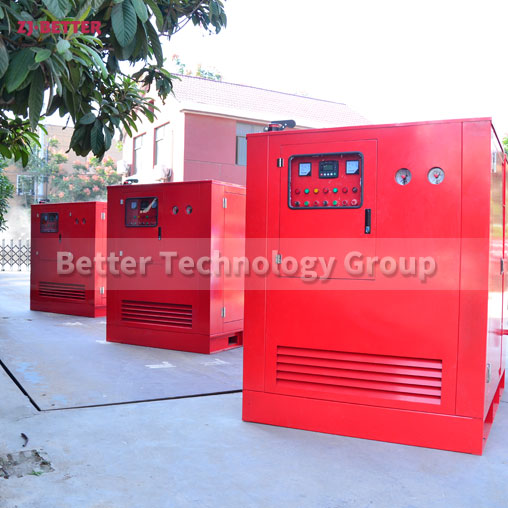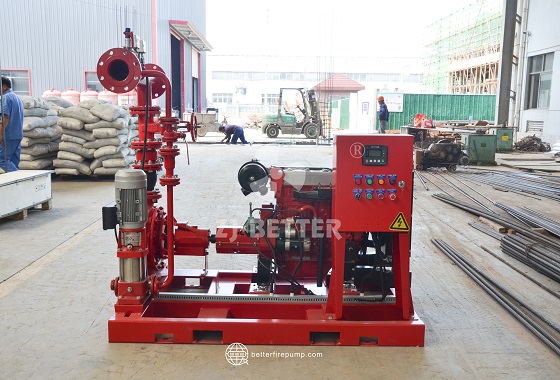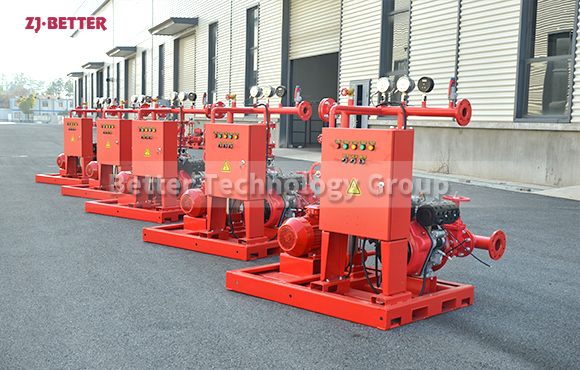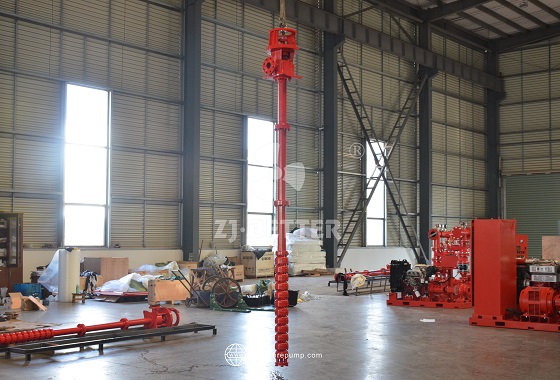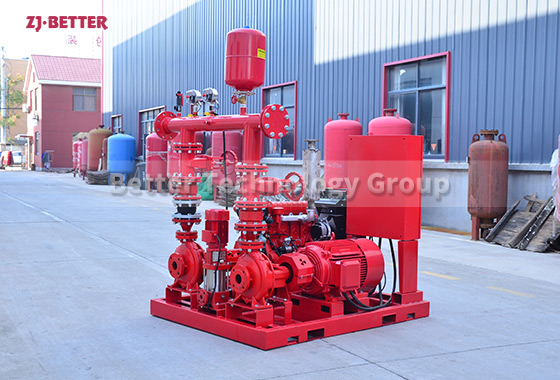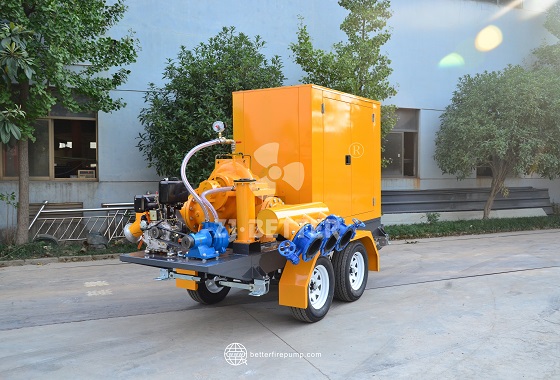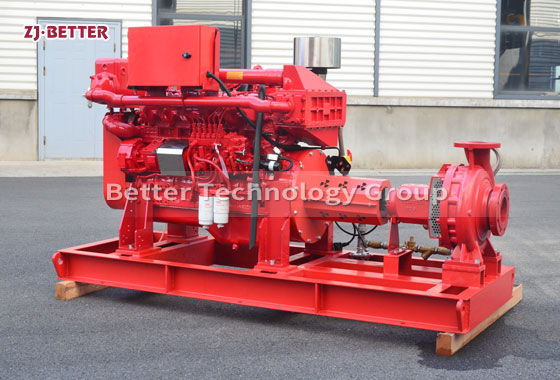
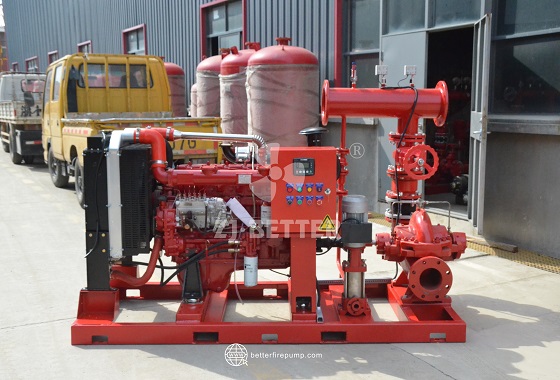
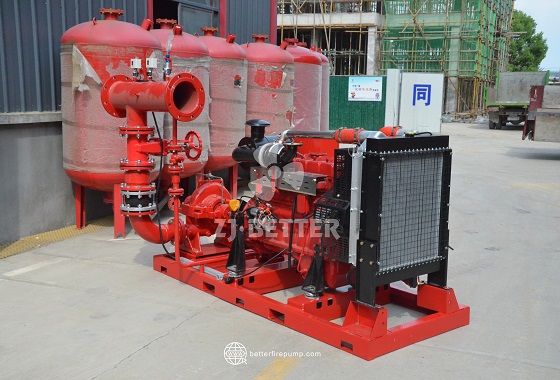
Stationary Fire Pump Unit for Commercial Fire Water Supply
Fixed fire pump units have advantages such as stable water supply, high-efficiency operation, intelligent control, and long-term reliable operation. They are widely used in commercial buildings, high-rise complexes, and industrial projects to meet the long-term stable water supply needs of modern fire protection systems.
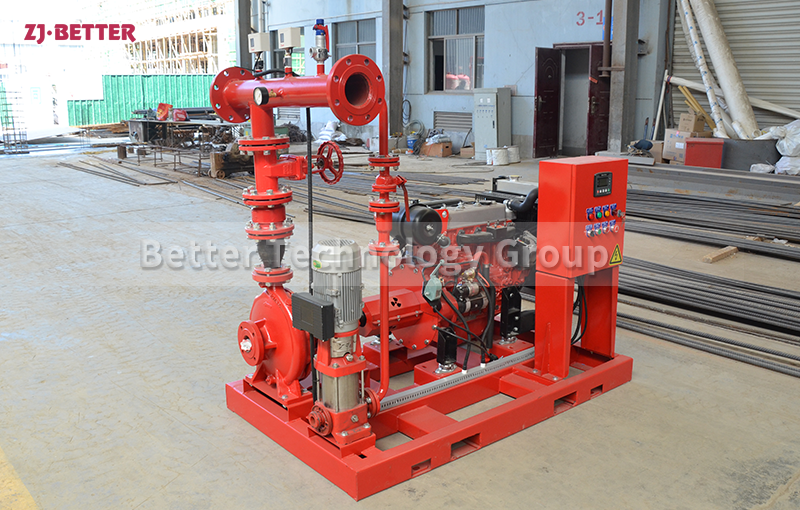
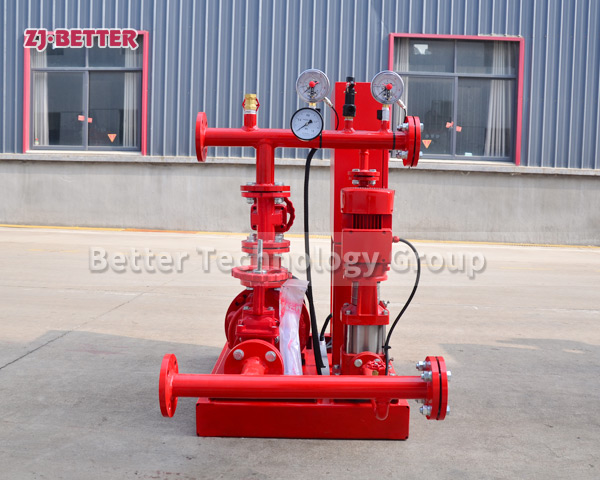
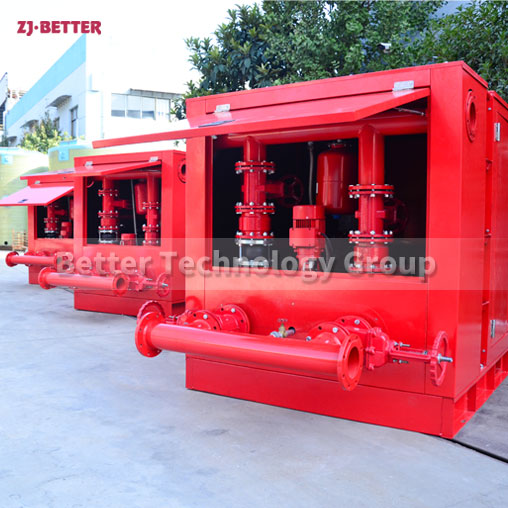
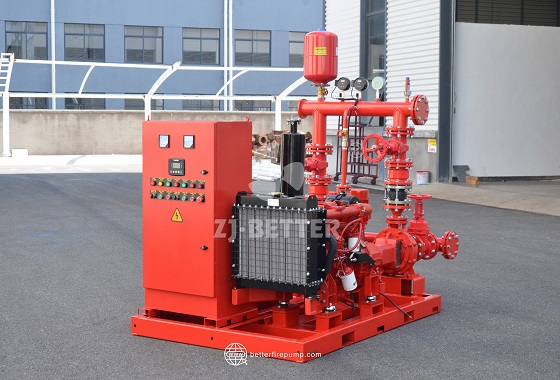
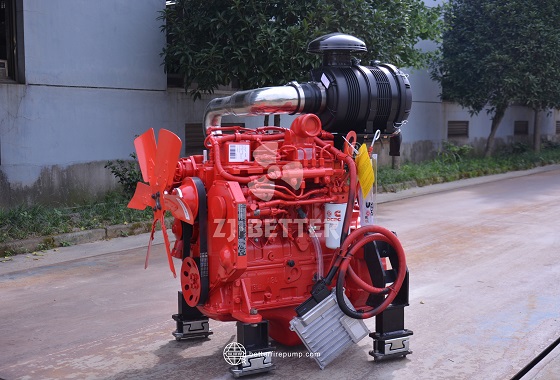
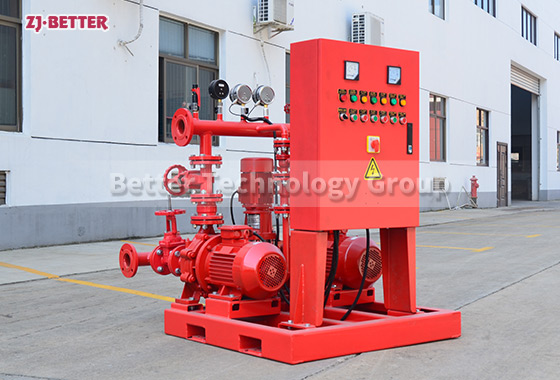
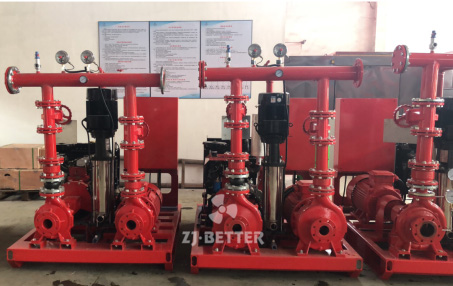
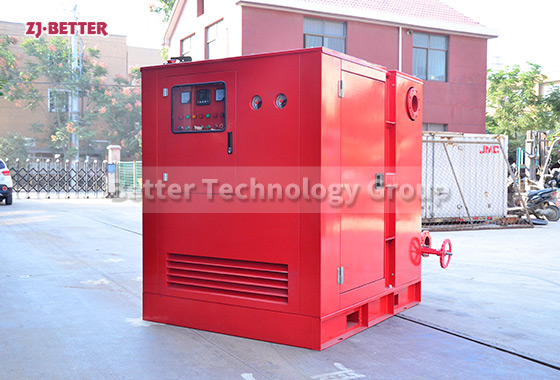
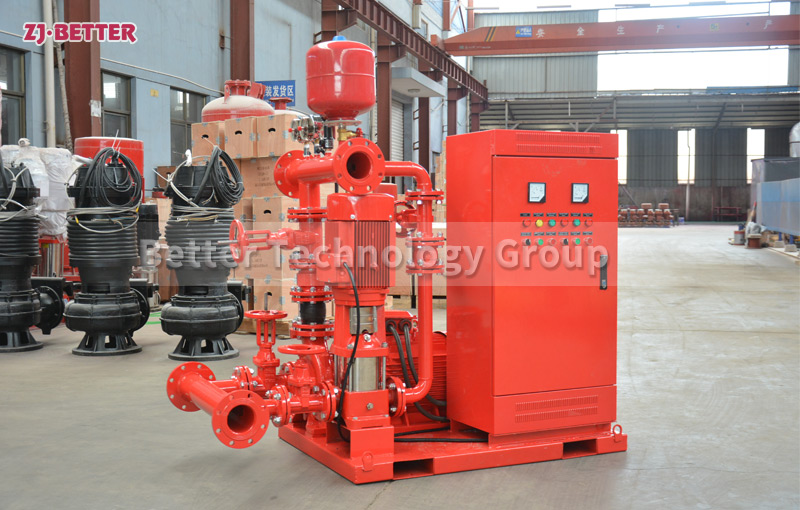
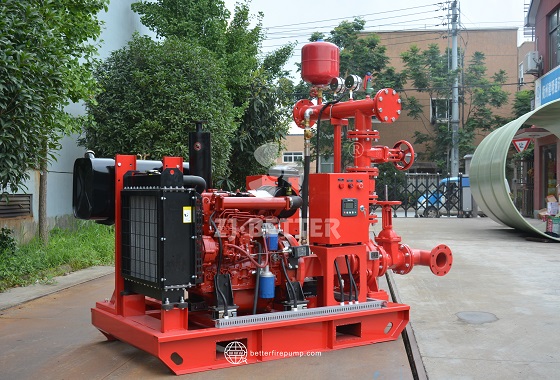
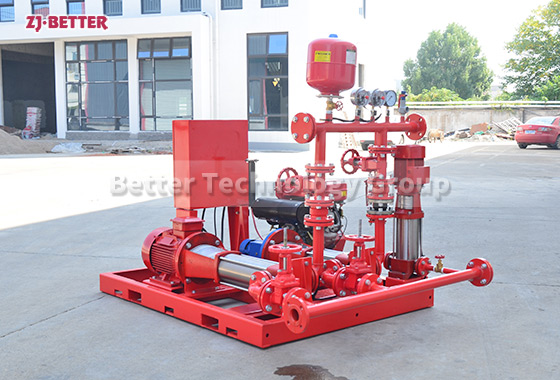
With the rapid development of modern urban construction, the number of large commercial buildings, high-rise complexes, shopping malls, hotels, hospitals, convention centers, and underground commercial spaces is constantly increasing. The stability and reliability of internal fire protection systems have become a core aspect of engineering design. Commercial buildings typically feature high population density, concentrated equipment, large electrical loads, and complex internal spaces. In the event of a fire, the fire spreads rapidly and smoke proliferates widely, posing a significant threat to personnel and property safety. Therefore, establishing a stable, efficient, and long-term reliable fire water supply system is crucial for modern commercial buildings. Within the entire fire protection system, stationary fire pump units serve as the core water supply equipment, undertaking the vital task of continuously providing stable pressure and high flow rates of water to fire hydrant systems, automatic sprinkler systems, water cannon systems, and other fire protection facilities. Compared to mobile fire protection equipment, stationary fire pump units offer advantages such as strong long-term continuous operation capability, high water supply stability, high automation, and convenient maintenance and management. They can meet the long-term fire water supply needs of commercial buildings, providing a solid guarantee for the fire safety of modern buildings. One of the biggest advantages of stationary fire pump units is their stable and reliable continuous water supply capability. Commercial building fire protection systems typically require 24/7 standby operation, and must be able to start immediately and quickly establish a stable water supply in the event of a fire. Stationary fire pump units utilize a combination of high-efficiency fire pumps and a highly reliable power system, enabling them to quickly start and continuously deliver high-pressure water to the fire protection network upon receiving a fire signal. Compared to ordinary water supply equipment, dedicated fire pump units can maintain stable output even under high head and high flow conditions, effectively ensuring the water supply needs of the top areas of high-rise buildings and remote fire protection terminal equipment. This continuous and stable water supply capability is crucial for controlling the initial spread of fire, ensuring the timely activation of automatic sprinkler systems, and improving overall fire suppression efficiency. Automated operation is a key technical feature of modern stationary fire pump units. Modern commercial building fire protection systems increasingly emphasize intelligent and automated management; therefore, stationary fire pump units are usually equipped with intelligent control systems that can be linked with fire alarm systems, fire linkage systems, and building management platforms. When a fire detector detects a fire, the system can automatically start the fire pump unit, quickly establishing a fire water supply without manual intervention. The control system can monitor operating pressure, flow rate, speed, water level, and equipment status in real time, and automatically alarm or activate protection programs when abnormalities occur. Some high-end systems also support remote monitoring and data networking functions, allowing maintenance personnel to monitor equipment operation status in real time through the control center, improving the management efficiency and safety of the fire protection system. High-efficiency water supply performance is a key reason for the widespread use of stationary fire pump units in commercial buildings. Modern fire pumps employ optimized hydraulic models and high-efficiency impeller designs, reducing energy consumption while improving water supply efficiency. The equipment can flexibly configure flow rate and head parameters according to different building sizes and fire protection needs, meeting the fire water supply requirements of various scenarios such as large commercial complexes, high-rise office buildings, and underground projects. For high-rise buildings, the fire protection system must overcome pressure loss caused by elevation differences, while stationary fire pump units can ensure the normal operation of top-level fire protection facilities through stable high-pressure output. For large-area buildings such as large shopping malls and convention centers, the equipment’s high-flow-rate water supply capacity can ensure simultaneous fire suppression in multiple fire zones, improving the overall fire safety level. Long-term stable operation is a significant advantage of stationary fire pump units compared to ordinary water supply equipment. Commercial building fire protection systems are typically in standby mode for extended periods, but must be readily available in emergencies, thus requiring extremely high equipment reliability. Stationary fire pump units utilize industrial-grade power systems and high-strength pump body structures. Key components undergo rigorous durability testing and long-term operational verification, enabling them to withstand continuous high-load operation. High-quality bearings, mechanical seals, and wear-resistant impeller designs effectively reduce operational wear and extend equipment lifespan. Some units also employ dual-pump or multi-pump redundancy designs, allowing backup equipment to automatically switch operation in the event of a main equipment failure, further enhancing system reliability. This high-stability design ensures reliable water supply to commercial building fire protection systems in any emergency. Adaptability to complex environments is also a crucial performance characteristic of stationary fire pump units. Commercial building pump rooms may experience high humidity, high temperatures, and prolonged closed operation, necessitating excellent corrosion resistance and environmental adaptability. Stationary fire pump units typically use corrosion-resistant metal materials and high-quality surface coating processes to manufacture key components, effectively resisting corrosion from humid environments and long-term operation. The power system is equipped with an efficient heat dissipation structure, maintaining stable operation even during prolonged high-temperature environments. Some equipment also features vibration damping and noise reduction designs, effectively reducing vibration and noise generated during operation and improving the comfort of the building’s interior environment. Energy efficiency and environmental protection are also important development directions for modern stationary fire pump units. With the continuous promotion of green building and energy-saving engineering concepts, fire-fighting equipment is increasingly focusing on reducing energy consumption while ensuring safety performance. Stationary fire pump units effectively reduce standby energy consumption and operating costs through high-efficiency motors, intelligent frequency conversion control, and optimized operating modes. Some systems adopt intelligent pressure regulation technology, automatically adjusting the operating status according to the actual needs of the pipeline network, reducing unnecessary energy waste. This energy-saving design not only reduces building operating costs but also aligns with modern green building and low-carbon development trends. Ease of maintenance is also crucial for the management of fire protection systems in commercial buildings. Stationary fire pump units typically adopt a modular structure design with a reasonable layout of components, facilitating installation, inspection, and daily maintenance. Overall commissioning and performance testing are completed before the equipment leaves the factory, resulting in a short on-site installation cycle and effectively improving project construction efficiency. Maintenance personnel can quickly access key components for inspection and maintenance, significantly reducing equipment downtime. The intelligent control system can also automatically record operating data and fault information, facilitating later maintenance analysis and equipment management. Its multi-scenario application capabilities further enhance the market value of stationary fire pump units. Besides its widespread use in large commercial buildings, the equipment can also be used in industrial parks, warehousing and logistics centers, underground parking garages, airports, schools, hospitals, subway projects, and petrochemical projects. In these scenarios, stationary fire pump units can flexibly configure system solutions according to different fire protection needs, achieving efficient and stable water supply and providing comprehensive fire protection for different types of buildings. With the continuous development of modern smart fire protection technology, stationary fire pump units are also continuously upgrading towards greater intelligence, digitalization, and efficiency. Future equipment will place greater emphasis on automatic monitoring, remote operation and maintenance, fault self-diagnosis, and energy optimization management, improving the overall operating efficiency of the fire protection system through the Internet of Things and intelligent control technology. New energy technologies and low-noise designs will also gradually be applied to the field of fire protection equipment, providing more environmentally friendly and efficient fire protection solutions for modern buildings. Overall, stationary fire pump units, with their advantages of stable water supply, high-efficiency operation, automated control, long-term reliability, adaptability to complex environments, and energy conservation and environmental protection, can effectively meet the long-term fire water supply needs of commercial buildings, providing safer, more stable, and reliable operational guarantees for modern large-scale building fire protection systems. In future commercial building fire protection projects, stationary fire pump units will continue to play a core role, providing crucial support for improving building fire safety levels and protecting the lives and property of people.