High Pressure Fire Pump Unit for Complex Fire Pipeline Systems
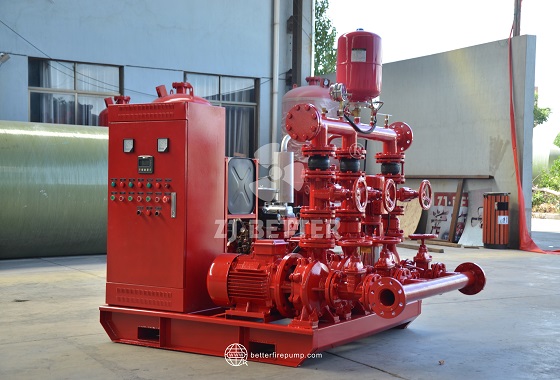
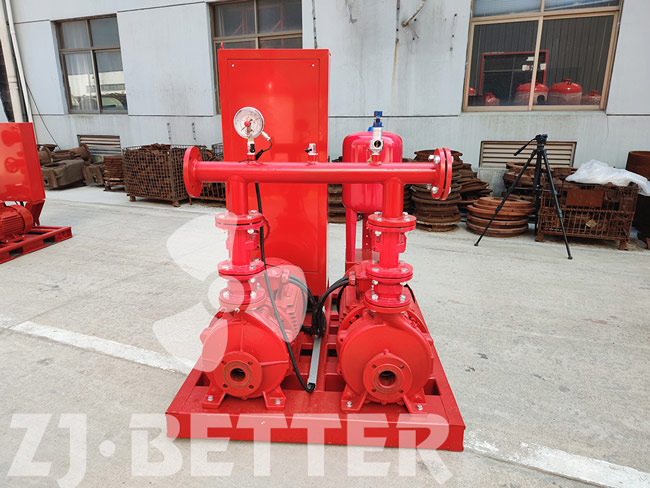
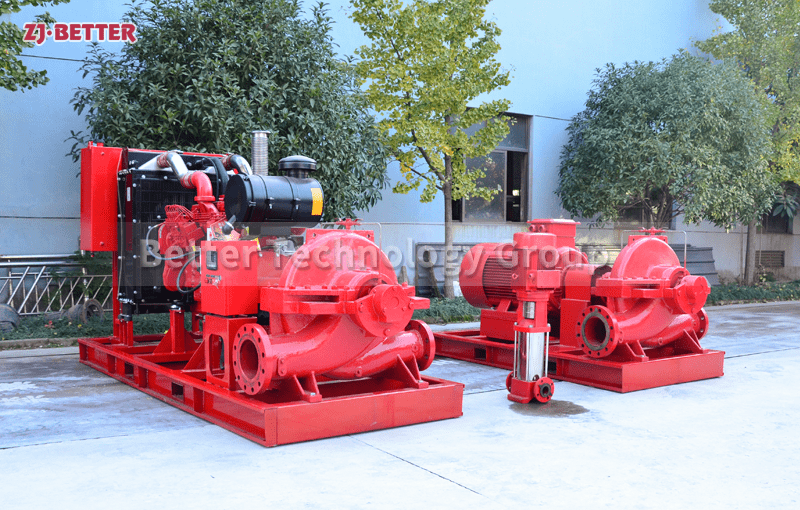
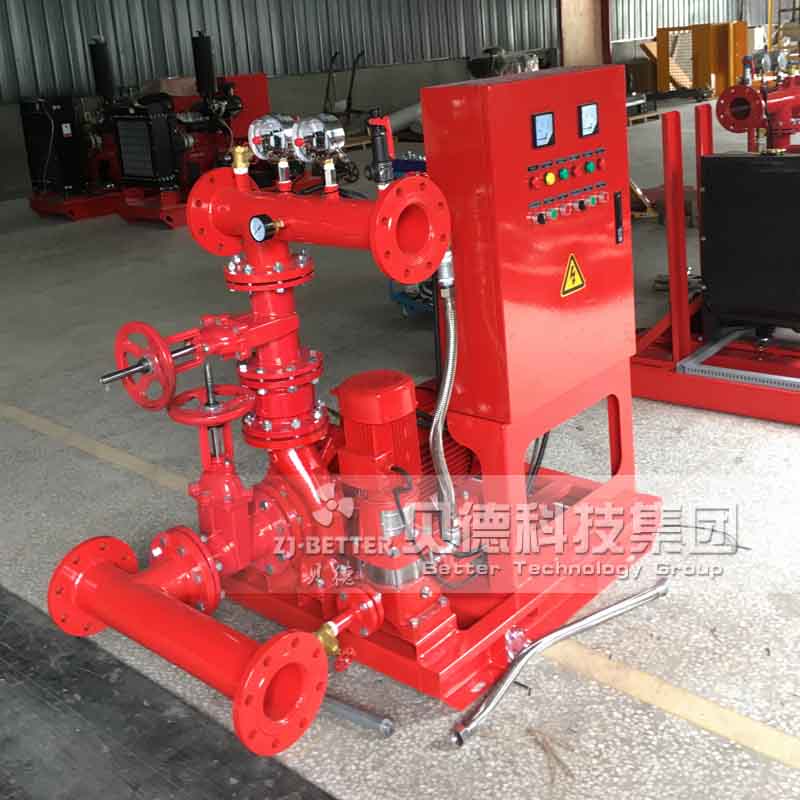
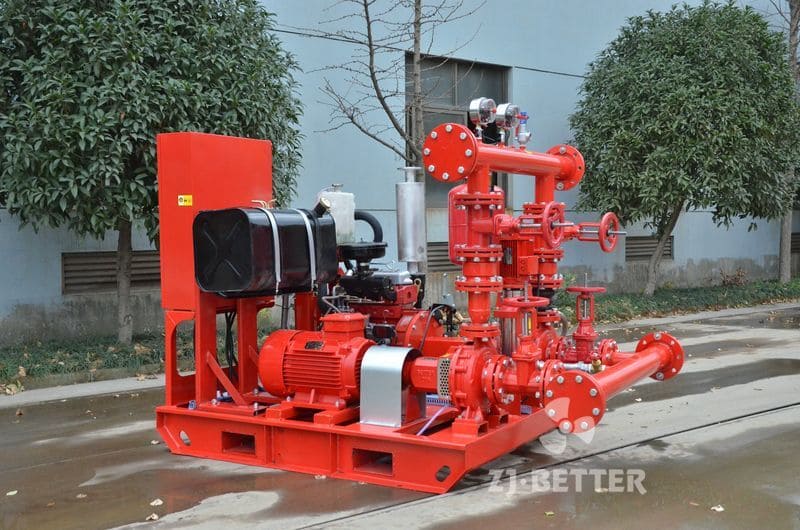
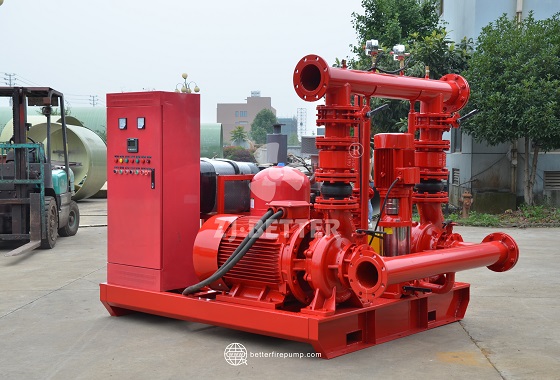
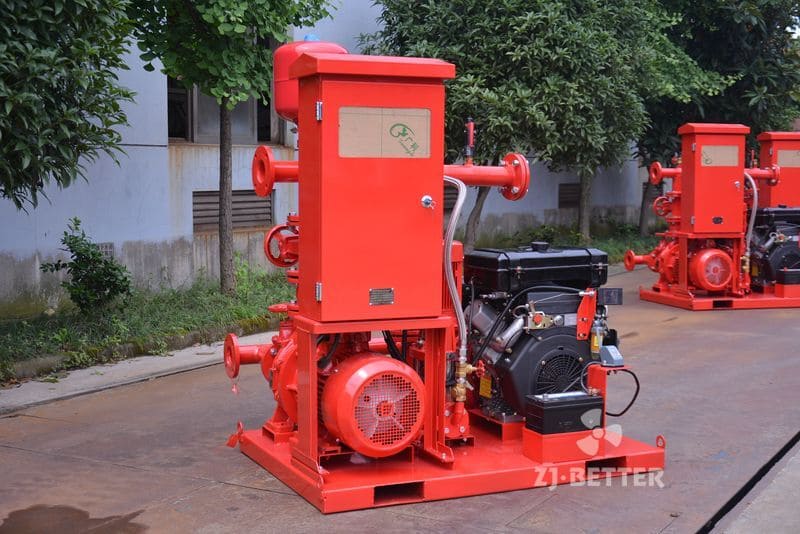
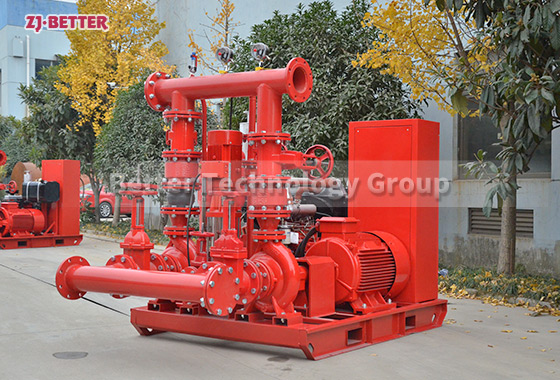
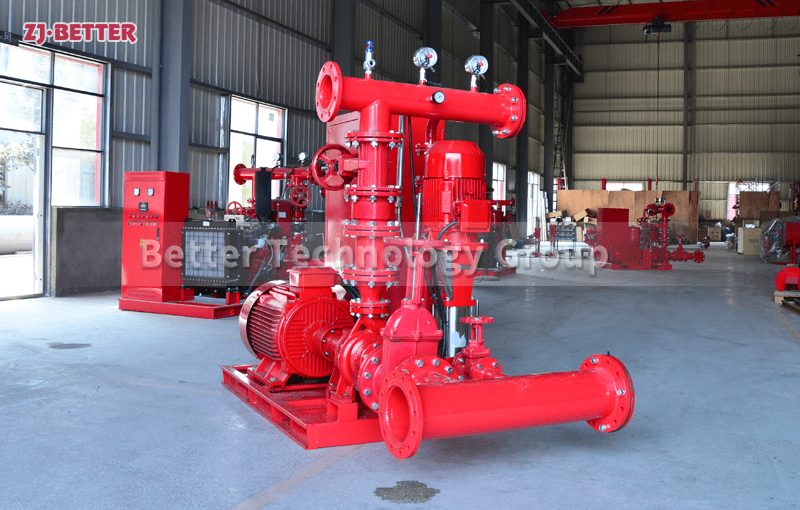
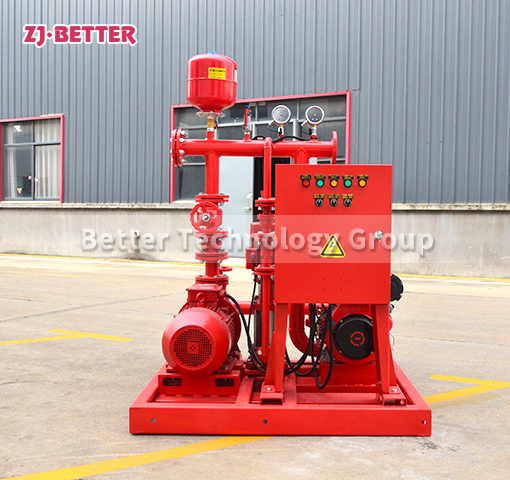
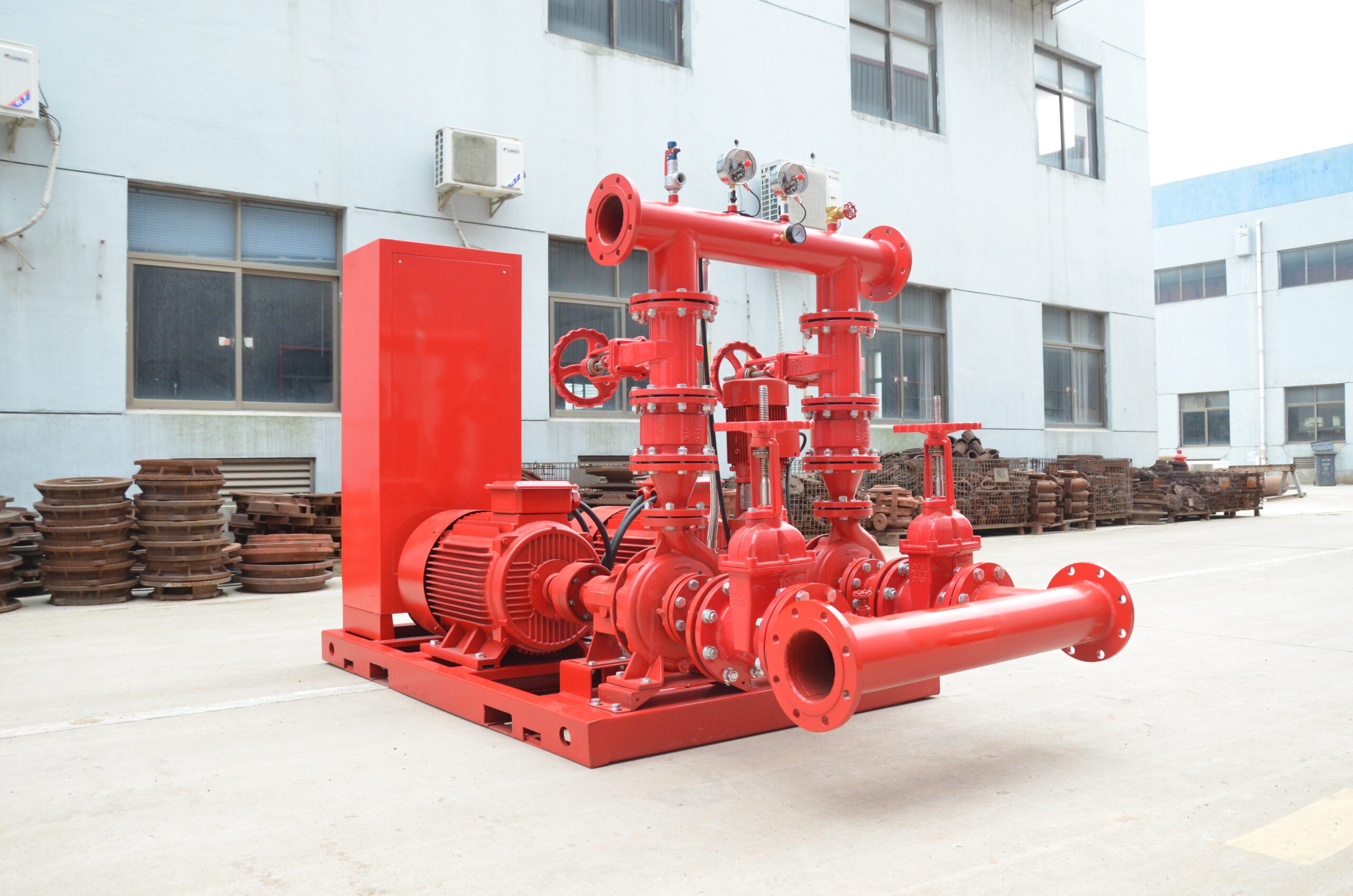
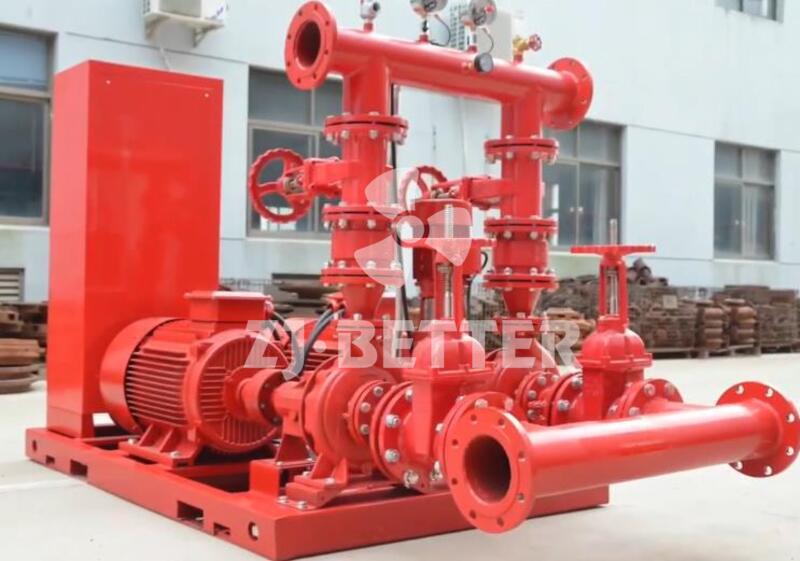
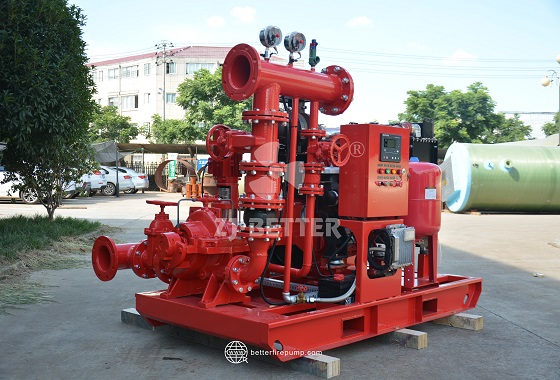
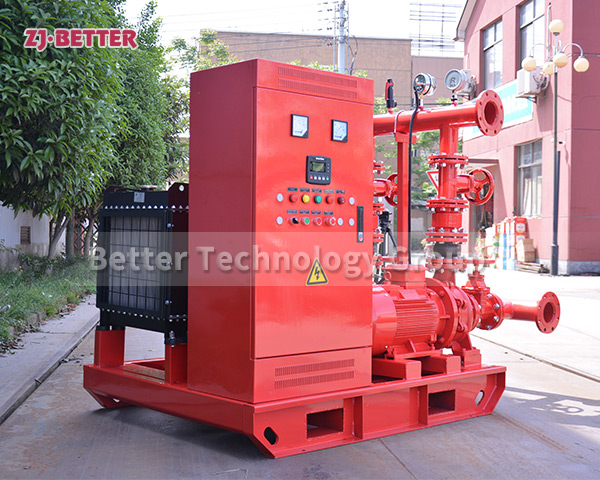
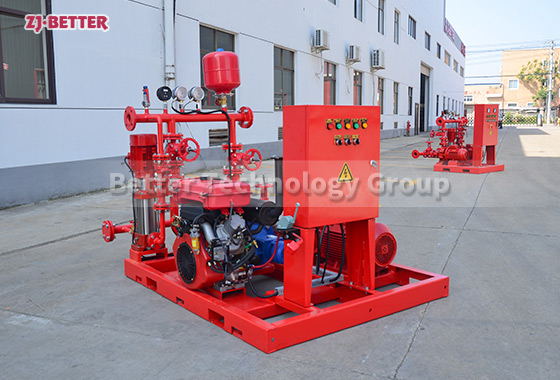
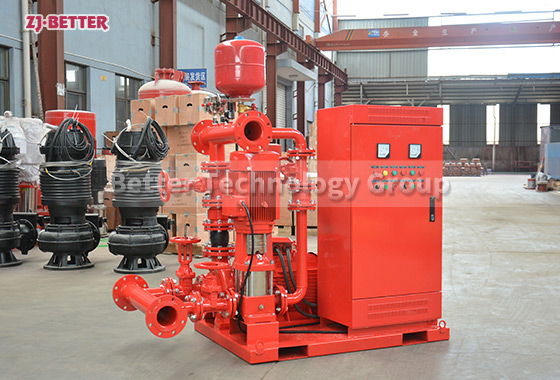
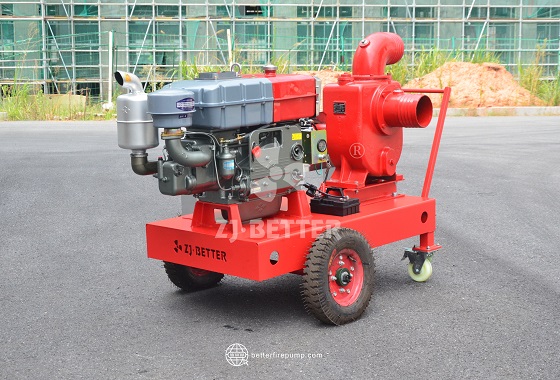
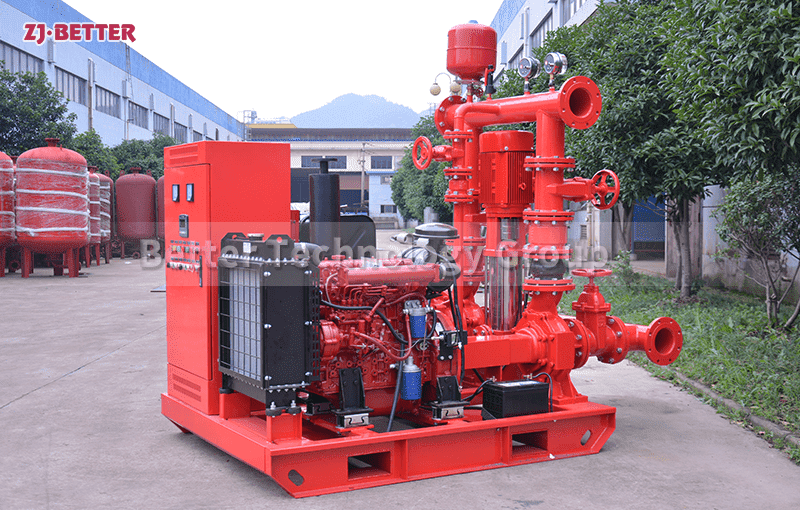
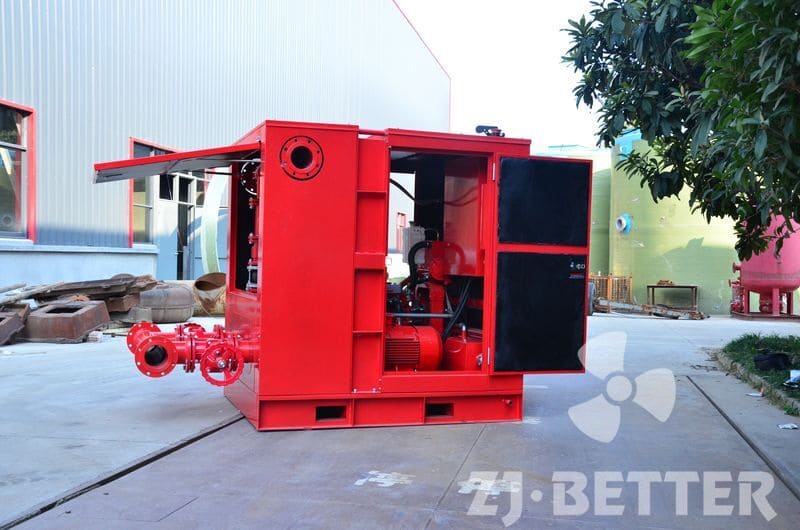
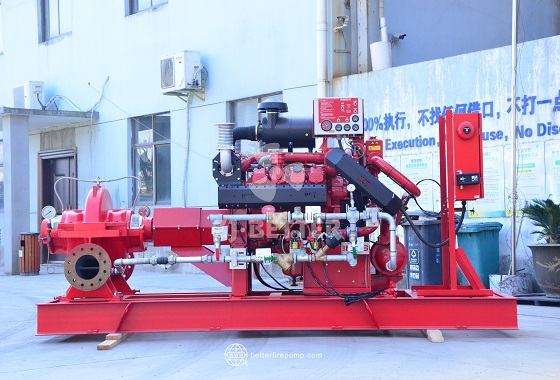
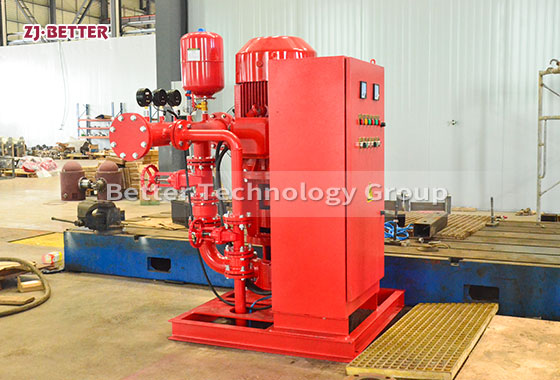
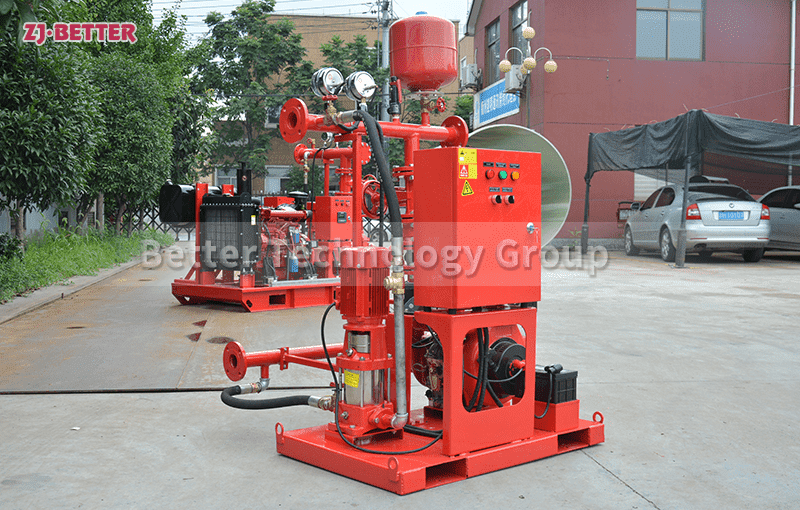
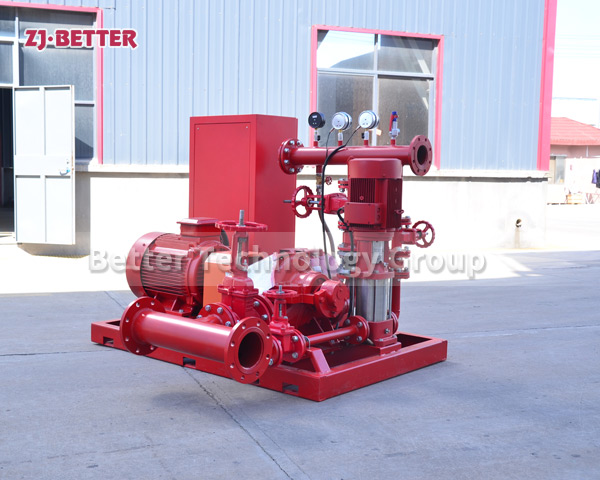
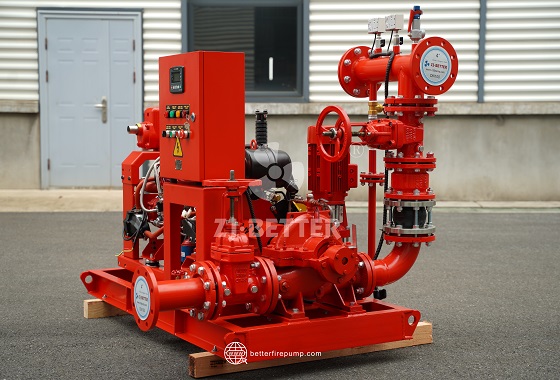
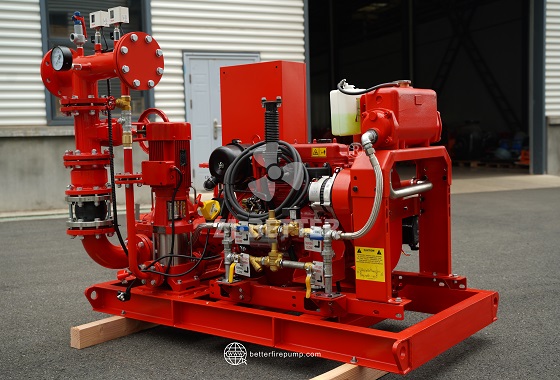
High-pressure fire water supply units feature stable high-pressure water supply, intelligent automatic control, high efficiency and energy saving, and adaptability to complex working conditions. They are widely used in high-rise buildings, industrial parks, and large-scale fire protection systems to improve the stability of fire pipeline network operation and fire extinguishing efficiency.
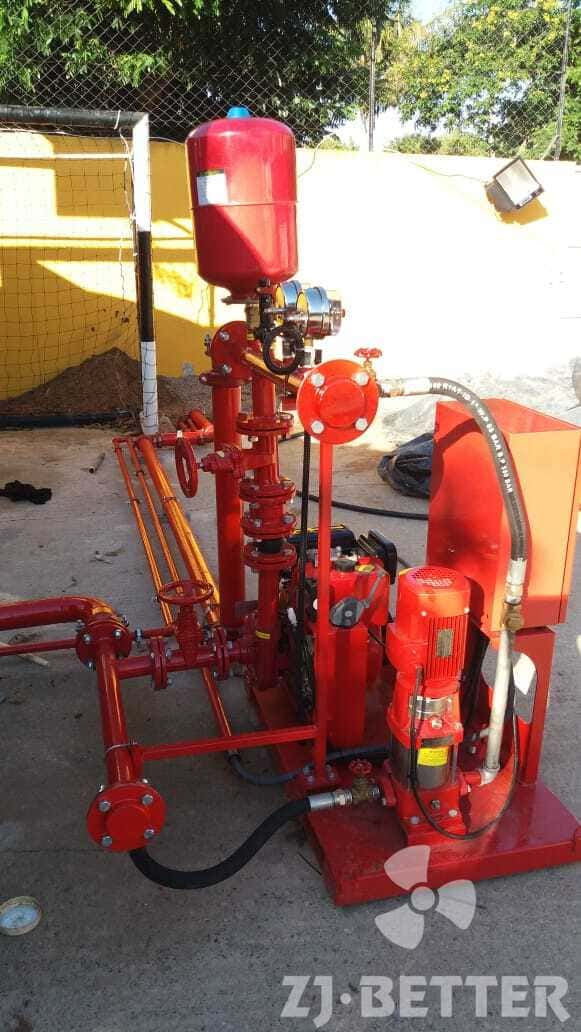
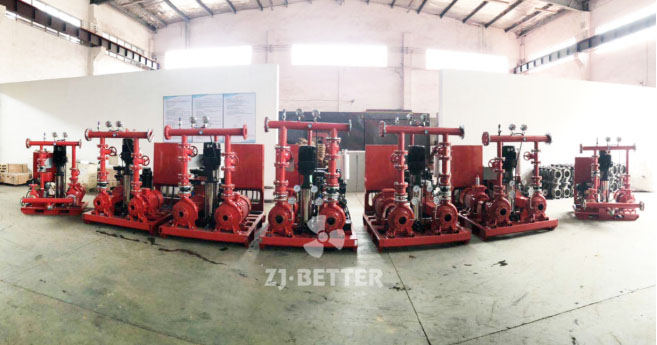
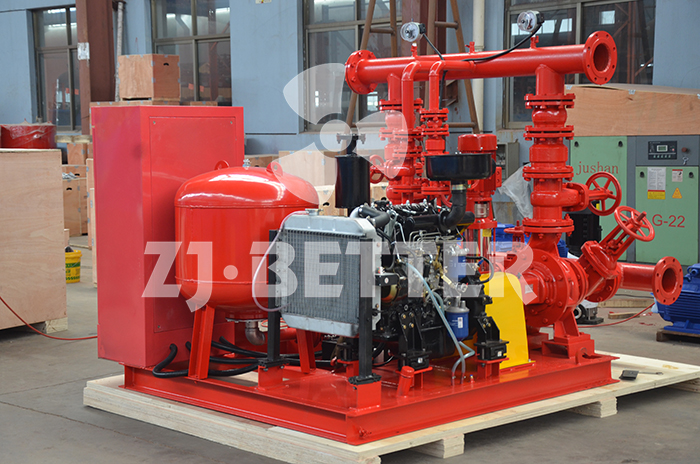
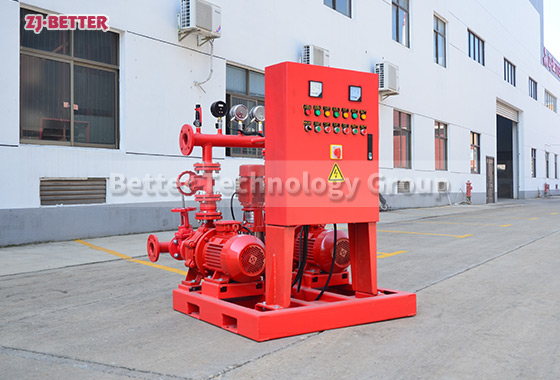
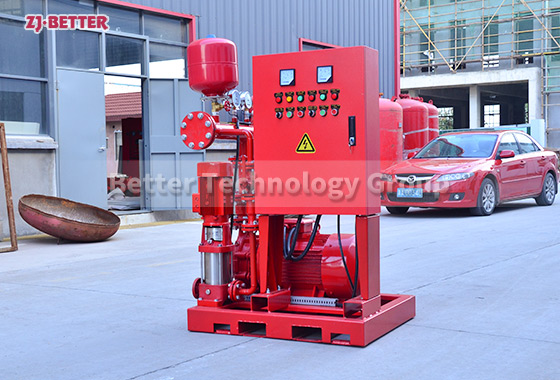
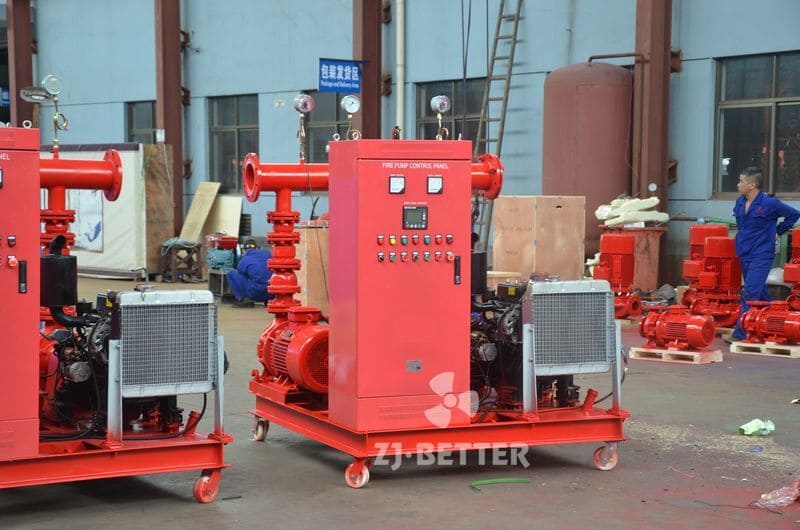
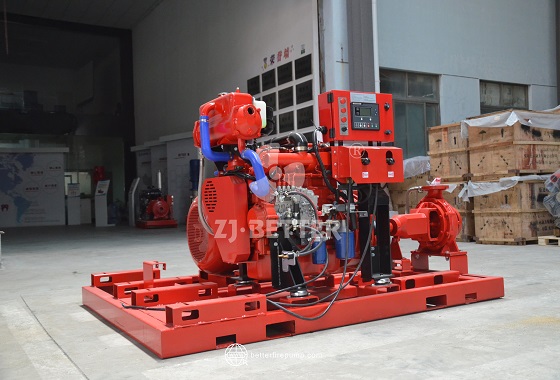
With the continuous expansion of modern urban construction and the increasing demands for fire safety in industrial facilities, high-rise buildings, underground utility tunnels, large commercial complexes, data centers, petrochemical projects, and warehousing and logistics bases, the importance of fire-fighting water supply systems is becoming increasingly prominent. In complex building structures and extensive fire-fighting pipe networks, traditional fire-fighting water supply equipment often struggles to meet the demands for continuous and stable pressure supply, high-lift delivery, and complex operating conditions. Therefore, high-pressure fire-fighting water supply units have gradually become core equipment in modern fire protection systems. These units not only play a crucial role in rapidly supplying water during a fire but also need to maintain long-term stable operation under complex pipe network conditions to ensure that sprinkler systems, fire hydrant systems, water cannon extinguishing systems, and foam extinguishing systems can be quickly deployed in critical moments. Modern high-pressure fire-fighting water supply units, through advanced hydraulic design, intelligent control technology, high-performance drive systems, and stable and reliable structural layouts, achieve efficient water supply, stable pressure supply, and low-failure operation, providing more reliable safety guarantees for modern fire protection engineering. One of the core advantages of high-pressure fire-fighting water supply units is their powerful high-pressure water supply capacity. Large-scale fire protection systems are often characterized by complex piping, long delivery distances, high building heights, and multi-area water supply. Insufficient water supply pressure can easily lead to unstable pressure in the terminal sprinklers, thus affecting fire extinguishing efficiency. High-pressure fire water supply units employ a high-performance centrifugal pump structure and optimized impeller flow channel design, enabling them to continuously output stable pressure under high-head conditions, ensuring that fire water can be quickly delivered to high-rise buildings or distant areas. By precisely matching flow and head parameters, the equipment effectively improves overall water supply efficiency and maintains stable operation even under complex conditions. For high-rise buildings, underground spaces, and large industrial facilities, this high-pressure stable water supply capability can significantly improve the overall response efficiency of the fire protection system. Stable and continuous pressure supply capability is a key technical feature of high-pressure fire water supply units. Fire protection systems typically need to be in standby mode for extended periods, while fire protection pipe networks experience pressure fluctuations due to temperature changes, minor leaks, or localized water usage fluctuations. If the system pressure remains unstable for a long period, it will not only increase the frequency of main pump starts but may also affect the normal operation of fire protection equipment. Modern high-pressure fire water supply units use intelligent pressure control systems to monitor the pipe network’s operating status in real time and automatically adjust the operating mode according to pressure changes. The equipment can accurately maintain stable pipeline pressure, reducing the impact of water pressure fluctuations on pipelines and valve systems. Stable pressure supply not only improves the reliability of the fire extinguishing system but also effectively extends the service life of the entire fire protection network. Intelligent automated control is a key development direction for modern high-pressure fire-fighting water supply units. With the increasing popularity of smart fire protection concepts, fire protection systems have gradually shifted from traditional mechanized operation to intelligent management. High-pressure fire-fighting water supply units are typically equipped with intelligent control cabinets, digital display systems, and remote monitoring modules, which can display operating pressure, flow rate, current, voltage, frequency, and equipment operating status in real time. When system abnormalities occur, the equipment can automatically alarm and activate protection programs, effectively preventing problems such as overload, water shortage, overpressure, or idling. Some high-end systems also support remote networking, enabling data sharing and centralized monitoring with the building’s fire control center, allowing maintenance personnel to monitor equipment operating status in real time and handle faults promptly. This intelligent operation mode not only improves system safety but also reduces manual management costs. Rapid response performance is an indispensable and crucial characteristic of high-pressure fire-fighting water supply units. The first few minutes after a fire breaks out are often critical for controlling its spread; therefore, fire-fighting water supply equipment must have rapid start-up capabilities. Modern high-pressure fire-fighting water supply units employ highly sensitive start-up systems and high-performance drive devices, enabling them to quickly start operation upon receiving fire signals or pressure drop signals, and reach rated pressure and flow requirements within a short time. Compared to traditional equipment, modern high-pressure fire-fighting units start up more smoothly, effectively reducing the impact of starting current on the power grid, while also reducing water hammer in the pipeline network and improving system operational stability. Rapidly establishing water pressure not only helps automatic sprinkler systems extinguish fires quickly but also buys firefighters more valuable time for firefighting. High-efficiency and energy-saving operation is also a significant advantage of modern high-pressure fire-fighting water supply units. Long-term standby operation of large fire-fighting systems generates high energy consumption; therefore, the energy-saving performance of the equipment has a significant impact on project operating costs. Modern high-pressure fire-fighting water supply units, through efficient hydraulic model design and intelligent frequency conversion control technology, automatically adjust operating power according to actual pressure demand. When the system load is low, the equipment automatically reduces the operating frequency, thereby reducing power consumption; when the system pressure drops, it quickly increases output capacity to achieve precise pressure supply. Compared to traditional constant-speed equipment, variable frequency control significantly reduces energy waste and mechanical wear, resulting in substantial long-term electricity cost savings while meeting the requirements of modern green building and energy conservation and environmental protection. Equipment reliability directly impacts the overall safety of the fire protection system; therefore, high-pressure fire-fighting water supply units adhere to high standards in structural design and manufacturing processes. The equipment typically employs a high-strength base structure and wear- and corrosion-resistant materials for key components, effectively improving overall stability and service life. Pump bodies, impellers, and bearings undergo precision machining and dynamic balancing to reduce operating vibration and noise. The mechanical seal system uses high-quality sealing materials to effectively prevent leaks. The drive system boasts excellent heat dissipation, maintaining stable operation even under prolonged high-load conditions. High-reliability design ensures rapid deployment in emergencies and maintains stable water supply during continuous firefighting operations. Adaptability to complex operating conditions is another crucial advantage of high-pressure fire-fighting water supply units. Modern fire protection projects involve diverse environments, with some scenarios exhibiting complex conditions such as high temperature, high humidity, dust, corrosive gases, or harsh outdoor weather; therefore, the equipment must possess strong environmental adaptability. High-pressure fire-fighting water supply units employ anti-corrosion spraying technology and a high-level electrical protection system, enabling them to meet the long-term stable operation requirements in various environments. Even in high-salt-spray areas, underground pump rooms, or industrial chemical environments, the equipment maintains stable water supply performance, providing reliable protection for the fire-fighting system. The modular structural design effectively improves equipment installation and maintenance efficiency. Modern high-pressure fire-fighting water supply units typically use an integrated base design, centrally installing the fire pump, drive system, control cabinet, and piping components on a unified platform, reducing floor space and facilitating transportation and installation. The equipment undergoes overall commissioning and performance testing before leaving the factory, requiring only power and piping connections for rapid deployment, significantly shortening the construction cycle. The rational structural layout allows maintenance personnel to quickly access key components, facilitating inspection, maintenance, and repair, effectively reducing later maintenance difficulty and downtime. Some units also support automatic backup pump switching; when the main equipment fails, the backup system automatically activates, further improving the reliability of the fire-fighting system. High-pressure fire-fighting water supply units are widely used in fire protection engineering fields such as high-rise buildings, commercial complexes, underground parking lots, industrial parks, petrochemical projects, airports, ports, warehousing and logistics centers, subway projects, and large public buildings. In these complex fire protection systems, the equipment not only undertakes the important task of continuous and stable water supply, but also effectively improves the overall fire extinguishing efficiency and fire safety level. With the continuous development of smart fire protection, green energy saving, and automated control technologies, high-pressure fire-fighting water supply units are also continuously upgrading towards greater efficiency, intelligence, and energy saving. In the future, fire-fighting water supply equipment with intelligent monitoring, remote control, low-energy operation, and high reliability will become an important development trend in modern fire protection engineering construction. Overall, high-pressure fire-fighting water supply units, with their multiple advantages such as high-pressure stable water supply, intelligent automatic control, rapid response, high efficiency and energy saving, adaptability to complex working conditions, and high reliability operation, can effectively meet the long-term stable operation requirements of complex fire-fighting pipe networks, providing safer, more efficient, and more reliable fire-fighting water supply solutions for modern buildings and industrial projects.