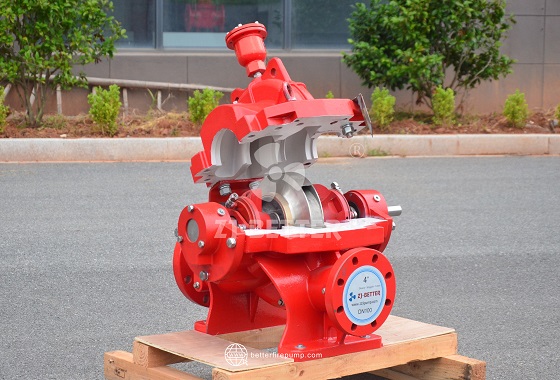
Compact Centrifugal Fire Pump for Modern Building Fire Protection Systems
Compact fire centrifugal pumps offer advantages such as high-efficiency water supply, stable pressure supply, energy-saving operation, and intelligent control, and are widely used in high-rise buildings, industrial fire protection, and modern fire pressure supply systems.
With the accelerating pace of modern urbanization, high-rise buildings, large commercial complexes, underground spaces, industrial plants, and public infrastructure are placing increasingly higher demands on fire safety systems. As a core component of the entire fire protection system, fire water supply equipment’s operational efficiency, pressure stability, and long-term reliability directly impact the initial fire suppression effectiveness and overall fire safety level. In modern fire protection engineering, traditional bulky, energy-intensive, and complex fire equipment can no longer meet the demands of modern buildings for space utilization and intelligent operation. Against this market backdrop, compact fire centrifugal pumps, with their advantages of compact structure, high-efficiency water supply, stable operation, and convenient maintenance, have gradually become crucial equipment in modern building fire pressure supply systems. These pumps, through optimized hydraulic model design and advanced centrifugal technology, achieve high-performance fire water supply within limited spaces. This not only improves the overall operational efficiency of the fire protection system but also reduces subsequent maintenance costs and energy consumption, thus leading to their widespread application in fire protection projects such as modern high-rise buildings, commercial centers, industrial parks, and underground engineering projects.
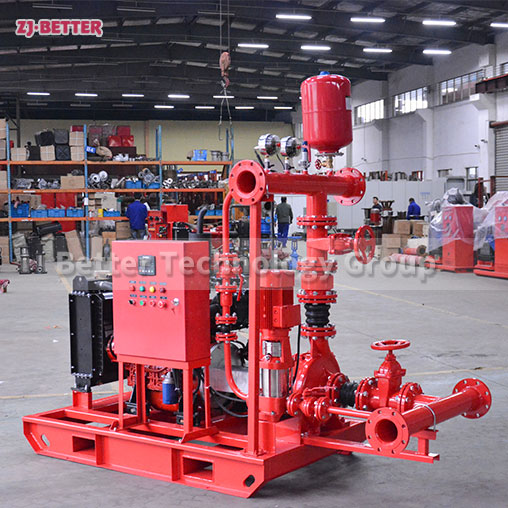
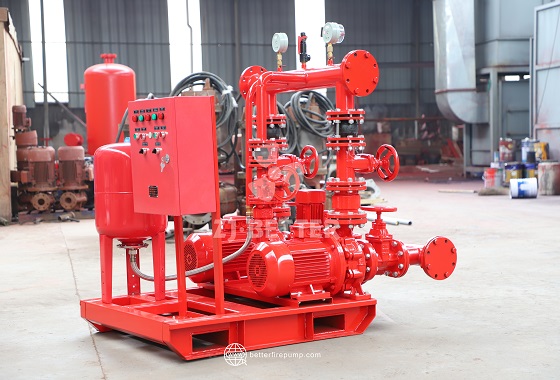
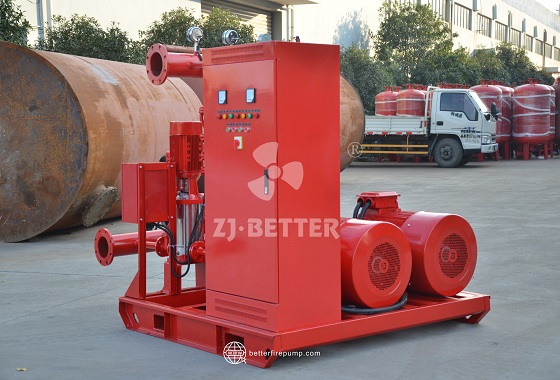
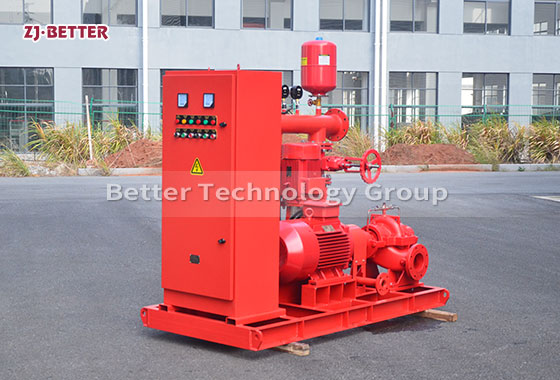
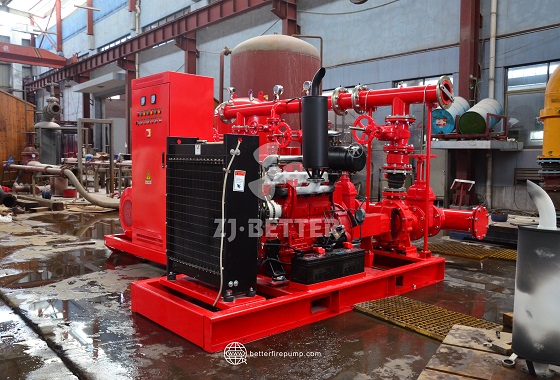
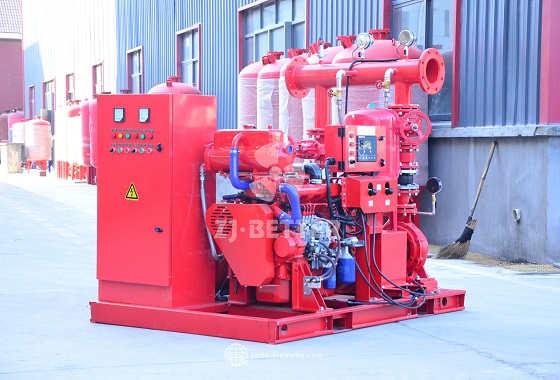
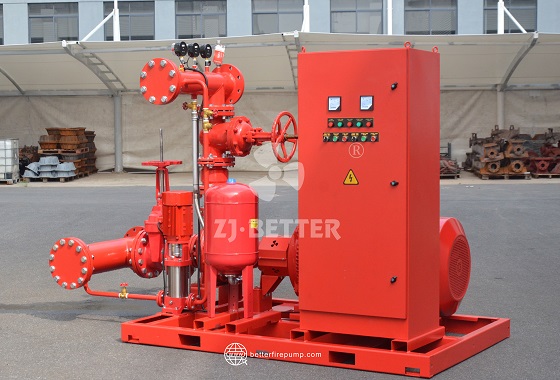
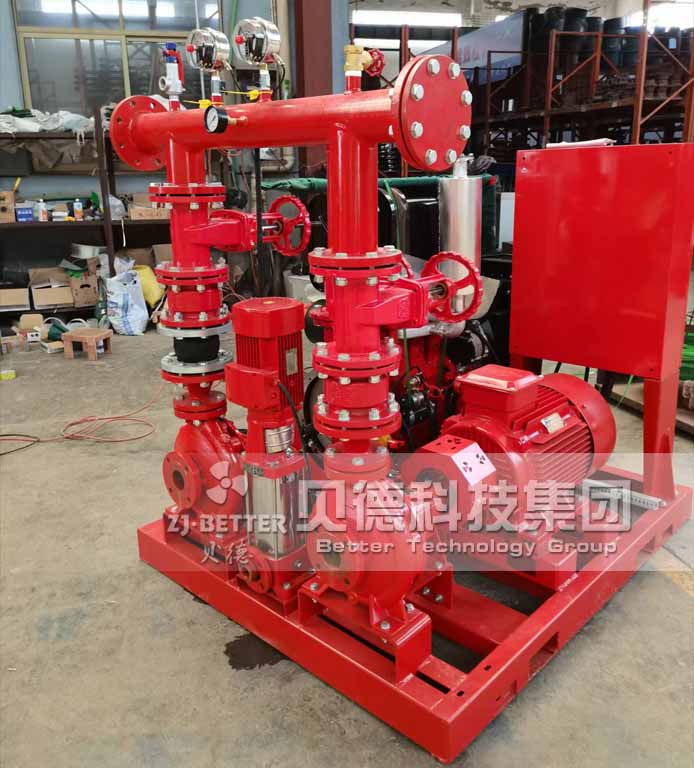
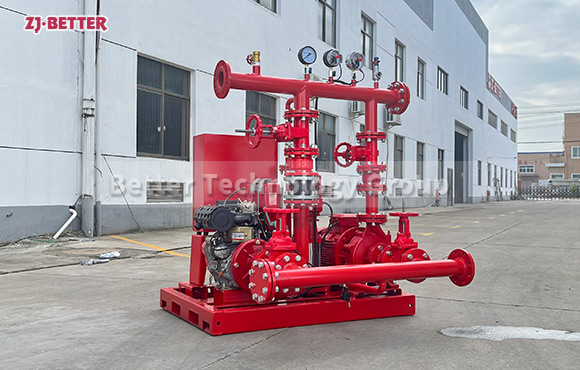
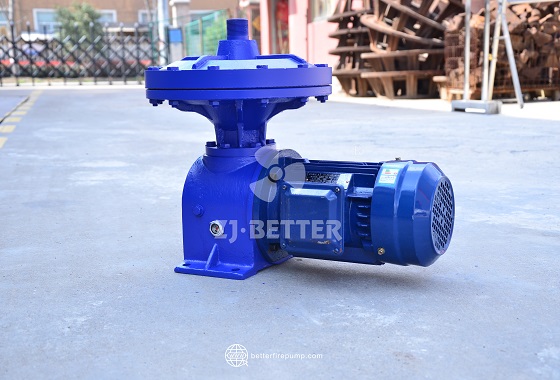
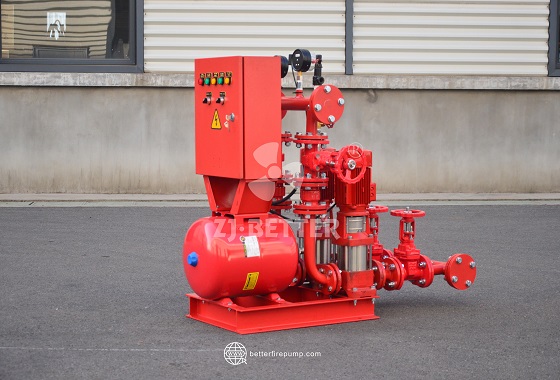
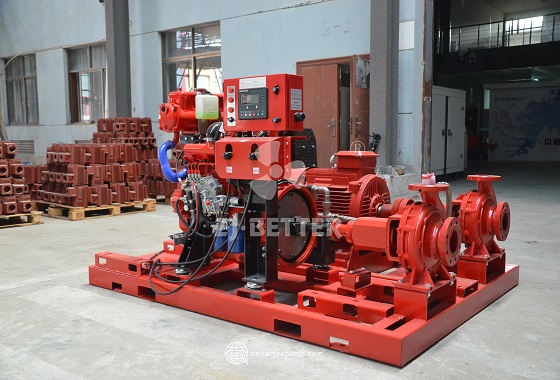
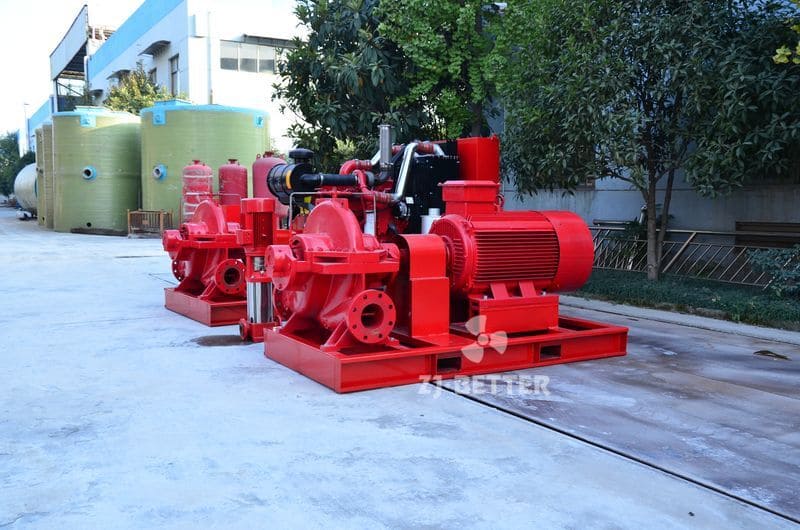
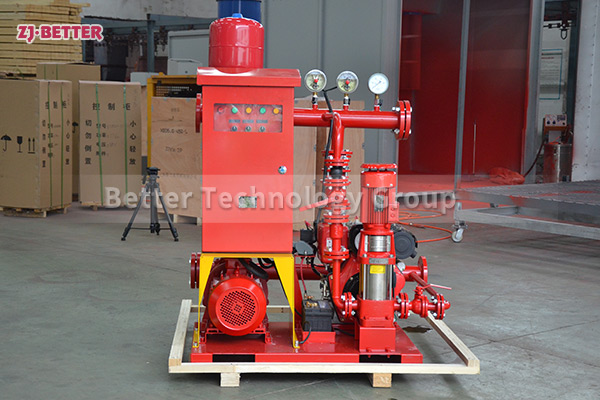
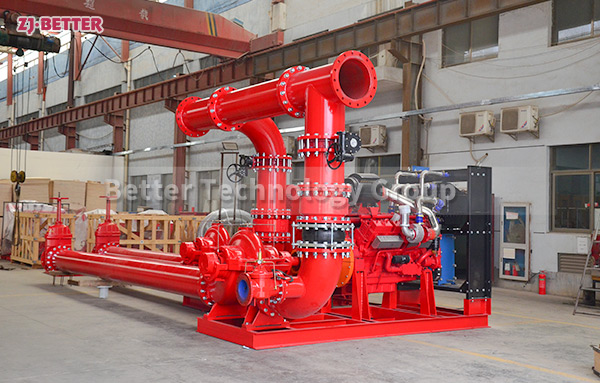
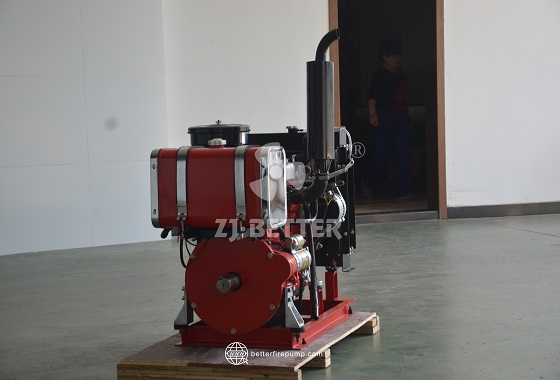
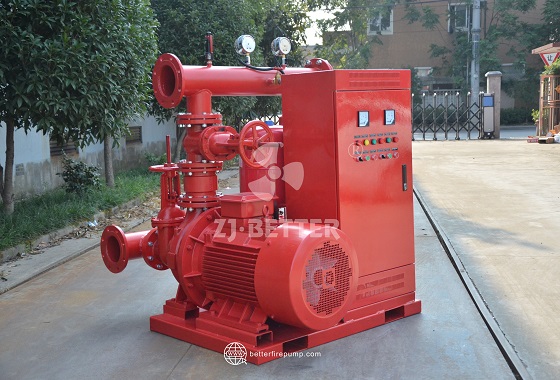
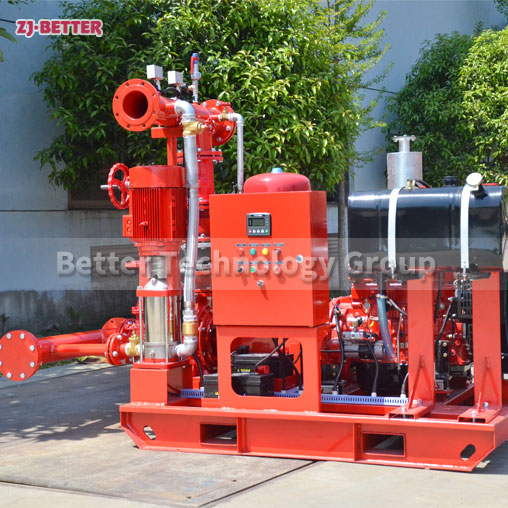
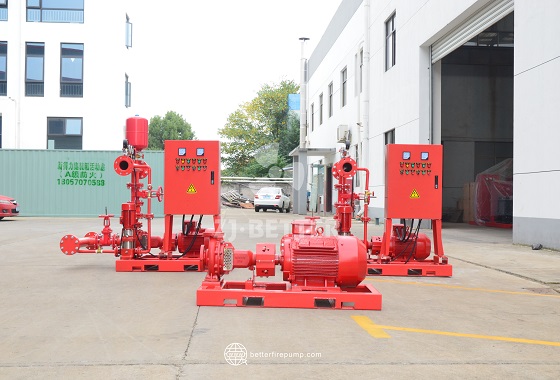
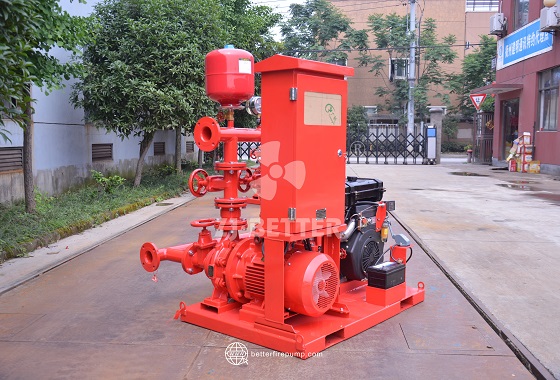
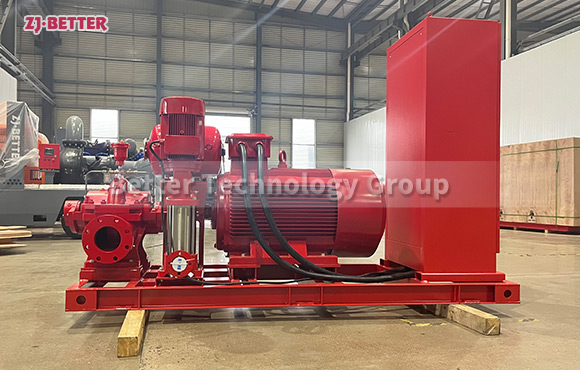
One of the biggest features of compact fire centrifugal pumps is their more scientifically and rationally designed structure. Traditional fire pumps often occupy a large area, requiring ample space for installation, which increases the overall engineering complexity, especially for underground pump rooms or space-constrained building projects. Compact fire centrifugal pumps, on the other hand, employ an integrated design concept, highly integrating the pump body, motor, and connecting components, significantly reducing the overall size of the equipment. Their compact structure not only saves pump room space but also improves equipment layout flexibility, allowing for more rational fire protection system design. Especially in modern high-rise buildings and commercial complexes, where limited space necessitates the installation of more electromechanical systems, compact fire centrifugal pumps effectively improve space utilization and provide greater flexibility in engineering design.
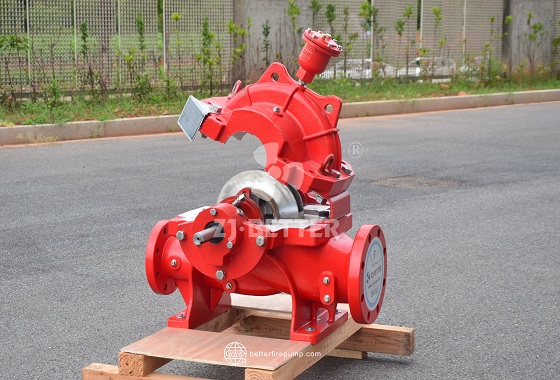
In fire protection systems, water supply efficiency and pressure stability are crucial factors determining fire extinguishing effectiveness. Compact fire centrifugal pumps utilize advanced centrifugal impeller design and optimized flow channel structure, enabling them to quickly establish stable fire pressure and continuously deliver a large and stable water supply to sprinkler systems, fire hydrant systems, and fire monitor systems. Compared to traditional fire pumps, their internal flow channels are smoother, resulting in lower hydraulic losses and thus higher overall water delivery efficiency. The equipment can maintain stable operation under complex fire-fighting conditions, providing a continuous and stable fire-fighting water supply even when facing long-distance water delivery in high-rise buildings or the pressure demands of large industrial fire-fighting pipe networks. This high-efficiency water supply performance significantly improves the efficiency of initial fire suppression, providing a more reliable guarantee for the fire safety of modern buildings.
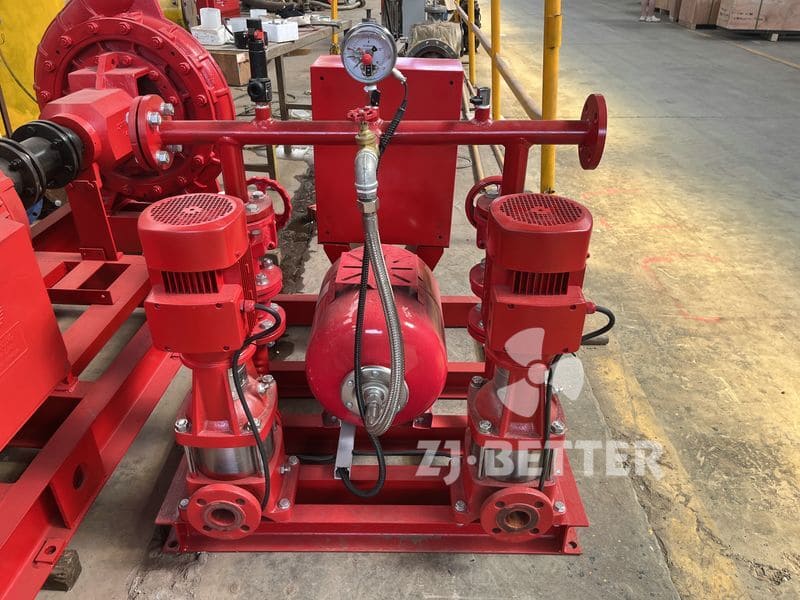
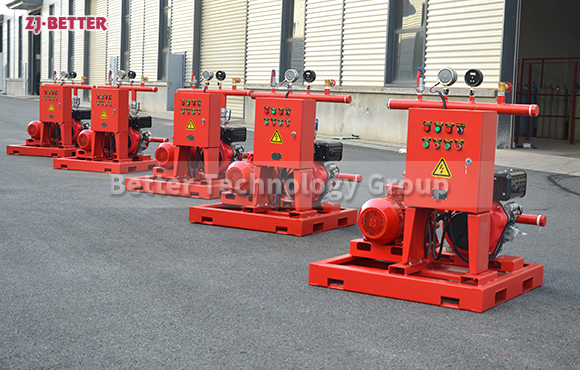
Modern fire protection engineering demands increasingly higher levels of equipment automation; therefore, compact fire centrifugal pumps are typically equipped with advanced intelligent control systems. The system can monitor changes in fire-fighting pipe network pressure and flow, as well as equipment operating status in real time, and automatically adjust operating parameters according to actual needs. When the fire protection system detects a fire signal or a drop in pipe network pressure, the equipment can quickly and automatically start and enter a stable water supply state, completing the fire response task without manual intervention. This automated operation mode effectively shortens fire response time and improves the efficiency of initial fire control. Simultaneously, the equipment also has functions such as automatic inspection, fault alarm, and data logging, helping managers to promptly identify and address potential problems, thereby improving the overall safety and reliability of the fire protection system.
With the continuous development of modern green buildings and energy-saving projects, the energy utilization efficiency of fire-fighting equipment is also receiving increasing attention. Compact fire centrifugal pumps utilize high-efficiency energy-saving motors and optimized power matching technology to effectively reduce energy consumption while ensuring high-performance water supply. Some models also support intelligent variable frequency control technology, automatically adjusting the operating speed according to the actual load of the fire protection system. When the system is in standby or low-load operation, the equipment can automatically reduce energy consumption, thereby reducing energy waste during long-term operation. This energy-saving operation mode not only helps users reduce electricity costs but also reduces heat generation and mechanical wear during equipment operation, extending the overall service life of the equipment and aligning more closely with the development trends of modern low-carbon buildings and green fire protection engineering.
Stability and durability are equally important during the long-term operation of fire protection equipment. Compact fire centrifugal pumps employ a high-strength pump body structure and industrial-grade core component design. Key components, including the pump shaft, impeller, and mechanical seal, are all made of wear-resistant and corrosion-resistant materials and have undergone rigorous performance testing and durability verification. The equipment can operate stably for extended periods in high-temperature, high-humidity, and complex industrial environments, maintaining stable performance even under continuous high-load fire water supply tasks. This highly reliable design effectively reduces equipment failure rates and the frequency of subsequent maintenance, improving the long-term operational stability of the entire fire protection system. It is particularly suitable for high-intensity fire protection applications such as large industrial parks, warehousing and logistics centers, and petrochemical projects.
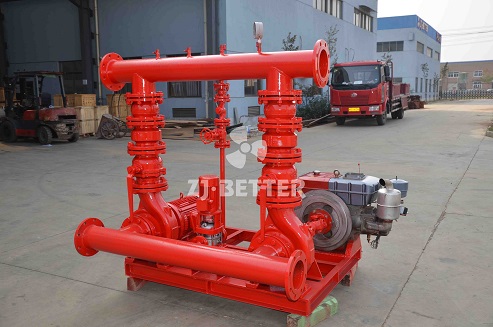
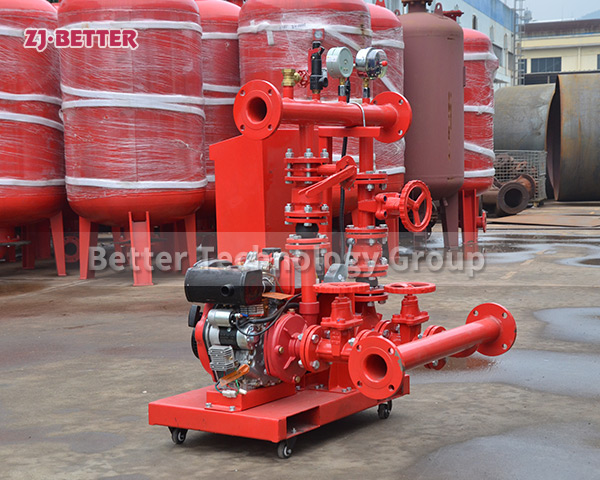
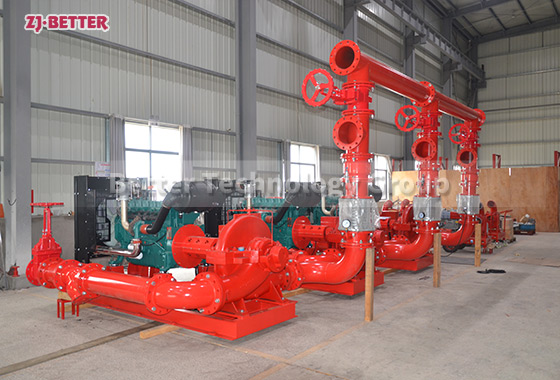
Modern fire protection engineering, in addition to focusing on water supply performance, also places great emphasis on the ease of equipment installation and subsequent maintenance. The compact fire centrifugal pump adopts a modular structure design, allowing for most system assembly and performance testing to be completed before leaving the factory, thus making on-site installation faster and more efficient. The equipment only requires basic connections to be put into use, significantly reducing on-site construction time and labor costs. Simultaneously, its rational internal structure layout and ample space for critical component maintenance allow maintenance personnel to quickly complete routine inspections and parts replacements, thereby reducing downtime and lowering maintenance costs. This convenient installation and maintenance model is of great significance for modern large-scale fire protection engineering, effectively improving the overall construction efficiency and subsequent management level of the project.
In terms of operational comfort, the compact fire centrifugal pump also performs excellently. Traditional fire protection equipment is prone to significant vibration and noise during operation, which not only affects equipment stability but may also cause some interference to the building environment. Compact fire centrifugal pumps employ shock-absorbing bases, flexible couplings, and optimized dynamic balance designs to effectively reduce mechanical vibration and noise during operation. This results in smoother equipment operation, reducing pipeline impact and structural fatigue, and extending the overall system lifespan. This low-noise operation is particularly suitable for buildings with high environmental requirements, such as hospitals, schools, high-rise residential buildings, and commercial complexes.
With the continuous development of smart city and digital fire management concepts, compact fire centrifugal pumps will further upgrade towards intelligent design. Modern equipment has gradually supported IoT remote monitoring and data networking functions, enabling real-time recording of operating parameters and centralized management through network platforms. Managers can view equipment operating status at any time via computer or mobile terminal and promptly handle fault alarm information. In the future, combined with artificial intelligence and big data analytics, fire centrifugal pumps will be able to achieve more precise operational optimization and predictive maintenance, further improving energy efficiency and equipment reliability, providing more advanced solutions for the construction of modern smart fire protection systems.
Compact fire centrifugal pumps, with their high-efficiency water supply capacity, stable operating performance, and energy-saving and environmentally friendly advantages, are already widely used in modern building fire protection engineering. In high-rise buildings, it provides stable pressure for sprinkler and fire hydrant systems; in industrial parks, it meets the continuous water supply needs of large fire protection networks; in underground projects and commercial complexes, its compact structure effectively optimizes equipment space layout; and in hospitals, schools, and public facilities, its low-noise operation improves overall environmental comfort. This wide applicability makes it a crucial core component in modern fire protection systems.
Overall, compact fire centrifugal pumps not only meet the demands of modern buildings for efficient fire water supply and stable pressure control, but also effectively reduce long-term operating costs and maintenance complexity through intelligent control, energy-saving operation, and modular design. With the continuous expansion of modern building scale and the ongoing development of smart fire protection technologies, compact fire centrifugal pumps will play an even more important role in future fire protection engineering, providing more efficient, safe, and intelligent water supply for industrial, commercial, and public building fire protection systems.