Home » Fire Pump Set » Outdoor standard fire pump set (electric pump + diesel pump + jockey pump)

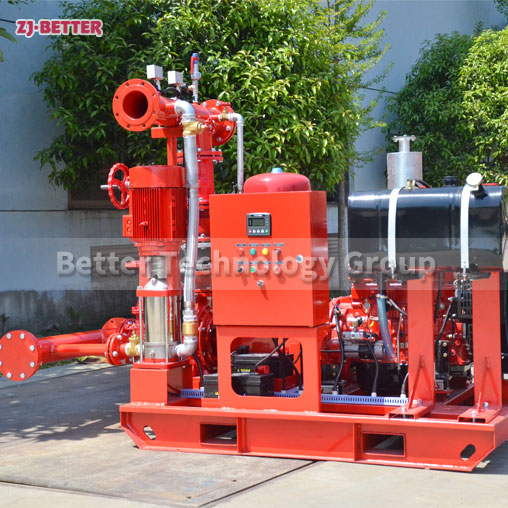
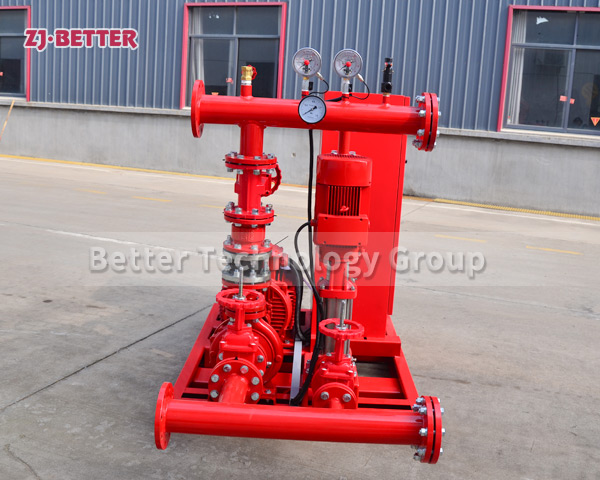
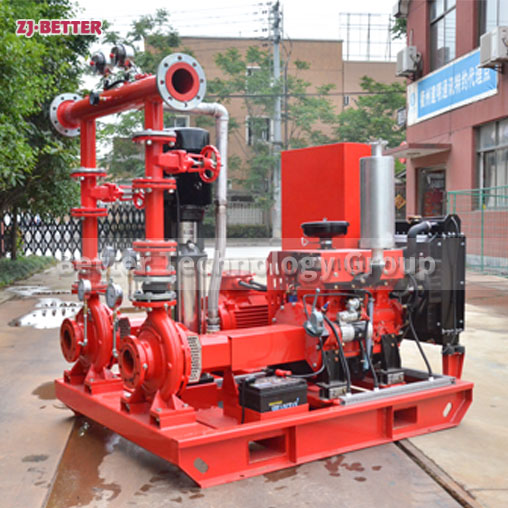
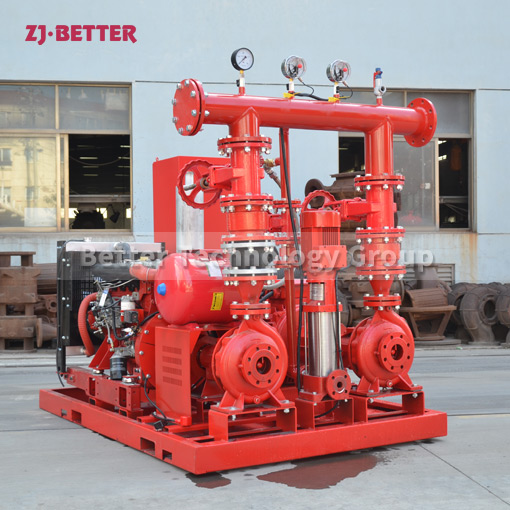
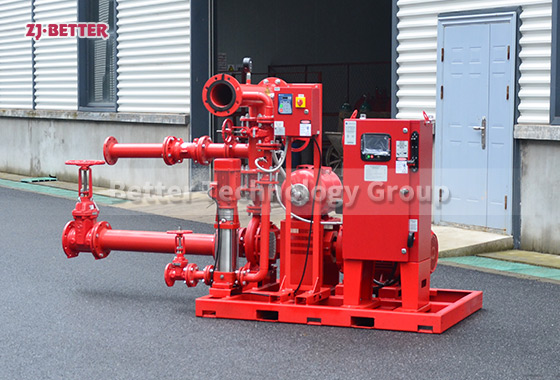
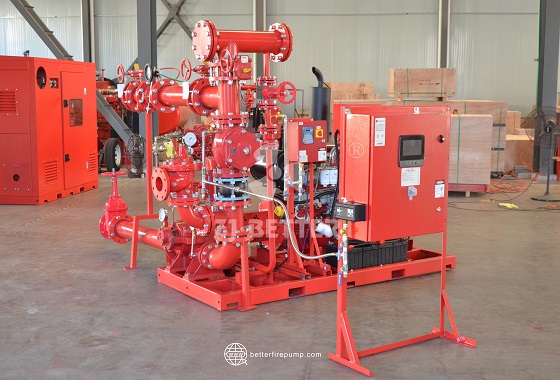
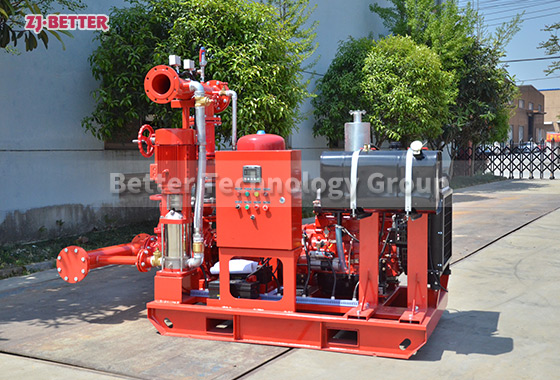
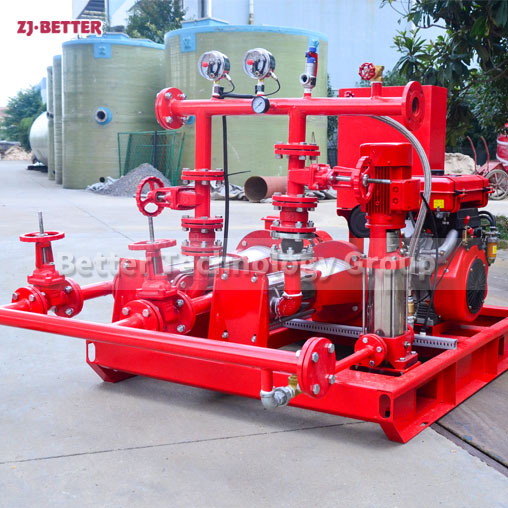
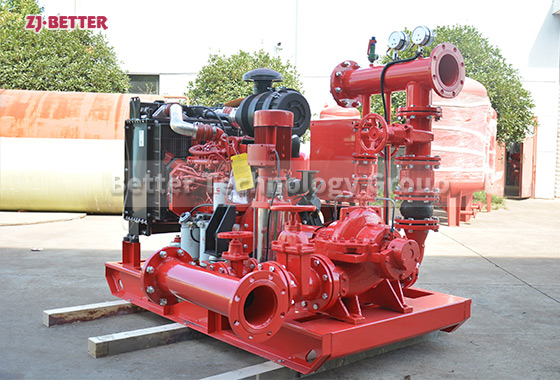
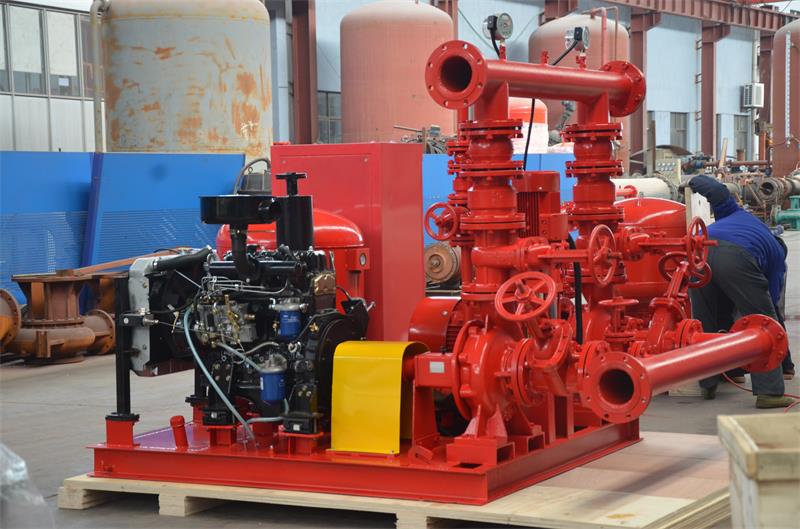
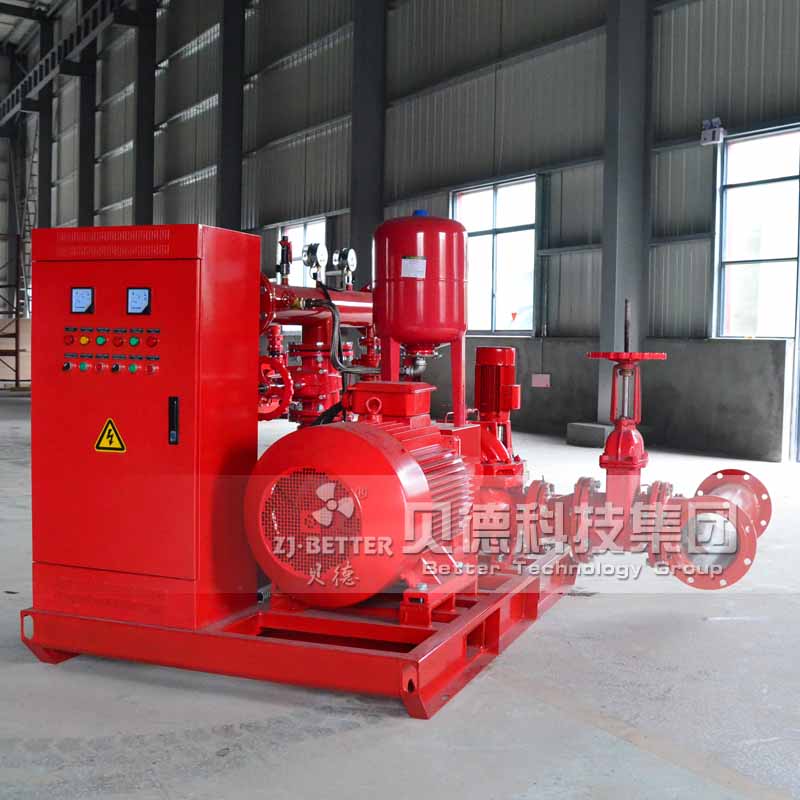
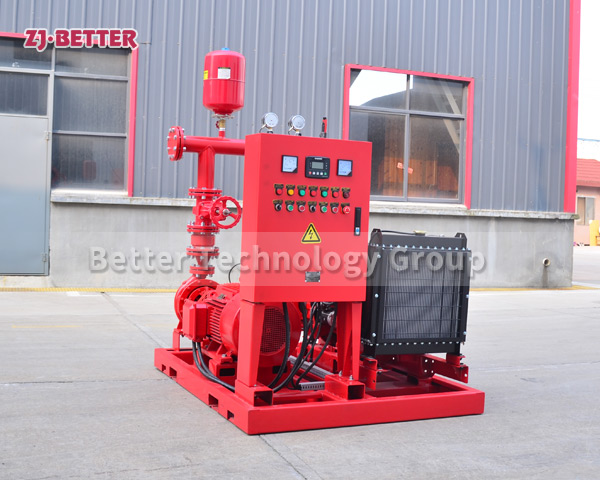
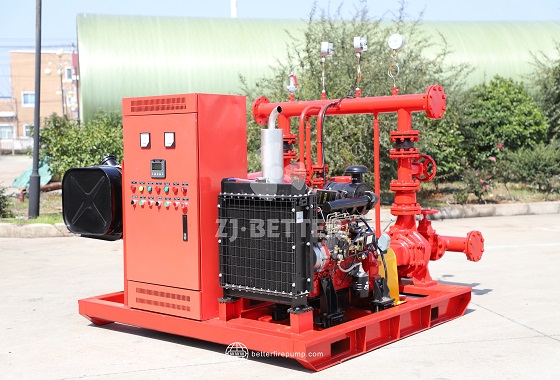
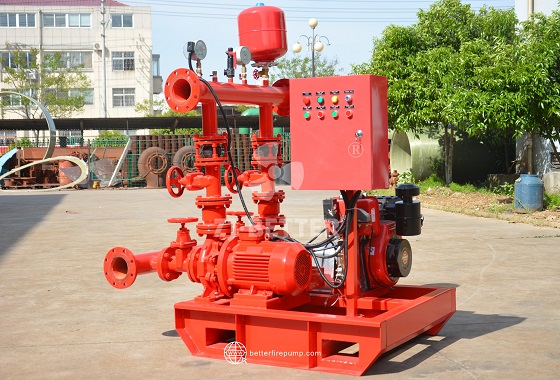
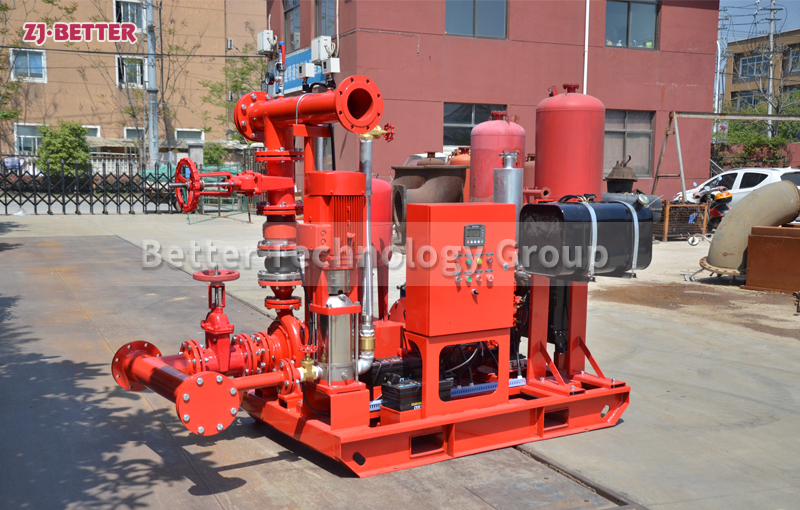
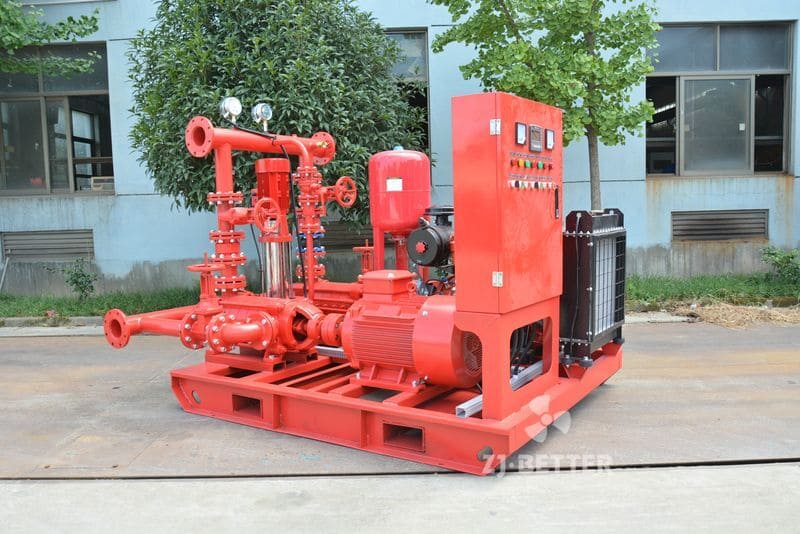
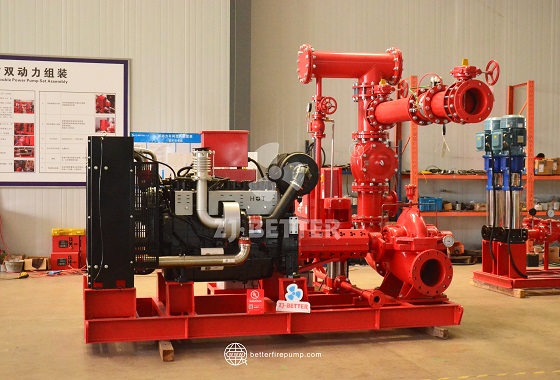
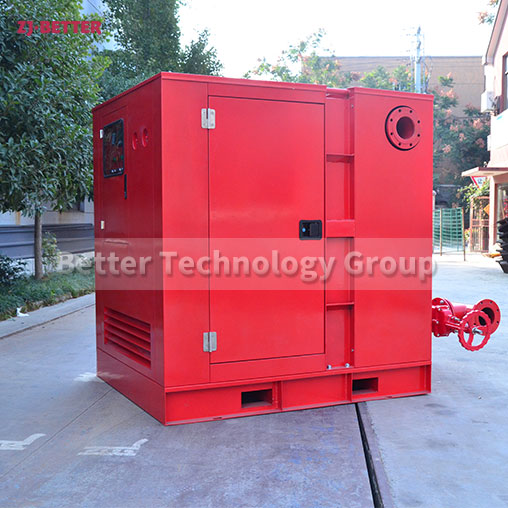
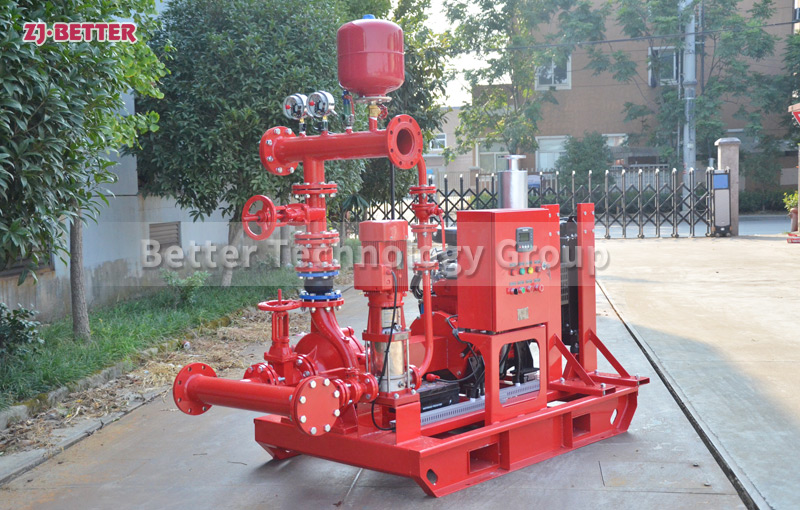
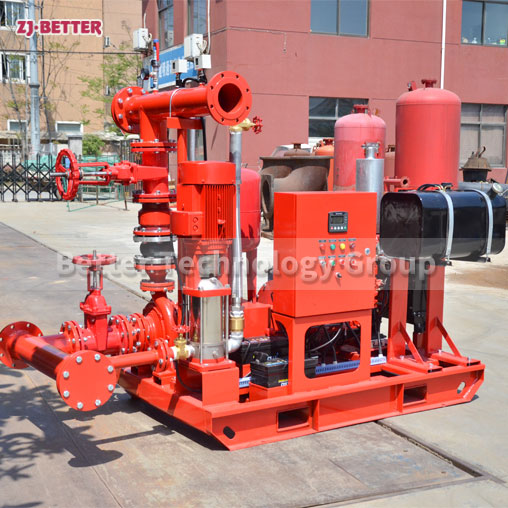
Outdoor standard fire pump set (electric pump + diesel pump + jockey pump)

Fire pump is a general term for special pumps involved in water supply of various fire systems. Fire pumps must be tested and approved by relevant national units before they can be used in various fire protection systems in buildings, such as: fire hydrant systems, sprinkler fire extinguishing systems, foam fire extinguishing systems, large space high-altitude water cannons, water mist fire extinguishing systems, rain shower fire extinguishing systems systems, water curtains, etc.

Rated 4.6/5 based on 357 customer reviews
Share:
Content

Fire pump is one of the fire-fighting equipment, its function is mainly used to transport water or other fire-extinguishing liquid for fire-fighting. Pumping water with equipment such as fire pumps has a very high water delivery efficiency. Fire pumps are used to ensure the water volume and water pressure of fire water, which involves personal safety and property protection, and must operate more reliably. It is required that the structure of the pump body is more reasonable, the material is more appropriate, and the reliability is higher.
Inquiry


    More Fire Pump Set

    Installing fire pumps requires careful planning and adherence to specific precautions to ensure proper functionality and compliance with safety standards. Here are some important precautions to consider during the installation process:

    Compliance with Codes and Standards: Familiarize yourself with local fire codes, regulations, and industry standards applicable to fire pump installations. Ensure that the installation meets the requirements of organizations such as the National Fire Protection Association (NFPA) and local authorities having jurisdiction (AHJs).

    Professional Installation: Fire pump installations should be carried out by qualified professionals experienced in fire protection systems. Engage licensed contractors or fire protection engineers who specialize in fire pump installations. They possess the necessary knowledge and expertise to ensure a correct and safe installation.

    Proper Location: Choose an appropriate location for the fire pump installation. Consider factors such as accessibility, proximity to water sources, electrical connections, and suitable drainage. The location should allow for easy maintenance and serviceability. Follow the manufacturer’s guidelines regarding clearance requirements and proximity to other equipment.

    By following these precautions, you can ensure a safe and effective installation of a fire pump system. Proper installation is critical for the system’s performance, compliance with regulations, and the overall safety of the facility and its occupants. Consult with fire protection professionals and refer to relevant codes and standards throughout the installation process.

    Fire pumps are classified into various types based on their specific applications and operational characteristics. The common classifications of fire pumps include:

    Horizontal Split Case Fire Pumps: These pumps have a horizontally split casing, which allows easy access to internal components for maintenance and repairs. They are typically used in large-scale fire protection systems, such as industrial facilities, commercial buildings, and high-rise structures. Horizontal split case pumps are known for their high flow rates and can handle a wide range of pressures.

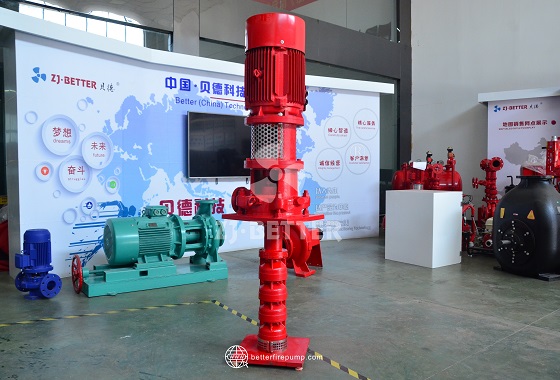
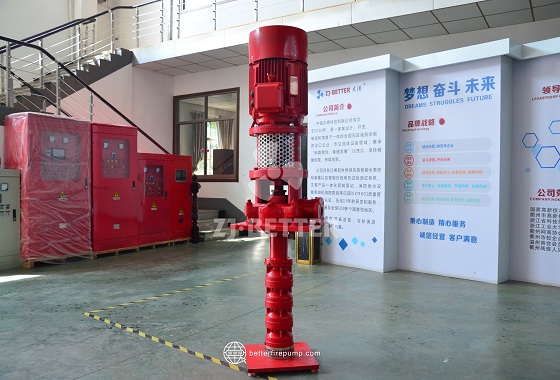
    Vertical Turbine Fire Pumps: Vertical turbine pumps have a vertical shaft and are designed to operate with submerged impellers. These pumps are commonly used in water sources such as wells, rivers, or lakes. Vertical turbine fire pumps are ideal for locations where space is limited, as they have a small footprint. They are also suitable for applications that require high pressures but lower flow rates.

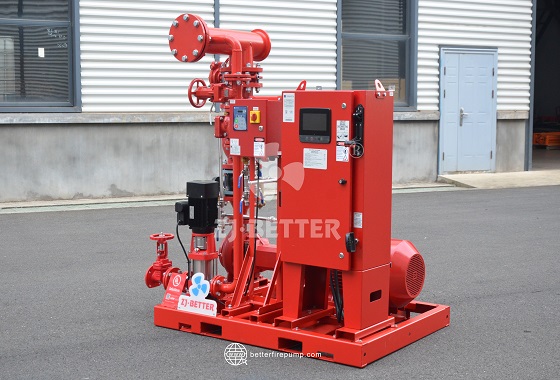
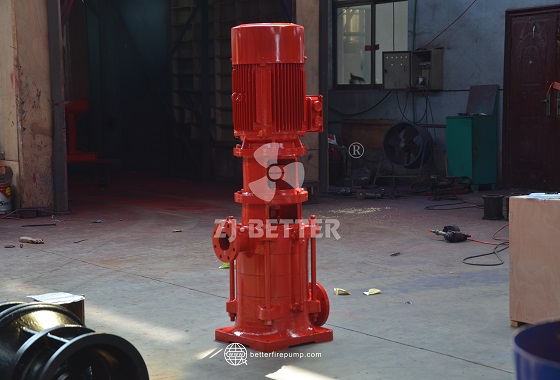
    Vertical Inline Fire Pumps: Vertical inline pumps have a vertical design with the motor located above the impeller. These pumps are compact and space-saving, making them suitable for installations where floor space is limited. Vertical inline fire pumps are commonly used in commercial and industrial applications, such as office buildings, hospitals, and manufacturing facilities.

    End Suction Fire Pumps: End suction pumps have a single impeller mounted on the end of the shaft. They are widely used in various applications, including fire protection systems. These pumps are known for their simplicity, ease of maintenance, and cost-effectiveness. End suction fire pumps are typically used in smaller buildings, residential properties, and light commercial applications.

    Multistage Fire Pumps: Multistage pumps consist of multiple impellers arranged in series. Each impeller adds pressure to the water, allowing these pumps to deliver high pressures. Multistage fire pumps are suitable for applications that require high-pressure delivery, such as high-rise buildings, industrial plants, and sprinkler systems with demanding pressure requirements.

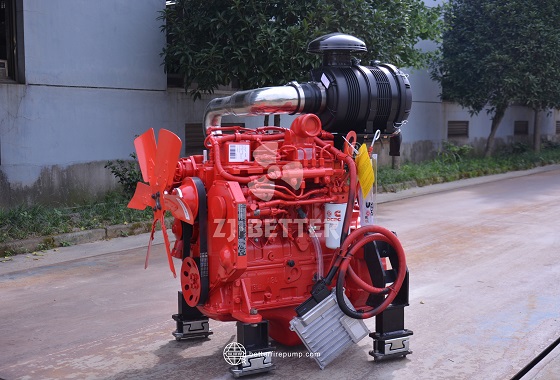
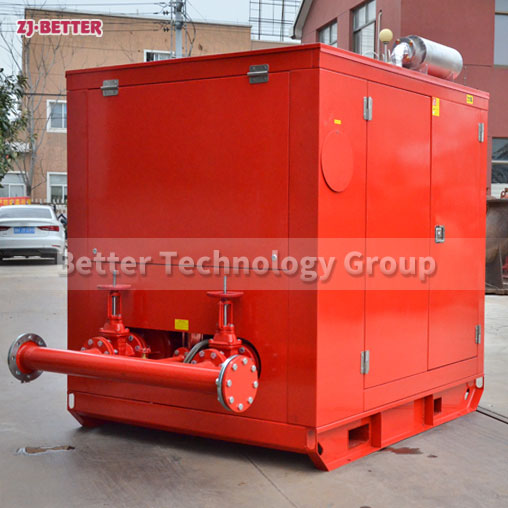
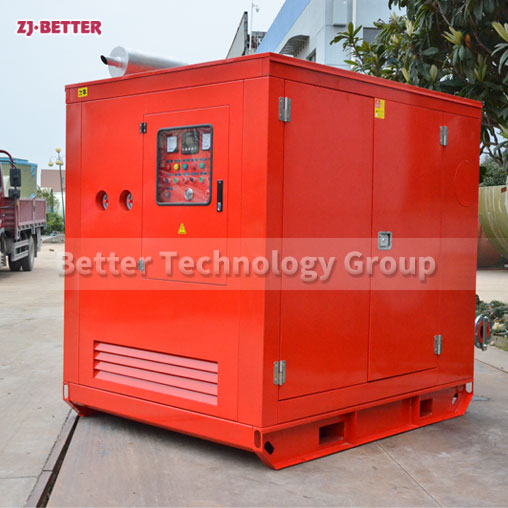
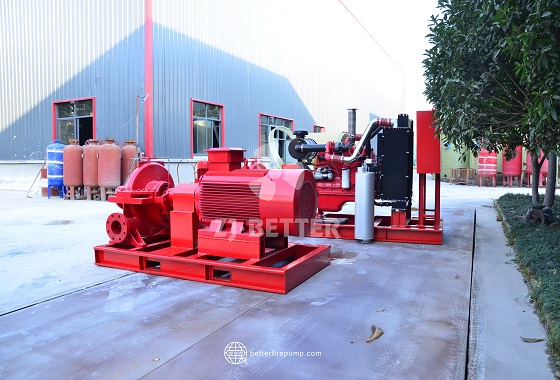
    Diesel-Driven Fire Pumps: Diesel-driven fire pumps are powered by diesel engines, providing a reliable source of power in situations where electricity may be unavailable or unreliable. These pumps are commonly used in remote locations, off-grid areas, and critical infrastructure where continuous operation is essential. Diesel-driven fire pumps are known for their durability and ability to deliver high flow rates and pressures.

    It’s important to note that these classifications are not exhaustive, and variations of fire pumps exist within each category. The choice of fire pump classification depends on factors such as system requirements, available space, flow rates, pressure requirements, and power sources. Consulting with fire protection experts or system designers can help determine the most suitable fire pump classification for a specific application.