Home » Fire Pump Set » High Efficiency Vertical Fire Pump Package for Hydrant and Sprinkler Systems

High Efficiency Vertical Fire Pump Package for Hydrant and Sprinkler Systems

High efficiency vertical fire pump packages designed for hydrant and sprinkler systems, offering compact structure, stable pressure, reliable startup, easy installation, and long-term performance for fixed fire protection applications.

Rated 4.5/5 based on 274 customer reviews
Share:
Content

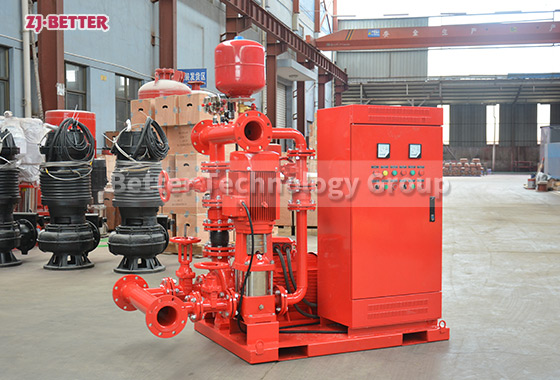
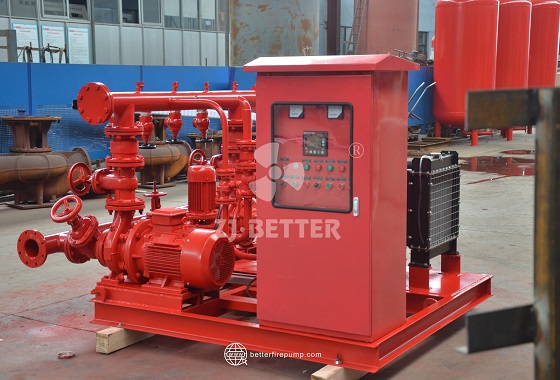
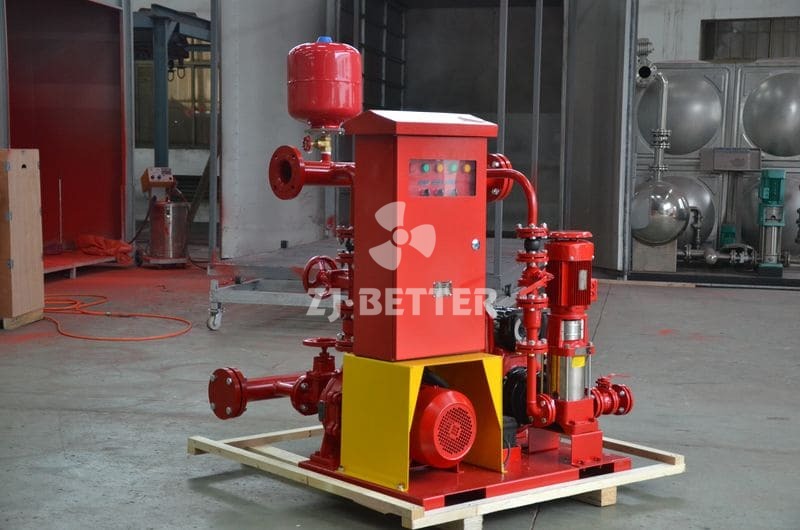
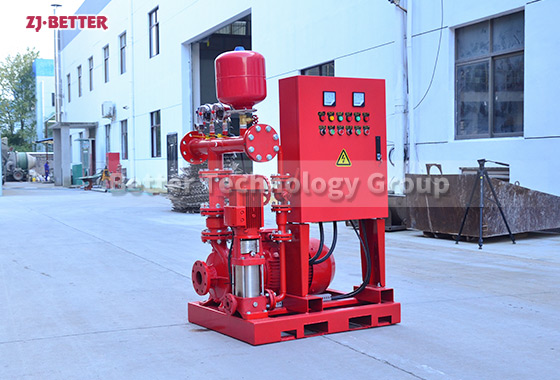
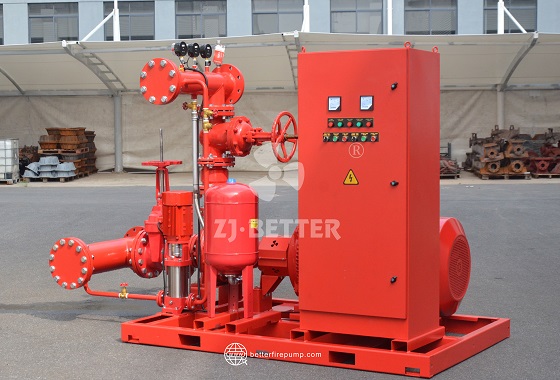
High-efficiency vertical fire pump units are a core water supply device widely used in modern fixed fire protection systems. They are primarily used in fire hydrant systems and automatic sprinkler systems, providing a stable, continuous, and design-compliant fire-fighting water supply during fires, while maintaining a good standby status during routine system operation to ensure rapid deployment in critical situations. These vertical fire pump units typically integrate a vertical multi-stage or single-stage fire pump, motor, control cabinet, inlet and outlet piping, valve assemblies, and necessary monitoring instruments into a compact and fully functional integrated solution. This is particularly suitable for building and industrial fire protection projects with limited pump room space, clearly defined system requirements, and high operational reliability demands. In terms of structural design, vertical fire pumps utilize a smaller axial footprint and a vertical arrangement, which is more efficient in terms of pump room space utilization compared to traditional horizontal pumps. Furthermore, the clear inlet and outlet water directions and simple piping layout effectively reduce system hydraulic losses and improve overall operating efficiency. The pump body is typically made of high-strength, pressure-resistant materials, and its internal flow channels undergo refined hydraulic optimization design. This ensures that the water flow remains stable even under high head and stable flow conditions, reducing eddies and energy loss, thereby achieving higher operating efficiency while meeting fire protection regulations. High efficiency is one of the key performance advantages of this type of vertical fire pump unit. By rationally matching the pump type and motor power, the equipment operates in its high-efficiency range under fire conditions. This not only enables the rapid output of the required flow and pressure during a fire but also helps reduce the motor load and minimize the hidden wear and tear caused by prolonged standby operation. The motor is typically a dedicated motor suitable for fire protection applications, possessing excellent insulation performance and reliable heat dissipation capabilities. It can adapt to the relatively humid or temperature-fluctuating environment inside the fire pump room, maintaining stable performance even under long-term operation or frequent starts. The control system in the unit is a crucial component ensuring its safe and reliable operation. It typically integrates automatic start, manual control, operating status display, and multiple protection functions. When the fire protection system detects a pressure drop or receives a linkage signal, the control system can quickly drive the vertical fire pump to start, ensuring that fire hydrants or sprinkler systems receive sufficient water in the shortest possible time. The control cabinet is equipped with comprehensive electrical protection measures, including overload, short circuit, and phase loss protection functions. In the event of abnormal operating conditions, it can promptly cut off the power supply and issue an alarm, reducing the risk of equipment damage and improving the overall system safety. Considering the different operating characteristics of fire hydrant and sprinkler systems, the high-efficiency vertical fire pump unit is designed with flow and pressure matching requirements in mind. It can meet the instantaneous high-flow-rate requirements of fire hydrant systems and adapt to the stable pressure and continuous water supply characteristics of sprinkler systems, ensuring that there are no issues with insufficient pressure or water flow fluctuations when multiple fire protection subsystems operate in tandem. The complete unit design means that all components are assembled and tested before leaving the factory. On-site installation only requires foundation fixing and piping and power connection before it can be put into use, significantly shortening the construction cycle, reducing on-site commissioning difficulty, and also reducing operational risks caused by inconsistent installation quality. From an operational stability perspective, vertical fire pumps, due to their reasonable axial force distribution and compact structure, exhibit less vibration during startup and operation. Combined with a stable base and appropriate pipeline support, they maintain good mechanical stability during frequent start-ups and shutdowns or prolonged operation, contributing to extended service life of bearings and seals. For equipment like fire hydrants and sprinkler systems, which are typically on standby, reliable startup performance is particularly crucial. High-efficiency vertical fire pump units are designed with a focus on startup response speed and success rate. Even after prolonged periods of inactivity, they can quickly enter a stable operating state upon receiving a startup command, buying valuable time for initial fire suppression. Ease of maintenance is another significant advantage of these units. Due to their clear overall structural layout and easily accessible key components, routine inspections, periodic maintenance, and necessary component replacements are relatively simple, effectively reducing operation and maintenance difficulty and management costs. This makes them particularly suitable for fire protection systems managed independently by property management units or factories. From a comprehensive application perspective, high-efficiency vertical fire pump units, with their advantages of small footprint, high efficiency, stable operation, convenient installation, and simple maintenance, have become a highly cost-effective and reliable water supply equipment choice for fire hydrant systems and automatic sprinkler systems. As building fire protection standards continue to rise and engineering projects increasingly demand higher levels of system integration and operational reliability, the application value of these vertical fire pump units in various fixed fire protection facilities is becoming increasingly prominent, providing a solid, durable, and efficient water supply guarantee for modern building and industrial fire protection systems.
Inquiry


    More Fire Pump Set

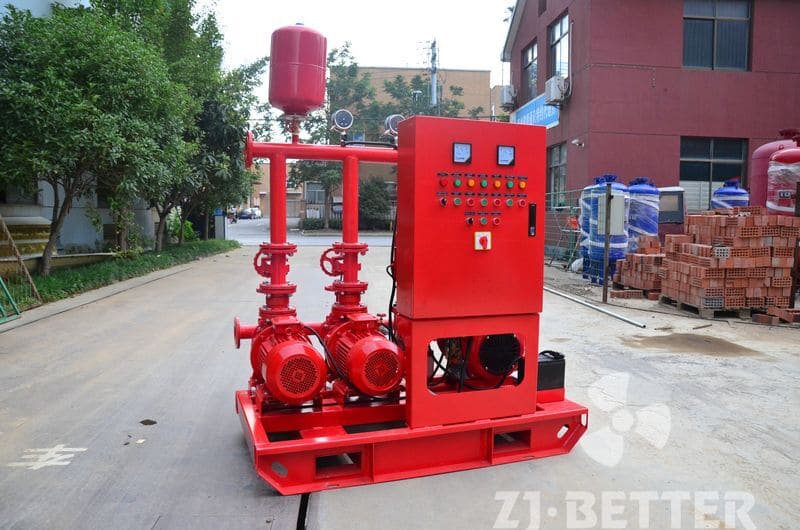
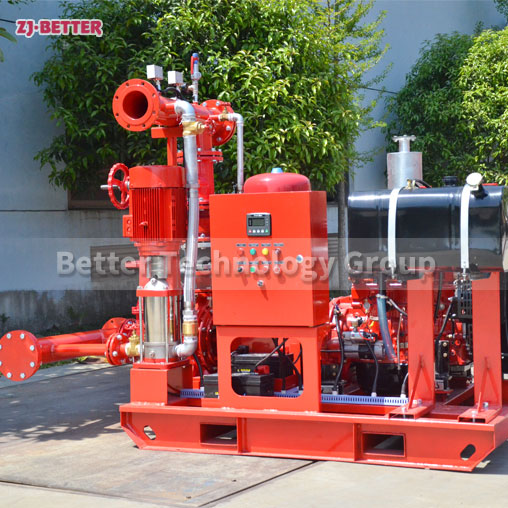
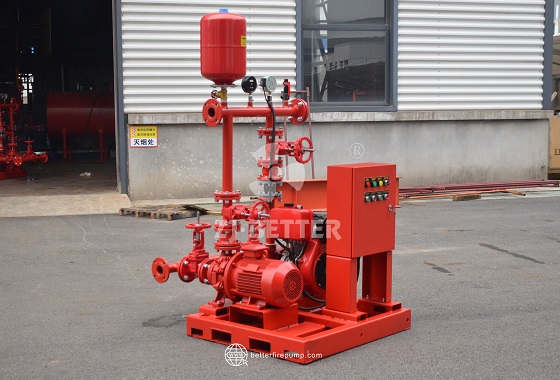
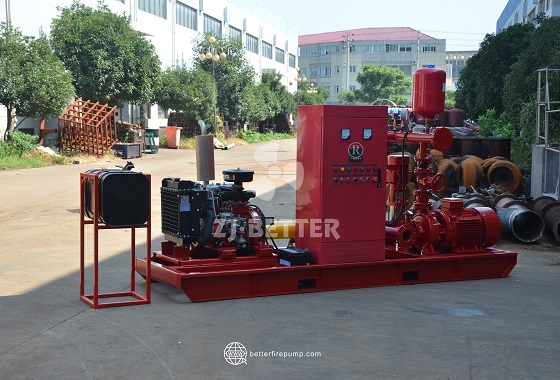
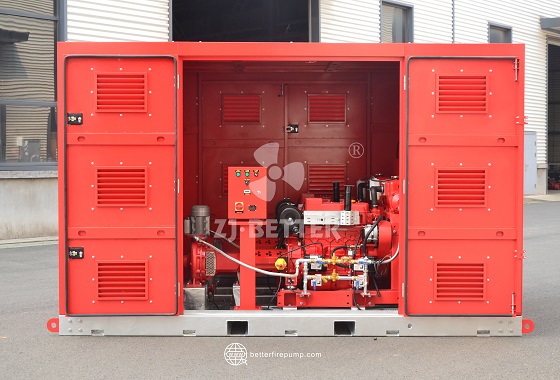
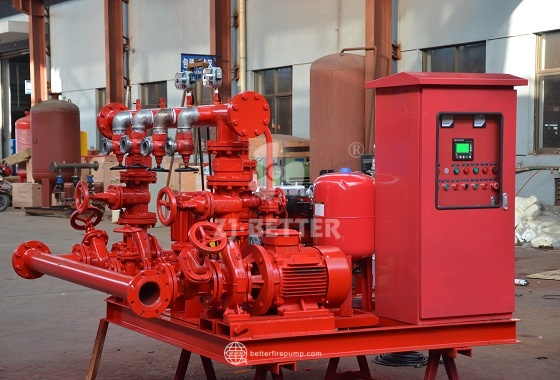
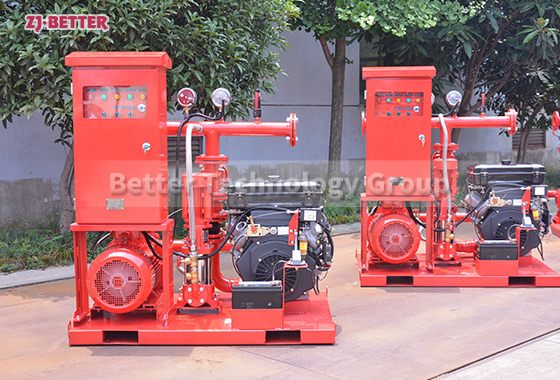
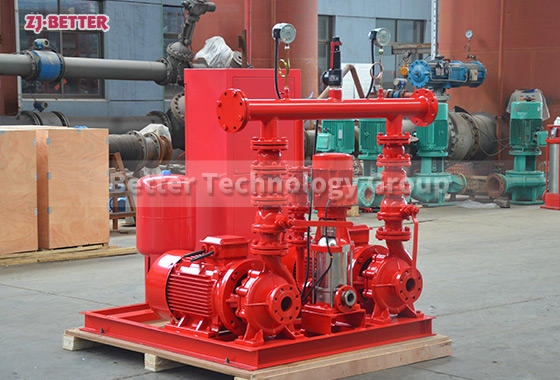
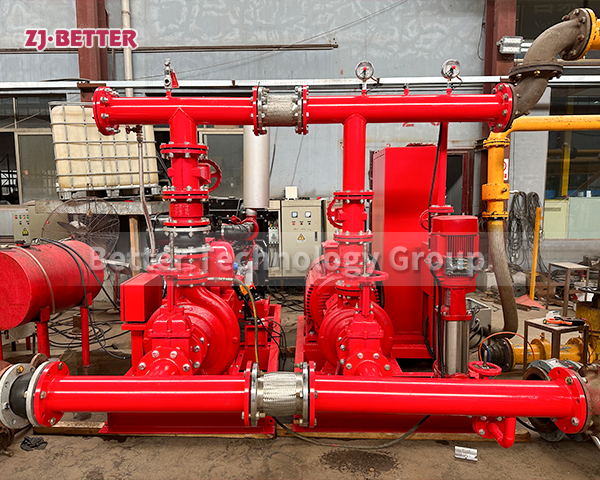
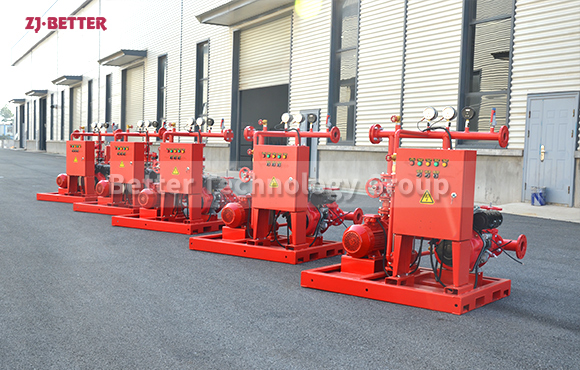
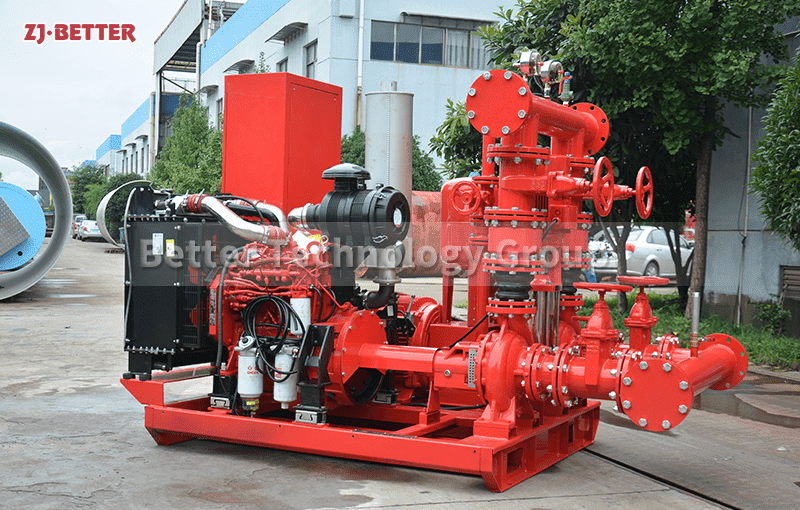
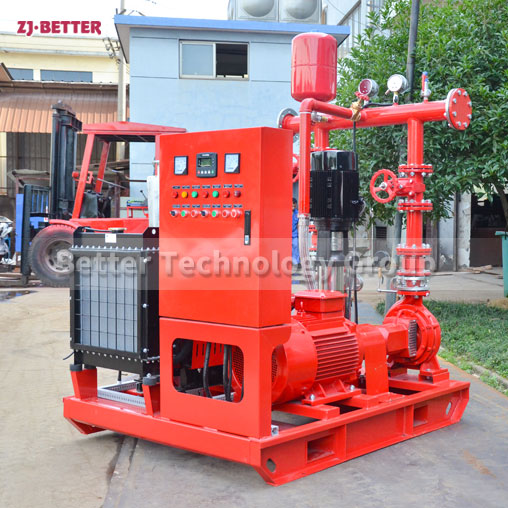
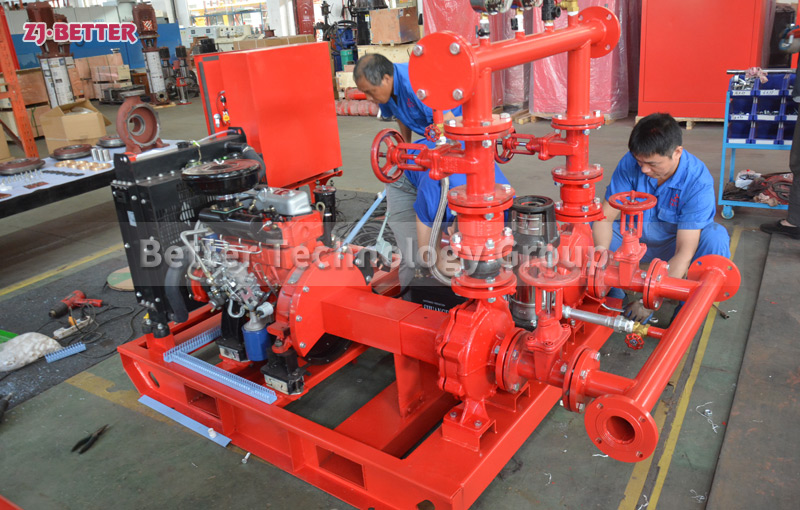
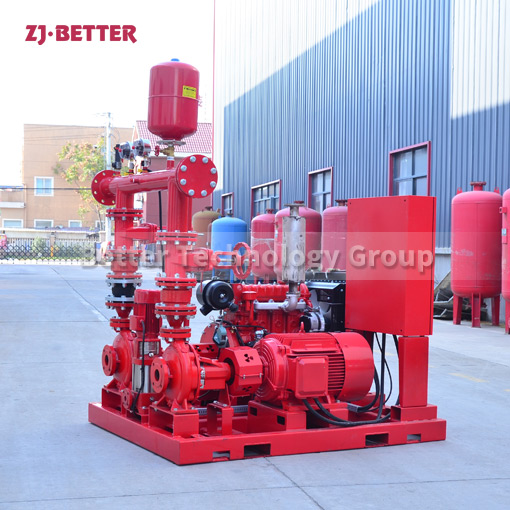
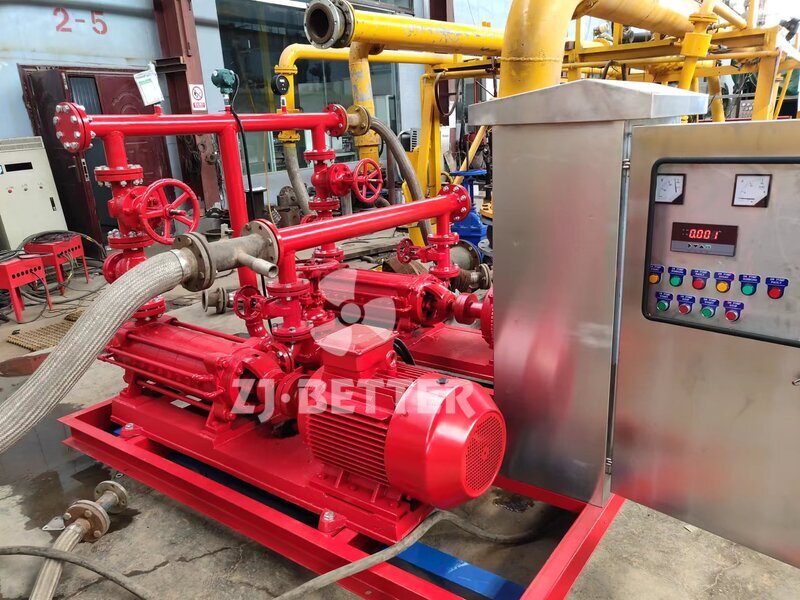
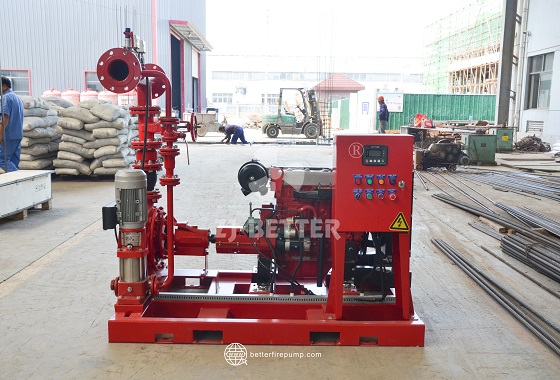
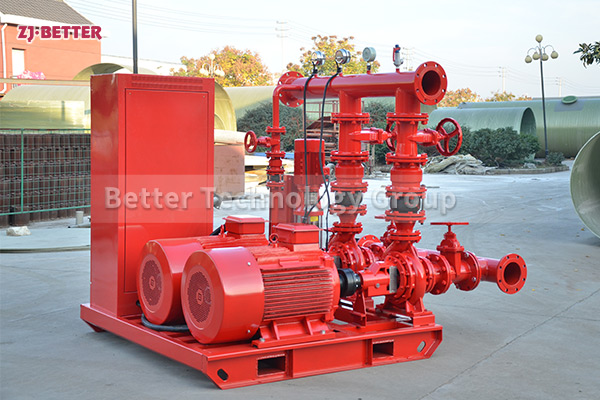
    The minimum fire rated pressure of ED small fire fighting package set water supply equipment is 3 bar and the minimum fire rated capacity is 25 GPM. ED small fire fighting package set water supply equipment includes at least two power or power source driven pumping units, pressure tanks, pipes, valves and accessories, measurement and control instruments, control cabinets, outdoor rain cover, etc.
    Motor: Three-phase asynchronous squirrel-cage motor independently developed and manufactured by our company, which can be controlled in production time and greatly shorten the whole set production time.
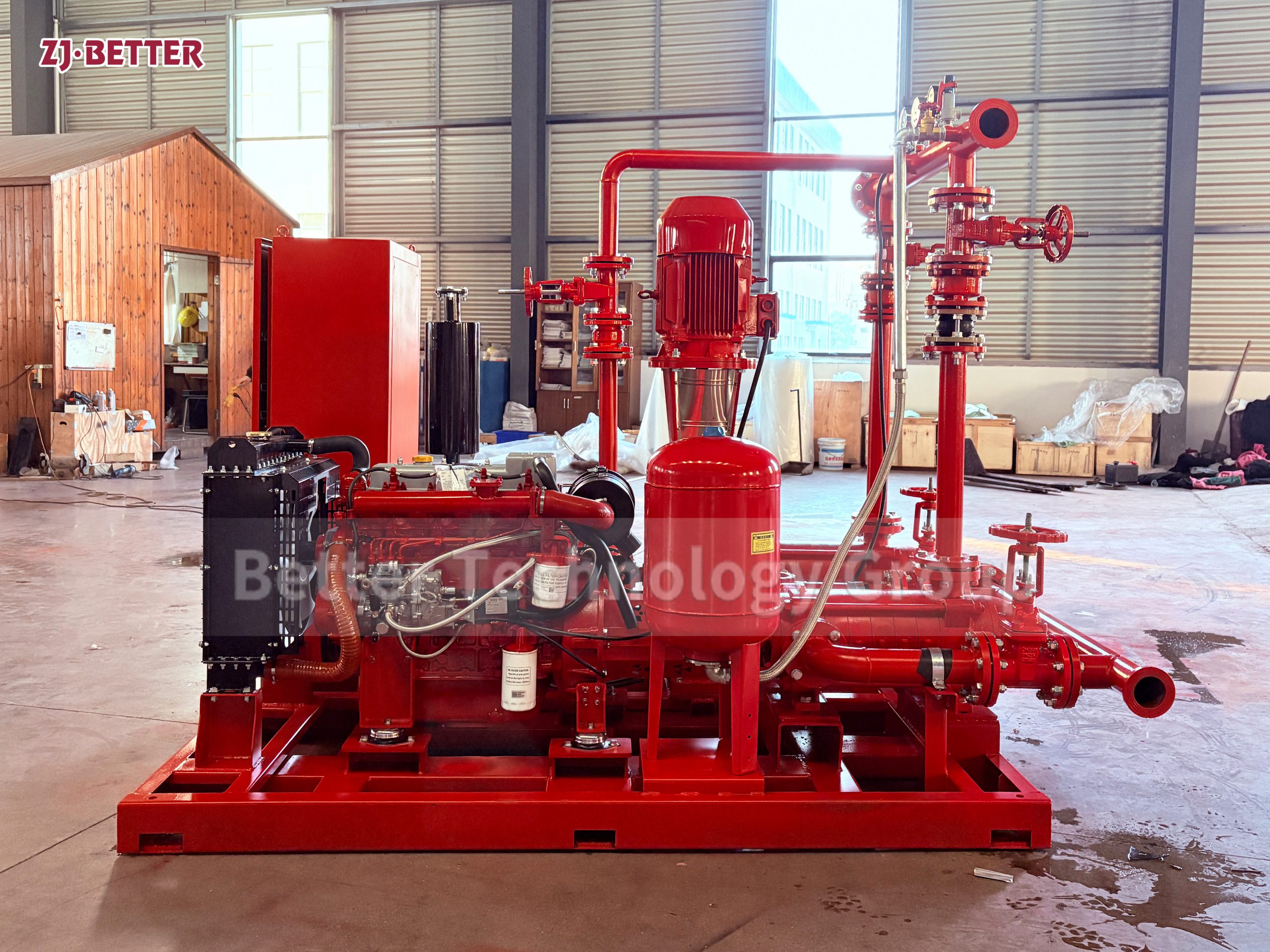
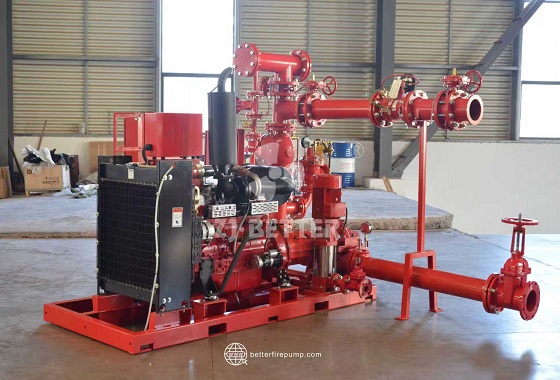
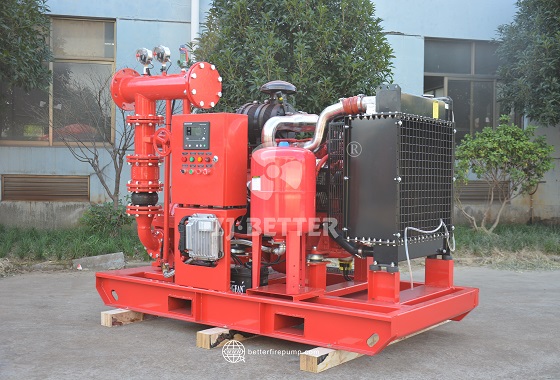
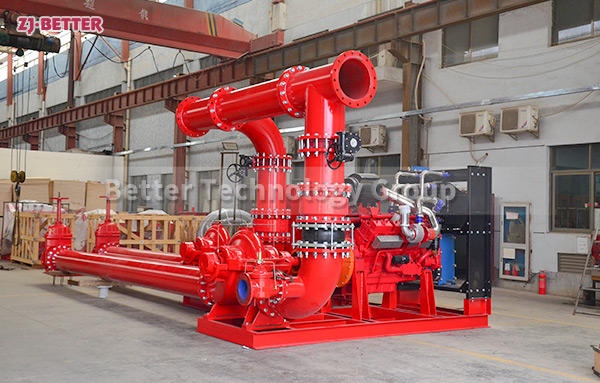
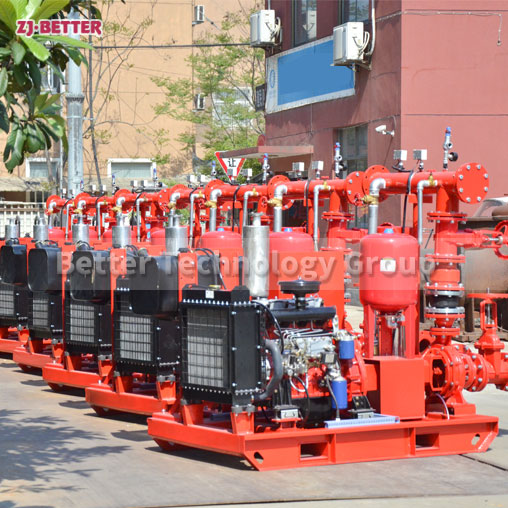
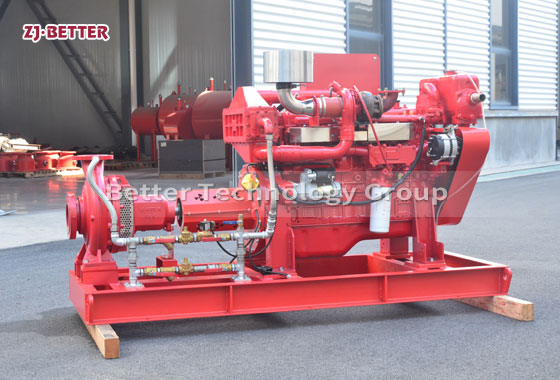
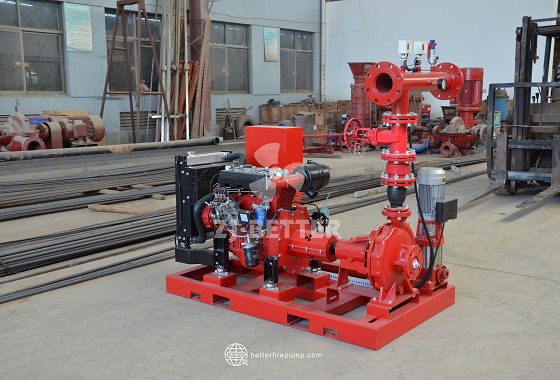
    Diesel Engine: According to the different parameters of customers, we will choose diesel engines with high cost performance ratio. The main brands are QuanChai, Weichai, ShangChai, FAWDE, Cummins, etc.
    Electric Pumps: Electric pumps can use vertical in-line pumps, horizontal end-suction pumps, vertical multi-
    stage pumps, horizontal multi-stage pumps, split casing pumps and so on according to the different flow and head of customers.
    Diesel Pumps: Diesel pumps can use vertical in-line pumps, horizontal end-suction pumps, vertical multi-
    stage pumps, horizontal multi-stage pumps, split casing pumps and so on according to the different flow and head of customers.
    Electronic Components: The main electric components is CHNT, if Schneider or other brand electrical are need, should mention it before place the order.
    Safety Valve plays a safety protection role in the system. When the system pressure exceeds the prescribed value, the safety valve opens, and a part of the gas/fluid in the system is discharged into the atmosphere/pipeline, so that the system pressure does not exceed the allowable value, so as to ensure that the system does not cause accidents due to excessive pressure.
    Pressure Tank: Water is a non-compressible medium. Generally speaking, the pressure drop of fire-fighting pipe network is normal. However, the pressure drop is very slow, the total loss of water in the pipe network isnot large, and the frequent change of pressure in the pipe network leads to frequent start-up and shutdown of pumps. Especially when the power of equipment is high, it will cause great impact on pressure sensors, relaysand motors, thus affecting the performance and life whole equipment. Therefore, it is necessary to choose the right volume of the pressure tank.

    Fire pumps are classified into various types based on their specific applications and operational characteristics. The common classifications of fire pumps include:

    Horizontal Split Case Fire Pumps: These pumps have a horizontally split casing, which allows easy access to internal components for maintenance and repairs. They are typically used in large-scale fire protection systems, such as industrial facilities, commercial buildings, and high-rise structures. Horizontal split case pumps are known for their high flow rates and can handle a wide range of pressures.

    Vertical Turbine Fire Pumps: Vertical turbine pumps have a vertical shaft and are designed to operate with submerged impellers. These pumps are commonly used in water sources such as wells, rivers, or lakes. Vertical turbine fire pumps are ideal for locations where space is limited, as they have a small footprint. They are also suitable for applications that require high pressures but lower flow rates.

    Vertical Inline Fire Pumps: Vertical inline pumps have a vertical design with the motor located above the impeller. These pumps are compact and space-saving, making them suitable for installations where floor space is limited. Vertical inline fire pumps are commonly used in commercial and industrial applications, such as office buildings, hospitals, and manufacturing facilities.

    End Suction Fire Pumps: End suction pumps have a single impeller mounted on the end of the shaft. They are widely used in various applications, including fire protection systems. These pumps are known for their simplicity, ease of maintenance, and cost-effectiveness. End suction fire pumps are typically used in smaller buildings, residential properties, and light commercial applications.
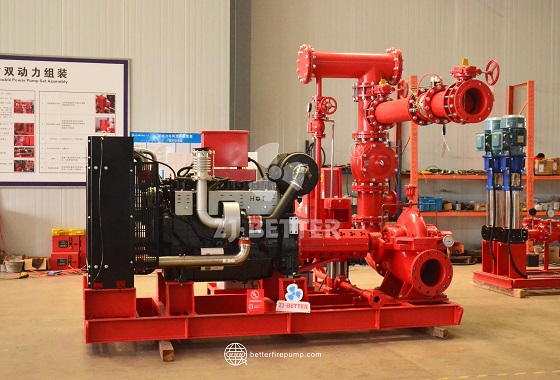
    Multistage Fire Pumps: Multistage pumps consist of multiple impellers arranged in series. Each impeller adds pressure to the water, allowing these pumps to deliver high pressures. Multistage fire pumps are suitable for applications that require high-pressure delivery, such as high-rise buildings, industrial plants, and sprinkler systems with demanding pressure requirements.

    Diesel-Driven Fire Pumps: Diesel-driven fire pumps are powered by diesel engines, providing a reliable source of power in situations where electricity may be unavailable or unreliable. These pumps are commonly used in remote locations, off-grid areas, and critical infrastructure where continuous operation is essential. Diesel-driven fire pumps are known for their durability and ability to deliver high flow rates and pressures.

    It’s important to note that these classifications are not exhaustive, and variations of fire pumps exist within each category. The choice of fire pump classification depends on factors such as system requirements, available space, flow rates, pressure requirements, and power sources. Consulting with fire protection experts or system designers can help determine the most suitable fire pump classification for a specific application.

    What kind of terrain to choose what kind of water pump

    This problem, in short, is the selection of water pumps. The following are the applicable way for you to choose water pumps from zjbetter. I hope they can help you choose water pumps and help you better. Choose the water pump that suits your design.
    1. Confirm the use terrain
    First understand the terrain in which the outfit is used, including temperature, moisture, air pressure, air cattiness, dustproof and leakproof conditions, and the position of dangerous areas.
    2. Confirm operating conditions
    Refers to the liquid face pressure( absolute) on the suction side of the liquid, the liquid face pressure on the discharge side, intermittent or nonstop work, fixed or mobile position, and the convenience of installation and conservation.
    3. Confirm the nature of the medium
    Medium temperature, viscosity, density, impregnated vapor pressure, solid flyspeck periphery and content, gas content, cattiness, volatility, trap, toxin.
    4. elect the material of the pump bathe corridor
    According to the physical and chemical parcels of the pumped medium above, the material of the inflow- passing corridor is determined.
    5. Determine performance parameters
    The performance parameters of the water pump can be determined by computation, analogy, test and other styles.
    6. Determine the installation type
    The installation of the channel is determined by the layout of the channel and the installation point, and there are direct connection, perpendicular and other types.
    8. Determine the number of pumps
    In general, spare pumps, especially fire pumps, are set up, and the number of pumps is named according to different situations.