Home » Fire Pump Set » Lightweight Mobile Fire Pump System: Rapid Deployment for Initial Fire Suppression

Lightweight Mobile Fire Pump System: Rapid Deployment for Initial Fire Suppression

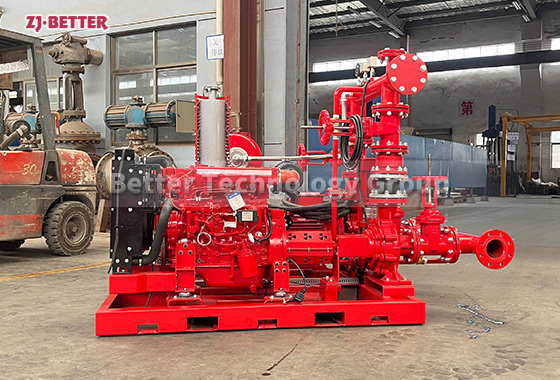
The portable mobile fire pump system features rapid deployment, high mobility, strong lift and flow capacity, and easy operation. Ideal for emergency firefighting, outdoor rescue, and diverse fire protection applications, especially in initial fire response.

Rated 5/5 based on 454 customer reviews
Share:
Content

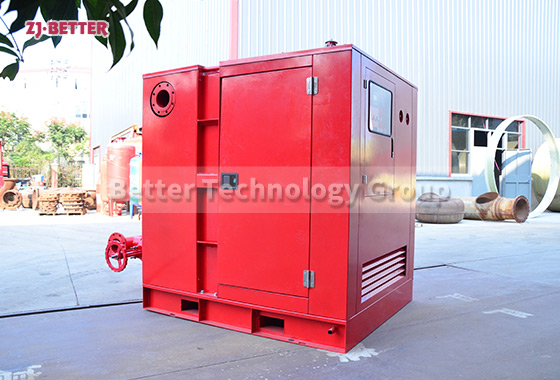
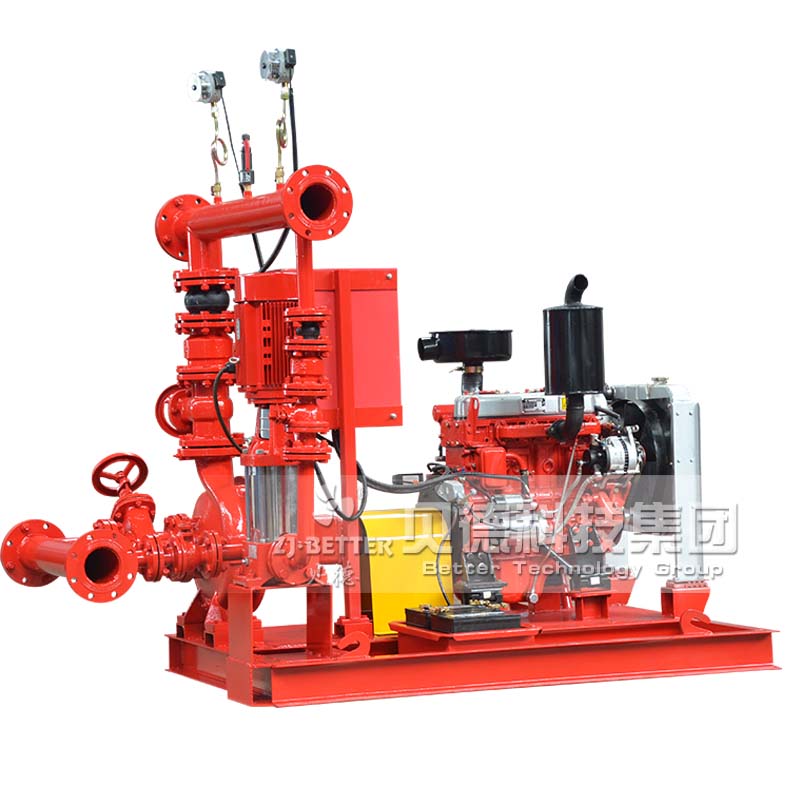
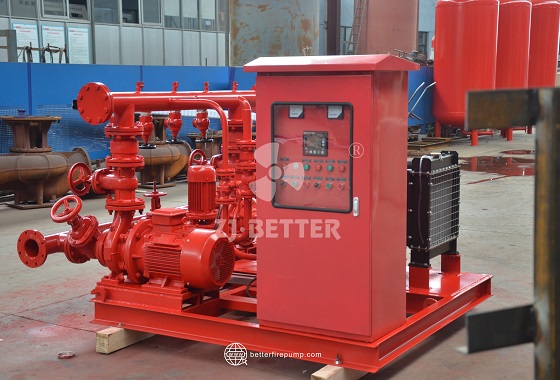
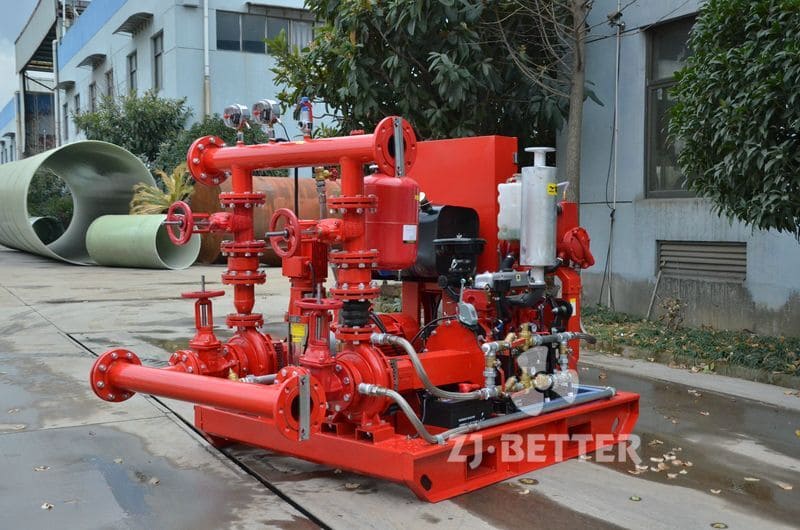
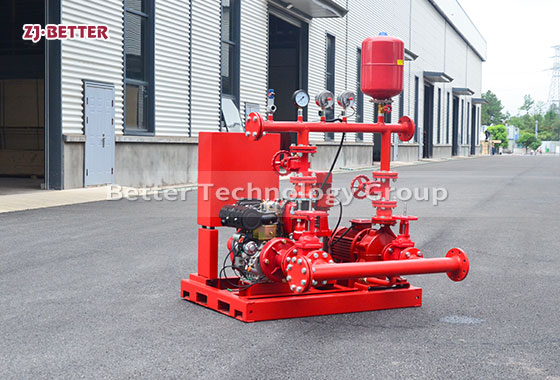
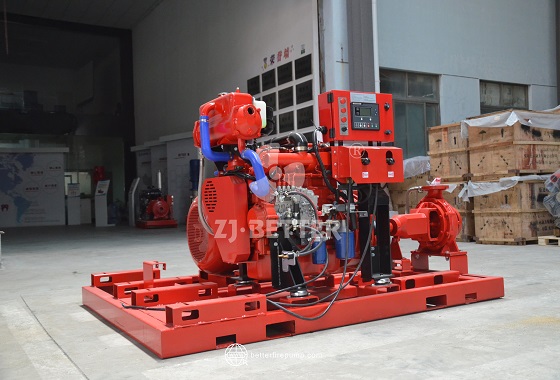
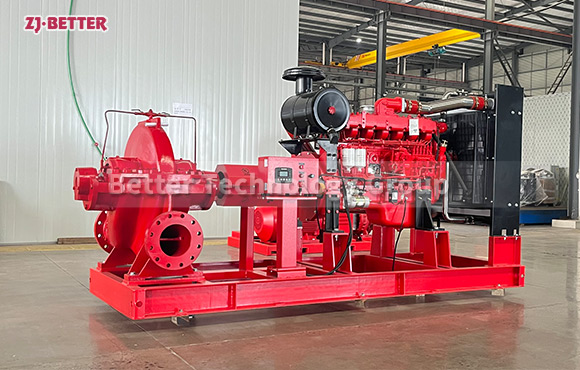
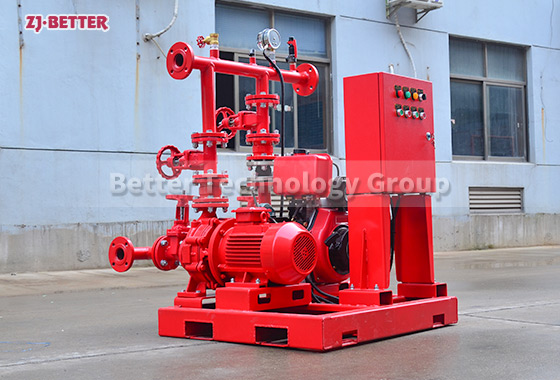
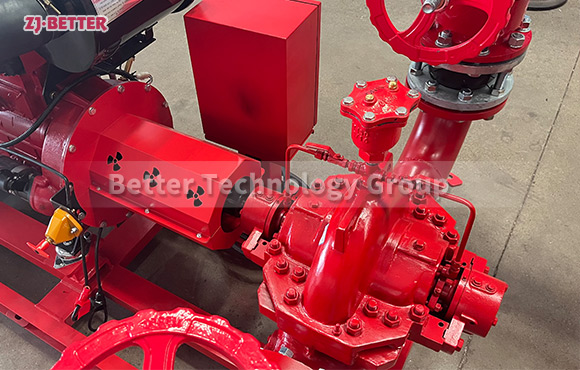
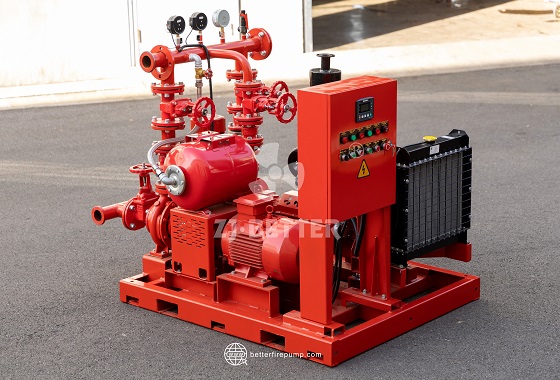
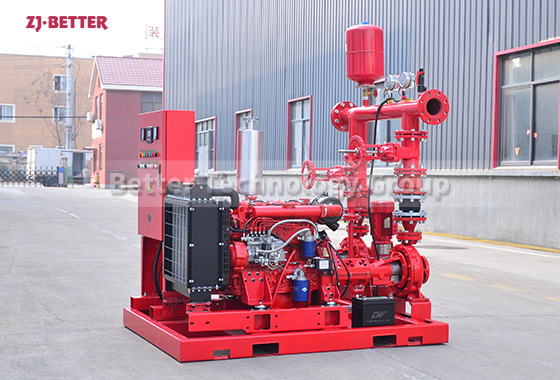
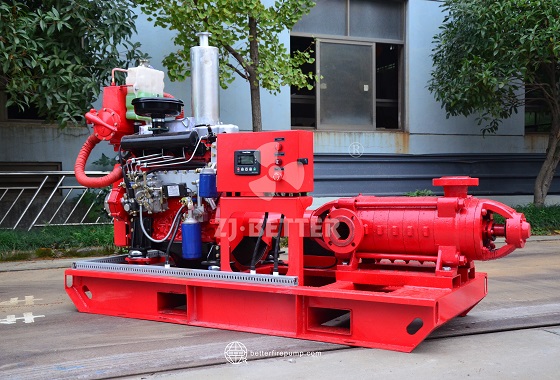
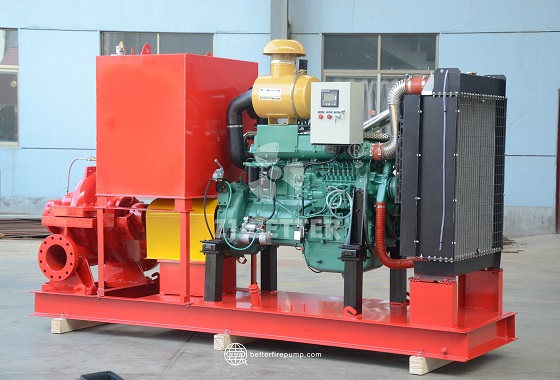
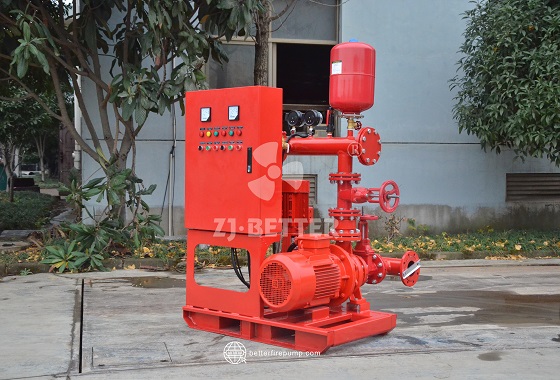
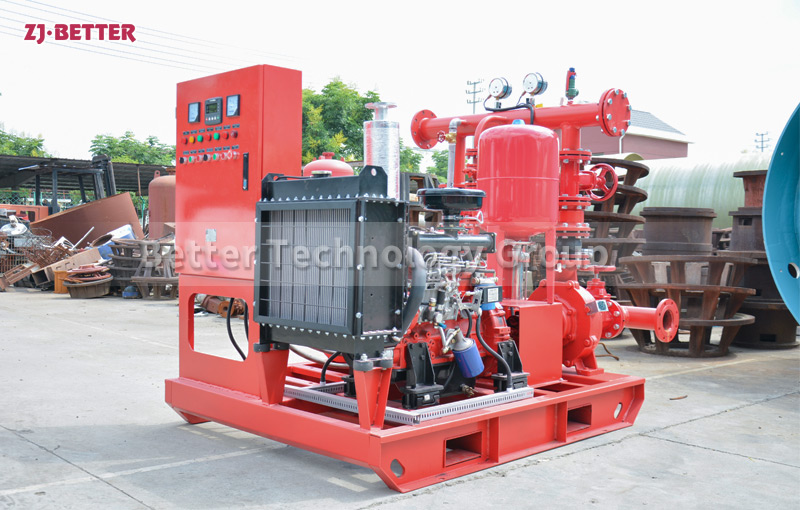
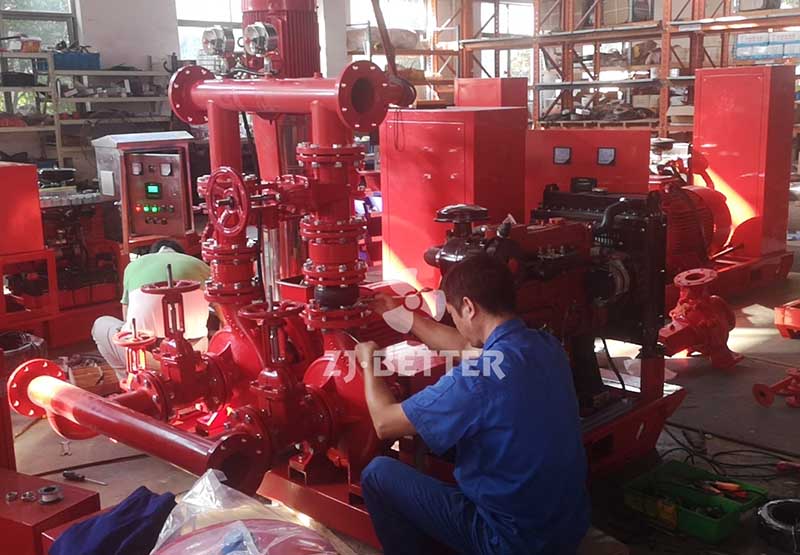
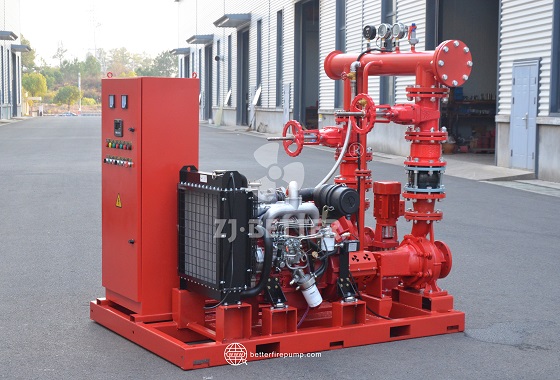
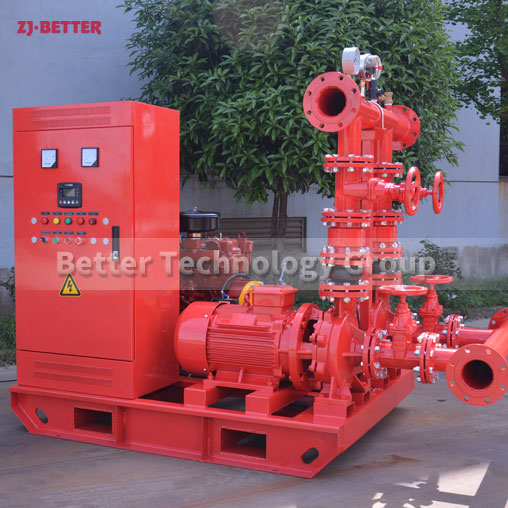
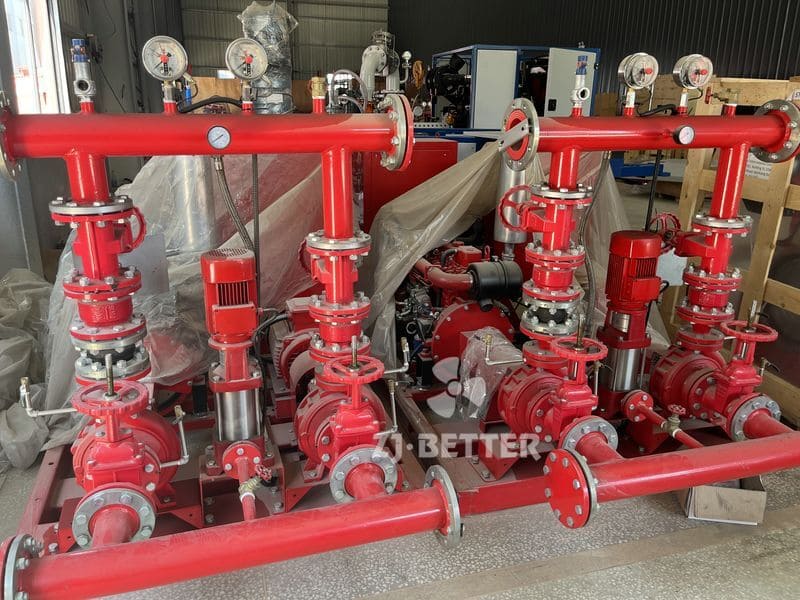
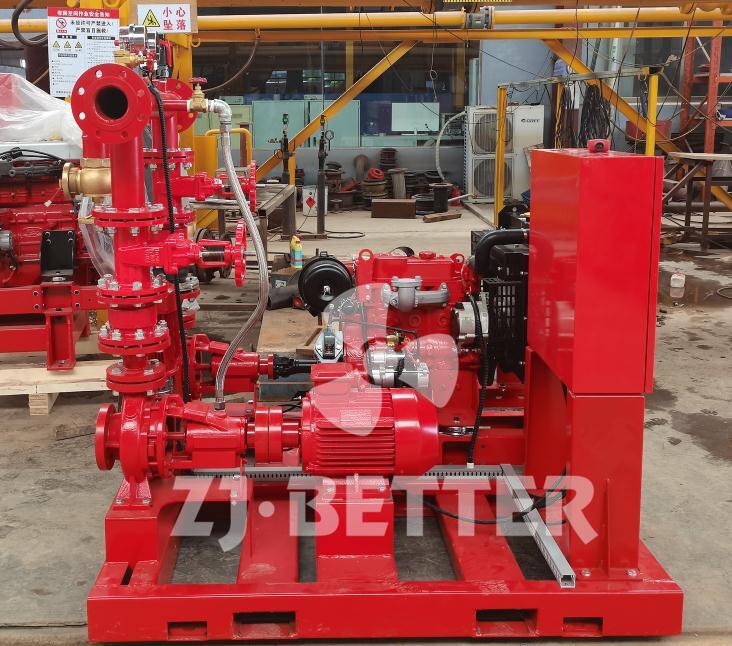
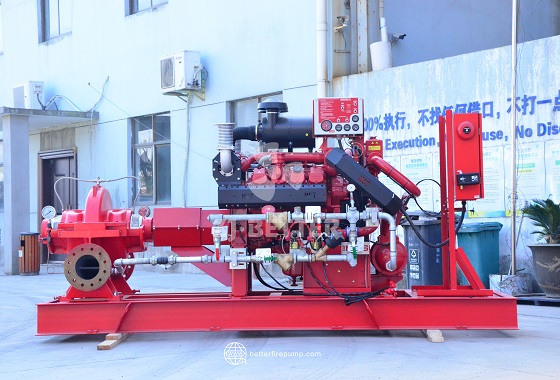
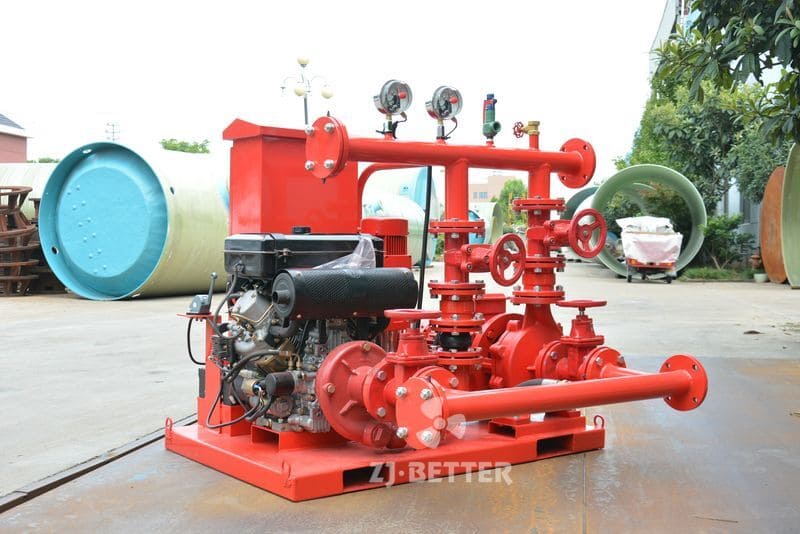
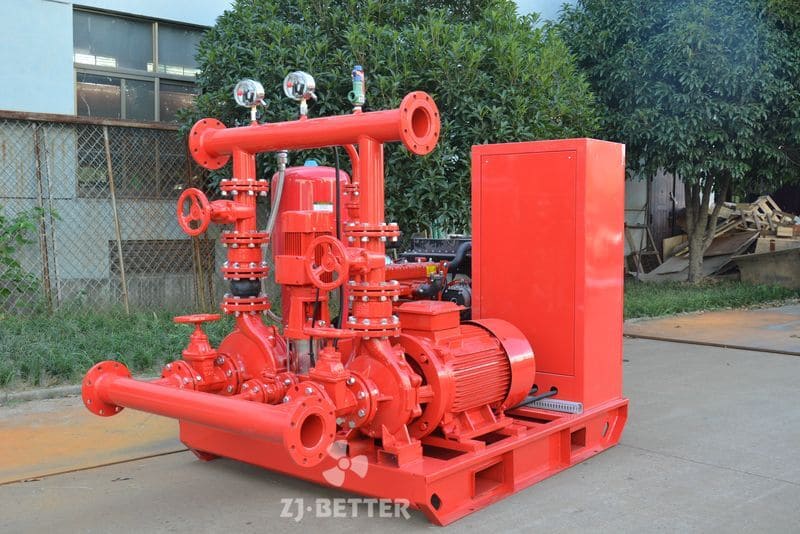
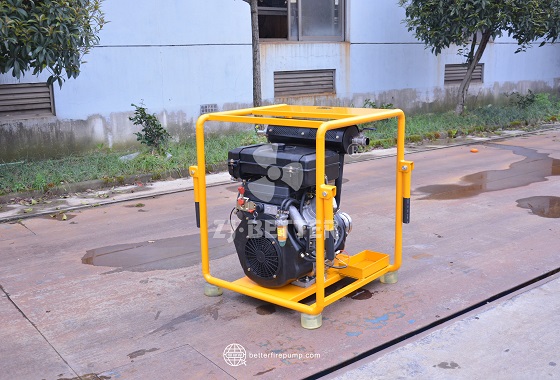
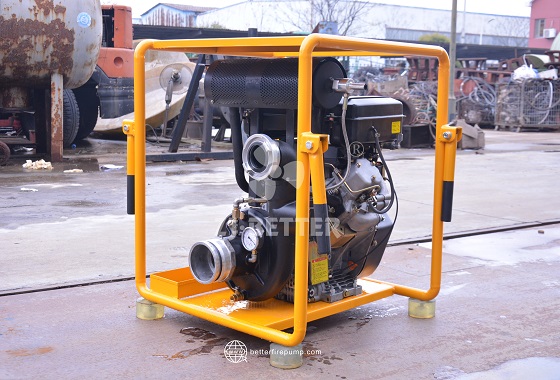
The lightweight mobile fire pump system is a highly efficient and portable device designed specifically for emergency response and initial fire fighting. It boasts numerous advantages, including small size, light weight, compact structure, easy operation, rapid startup, and reliable power. It maintains strong pumping capacity and stable, high-flow output even in environments with limited power, complex roads, and confined spaces. It is an indispensable firefighting device for a variety of applications, including industrial plants, warehouses, docks, oil depots, temporary construction sites, and mountain villages. Powered by a diesel engine, this product avoids dependence on mains electricity and boasts high mobility and on-site adaptability. Its overall structure utilizes a high-strength welded steel frame, coupled with shock-absorbing rubber cushions and a portable handle frame. This not only effectively reduces vibration and noise during operation, but also facilitates rapid lifting, loading, and unloading by one or two people, fulfilling the emergency support requirements of “liftable, easy to place, and quick to rotate.” The power system and the pump body are directly connected by a high-precision coupling, which has high transmission efficiency and low energy loss. The whole machine is free of the common problems of slippage, wear, and frequent maintenance of belt drives, which enhances operational stability and service life. The equipment is equipped with a high-performance single-stage or multi-stage centrifugal pump with strong suction and high head performance. Conventional models can achieve flow rates ranging from 20m³/h to 60m³/h, and a head of 30 meters to 90 meters, meeting the technical requirements of various firefighting scenarios for long-distance water delivery, high-rise water delivery, or rapid fire extinguishing. The interior of the pump body is made of high-hardness alloy coating or 304 stainless steel, which has excellent corrosion resistance. It will not rust or clog after long-term use. It is suitable for processing various non-corrosive media such as tap water, pond water, and river water. It also has good high temperature resistance and wear resistance, and can cope with sudden fires in harsh environments. The control system features a one-touch start design and integrated functions such as oil level display, voltage monitoring, oil alarm, speed adjustment, and shutdown protection, further enhancing ease of use and safety. Even non-professional operators can complete startup and dispatch operations in a fraction of a second, effectively shortening firefighting preparation time and ensuring a rapid response at the initial outbreak of a fire. This mobile fire pump system also offers optional inlet and outlet quick connectors, firefighting interfaces, suction hoses, discharge hoses, and spray gun assemblies, forming a complete field emergency firefighting system. Users can flexibly configure the system to meet their specific needs for rapid on-site deployment without complex installation and commissioning. Select high-configuration models support advanced features such as intelligent fault detection, remote monitoring, and GPS positioning, allowing real-time monitoring of the device’s operating status and location via mobile phone or tablet, significantly enhancing the technological and information-based nature of firefighting equipment in emergency management. Furthermore, this lightweight mobile fire pump system boasts excellent fuel efficiency, utilizing an energy-efficient diesel engine that maintains power output while effectively reducing fuel consumption and emissions. This system aligns with current green environmental trends and is suitable for long-term deployment in fire-hidden areas such as urban fringes, forest borders, transportation hubs, and water conservancy projects. Its maintenance is also extremely simple, and the various parts of the body are rationally arranged, which facilitates routine operations such as quick replacement of filters, adding oil, and checking pipelines. Basic maintenance can be completed even in field conditions, greatly reducing the risk of downtime and subsequent operation and maintenance costs. In actual applications, this pump system has been widely used in forest firefighting, rural micro-fire stations, municipal water supply, drought emergency response, mine drainage, highway emergency rescue and other fields. Its high reliability and versatility have won the recognition and favor of many users. For areas that lack coverage of conventional fire protection systems, it can not only independently undertake firefighting tasks, but also temporarily supply water to fixed sprinkler systems or high-pressure fine water mist systems, greatly expanding its functional boundaries and actual value. Especially in scenarios such as road blockages and power outages after natural disasters or emergencies, the pump system can rely on its own diesel power to quickly engage in combat, effectively ensuring the safety of personnel, property and facilities, and providing great convenience for emergency management departments. With the trend toward modern firefighting equipment, lightweight mobile fire pump systems, with their high performance, adaptability, and portability, have become a preferred choice for numerous government procurement, industrial support, and overseas exports. Complying with multiple international standards such as NFPA, EN, and ISO, and customizable to meet the needs of customers in different countries and regions, they are core equipment in the international emergency firefighting market. Combined with a rich selection of accessories, diverse parameter configurations, and scalable control solutions, this equipment is no longer just a single-purpose pump, but a comprehensive solution platform integrating “firefighting + emergency water supply + rapid deployment,” providing strong equipment support for modern emergency rescue systems and efficient, reliable, and safe firefighting protection for various units and projects.
Inquiry


    More Fire Pump Set

    1. When the pipeline fire pump noise occurs, the most likely fault is the imbalance of the fire pump rotor. Since the water output of the fire pump mainly depends on the high-speed rotation of the rotor, when the rotor is unbalanced for some reason, it will cause the fire pump to deviate from the original rotation track during the rotation process, resulting in the fire pump appearing in the pipeline. When judging the failure of the rotor, it is mainly to replace the rotor of the pump or make a balance hole on the rotor blade of the pump to find out the balance difference.

    2. The production noise of the fire pump pipeline has a certain effect. For example, forcing a small flow of a pipe “fire pump” to increase power to increase the original flow will create vibrations in the fire pump. Therefore, whether you use a pipeline fire pump or other types of water pumps, you should follow the water pump use standards to prevent the water pump from making noise, which will affect the service life of the water pump. The solution is to use the pump according to the instructions. If the efficiency of use is affected, it is recommended to replace the appropriate pipeline “fire pump” for use.

    3. The installation did not meet the standards, resulting in abnormal noise from the pipeline fire pump. Fire pumps and fire hydrant pumps vibrate at a high frequency during operation, so they must be fixed during installation. If the bolt between the pump body and the base or between the base and the base is loose when installing the pipe fire pump, the transmission shaft between the pump body and the motor of the pipe pump will be bent. It lowered the concentricity and caused an imbalance in the fire pump rotor. This is one of the noise phenomena of fire pumps. In order to improve this phenomenon, the pump shaft of the fire pump needs to be balanced and then reinstalled. Finally, the base of the pump was reinforced.

    4. Blockage of the impeller passage can also cause fire pump noise. When the internal flow channel of the fire pump is blocked by foreign matter, it will cause uneven resistance of the fire pump impeller and vibrate the fire pump. Therefore, it is necessary to regularly disassemble and maintain the fire pump to prevent foreign matter from blocking the pipeline.

    5. The bearing of the fire pump is damaged. Bearing damage generally does not occur on the main body of an in-line fire pump. If there is a problem with the quality of the pump, or because some hard objects enter the pump body of the tube pump, the bearing is damaged, and the rotor is unstable at first. Causes noise from pipeline fire pumps.

    6. Finally, cavitation, cavitation occurs in any type of pump, but some are obviously not noticeable. If cavitation occurs, consider raising the fire pump or increasing the pressure in the piping. If the cavitation phenomenon cannot be changed, the fire pump model needs to be redesigned and replaced.

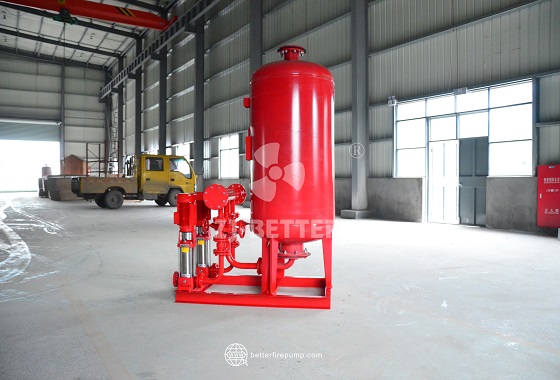
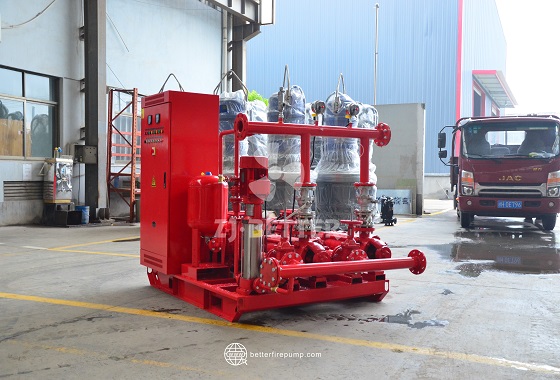
    There are many types of fire-fighting equipment, fire hydrants and fire extinguishers are a common category, and there is also a category of fire pumps, which can be described as the heart of the fire-fighting system and play an important role in pressurising the water supply for the fire-fighting system. Among the many fire pump products, fire pumps can be divided into multi-stage and single-stage fire pumps.

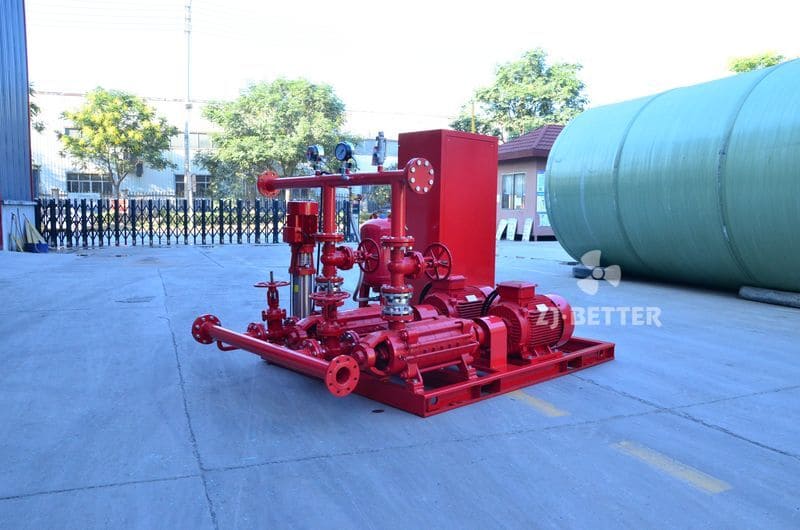
    Multi-stage pumps have high efficiency, corrosion resistance, reliable operation and other properties, strong bearing capacity of the pump body, strong resistance to overload and more sensitive start. Ltd. introduces you to the relevant features of multi-stage pumps. First of all, Shanghai Xizhiquan multi-stage pumps have a compact structure, with small spacing between parts and small volume. The equipment runs smoothly, has a long service life and produces less vibration during operation, so the practical life of the equipment is correspondingly long.

    With its unique structure, the direction of the water inlet and outlet can be adjusted according to different needs, so it is suitable for various place environments. The direction of the inlet and outlet is horizontal, which reduces the number of bends in the pipeline connection, thus simplifying the pipeline connection and greatly enhancing the efficiency of the fire fighting system.

    The efficient operation of the multistage pump is used in many larger, more demanding fire-fighting locations. Its role is mainly to play a role in the fire fighting pipeline system to pressurise and send water, multi-stage pumps are not only suitable for all kinds of fire fighting systems, but also for industrial drainage, high-rise building water pressure supply, long-distance water delivery, water circulation pressure and other occasions.

    Using a fire pump efficiently and reasonably is crucial to ensure its optimal performance and effective firefighting capabilities. Here are some key considerations for using a fire pump efficiently:

    Proper Sizing: Ensure that the fire pump is properly sized for the specific application.

    Regular Maintenance: Perform regular maintenance on the fire pump to keep it in optimal condition.

    Optimal Operating Speed: Operate the fire pump at the optimal speed based on the required flow rate and pressure.

    Water Management: Manage the water supply efficiently to avoid unnecessary waste.

    Training and Familiarization: Provide training to firefighters and operators on the proper operation of the fire pump.

    Monitoring and Control: Utilize monitoring and control systems to optimize pump operation. These systems can provide real-time information on flow rates, pressures, and energy consumption. Use this data to adjust operating parameters as needed and identify any anomalies or inefficiencies that may require attention.

    Shut Down When Not in Use: When the fire pump is not actively needed, consider shutting it down to conserve energy and reduce wear on the equipment.

    Record Keeping: Maintain records of pump operation, maintenance activities, and any performance issues.

    Efficient and reasonable use of a fire pump not only helps conserve resources but also ensures its readiness to combat fires effectively. By following proper operating procedures, conducting regular maintenance, and promoting a culture of efficiency among operators, the fire pump can operate optimally and provide reliable firefighting capabilities when needed most.