Parallel Multi-Electric Fire Pump Units for Flexible Response to Variable Water Load Demands
Multiple parallel electric fire pump sets support flexible flow and pressure regulation, are highly efficient and energy-saving, operate stably, and feature automatic control and redundant design. They are widely used in high-rise buildings, industrial plants, and large public facilities to ensure the safety of emergency water supply in fire situations.
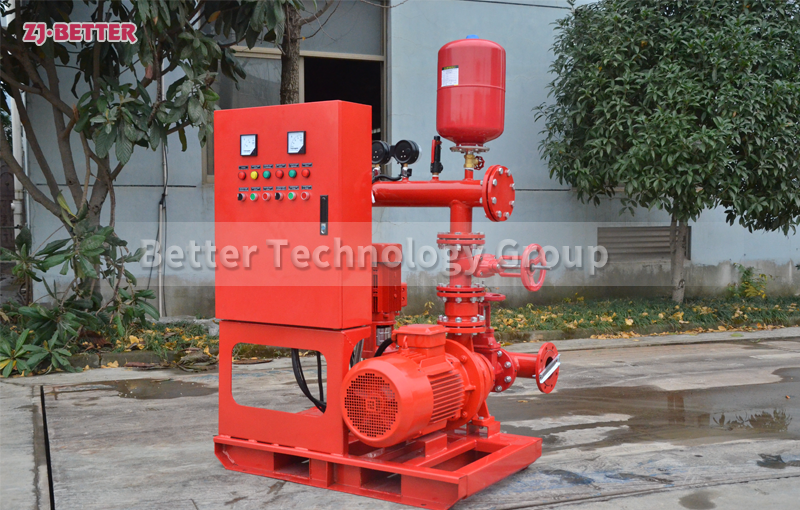
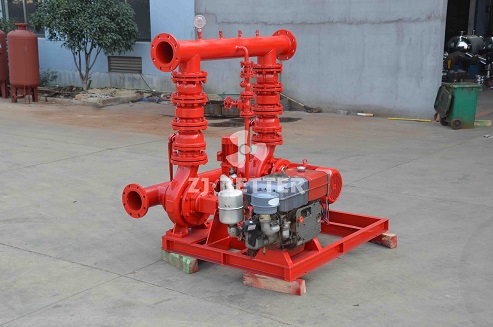
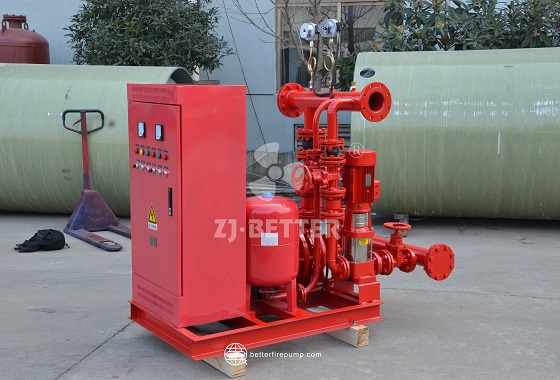
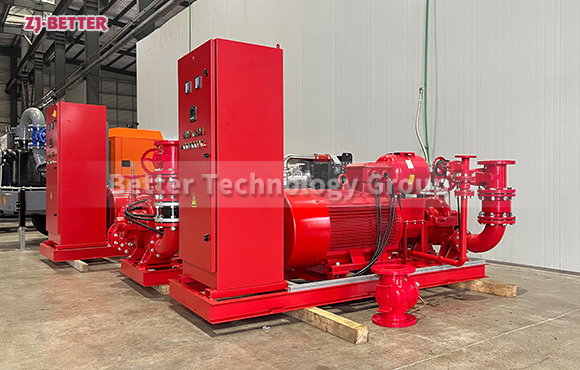
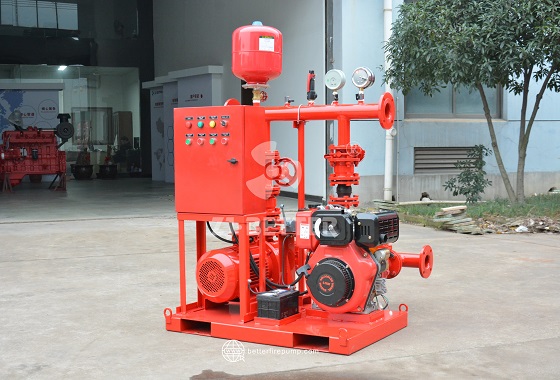
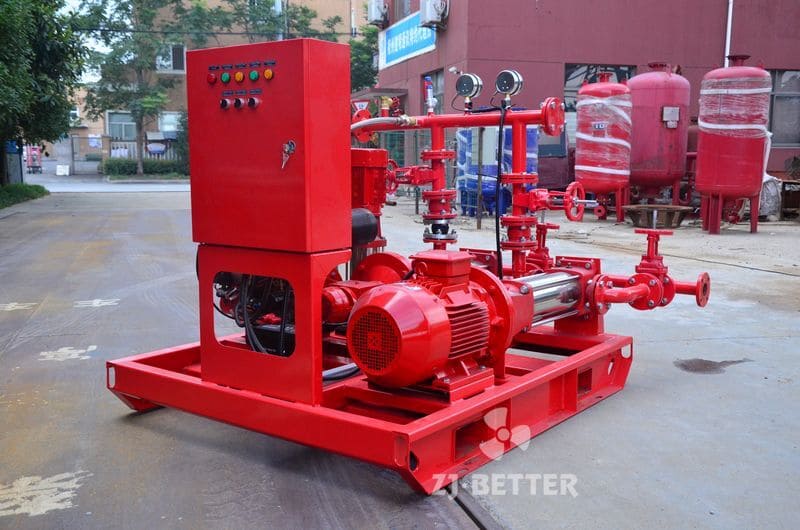
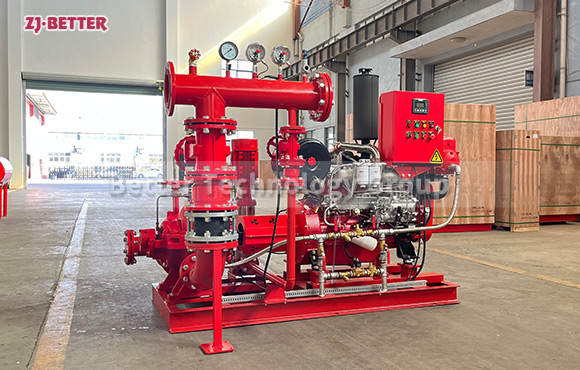
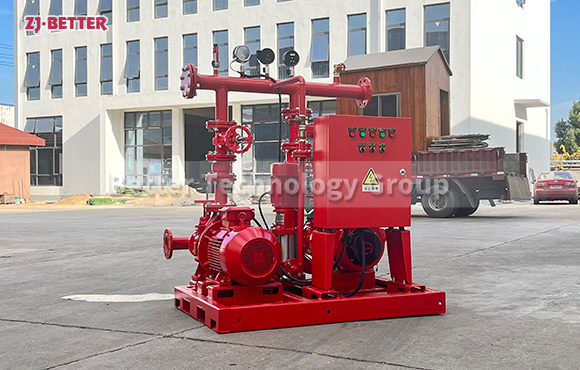
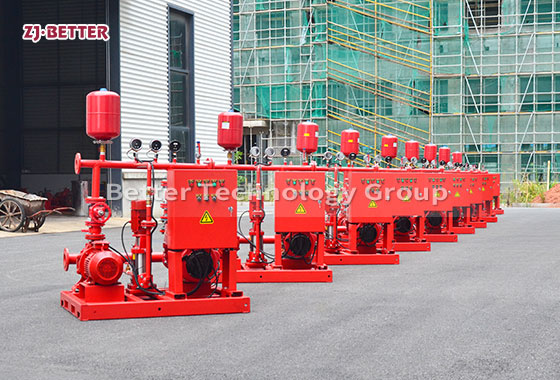
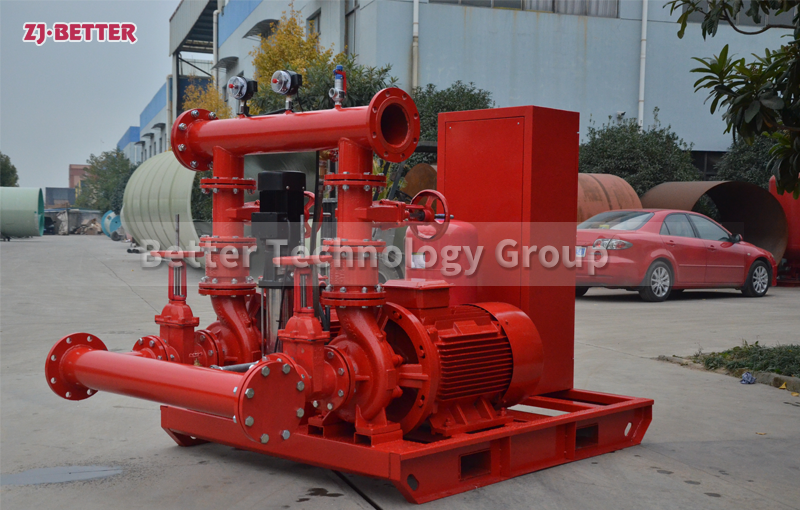
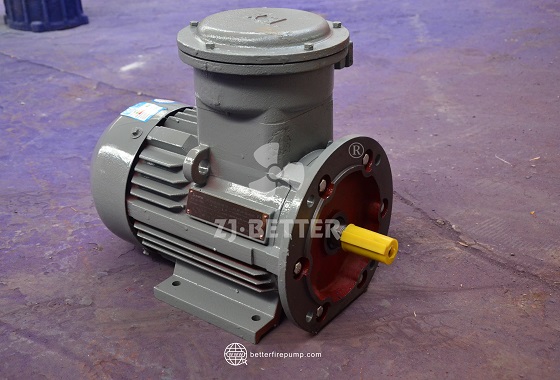
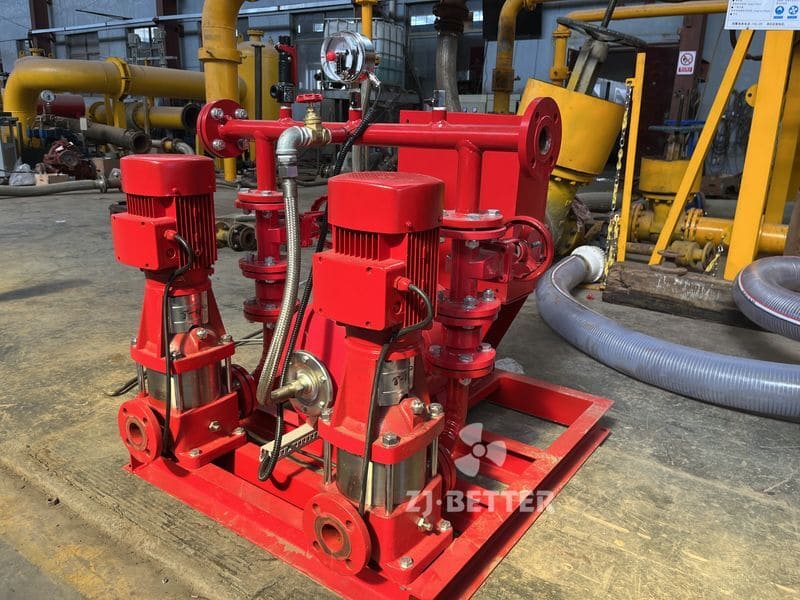
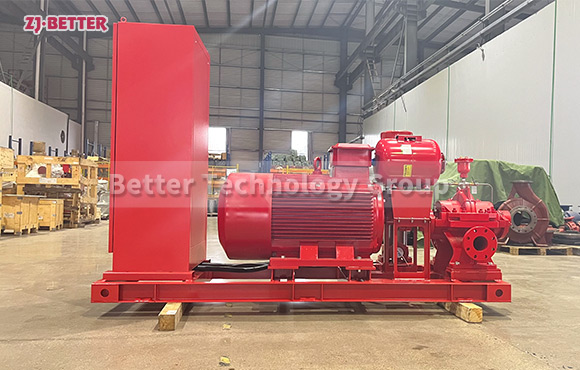
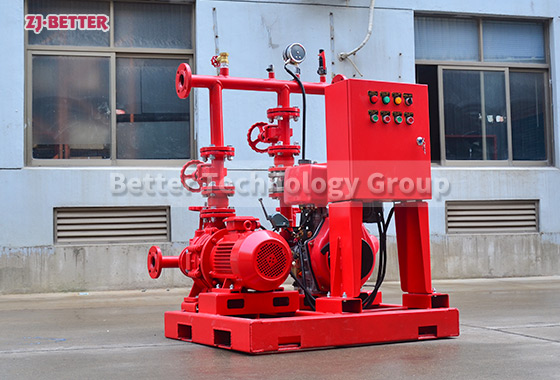
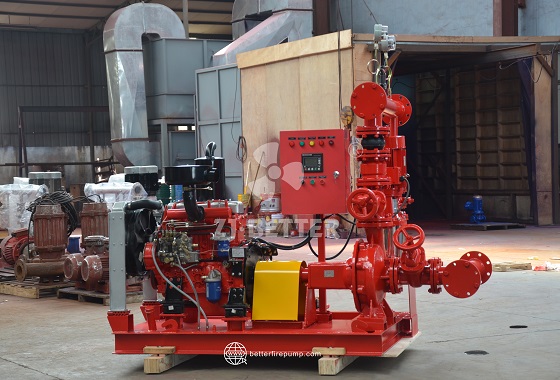
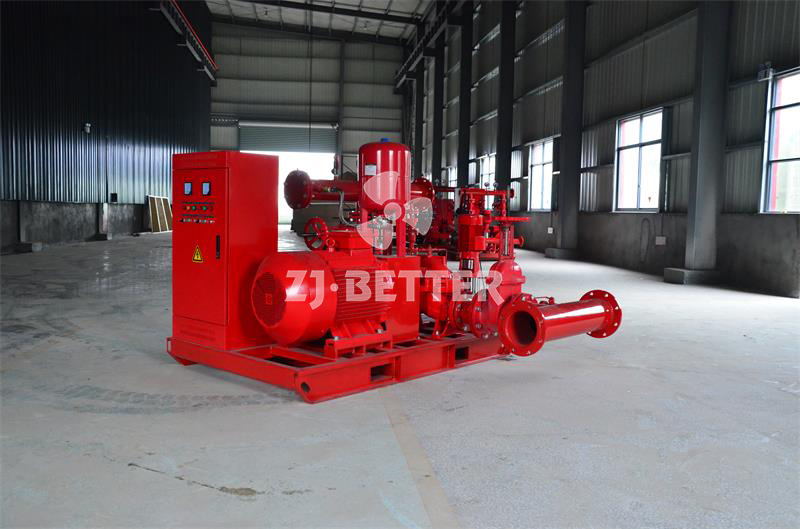
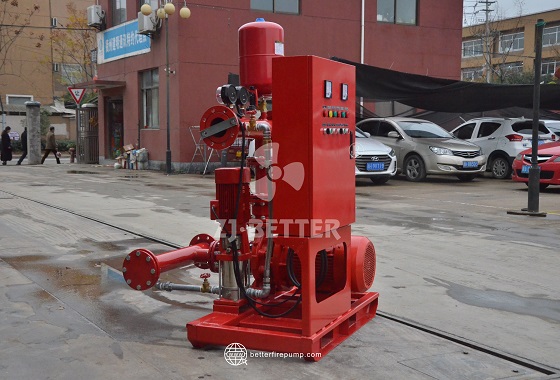
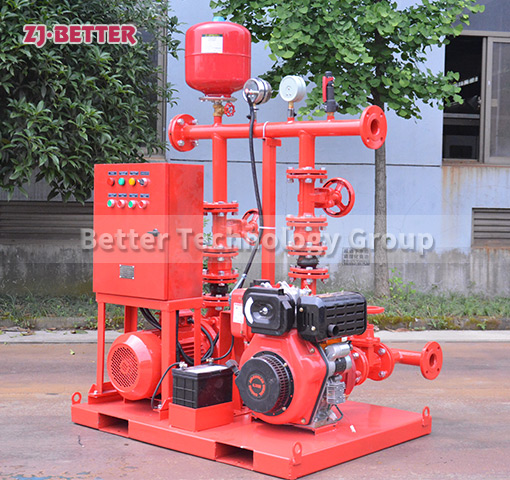
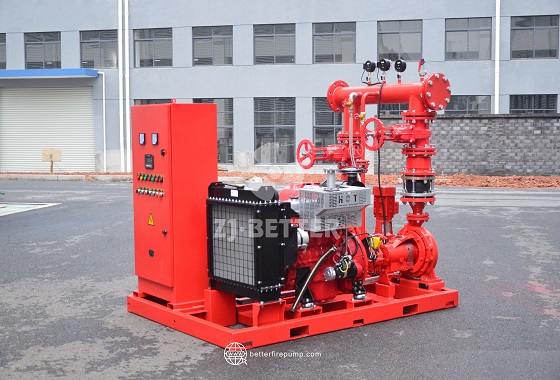
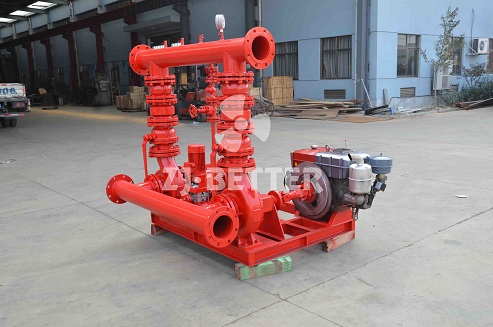
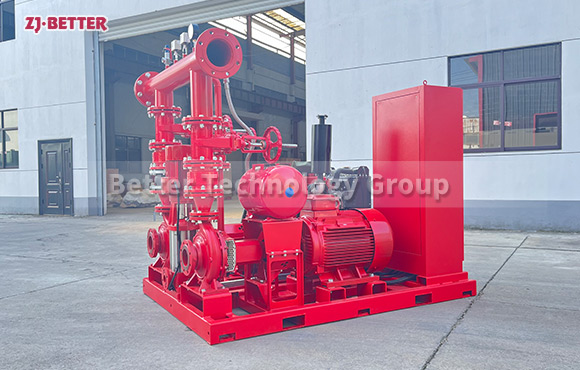
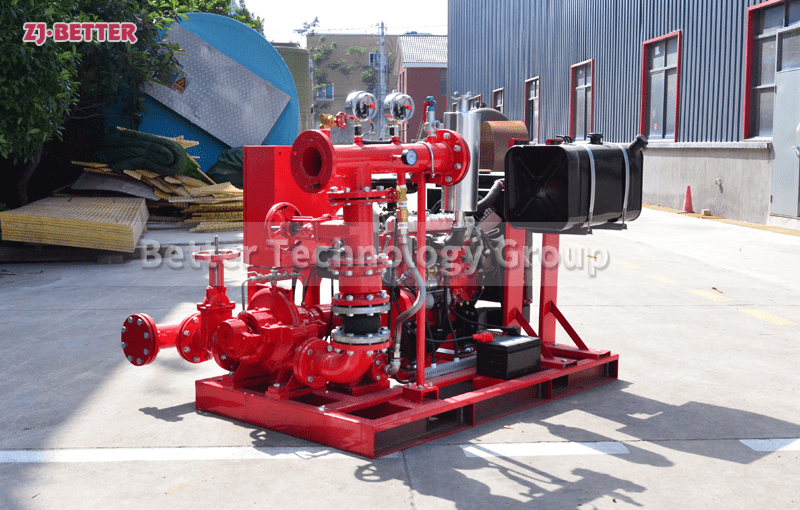
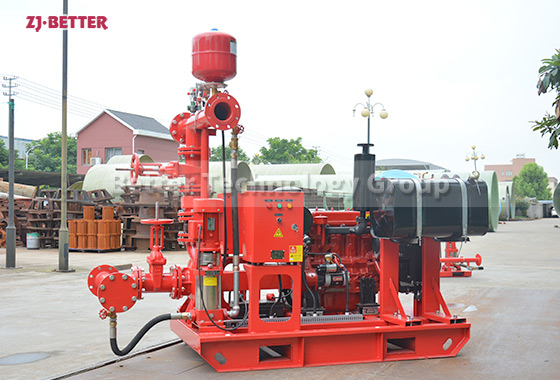
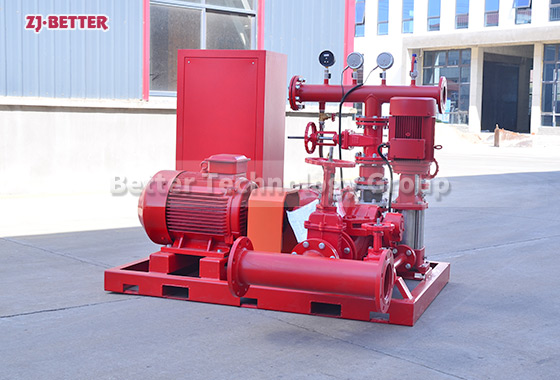
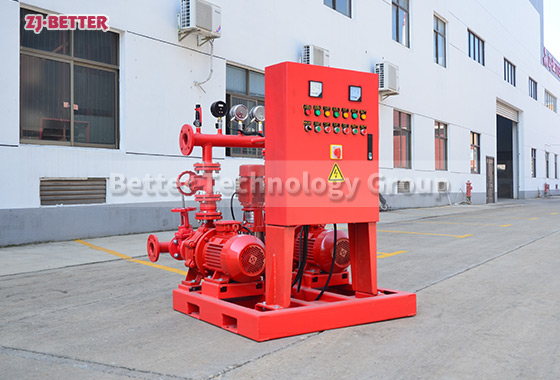
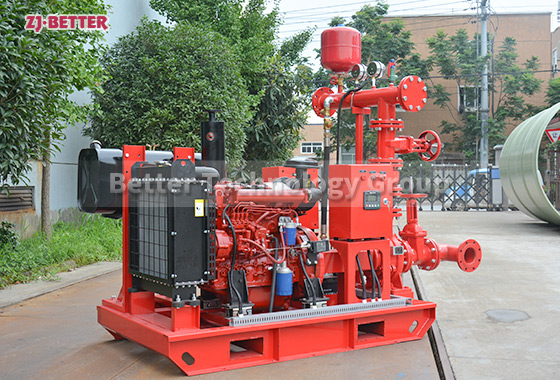
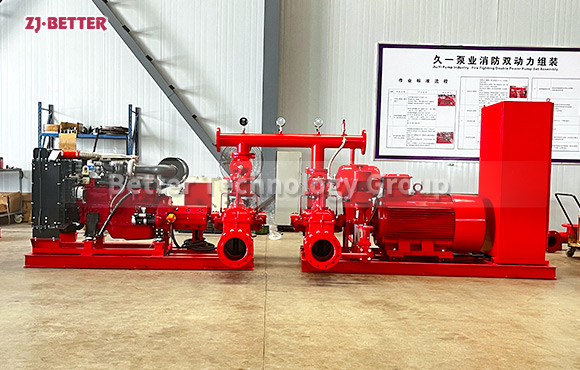
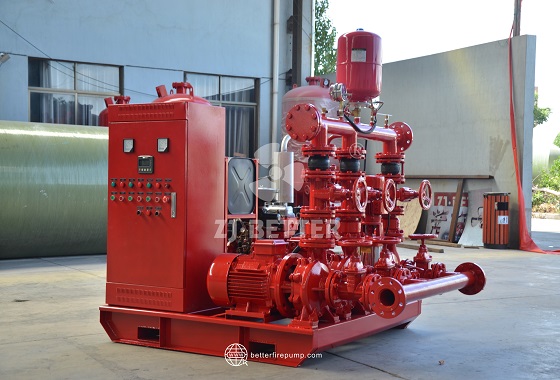
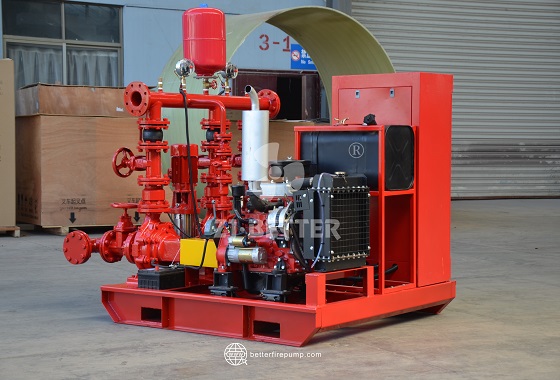
Multiple parallel electric fire pump systems are an efficient fire water supply solution designed for diverse building sizes and water demands. Their core advantage lies in their ability to flexibly adjust flow and pressure through the coordinated operation of multiple electric pumps, ensuring an adequate and stable water supply in emergency situations such as fires. These systems are widely used in high-rise buildings, industrial plants, commercial complexes, warehouses and logistics centers, airports, terminals, and large public facilities. They are particularly well-suited for locations with fluctuating water demand or where multiple water supply points are required. Through scientific hydraulic design and advanced electrical control systems, these parallel electric fire pump systems effectively reduce energy consumption while meeting peak water demand. Their coordinated multi-pump operation automatically starts and stops the appropriate number of pumps based on system pressure fluctuations, avoiding the prolonged high-load operation of a single pump, thereby extending equipment life and reducing maintenance costs. In terms of performance, the parallel multi-pump system utilizes high-efficiency impellers and optimized flow path design to ensure high flow rate, high head, and minimal hydraulic losses. The motors are energy-efficient and feature smooth start-up, low operating noise, and excellent heat dissipation, ensuring stable performance even during long-term continuous operation. The system’s automated control cabinet monitors key parameters such as pipe network pressure, motor operating status, and pump output in real time. It automatically switches between operating pump groups according to pre-set procedures, achieving fully automated management. The system also supports manual control and emergency switchover, ensuring normal water supply in the event of an automatic control failure or in exceptional circumstances. The multiple-pump parallel design not only ensures uninterrupted water supply by allowing other pumps to continue operating in the event of a single pump failure, but also allows for flexible configuration to meet the water supply requirements of different floors and fire circuits, thereby enhancing the fire safety of the entire building. In practice, this multi-pump parallel system is particularly suitable for locations with significant diurnal water load fluctuations. For example, water demand in a shopping mall is high during daytime hours, while demand decreases at night. The system automatically reduces the number of operating pumps based on pressure, ensuring timely water supply and avoiding energy waste. High-quality, corrosion-resistant and wear-resistant materials are used in the equipment’s construction. The pump body and flow-through components are typically constructed of ductile iron, stainless steel, or other corrosion-resistant alloys, ensuring structural strength and durability despite long-term contact with firefighting water, tank water, or other sources potentially containing impurities. Furthermore, multi-pump parallel systems are designed with ease of installation and maintenance in mind. The pump units typically utilize a modular structure for easy transportation, lifting, and on-site assembly. During maintenance, individual pumps can be independently disassembled for inspection without affecting the normal operation of other pumps, significantly improving the maintainability and operational efficiency of the equipment. To meet the fire safety regulations of different regions and buildings, the design of multi-pump parallel electric fire pump units can be customized to meet user requirements, including flow and head parameters, motor power, electronic control system functionality, and pump body materials. They can even be combined with emergency generators to create a dual-power fire water supply system to meet the need for continuous water supply during power outages. Before shipment, the equipment undergoes rigorous performance testing, including rated flow, rated head, efficiency, vibration, and noise levels, to ensure that each pump meets relevant national and international standards. To enhance operational reliability, the system also offers optional soft start or variable frequency control to reduce startup shock and achieve smoother pressure regulation. Compared to traditional single-pump systems, multi-pump parallel electric fire pump systems offer significant advantages in safety, reliability, flexibility, and energy efficiency. They can provide high-flow, high-pressure water supply during peak hours while reducing energy consumption by operating fewer pumps during low-demand periods, thereby achieving economical operation. Especially in the context of increasingly dense urban construction and increasing fire safety requirements, this multi-pump parallel system’s redundant design ensures continued operation even if any single pump fails, significantly reducing the risk of water supply interruptions due to equipment failure. Its advanced control system also supports remote monitoring and data logging. Managers can access real-time operating status, historical data, and fault alarms through a networked platform, and remotely adjust operating parameters. This not only improves operational efficiency but also enables more timely and accurate preventative maintenance and fault diagnosis. As a proven and reliable fire water supply solution, multi-pump parallel electric fire pump systems, with their efficient hydraulic performance, flexible operation modes, advanced control technology, and excellent durability, have become a core component of modern fire protection systems, providing a solid safety guarantee for various buildings and facilities and demonstrating robust emergency water supply capabilities and stability in response to emergencies such as fires.