Fire Pipeline Pressure Compensation Pump Set – Low-Flow Pressure Maintenance to Reduce Frequent Main Pump Starts
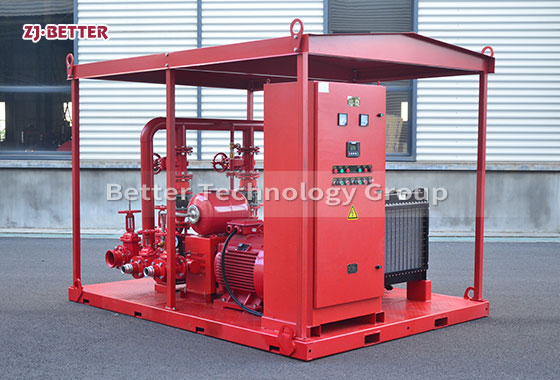
The fire protection pipe network pressure-maintenance pump unit—comprising a pressure-stabilizing pump, a control cabinet, and pressure-sensing components—operates to compensate for pressure losses within the fire protection piping. It maintains the system’s standby pressure and prevents the main fire pump from starting up frequently due to minor pressure fluctuations.
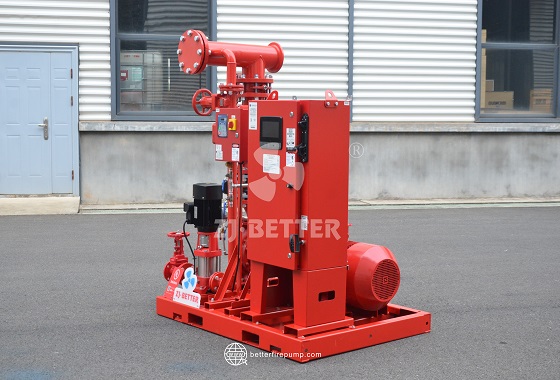
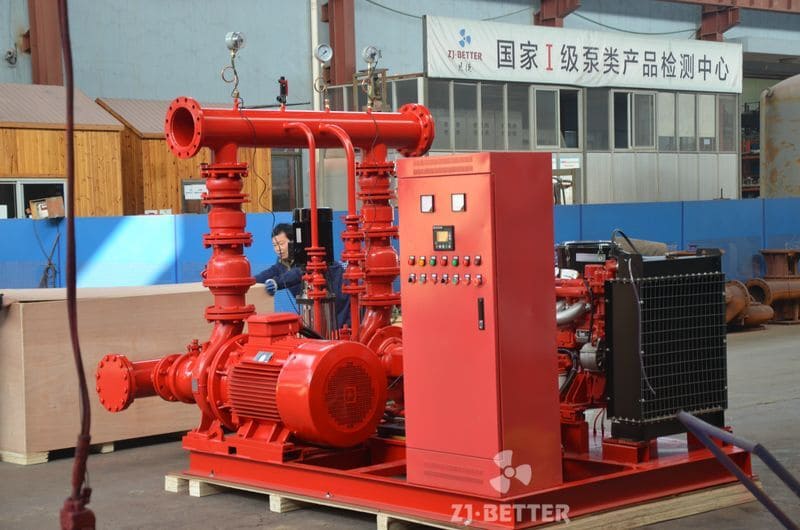
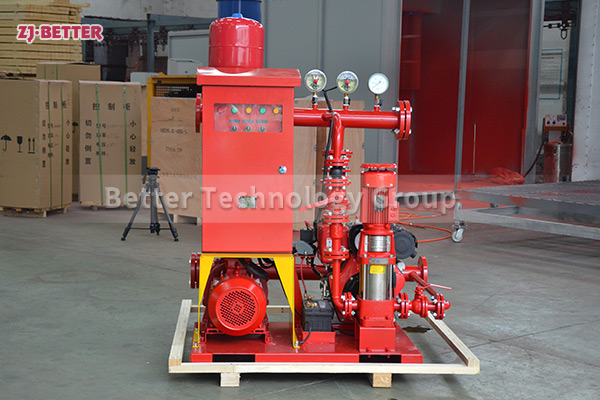
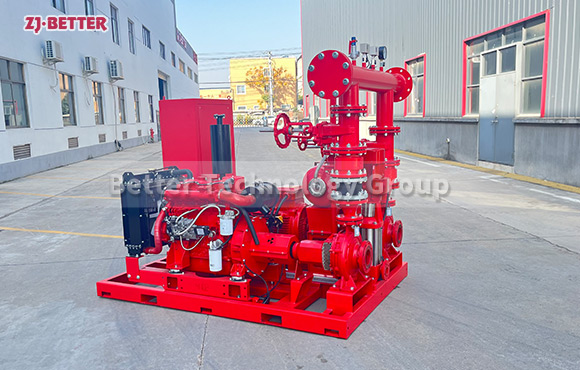
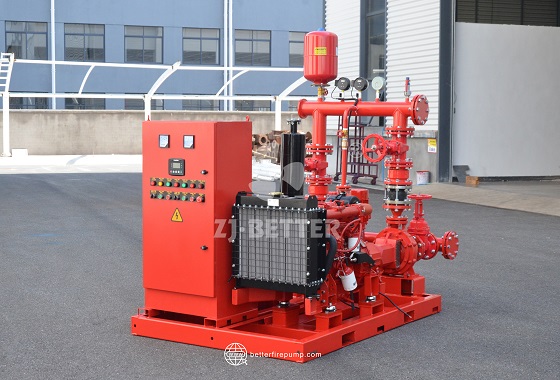
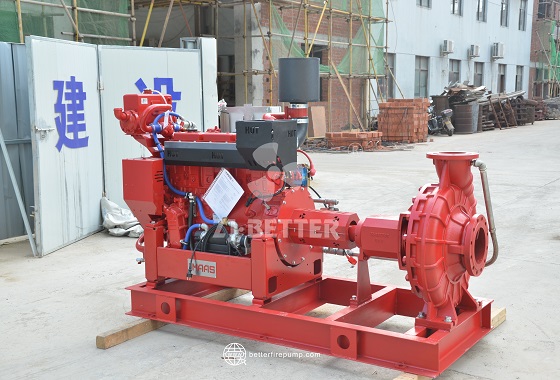
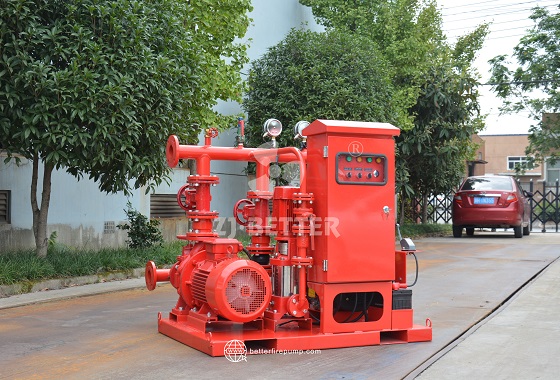
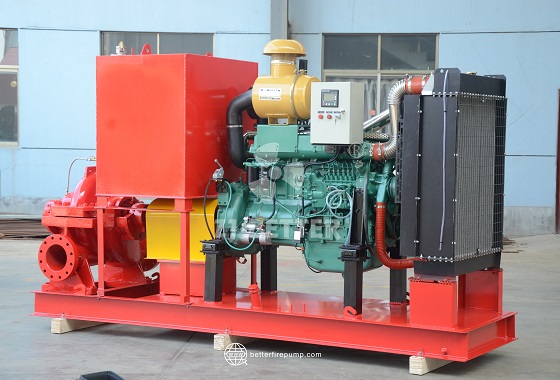
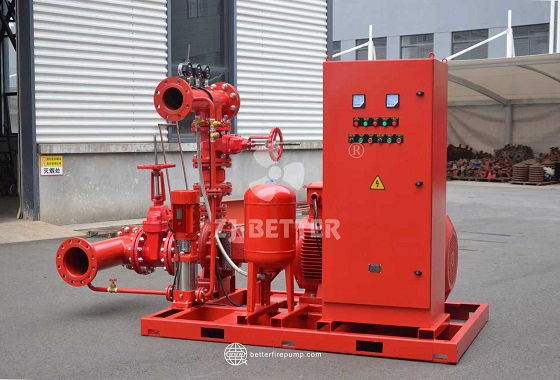
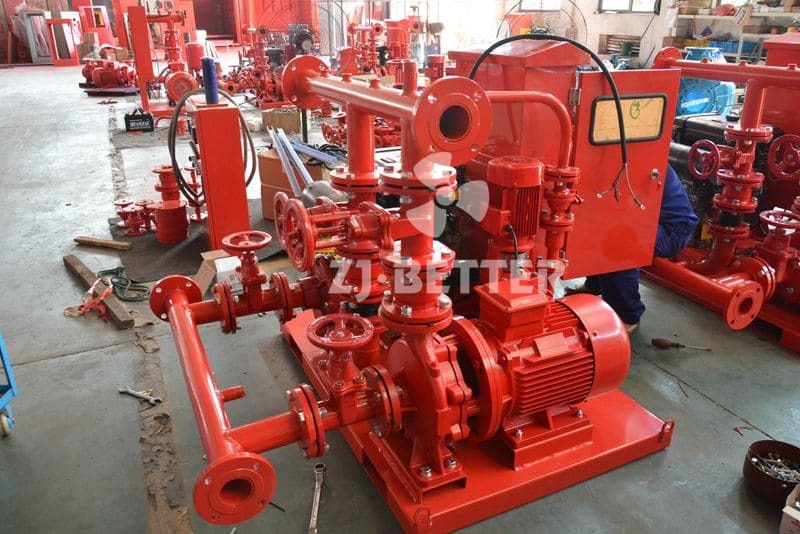
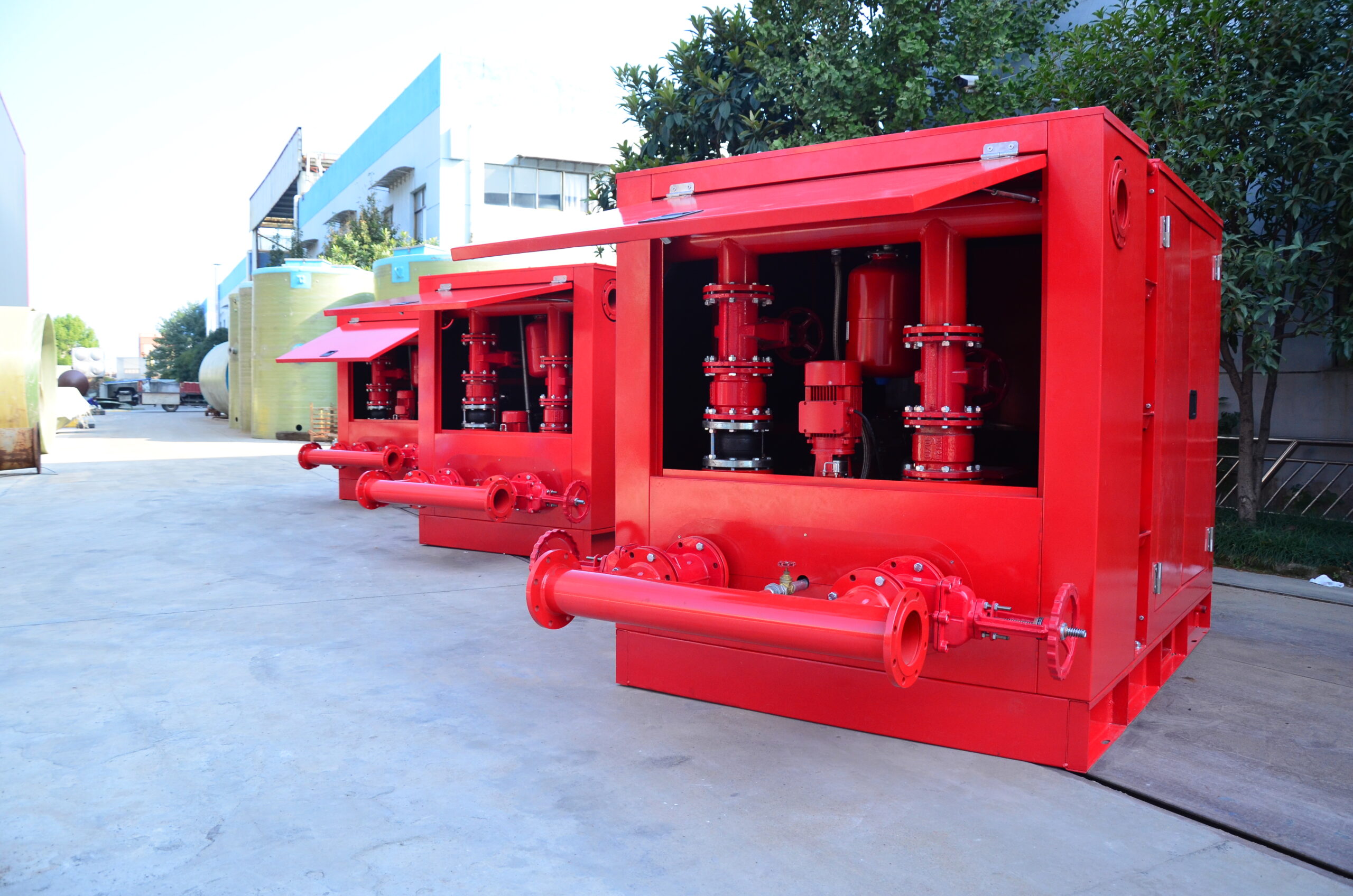
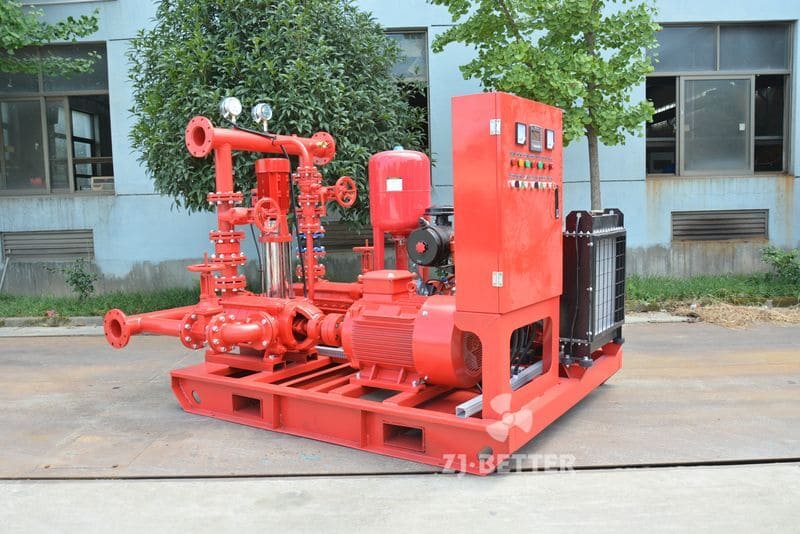
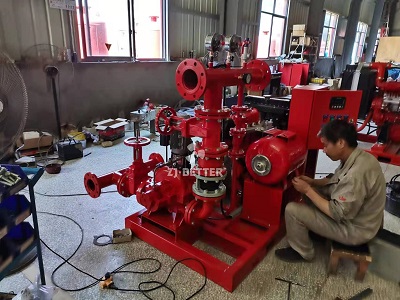
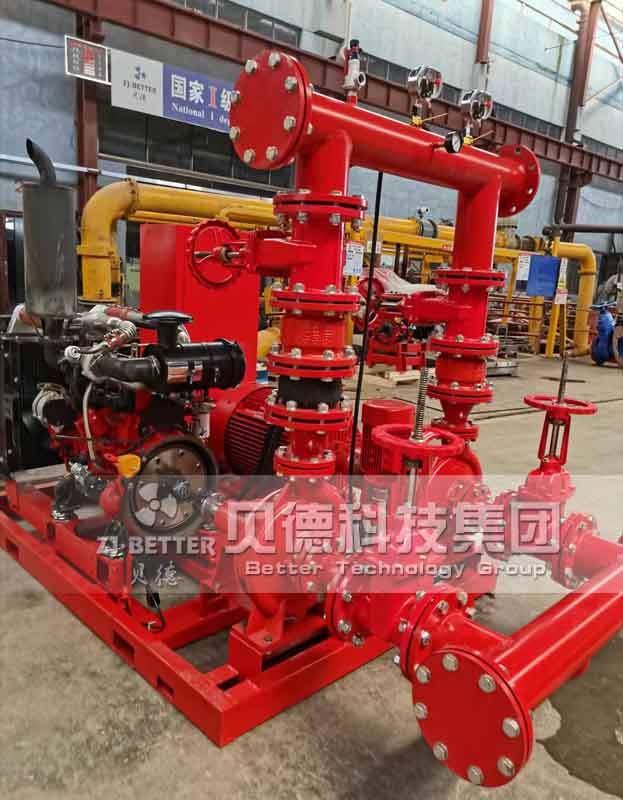
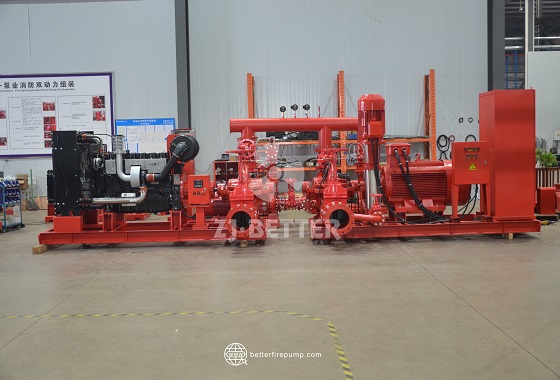
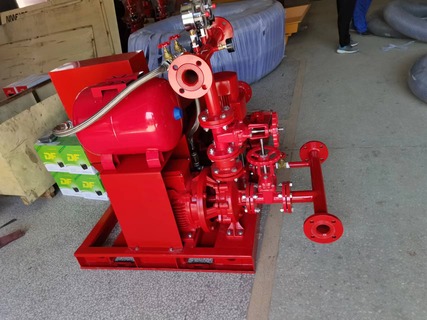
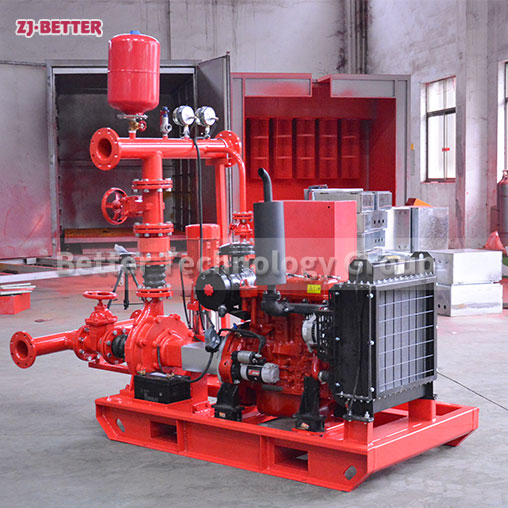
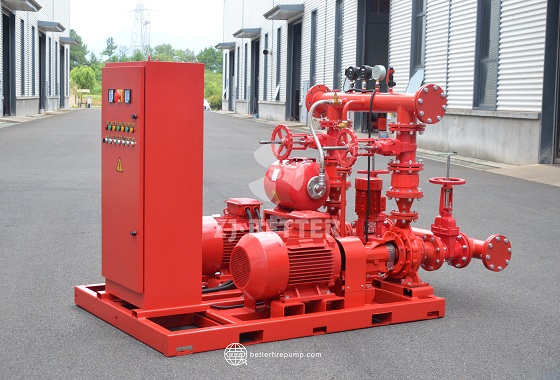
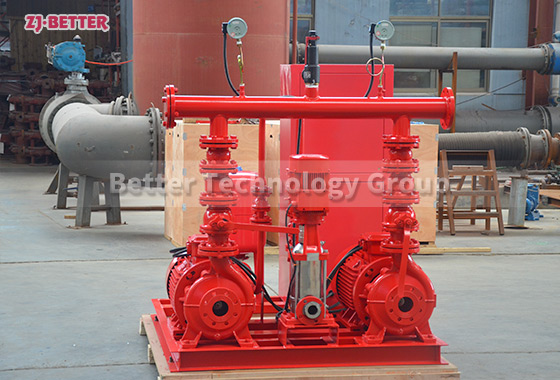
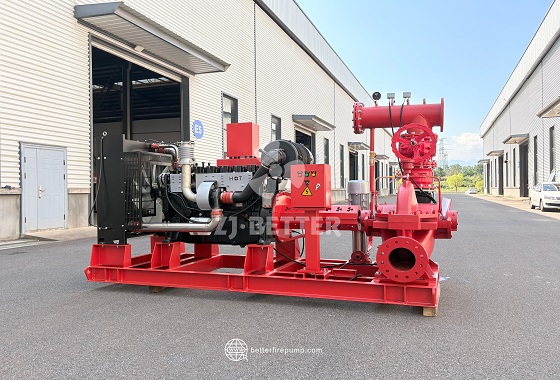
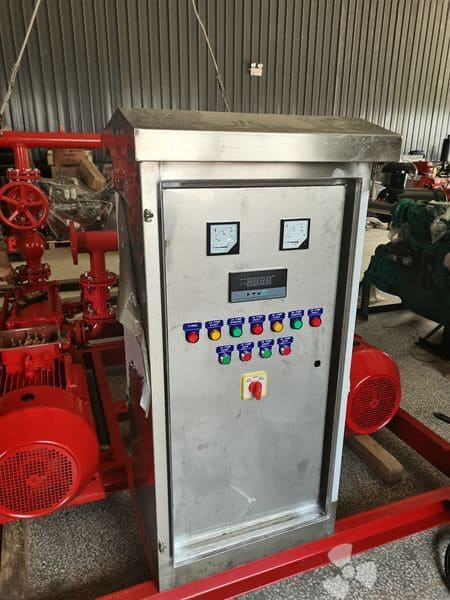
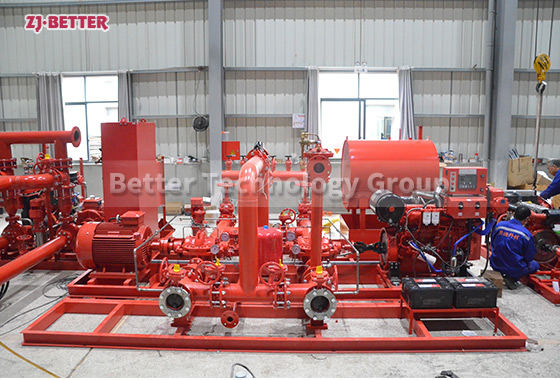
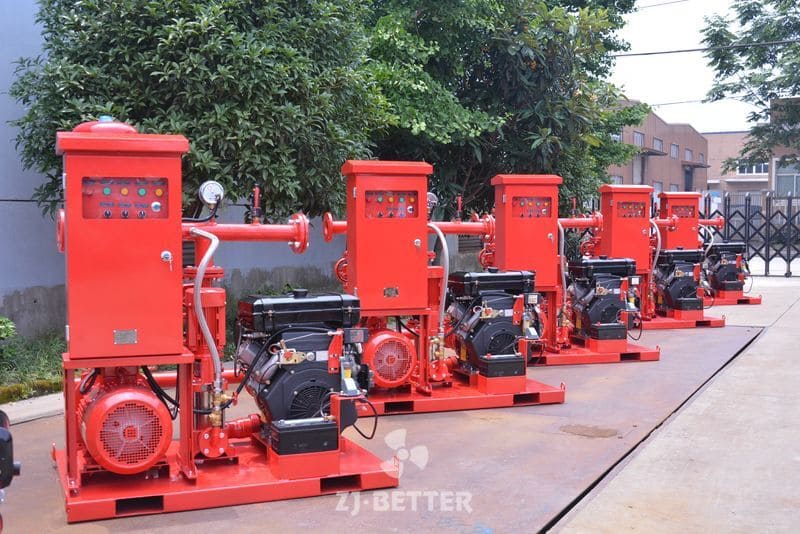
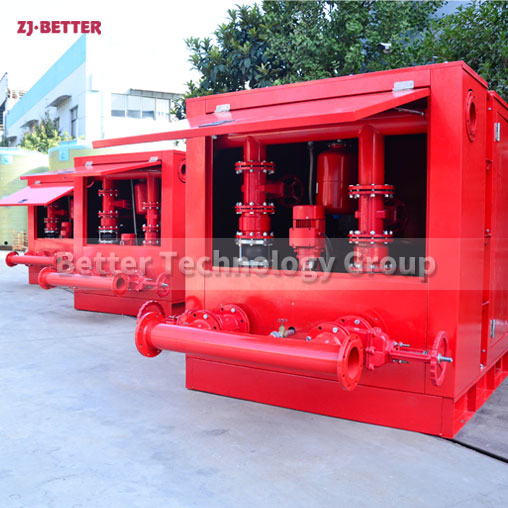
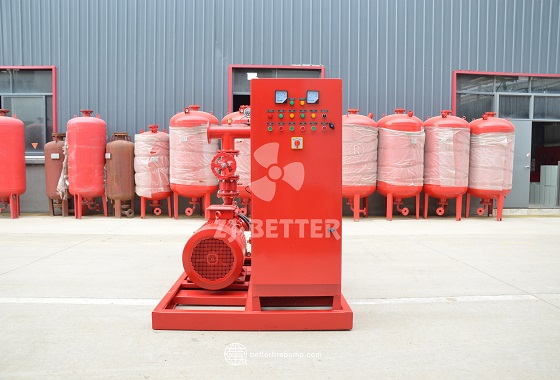
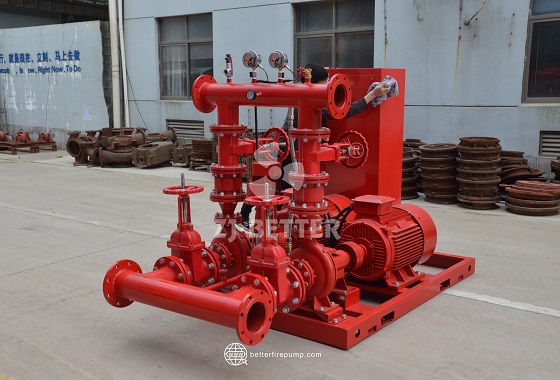
A fire protection pipeline pressure-maintenance pump set is a critical auxiliary component in a fire water supply system, designed to sustain pressure within the piping network. It typically consists of a pressure-maintenance pump, a drive motor, a control cabinet, pressure-sensing components, valves, and connecting piping; it may also be used in conjunction with a pressure tank, depending on the system’s design requirements. Its primary function is not to replace the main fire pump—which is intended for high-flow water delivery during a fire—but rather to compensate for minor pressure losses while the fire protection system is in its normal standby state, ensuring the system remains within a specified pressure range. When a pressure drop occurs in the fire protection network due to minor leaks, temperature fluctuations, or other routine factors, the pressure-sensing devices relay this change to the control system. The control cabinet then triggers the pressure-maintenance pump based on pre-set logic to restore pressure. Once the pressure returns to the target value, the pump shuts down, thereby preventing the main fire pump from starting unnecessarily due to minor pressure fluctuations. Compared to the main fire pump, a pressure-maintenance pump typically features a lower flow rate and a relatively higher head. The specific flow rate, head, and start/stop pressure thresholds must be determined based on factors such as the volume of the fire protection network, design pressure, pipeline resistance, and the performance characteristics of the main fire pump; selection should never be based solely on the physical dimensions of the pump unit. The equipment is motor-driven and often utilizes a vertical multistage centrifugal pump configuration, which offers a compact footprint and allows the number of stages to be adjusted to meet specific pressure requirements—making it well-suited for installation in fire pump rooms or integrated fire water supply equipment areas. The control cabinet manages the starting and stopping of the equipment, displays operational status, and provides essential control functions; it works in tandem with pressure gauges, sensors, and other monitoring components to ensure continuous management of system pressure. Depending on project requirements, the pressure-maintenance pump set can be paired with a diaphragm-type pressure tank or other pressure-storage devices, which act as buffers against minor pressure fluctuations and help maintain system pressure during low-flow conditions. An integrated, packaged design ensures that the pump, motor, control equipment, pressure-sensing components, and necessary valves and piping are optimally configured, facilitating installation, pipeline connection, and long-term maintenance at the project site. In practical applications, pressure-maintenance pump sets for fire-fighting piping networks can be used in industrial facilities, logistics warehouses, commercial buildings, and other fixed fire-fighting water supply systems. However, their specific configuration must be determined based on fire-protection design requirements—including system flow rate, head, operating pressure, pipe diameter, water source conditions, and control methods. By appropriately selecting the performance parameters of the pressure-maintenance pumps and ensuring their coordinated operation with the main fire-fighting pumps, pressure tanks, and control systems, the fire-fighting piping network can maintain a stable standby pressure during non-fire conditions. This also reduces unnecessary activations of the main fire-fighting pumps, resulting in a more rational equipment configuration for the daily pressure management of the entire fire-fighting water supply system.