Diesel Fire Pump Set with Pressure Tank – Supporting Stable Fire Pipeline Pressure
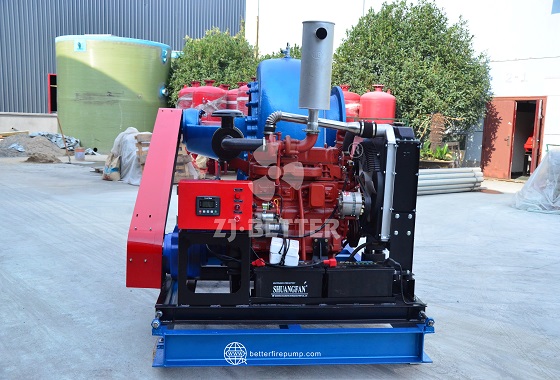
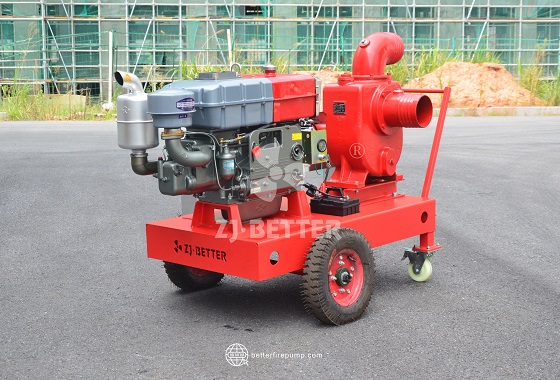
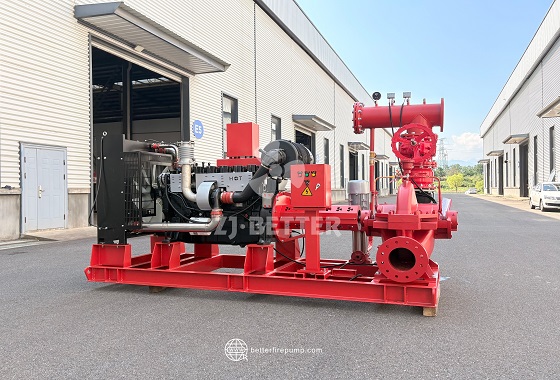
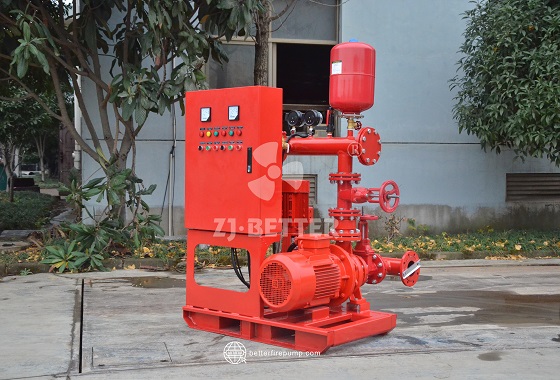
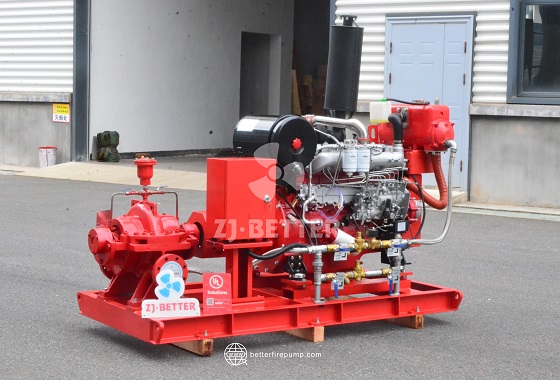
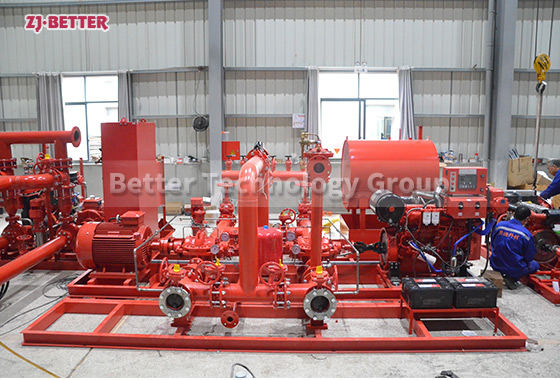
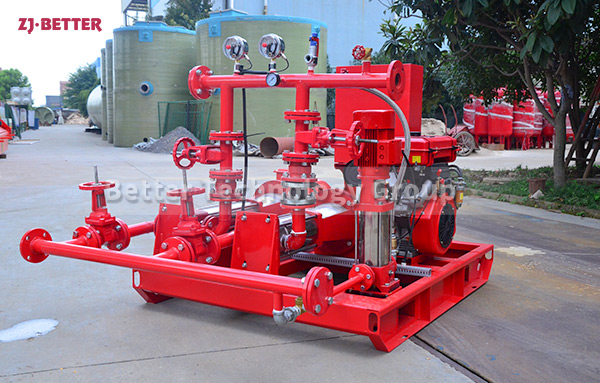
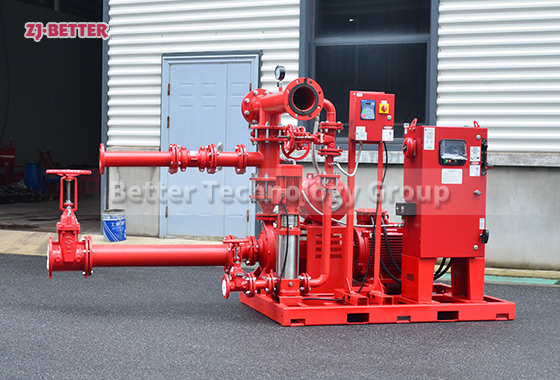
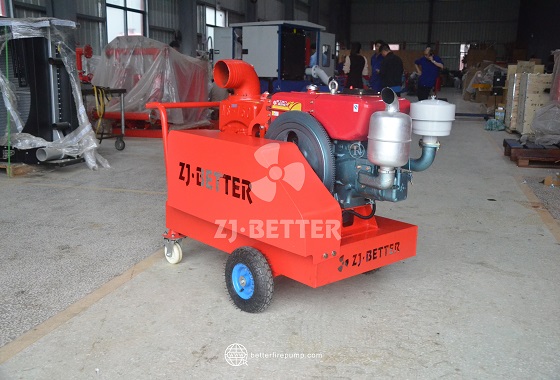
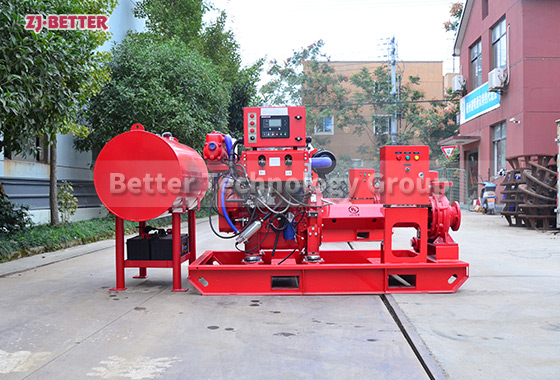
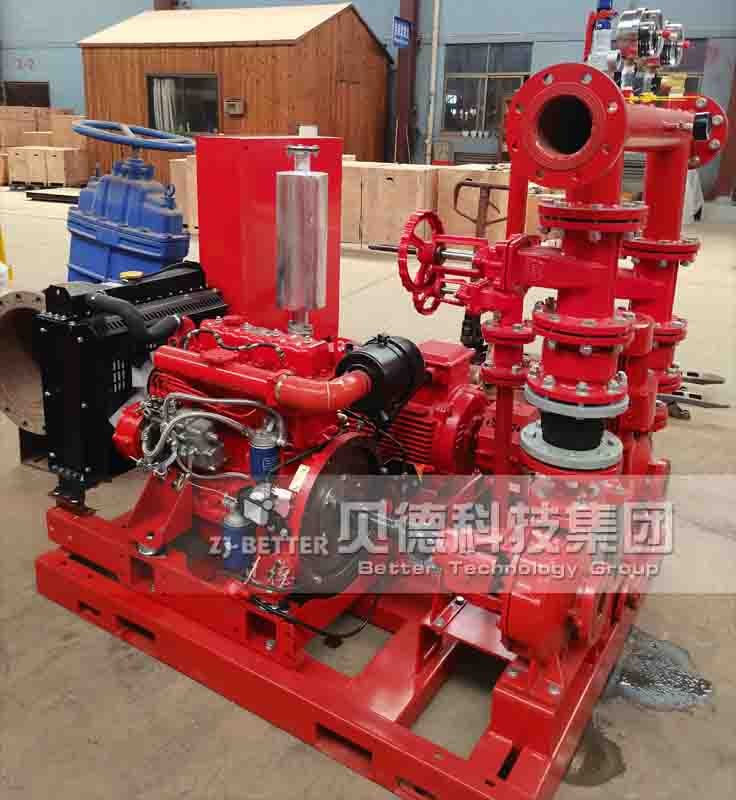
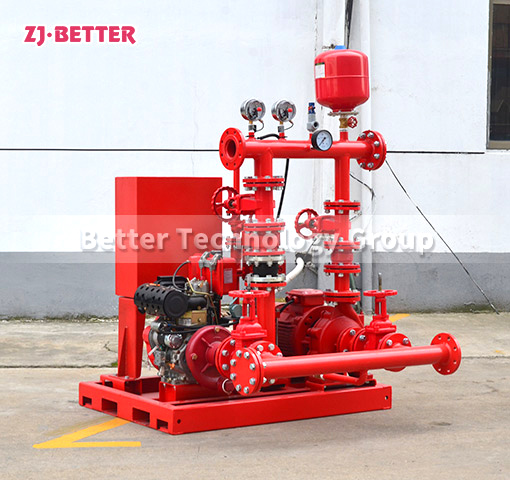
The diesel fire pump unit with a pressure tank integrates a diesel engine, a fire pump, a pressure tank, and pipeline monitoring components. It helps buffer pressure fluctuations within the fire-fighting piping network and is suitable for use in industrial facilities, warehousing and logistics centers, ports, and various other fire-fighting water supply projects.
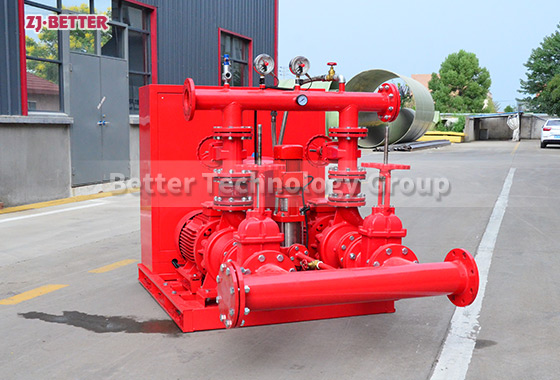
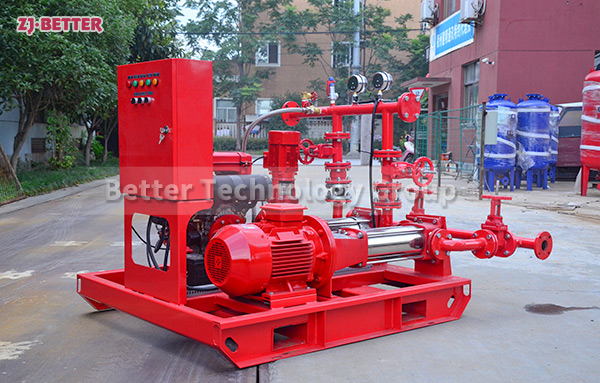
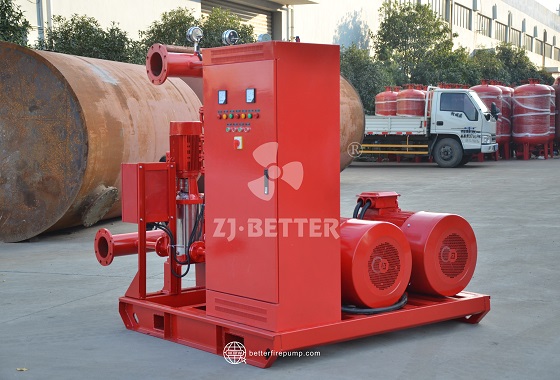
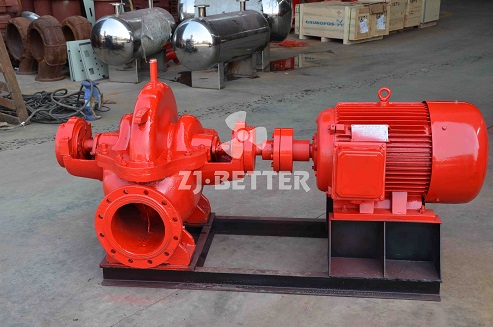
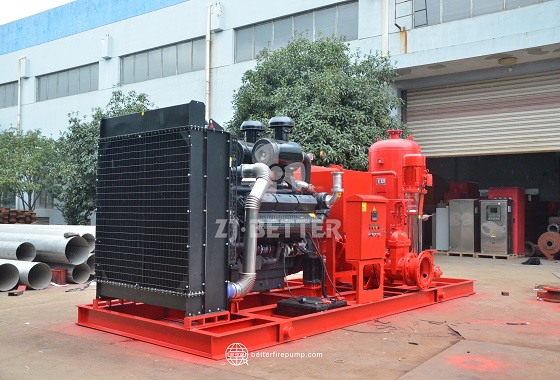
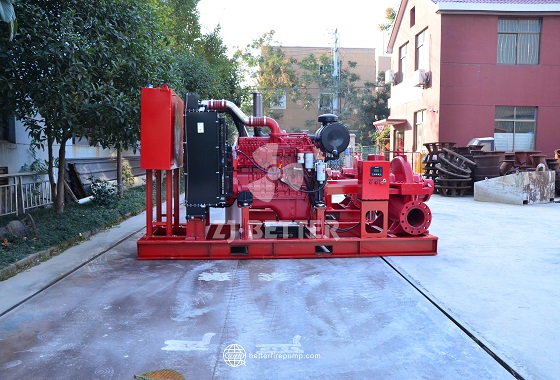
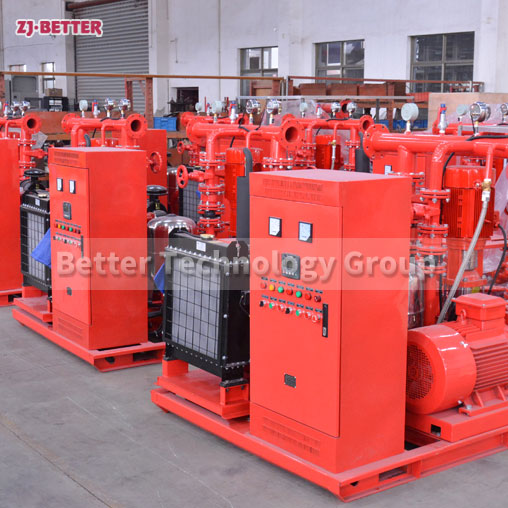
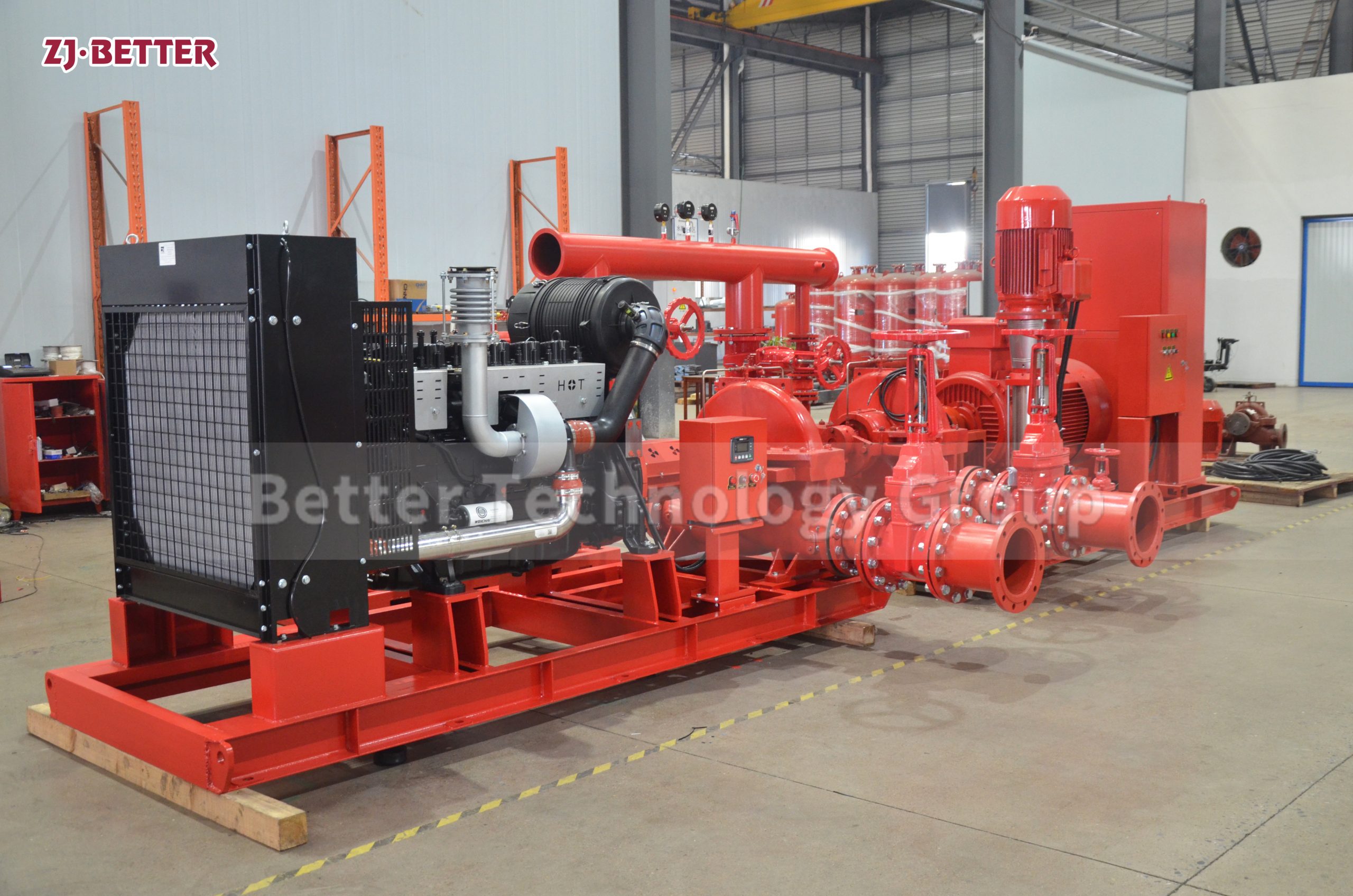
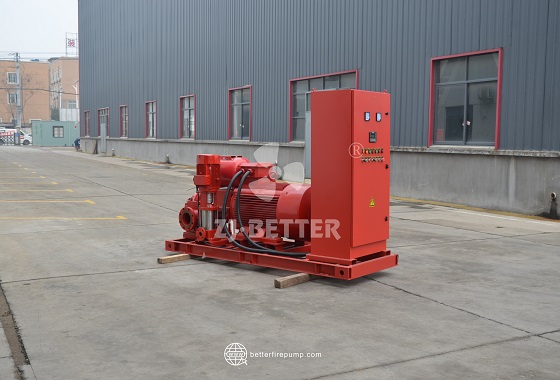
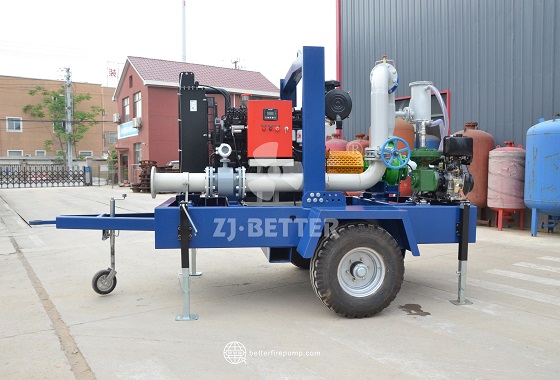
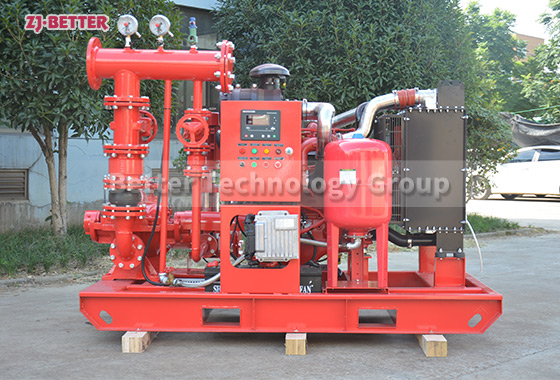
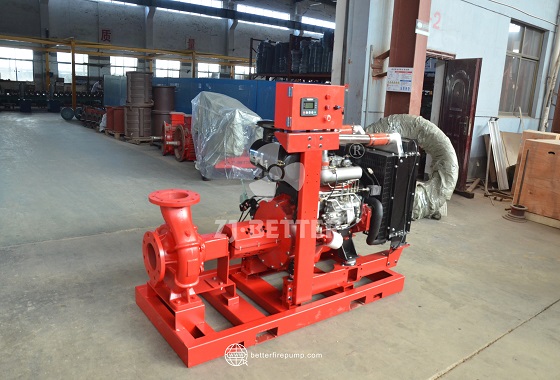
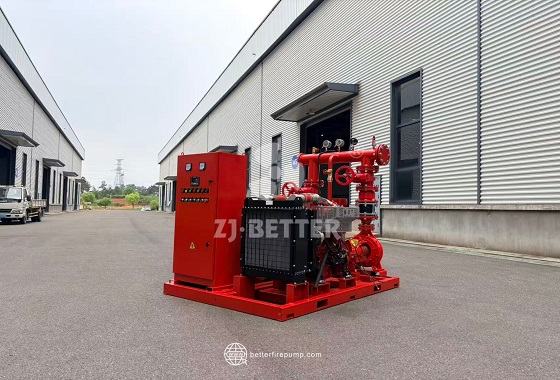
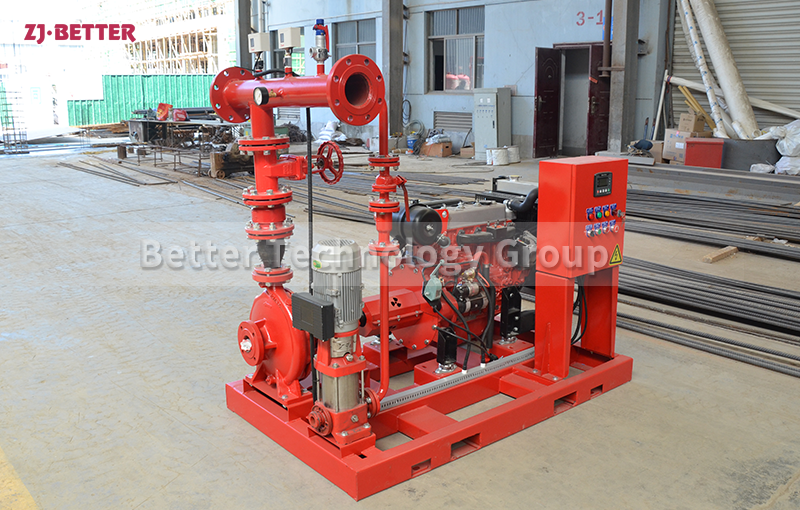
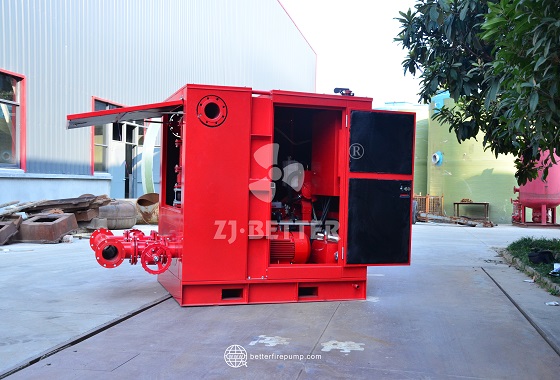
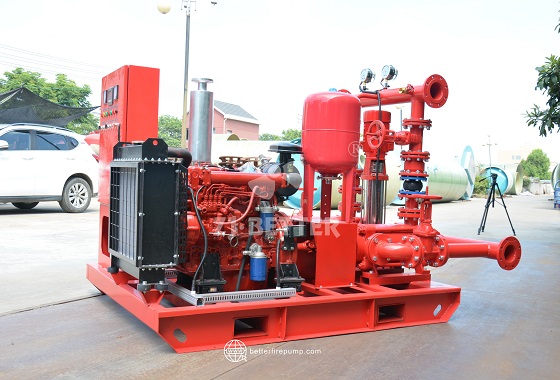
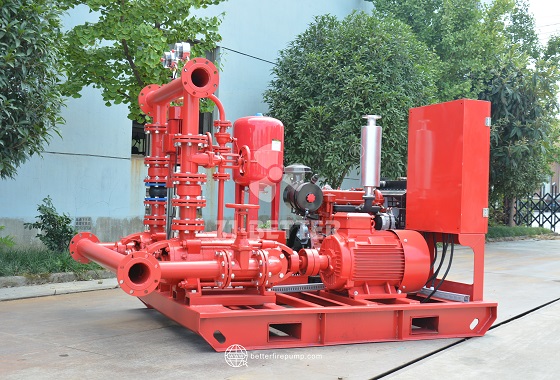
A diesel-powered fire pump unit with a pressure tank is a fire-fighting water supply system that integrates a diesel engine, a fire pump, a pressure tank, piping components, and relevant monitoring devices. It is suitable for industrial facilities, warehouses, logistics centers, ports, energy infrastructure, and other locations requiring reliable fire-fighting water supply. The system utilizes a diesel engine to drive the main fire pump, providing an independent power source when external power is unavailable or unreliable, thereby enhancing the flexibility of the fire-fighting water supply solution. The integrated pressure tank stores a volume of pressurized water and uses the expansion of compressed gas within the tank to buffer pressure fluctuations in the piping network. In the event of a minor drop in system pressure, the pressure tank can compensate for the fluctuation—the extent of which depends on the tank volume, pre-charge pressure, system setpoints, and water demand within the network. In systems equipped with a jockey pump (pressure-maintaining pump), the jockey pump compensates for minor, routine leaks or pressure losses, preventing the main fire pump from starting frequently due to insignificant pressure variations; the main diesel pump is then activated according to the established control logic and the specific start-up criteria of the fire-fighting system. It should be noted that a pressure tank cannot replace the main fire pump for sustained water supply; its capacity and operating pressure must align with the system’s design requirements. The unit can be configured with various types of fire pumps—such as end-suction pumps, horizontal split-case pumps, or multi-stage pumps—to accommodate specific flow rates, head requirements, and installation constraints. The diesel engine and pump are carefully matched to meet the required flow and pressure under design operating conditions; actual performance should be verified against the technical specifications and performance curves of the selected model. The integration of piping, check valves, gate valves, pressure gauges, and pressure sensors allows operators to monitor system pressure and the status of the piping network, facilitating equipment management and routine maintenance. The complete assembly, mounted on a common base, simplifies transportation, on-site positioning, and piping connections; however, factors such as foundation load-bearing capacity, maintenance access, engine ventilation/cooling, and exhaust venting must be thoroughly addressed during the installation design phase. For configurations requiring automatic control, a control cabinet can manage the operation of diesel-powered fire pumps and jockey (pressure-maintenance) pumps based on design specifications, utilizing pressure signals to trigger pump activation and monitor system status. During equipment selection, factors such as the building’s fire protection design, required flow rate and head, pressure tank volume, diesel engine power, water source conditions, pipeline resistance, and local fire safety codes must be comprehensively evaluated to ensure all components are well-matched. By effectively integrating diesel power, pressure storage, piping components, and monitoring equipment, a diesel fire pump assembly equipped with a pressure tank provides a more complete solution for fire water supply systems. It also helps improve pressure management within the piping network, making it well-suited for fire protection projects that specifically require independent power sources and pressure regulation.