Mobile Trash Pumps for Handling Debris-Laden Water in Harsh Environments
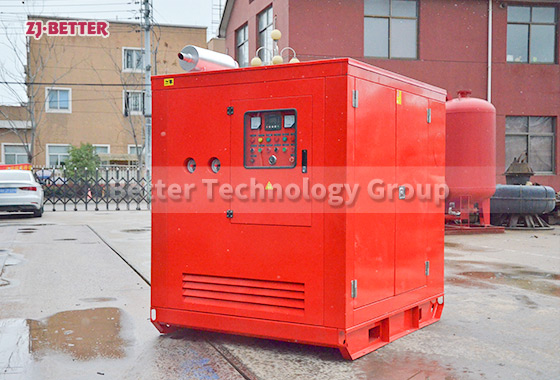
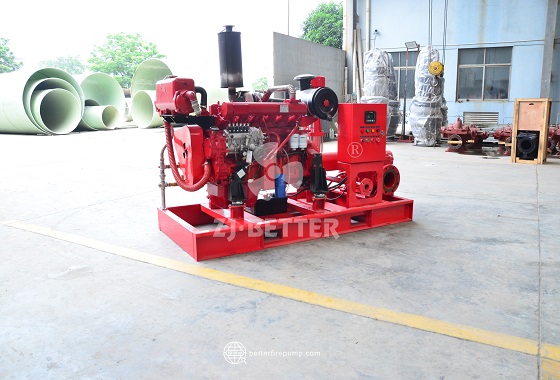
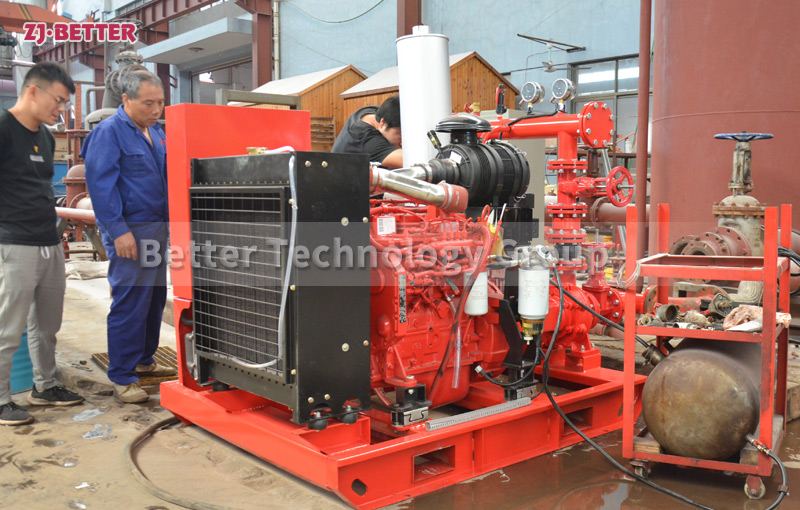
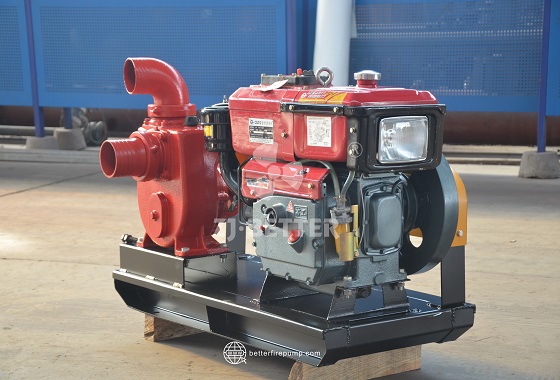
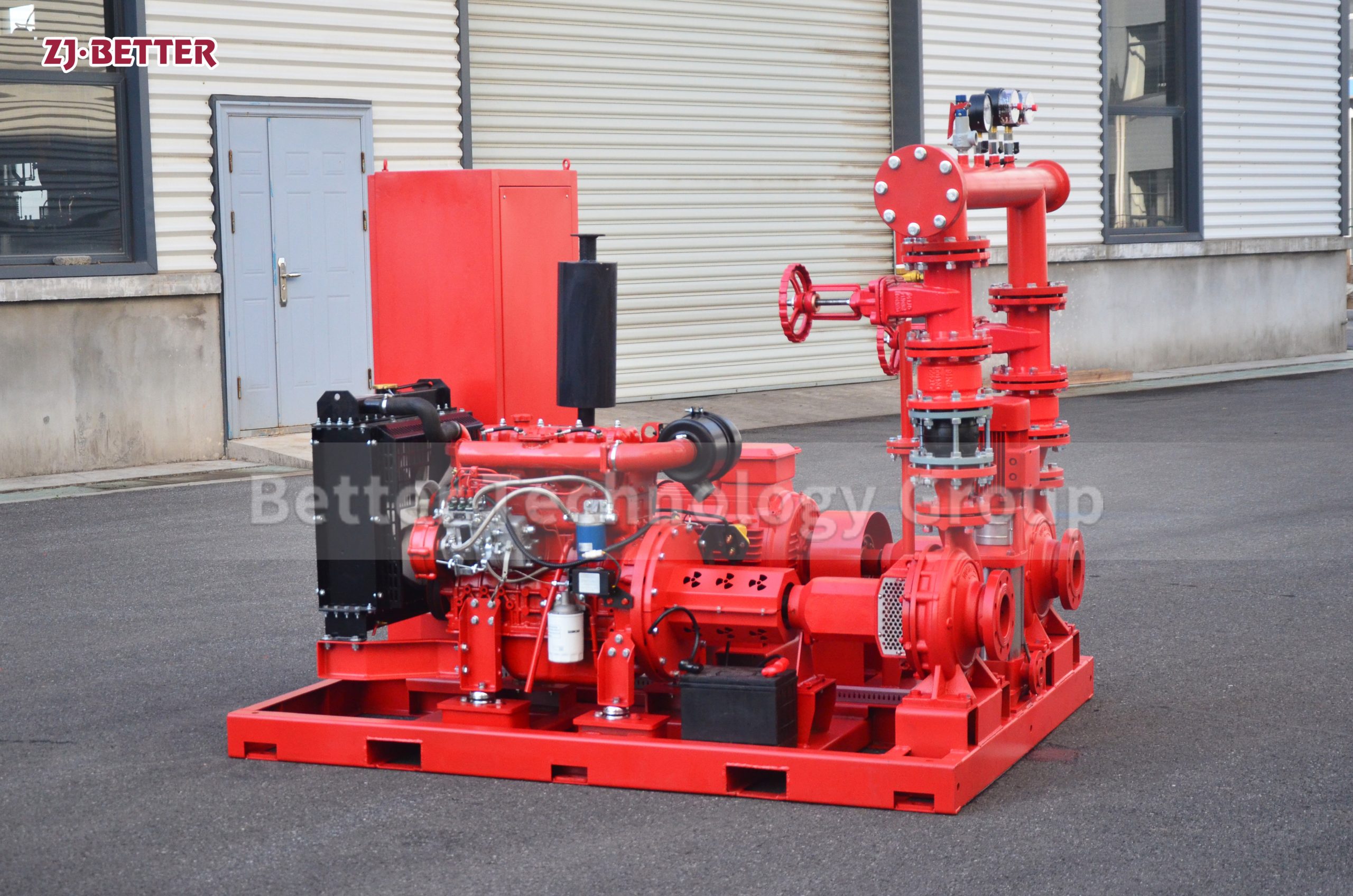
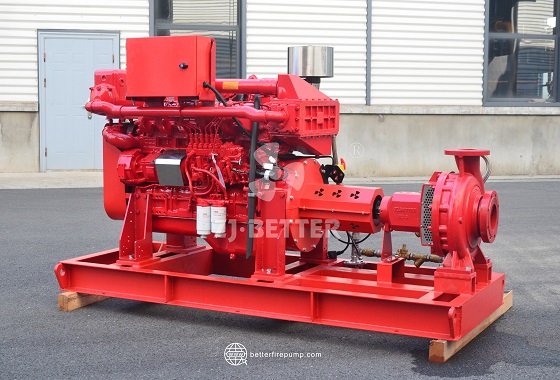
The mobile sewage pump designed for complex working conditions and containing impurities adopts diesel power, a large-channel non-clogging impeller, and advanced self-priming technology. It has advantages such as rapid water intake, large-flow sewage discharge, strong impurity handling capacity, continuous operation, and mobile deployment. It is widely used in municipal drainage, construction sites, flood control and drainage, industrial wastewater treatment, mine drainage, and emergency rescue projects, providing an efficient and reliable solution for sewage transportation in complex environments.
In modern municipal construction, industrial production, flood control and drainage, mining, construction, and emergency rescue, sewage discharge and water treatment are always crucial tasks. Unlike ordinary clean water transport, sewage in actual working conditions often carries large amounts of mud, gravel, branches, plastic bags, fibers, silt, and various suspended particles. These impurities easily cause ordinary water pumps to clog, wear down, or even break, thus affecting project progress and drainage efficiency. Therefore, specialized sewage discharge equipment capable of adapting to complex media transport environments, possessing strong throughput capacity, and stable operating performance is increasingly valued by the market. The mobile sewage pump specifically designed for complex working conditions with impurities was developed to meet this market demand. This product organically combines a diesel power system, a high-performance self-priming sewage pump, a large-channel impeller structure, an intelligent control system, and a mobile chassis, enabling rapid deployment, efficient drainage, and continuous operation in harsh environments, providing a reliable solution for various complex sewage discharge operations.
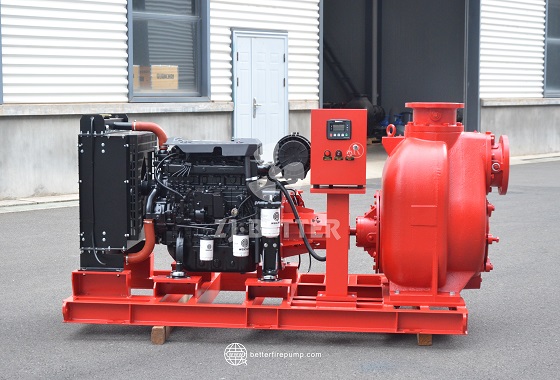
One of the most significant features of this equipment is its superior impurity throughput capacity. Traditional centrifugal pumps are mainly designed for clean water or liquids with low solids content, and are prone to clogging when the transported medium contains large particulate impurities. The mobile sewage pump features a large-flow-channel impeller and a wide-channel pump chamber design, easily handling larger solid particles and fibrous debris. Whether it’s muddy water mixed with sand and gravel at construction sites or domestic sewage from urban drainage systems, the equipment maintains smooth flow. Its powerful flow capacity significantly reduces the risk of blockages and improves continuous operation efficiency, making it particularly suitable for high-intensity sewage discharge tasks in complex environments.
Advanced self-priming technology further enhances the ease of use. In practical engineering applications, the equipment often needs to pump water from low-lying areas, puddles, drainage wells, and areas with underground water accumulation. Traditional pump sets often require manual priming before startup, which is cumbersome and time-consuming. This mobile sewage pump uses efficient self-priming technology, automatically expelling air from the suction pipe and quickly establishing stable suction, achieving rapid priming and automatic water intake. Even after a long period of shutdown, the equipment can quickly resume operation, significantly improving on-site work efficiency and emergency response capabilities.
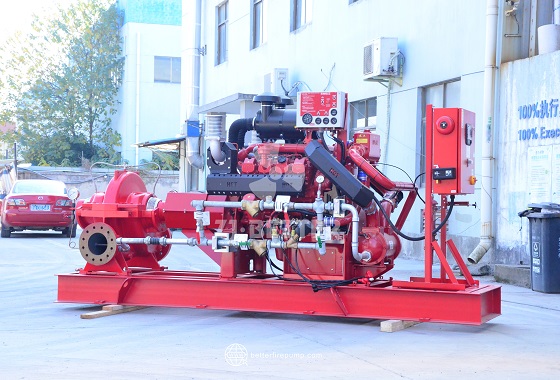
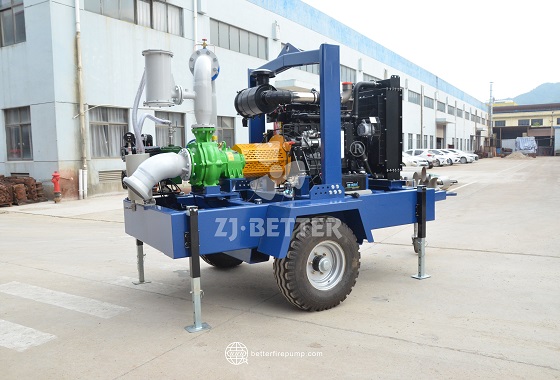
The diesel power system gives the equipment stronger independent operating capabilities. In many engineering sites, especially in mines, field construction areas, flood control and disaster relief sites, and temporary projects, stable power sources are often difficult to obtain. This equipment is driven by a high-performance diesel engine, allowing it to operate independently without relying on an external power grid. The engine features stable power output, good fuel economy, and strong adaptability to complex environments, providing continuous and reliable power even in remote areas. For emergency drainage and disaster relief missions, an independent power system translates to greater mobility and faster response times.
High-flow-rate pumping capacity is one of the equipment’s key performance advantages. In urban flood control, underground parking garage drainage, flood control and drainage, and industrial wastewater treatment, it is often necessary to handle large amounts of accumulated water in a short period. Insufficient drainage capacity can lead to project delays or even serious losses. This mobile sewage pump employs an optimized hydraulic model design, achieving high-flow-rate output through a high-efficiency impeller and low-resistance flow channel. The equipment can quickly transfer large amounts of sewage and accumulated water, improving on-site drainage efficiency and providing strong support for engineering construction and disaster emergency response.
To adapt to the long-term operational needs of complex environments, the equipment has undergone significant optimization in terms of wear resistance. The sand and gravel particles and solid impurities in wastewater continuously scour the pump’s interior, easily causing wear and performance degradation in ordinary materials. Key flow components of this equipment are made of highly wear-resistant materials and treated with special processes to improve surface hardness and corrosion resistance. The impeller, pump casing, and sealing components have all undergone rigorous durability testing, enabling them to withstand long-term operation in environments with high sand content and high abrasion, thereby extending equipment lifespan and reducing maintenance costs.
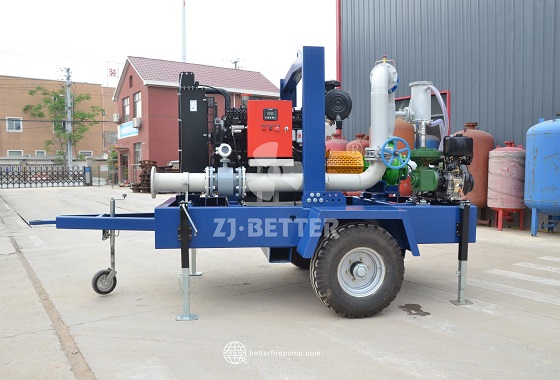
The mobile structural design provides the equipment with exceptional flexibility. The entire unit is mounted on a robust chassis and equipped with industrial-grade wheels and a propulsion device. Operators can quickly move the equipment to different locations according to construction needs, enabling continuous multi-area operations. For construction sites, municipal road maintenance, and emergency rescue sites, the equipment can be quickly deployed without complex hoisting and installation. This flexibility not only improves work efficiency but also reduces equipment transportation and deployment costs.
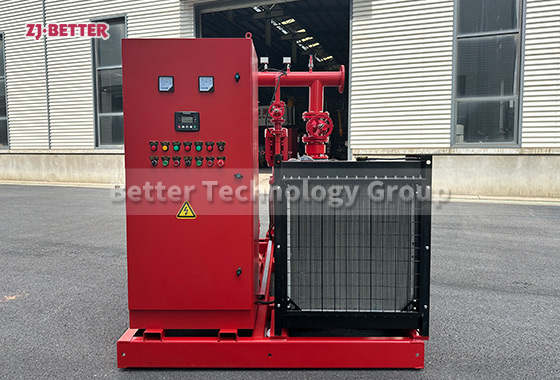
The intelligent control system further enhances the equipment’s safety and ease of operation. The control panel integrates engine operation monitoring, fault alarms, parameter display, and automatic protection functions, enabling real-time monitoring of the unit’s operating status. When the system detects high temperature, low oil pressure, overspeed, or other abnormal conditions, it will automatically issue an alarm and take protective measures to prevent equipment damage. Operators can quickly grasp the equipment’s operating status through an intuitive interface, improving on-site management efficiency and reducing human error risks.
Continuous operation capability is a crucial indicator for professional sewage treatment equipment. Many large-scale drainage projects require equipment to operate continuously for tens of hours or even days; therefore, the equipment must possess reliable long-term operational performance. This mobile sewage pump adopts industrial-grade heavy-duty design standards, and its engine cooling system has been optimized and upgraded to effectively control operating temperature. A high-strength chassis structure and a stable power system ensure efficient operation even under prolonged continuous working conditions. Whether it’s emergency drainage of floodwaters during heavy rains or long-term industrial sewage treatment tasks, the equipment can stably complete its work objectives.
Energy-saving design is also a significant advantage of the product. By optimizing the matching relationship between the engine and pump body and improving hydraulic efficiency, the equipment can reduce fuel consumption while maintaining high drainage capacity. Advanced combustion technology improves energy utilization and reduces operating costs. For engineering units that use the equipment long-term, energy-saving performance not only reduces operating costs but also reduces the total life-cycle cost of the equipment, increasing the return on investment.
This equipment has an extremely wide range of applications. In municipal engineering, it can be used for stormwater and sewage drainage, road flooding treatment, and urban waterlogging control; in building construction, it can be used for foundation pit drainage, underground engineering dewatering, and construction wastewater treatment; in industry, it can be used for factory wastewater transfer, sludge transport, and emergency discharge; in mining, it can be used for mine drainage and tailings treatment; and in flood control and disaster relief, it can be used for river flood control, flood drainage, and post-disaster recovery. Its multi-scenario applicability makes it an important piece of equipment for modern engineering construction and emergency management.
With the acceleration of urbanization and the increase in extreme weather events, the demand for efficient sewage discharge equipment is constantly growing. The mobile sewage pump specifically designed for complex working conditions and containing impurities has become an important choice for many industry users due to its excellent impurity handling capacity, rapid self-priming performance, large flow rate, independent diesel-powered operation, wear-resistant structural design, and intelligent control system. It not only improves sewage discharge efficiency and reduces maintenance costs, but also can quickly respond to various emergency drainage needs at critical moments, providing reliable support for engineering construction, urban management, and disaster response. In the future, as drainage engineering standards continue to improve and market demand continues to grow, these high-performance mobile sewage discharge devices will play an important role in more fields, creating greater value for modern infrastructure construction and environmental governance.