Home » Fire Pump Set » Independent Power Diesel Fire Pump Unit for Emergency Fire Protection During Power Failure

Independent Power Diesel Fire Pump Unit for Emergency Fire Protection During Power Failure

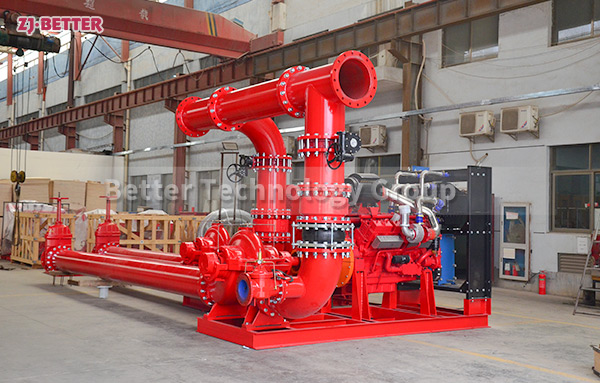
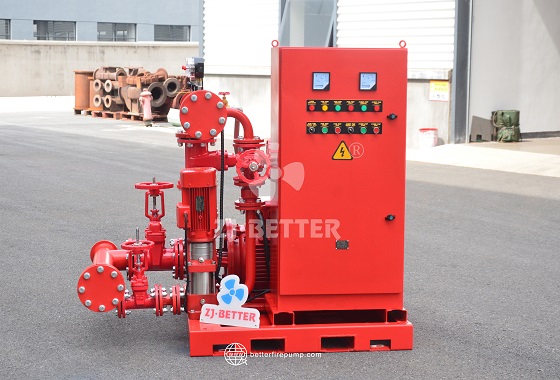
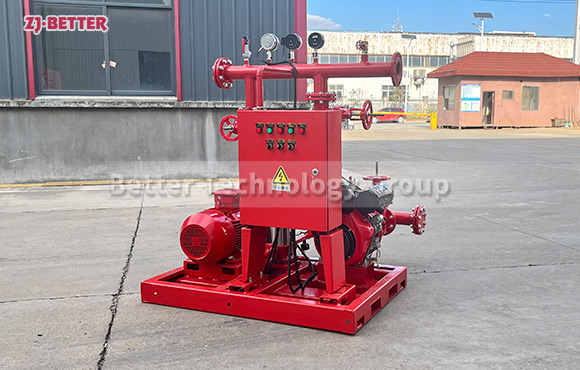
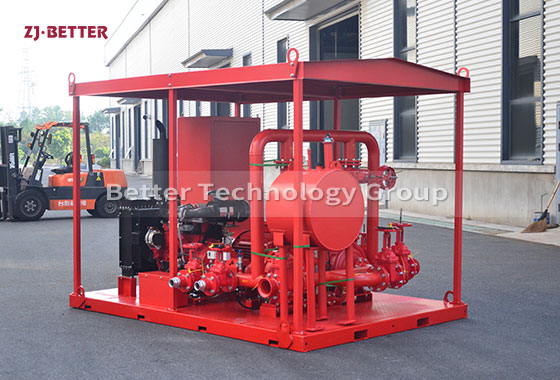
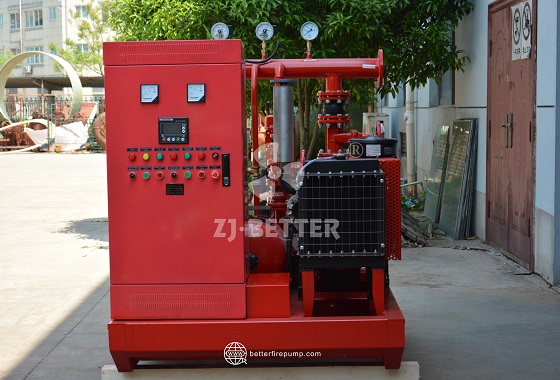
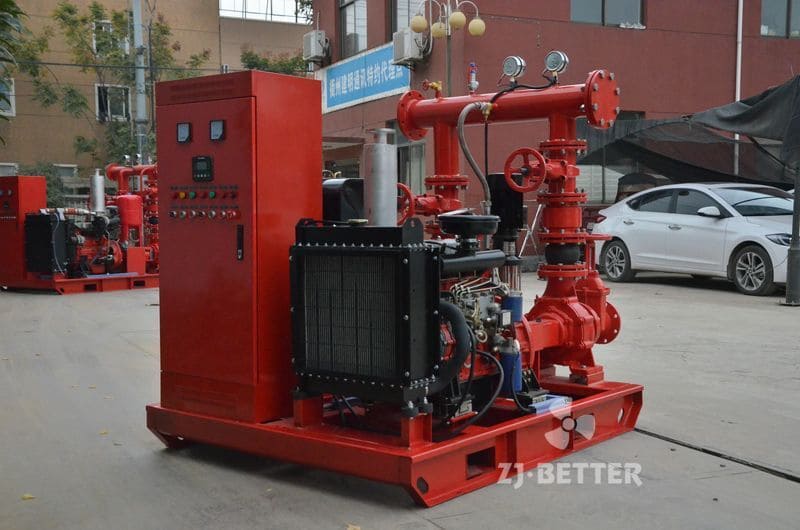
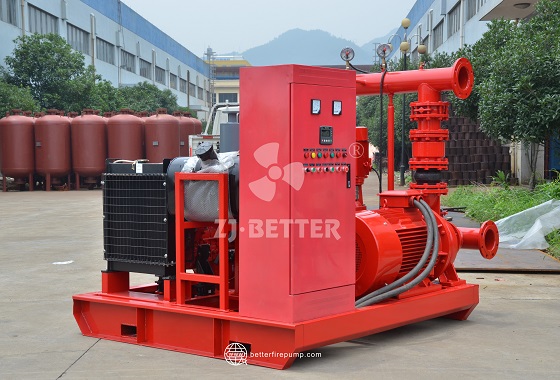
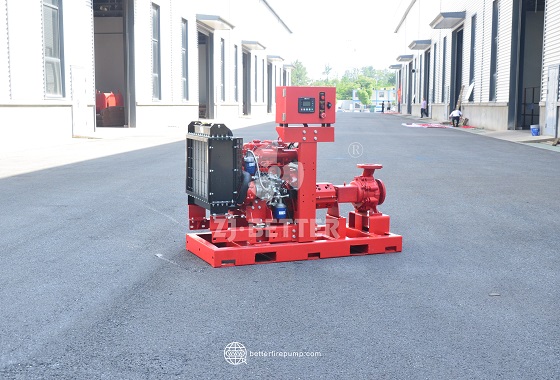
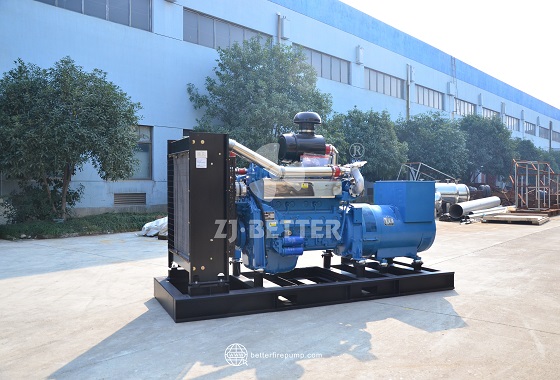
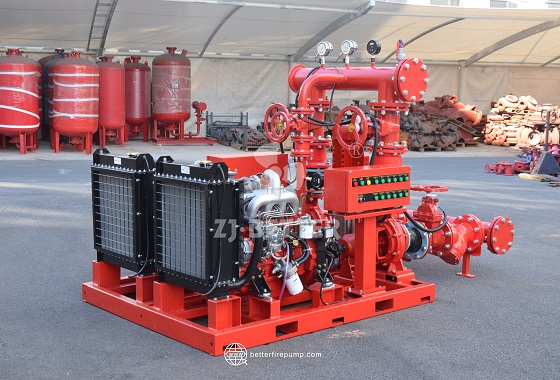
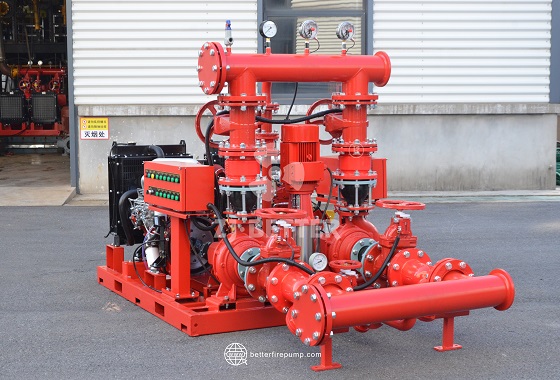
The independent diesel-powered fire pump unit is specifically designed for fire water supply during power outages and emergency situations. It features rapid start-up, continuous and stable operation, high flow rate and head, and an integrated structure. It is widely used in industrial plants, warehouses, large buildings, and critical fire protection systems.

Rated 4.5/5 based on 259 customer reviews
Share:
Content

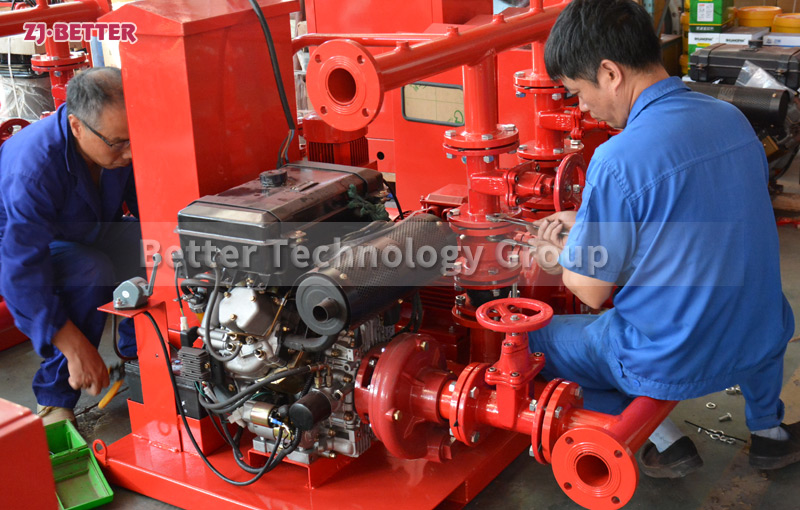
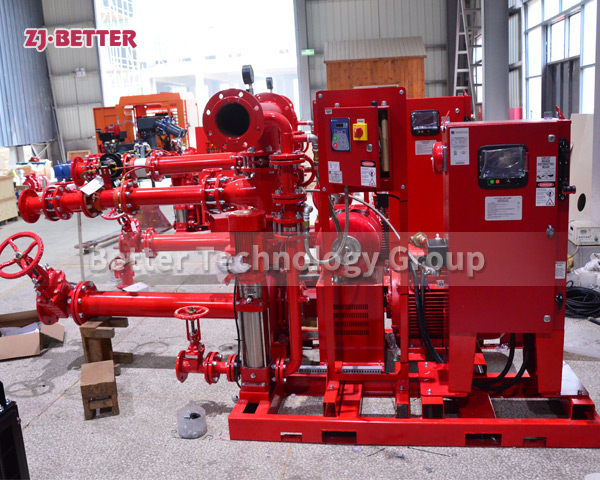
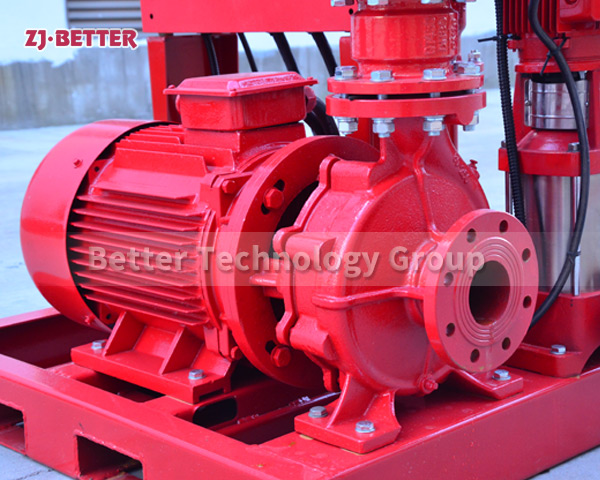
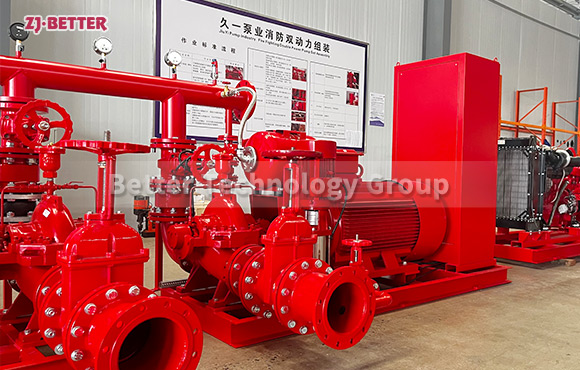
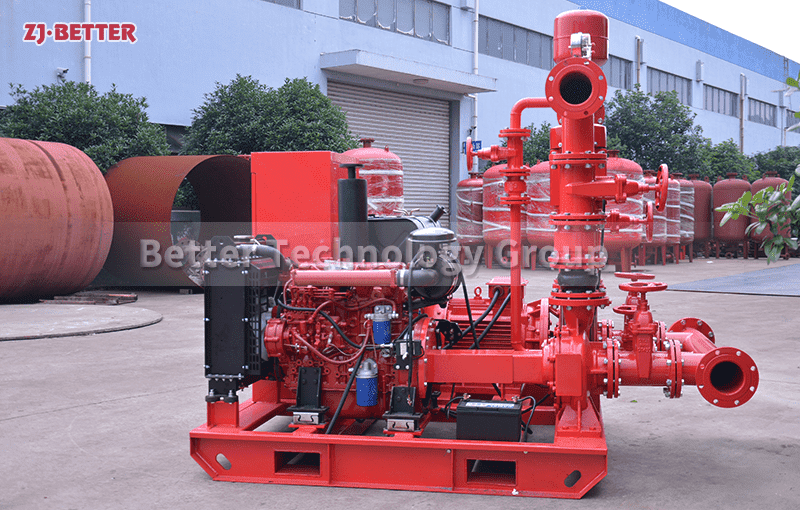
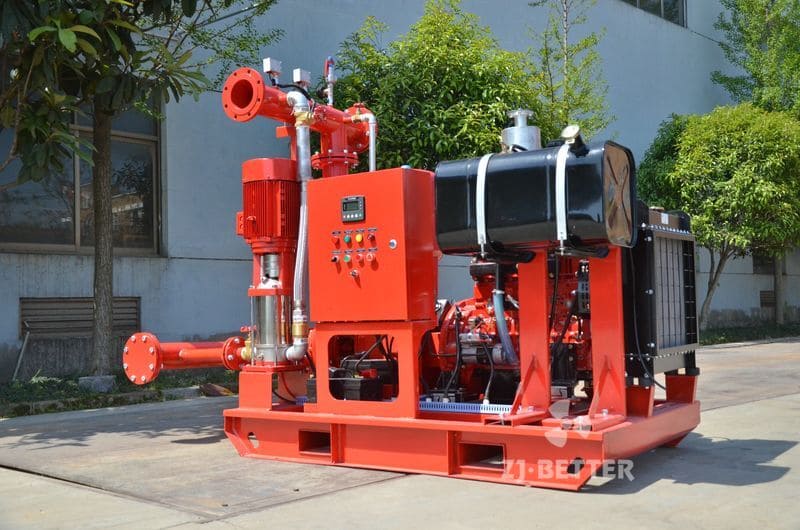
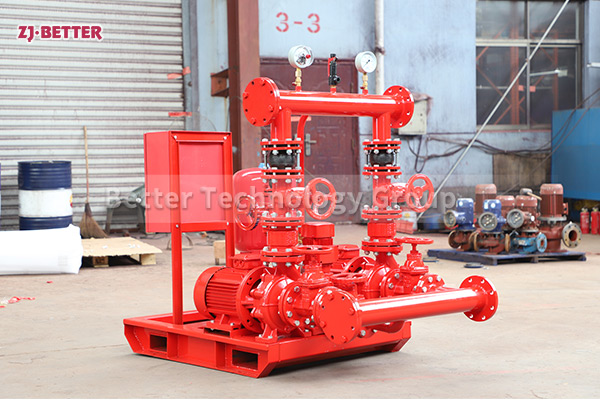
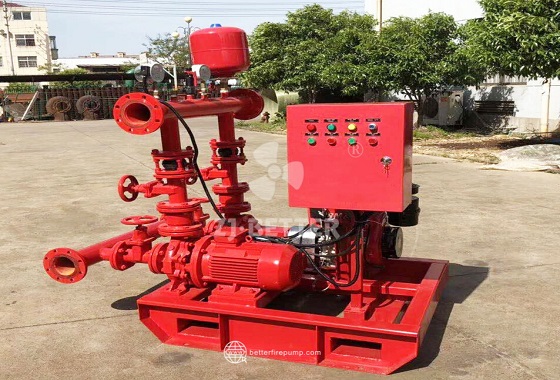
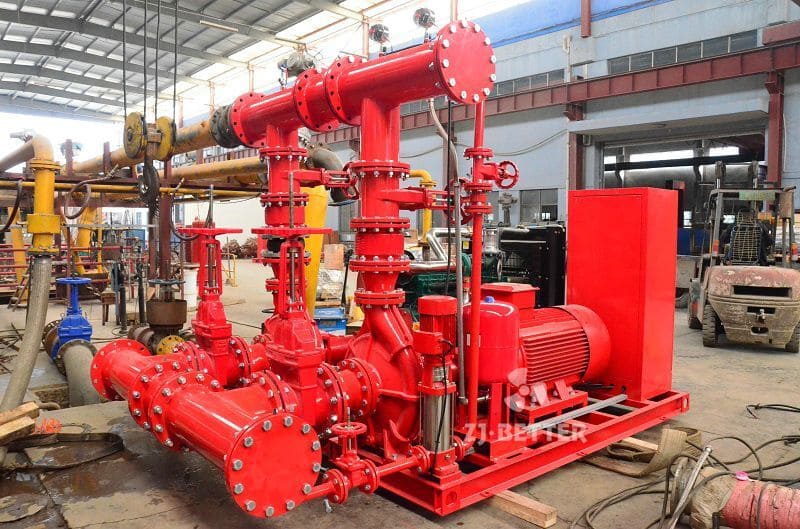
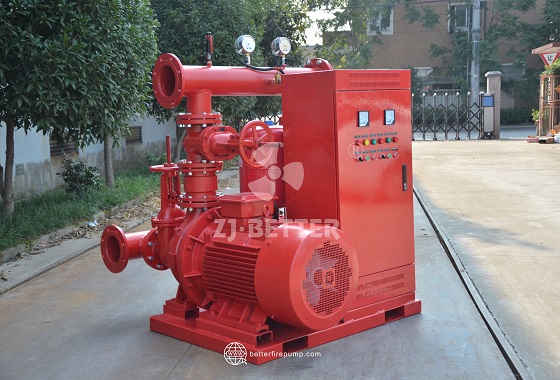
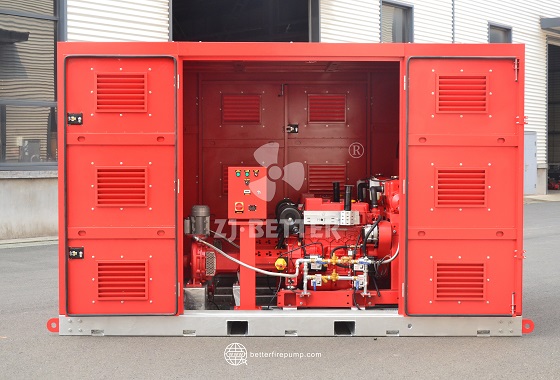
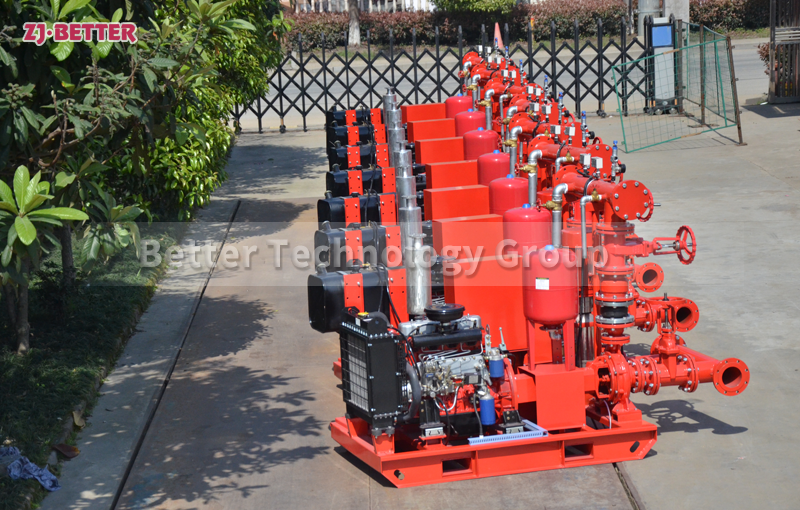
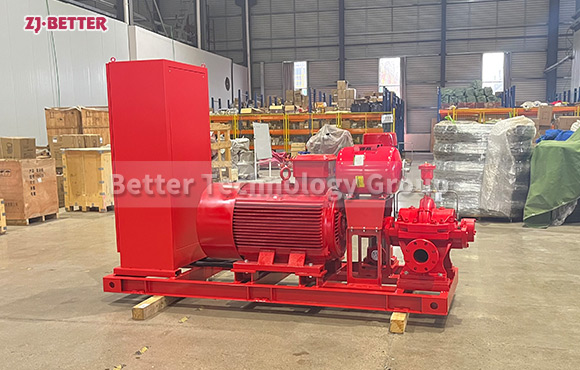
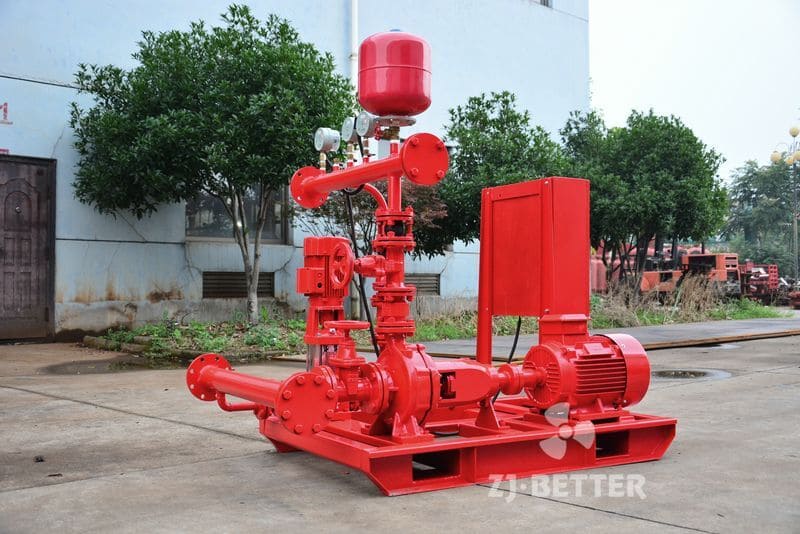
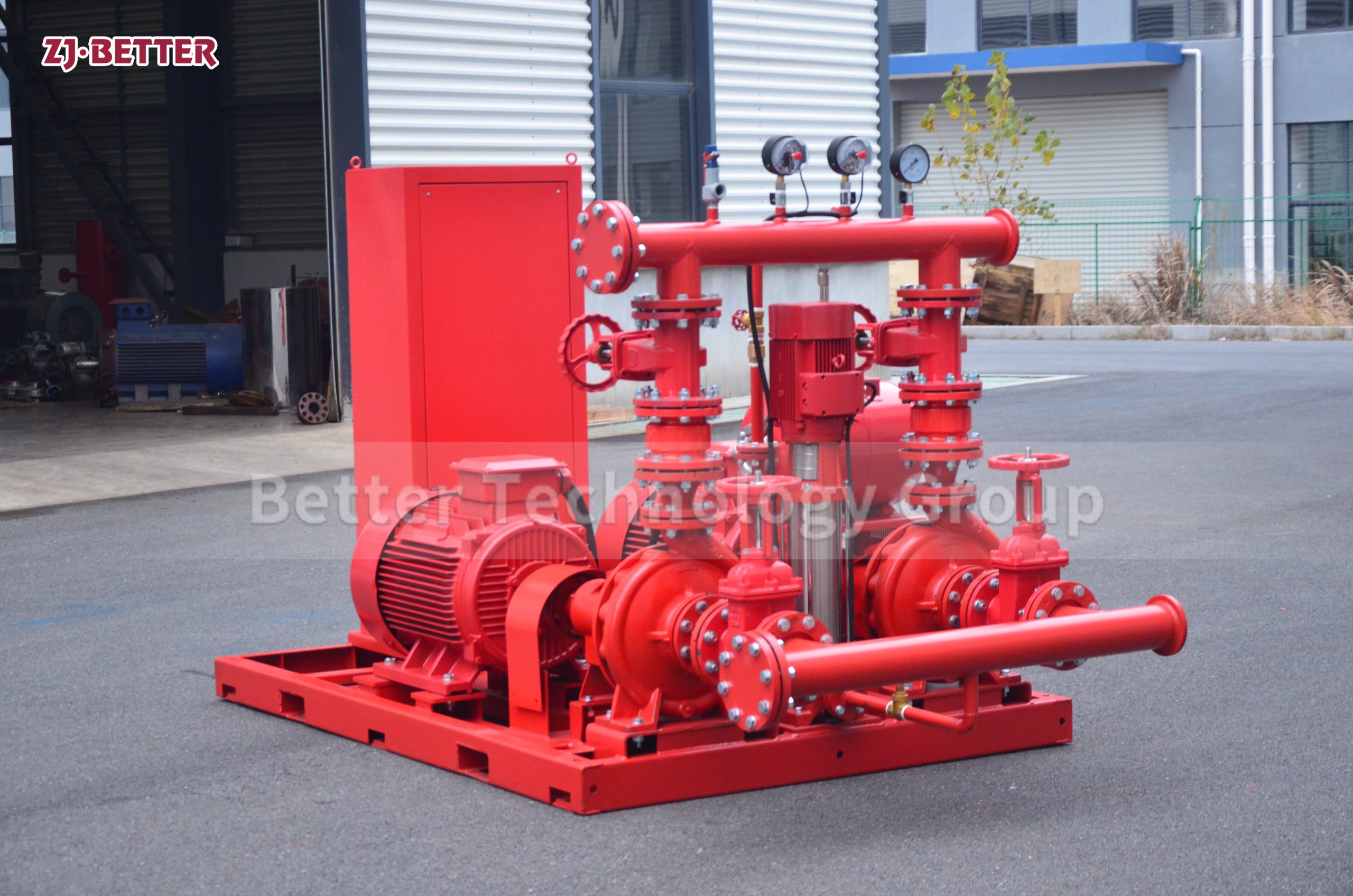
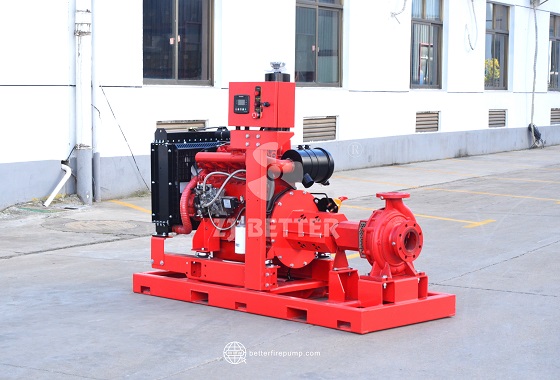
This independent diesel-powered fire pump unit is a core emergency fire-fighting equipment specifically designed to address situations where the fire protection system cannot receive normal water supply due to power outages or extreme operating conditions. Powered entirely by a diesel engine, it is completely independent of external power systems, ensuring stable startup and continuous operation even in the event of power outages, damaged lines, or complex disaster environments. It provides reliable, continuous, and compliant fire-fighting water supply to the fire protection system. The unit utilizes a mature and reliable diesel power system with strong torque output and excellent adaptability to various operating conditions. Even under high load and prolonged operation, it maintains stable speed and continuous power output, ensuring the fire pump remains effective throughout the entire fire-fighting process. The diesel engine is specifically matched and tuned for fire-fighting applications, boasting excellent starting performance. It can be quickly put into operation via electric start or manual emergency start, significantly shortening the response time of the fire protection system and gaining valuable time for initial fire control. The fire pump body adopts a high-efficiency hydraulic model design with smooth and rational internal flow channels. This ensures high flow rate output while effectively reducing hydraulic losses, maintaining stable head and pressure output under both rated and off-design conditions. It can meet the water supply requirements of multiple fire lines operating simultaneously, making it suitable for large buildings, industrial plants, and warehousing and logistics centers that require high fire-fighting water supply capacity. The diesel fire pump unit features a skid-mounted integrated design, integrating the diesel engine, fire pump, control system, cooling system, fuel system, and necessary piping and accessories onto a single base. The compact and rational layout facilitates transportation and hoisting, significantly reducing on-site installation difficulty and construction time, making it particularly suitable for fire protection projects requiring rapid delivery and commissioning. The integrated structure also enhances the overall rigidity and operational stability of the equipment, effectively reducing potential hazards caused by vibration or improper installation. The cooling system employs a high-efficiency heat dissipation scheme, effectively controlling the diesel engine’s operating temperature in high-temperature environments or during prolonged continuous operation, preventing performance degradation or shutdown risks due to overheating, and ensuring the unit’s reliable operation during the entire fire-fighting process. The fuel system is rationally designed, providing stable and smooth fuel supply, ensuring the diesel engine receives sufficient fuel under varying load conditions, preventing insufficient fuel or unstable fuel supply from affecting the fire pump’s output performance. The control system is a crucial component of this unit. The accompanying diesel fire pump control cabinet integrates various monitoring and control functions, enabling automatic start-up, manual control, remote signal linkage, and display of operating status and fault alarms. When the fire protection system detects a pressure drop or receives a fire alarm signal, the control system can quickly instruct the diesel engine to start and drive the fire pump. The entire process is rapid and logically clear, effectively reducing the uncertainty caused by human intervention. The control system also features multiple safety protection mechanisms, providing real-time monitoring of key parameters such as engine speed, oil pressure, and water temperature during operation, thus enhancing equipment operating safety and reliability while prioritizing fire protection. This diesel fire pump unit is manufactured with strict control over material selection and manufacturing processes. Key pressure-bearing components are made of high-strength materials, possessing excellent pressure resistance, wear resistance, and corrosion resistance. This allows it to withstand the high pressure, infrequent starts, and critical reliability requirements of fire protection systems, effectively extending the overall service life of the equipment. Considering the long standby periods typical of fire protection equipment, the unit is designed for ease of maintenance. Routine inspections and regular maintenance are sufficient to maintain optimal working condition. The maintenance process is clear, and maintenance costs are controllable, reducing the operational and maintenance burden on users over the long term. This independent power diesel fire pump unit has a wide range of applications. It can serve as the main pump or backup pump in fixed fire protection systems and is widely used in industrial parks, petrochemical facilities, power plants, warehousing and logistics bases, high-rise buildings, underground facilities, and other locations with extremely high fire safety requirements and uncertain power supply reliability, providing strong and independent water supply assurance for fire protection systems. Overall, this product, with its independent power advantage (not relying on electricity), stable and reliable hydraulic performance, highly integrated structure, and intelligent and reliable control system, ensures uninterrupted fire water supply even in the event of a power outage. It is a key equipment choice in modern fire protection engineering for enhancing system safety redundancy and emergency response capabilities, helping users build a more reliable and robust fire safety defense line.
Inquiry


    More Fire Pump Set

    1. When the pipeline fire pump noise occurs, the most likely fault is the imbalance of the fire pump rotor. Since the water output of the fire pump mainly depends on the high-speed rotation of the rotor, when the rotor is unbalanced for some reason, it will cause the fire pump to deviate from the original rotation track during the rotation process, resulting in the fire pump appearing in the pipeline. When judging the failure of the rotor, it is mainly to replace the rotor of the pump or make a balance hole on the rotor blade of the pump to find out the balance difference.

    2. The production noise of the fire pump pipeline has a certain effect. For example, forcing a small flow of a pipe “fire pump” to increase power to increase the original flow will create vibrations in the fire pump. Therefore, whether you use a pipeline fire pump or other types of water pumps, you should follow the water pump use standards to prevent the water pump from making noise, which will affect the service life of the water pump. The solution is to use the pump according to the instructions. If the efficiency of use is affected, it is recommended to replace the appropriate pipeline “fire pump” for use.

    3. The installation did not meet the standards, resulting in abnormal noise from the pipeline fire pump. Fire pumps and fire hydrant pumps vibrate at a high frequency during operation, so they must be fixed during installation. If the bolt between the pump body and the base or between the base and the base is loose when installing the pipe fire pump, the transmission shaft between the pump body and the motor of the pipe pump will be bent. It lowered the concentricity and caused an imbalance in the fire pump rotor. This is one of the noise phenomena of fire pumps. In order to improve this phenomenon, the pump shaft of the fire pump needs to be balanced and then reinstalled. Finally, the base of the pump was reinforced.

    4. Blockage of the impeller passage can also cause fire pump noise. When the internal flow channel of the fire pump is blocked by foreign matter, it will cause uneven resistance of the fire pump impeller and vibrate the fire pump. Therefore, it is necessary to regularly disassemble and maintain the fire pump to prevent foreign matter from blocking the pipeline.

    5. The bearing of the fire pump is damaged. Bearing damage generally does not occur on the main body of an in-line fire pump. If there is a problem with the quality of the pump, or because some hard objects enter the pump body of the tube pump, the bearing is damaged, and the rotor is unstable at first. Causes noise from pipeline fire pumps.

    6. Finally, cavitation, cavitation occurs in any type of pump, but some are obviously not noticeable. If cavitation occurs, consider raising the fire pump or increasing the pressure in the piping. If the cavitation phenomenon cannot be changed, the fire pump model needs to be redesigned and replaced.

    Choosing a good fire pump is crucial for ensuring the effectiveness and reliability of your fire protection system. Here are some key factors to consider when selecting a fire pump:

    Flow and Pressure Requirements: Determine the required flow rate and pressure for your specific application. Consider factors such as the size of the protected area, the type of fire hazards, and any applicable fire safety regulations. Ensure that the fire pump you choose can meet these requirements.

    Pump Type: Select the appropriate pump type based on your needs. The two common types of fire pumps are centrifugal pumps and positive displacement pumps. Centrifugal pumps are widely used due to their high flow rates and ability to handle large volumes of water. Positive displacement pumps, on the other hand, are better suited for applications that require high pressure but lower flow rates.

    Performance and Efficiency: Look for a fire pump that offers high performance and efficiency. Consider the pump’s rated capacity, which indicates the maximum flow rate it can deliver. Additionally, check the pump’s efficiency rating to ensure it operates optimally and minimizes energy consumption.

    Reliability and Durability: A good fire pump should be reliable and durable to withstand the demands of fire protection operations. Consider the quality and reputation of the manufacturer, as well as the pump’s construction materials. Look for features such as corrosion-resistant coatings, sturdy construction, and reliable seals and bearings.

    Compliance with Standards: Ensure that the fire pump you choose complies with relevant industry standards and codes, such as the National Fire Protection Association (NFPA) standards. Compliance with these standards ensures that the pump meets essential safety and performance requirements.

    Maintenance and Support: Consider the ease of maintenance and availability of support for the chosen fire pump. Look for pumps with accessible components, clear maintenance instructions, and readily available spare parts. Additionally, check if the manufacturer or supplier provides technical support and assistance.

    Testing and Certification: Check if the fire pump has undergone rigorous testing and certification by reputable organizations. Look for certifications from recognized bodies that validate the pump’s performance, efficiency, and safety.

    Budget and Cost Considerations: While it is essential to choose a reliable and efficient fire pump, consider your budget and cost constraints. Compare prices, warranties, and ongoing maintenance costs to find a balance between quality and affordability.

    System Integration: Consider how the fire pump will integrate with your overall fire protection system. Ensure compatibility with other components, such as fire alarms, sprinklers, and control panels. Coordinate with system designers or consultants to ensure seamless integration.

    Consult with Experts: If you are unsure about the specific requirements or complexities of selecting a fire pump, consult with fire protection experts, engineers, or consultants. They can provide valuable insights and recommendations based on your unique needs and circumstances.

    Remember that selecting a good fire pump is a critical decision that requires careful consideration. By evaluating the factors mentioned above and seeking professional guidance, you can choose a fire pump that meets your requirements and ensures the safety of your property and occupants in the event of a fire.