High Capacity Emergency Drainage Pump for Industrial Flood Protection
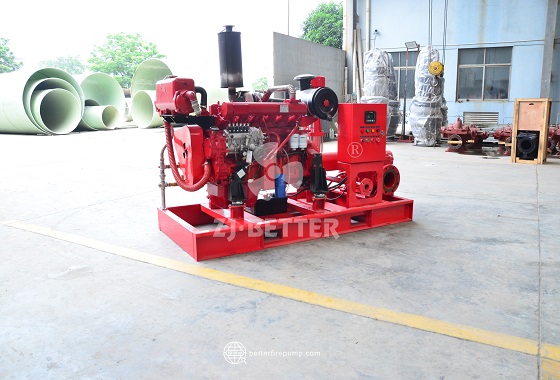
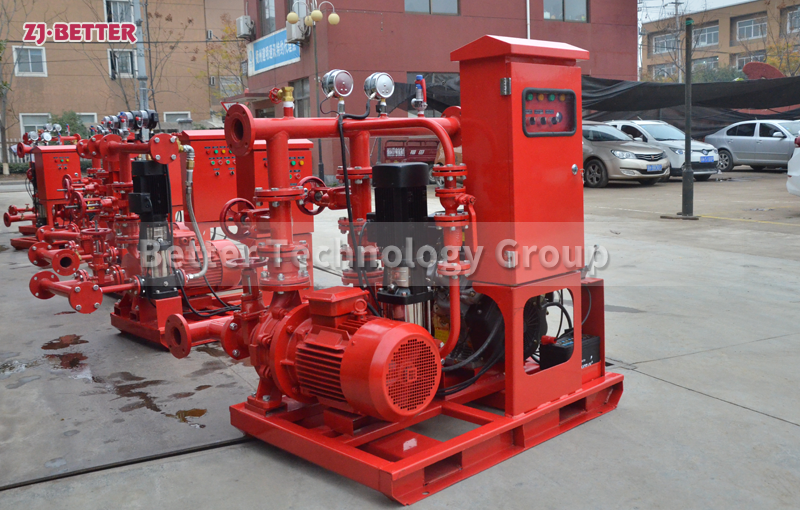
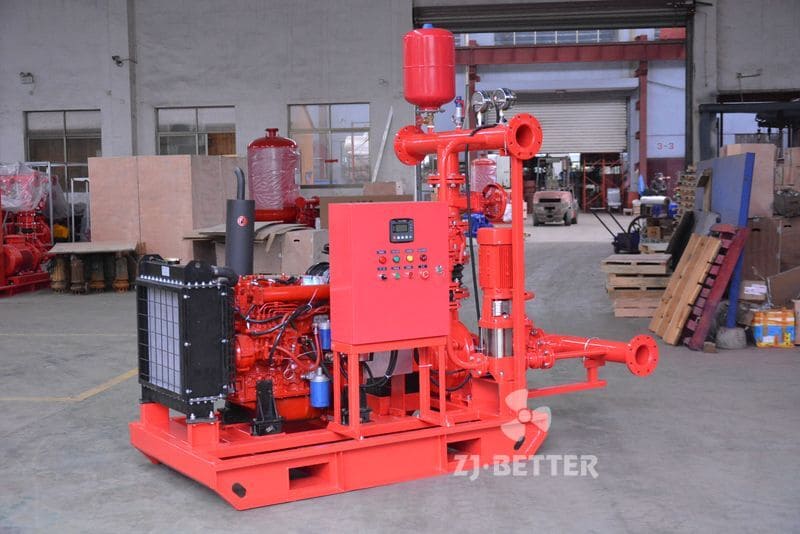
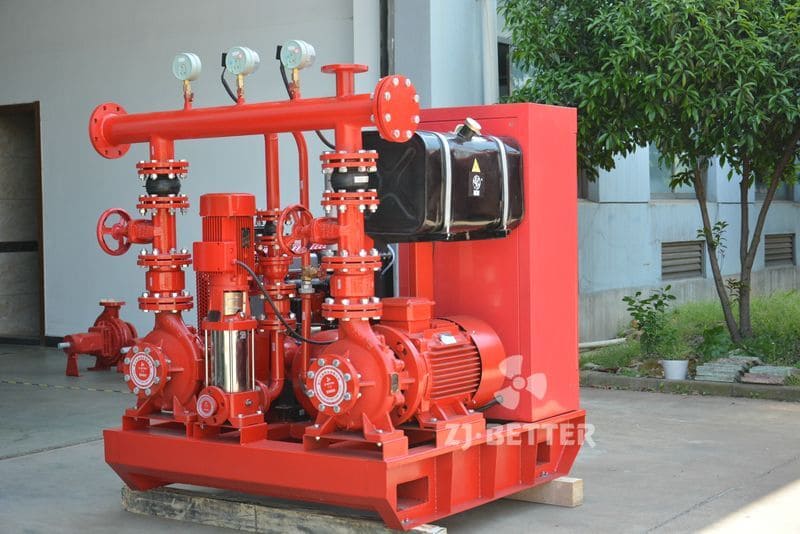
High-flow emergency drainage pump systems have the advantages of rapid deployment, large-flow drainage, intelligent control, and stable continuous operation, and are widely used in industrial flood control, municipal drainage, underground garages, and flood control and disaster relief projects.
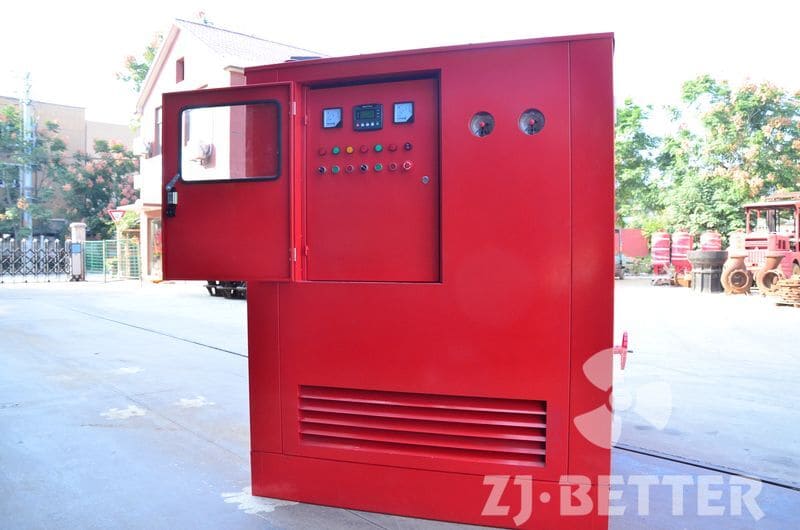
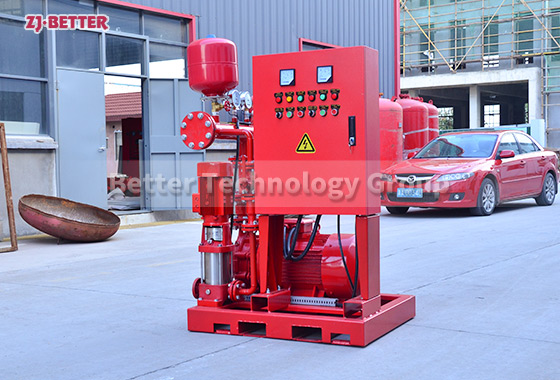
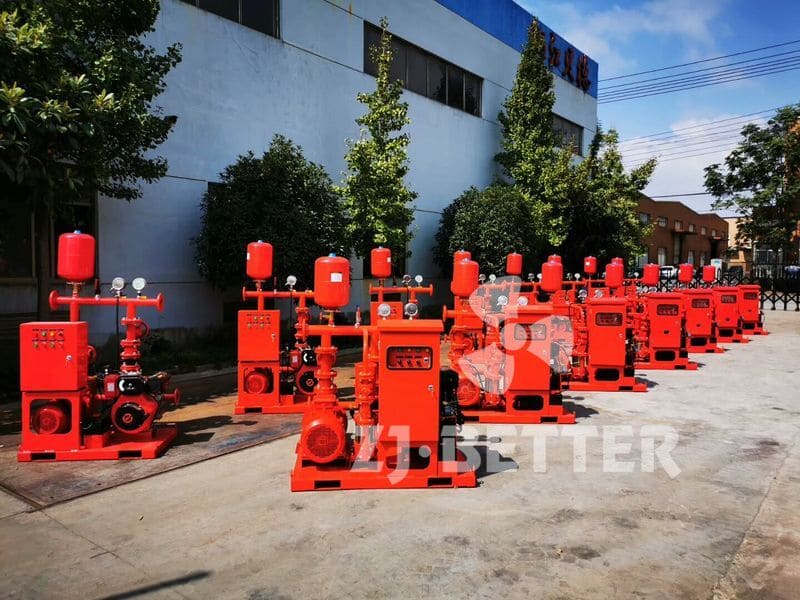
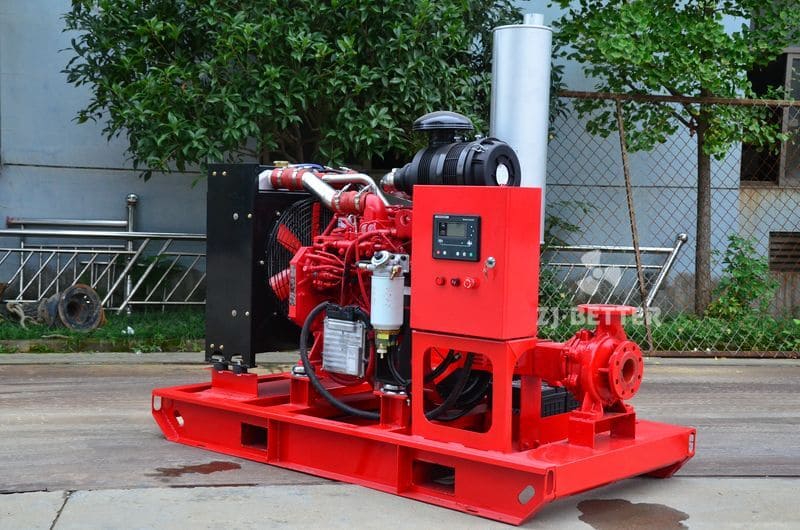
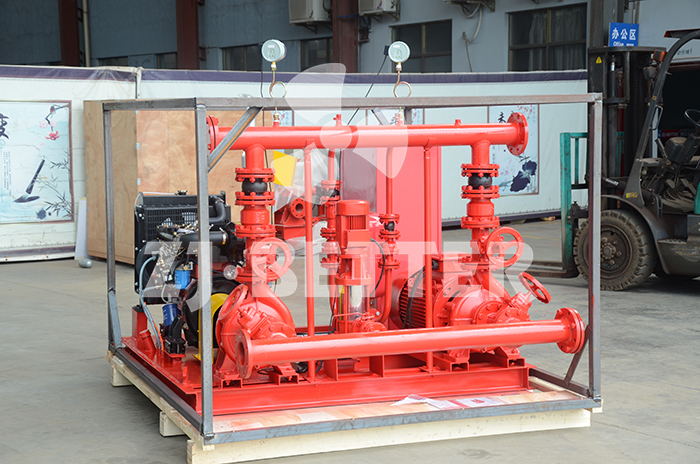
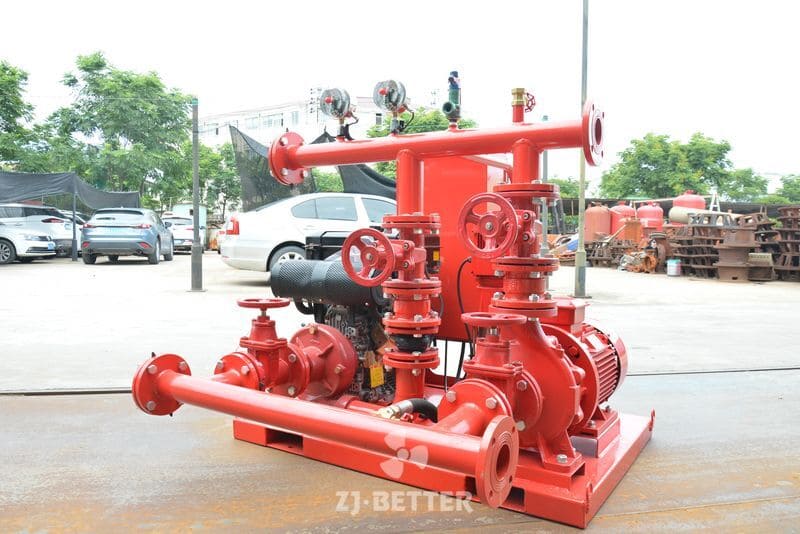
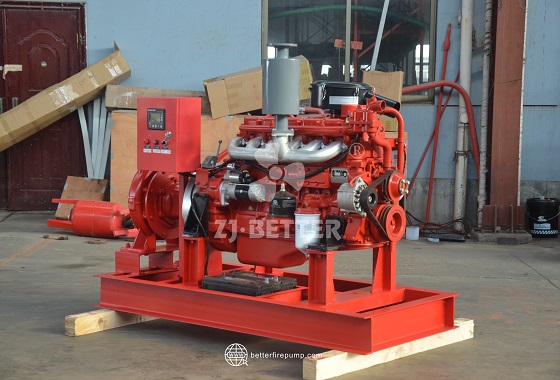
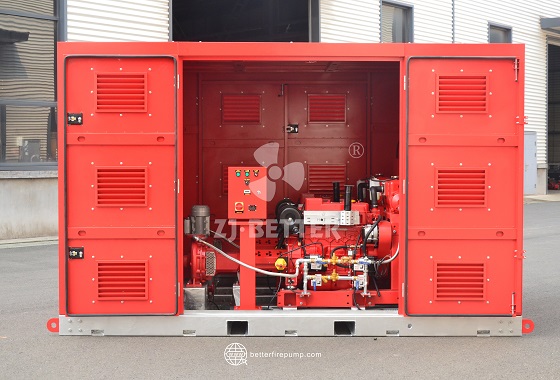
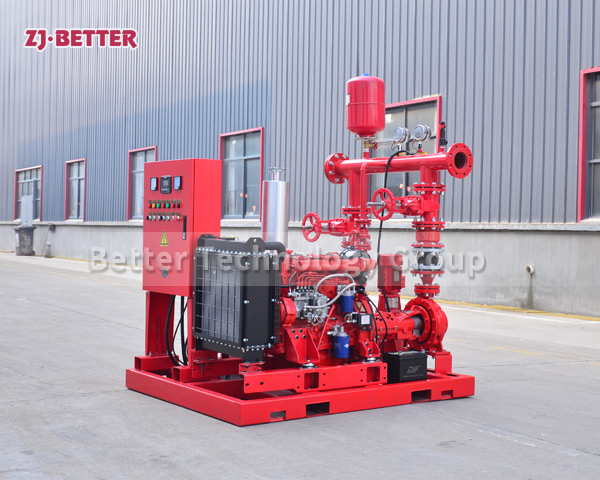
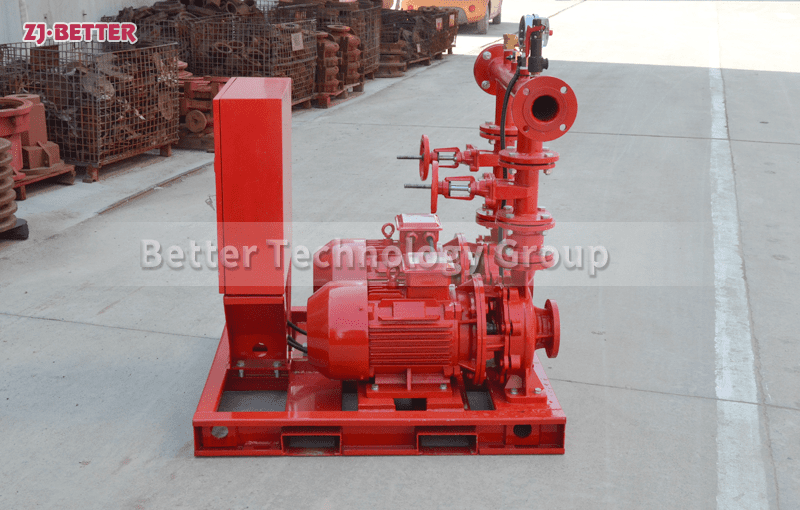
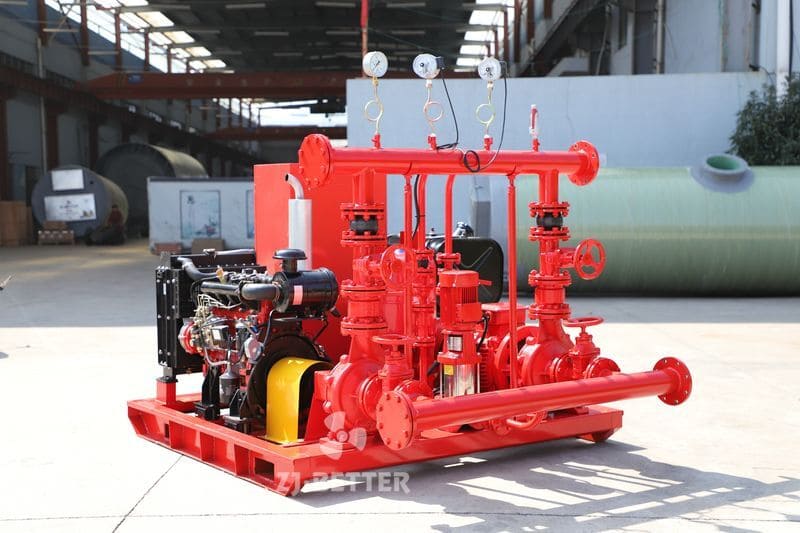
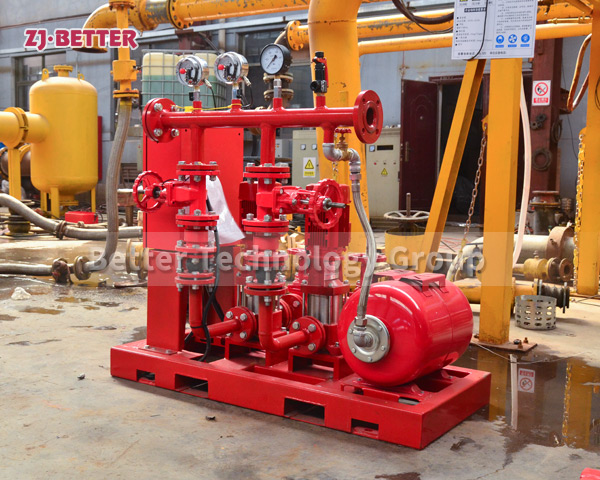
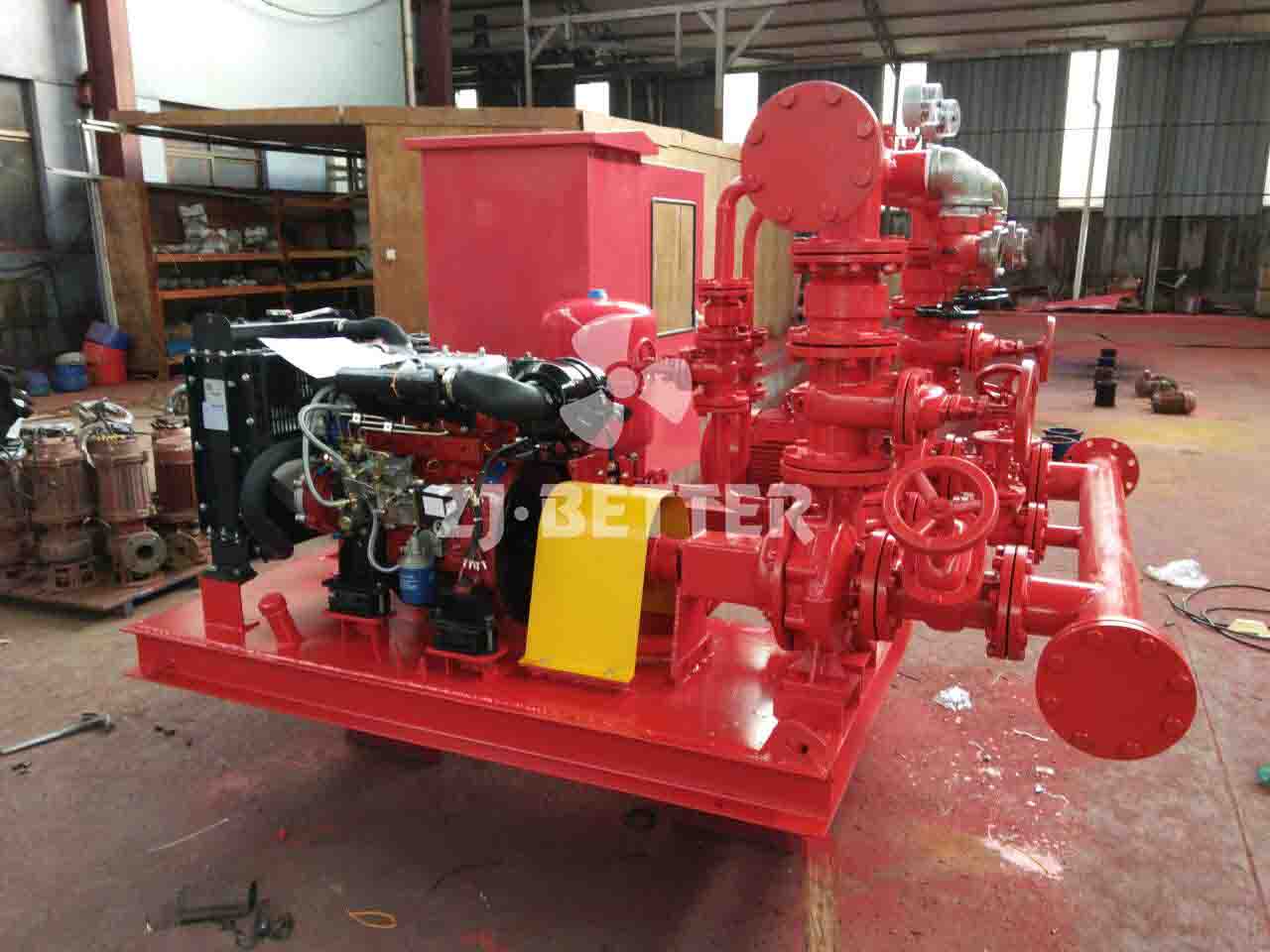
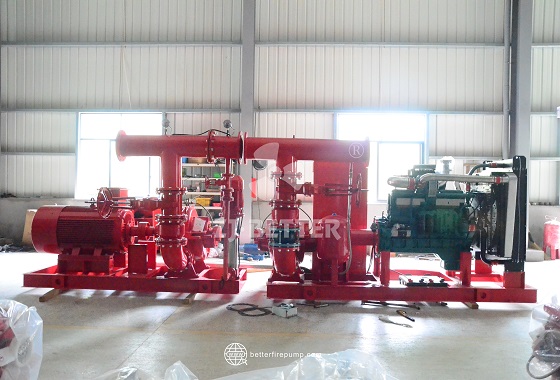
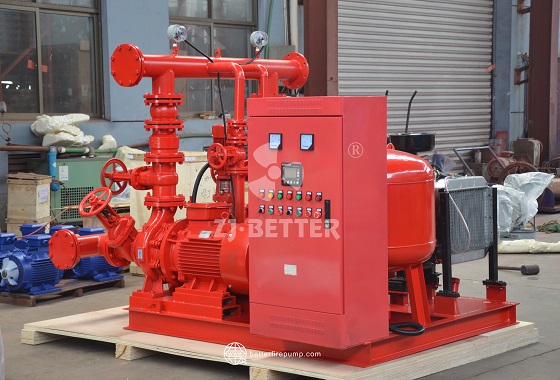
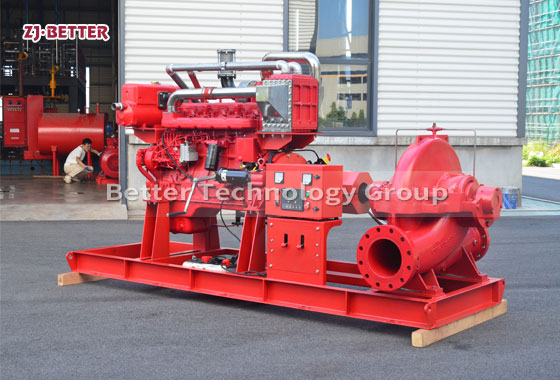
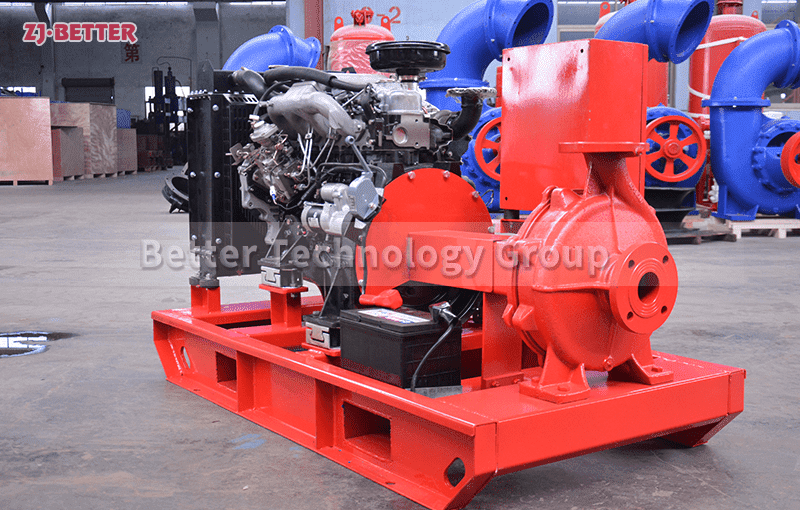
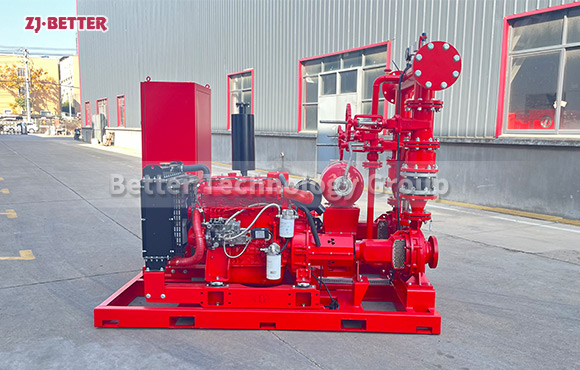
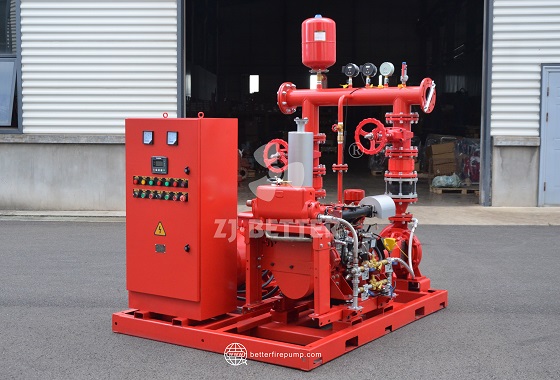
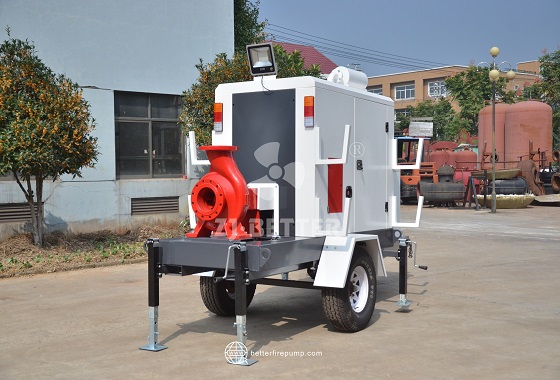
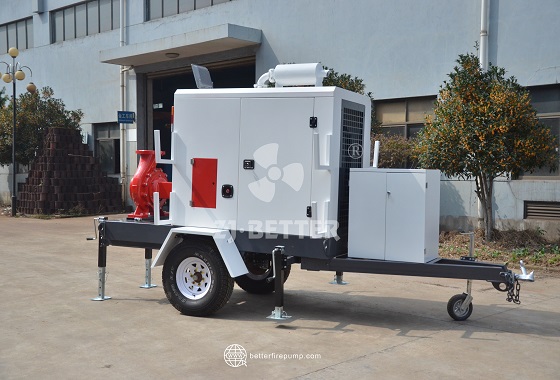
With the increasing frequency of extreme weather events globally, torrential rains, floods, urban waterlogging, and water accumulation in industrial areas have become significant challenges in modern urban construction and industrial safety management. Especially in complex scenarios such as large industrial parks, mines, ports, underground parking garages, tunnel projects, municipal drainage systems, and construction sites, traditional drainage equipment often struggles to handle large volumes of water quickly enough in the event of heavy rainfall or sudden flooding, potentially leading to equipment damage, production stoppages, or even major safety accidents. Therefore, high-flow emergency drainage pump systems, with their rapid deployment capabilities, high-flow drainage performance, and stable continuous operation, have gradually become core equipment in modern flood control, disaster relief, and industrial drainage projects. This type of equipment can not only rapidly establish efficient drainage capacity during sudden disasters but also maintain stable operation under complex conditions, effectively reducing the impact of floods on industrial production and urban operations. The greatest advantage of high-flow emergency drainage pump systems lies in their superior high-flow drainage capacity. The equipment employs a high-efficiency centrifugal pump or self-priming pump design, optimizing the impeller flow channel, hydraulic structure, and pump body layout to rapidly discharge large amounts of accumulated water in a short time. Compared to ordinary drainage equipment, it boasts higher water conveyance efficiency and faster drainage speed, rapidly lowering water levels in the event of torrential rain or sudden flooding in industrial areas, effectively protecting factory equipment, underground facilities, and critical production areas. For large industrial parks and municipal flood control projects, this high-flow-rate drainage capacity significantly improves overall flood control and disaster relief efficiency and reduces economic losses caused by floods. To adapt to rapid emergency needs in complex outdoor environments, high-flow-rate emergency drainage pump systems typically employ a mobile trailer structure design. Equipped with a high-strength trailer chassis, mobile wheel sets, and a stable support structure, the equipment can be quickly transported to different disaster relief sites and deployed and put into operation in a short time. Compared to traditional fixed drainage equipment, it offers greater mobility, flexibly addressing various complex scenarios such as urban road flooding, underground garage drainage, tunnel rescue, and construction site flooding. This rapid mobility and deployment capability is particularly important for flood control and disaster relief work, enabling the establishment of drainage systems in the shortest possible time and reducing the scope of disaster impact. The high-flow-rate emergency drainage pump system utilizes a high-performance power system, enabling it to maintain stable operation for extended periods in complex environments. The equipment can be configured with either a diesel engine or a high-performance electric motor according to actual application needs. The diesel power system can still operate independently in the event of a power outage, making it particularly suitable for power outages caused by heavy rain or for emergency rescue scenarios in the field. The power system is industrially reinforced, possessing high torque output and continuous operating capability, maintaining stable drainage performance even under high load conditions. Simultaneously, the equipment is equipped with a high-efficiency cooling and lubrication system, effectively controlling operating temperature and reducing mechanical wear, thus ensuring stable long-term continuous operation. An intelligent automatic control system is also a crucial component of modern high-flow emergency drainage pump systems. The equipment is equipped with an advanced control cabinet and intelligent monitoring system, capable of real-time monitoring of flow rate, pressure, water level, engine speed, and equipment operating status. When the accumulated water reaches the set level, the system automatically starts and enters drainage mode; when the water level returns to normal, it automatically reduces the operating load or stops operation. This automated control method effectively reduces manual operation intensity and improves overall emergency rescue efficiency. Some high-end equipment also supports remote network monitoring, allowing managers to view equipment operation status and fault information in real time via computer or mobile terminal, thereby improving the intelligent management level of modern flood control systems. Strong self-priming capability is one of the key technological advantages of high-flow emergency drainage pump systems. The equipment employs a high-performance self-priming structure design, enabling rapid water intake without complex priming procedures, significantly improving on-site emergency drainage efficiency. Especially in underground garages, tunnels, or areas with deep water accumulation, the equipment can quickly establish a water intake state and maintain stable drainage. This rapid self-priming capability not only saves rescue time but also reduces the difficulty of equipment operation, helping on-site personnel complete emergency drainage tasks more quickly. To adapt to complex industrial environments and harsh weather conditions, high-flow emergency drainage pump systems utilize high-strength corrosion-resistant materials and an industrial-grade structural design. Key components, including the impeller, pump shaft, pump casing, and pipe interfaces, are all made of wear-resistant and corrosion-resistant materials, effectively resisting wear and corrosion caused by silt, impurities, and complex water qualities. Even during long-term operation in harsh environments such as mine drainage, port terminals, or chemical industrial parks, the equipment maintains stable performance. This high-durability design significantly extends equipment lifespan and reduces the frequency of subsequent maintenance. Low vibration and low-noise operation are also important development directions for modern drainage equipment. The high-flow emergency drainage pump system employs a vibration-damping base, flexible coupling, and optimized power layout design to effectively reduce mechanical vibration and noise generated during operation. Compared to traditional drainage equipment, its operation is smoother, reducing impact on the equipment itself and surrounding structures, and improving overall operational stability. This low-vibration design is particularly suitable for urban emergency response, flood control and drainage projects in commercial areas and densely populated regions. The modular structure design further enhances the installation and maintenance efficiency of the high-flow emergency drainage pump system. The power system, drainage pump, control cabinet, and auxiliary systems are centrally mounted on a unified platform or trailer chassis, significantly reducing on-site installation workload and improving overall layout rationality. Most of the commissioning work can be completed before the equipment leaves the factory, making on-site deployment faster and more convenient. Simultaneously, the modular design facilitates later maintenance and repair, allowing maintenance personnel to quickly complete equipment inspections and troubleshooting, thereby reducing downtime and improving overall operational efficiency. The high-flow emergency drainage pump system is widely used in municipal flood control, industrial park flood prevention, underground garage drainage, tunnel emergency response, mine drainage, construction site drainage, and port and dock applications. In these complex environments, equipment not only needs to have a large flow rate drainage capacity, but also must be able to maintain stable and continuous operation under harsh conditions and sudden disasters. This type of equipment, with its advantages of high-efficiency drainage, rapid deployment, intelligent control, and high durability, can fully meet the demands of modern flood control and industrial drainage projects for high-quality drainage equipment. In the future, with the continuous development of smart cities and intelligent flood control systems, high-flow emergency drainage pump systems will further integrate with the Internet of Things, remote monitoring, and intelligent data analysis technologies to achieve a more efficient and digitalized emergency drainage management model, providing more comprehensive and reliable protection for modern urban flood control safety and industrial flood control projects. Overall, high-flow emergency drainage pump systems, with their superior high-flow drainage performance, rapid deployment capability, intelligent automatic control, and stable continuous operation, have become a crucial core device in modern flood control and industrial drainage projects. They not only effectively improve drainage efficiency and emergency response capabilities during sudden disasters, but also reduce long-term operation and maintenance costs and enhance the overall level of flood control management. With the continuous advancement of urbanization and the increasing frequency of extreme weather, high-flow emergency drainage pump systems will play an increasingly important role in future flood control and disaster relief, providing more efficient, stable, and reliable drainage solutions for the safe operation of urban infrastructure and industry.