Efficient Fire Pressure Stabilizing System for Sprinkler Network Stability
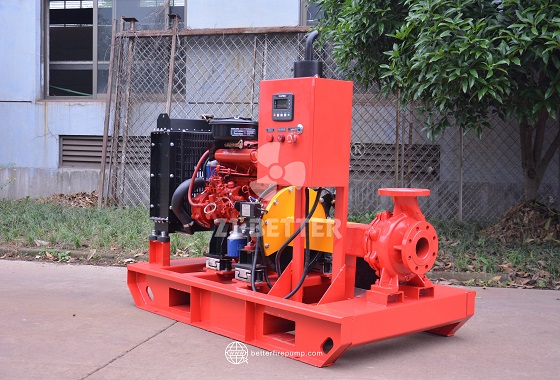
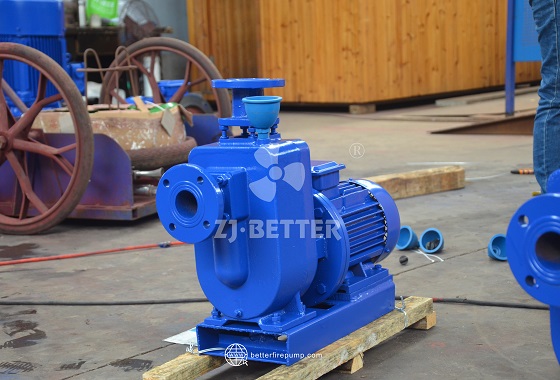
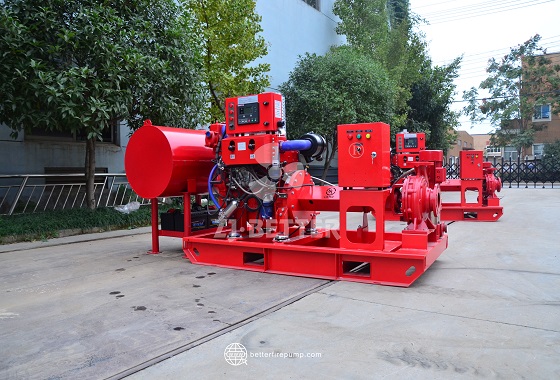
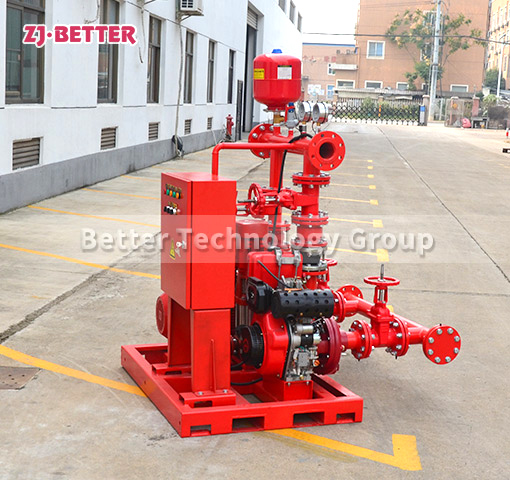
High-efficiency fire protection pressure stabilization systems have advantages such as stable pressure supply, rapid response, intelligent control, and energy-saving operation. They are widely used in sprinkler fire protection pipe network systems, effectively improving the stability of fire water supply and the fire safety guarantee capability of buildings.
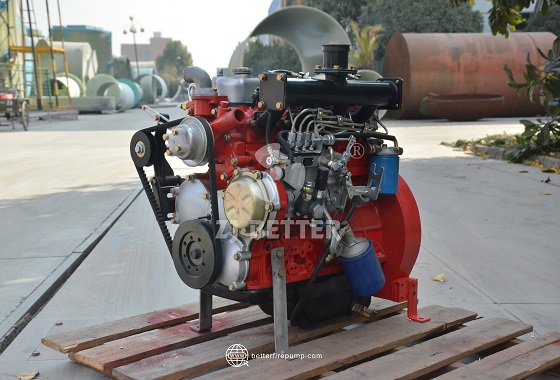
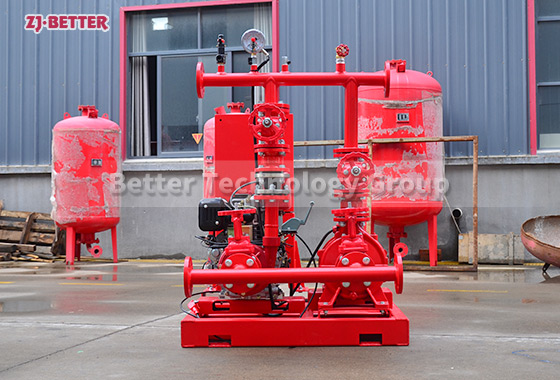
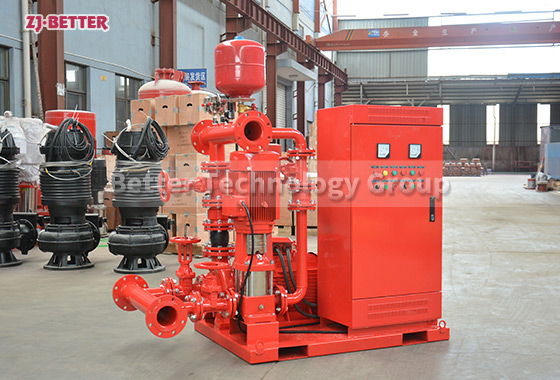
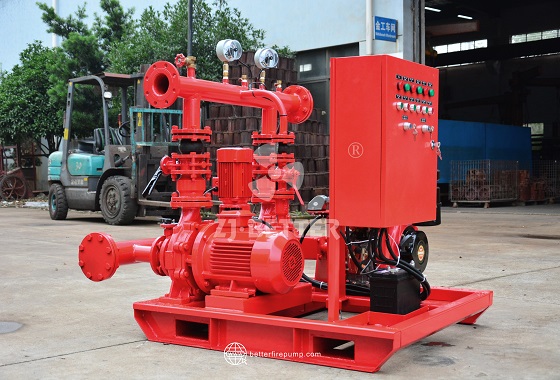
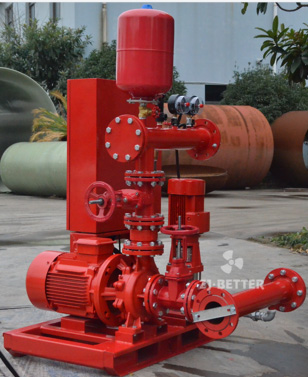
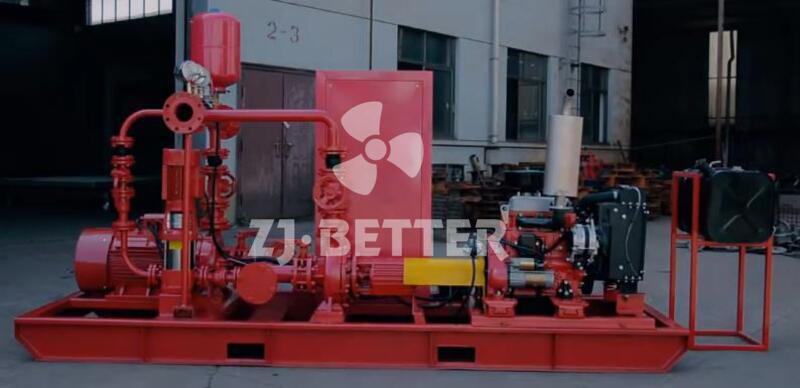
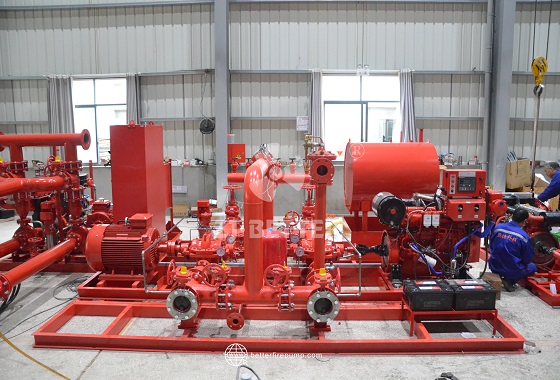
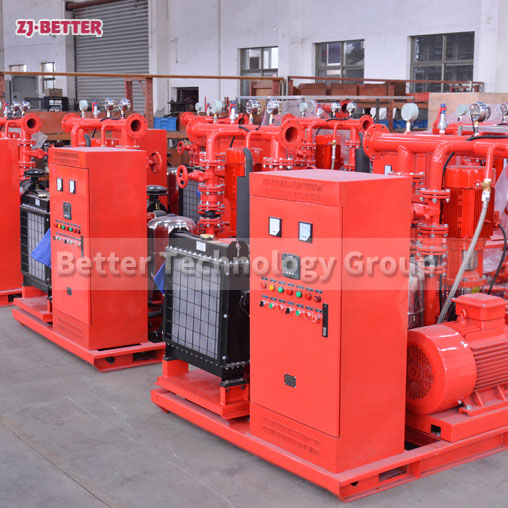
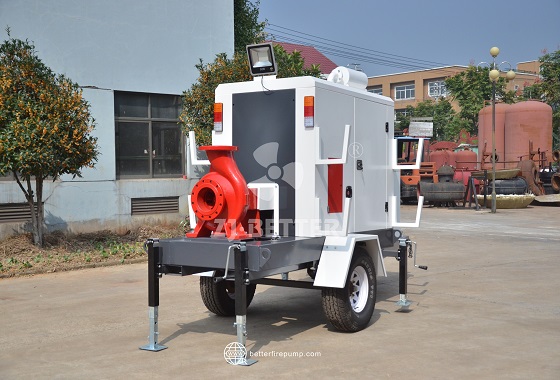
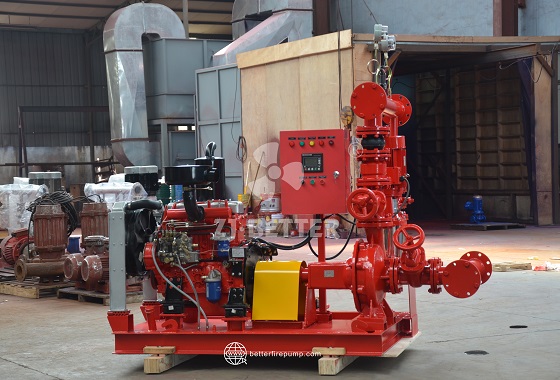
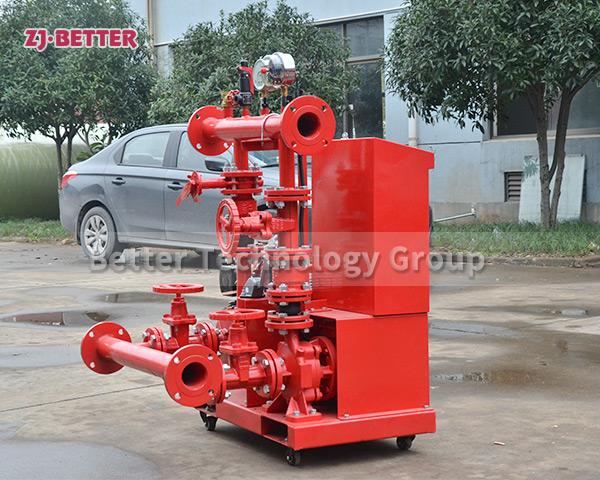
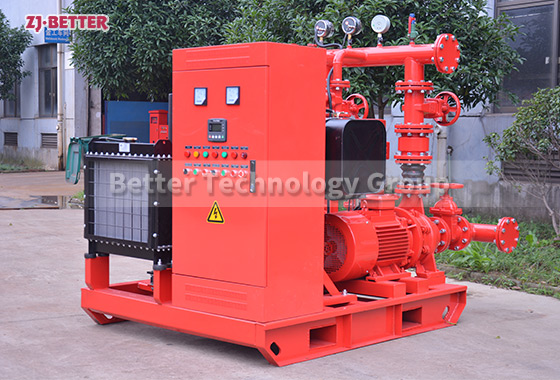
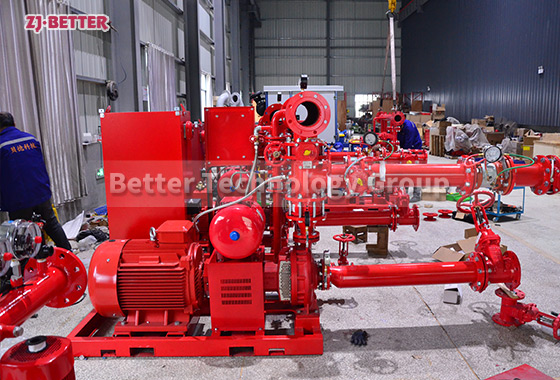
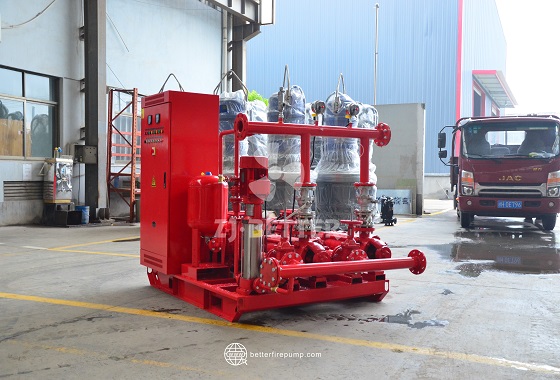
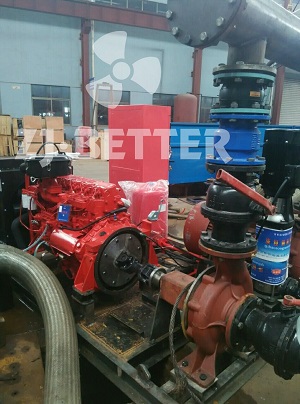
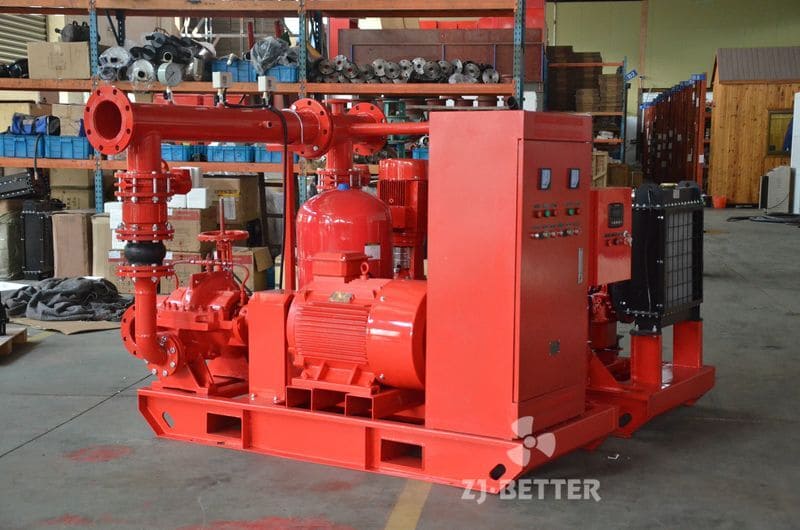
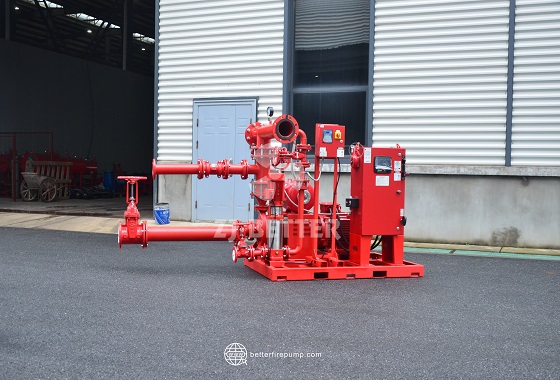
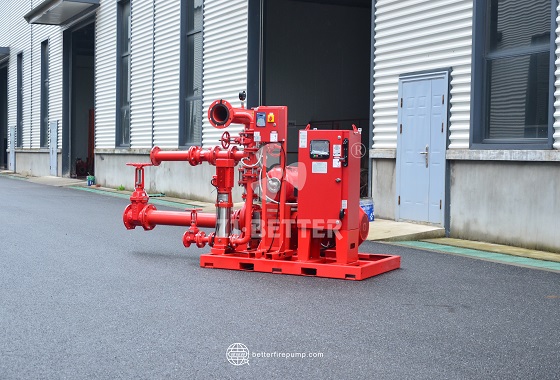
With the continuous expansion of modern building scale and the constant improvement of fire safety standards, the role of fire water supply systems in building safety is becoming increasingly important. Especially in high-rise buildings, large commercial complexes, industrial plants, warehousing and logistics centers, underground spaces, and public infrastructure, sprinkler systems have become indispensable fire protection facilities. The ability of a sprinkler system to quickly, stably, and continuously output extinguishing water in the early stages of a fire largely depends on whether the pressure of the fire pipeline network remains within a reasonable and stable range. If the pipeline pressure is insufficient, fluctuates excessively, or the response is delayed, the sprinkler system will fail to activate in time, or even result in insufficient water spray intensity, thus affecting fire control effectiveness. Therefore, a high-efficiency fire pressure stabilization system that can continuously and stably maintain the pressure of the fire pipeline network and quickly respond to pressure changes has become a core component of modern fire protection engineering. High-efficiency fire pressure stabilization systems, through advanced automatic control technology, a stable and efficient pressure supply structure, and intelligent operation modes, can effectively enhance the pressure stability performance of the sprinkler network, providing all-weather stable protection for building fire protection systems. This type of equipment not only solves the problems of large pressure fluctuations, frequent starts, and high energy consumption in traditional fire protection systems, but also comprehensively improves the safety, reliability, and operational efficiency of modern fire water supply systems. One of the most important functions of a high-efficiency fire sprinkler pressure stabilization system is to continuously maintain stable pressure in the sprinkler network. Under normal standby conditions, the pressure in the fire sprinkler network may gradually decrease due to temperature changes, minor valve leaks, or slight system seepage. Without continuous pressure replenishment from the pressure stabilization system, the network pressure will not be maintained within the design standard range, leading to slow sprinkler system response or even malfunction. The high-efficiency fire sprinkler pressure stabilization system automatically monitors network pressure changes and quickly activates the pressure stabilizing pump to replenish water and boost pressure when the pressure drops to a set value. It automatically stops operating after the pressure recovers, ensuring the entire fire sprinkler network remains in a stable standby state. This automatic pressure stabilization mechanism effectively avoids frequent starts of the main fire pump, significantly improving the overall operational stability of the fire protection system. Stable pressure supply performance is one of the core advantages of the high-efficiency fire sprinkler pressure stabilization system. The equipment adopts optimized hydraulic design and a high-efficiency centrifugal pump structure, enabling continuous and stable pressure output with low energy consumption. Through precise design of the impeller structure and flow channel layout, energy loss during fluid transport is reduced, allowing the system to maintain network pressure more smoothly. Regardless of changes in building height, increases in pipeline length, or fluctuations in water usage in localized areas, the system can quickly adjust its pressure supply, preventing pressure fluctuations from affecting the sprinkler system. Stable pressure output not only improves sprinkler fire suppression efficiency but also effectively extends the service life of pipelines, valves, and sprinkler heads. Rapid response capability is a crucial technical indicator of modern fire-fighting pressure stabilization systems. In the event of a fire, the sprinkler system needs to activate and establish an effective fire-fighting water flow within a very short time; therefore, the pipeline pressure response speed is critical. High-efficiency fire-fighting pressure stabilization systems are equipped with highly sensitive pressure detection devices and intelligent automatic control modules, enabling real-time monitoring of the pipeline’s operating status. Once an abnormal pressure drop is detected, the system immediately activates the pressure stabilization equipment and quickly restores pressure balance. Compared to traditional manual adjustment methods, automated pressure stabilization systems offer faster response and more precise control, significantly improving the fire-fighting efficiency of the system in the early stages of a fire. This high-response performance is particularly suitable for large commercial buildings, high-rise residential buildings, and densely populated areas, providing more reliable protection for fire safety. The application of intelligent automatic control technology further enhances the operational reliability of high-efficiency fire-fighting pressure stabilization systems. Modern fire protection engineering increasingly emphasizes intelligent management. Firefighting equipment must not only possess stable performance but also real-time monitoring, self-diagnosis, and remote management capabilities. High-efficiency fire protection pressure stabilization systems are equipped with digital control platforms that can display pressure parameters, operating status, current and voltage, and equipment operation records in real time. They can also automatically analyze operating data and dynamically optimize control logic. When the system detects abnormal conditions, such as abnormal pressure, overload operation, motor overheating, or abnormal water supply, it can immediately issue an alarm and activate protection procedures, effectively preventing equipment damage. Some systems also support remote network control, allowing connection to the fire control center for centralized monitoring and remote management, further improving building fire management efficiency. Energy-saving operation is one of the key advantages of high-efficiency fire protection pressure stabilization systems. Traditional fire protection pressure stabilization equipment, due to outdated control methods, often suffers from frequent starts, prolonged no-load operation, and energy waste. Modern high-efficiency fire protection pressure stabilization systems, however, employ advanced energy-saving motors and intelligent frequency conversion control technology, automatically adjusting the operating frequency according to actual pressure demand to achieve precise pressure supply. The system automatically reduces energy consumption under low-load conditions, significantly reducing power consumption while ensuring pressure stability. For fire protection systems that operate on standby for extended periods, this energy-saving design not only reduces operating costs but also aligns with the development trends of modern green buildings and low-carbon engineering. Compact structure and flexible installation are also key features of the high-efficiency fire protection pressure stabilization system. Modern buildings have limited space in their equipment rooms, requiring efficient deployment of fire protection equipment within a small area. The high-efficiency fire protection pressure stabilization system adopts an integrated modular design, highly integrating the pressure stabilizing pump, control cabinet, pressure tank, and piping system onto a unified platform, effectively reducing floor space and simplifying the installation process. The equipment undergoes overall commissioning before leaving the factory, and upon arrival at the site, only the inlet and outlet water pipes and power supply need to be connected for rapid deployment, significantly shortening the construction cycle. This modular design not only improves installation efficiency but also facilitates later maintenance and system expansion. Continuous and stable operation is crucial for the long-term reliable operation of the fire protection pressure stabilization system. While fire protection systems are mostly on standby, they must be able to be deployed immediately in emergencies, thus requiring extremely high equipment reliability. The high-efficiency fire protection pressure stabilization system uses high-quality motors, reinforced bearing structures, and wear-resistant sealing components, effectively reducing mechanical wear and extending equipment life. Optimized heat dissipation structures ensure that the equipment maintains a stable temperature even during prolonged operation. The pressure tank features a pressure-resistant and corrosion-resistant design, enabling long-term stable storage of pressure energy and maintenance of system balance. Even under continuous high-intensity operating conditions, the equipment maintains stable output, ensuring the fire protection system is always in optimal working condition. Its low-noise and low-vibration operating characteristics make the high-efficiency fire protection pressure stabilization system more suitable for modern building environments. Through precise dynamic balancing and vibration-damping structural design, the equipment effectively reduces operating noise and mechanical vibration. Especially in residential buildings, hospitals, hotels, and office buildings where environmental comfort is paramount, its quiet and stable operation minimizes the impact on the building’s internal environment. In terms of applications, the high-efficiency fire protection pressure stabilization system is widely used in various fire protection projects, including high-rise residential buildings, commercial complexes, industrial plants, warehousing and logistics centers, underground parking garages, hospitals, schools, airports, subway stations, and public buildings. Whether for sprinkler systems, fire hydrant systems, or foam extinguishing systems, this equipment provides stable and reliable pressure assurance. Its stable pressure supply and rapid response advantages are particularly prominent in complex piping networks and large-area building projects. With the continuous development of smart fire protection technology, high-efficiency fire protection pressure stabilization systems are gradually integrating IoT, big data analytics, and predictive maintenance functions to achieve more intelligent and automated operation and management. In the future, this type of equipment will play an even more important role in modern fire safety systems. Overall, high-efficiency fire protection pressure stabilization systems effectively enhance the pressure stability of sprinkler networks due to their advantages such as continuous and stable pressure supply, rapid automatic response, intelligent control and management, energy-efficient operation, and compact and flexible structure. They not only improve the overall fire extinguishing efficiency of fire protection systems but also significantly enhance the fire safety level of modern buildings, providing more reliable fire water supply support for various buildings and industrial facilities.