Home » Fire Pump Set » ED Fire Pump Set Installation Guide

ED Fire Pump Set Installation Guide

Flow: 30-9000GPM
Head: 3-20Bar
Speed: 740-2900r/min
Frequency: 50 HZ or 60 HZ

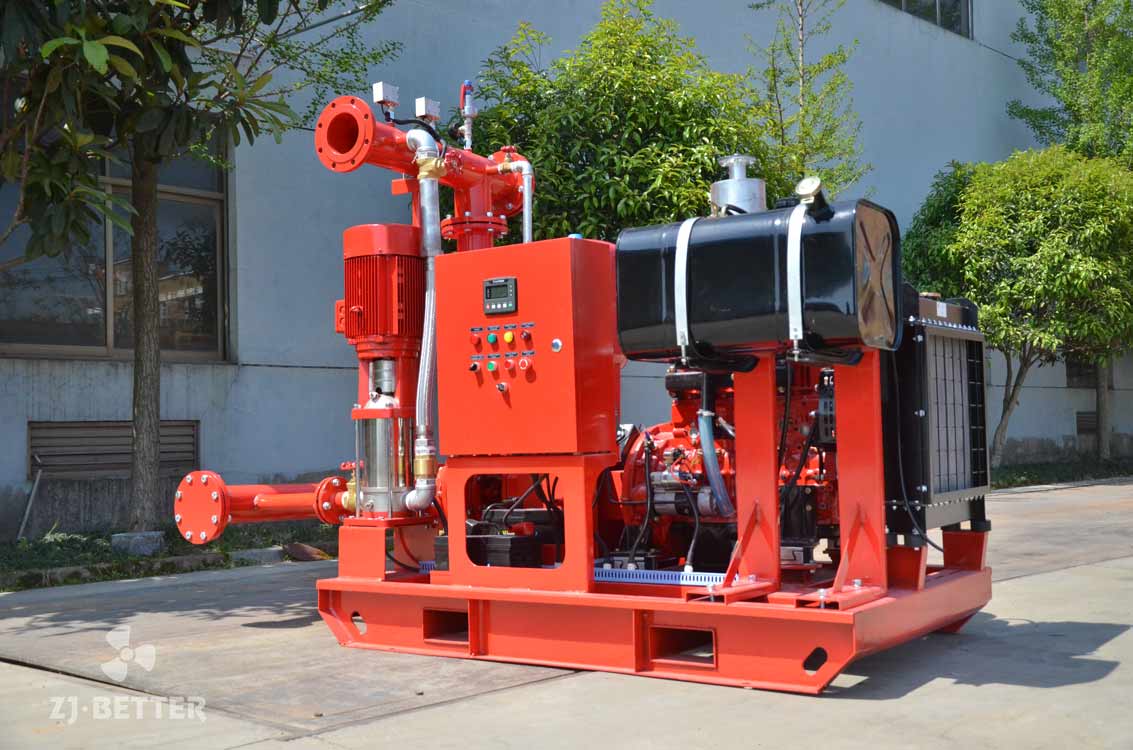
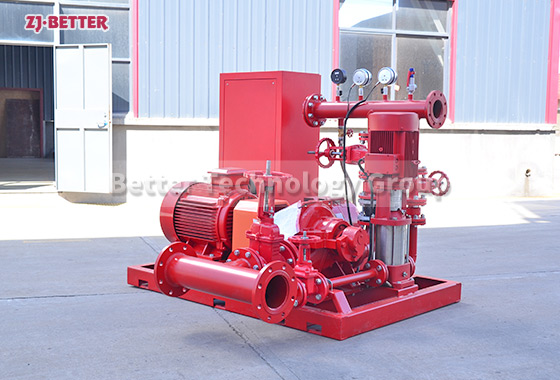
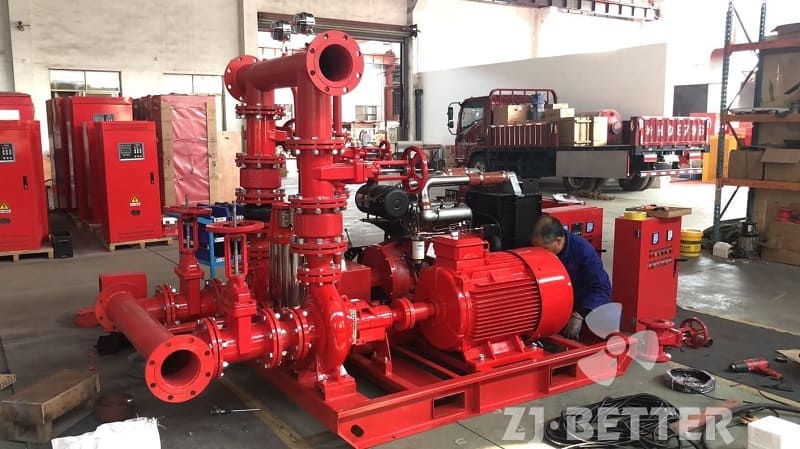
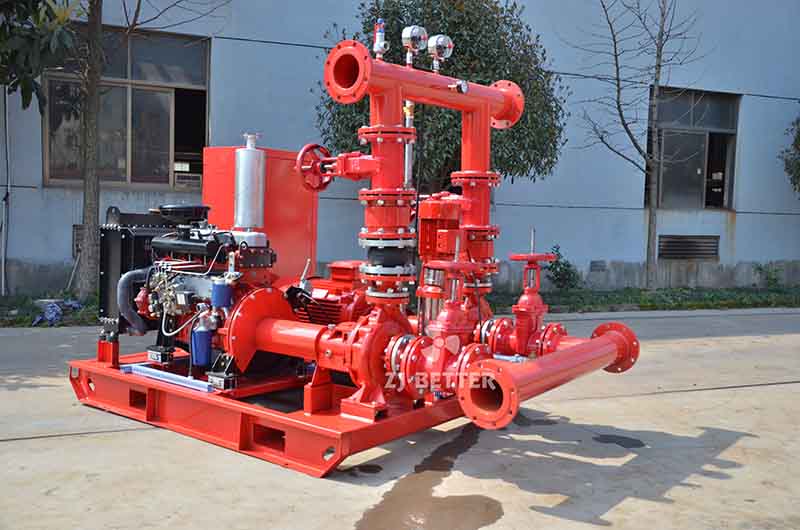
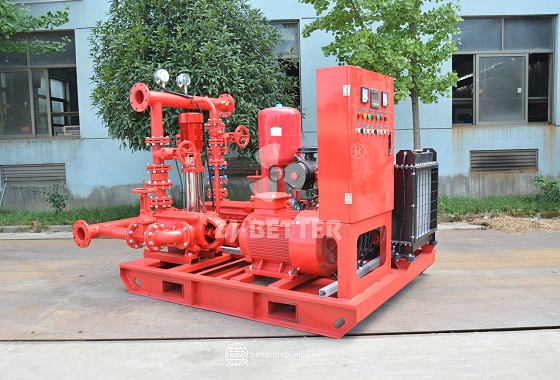
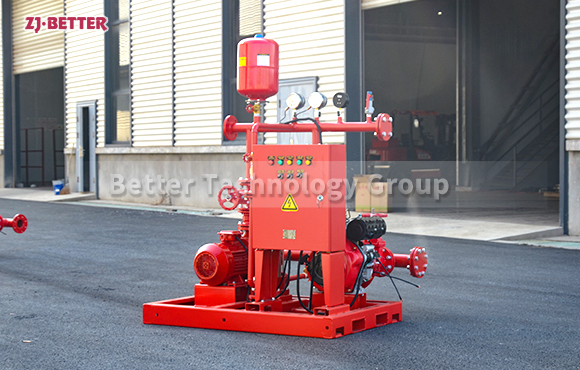
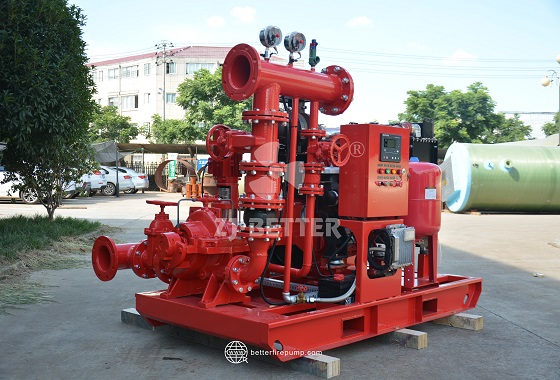
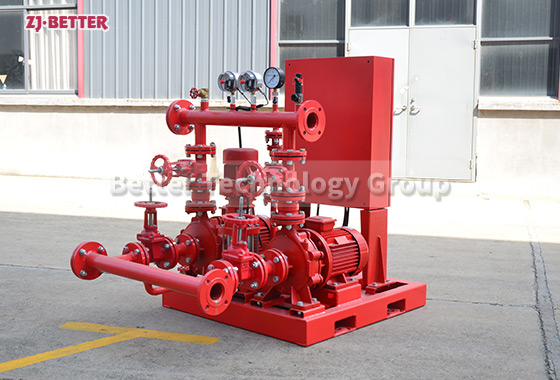
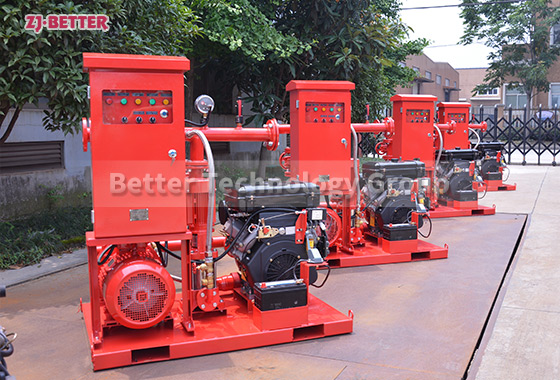
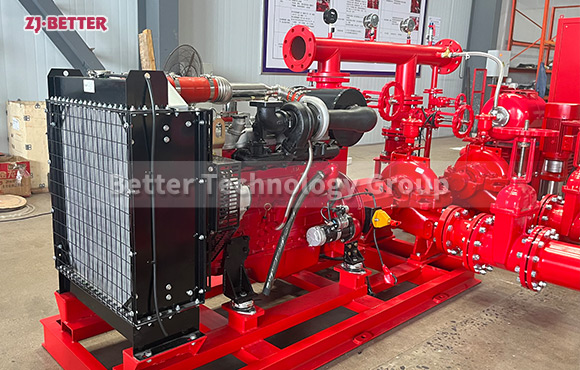
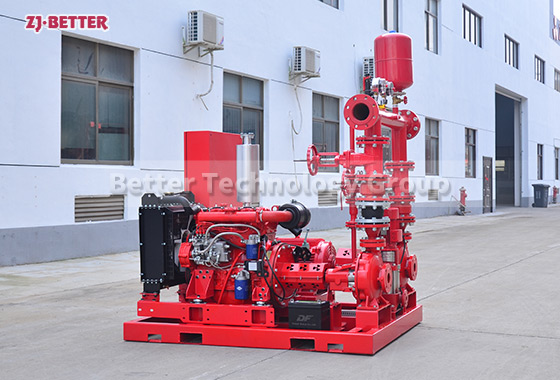
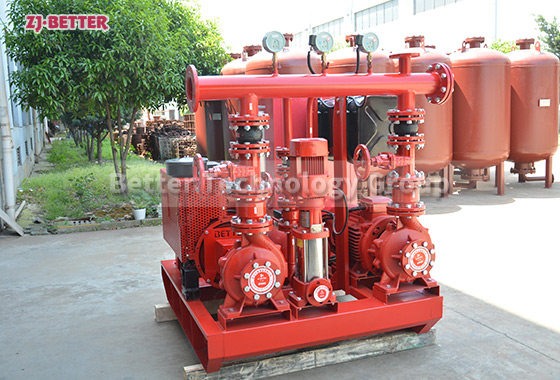
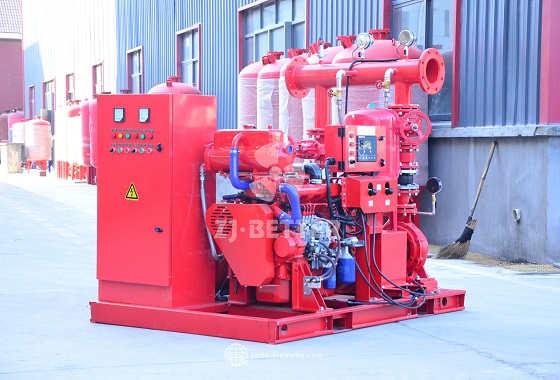
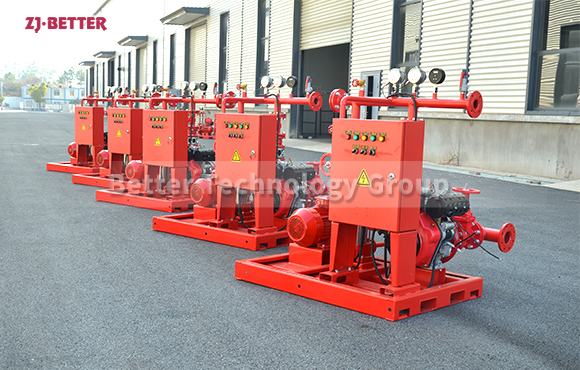
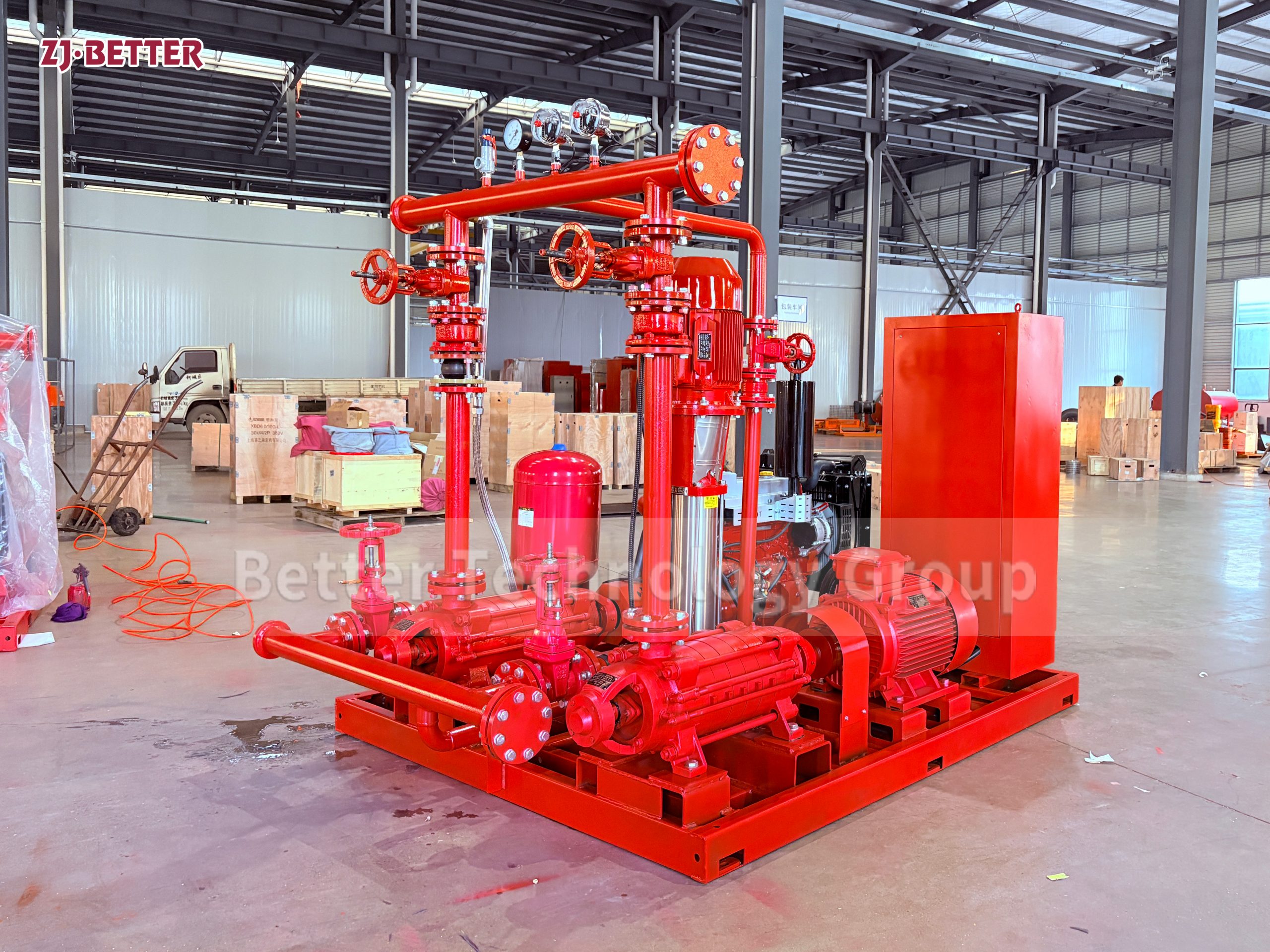
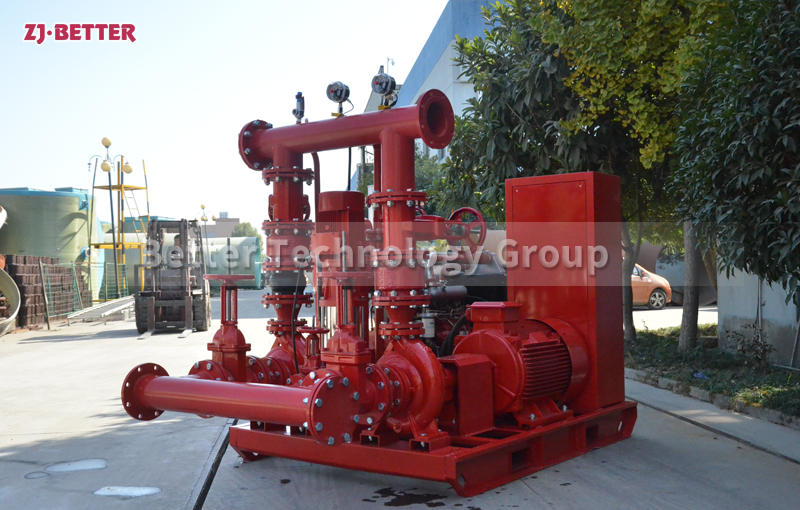
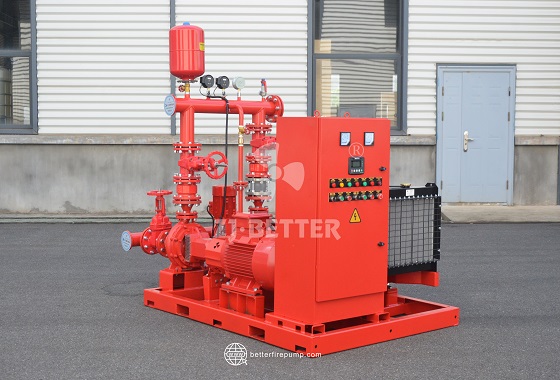
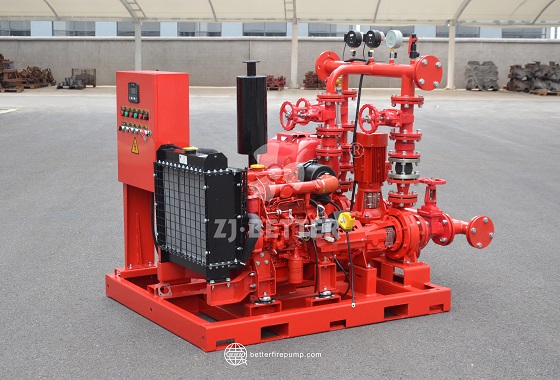
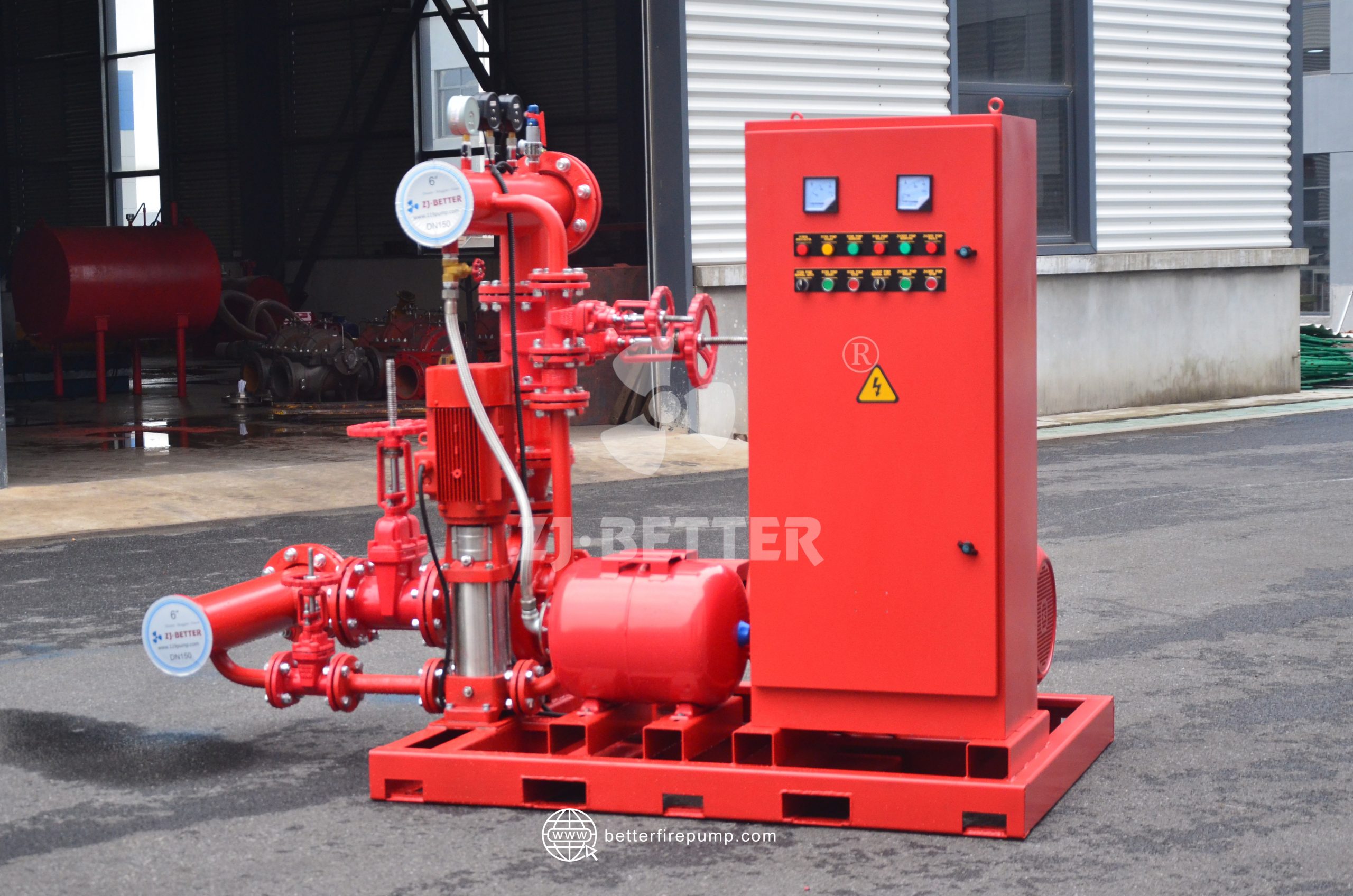
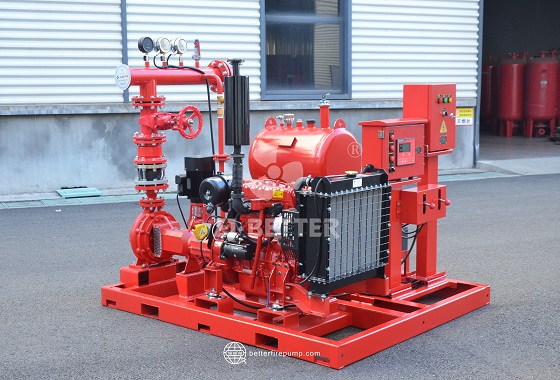
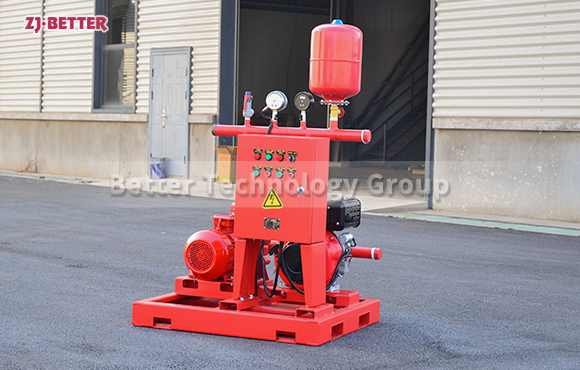
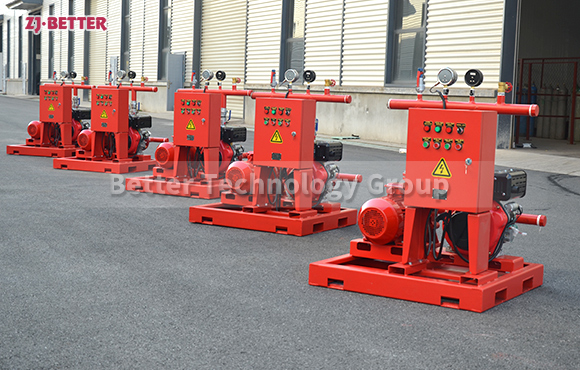
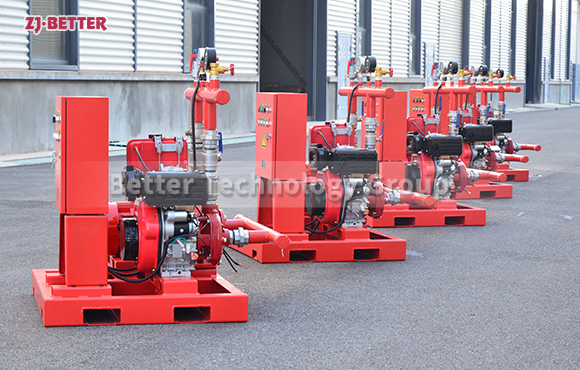
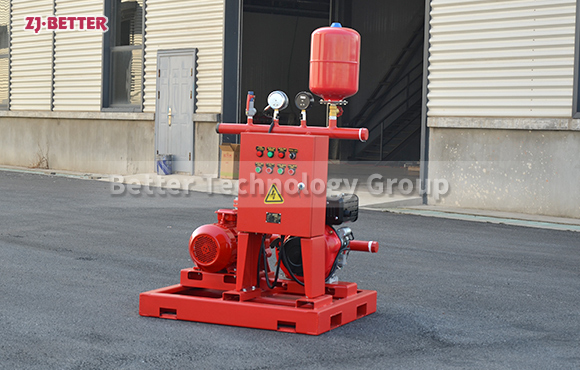
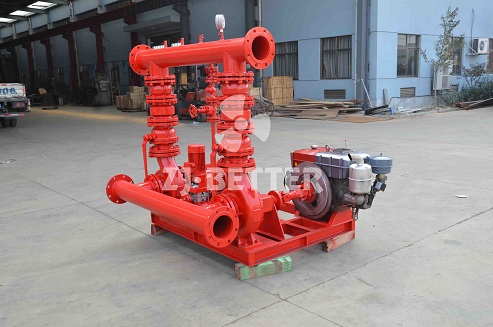
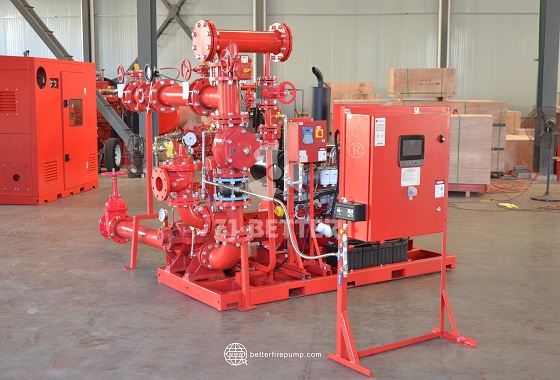
The ED Fire Pump Set combines electric and diesel engine pumps to ensure uninterrupted fire protection and a reliable water supply.

Rated 4.6/5 based on 308 customer reviews
Share:
Content

The ED Fire Pump Set combines electric and diesel engine pumps to ensure uninterrupted fire protection and a reliable water supply.

In various fields, our products find applications in large hotels, hospitals, schools, office buildings, supermarkets, commercial residences, subway stations, train stations, airports, various transportation tunnels, petrochemical plants, thermal power plants,oil storage tanks, large warehouses, industrial and mining enterprises, seawater injection, etc.

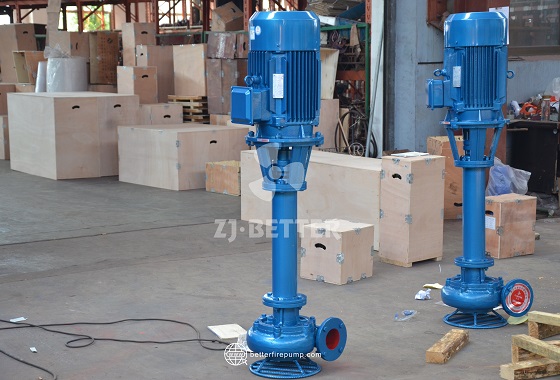
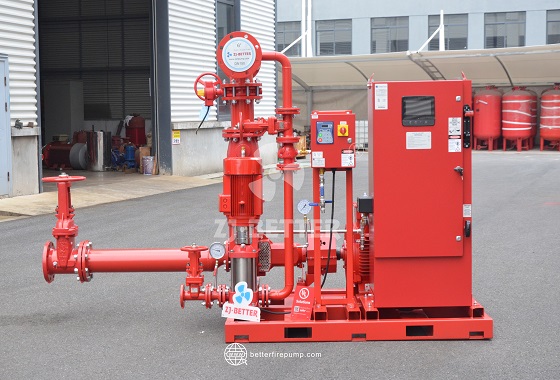
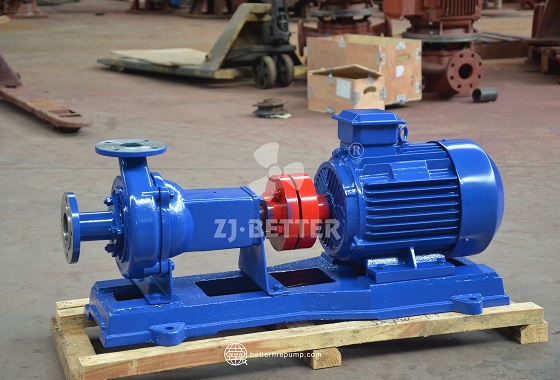
Types of pumps used for fire service include: End Suction Pump,  Split Case Pump, Vertical Inline Pump and Vertical Turbine Pump.

1. Electric motor driven pump, can use single stage pump, horizontal split case pump, end suction pump,multistage pump.

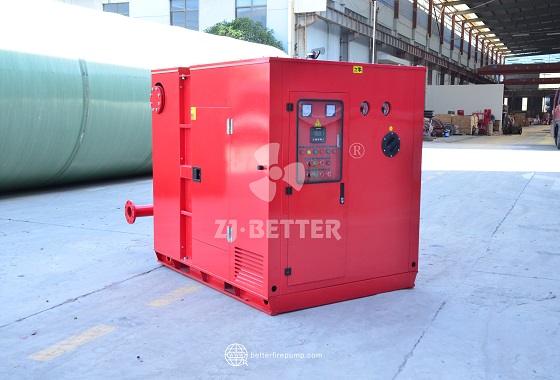
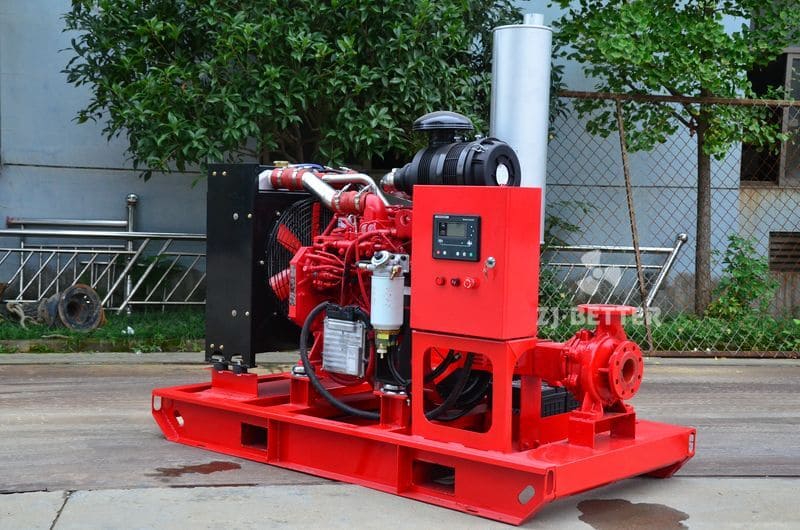
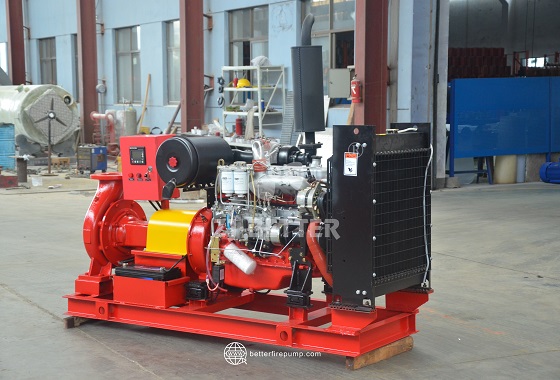
2.Diesel engine pump, with capacity and head equal to electric pump, with fuel tank, water tank, fan,control box.

3. Control panel: Auto Control of electric pump, diesel engine pump and Jockey Pump with overload, over current protection.

Ensure continuous fire protection with the ED Dual-Power Fire Pump System. Combining the reliability of electric and diesel engine pumps, this innovative system guarantees uninterrupted water supply for enhanced safety in critical fire scenarios.
Inquiry


    More Fire Pump Set

    There are many types of fire-fighting equipment, fire hydrants and fire extinguishers are a common category, and there is also a category of fire pumps, which can be described as the heart of the fire-fighting system and play an important role in pressurising the water supply for the fire-fighting system. Among the many fire pump products, fire pumps can be divided into multi-stage and single-stage fire pumps.

    Multi-stage pumps have high efficiency, corrosion resistance, reliable operation and other properties, strong bearing capacity of the pump body, strong resistance to overload and more sensitive start. Ltd. introduces you to the relevant features of multi-stage pumps. First of all, Shanghai Xizhiquan multi-stage pumps have a compact structure, with small spacing between parts and small volume. The equipment runs smoothly, has a long service life and produces less vibration during operation, so the practical life of the equipment is correspondingly long.

    With its unique structure, the direction of the water inlet and outlet can be adjusted according to different needs, so it is suitable for various place environments. The direction of the inlet and outlet is horizontal, which reduces the number of bends in the pipeline connection, thus simplifying the pipeline connection and greatly enhancing the efficiency of the fire fighting system.

    The efficient operation of the multistage pump is used in many larger, more demanding fire-fighting locations. Its role is mainly to play a role in the fire fighting pipeline system to pressurise and send water, multi-stage pumps are not only suitable for all kinds of fire fighting systems, but also for industrial drainage, high-rise building water pressure supply, long-distance water delivery, water circulation pressure and other occasions.

    Using a fire pump efficiently and reasonably is crucial to ensure its optimal performance and effective firefighting capabilities. Here are some key considerations for using a fire pump efficiently:

    Proper Sizing: Ensure that the fire pump is properly sized for the specific application.

    Regular Maintenance: Perform regular maintenance on the fire pump to keep it in optimal condition.

    Optimal Operating Speed: Operate the fire pump at the optimal speed based on the required flow rate and pressure.

    Water Management: Manage the water supply efficiently to avoid unnecessary waste.

    Training and Familiarization: Provide training to firefighters and operators on the proper operation of the fire pump.

    Monitoring and Control: Utilize monitoring and control systems to optimize pump operation. These systems can provide real-time information on flow rates, pressures, and energy consumption. Use this data to adjust operating parameters as needed and identify any anomalies or inefficiencies that may require attention.

    Shut Down When Not in Use: When the fire pump is not actively needed, consider shutting it down to conserve energy and reduce wear on the equipment.

    Record Keeping: Maintain records of pump operation, maintenance activities, and any performance issues.

    Efficient and reasonable use of a fire pump not only helps conserve resources but also ensures its readiness to combat fires effectively. By following proper operating procedures, conducting regular maintenance, and promoting a culture of efficiency among operators, the fire pump can operate optimally and provide reliable firefighting capabilities when needed most.