Smart Fire Water System with Automatic Monitoring and Control
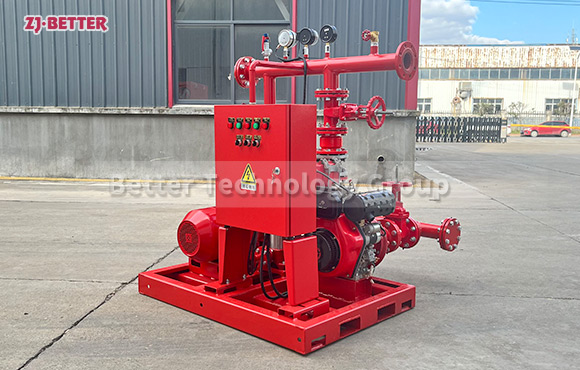
Smart fire water supply system with intelligent control for automatic monitoring, pressure regulation and reliable operation. Designed for high-rise buildings, industrial facilities and commercial projects, ensuring efficient, energy-saving and stable firefighting water supply with remote management capability.
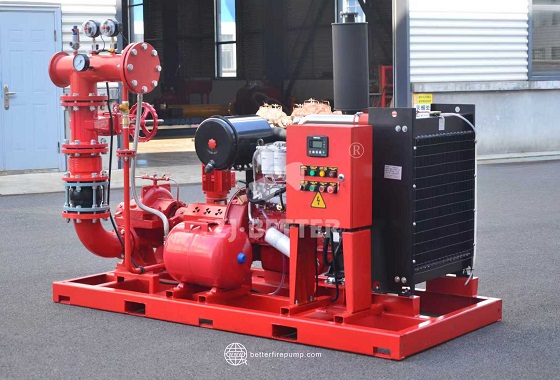
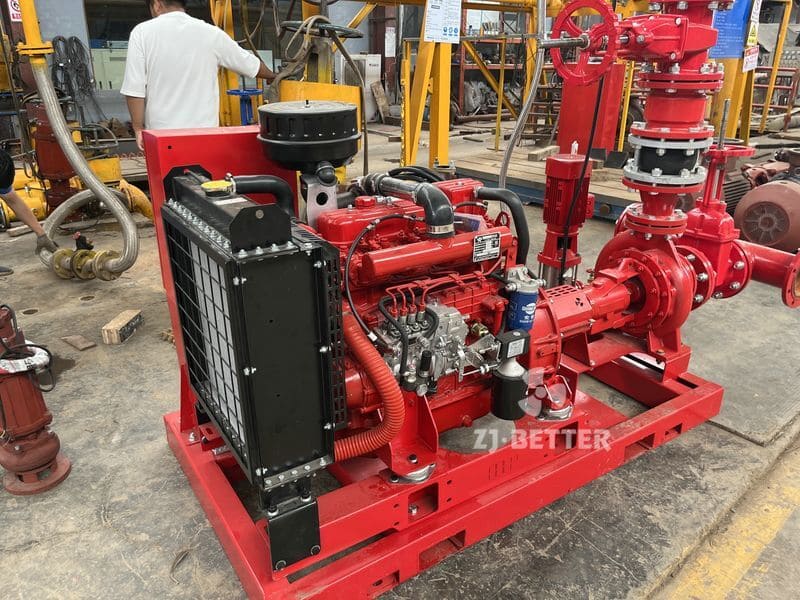
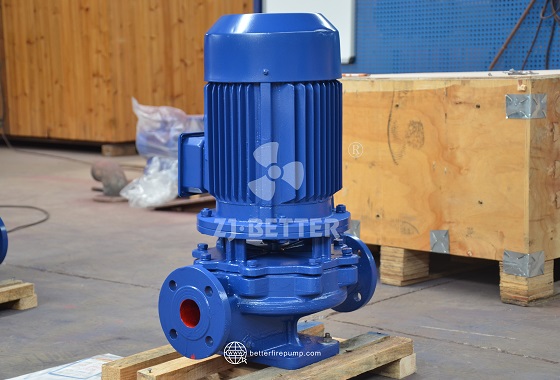
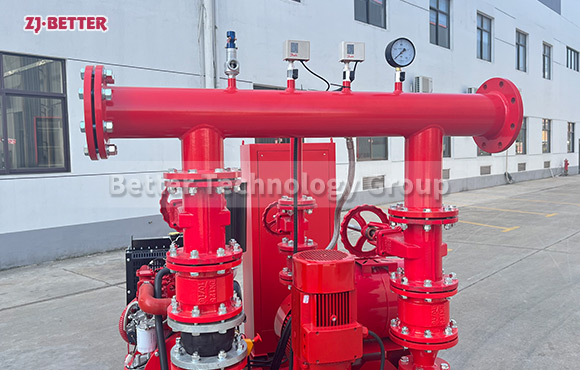
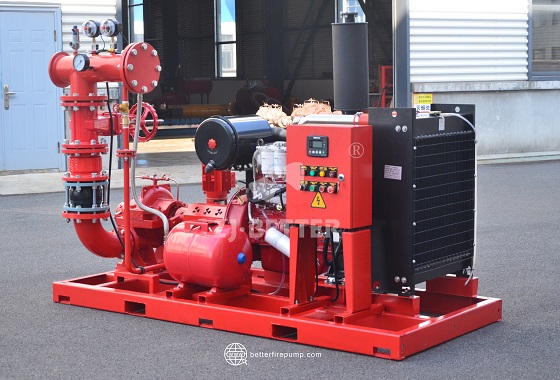
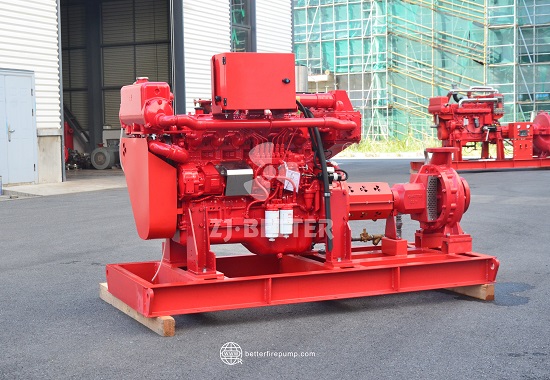
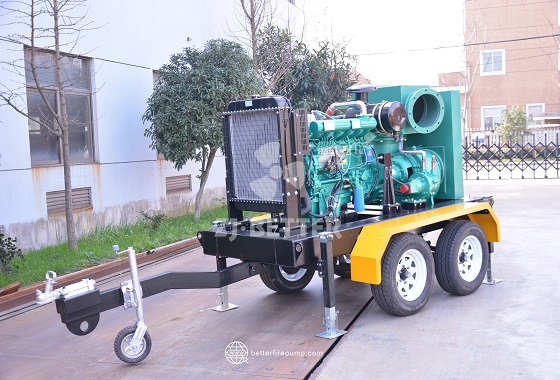
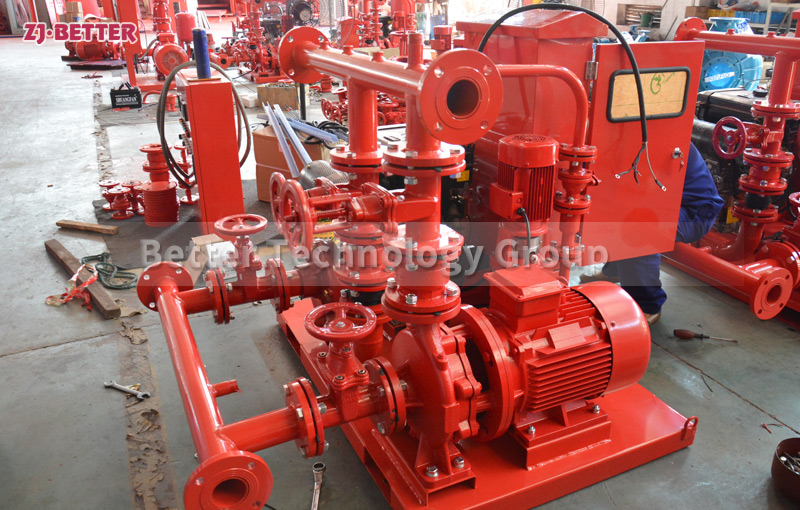
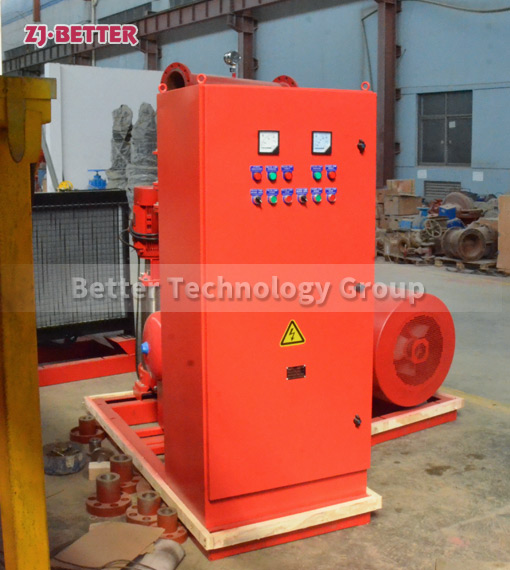
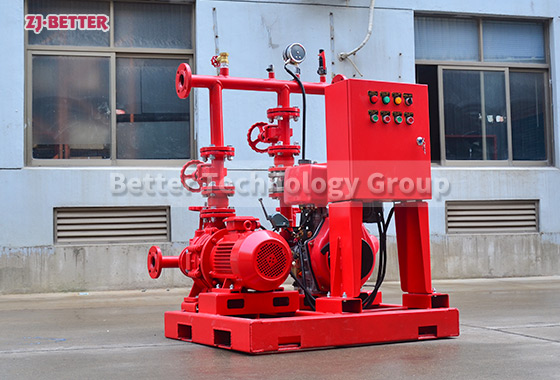
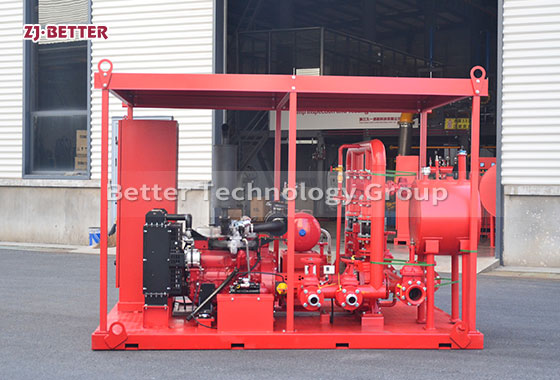
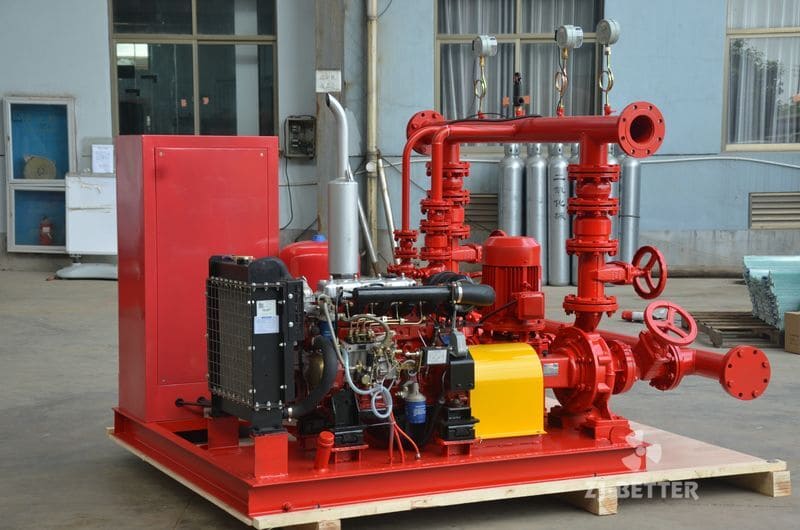
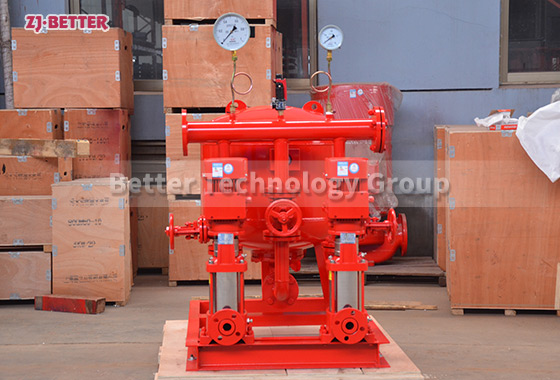
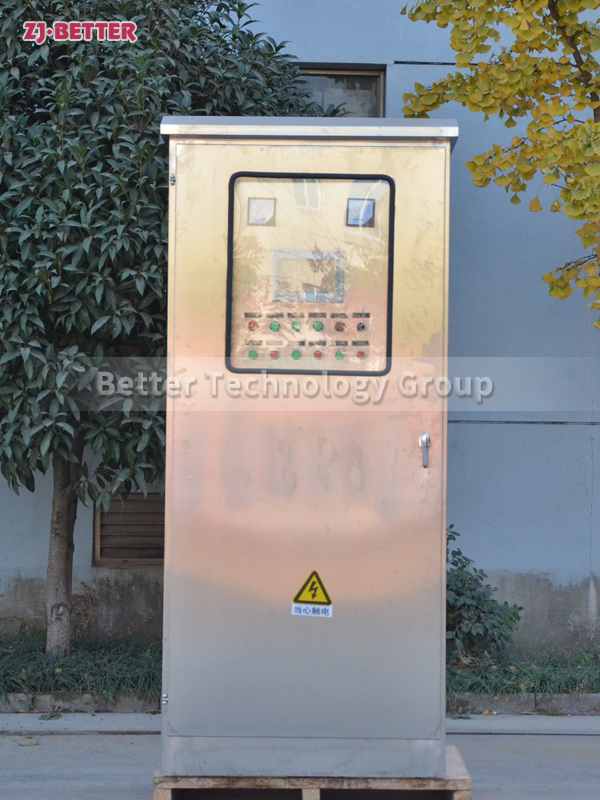
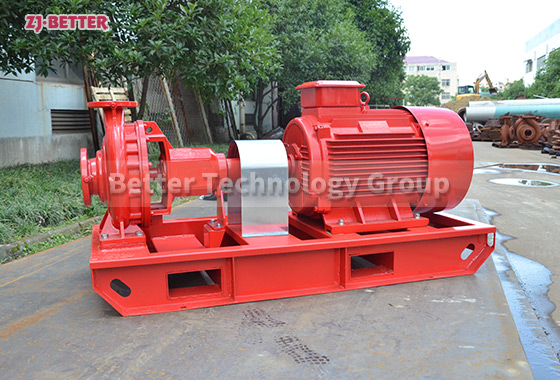
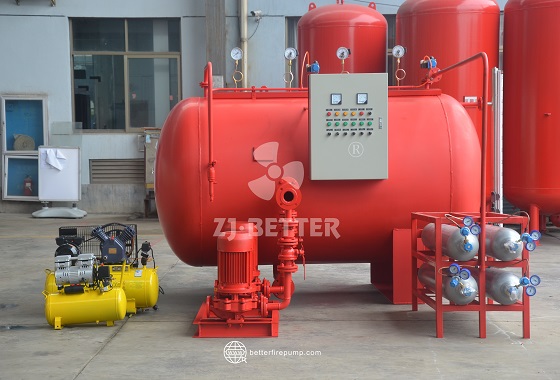
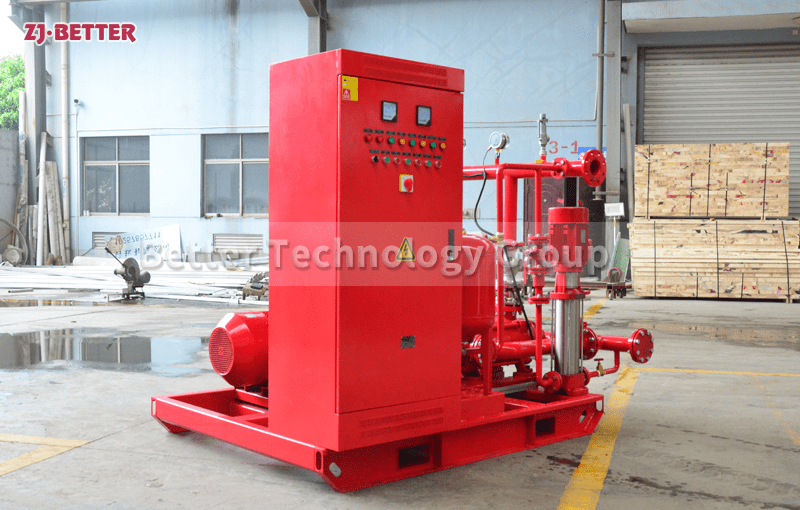
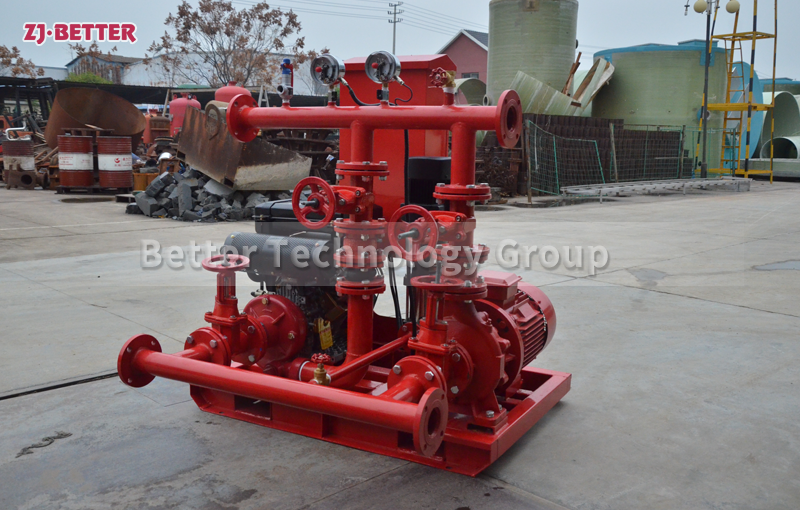
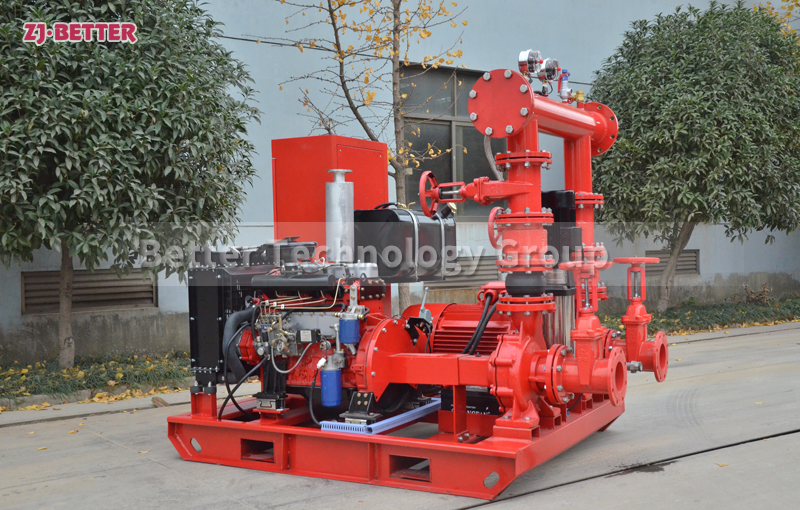
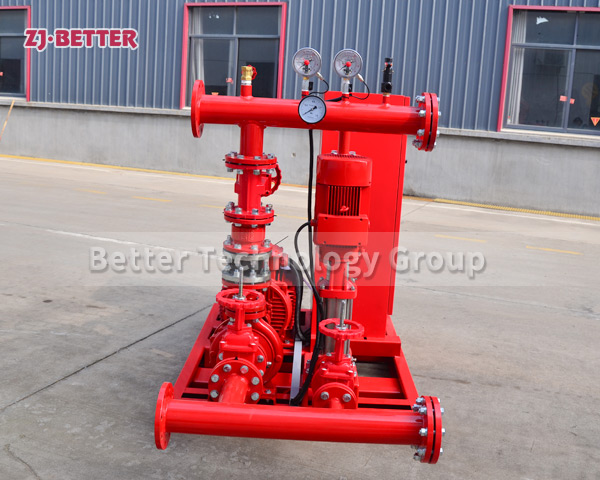
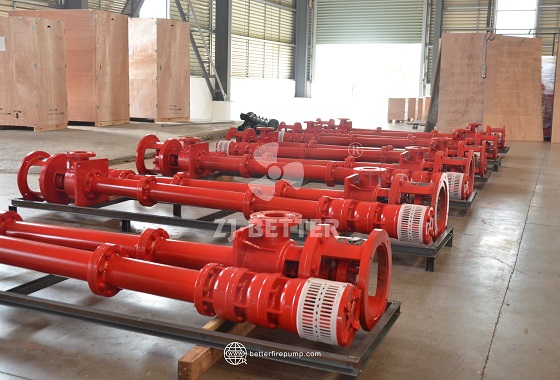
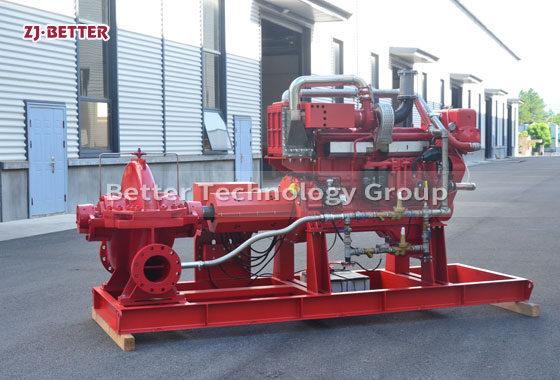
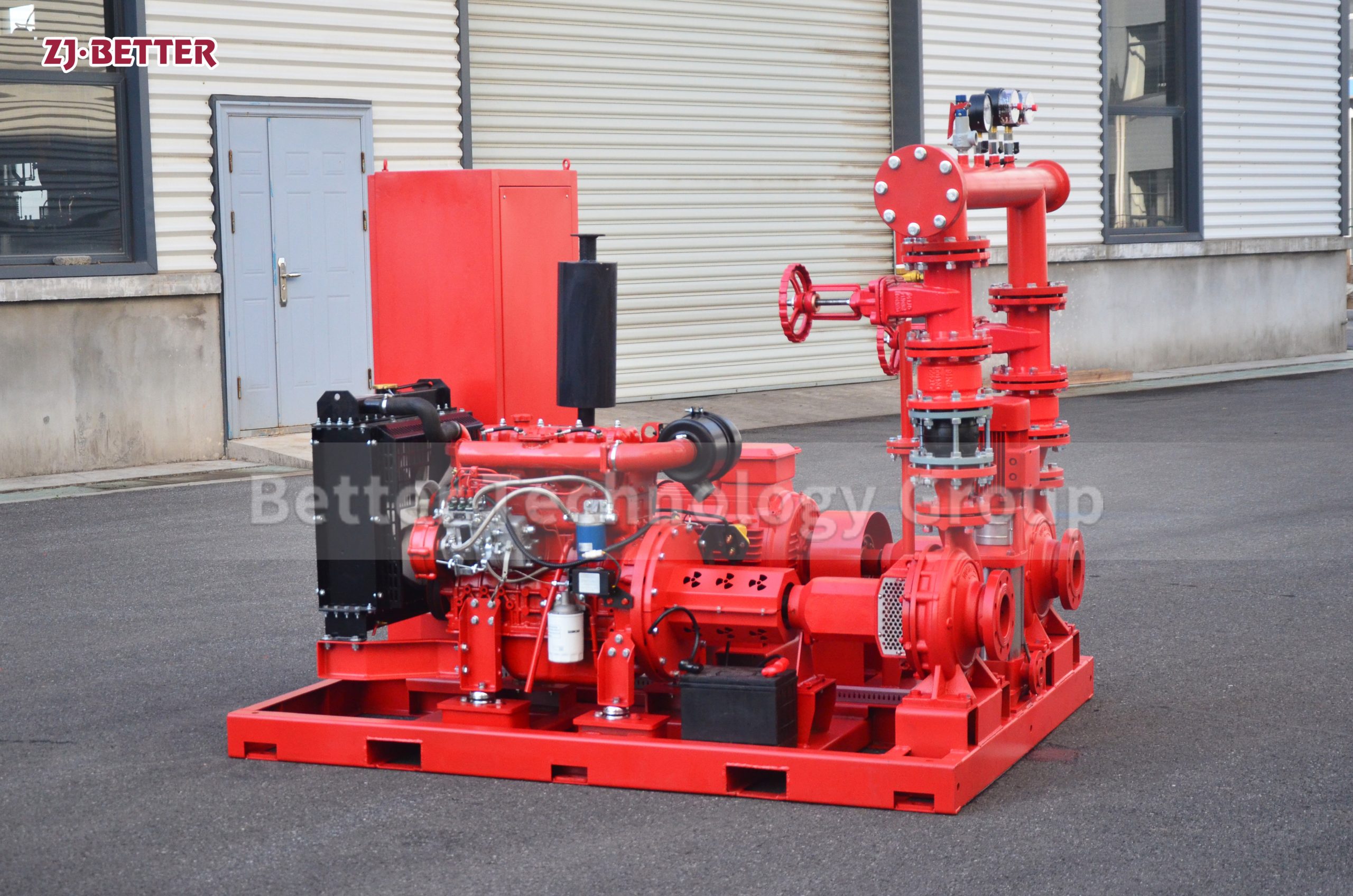
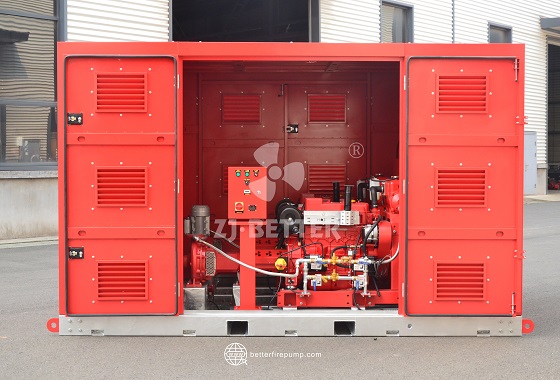
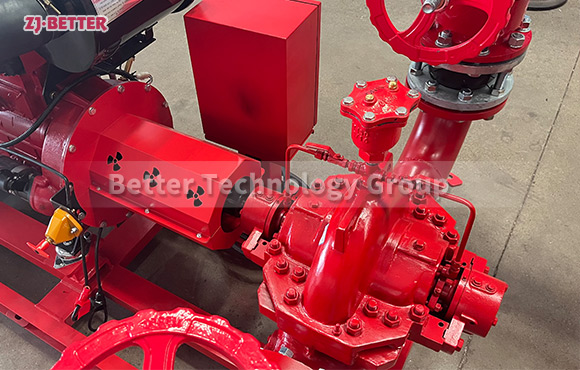
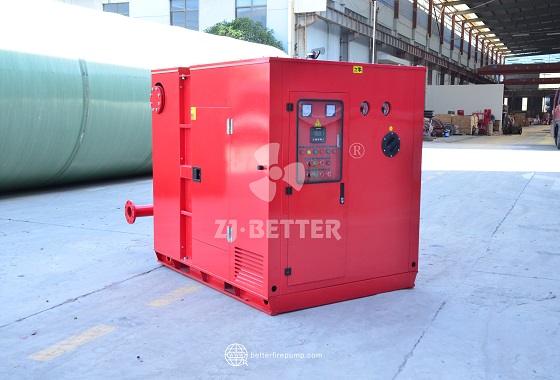
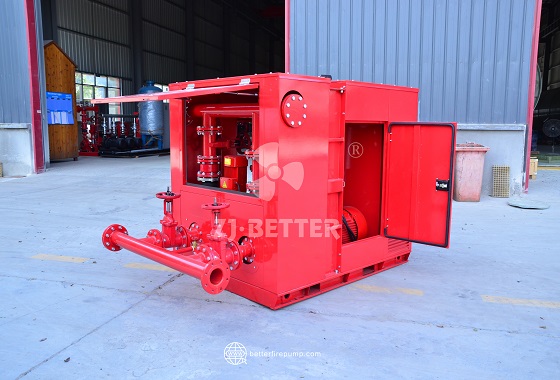
Intelligent control fire water supply systems, enabling automatic monitoring and regulation, represent a significant advancement in the integration and automation of modern fire protection engineering. By organically combining high-performance fire pumps, pressure sensing systems, flow monitoring devices, and intelligent control units, they construct a comprehensive fire water supply solution with real-time monitoring, automatic response, and remote management capabilities. This solution is widely used in high-rise buildings, commercial complexes, industrial plants, warehousing and logistics centers, data centers, and municipal infrastructure—places with extremely high fire safety requirements. During operation, the system continuously monitors changes in pipeline pressure and flow, as well as equipment operating status. When the system detects a pressure drop or an anomaly, it automatically activates the fire pumps to replenish water or increase pressure within a very short time, ensuring the fire water supply system remains readily available and significantly improving response speed and firefighting efficiency in the event of a fire. Structurally, intelligent control fire water supply systems typically consist of a main fire pump, a standby pump, a pressure-stabilizing pump, a pressure tank, and a control cabinet. Through a rational system configuration, it achieves tiered water supply and pressure maintenance functions, ensuring that the system provides water in the absence of fire. The main pump maintains pipeline pressure, avoiding frequent start-stop cycles of the main pump, thereby reducing energy consumption and extending equipment lifespan. In the event of a fire or a sudden surge in water demand, the main pump quickly starts and assumes the primary water supply task. Simultaneously, the backup pump automatically activates in case of main pump failure or insufficient flow, forming a multi-layered protection mechanism to ensure the continuity and stability of the water supply system. In terms of performance, the fire pumps used in this system typically feature high-efficiency hydraulic design, maintaining stable output under various operating conditions. Their impellers and flow channels are optimized to effectively reduce hydraulic losses and improve overall efficiency, allowing the equipment to maintain low energy consumption even during long-term operation. The pump bodies are mostly made of high-strength cast iron or stainless steel, possessing excellent corrosion resistance and wear resistance, adapting to complex water quality environments and extending service life. Regarding the control system, its core advantage lies in its high level of intelligence. The control cabinet adopts advanced control modules and a human-machine interface design, enabling multiple control modes, including automatic, manual, and remote control. Operation is simple and intuitive, facilitating quick mastery by management personnel. Simultaneously, the system has comprehensive data acquisition and analysis functions, capable of recording equipment operating parameters in real time. The system performs trend analysis to provide data support for later maintenance and optimization. In terms of remote management, the system can connect to a monitoring platform via a communication interface to achieve remote monitoring and control. Management personnel can understand the equipment’s operating status and operate it without going to the site, significantly improving management efficiency. Regarding safety, the system is equipped with multiple protection functions, such as overload protection, overvoltage protection, water shortage protection, phase sequence protection, and equipment fault alarms. These can take timely protective measures in abnormal situations to avoid equipment damage and ensure safe system operation. In terms of energy saving, through intelligent adjustment of operating modes and optimized control logic, the system maintains high efficiency under different load conditions, reducing unnecessary energy waste. Especially when using variable frequency control technology, the pump’s operating speed can be dynamically adjusted according to actual needs, thereby achieving more refined energy consumption management. In terms of installation and maintenance, intelligent control fire water supply systems typically adopt a modular design concept with standardized interfaces between components. The installation process is simple and quick, effectively shortening the construction cycle. At the same time, the system’s reasonable structural layout facilitates daily inspection and maintenance, reducing maintenance difficulty and costs. In practical applications, this system not only meets conventional fire protection needs but also adapts to complex working conditions and changing environments. For example, in large industrial facilities, the system needs to operate continuously for extended periods and handle high water loads. The intelligent control system can ensure stable equipment operation by adjusting the operating status in real time. In high-rise buildings, due to the greater water supply height, the pressure stability requirements are extremely high. The intelligent control system can achieve stable pressure supply through precise adjustment, ensuring the normal use of fire protection facilities on each floor. Looking at future development trends, with the continuous advancement of IoT and intelligent technologies, fire water supply systems will further develop towards digitalization and intelligence. By combining with big data platforms, more accurate predictive maintenance and intelligent scheduling can be achieved, thereby further improving system operating efficiency and safety levels. In summary, the intelligent control fire water supply system, through high integration and intelligent management, not only significantly improves the reliability and response speed of fire water supply but also demonstrates significant advantages in energy saving, maintenance, and management. It is an indispensable and important component of modern fire protection engineering, providing a solid and reliable fire safety guarantee for various buildings and industrial facilities.