Heavy Duty Horizontal Fire Pump for Critical Fire Protection Systems
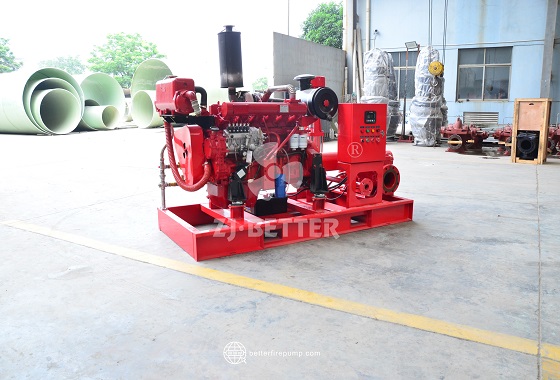
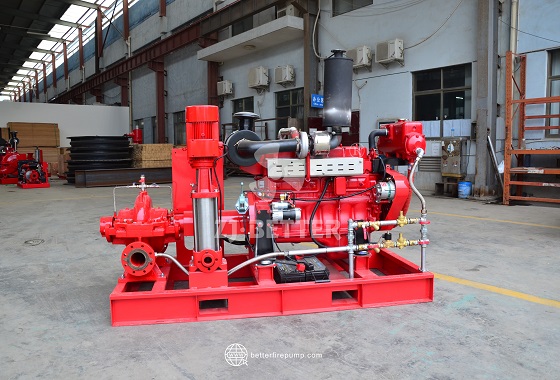
Heavy duty horizontal fire pump designed for high demand fire protection systems, delivering large flow capacity, stable high pressure output and reliable continuous operation. Ideal for industrial facilities, petrochemical plants and large scale projects requiring efficient, durable and low maintenance firefighting water supply solutions.
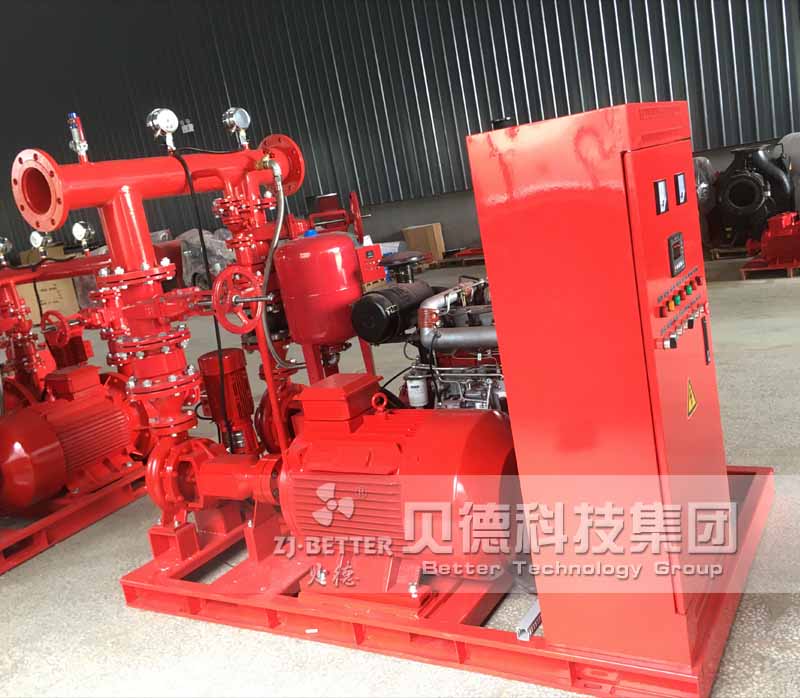
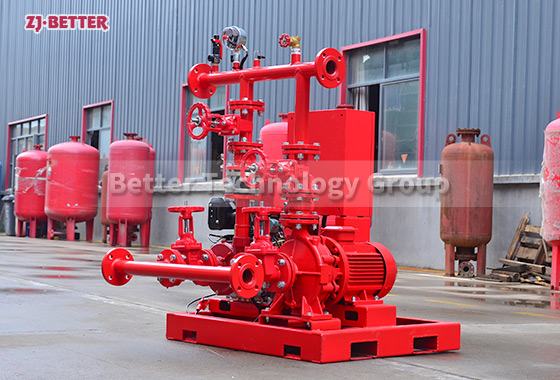
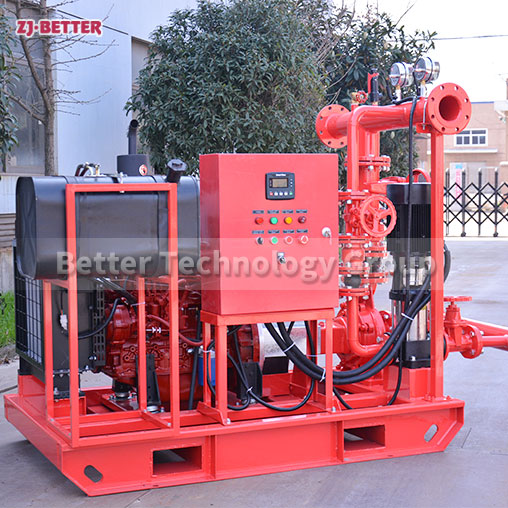
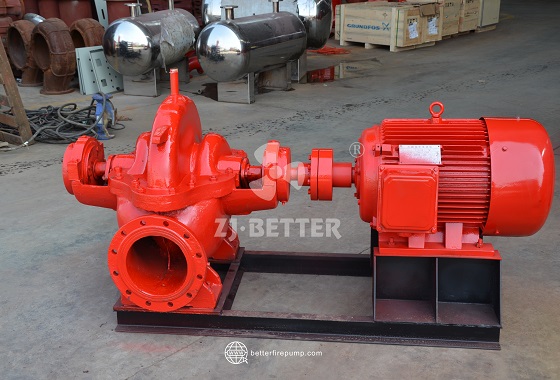
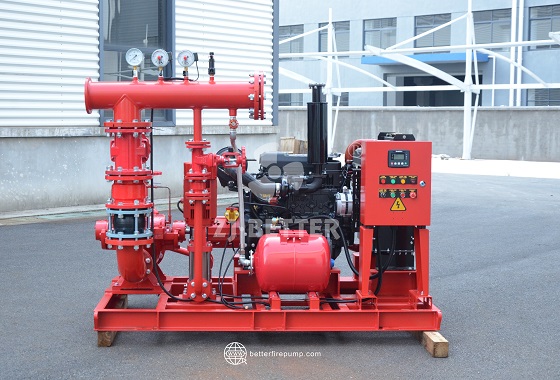
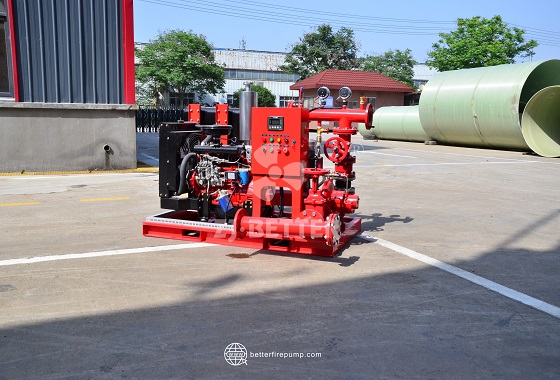
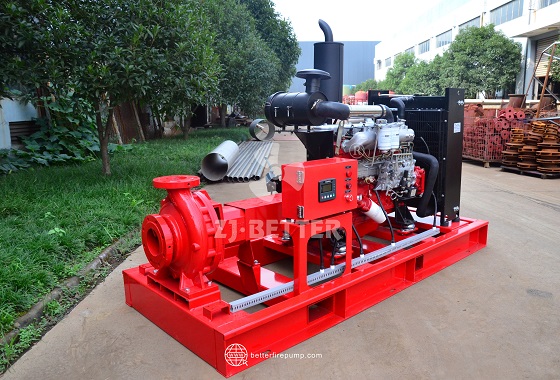
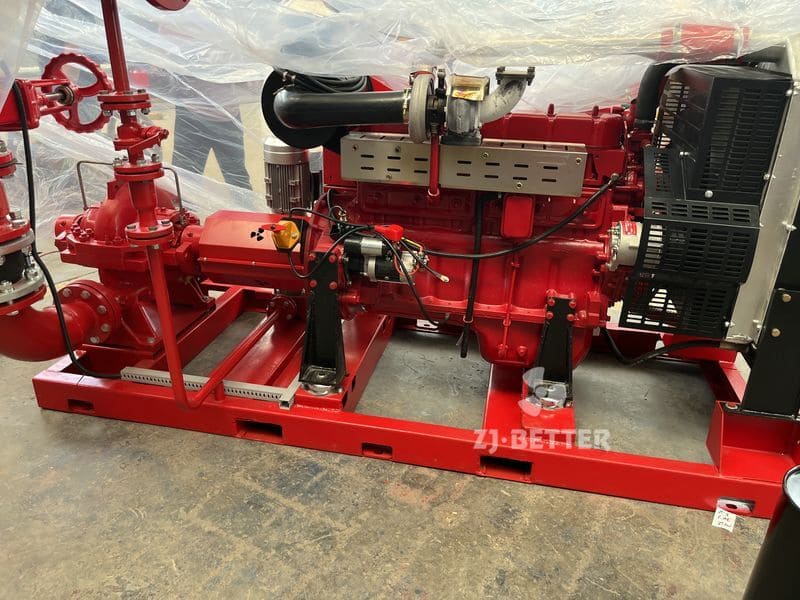
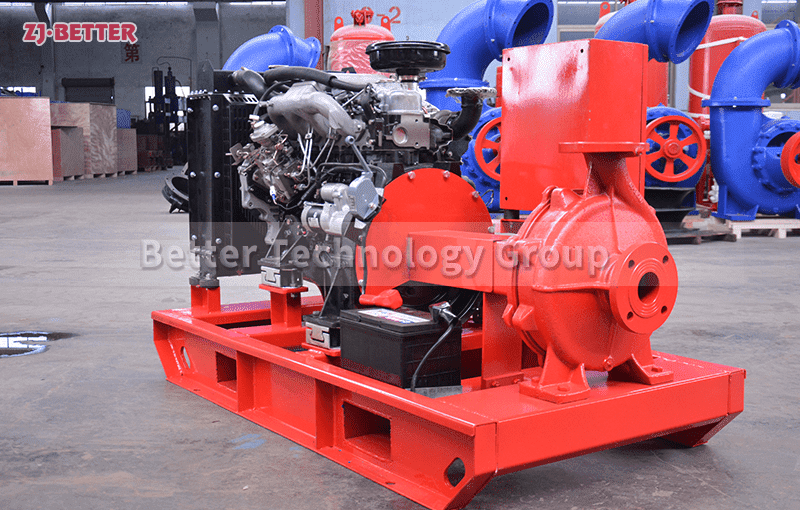
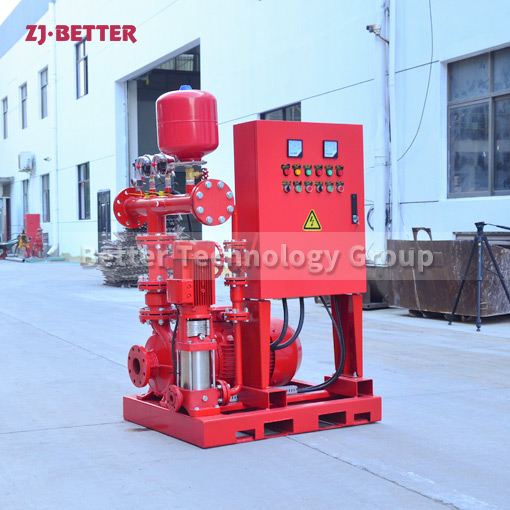
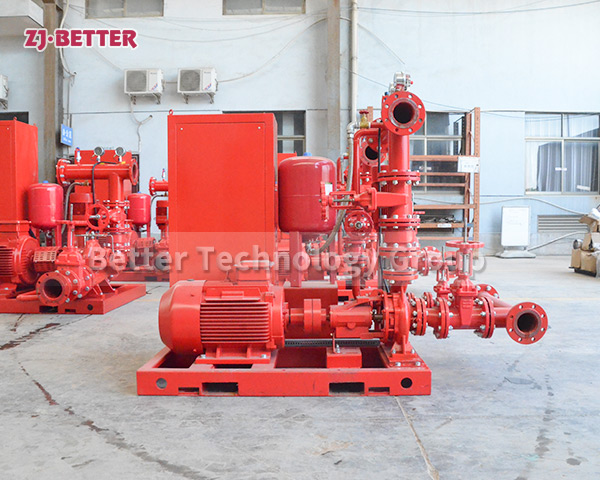
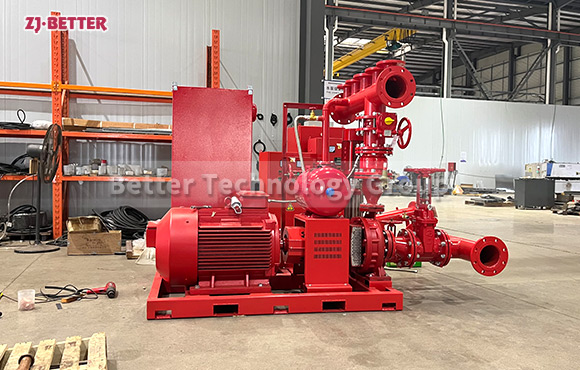
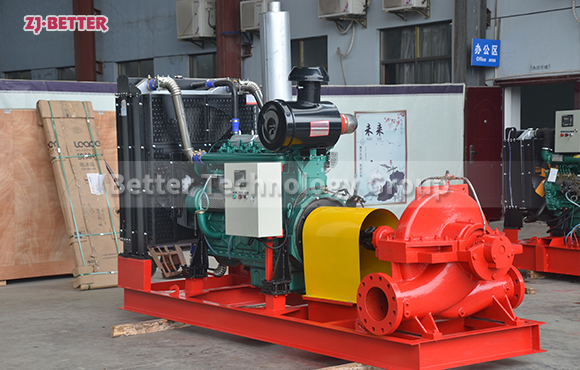
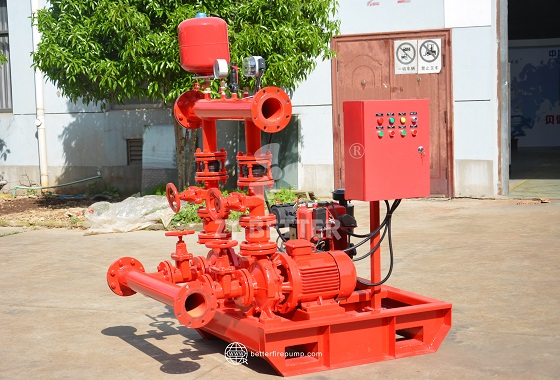
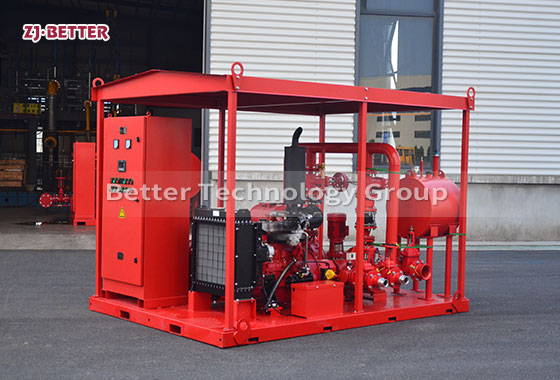
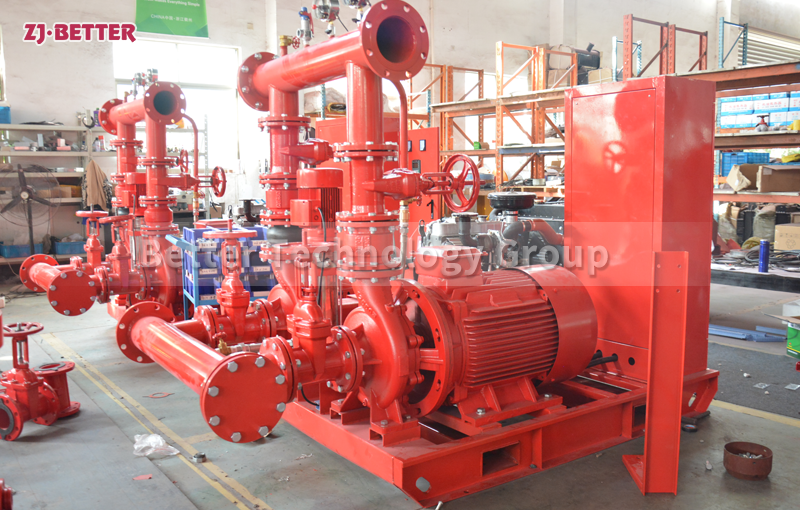
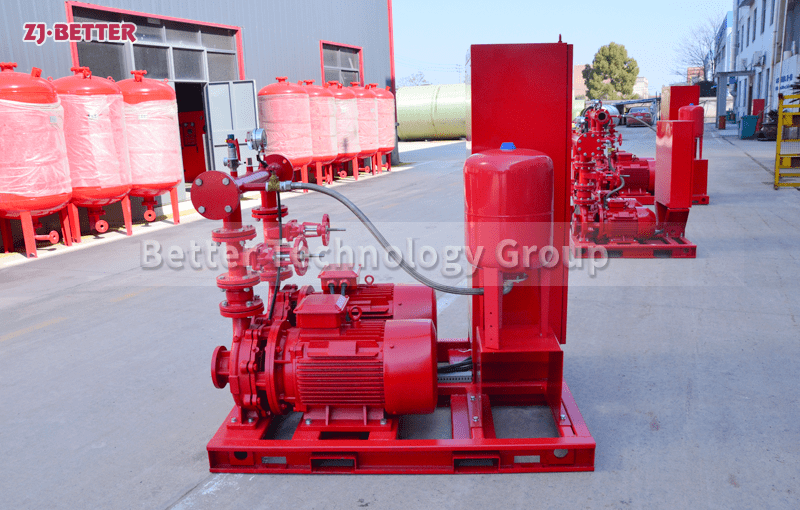
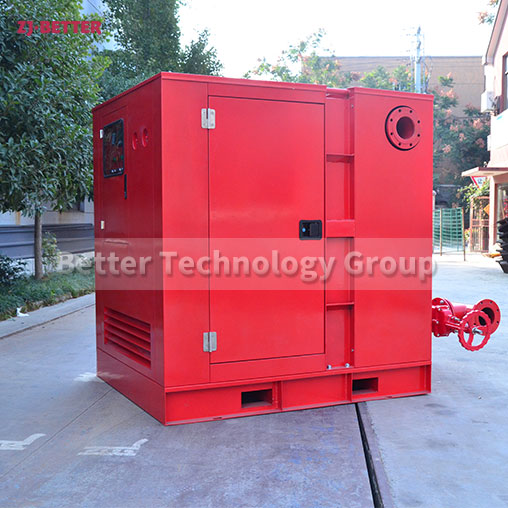
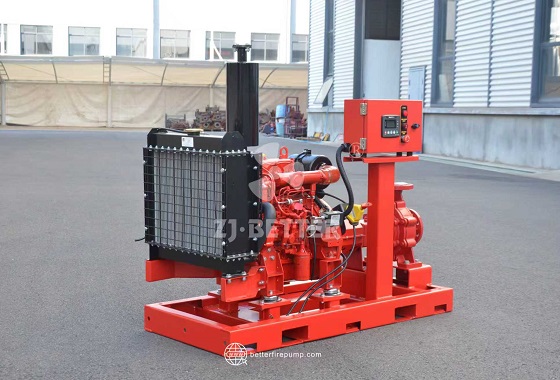
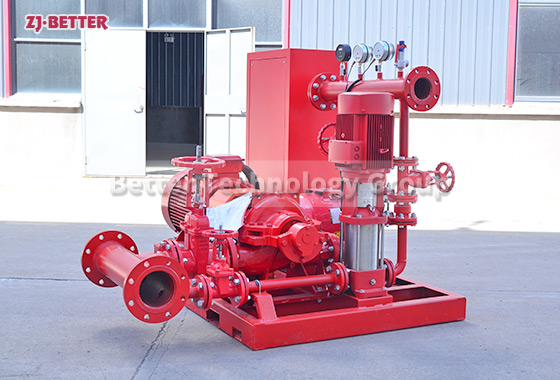
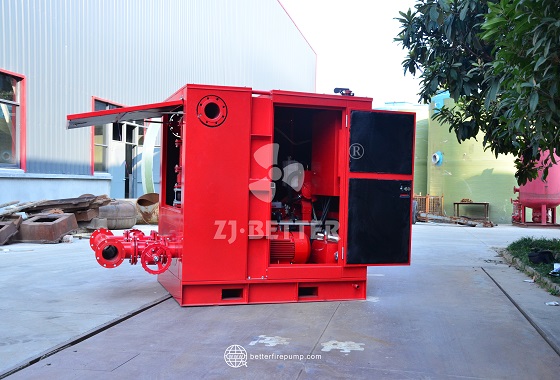
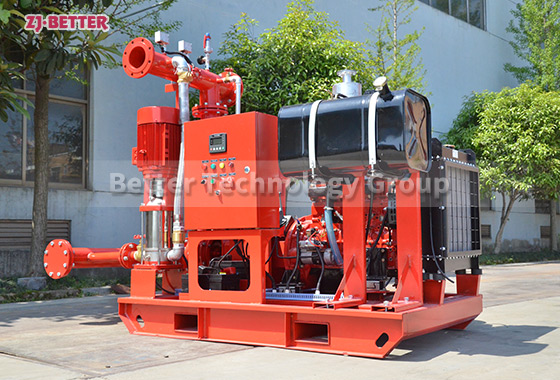
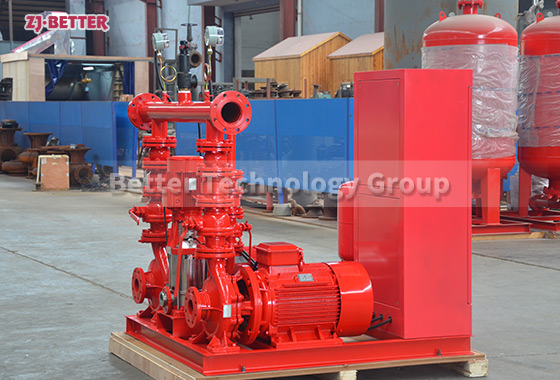
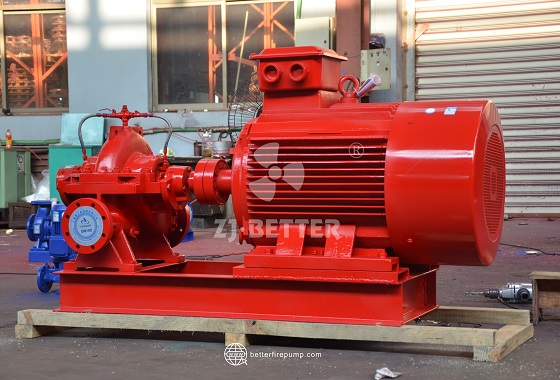
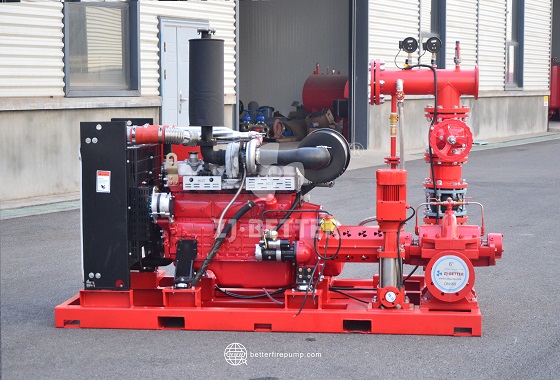
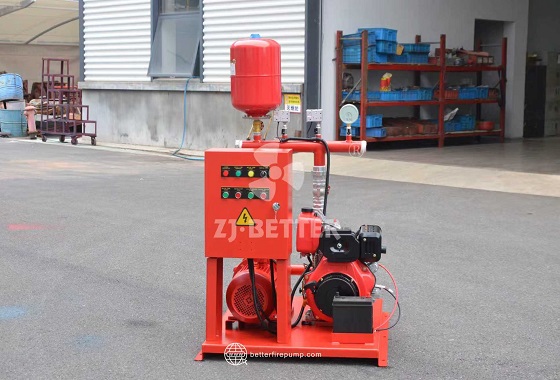
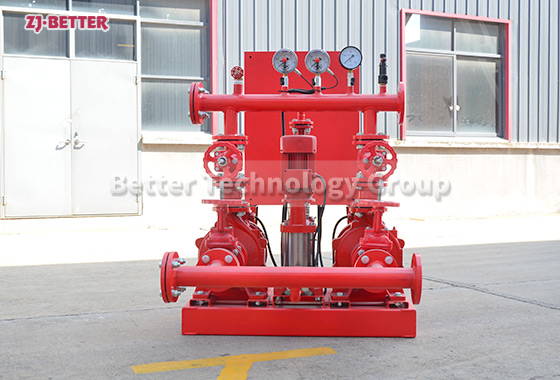
Heavy-duty horizontal fire pumps ensure the safe operation of fire protection systems in critical locations. Designed for high-load, high-reliability scenarios, they are core fire-fighting water supply equipment widely used in petrochemical, power, port, large-scale warehousing and logistics bases, airports, and large industrial manufacturing facilities—places with extremely high requirements for fire protection system stability. In these environments, fire accidents often involve high risk, high losses, and even complex conditions. Therefore, fire-fighting water supply systems must possess continuous, stable, high-flow, and high-pressure output capabilities. Heavy-duty horizontal fire pumps are specifically designed to meet this need, employing optimized structural design and high-performance configurations to achieve… These pumps offer long-term continuous operation and rapid response capabilities, providing reliable fire-fighting water supply in critical moments. They typically employ a horizontal end-suction or split-case design, featuring a wide flow range, stable head, and smooth operation. Core hydraulic components such as the impeller and pump casing undergo precise calculations and fluid dynamics optimization to ensure smoother water flow, reduce eddies and energy losses, and maintain high efficiency even under high-load conditions. This ensures stable output when the system requires a large flow rate. In terms of materials, the pump body is usually made of high-strength cast iron or high-quality steel, while key components can be selected based on operating conditions using corrosion-resistant alloys. Made of gold or stainless steel, these fire pumps enhance their adaptability to complex water qualities and harsh environments, extending their service life. Especially in chemical and coastal areas where the equipment faces corrosive media or high humidity, these pumps maintain stable operation, demonstrating extremely high reliability. In terms of mechanical structure, the horizontal design lowers the center of gravity, improving operational stability and facilitating maintenance. The motor and pump body are connected by a coupling, resulting in a simple and clear structure. Maintenance or component replacement does not require disassembling the entire system, significantly reducing maintenance time and costs. Furthermore, the bearing system uses high-precision, heavy-duty bearings capable of withstanding prolonged high-intensity operation. The resulting load pressure ensures that the equipment does not experience excessive vibration or abnormal temperature rise during continuous operation. Regarding the sealing system, high-quality mechanical seals or packing seals are used, possessing excellent sealing performance and wear resistance, effectively preventing media leakage, ensuring equipment operational safety, and extending the replacement cycle of sealing components. In terms of power configuration, this type of fire pump can be flexibly configured with either an electric motor or a diesel engine drive according to project requirements. Electric motor drive offers advantages such as rapid start-up, stable operation, and easy maintenance, while diesel engine drive provides an independent power source in the event of a power outage. The combination of the two forms a highly reliable dual-power system. To ensure uninterrupted fire water supply under any circumstances, the system is equipped with an advanced automatic control cabinet, enabling automatic start-up, automatic shutdown, pressure monitoring, and fault alarm functions. When the system detects a drop in pipeline pressure, it can quickly activate the fire pump to replenish water, providing a rapid response in the early stages of a fire and effectively shortening firefighting preparation time. The system also supports remote monitoring and data acquisition, allowing managers to monitor equipment operation status in real time and perform remote dispatch, improving overall management efficiency. In terms of energy saving, through reasonable selection and optimized operating conditions, the fire pump always operates within its high-efficiency range, reducing unnecessary energy loss. Especially when used with a variable frequency control system, operating parameters can be adjusted according to actual needs to achieve a more energy-efficient operating mode. Regarding installation and application, heavy-duty horizontal fire pumps typically adopt a standardized design with uniform interface dimensions, facilitating integration with existing fire pipeline systems. Their reasonable structural layout and moderate footprint make them suitable for various computer room environments, allowing for rapid implementation in both new and renovation projects. In practical applications, this type of equipment can withstand the dual challenges of frequent start-ups and shutdowns and long-term operation, maintaining stable performance even under high-intensity firefighting tasks. This is particularly important in large industrial projects where fire protection systems often require long-term operation. For continuous water supply within the system, heavy-duty horizontal fire pumps, with their superior durability and stability, are a key component ensuring normal system operation. In terms of safety protection, the system is typically equipped with multiple protection mechanisms, including overload protection, overheat protection, water shortage protection, and abnormal vibration alarms, effectively preventing damage caused by abnormal operating conditions and thus improving the overall safety and reliability of the system. Furthermore, these fire pumps possess excellent adaptability and expandability, and can be customized to meet the needs of different projects. Flow rate, head, power, and control methods can all be flexibly adjusted to meet the requirements of fire protection projects of varying scales and complexities. In summary, heavy-duty horizontal fire pumps, with their significant advantages such as high reliability, large flow output, stable operation, and convenient maintenance, play a crucial role in fire protection systems in critical locations. They not only provide a sufficient water source quickly during a fire but also maintain high efficiency and stability during long-term operation, providing users with continuous and reliable safety assurance. With the continuous improvement of industrialization and increasingly stringent fire safety standards, this type of product will be widely used in more fields. Through continuous optimization of design and technological upgrades, its performance and intelligence will be further improved, providing more solid technical support for the construction of modern fire protection systems.