Electric Fire Pump Set with Precise Pressure Regulation for Maintaining Normal Fire Pipeline Pressure
Electric fire pump sets precisely regulate fire-fighting pipeline pressure through pressure monitoring and automatic control, thereby reducing unnecessary starts of the main fire pump. Characterized by stable operation, rapid response, a compact structure, and ease of maintenance, they are suitable for fixed fire-fighting water supply systems in both building and industrial applications.
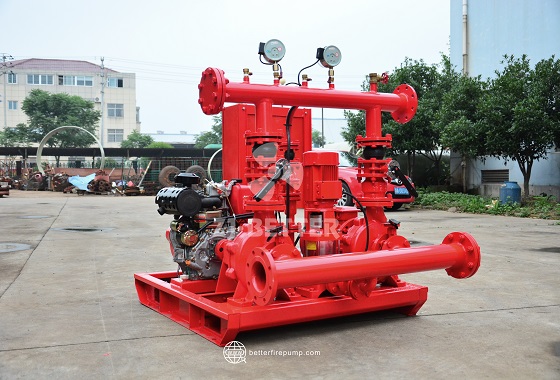
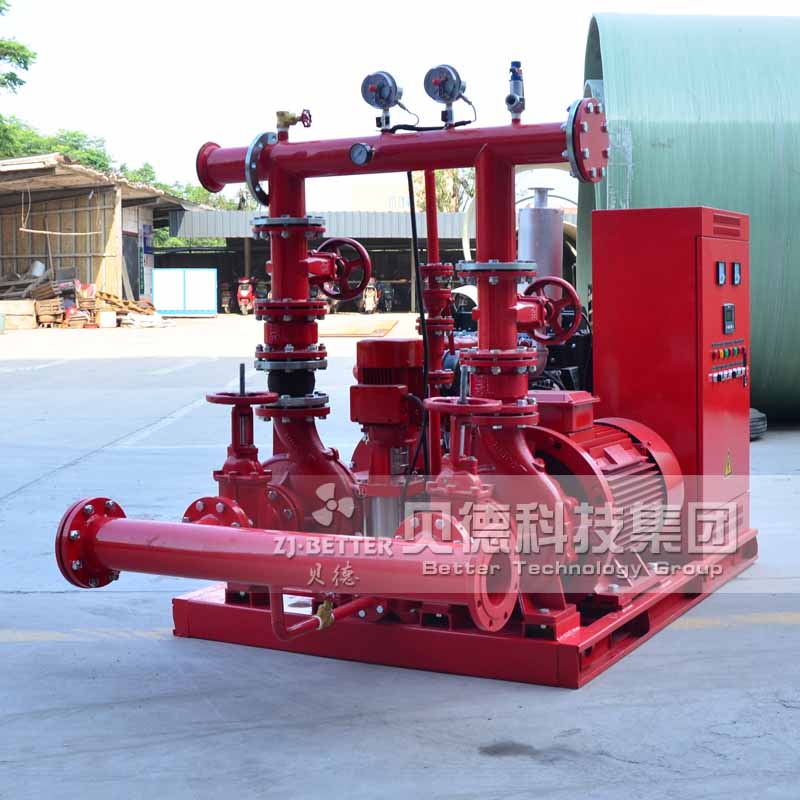
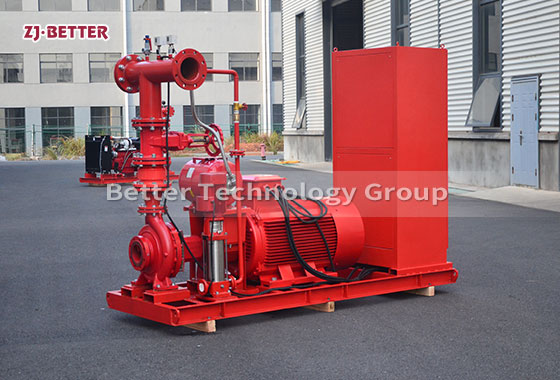
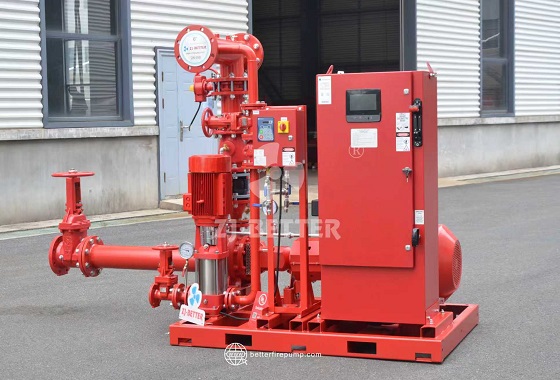
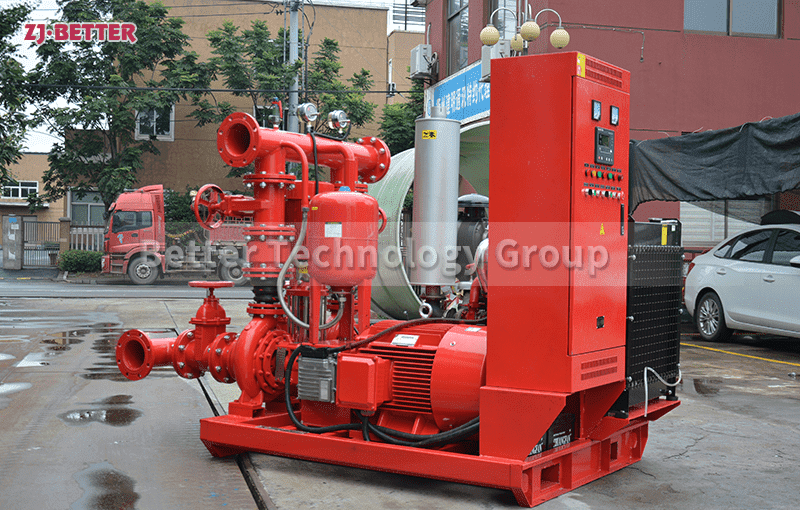
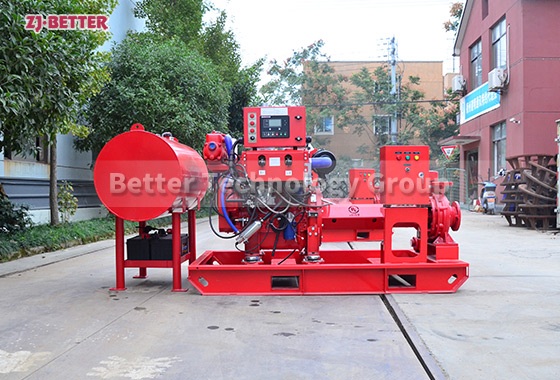
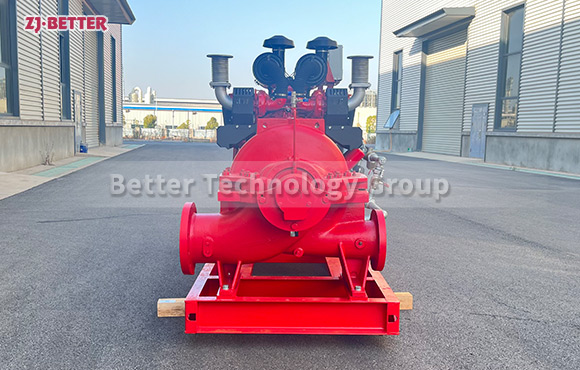
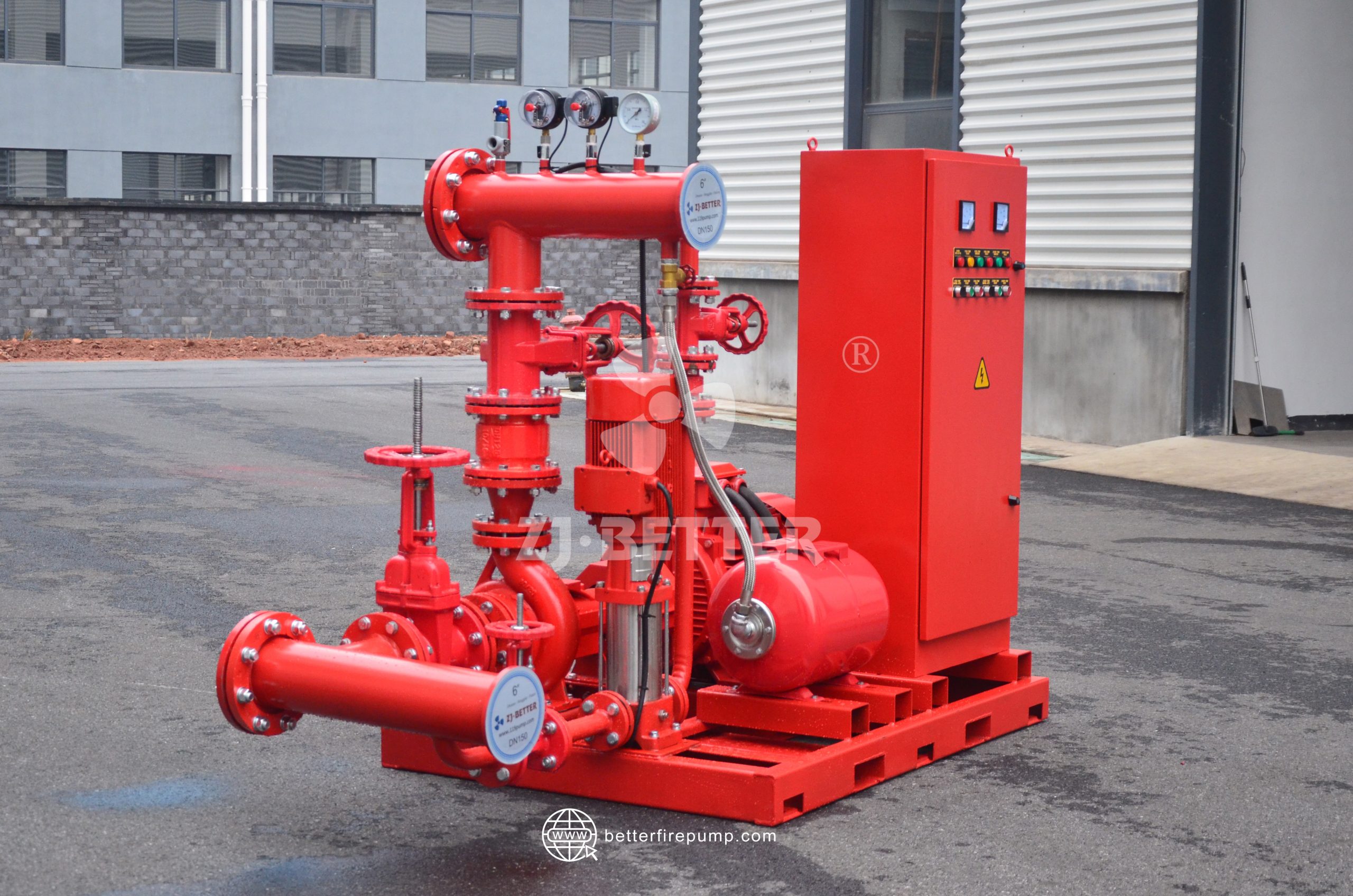
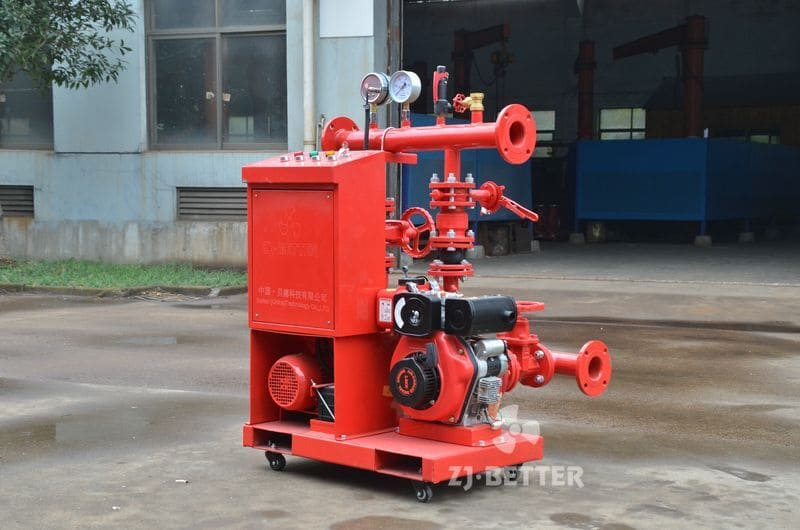
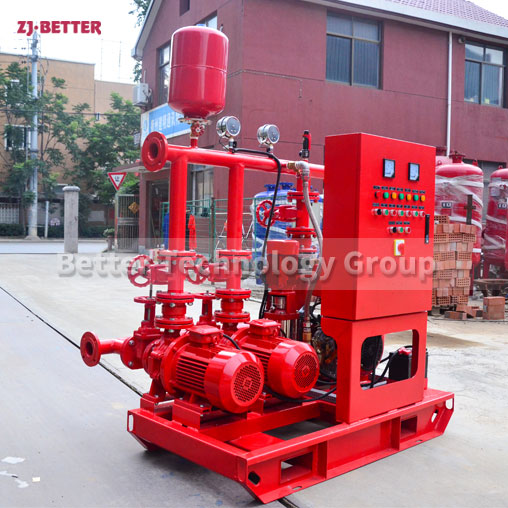
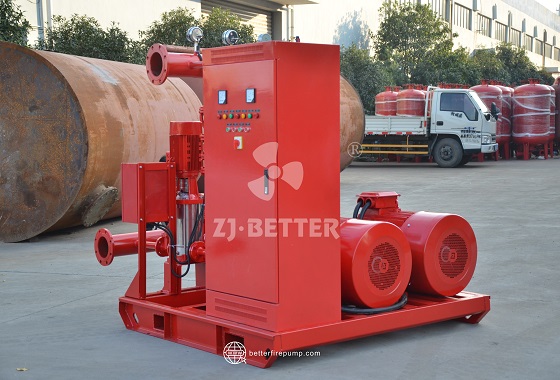
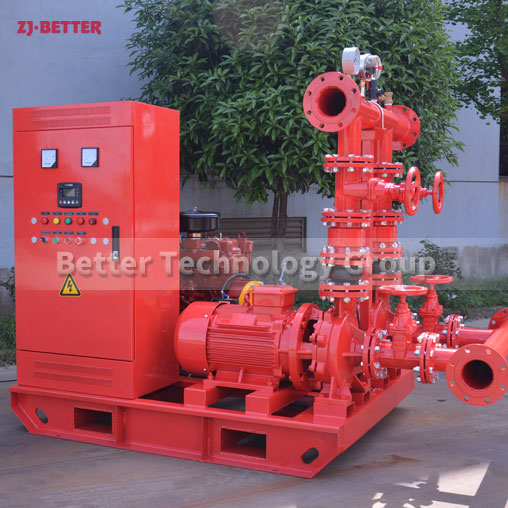
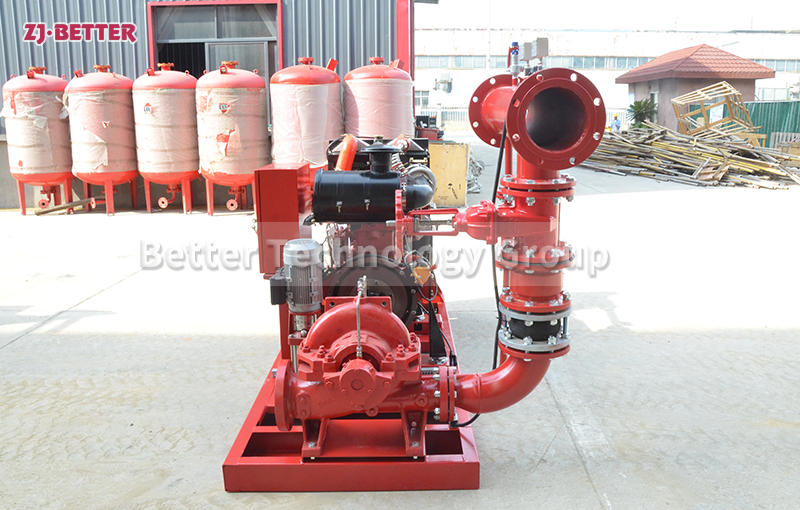
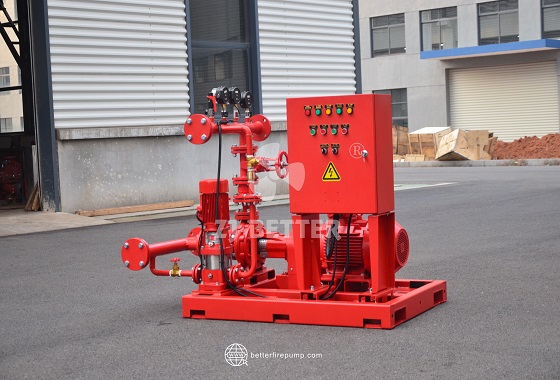
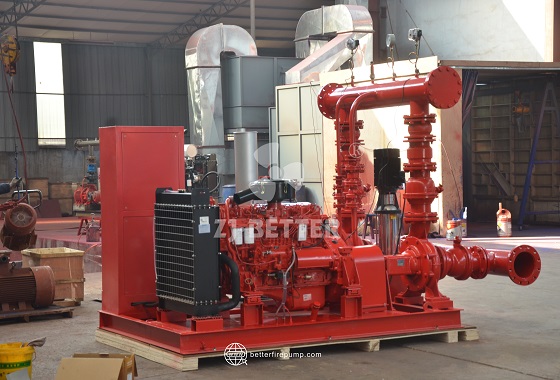
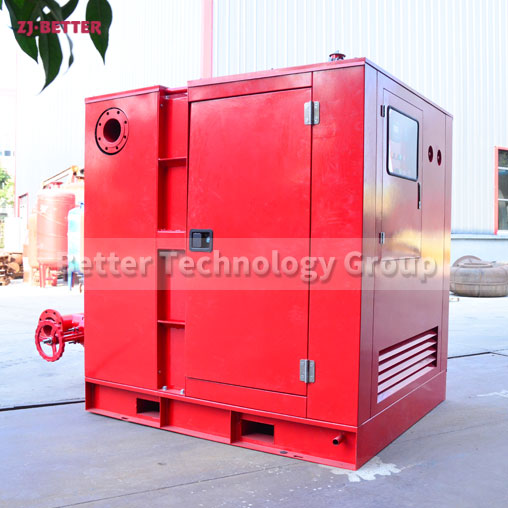
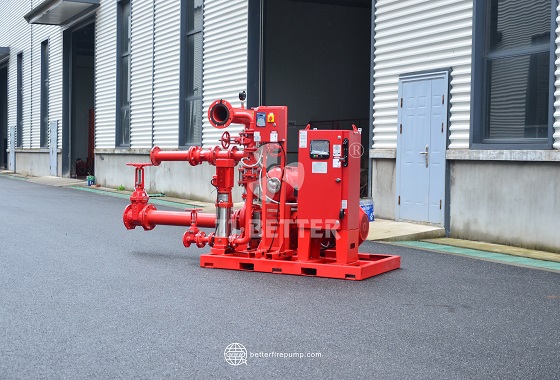
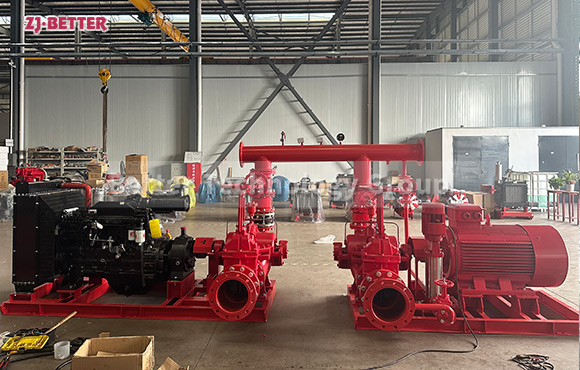
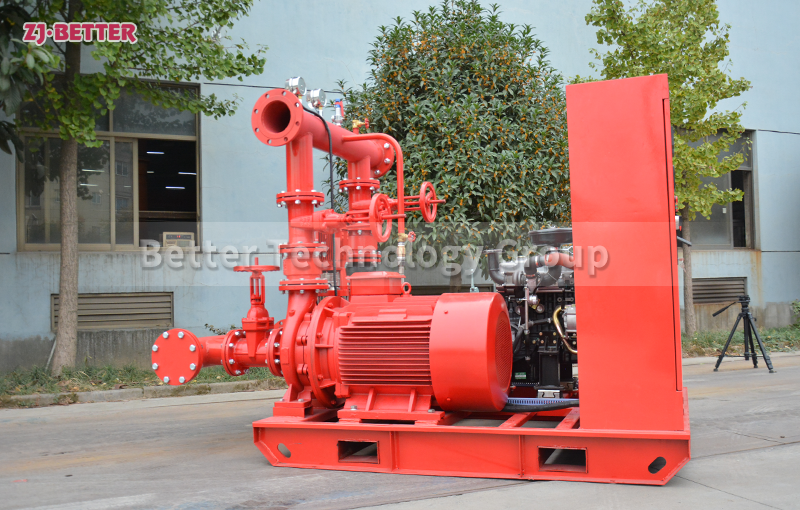
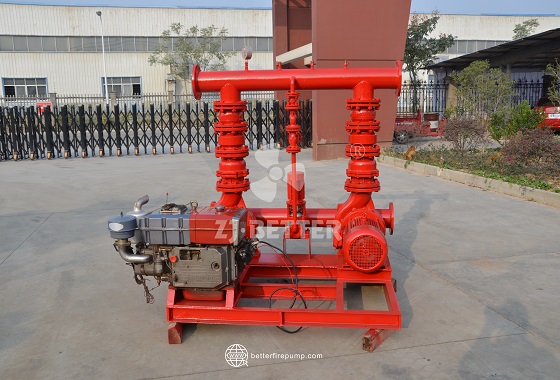
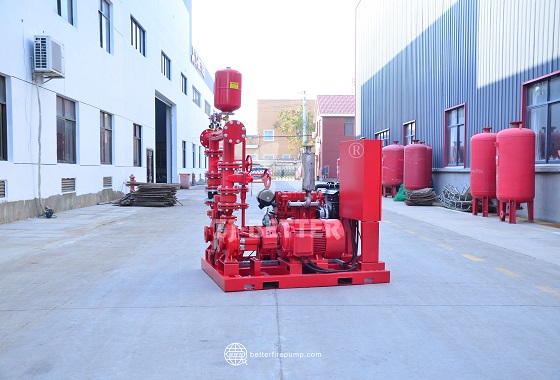
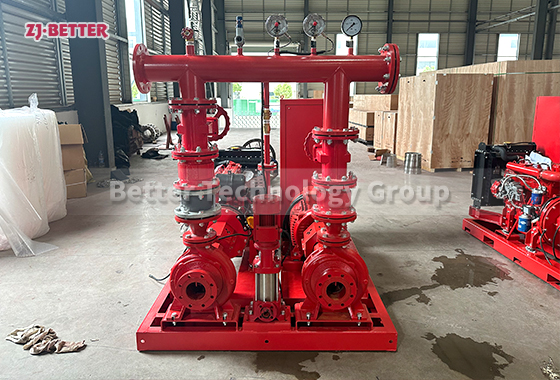
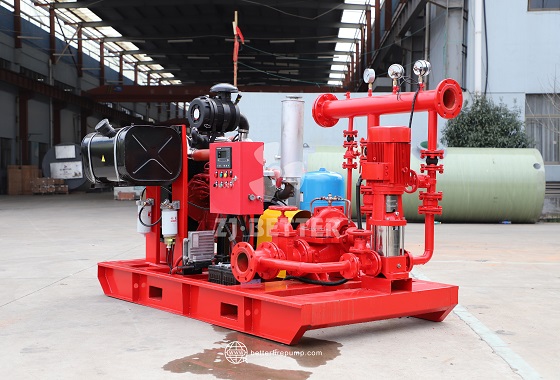
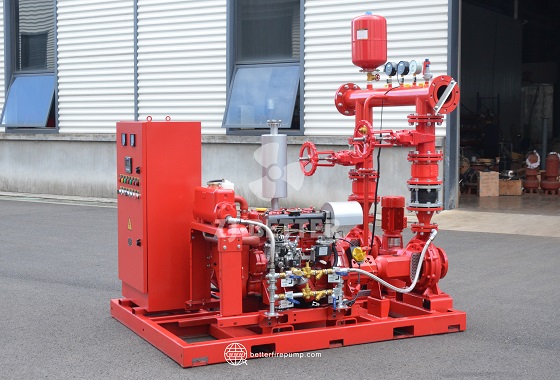
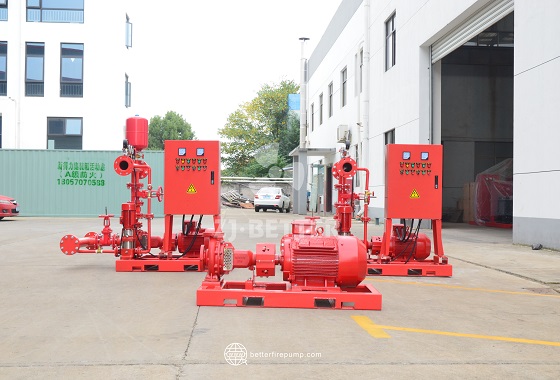
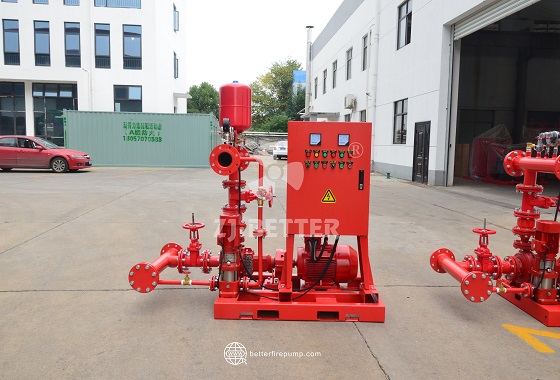
The electric fire pump unit is a complete system designed to maintain pressure and ensure a stable water supply within fire protection piping networks. It primarily consists of an electric water pump, a control cabinet, pressure sensing components, valves, and connecting piping. It is suitable for use in high-rise buildings, industrial plants, logistics warehouses, commercial complexes, hospitals, schools, and other facilities requiring fixed fire water supply systems. The equipment shown features an integrated, skid-mounted design where the pump, control cabinet, and piping components are efficiently mounted on a single base; this compact structure facilitates transportation, installation, commissioning, and subsequent inspections. Its core functionality lies in precise pressure regulation achieved through pressure monitoring and automatic control. Pressure sensors continuously track pressure fluctuations in the fire network; when the system pressure drops below a set value, the control system activates the electric pump to restore pressure, stopping operation once the pressure returns to the target range. This process helps maintain the network’s standby pressure and mitigates fluctuations caused by minor leaks, valve operations, or other low-flow water usage. Unlike systems that rely on frequent direct starts of the main fire pump, this pressure maintenance unit handles routine, low-flow pressure variations. This reduces unnecessary starts of the main pump, minimizes mechanical wear and energy consumption, and extends the service life of the entire fire water supply system. Regarding hydraulic performance, the electric motor provides stable mechanical power to the pump; the high-speed rotation of the impeller converts this mechanical energy into fluid pressure energy, enabling the equipment to deliver the required flow rate and pressure as specified in the engineering design. By optimally matching motor power, pump type, flow rate, and head, the unit can meet the pressure maintenance needs of fire networks of various scales while maintaining stable operation. High-efficiency motors and optimized hydraulic designs ensure smooth operation with reduced vibration and noise, making the system ideal for environments requiring long-term standby readiness. The precise pressure regulation function maintains appropriate system pressure during non-emergency periods, providing a stable pressure foundation for terminal facilities such as fire hydrants and automatic sprinkler systems. When a significant demand for fire-fighting water arises, the main fire pump handles the primary flow and pressure supply, while the pressure maintenance pump manages routine, low-flow compensation. This coordinated operation establishes a clear functional logic between daily pressure maintenance and emergency fire water supply. The control cabinet enables centralized management of the pump unit’s operation, utilizing pressure signals to facilitate automatic start-stop functions. It also provides operational status displays, fault alarms, and electrical protection features tailored to the equipment configuration, thereby reducing the need for manual intervention and enhancing the automation level of the fire water supply system. The integrated unit features a unified base and centralized layout, minimizing the installation coordination required for separately assembling pumps, control components, and piping accessories; the clear equipment layout also facilitates routine inspection and maintenance. Parameters and control modes can be customized based on the specific flow rate, pressure, piping network scale, and installation conditions of a given fire protection project, ensuring the system meets the requirements of various building and industrial fire safety applications. Overall, the electric fire pump unit ensures consistent pressure maintenance within the fire piping network through precise pressure monitoring, automatic regulation, stable motor drive, and optimized hydraulic design. By minimizing pressure fluctuations and reducing unnecessary starts of the main pump, it helps maintain the fire protection system in a reliable standby state. Characterized by high automation, stable operation, rapid response, a compact structure, and strong adaptability to project requirements, it serves as a critical component for pressure maintenance and stable water supply in modern fixed fire water supply systems.