Home » Fire Pump Set » What Is the Starting Sequence of a Fire Pump System?
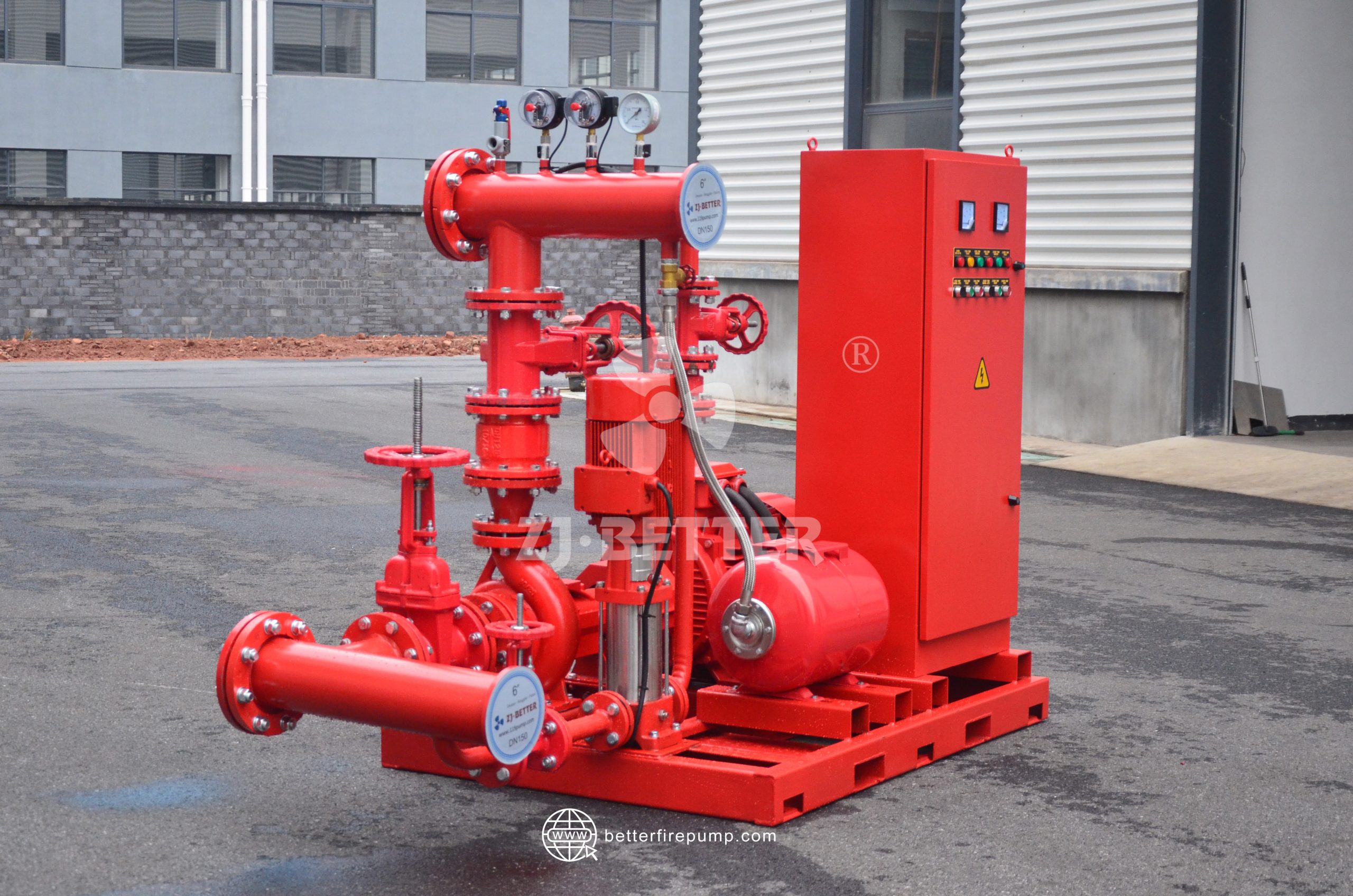
What Is the Starting Sequence of a Fire Pump System?

Understand the typical starting sequence of a fire pump system and how it ensures rapid emergency response.

Rated 4.9/5 based on 289 customer reviews
Share:
Content
  1. Pressure Drops in System (due to sprinkler activation or valve opening)

  2. Pressure Switch Triggers Controller

  3. Pump Starts Automatically (electric or diesel)

  4. Jockey Pump Stops if it was previously running

  5. Alarm Signals Sent to monitoring station

  6. Pump Runs Continuously until manually shut down

This sequence ensures immediate water flow during fire emergencies and is mandated by NFPA 20.

Inquiry


    More Fire Pump Set
    First, what’s a water pump? It’s a device used to transport liquid, pressurize the liquid, and make the liquid from the first liquid position to the high liquid position. The first water pump constructed by the Chinese is called” water windmill”. latterly, around 300 BC, the emergence of the” Archimedes screw pump” is more analogous to ultramodern pumps. In addition, the following introductory knowledge points are what you must understand.
    1. Centrifugal pump

    Centrifugal pump is the most common type of pump. In simple terms, the working principle of centrifugal pump is to rotate the impeller to drive the liquid under the action of centrifugal force. The liquid leaves the impeller and enters the volute. As the inflow passage of the volute gradationally expands, the fluid haste slows down, and the pressure rises continuously, and eventually it’s discharged through the conduit.
    2. Impeller
    The impeller is one of the main factors in the water pump, and it’s the core element that transmits mechanical energy to the liquid. The impeller is substantially divided into three types open type,semi-open type and closed type. The material conditions for the impeller are high, wear resistance is needed, and the manufacturing process is good.

    3. Cavitation

    Cavitation is the conformation of numerous bitsy recesses when the liquid connections the liquid under high- speed inflow and pressure, and gradationally expands into grottoes when serious, and cavitation frequently occurs in the impeller and pump covering.