Diesel Engine Fire Pump: Continuous Water Supply for Critical Fire Protection Systems
Diesel engine fire pump delivers reliable and continuous fire water supply with independent power, stable performance, fast starting, and flexible flow and pressure options for industrial and commercial fire protection systems.
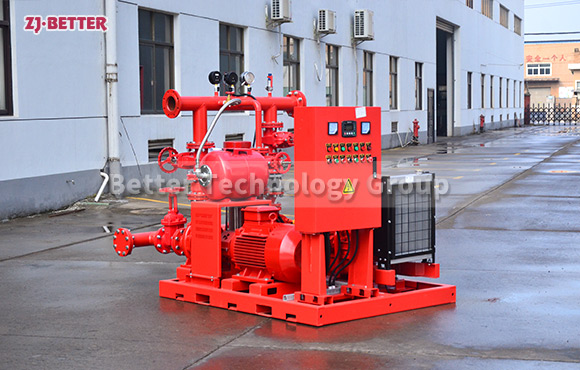
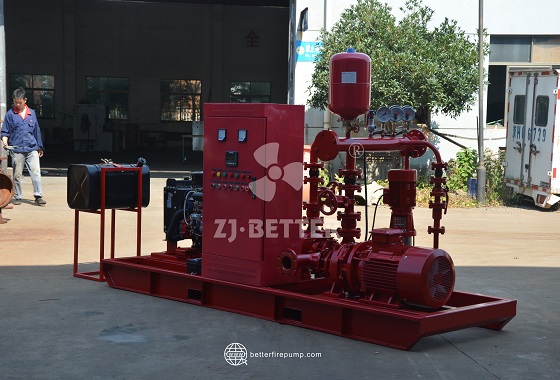
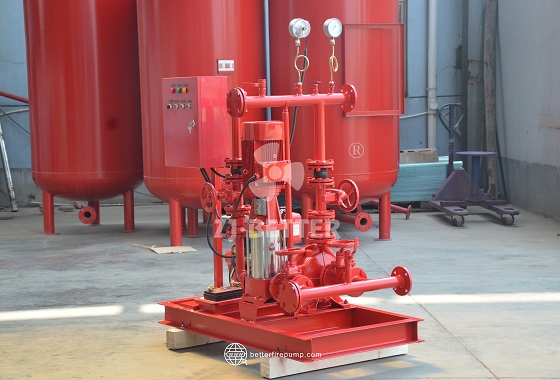
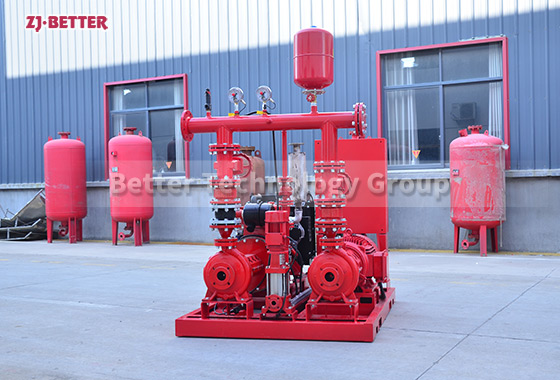
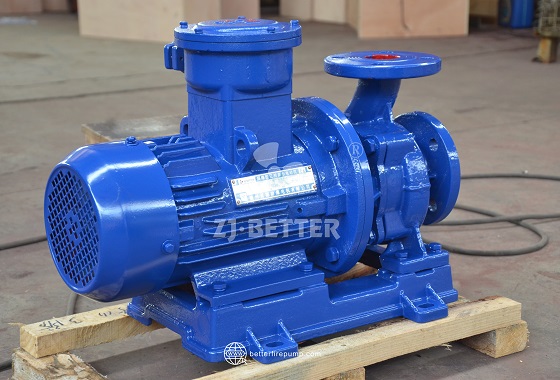
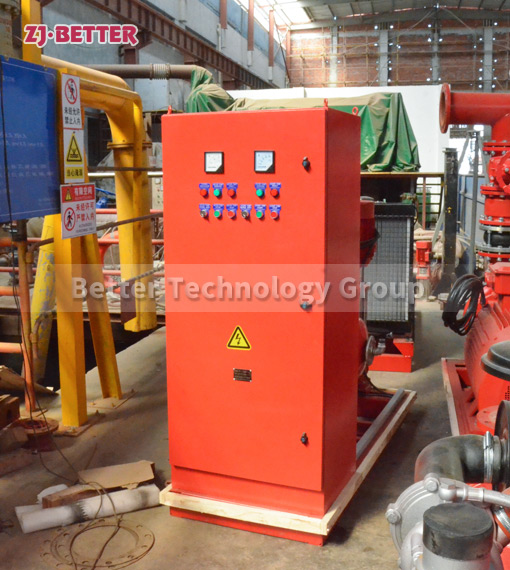
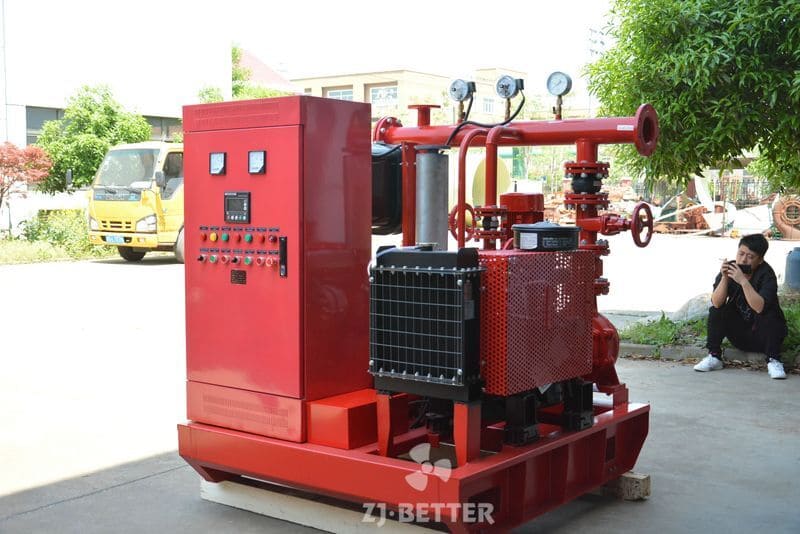
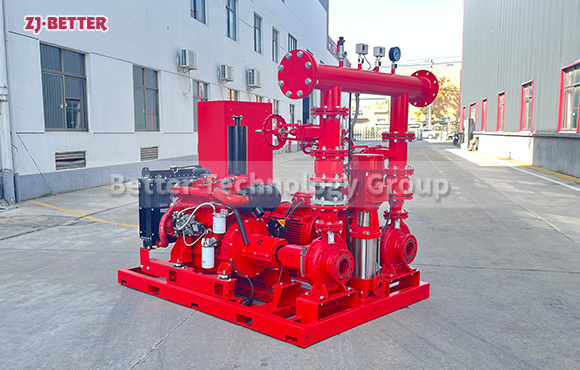
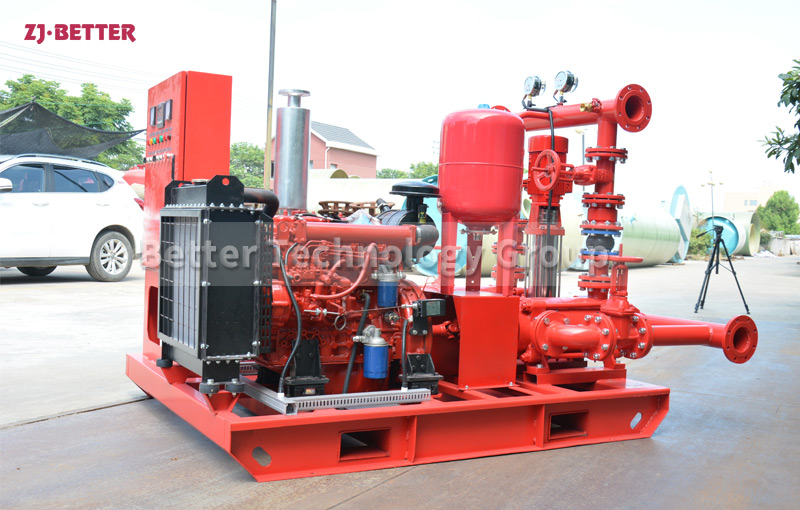
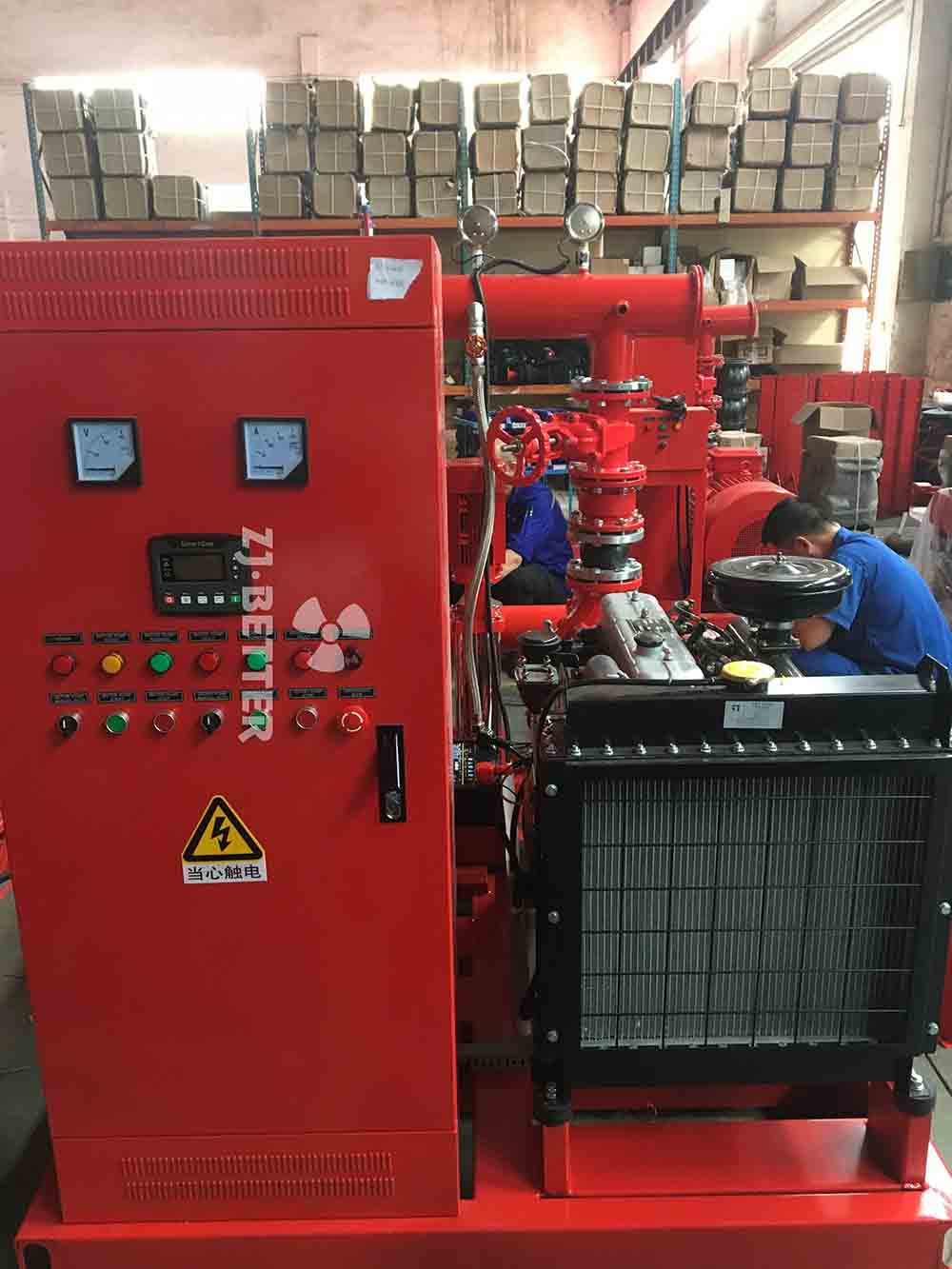
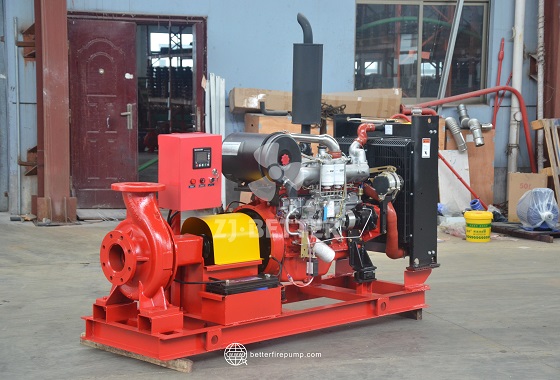
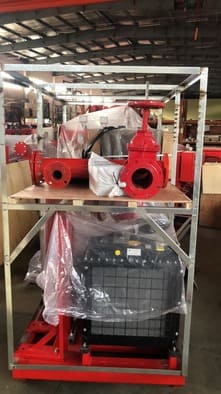
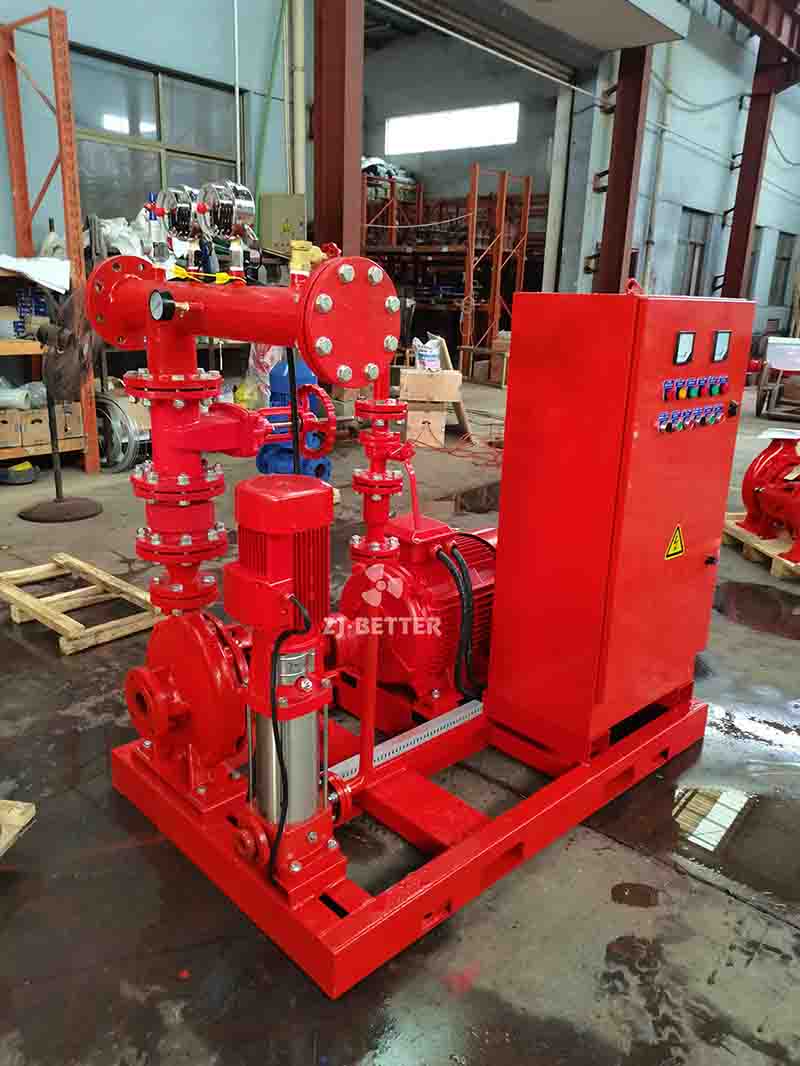
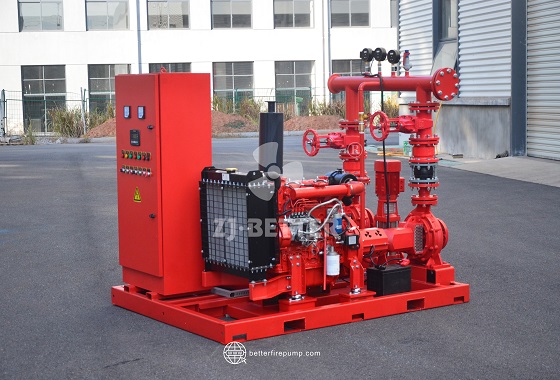
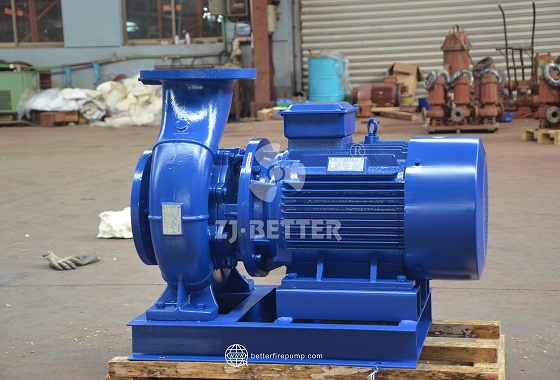
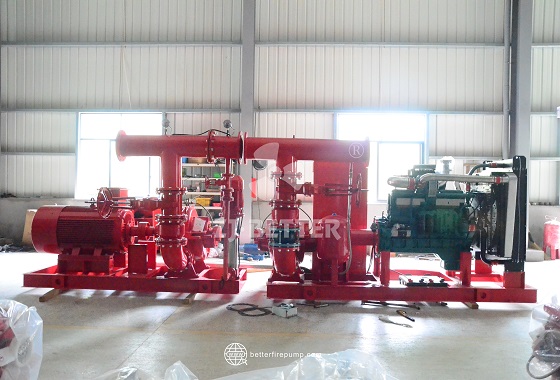
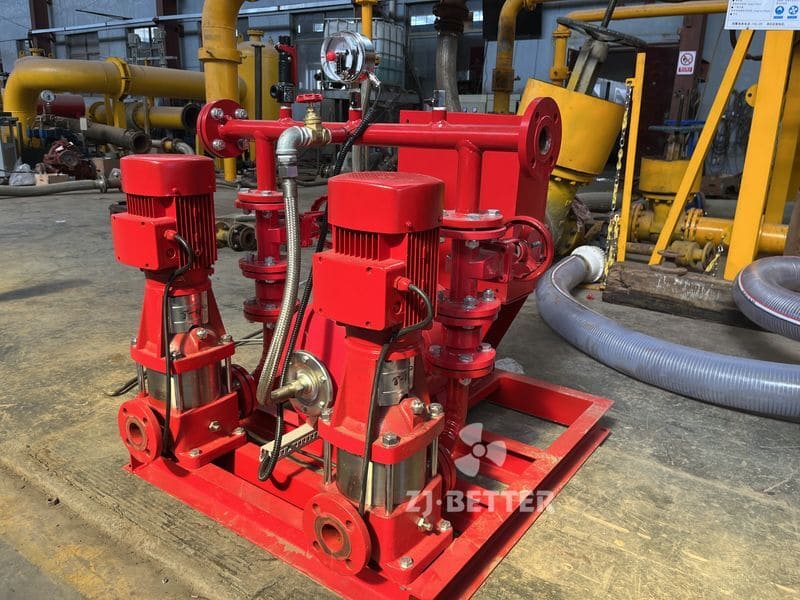
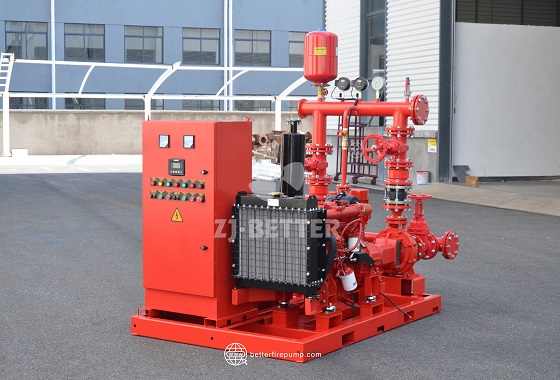
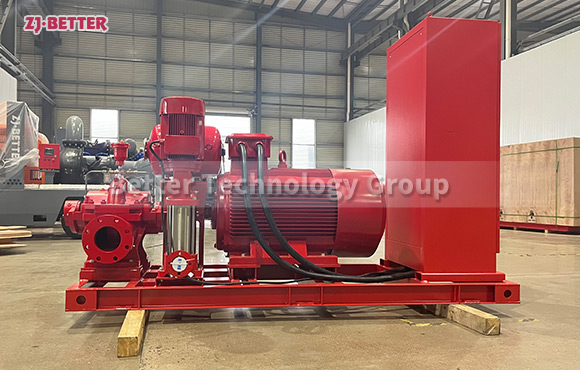
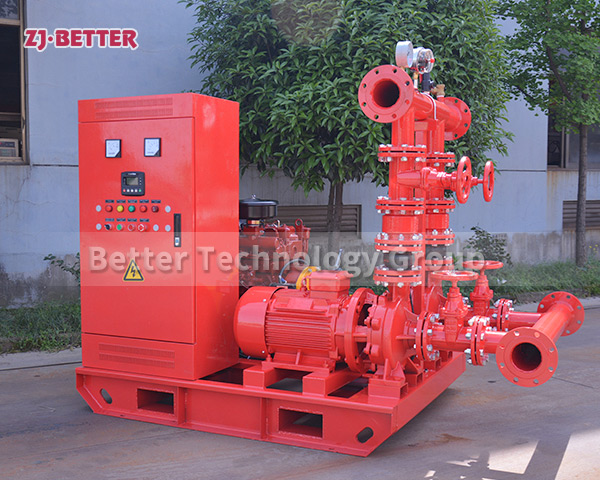
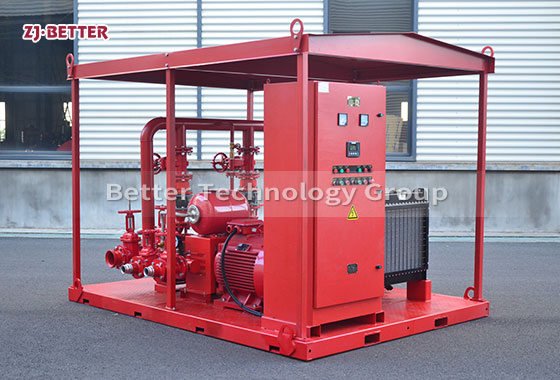
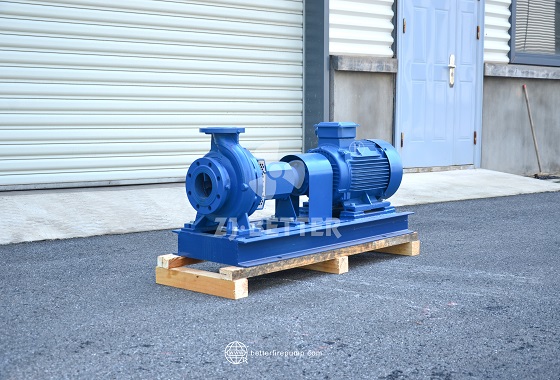
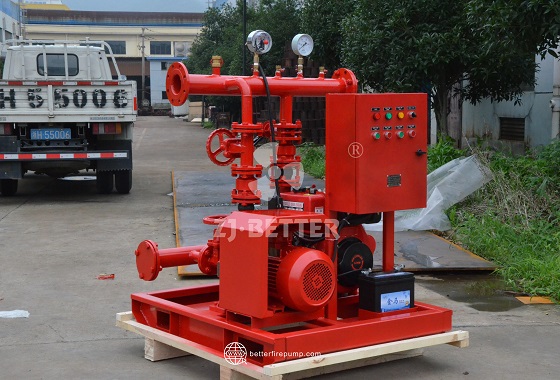
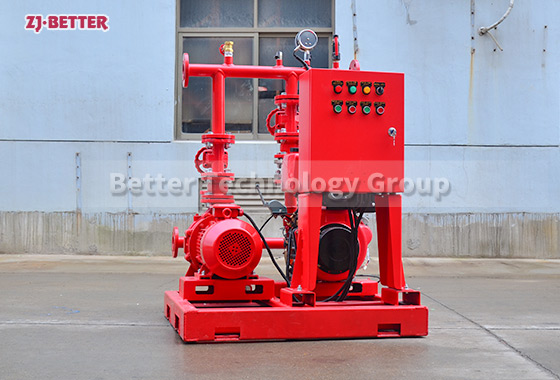
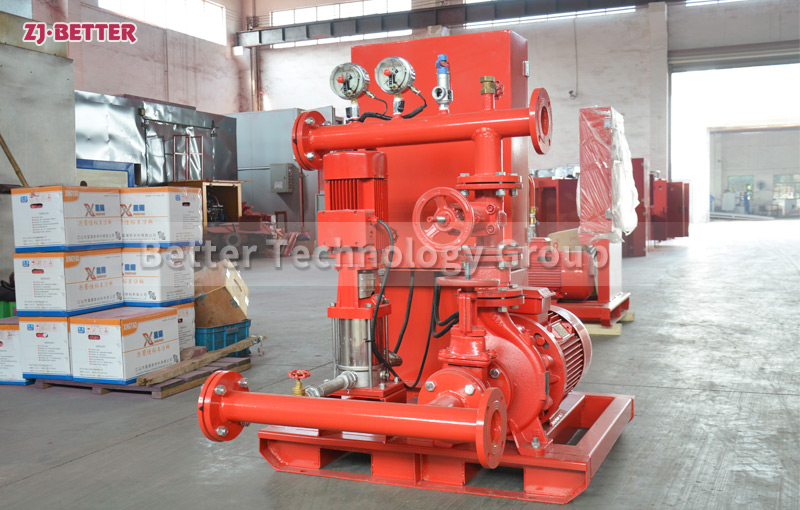
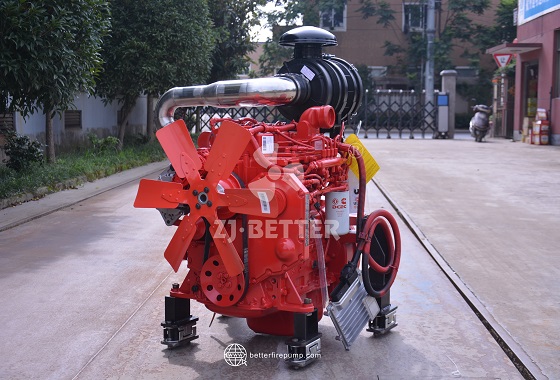
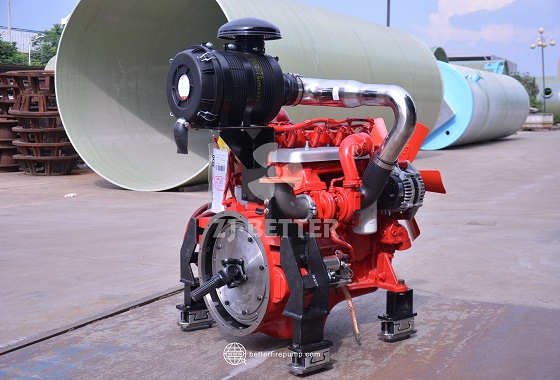
A diesel engine fire pump is a specialized fire-fighting water supply device that uses a diesel engine as its power source and drives the fire pump through mechanical transmission. It is mainly used in building fire protection, industrial facilities, warehouses, docks, airports, petrochemical plants, power facilities, ships, and other locations with high requirements for reliable fire-fighting water supply. Compared to ordinary electric fire pumps, the biggest advantage of a diesel engine fire pump is its independent power system. When the fire protection system needs to be activated, the diesel engine can directly drive the pump, making it particularly suitable as a backup power source in a fire pump group. When the on-site power supply is unstable, there is a power outage, or the power system fails, the diesel engine fire pump can reduce dependence on external power sources, providing continuous water flow and pressure support to the fire protection network, thereby improving the emergency response capability of the entire fire-fighting water supply system. Depending on the flow and pressure requirements of different fire protection systems, diesel engine fire pumps can be of different types, such as end-suction, horizontal multistage, and split-case, and can be matched with diesel engines of different power to form fire pump solutions suitable for various operating conditions. Existing diesel fire pump products offer flow rates ranging from approximately 80 to 2500 GPM and head ranges from 2 to 16 bar. Larger flow rate split-type diesel fire pumps can reach 1500–6000 GPM and 5–12 bar, thus meeting the diverse water supply requirements of small and medium-sized fire protection systems as well as large industrial fire protection projects. Structurally, diesel engine fire pumps typically consist of a diesel engine, fire pump, coupling, base, fuel system, cooling system, and control device. The overall structure is compact, with direct power transmission, facilitating installation and maintenance. The diesel fire pump shown in the image employs a combined engine and pump design, equipped with a large cooling fan at the front end to aid in engine cooling during operation. The engine and pump body are connected via a transmission mechanism, ensuring a stable transfer of mechanical energy from the engine to the pump. Proper power matching is crucial for ensuring fire pump performance. Engine power must be selected based on the required flow rate, head, speed, and actual operating conditions of the fire protection system to avoid insufficient power that prevents achieving design performance, and to prevent over-configuration that leads to unnecessary energy consumption. For fire protection systems requiring high pressure, multi-stage diesel fire pumps can progressively increase water pressure using multi-stage impellers, maintaining stable water supply performance under high head conditions. For large-flow fire water supply needs, horizontal split-case structures can provide a wider flow range and are suitable for large-scale industrial and fire protection projects. The relationship between different structural forms is not simply one of superior or inferior performance; rather, selection requires comprehensive consideration of factors such as fire water tank, water source conditions, pipeline pressure, building height, sprinkler system, fire hydrant system, and fire regulations. Diesel engines themselves have excellent starting performance and strong load adaptability, enabling rapid power output in fire emergency situations, providing reliable start-up for fire pumps. Some diesel fire pump systems can also be equipped with automatic control functions, achieving automatic start-up through pressure signals, start-up signals, etc., and forming a complete fire pump unit in conjunction with electric fire pumps and pressure-stabilizing pumps. A typical fire pump set can adopt a combination of “electric main pump + diesel backup pump + pressure stabilizing pump”. The electric pump handles normal fire water supply, the diesel engine fire pump serves as backup power, and the pressure stabilizing pump maintains the pressure of the fire pipeline network, thus forming a more complete fire water supply system. Another important advantage of diesel engine fire pumps is their emergency water supply capability. During a fire, fire pumps are not ordinary industrial equipment but key devices responsible for rapid response and continuous water supply. Therefore, the equipment not only needs sufficient flow rate and head but also needs to be operational within a short time. Some diesel fire pumps can adopt an automatic preheating design, keeping the diesel engine in a good starting readiness state and shortening the start-up response time in emergencies. Direct connection between the engine and pump using a flexible coupling also helps reduce transmission links and potential failure points, improving the overall reliability and emergency performance of the unit. In terms of fire water supply performance, diesel engine fire pumps can provide different flow rates, pressures, power, and interface sizes according to project requirements. For example, end-suction diesel fire pumps offer a product range of 80–2500 GPM, with heads of approximately 2–16 bar, pump inlet diameters of 50–250 mm, and power outputs from 3 kW to 220 kW, and speeds of approximately 1500–2600 r/min, covering a wide range of fire water supply needs. For projects requiring higher heads, multi-stage diesel fire pumps can achieve heads of 2–21 bar and flow rates of approximately 238–1000 GPM, suitable for applications with large building heights or high fire pipeline pressure requirements. For large-scale fire protection projects, high-flow horizontal split-case diesel fire pumps can be selected, with flow rates ranging from 1500–6000 GPM, meeting the high-flow fire water supply needs of large warehouses, docks, industrial facilities, and other applications. In addition to their wide performance range, diesel engine fire pumps also have strong environmental adaptability. Fire pumps are typically installed in fire pump rooms or dedicated equipment areas, and factors such as ventilation, heat dissipation, smoke extraction, fuel storage, and equipment maintenance space must be considered during operation. Diesel engines generate heat during operation, therefore the pump room should maintain good ventilation and the air intake and exhaust systems should be rationally arranged to ensure the engine operates in a suitable environment. Simultaneously, the installation of the diesel engine fire pump should ensure that the weight of the inlet and outlet pipes does not directly act on the pump body to avoid additional mechanical load affecting equipment operation; the control cabinet should also be located away from the engine radiator to reduce the impact of high-temperature air on the normal operation of electrical components. Regarding maintenance, the structural design of the diesel fire pump emphasizes maintainability. During daily use, the diesel engine fuel, lubricating oil, coolant, battery, starting system, transmission components, and pump set connection status should be checked according to equipment requirements, and regular start-up tests and operational checks should be performed to keep the equipment in good standby condition at all times. For fire-fighting equipment, “long-term non-use” does not mean “no maintenance required,” because in the event of a fire, the equipment must be able to be put into operation immediately. Therefore, regular testing and preventative maintenance are crucial to ensuring the reliability of the diesel engine fire pump. Diesel fire pumps can also be configured with control cabinets, pressure sensors, pressure gauges, valves, check devices, flexible joints, and common suction and discharge pipelines, etc., according to project requirements, to form complete fire pump sets with other fire-fighting equipment. Some control systems can also be expanded to include alarm output, remote monitoring, remote communication, and remote control functions, making the operation status of fire pumps easier to manage. In practical applications, diesel engine fire pumps are suitable for warehouses, logistics centers, airports, ports, petrochemical plants, power plants, liquefied gas facilities, textile mills, ships, tankers, and other locations requiring a reliable fire water source. For large industrial projects, fire protection systems often need to remain on standby for extended periods while rapidly providing large quantities of fire water in emergencies. Therefore, diesel engine fire pumps, with their independent power, wide flow and head range, and strong emergency operation capabilities, provide crucial backup water supply for fire protection systems. When selecting a diesel engine fire pump, key considerations should be given to parameters such as design flow rate, design head, diesel engine power, pump inlet diameter, starting method, control method, installation environment, and local fire codes. A reasonable configuration should be made based on the hydraulic calculations of the entire fire protection system, rather than solely relying on engine power or pump size. Through proper matching of pump type, engine and control system, diesel engine fire pumps can provide stable power and continuous fire water supply capacity at critical moments, providing reliable water source support for fire pipe networks, fire hydrants, sprinkler systems and other fire water equipment. They are an important emergency power and backup water supply equipment in modern fire water supply systems.