Horizontal End Suction Fire Pump – Efficient Centrifugal Design for Stable Fire Water Supply
Horizontal end-suction fire pumps feature an electric motor drive and a centrifugal pumping design. They offer a compact layout, convenient piping connections, and ease of maintenance. These pumps can be selected based on specific flow rate and head requirements, making them suitable for fire water supply systems in buildings and industrial facilities.
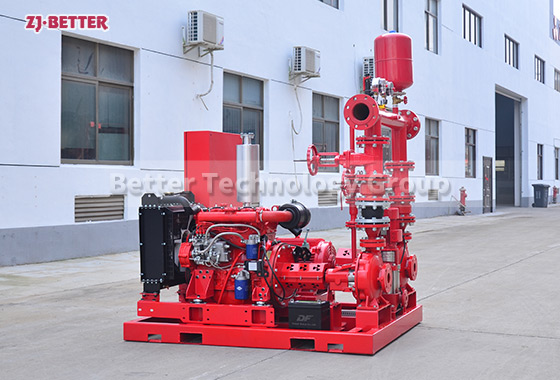
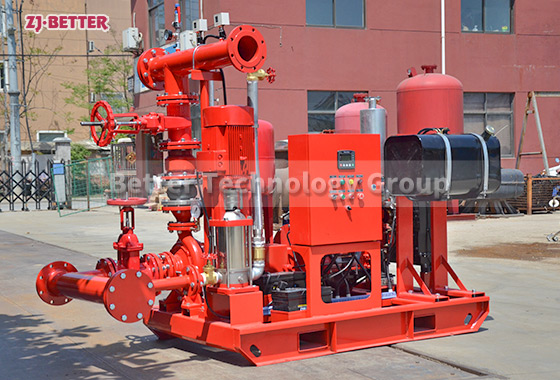
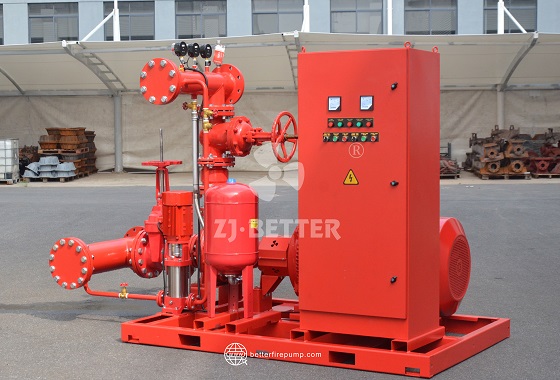
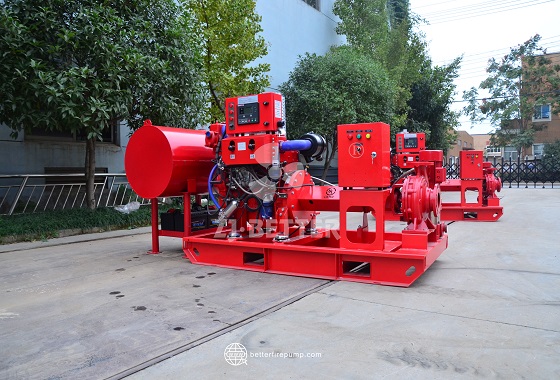
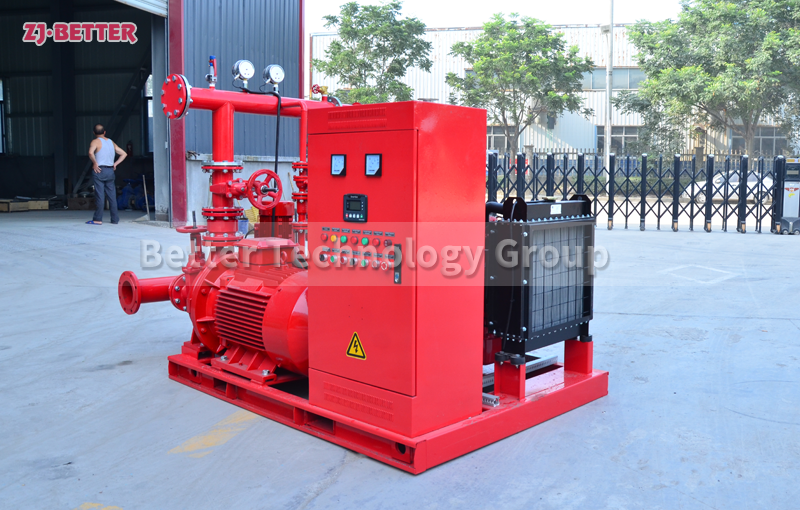
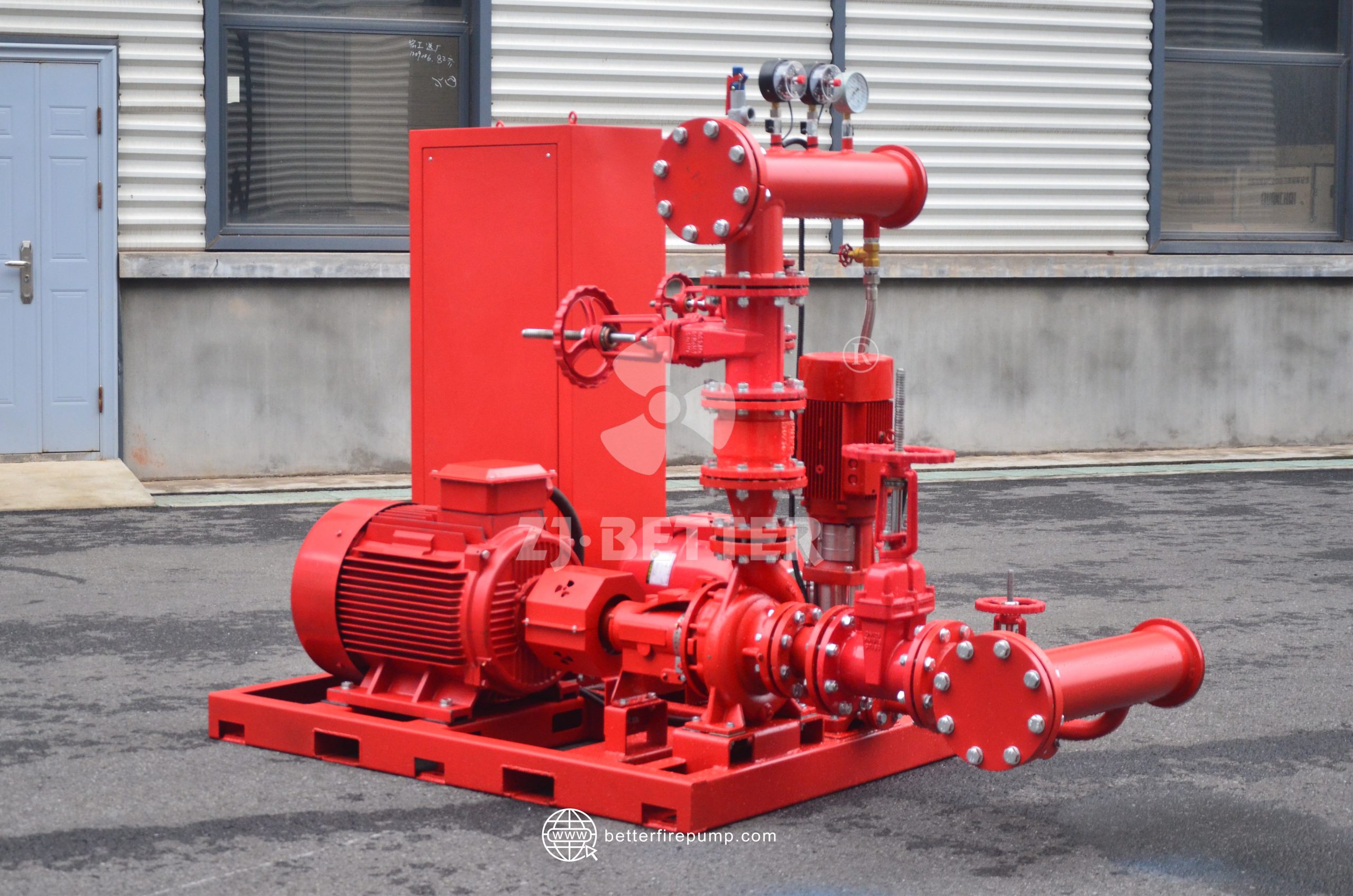
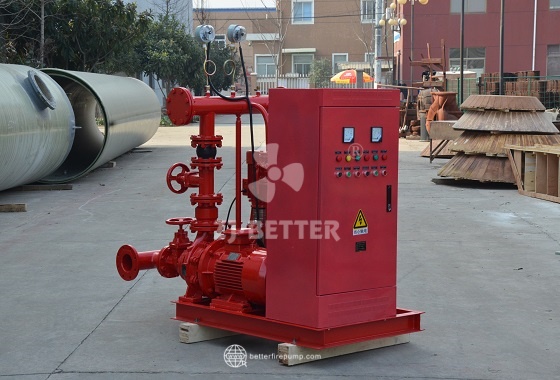
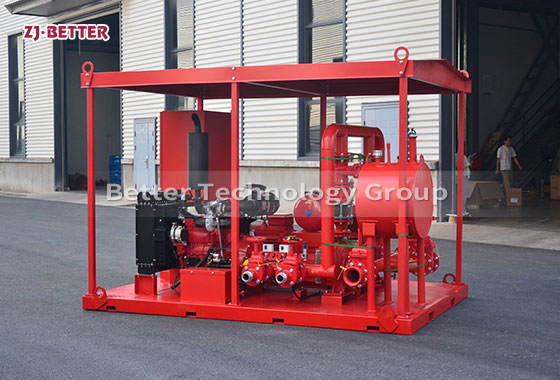
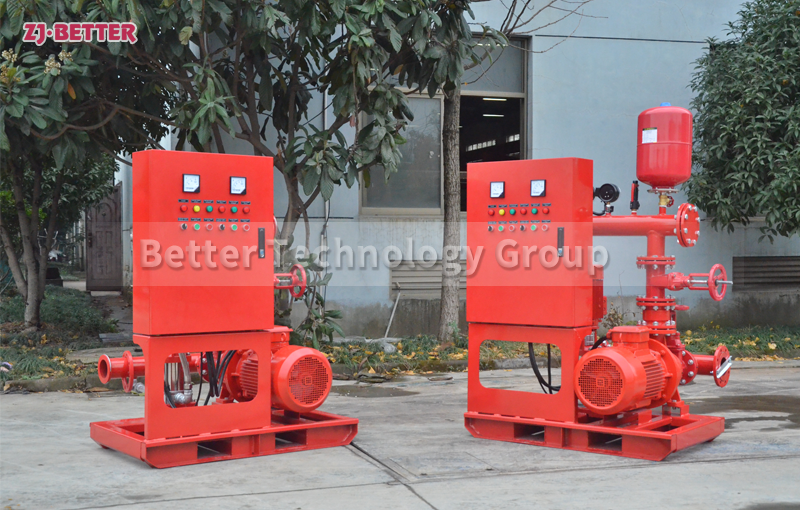
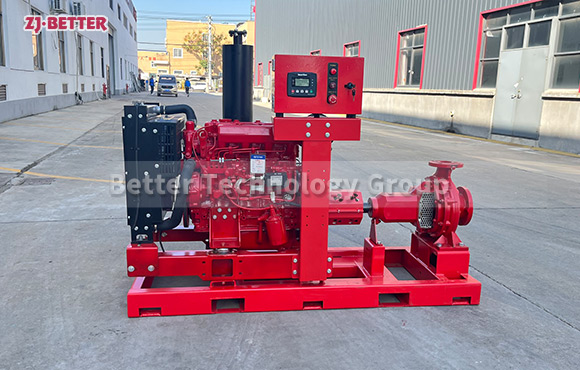
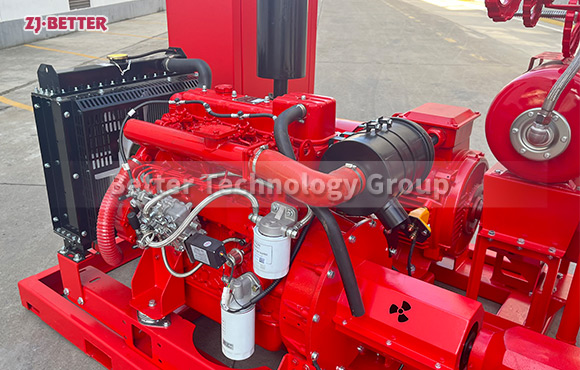
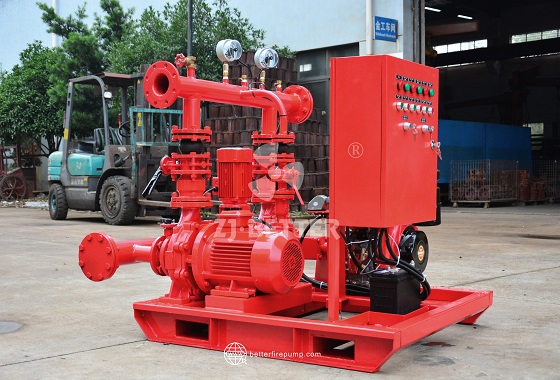
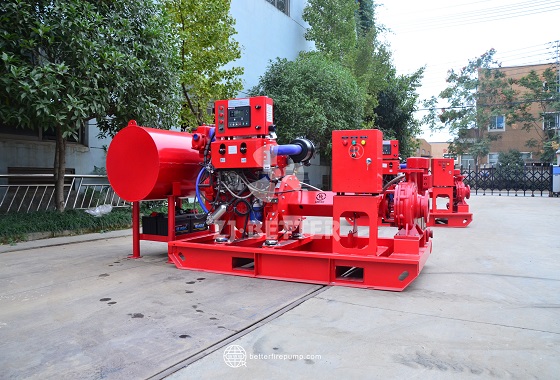
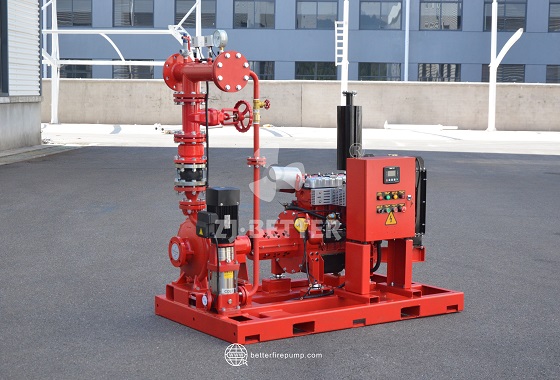
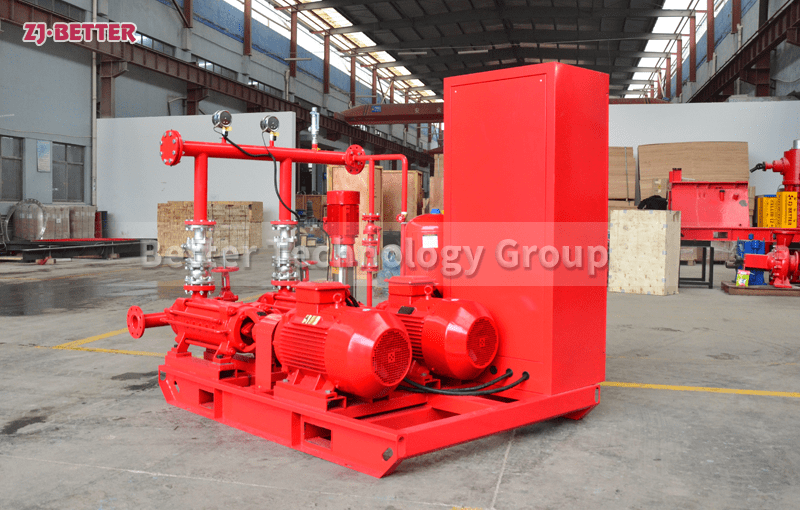
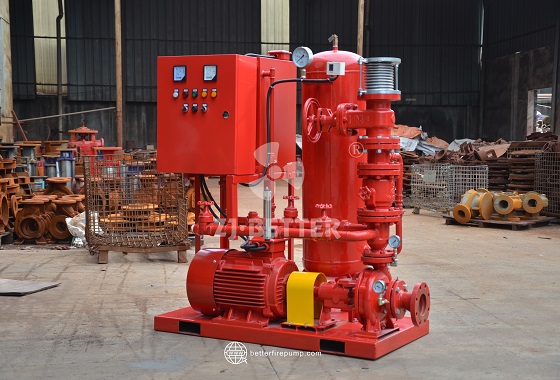
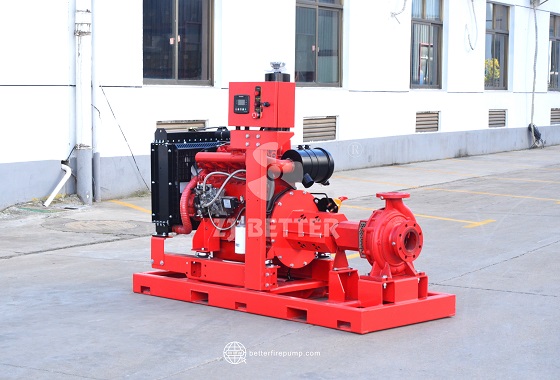
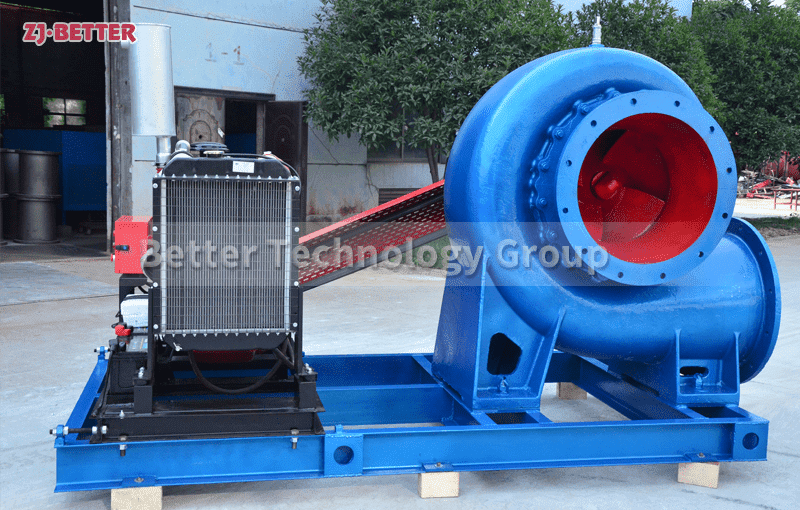
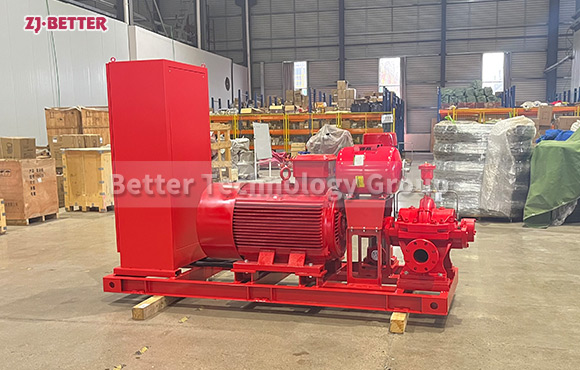
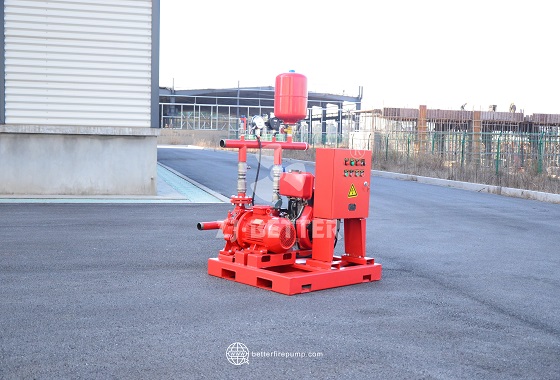
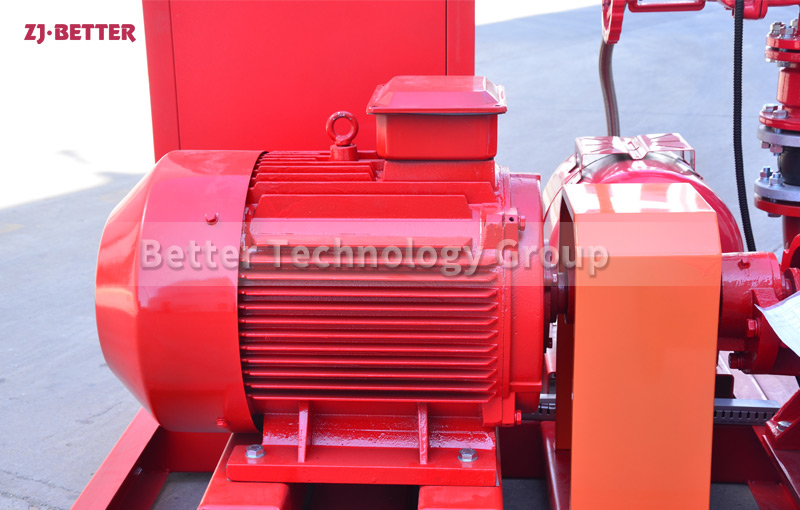
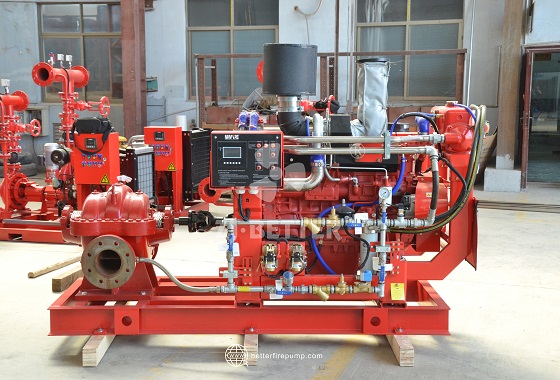
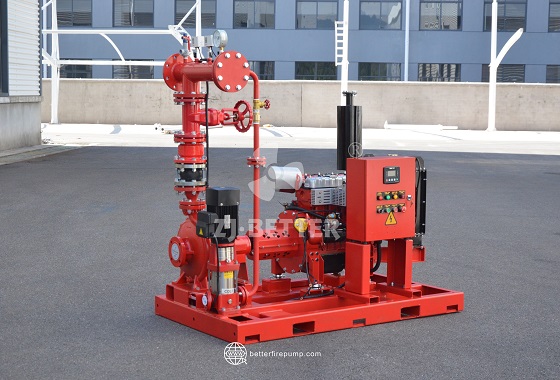
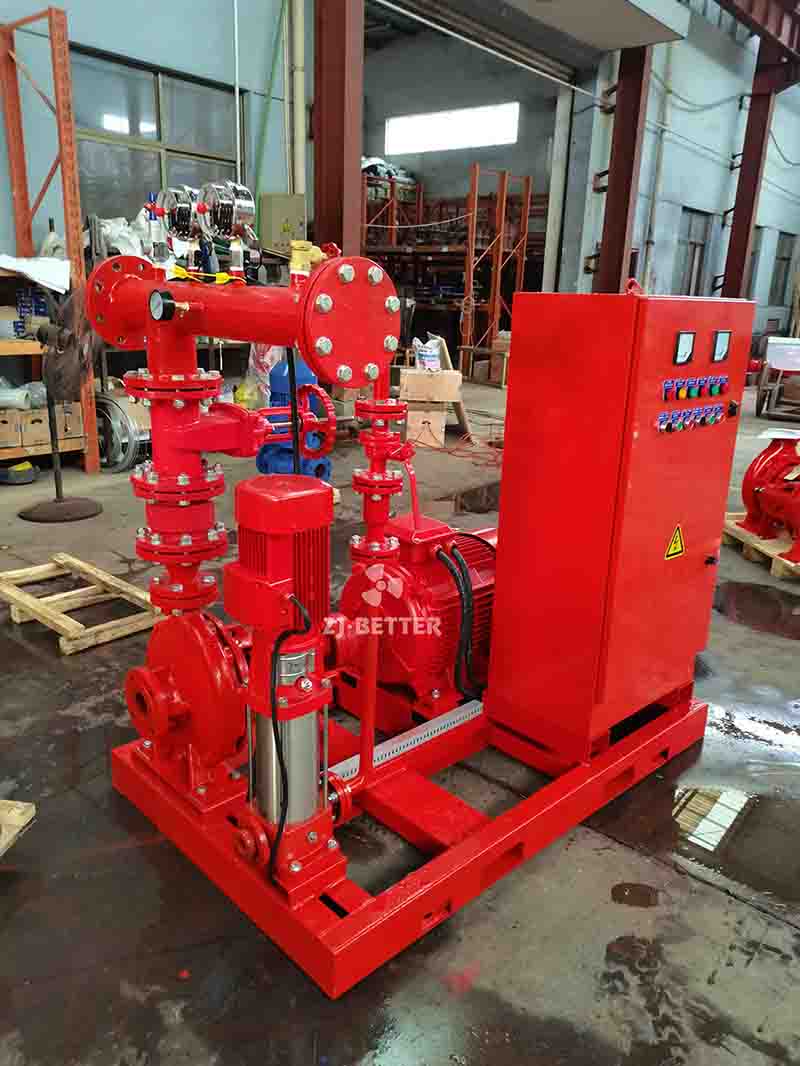
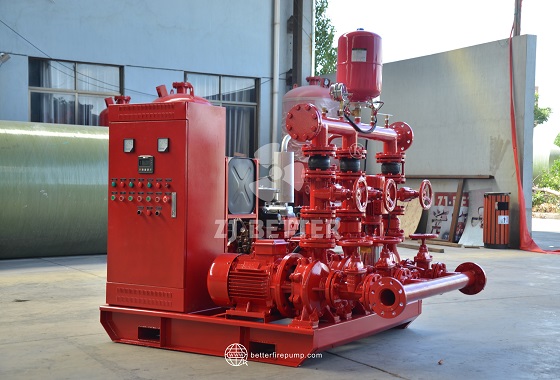
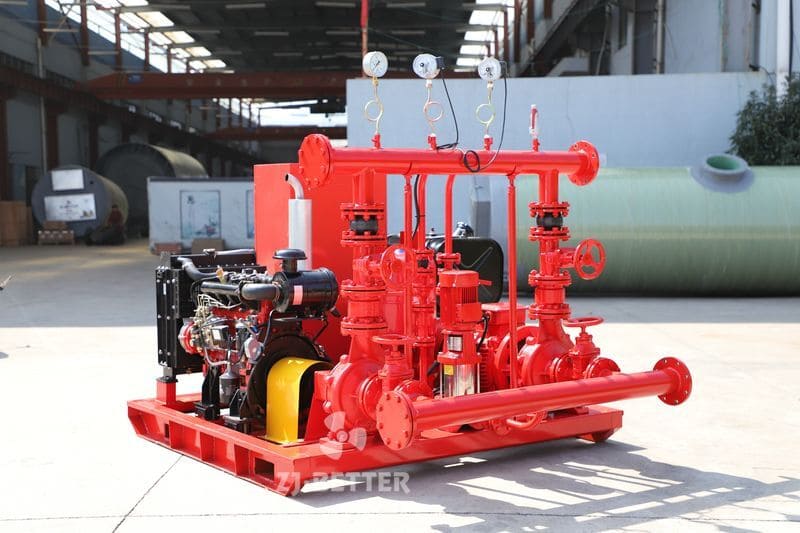
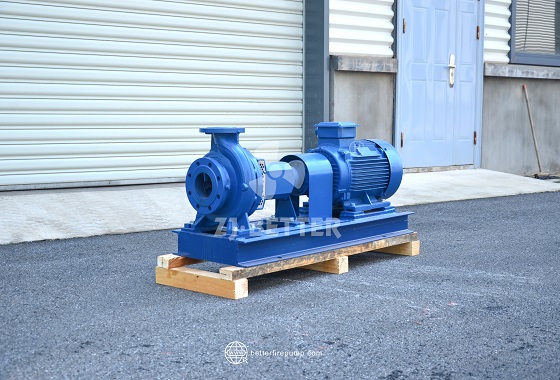
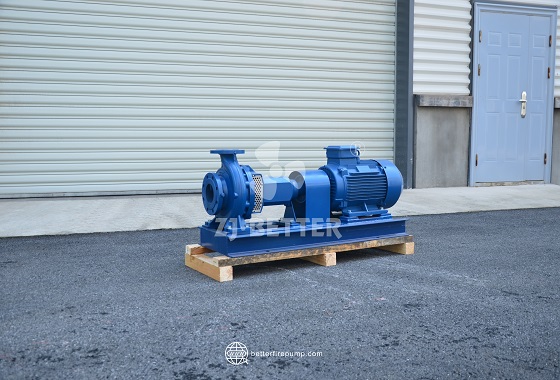
A horizontal end-suction fire pump is an electric motor-driven centrifugal pump designed primarily for fire protection systems in buildings, industrial facilities, warehouses, and other fixed fire-suppression water supply installations. Featuring a horizontal configuration, the pump and motor are mounted on a common baseplate; this compact, straightforward layout facilitates equipment positioning, piping connections, and routine maintenance. During operation, the electric motor drives the rotation of the pump shaft and impeller. Centrifugal force imparts energy to the water, and the internal flow passages within the pump casing convert a portion of this kinetic energy (velocity energy) into pressure energy, thereby delivering the required flow rate and head to the fire-fighting piping network. The end-suction design—characterized by an inlet at the front of the pump casing and an outlet typically located on top—allows for flexible orientation based on site-specific piping layouts, making it suitable for a wide range of pump room configurations. In fire-fighting water supply projects, pump performance is determined not only by motor power but also by impeller design, internal flow passage geometry, rotational speed, system piping resistance, and the specific operating point. Consequently, equipment selection must be carefully matched to the required rated flow, head, and motor specifications as dictated by the fire protection design. Horizontal end-suction fire pumps can be configured in various specifications to meet the hydraulic demands of fire-suppression systems of different scales. The pump casing features an optimized flow passage structure that ensures smooth water movement through the chamber, while the impeller—responsible for energy transfer—has a design and dimensions that directly influence the pump’s flow rate, head, and operational efficiency. A reliable connection between the pump shaft and the motor ensures effective power transmission, while a mechanical seal minimizes fluid leakage at the shaft interface. Proper shaft alignment and a solid mounting foundation help mitigate abnormal vibrations during operation. The equipment shown in the image features a horizontal arrangement of the motor and pump, secured on a common baseplate; this design simplifies installation within a fire pump room and provides easy access for inspecting critical components such as the pump casing, motor, coupling, and seals. When integrating the pump into a specific project, the installation plan should account for piping connections, equipment dimensions, foundation load-bearing capacity, and maintenance access—ensuring that piping stress does not affect the pump casing and that sufficient space is reserved for future servicing. These types of fire pumps are suitable for use in fire hydrant systems, automatic sprinkler systems, and other fixed fire-fighting water supply applications that meet specific design requirements. Depending on the specific model and operating conditions, they may also be used for the general transport of clean water. The available specifications for these horizontal electric fire pumps cover a broad range; the series listed on the official website includes flow rates of approximately 1–300 L/s, heads of approximately 0.15–1.6 MPa, and port diameters ranging from 25 to 500 mm. Actual performance should be verified against the technical data and performance curves for the specific model selected. When selecting a pump, it is essential to consider factors such as power supply conditions, operating pressure, fluid characteristics, ambient temperature, and system design standards to ensure the pump operates correctly under the intended conditions. Through proper model selection, appropriate power matching, and standardized installation, horizontal end-suction fire pumps can provide the necessary pressure and flow for fixed fire-fighting water supply systems. Their straightforward design, well-established installation methods, and accessible maintenance points make them a viable pumping solution for a wide range of fire-protection projects in both building and industrial sectors.