Diesel Fire Pump Set with Professional Control System for Rapid Start and Water Supply
Equipped with a specialized automatic control system, the diesel fire pump unit can rapidly start up based on fire-fighting pipeline network pressure. By integrating independent diesel power, a high-efficiency fire pump, and features for operational monitoring and fault protection, it provides a stable and reliable emergency fire-fighting water supply for industrial plants, warehouses, and large-scale buildings.
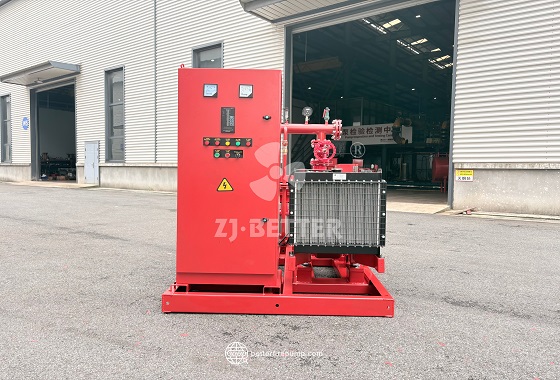
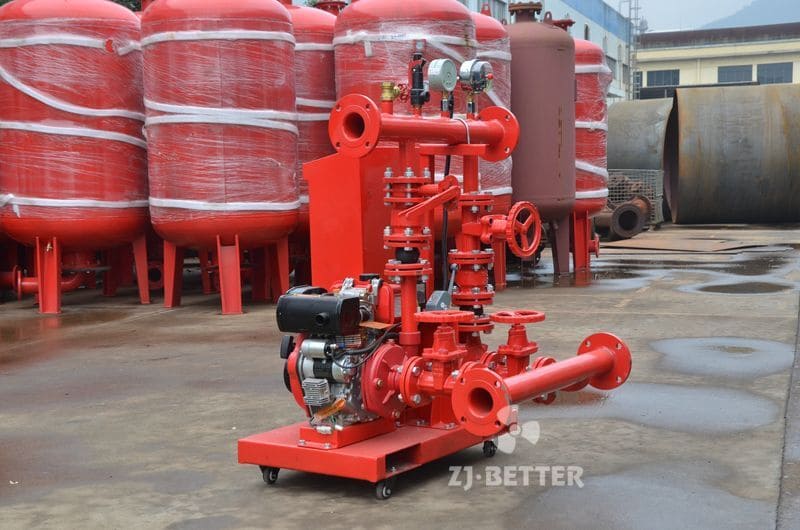
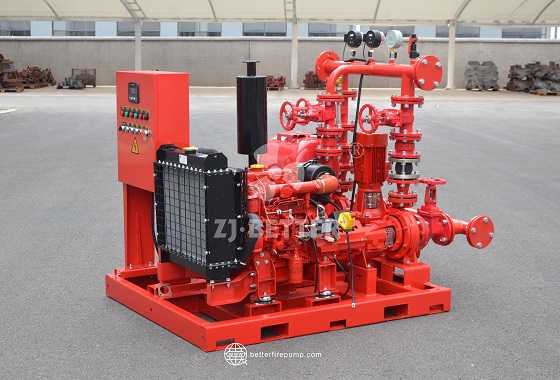
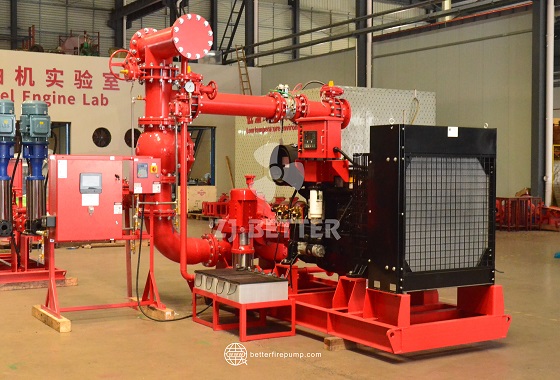
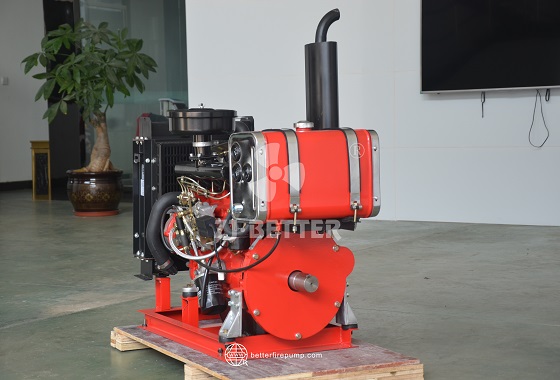
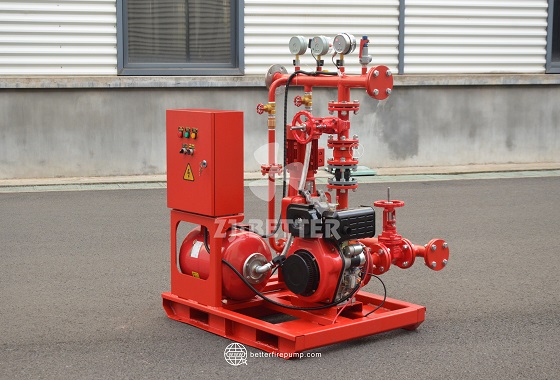
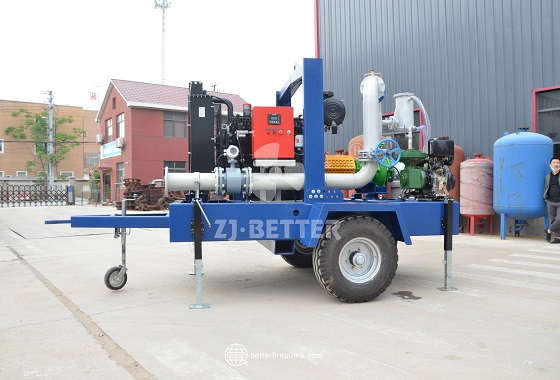
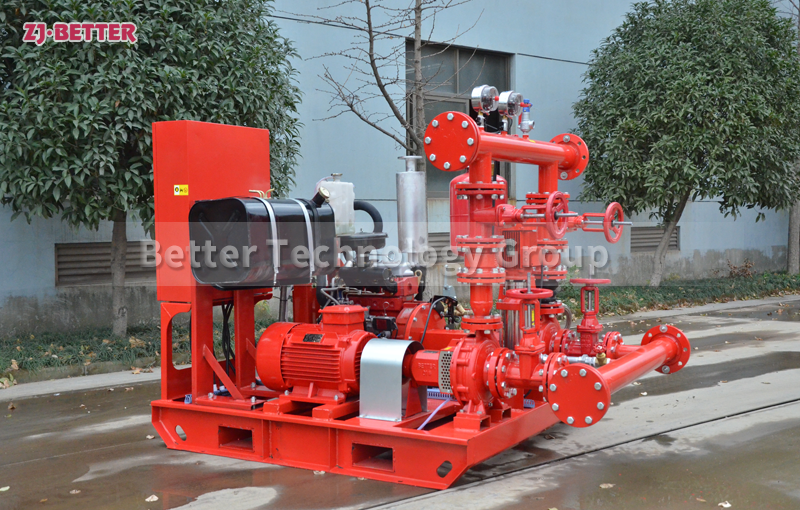
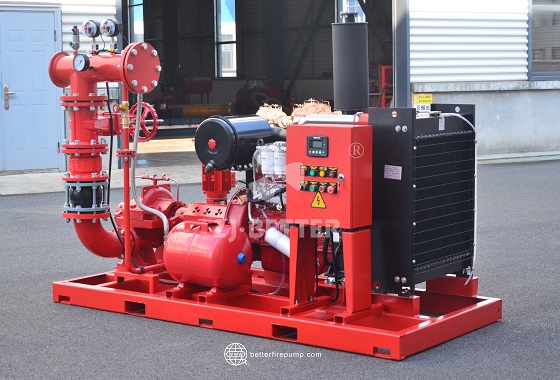
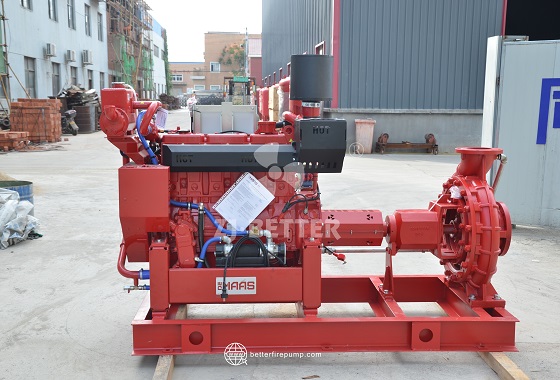
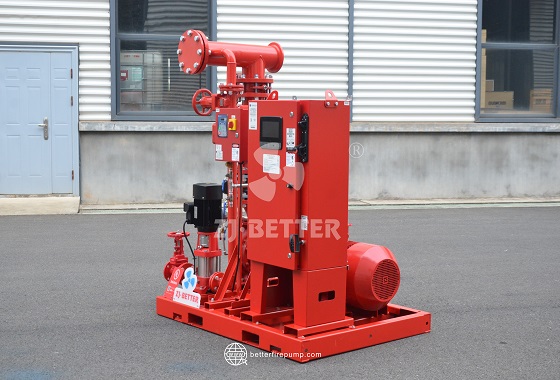
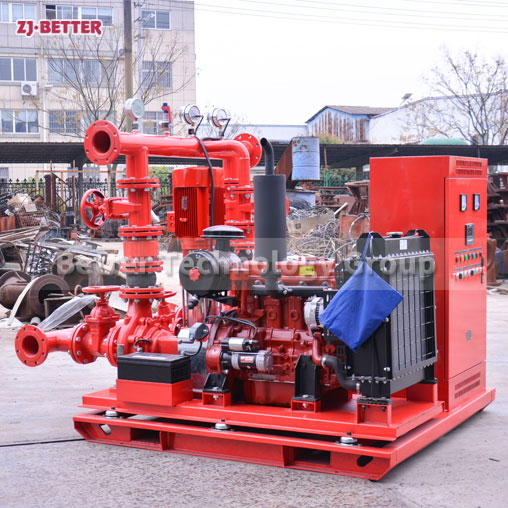
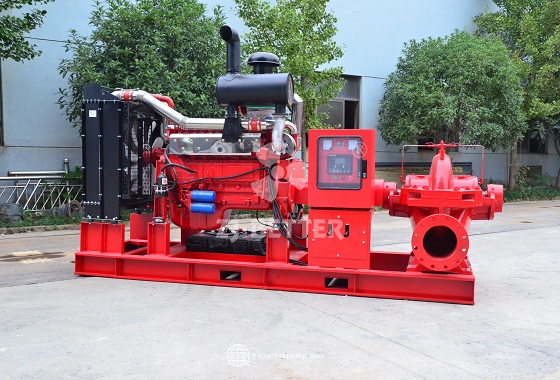
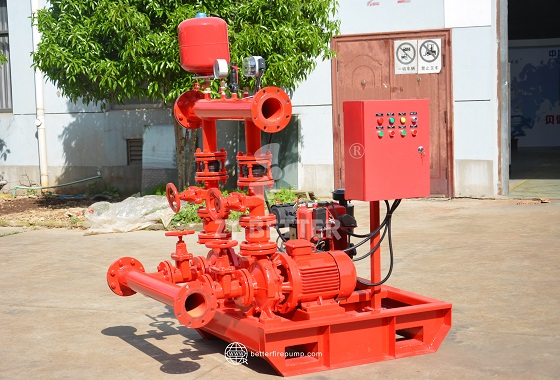
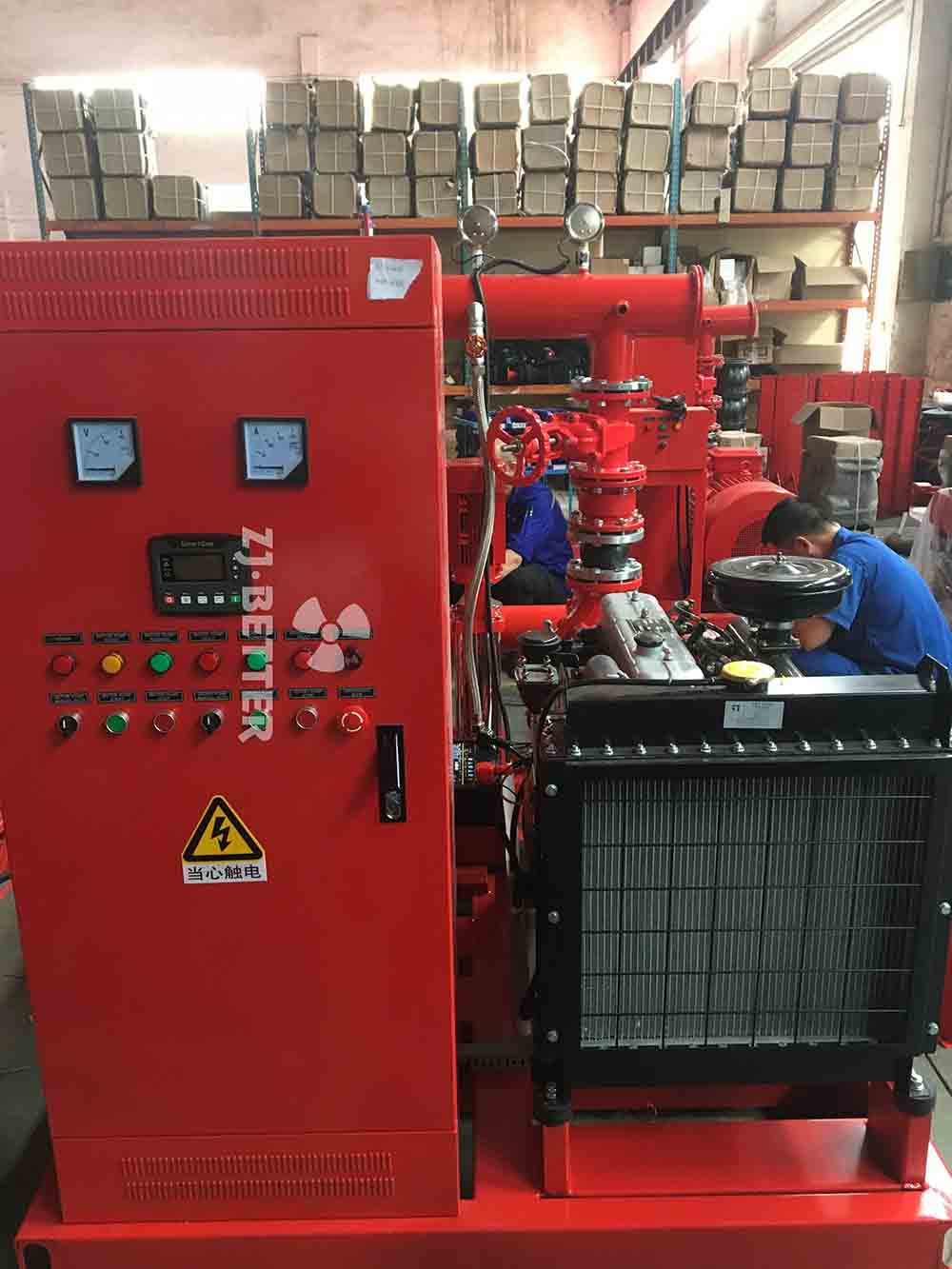
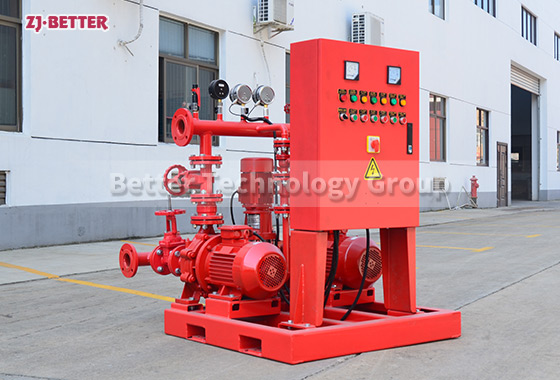
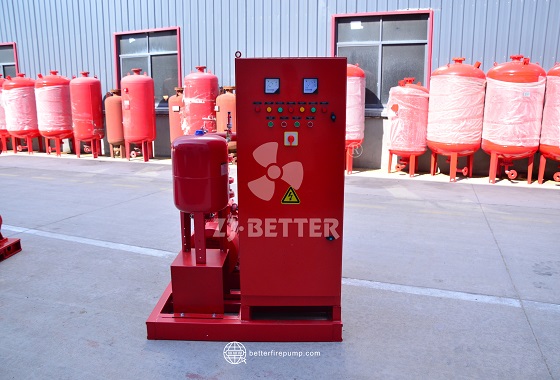
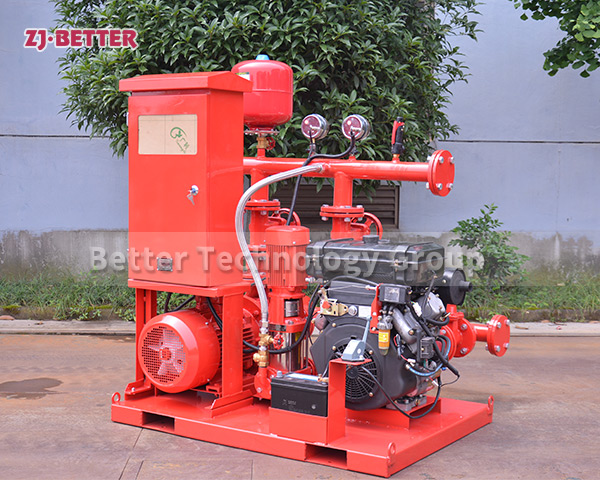
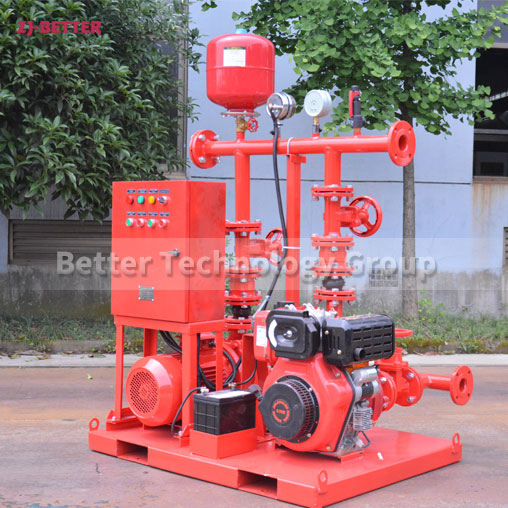
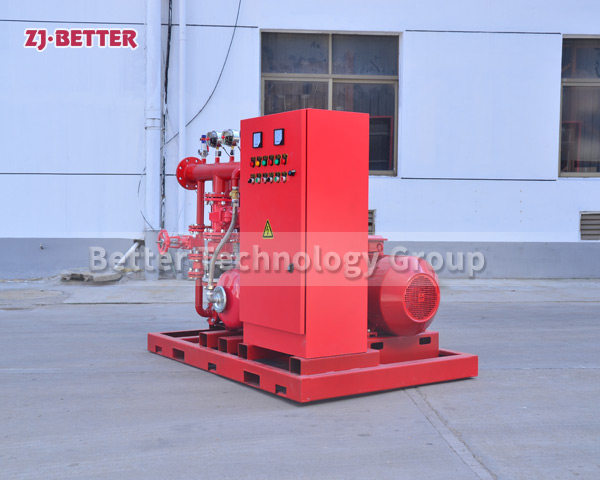
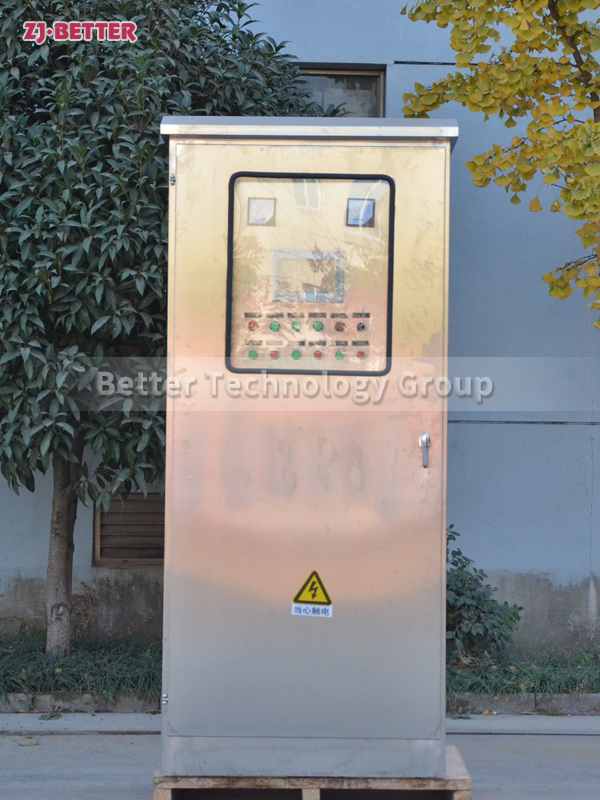
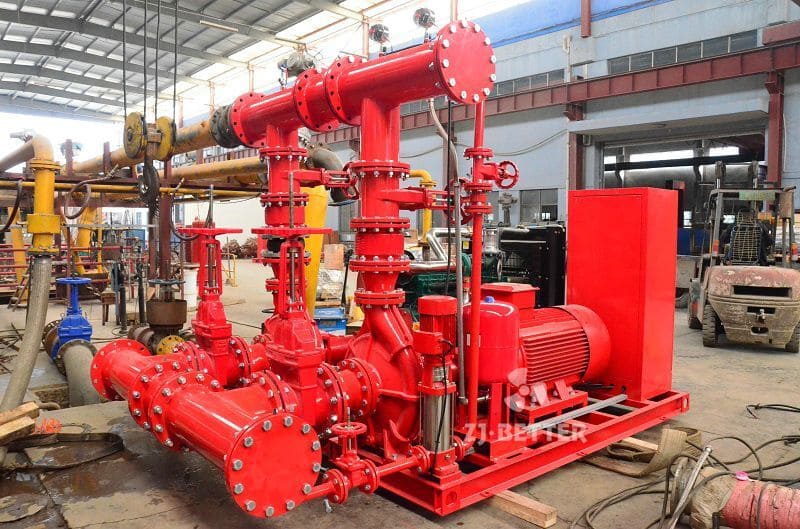
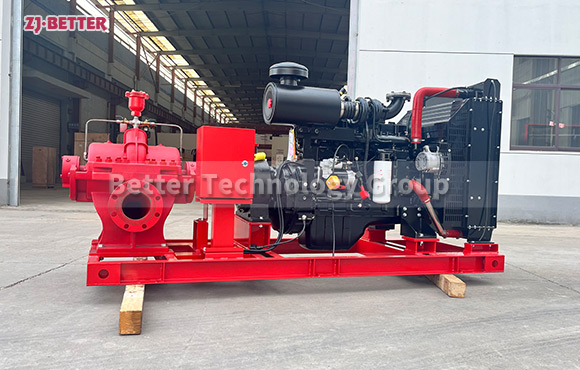
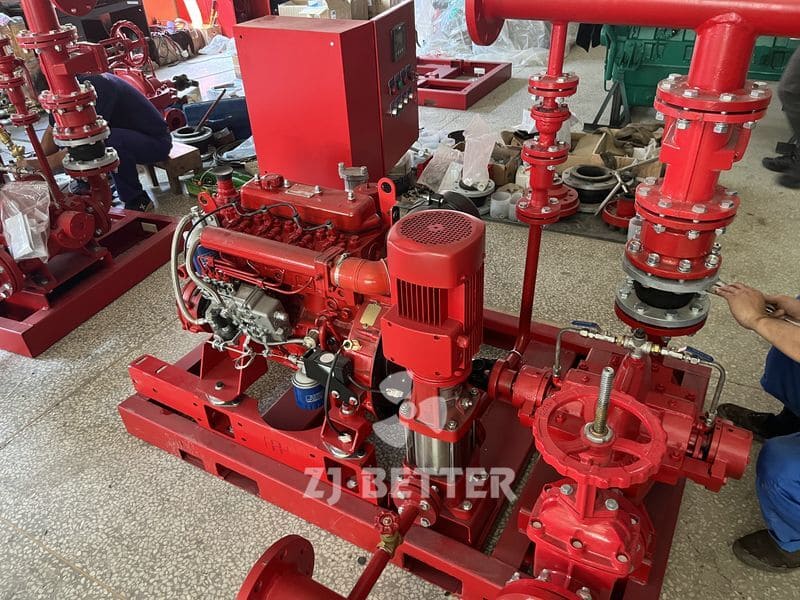
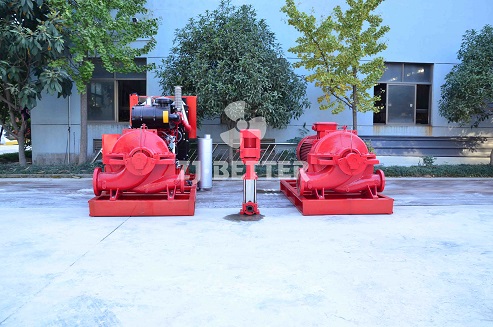
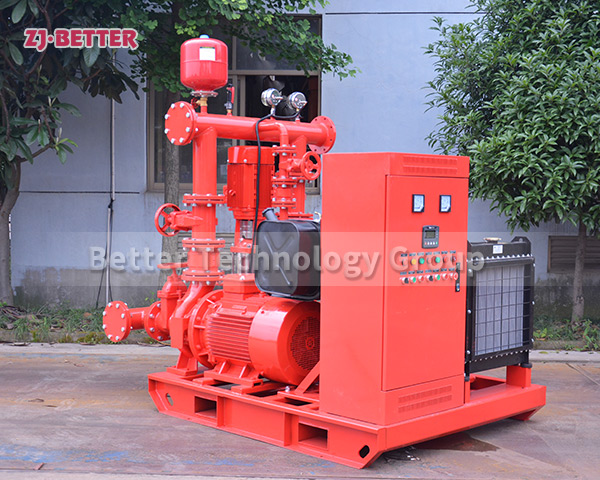
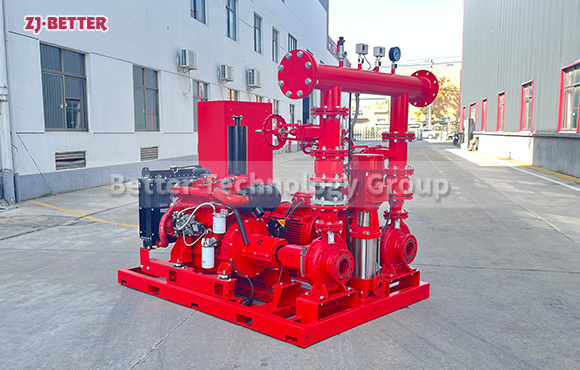
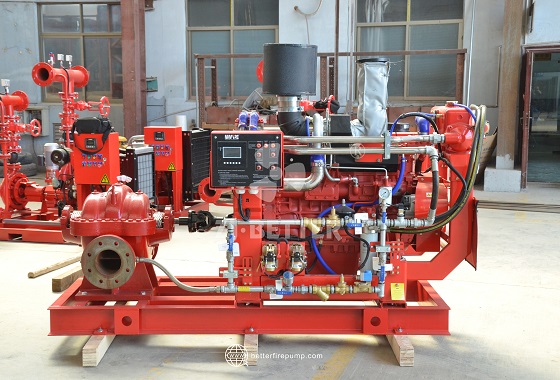
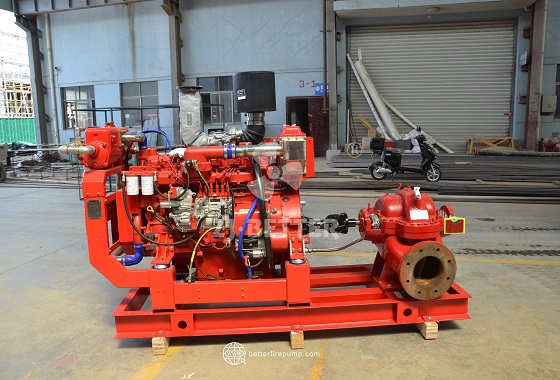
The diesel fire pump unit is a complete fire-fighting water supply system powered by a diesel engine and equipped with a fire pump and a specialized control system. It is suitable for facilities with stringent requirements for emergency fire-fighting water supply, such as industrial plants, logistics warehouses, commercial buildings, petrochemical and power facilities, airports, terminals, and large public buildings. The unit features an integrated design, mounting the diesel engine, fire pump, control cabinet, pressure sensing components, and fuel/auxiliary piping onto a common base; this configuration creates a unified assembly comprising the power, water supply, and control systems, thereby facilitating installation, commissioning, and maintenance. The specialized control system is a key component that monitors the unit’s operating status based on pressure fluctuations in the fire-fighting piping network. Upon detecting a pressure drop to a preset level or receiving a start signal, the system automatically starts the diesel engine to drive the fire pump, thereby shortening the emergency response time and minimizing the impact of manual intervention on system activation speed. Data indicates that these automatically controlled diesel fire pump units monitor network conditions via pressure sensors and support functions such as automatic startup, operational monitoring, fault alarms, and system protection; they can rapidly engage during sudden fires or power supply failures, ensuring a continuous water supply for fire hydrants, automatic sprinkler systems, and other fixed fire-fighting installations. Regarding power performance, the diesel engine operates independently of the on-site electrical grid, providing mechanical drive power to the fire pump even during power outages or supply irregularities, making it an ideal emergency power source for critical fire-fighting systems. The engine offers excellent load adaptability, allowing for the selection of power specifications that match the required flow rate and head of the fire pump, thus providing stable power support for fire-fighting networks of various scales. The fire pump utilizes a high-efficiency hydraulic design, converting the engine’s mechanical energy into water pressure energy through impeller rotation; this ensures a stable head while meeting design flow requirements, effectively supplying water to fire hydrants, sprinkler systems, and extended piping networks. Optimized impeller and flow-path designs help minimize hydraulic losses, resulting in smoother operation and enhanced efficiency in continuous water supply. The control cabinet monitors parameters such as engine speed, oil pressure, water temperature, battery voltage, operating time, and equipment status, utilizing fault alarms and protection functions to detect anomalies promptly; certain configurations also support manual, automatic, and remote monitoring modes, offering greater flexibility in equipment management. In response to abnormal conditions—such as low oil pressure, engine overspeed, excessive water temperature, or start-up failure—the control system triggers alarms and initiates protective measures, thereby mitigating the risk of equipment malfunction. These fire pump units can be configured with fuel, cooling, and lubrication systems, starting batteries, and other auxiliary components tailored to specific project requirements, enabling the diesel engine to meet demands for prolonged, continuous operation. The unit features an integrated installation design that minimizes on-site connections between separate components while facilitating transport, positioning, and commissioning. Furthermore, the pump structure and control method can be selected based on project-specific factors—such as flow rate, head, installation environment, and fire system design specifications—to ensure optimal adaptation to diverse engineering applications. In summary, through the synergy of a professional control system, independent diesel power, and a high-efficiency fire pump, the unit delivers rapid start-up, stable water supply, operational monitoring, and fault protection. It provides reliable power support for emergency responses in standard fire-fighting water supply systems and is particularly well-suited for industrial facilities and large-scale building projects that demand high levels of continuity and rapid response, ensuring a stable and efficient emergency water supply for fire-fighting networks.