Diesel Fire Pump Set with High-Integration Design for Reduced On-Site Equipment Installation Work
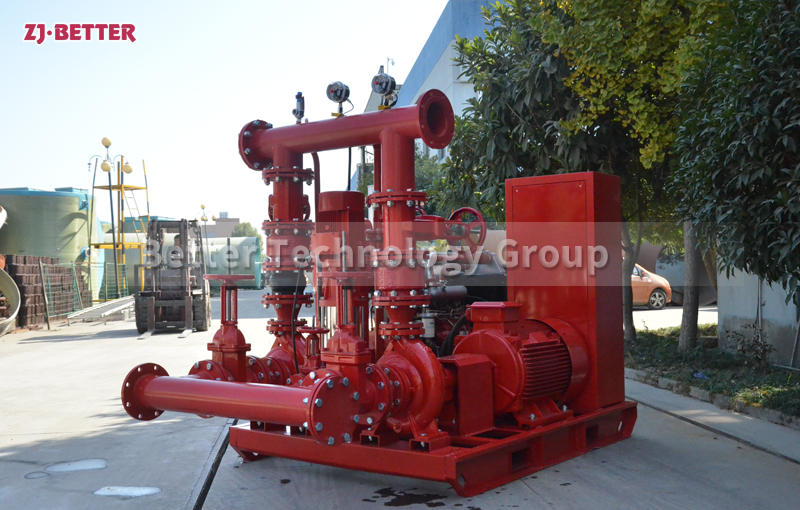
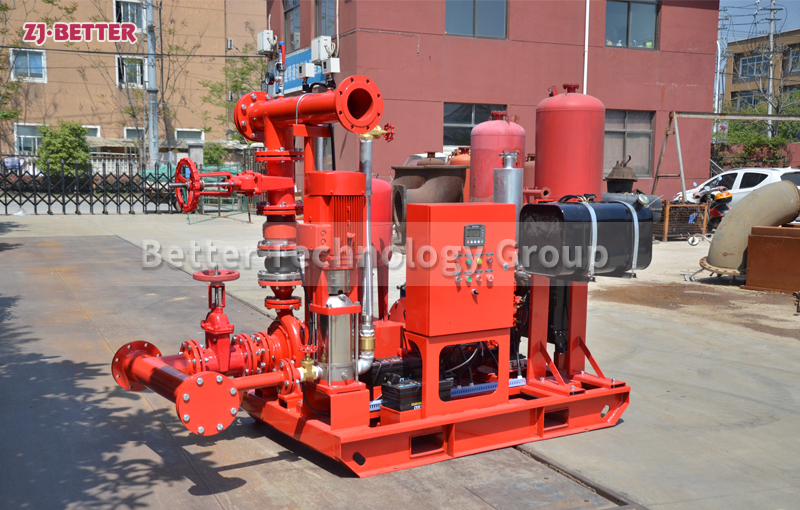
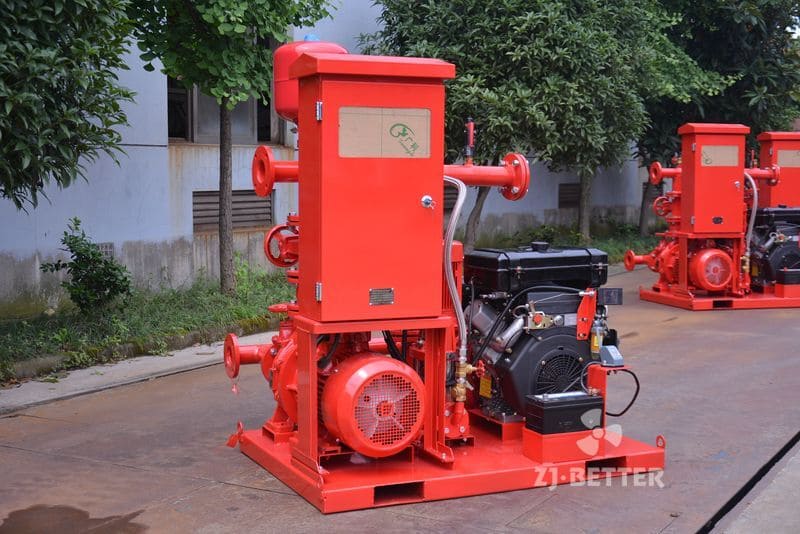
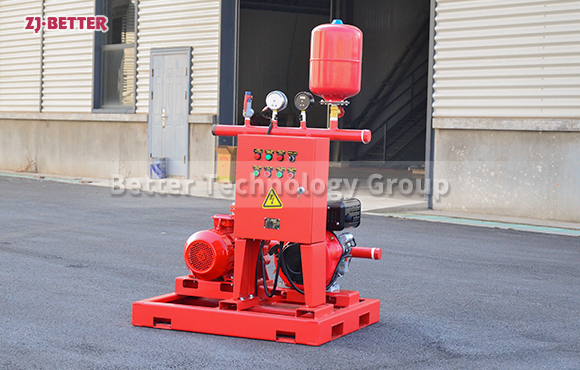
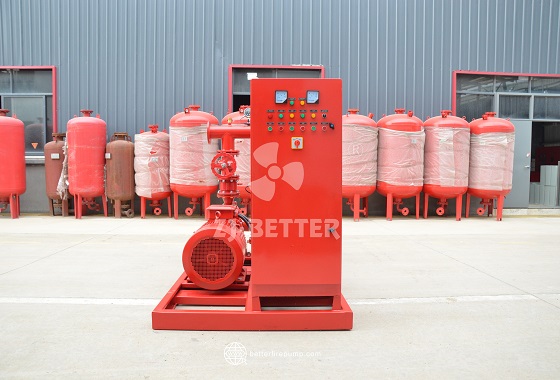
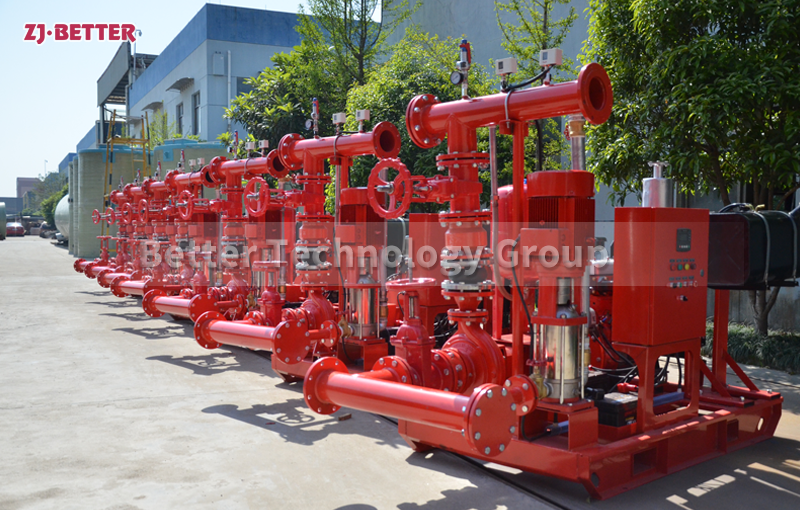
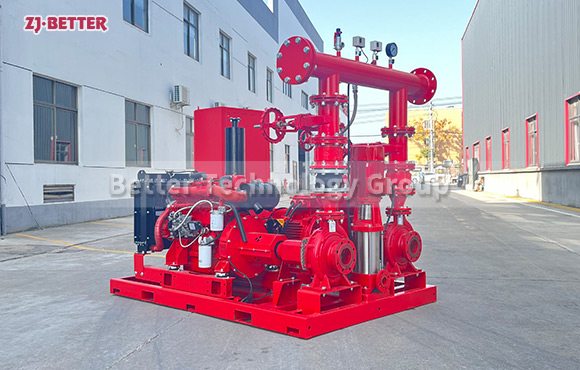
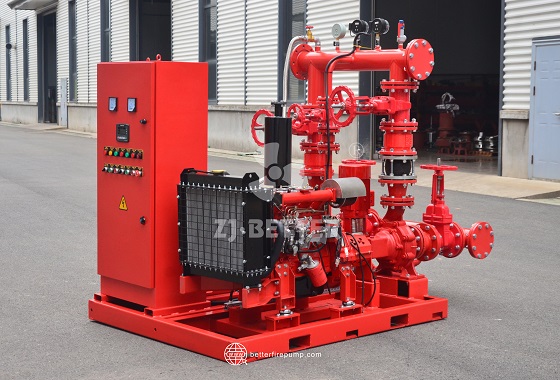
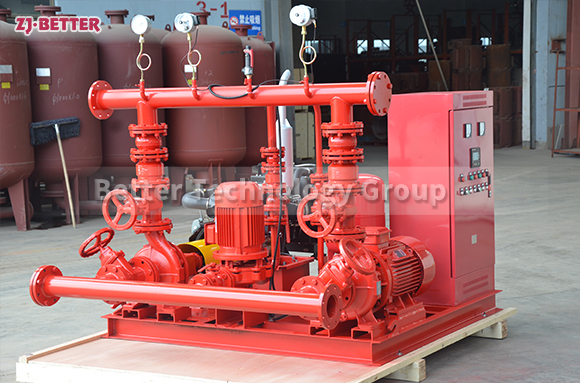
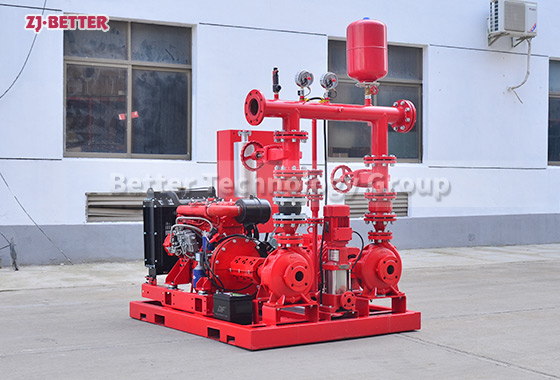
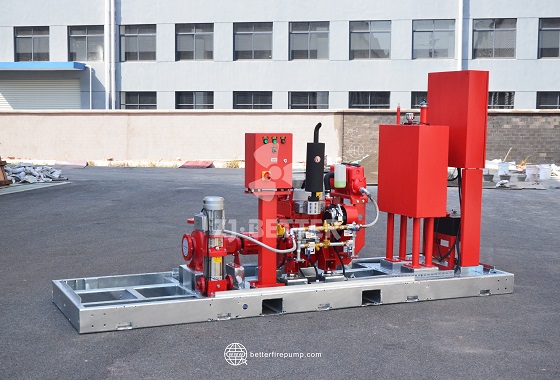
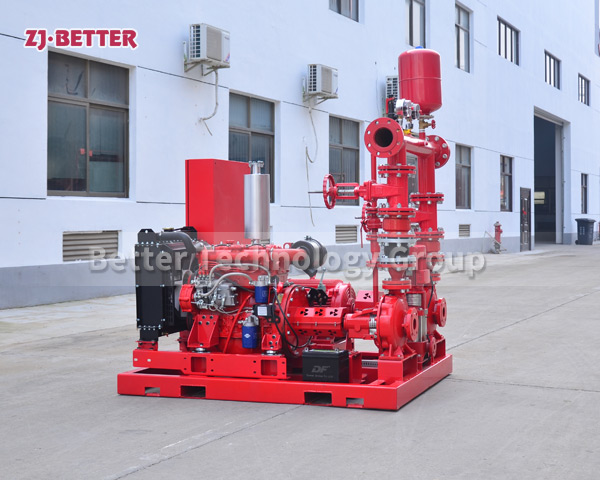
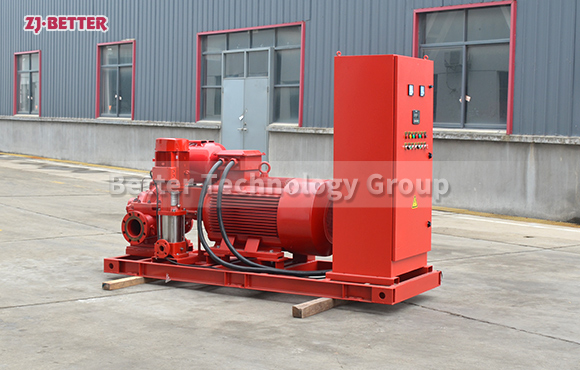
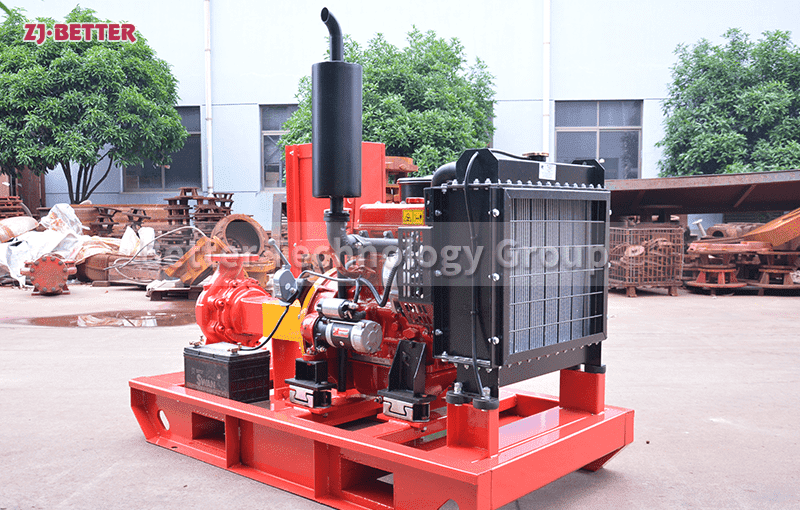
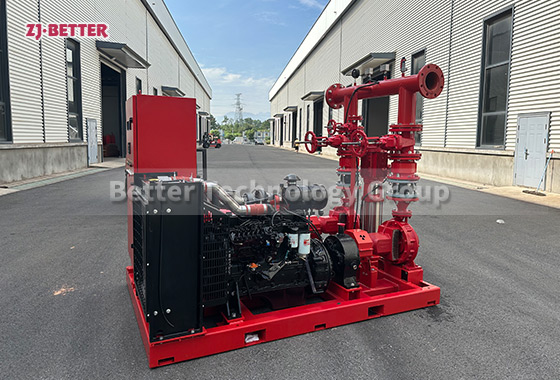
The diesel fire pump unit features a highly integrated, complete-set design that combines a diesel engine, fire pump, jockey pump, control cabinet, and piping accessories. This configuration minimizes on-site installation and integration work, making the unit suitable for fire water supply systems in industrial plants, warehouses, airports, terminals, and large-scale buildings.
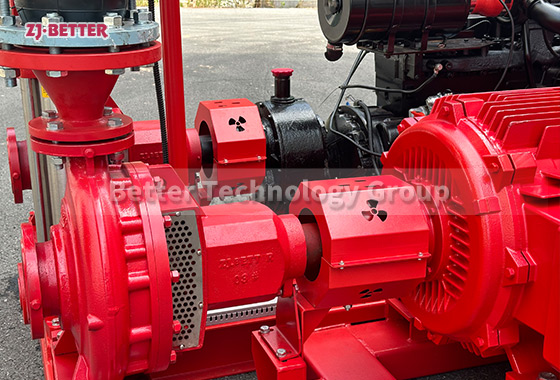
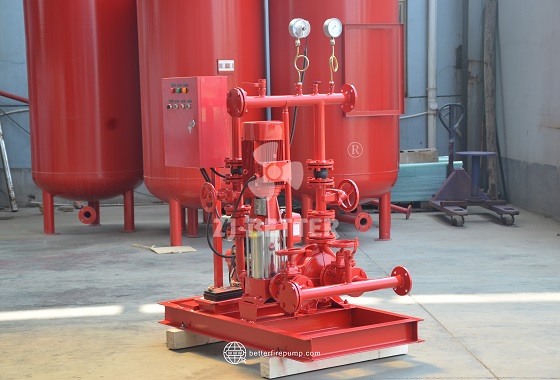
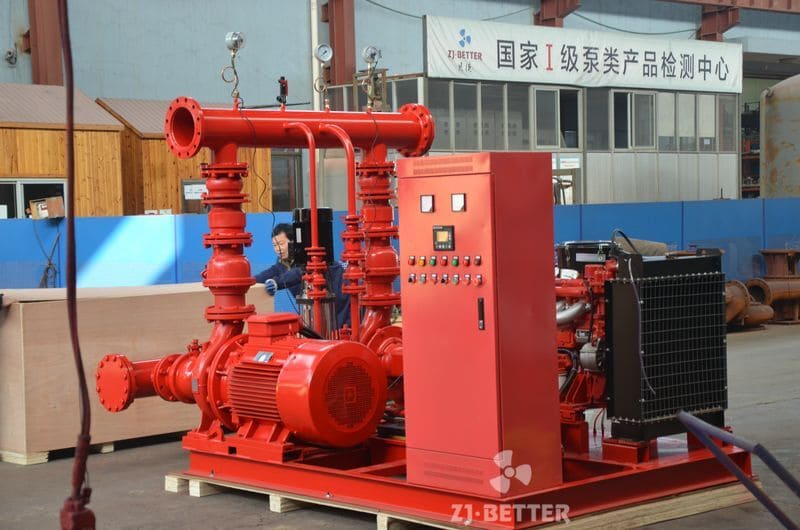
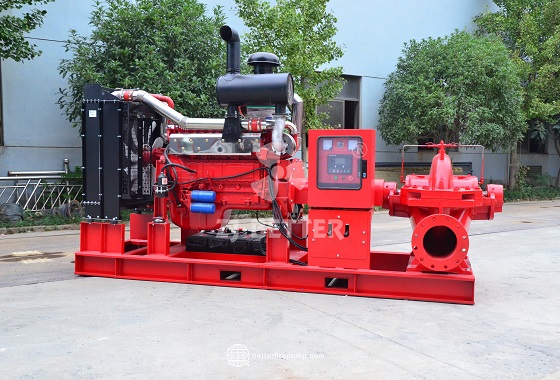
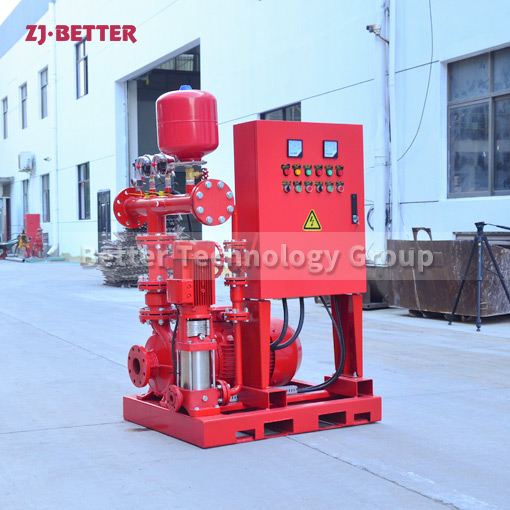
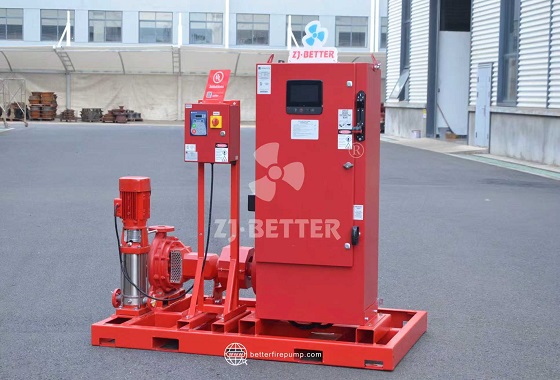
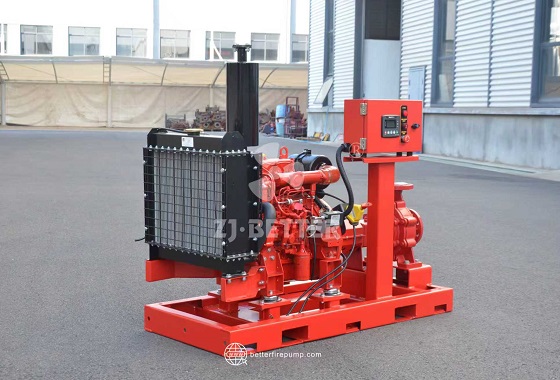
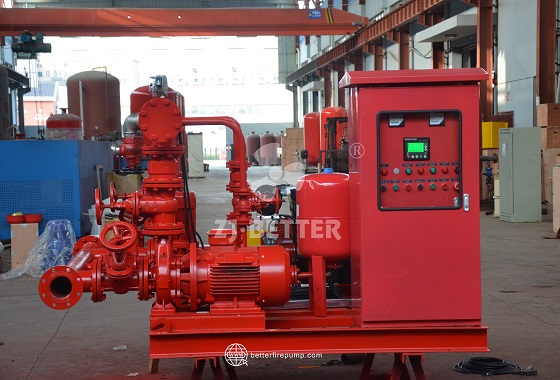
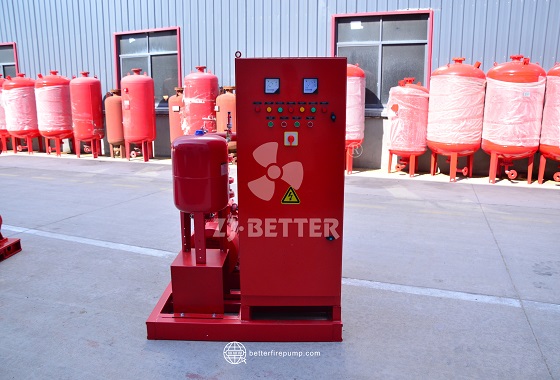
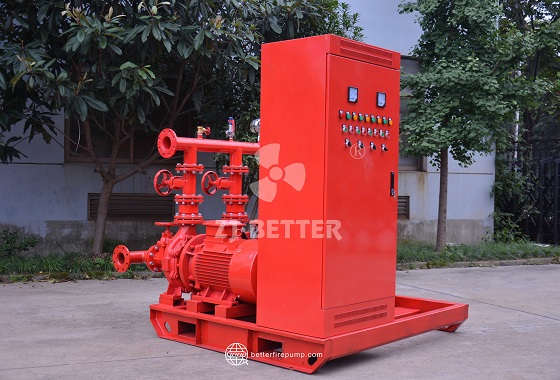
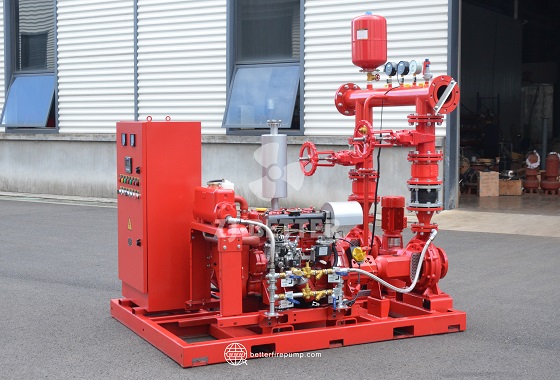
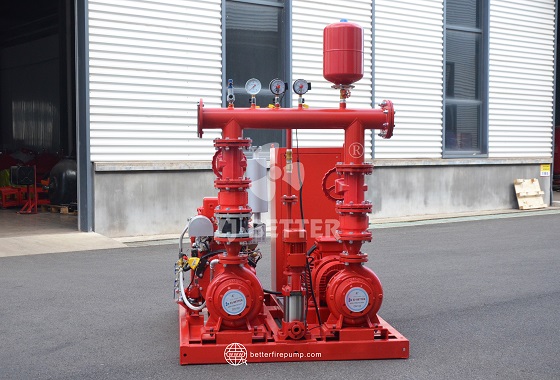
The diesel fire pump unit is a complete fire water supply system featuring a diesel engine, fire pump, jockey pump, control cabinet, pressure sensing components, valves, and connecting piping, all mounted on a unified base. It is suitable for fire water supply applications in industrial plants, warehouses and logistics centers, docks, airports, petrochemical and power facilities, marine vessels, and large-scale buildings. The equipment shown utilizes an integrated, packaged design with functional components logically arranged according to the fire water supply workflow, forming a cohesive unit comprising the power source, pump, control system, and piping. Compared to decentralized procurement and piecemeal on-site installation, this approach reduces the workload associated with equipment integration, piping connections, and installation coordination, thereby enhancing the efficiency of fire protection system implementation. According to official specifications, these units can be configured with single-stage, horizontal split-case, end-suction, or multi-stage pumps, tailored to specific project requirements regarding flow rate, head, and pressure. Standard models cover flow rates of 30–9,000 GPM and pressure heads of 3–20 bar, offering a wide range of selection options for fire water supply projects of various scales. Powered by a diesel engine, the unit provides independent power for emergency fire water supply; a jockey pump works in tandem to maintain pipeline network pressure, preventing frequent starts of the main fire pump caused by minor pressure drops. Characterized by low flow and high head, the jockey pump compensates for routine pressure losses in the fire protection network, ensuring the system maintains a stable standby pressure. The highly integrated design is another key advantage; with the diesel engine, fire pumps, jockey pump, and control components mounted together, extensive system assembly and functional matching are completed at the factory. On-site installation is simplified to base positioning, inlet/outlet piping connections, and the configuration of necessary electrical and control interfaces, thereby minimizing the coordination required between multiple independent pieces of equipment. The common base provides stable support for the entire assembly and maintains the correct relative positioning of components, facilitating transportation, lifting, installation, and subsequent inspection and maintenance. According to official specifications, the complete equipment package can be configured with accessories such as pressure vessels, pressure gauges, pressure sensors, check valves, gate valves, flexible joints, flanges, and common suction/discharge piping; this transforms the fire pump assembly from a mere power unit into a fully integrated fire water supply system. The control cabinet manages equipment operation, providing automatic control for the diesel fire pump and jockey pump, as well as protection features like overload and overcurrent monitoring, thereby simplifying operational management. Regarding hydraulic performance, the fire pump configuration can be tailored to project requirements; the impeller converts mechanical power into water pressure to deliver the necessary flow rate and head to the fire piping network. Furthermore, materials such as cast iron, stainless steel, or bronze can be selected for wetted parts and impellers to meet specific application needs and environmental conditions. Overall, this highly integrated diesel fire pump assembly consolidates the power system, water supply system, pressure maintenance components, control system, and piping accessories. It ensures reliable fire water supply performance while minimizing on-site integration work, making it ideal for projects demanding high installation efficiency, system integrity, and emergency supply capabilities. By optimizing the matching of flow rate, head, pump type, diesel engine power, and control methods, it provides comprehensive water supply solutions for diverse building and industrial fire protection systems.