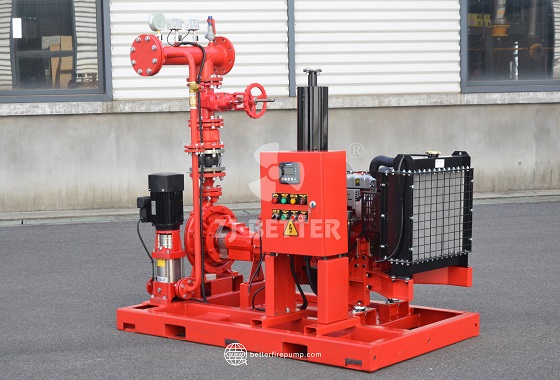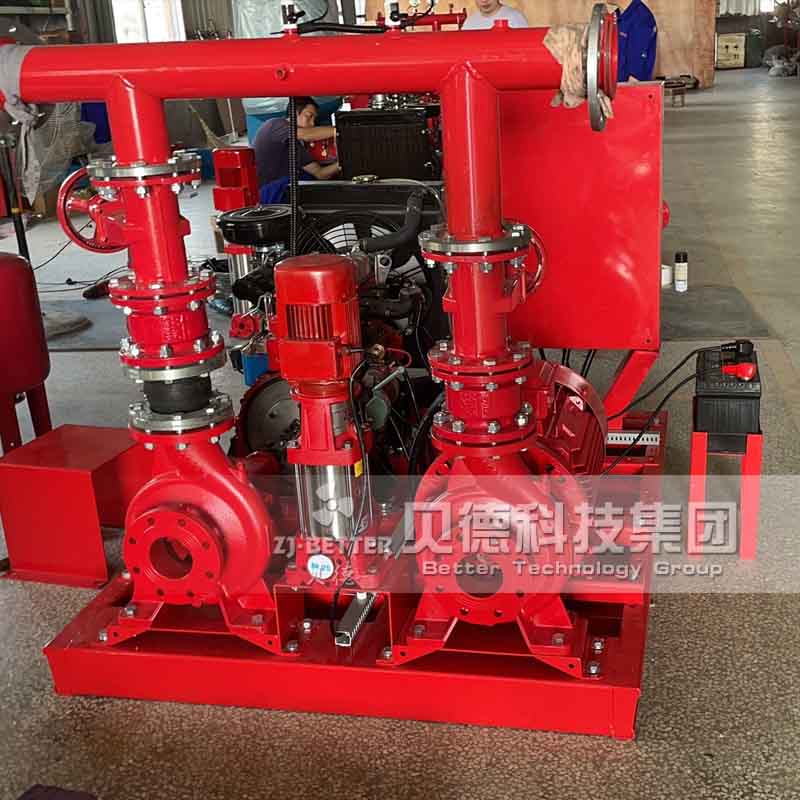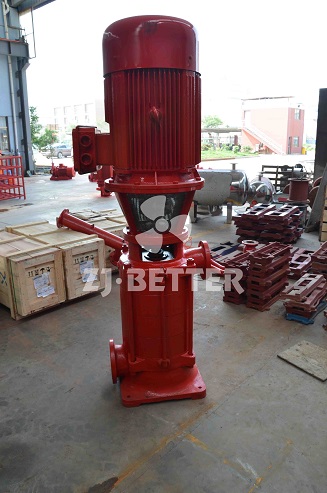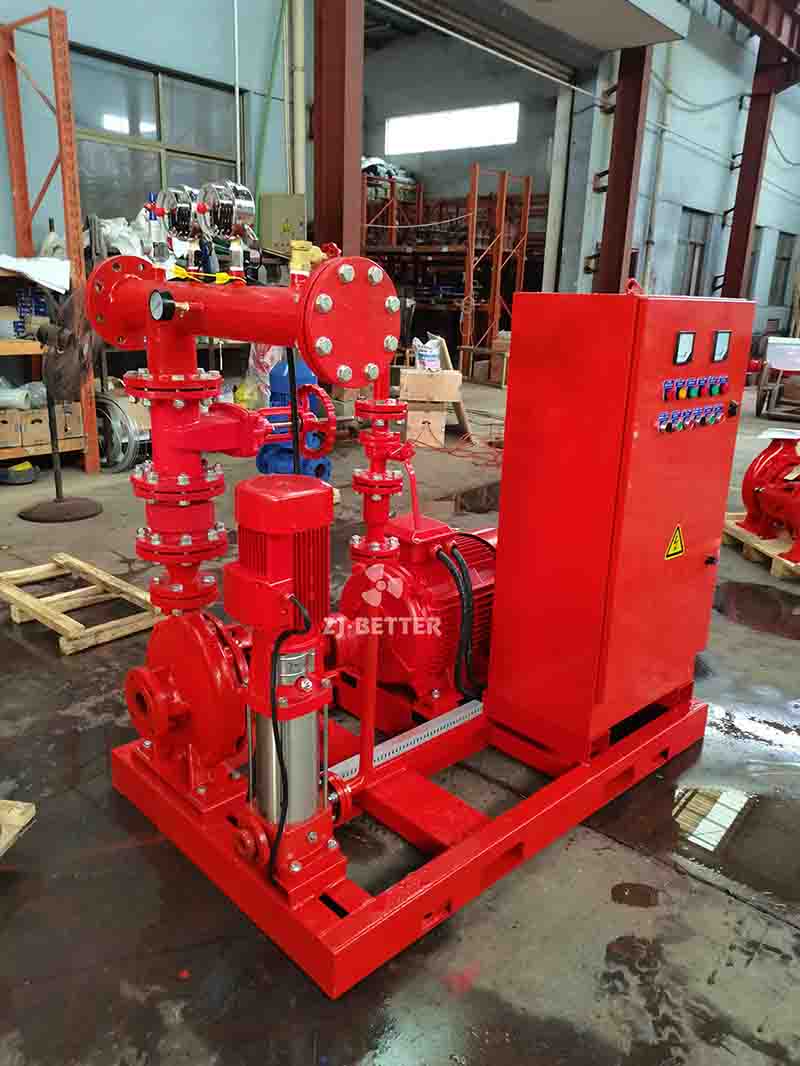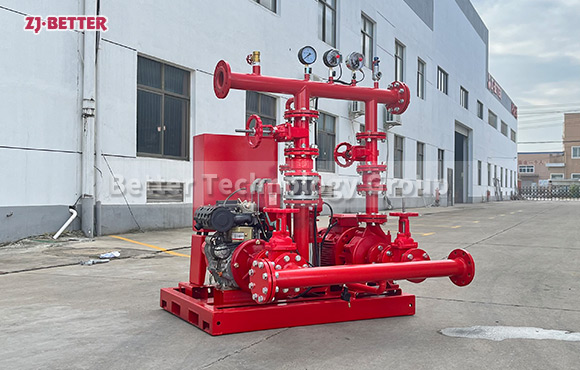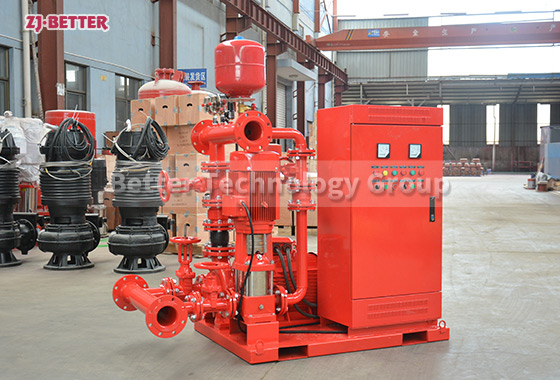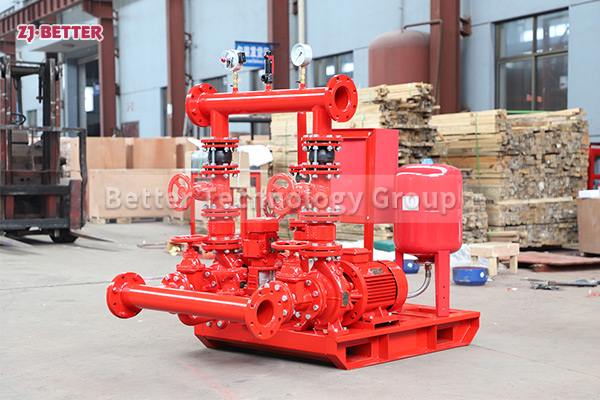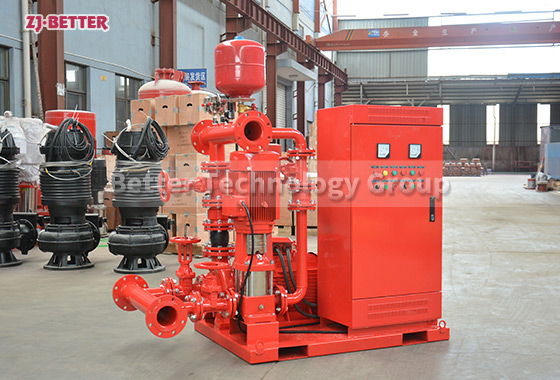
High Performance Fire Pressure Tank for Commercial Fire Safety
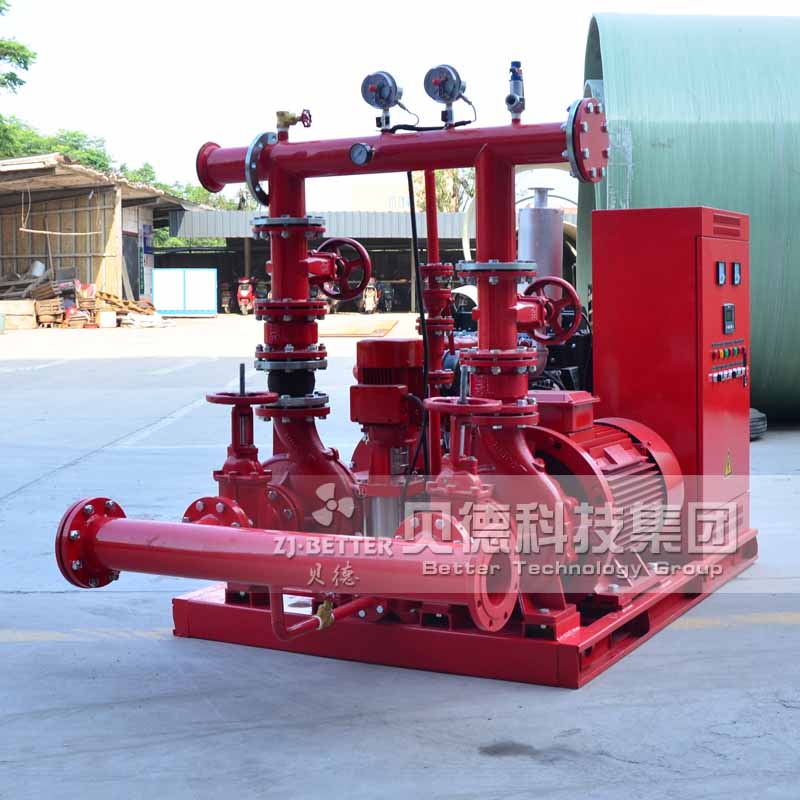
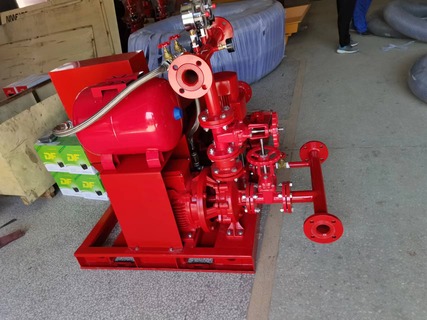
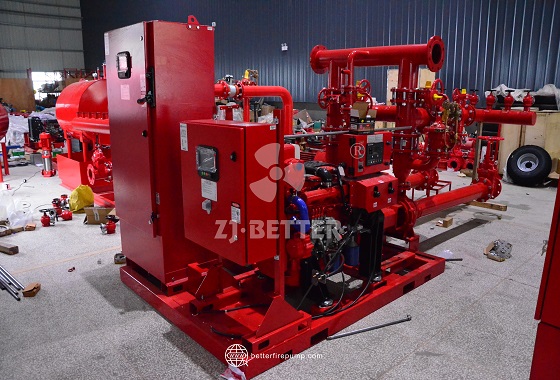
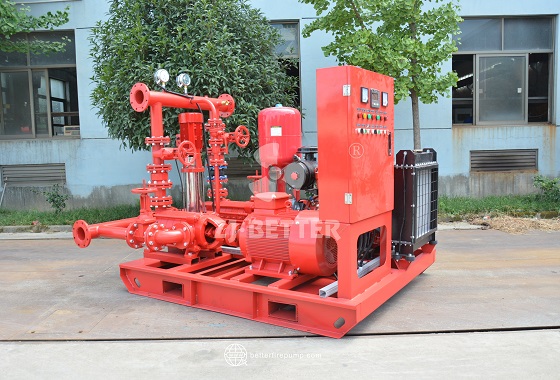
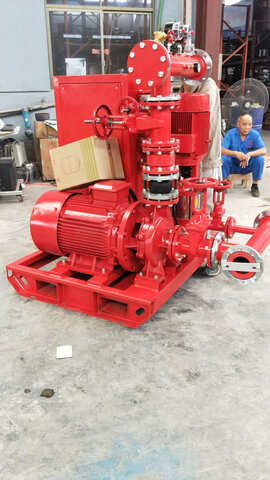
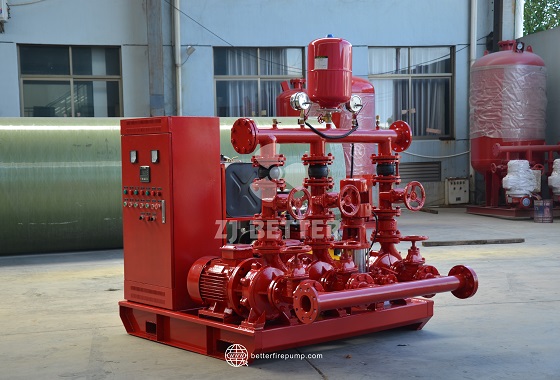
High-performance fire-fighting pressure tanks have advantages such as stable pressure, rapid response, pressure resistance, corrosion resistance, and intelligent control. They are widely used in commercial buildings, high-rise projects, and large-scale fire protection systems to improve the stability of fire water supply and fire safety assurance capabilities.
With the continuous expansion of modern commercial buildings and the ongoing improvement of fire safety standards, fire water supply systems are playing an increasingly important role in large shopping malls, office buildings, hotels, hospitals, convention centers, underground complexes, data centers, and high-rise residential buildings. Commercial buildings are characterized by dense populations, complex equipment, and high electrical loads. In the event of a fire, they are prone to rapid fire spread, rapid smoke diffusion, and difficulties in evacuation. Therefore, a stable and reliable fire water supply system has become a core component of modern building fire protection engineering. Within the entire fire water supply system, high-performance fire pressure tanks play crucial roles in pressure stabilization and energy storage, water hammer buffering, maintaining pipeline pressure, and assisting in fire water supply. As a key piece of equipment in the fire protection system, high-performance fire pressure tanks not only effectively improve the stability of fire water supply but also enhance the rapid response capabilities of automatic sprinkler systems, fire hydrant systems, and fire monitor systems, providing more reliable protection for the fire safety of commercial buildings. Modern high-performance fire pressure tanks, through high-strength structural design, stable pressure control technology, and intelligent operation management, can maintain stable operation for extended periods under complex conditions, enabling the construction of a more efficient, safe, and energy-saving fire water supply system for modern commercial buildings. One of the greatest advantages of high-performance fire pressure tanks is their stable pressure maintenance capability. Commercial buildings have extensive and complex fire protection piping networks that are often in standby mode. These networks are prone to pressure drops due to minor leaks, temperature variations, and localized pressure fluctuations. If the fire protection system pressure cannot be maintained stably, it can lead to frequent starts of the main fire pump and affect the immediate response of fire equipment during a fire. High-performance fire protection pressure tanks store pressurized gas and water and automatically release pressure compensation systems when the network pressure drops, thus maintaining a stable fire protection network. Once the pressure returns to normal, the equipment automatically repressurizes, ensuring the fire protection system remains in optimal standby condition. This pressure stabilization mechanism effectively reduces the frequency of main fire pump starts, minimizes equipment wear, and improves the overall reliability of the fire protection system. Rapid response capability is a crucial technical feature of high-performance fire protection pressure tanks in commercial building fire protection systems. The first few minutes after a fire typically represent a critical period for controlling its spread; therefore, the fire water supply system must be able to establish stable pressure in the shortest possible time. High-performance fire-fighting pressure tanks can rapidly release stored pressure during the initial activation of a fire protection system, providing immediate water supply support for automatic sprinkler and fire hydrant systems, thus avoiding the impact on fire-fighting efficiency due to delayed main pump startup. This is especially important in large commercial complexes and high-rise buildings where fire hydrant networks are long; without pressure stabilizing equipment, the pressure of the terminal sprinklers may be insufficient, affecting fire-fighting effectiveness. High-performance fire-fighting pressure tanks effectively alleviate this problem, ensuring the entire fire protection system can quickly establish a stable water supply in emergencies. Excellent pressure resistance is a key advantage of modern high-performance fire-fighting pressure tanks. Commercial building fire protection systems typically require long-term high-pressure operation, therefore the equipment must possess excellent pressure resistance and structural stability. High-performance fire-fighting pressure tanks are manufactured using high-strength steel and undergo rigorous welding processes and pressure testing, enabling long-term stable operation under high-pressure environments. The tank structure is scientifically designed to effectively distribute internal pressure and reduce structural damage caused by fatigue during long-term operation. The internal components also employ anti-corrosion coatings or special treatment processes to improve corrosion resistance, ensuring long-term stable use even in high-humidity environments. For large commercial buildings, highly reliable pressure tanks not only improve the operational stability of fire protection systems but also reduce long-term maintenance and replacement costs. Water hammer buffering is another crucial performance characteristic of high-performance fire protection pressure tanks. Large fire protection systems are prone to instantaneous pressure surges, known as water hammer, during start-up and shutdown. Water hammer can cause impact damage to pipes, valves, and equipment, and may also affect the stable operation of the entire fire protection system. High-performance fire protection pressure tanks effectively absorb and mitigate instantaneous pressure changes in the pipeline network through internal gas buffering, thereby reducing the damage caused by water hammer impacts to the system. This buffering function extends the service life of fire protection pipelines and equipment, improving the overall safety of the system. For high-rise buildings and large commercial projects, stable pressure control and water hammer buffering capabilities are particularly important, effectively reducing the risk of system failures caused by pressure fluctuations. Intelligent control functions further enhance the operational efficiency of high-performance fire protection pressure tanks. Modern fire protection systems increasingly emphasize digital and automated management; therefore, high-performance fire protection pressure tanks are typically used in conjunction with intelligent control systems, which monitor pipeline pressure changes in real time through pressure sensors and automatically control the operation of pressurization equipment. When pressure is abnormal, the system can automatically alarm and activate protection procedures, effectively preventing overpressure, underpressure, or abnormal operation. Some high-end systems also support remote monitoring and networking, enabling data sharing with the building’s fire control center, allowing maintenance personnel to monitor equipment status in real time and manage it remotely. This intelligent management mode not only improves system safety but also significantly reduces manual inspection and maintenance costs. Energy-saving operation is also an important development direction for modern high-performance fire-fighting pressure tanks. Large commercial building fire protection systems often operate in standby mode, which can lead to high energy consumption if the equipment design is inadequate. High-performance fire-fighting pressure tanks, through optimized pressure storage structures and intelligent pressure replenishment control, effectively reduce the frequent starting of the main fire pump, thereby reducing power consumption and mechanical wear. Some systems are also equipped with variable frequency control technology, automatically adjusting the operating status according to actual pressure requirements to achieve precise pressure stabilization and energy-saving operation. In the long run, this energy-saving design not only reduces the operating costs of commercial buildings but also meets the development requirements of modern green buildings and low-carbon environmental protection. Modular design improves the installation and maintenance efficiency of high-performance fire-fighting pressure tanks. Modern commercial buildings have complex spatial layouts, requiring significant space and installation flexibility for equipment. High-performance fire-fighting pressure tanks typically feature a compact design, allowing for flexible configuration of capacity and installation methods to meet diverse project needs. Before leaving the factory, the equipment undergoes comprehensive testing and commissioning, ensuring simple and quick on-site installation and effectively shortening the project construction cycle. The rational structural layout also facilitates later maintenance and upkeep, enabling maintenance personnel to quickly access key components for inspection and repair, thereby reducing equipment downtime and improving system operating efficiency. Adaptability to complex environments is a significant advantage of high-performance fire-fighting pressure tanks. Commercial building environments are complex, and some underground pump rooms, high-humidity areas, or coastal projects require high corrosion resistance. High-performance fire-fighting pressure tanks typically employ corrosion-resistant coating processes and high-quality sealing structures, enabling them to withstand long-term operation in high humidity, high salt spray, and complex environments. Some units also feature seismic design and high-temperature resistance, maintaining stable operation even in special environments. This environmental adaptability ensures that fire protection systems provide continuous and reliable protection under various complex conditions. High-performance fire-fighting pressure tanks are widely used in fire protection projects such as large commercial complexes, high-rise office buildings, hotels, hospitals, schools, convention centers, underground parking lots, subway projects, industrial parks, and data centers. In these scenarios, the equipment not only maintains the long-term stable operation of the fire protection system but also significantly improves the efficiency of initial fire suppression response, providing more reliable protection for the safety of people and property inside the building. With the continuous development of smart fire protection and green building technologies, high-performance fire pressure tanks are also continuously upgrading towards greater intelligence, higher efficiency, and lower energy consumption. In the future, new fire pressure tanks with intelligent remote monitoring, adaptive pressure regulation, and automatic fault diagnosis functions will become an important component of modern fire protection systems. Overall, high-performance fire pressure tanks, with their multiple advantages such as stable pressure, rapid response, pressure and corrosion resistance, water hammer buffering, intelligent control, and energy-saving operation, effectively enhance the fire safety assurance capabilities of commercial buildings, provide safer, more efficient, and more reliable operational support for modern fire water supply systems, and lay a solid foundation for the long-term stable operation of fire protection systems in large-scale building projects.