
Integrated Diesel Fire Pump Equipment – Centralized Power, Pumping and Automatic Control
The integrated diesel fire pump unit combines a diesel engine, fire pump, control cabinet, and pressure monitoring system to provide independent power, stable pumping, and automatic control; it is suitable for industrial facilities, warehouses, commercial buildings, and large-scale fire water supply projects.
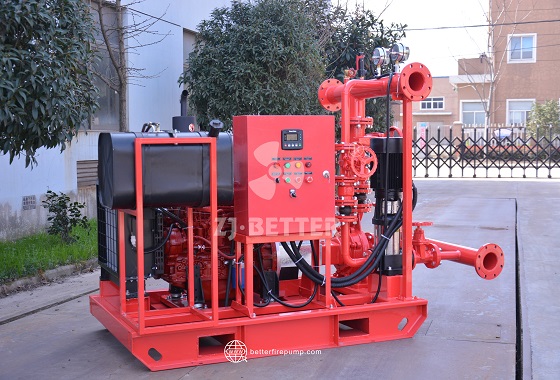
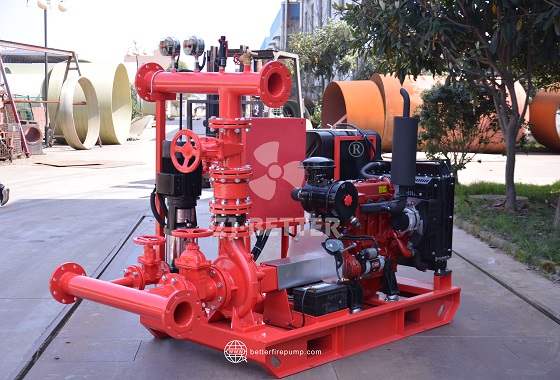
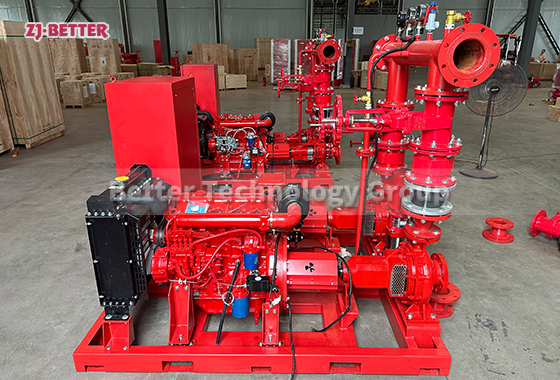
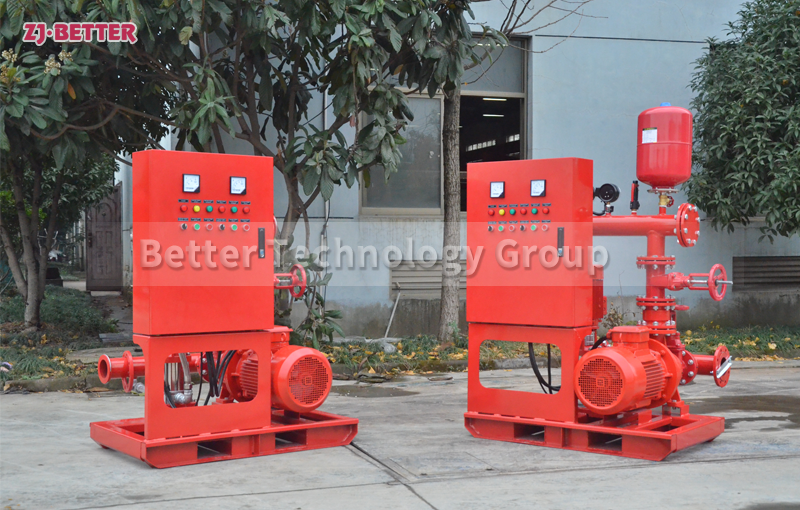
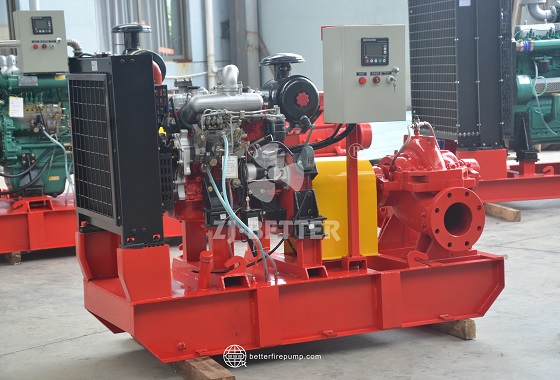
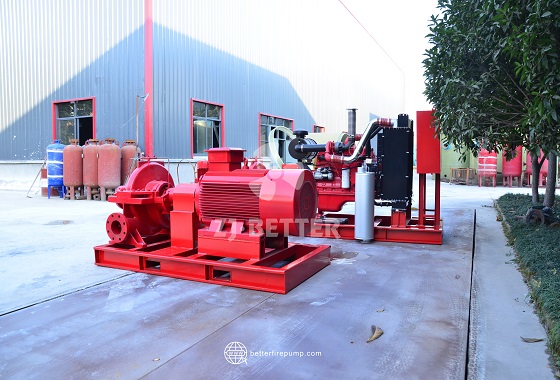
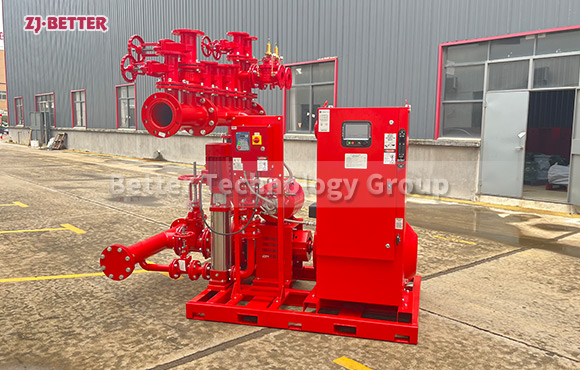
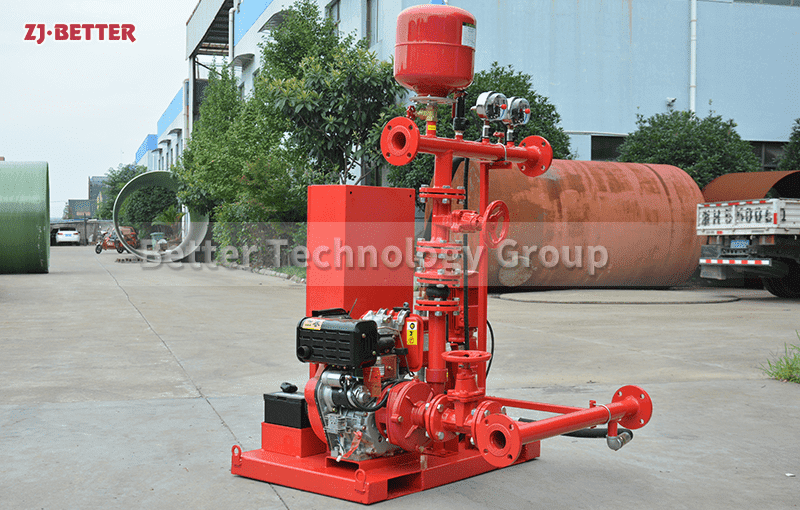
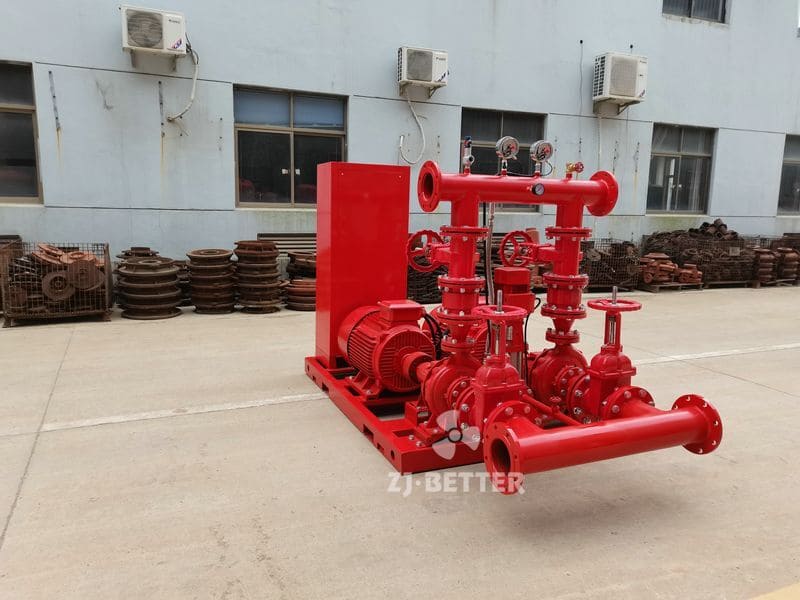
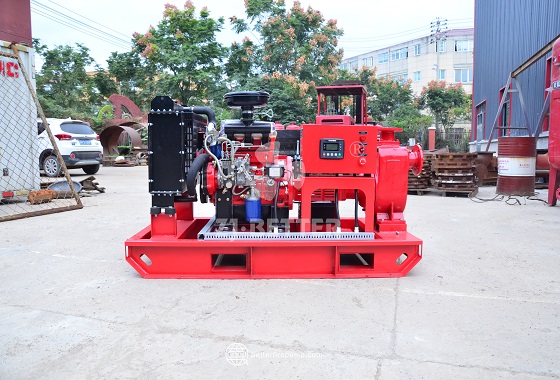
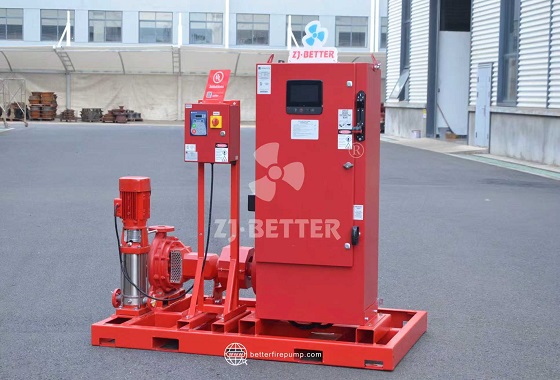
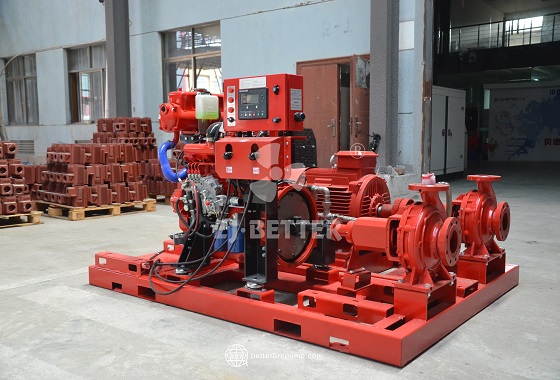
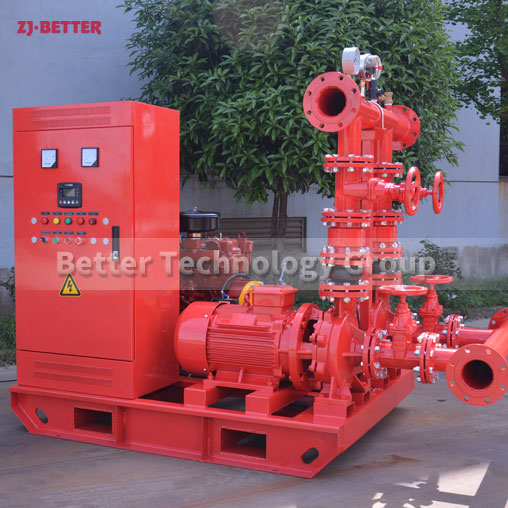
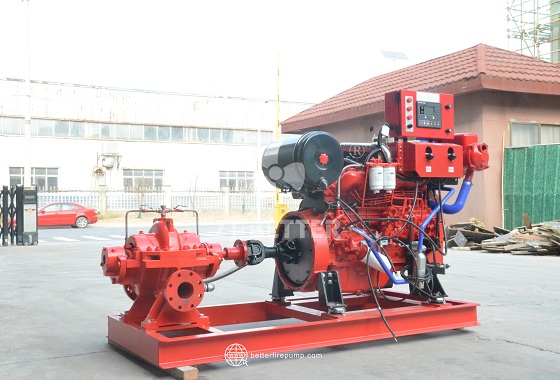
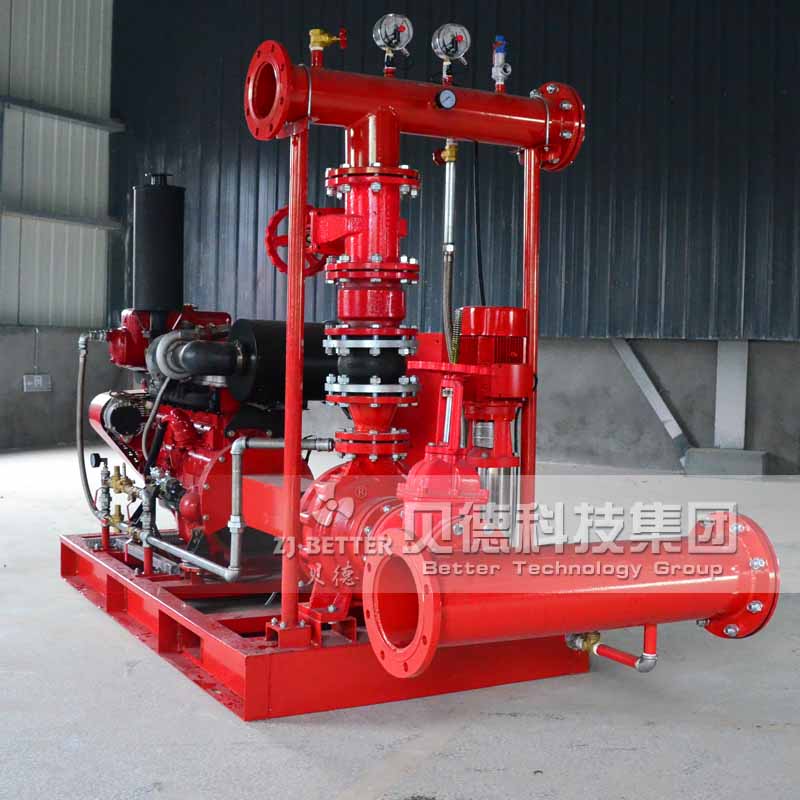
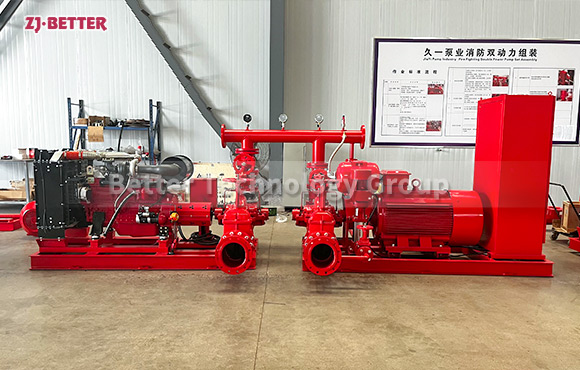
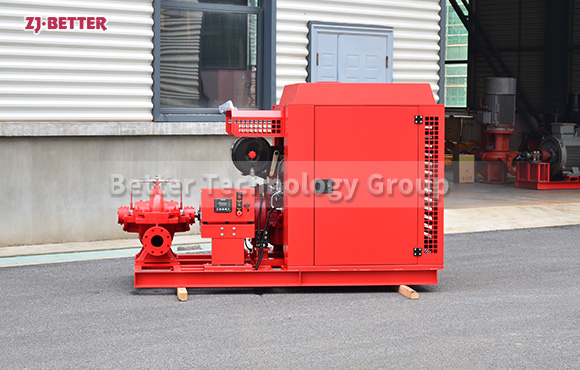
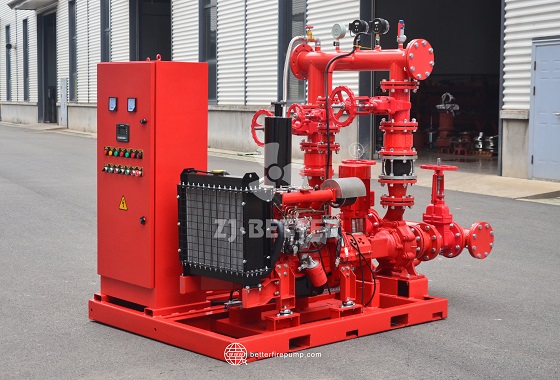
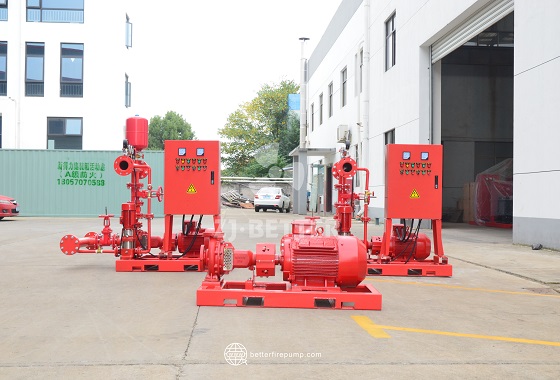
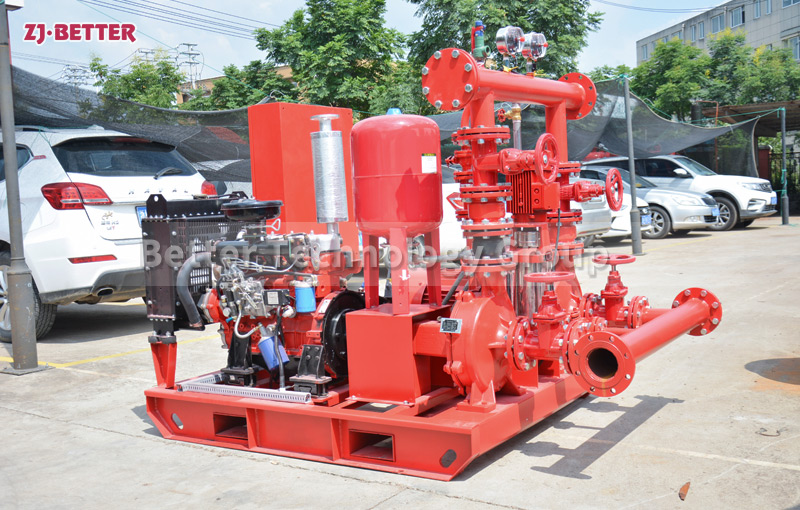
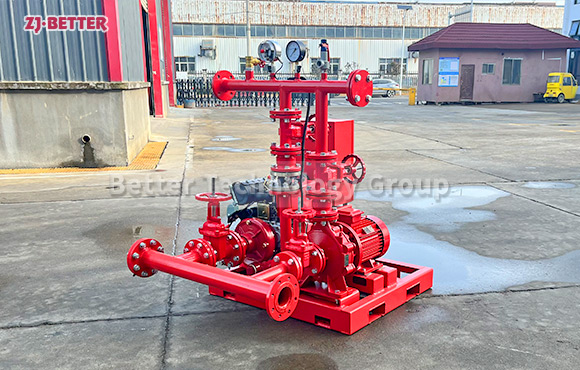
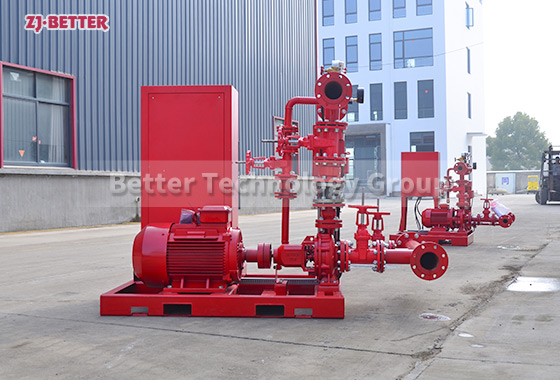
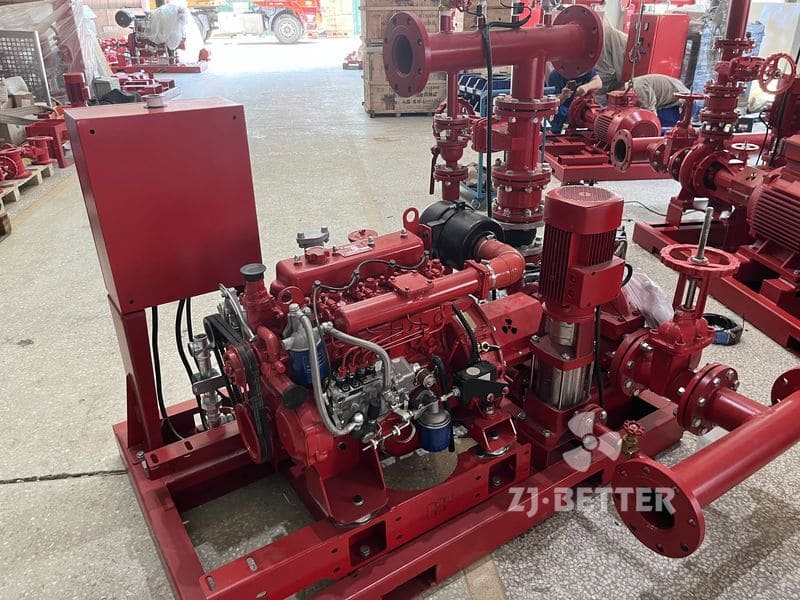
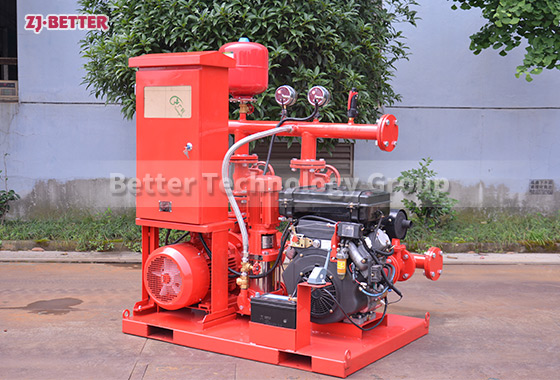
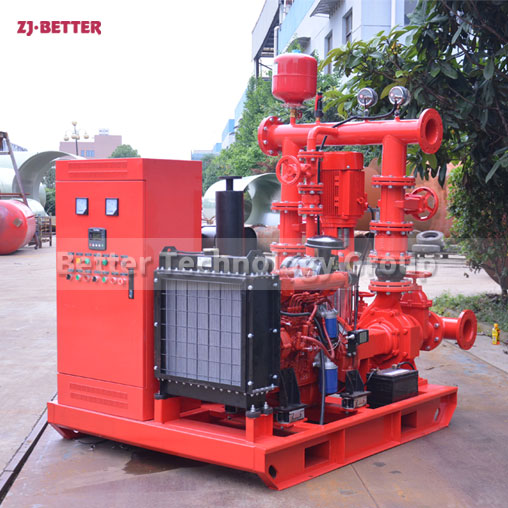
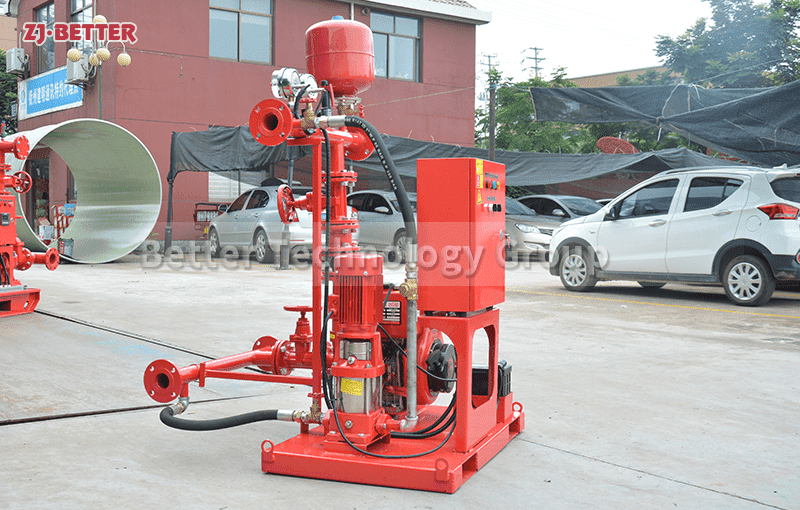
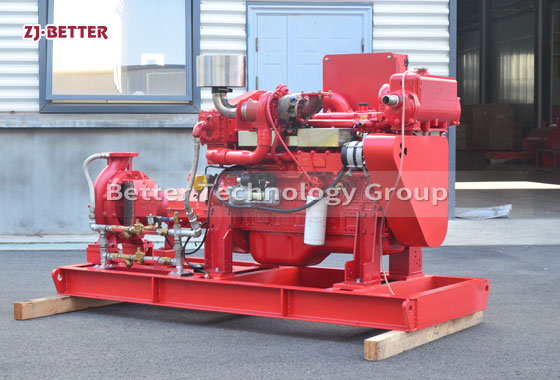
This integrated diesel fire pump unit mounts the diesel engine, fire pump, control system, pressure monitoring devices, and associated piping accessories onto a single common base. Through the coordinated configuration of power, pumping, and control functions, it provides an independent and stable emergency water supply for fire protection systems. Powered by a diesel engine, the unit operates independently of the main power grid, ensuring functionality during power outages or other special conditions. It is suitable for facilities requiring high reliability in fire water supply, such as industrial plants, warehouses and logistics centers, commercial buildings, docks, airports, and petrochemical or energy facilities. The pump type—such as single-stage centrifugal, end-suction, horizontal split-case, or multi-stage pumps—is selected based on project-specific flow rate, head, and piping network parameters; this ensures an optimal match between engine power output and pump performance, maintaining stable operation while meeting water demand. Featuring a skid-mounted integrated layout, the unit consolidates components—including the engine, pump, control cabinet, valves, gauges, sensors, and piping—to minimize on-site installation and connection work while facilitating transport, positioning, and maintenance. The control system supports automatic or manual operation and monitors the fire network and equipment status via pressure sensing; it triggers the pump according to preset logic when start conditions are met, thereby enhancing emergency response capabilities. Additional features include status displays, fault alarms, and overcurrent/overload protection to monitor engine operation, making equipment management more intuitive. For systems requiring sustained network pressure, a jockey pump and pressure tank can be added to handle minor pressure fluctuations via low-flow make-up, preventing the main fire pump from starting frequently due to slight pressure drops. Flow and head specifications are selected based on project requirements; typical units cover flow rates of approximately 30–1250 GPM and heads of 3–20 bar, with exact parameters determined by fire safety designs, network resistance, and water source conditions. The diesel engine and fire pump are power-matched and supported by cooling, fuel, and lubrication systems to ensure stable, continuous power delivery. Overall, the integrated diesel fire pump unit consolidates multiple fire water supply functions—including independent diesel power, high-efficiency pumping, centralized control, pressure monitoring, and a skid-mounted structure—into a single system. It ensures reliable fire water supply capabilities while offering ease of installation and efficient operation, management, and maintenance, making it a highly practical solution for large-scale and critical fire water supply systems.
.jpg)


