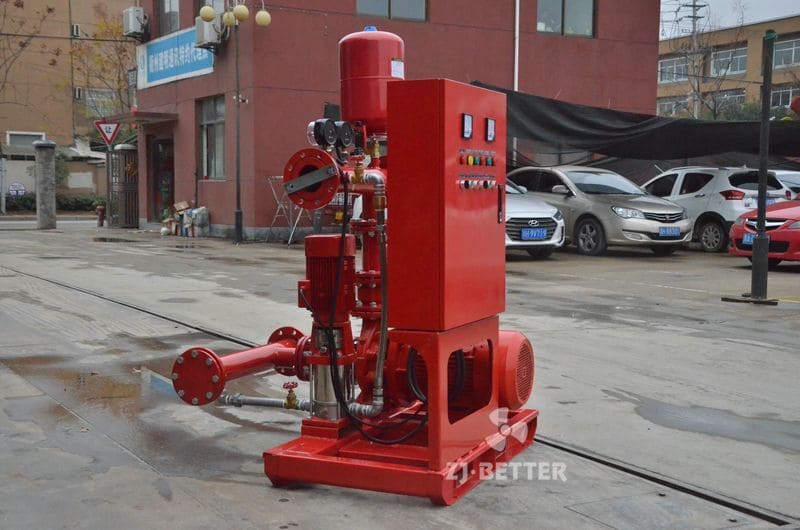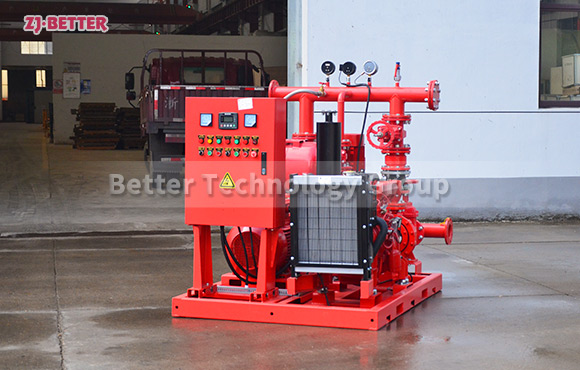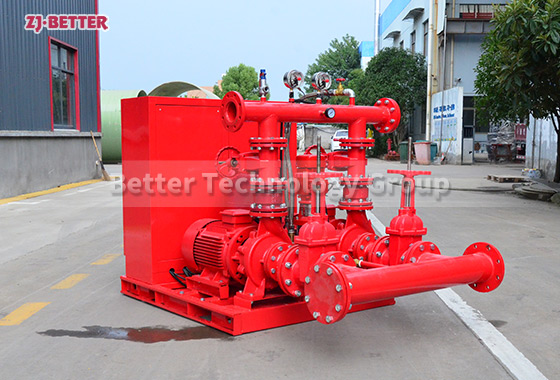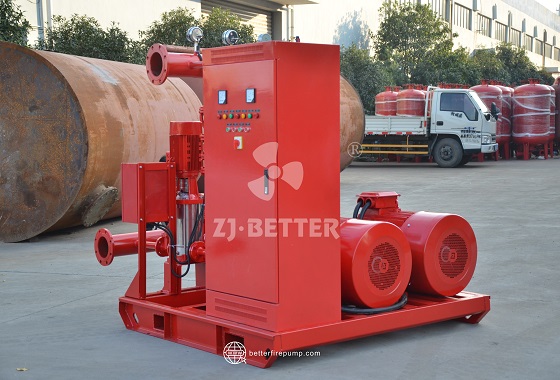
Digital Fire Control Cabinet Device for Modern Fire Automation Systems
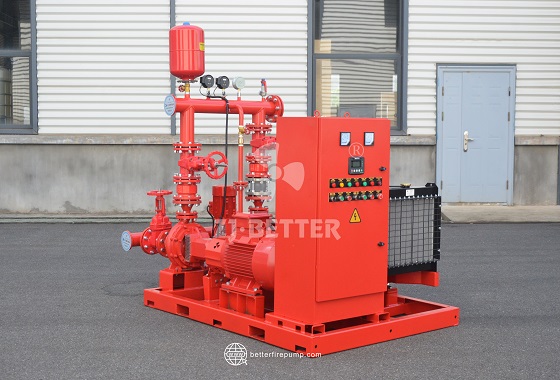
Digital fire control cabinets offer advantages such as intelligent automatic control, remote monitoring, high stability, and energy-saving operation, and are widely used in high-rise buildings, industrial fire protection, and modern intelligent fire protection systems.
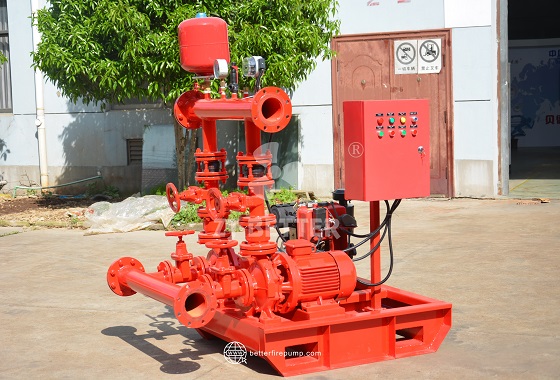
With the continuous expansion of modern urban construction, high-rise buildings, commercial complexes, industrial parks, data centers, and large public facilities are placing increasingly higher demands on the automation and intelligence of fire protection systems. Traditional fire control methods, relying on manual operation and simple electrical linkages, are no longer sufficient to meet the demands of modern buildings’ complex fire protection environments for rapid response, stable operation, and remote management. In modern fire protection systems, the fire control cabinet, as the core control unit for the entire fire water supply system and fire pump sets, directly determines whether fire equipment can operate quickly, stably, and continuously during a fire. Digital fire control cabinets, with their advanced automated control technology, intelligent monitoring capabilities, and high operational stability, are gradually becoming key equipment in modern building fire protection systems. These devices achieve centralized management of fire pumps, pressure stabilizing equipment, alarm systems, and pipeline pressure through a digital control platform. This not only improves the automation level of the fire protection system but also effectively enhances water supply efficiency and system safety, providing a more efficient and reliable solution for modern smart fire protection construction.
One of the biggest advantages of digital fire control cabinets lies in their intelligent automatic control capabilities. Traditional fire control systems typically rely on manual operation or simple relay logic control, which often limits response speed and operational stability when pressure changes or fire alarms occur. Digital fire control cabinets utilize advanced PLC control technology and intelligent program management systems, enabling real-time monitoring of the fire protection system’s operational status and automatic equipment startup and operation switching based on pressure, flow, and fire signals. When the fire pipeline pressure drops or the fire alarm system is triggered, the control cabinet can automatically start the fire pump unit and quickly establish a stable pressure supply state within a very short time. This automated operation mode significantly shortens fire response time, improves initial fire suppression efficiency, and buys valuable time for personnel evacuation and fire control.
In modern large-scale building fire protection engineering, system operational stability is a crucial core indicator. Digital fire control cabinets employ industrial-grade control components and highly reliable electrical design, enabling long-term stable operation and adaptability to complex fire protection environments. The equipment typically incorporates high-performance circuit breakers, contactors, relays, and intelligent protection modules to effectively prevent overload, short circuits, phase loss, and abnormal voltage from affecting the fire protection system. When the system experiences abnormal operating conditions, the control cabinet can automatically issue alarm signals and take corresponding protective measures to prevent equipment damage and the escalation of system failures. This high level of stability effectively ensures the continuous and reliable operation of fire protection equipment at critical moments, improving the overall safety level of the fire protection system.
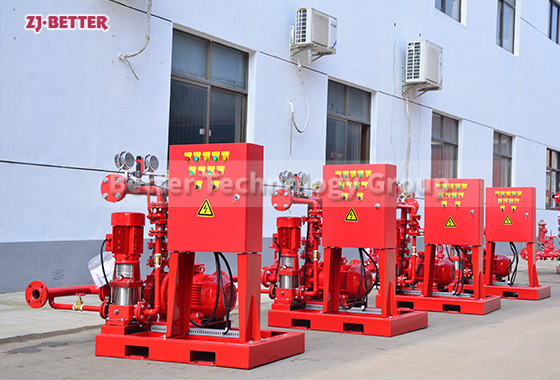
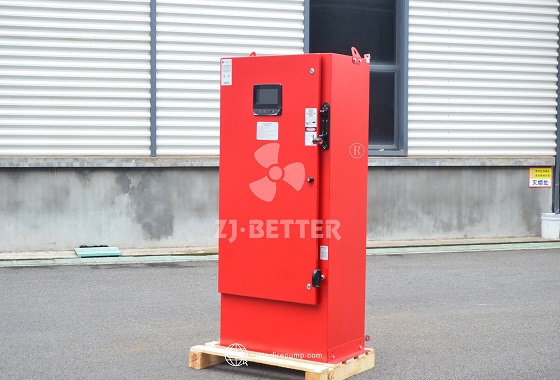
Digital fire control cabinets also possess powerful data monitoring and real-time display capabilities. The equipment is typically equipped with an LCD touchscreen or digital display interface, which can display important parameters such as fire pump operating status, system pressure, current, voltage, and fault alarms in real time. Management personnel can clearly view the equipment’s operating status without opening the cabinet door, significantly improving daily management efficiency. Simultaneously, the control system can automatically record operating data and fault information, providing reliable data for subsequent equipment maintenance and system analysis. This digital data display function not only improves the transparency of fire protection system management but also helps management personnel to promptly identify and address potential problems, thereby reducing the risk of equipment failure.
With the continuous development of smart cities and IoT technologies, modern fire protection systems have increasingly higher demands for remote monitoring. Digital fire control cabinets typically support remote communication and network management functions, and can connect to the building’s fire control center or smart fire protection platform via a network interface. Management personnel can view the fire system’s operating status in real time and remotely receive fault alarm information via computers, tablets, or mobile devices. Even in unattended environments, the system can maintain 24/7 monitoring and automatic management capabilities. This remote monitoring mode not only improves the intelligence level of the fire protection system but also effectively reduces the cost of manual inspections, providing crucial technical support for modern smart fire protection construction.
In terms of energy conservation and environmental protection, digital fire control cabinets also offer significant advantages. Traditional fire protection systems, lacking intelligent control capabilities, often operate fire pumps at high energy consumption, wasting electricity and accelerating equipment wear. Digital control cabinets, however, can automatically adjust their operating mode based on the actual load of the fire protection system, maintaining low-energy standby operation during non-fire conditions. When system pressure fluctuations are small, the equipment can prioritize starting the pressure-stabilizing pump rather than the main fire pump, thereby reducing the frequent starts of high-power equipment. Some high-end systems also support variable frequency speed control technology, dynamically adjusting the operating speed according to water supply demand, further reducing energy consumption. This energy-saving operating mode not only reduces long-term operating costs but also aligns better with the development direction of modern green buildings and low-carbon fire protection engineering.
Modern fire protection engineering also places great emphasis on equipment installation efficiency and ease of maintenance. Digital fire control cabinets adopt a modular design with a neat and rational internal wiring layout and clearly defined functional modules, facilitating installation and subsequent maintenance. The equipment undergoes most of its commissioning before leaving the factory, requiring only simple on-site connections for rapid deployment, significantly reducing construction time and commissioning difficulty. Furthermore, the standardized design of key components within the control cabinet facilitates later maintenance and replacement, effectively reducing maintenance costs and downtime. This modular design concept is of great significance for large-scale building fire protection projects, significantly improving overall project construction efficiency and post-construction management.
Digital fire control cabinets also excel in safety protection functions. Modern fire protection systems operate in complex environments, requiring equipment not only to maintain stable standby for extended periods but also to start reliably and immediately in emergencies. Therefore, control cabinets typically incorporate multiple safety protection mechanisms, including overcurrent protection, short-circuit protection, overheat protection, phase loss protection, and automatic switching functions. When system anomalies occur, the control cabinet can quickly disconnect faulty circuits and activate backup equipment, ensuring continuous operation of the fire protection system. This multi-level safety protection capability effectively reduces the risk of equipment damage and improves the overall reliability of the fire protection system.
In modern building environments, low noise and stable operation are also crucial indicators for fire protection equipment. Digital fire control cabinets effectively reduce electromagnetic interference and mechanical vibration during operation through optimized internal electrical layout and heat dissipation design. Some units also employ intelligent cooling systems and silent fan designs, ensuring stable, low-noise operation over extended periods. This low-noise characteristic is particularly suitable for hospitals, schools, high-end commercial complexes, and residential projects, contributing to improved overall building environmental quality.
Digital fire control cabinets are widely used in modern fire protection projects such as high-rise buildings, industrial plants, warehousing and logistics centers, airports, subways, hospitals, schools, and data centers. In high-rise buildings, they can quickly respond to the water supply needs of sprinkler and fire hydrant systems; in industrial projects, they can meet the automatic control requirements of complex fire piping networks and large fire pump sets; in data centers and underground projects, their high reliability and remote monitoring capabilities effectively ensure 24/7 fire safety operation. This wide applicability makes them a crucial core device in the construction of modern fire automation systems.
In the future, with the continuous development of smart fire protection and artificial intelligence technologies, digital fire control cabinets will be further upgraded towards intelligentization. Future equipment will not only enable more precise data analysis and predictive maintenance, but also automatically optimize fire equipment operation strategies through big data algorithms. Combined with cloud platforms and smart building management systems, fire control cabinets will gradually evolve from single control devices into the data center and operational core of the entire smart fire protection system. Through comprehensive digital management, future fire protection systems will possess higher efficiency, lower energy consumption, and stronger security capabilities.
Overall, digital fire control cabinets, with their advantages of intelligent automatic control, high stability operation, remote monitoring, and energy conservation and environmental protection, have become an indispensable and important component of modern building fire automation systems. They not only effectively improve the operational efficiency of fire water supply systems, but also reduce equipment failure rates and long-term operating costs, while simultaneously enhancing overall fire safety levels. With the continuous expansion of modern building scale and the ongoing development of smart fire protection technology, digital fire control cabinets will play an even more important role in future fire protection engineering construction, providing more efficient, safe, and intelligent operational support for industrial, commercial, and public building fire protection systems.