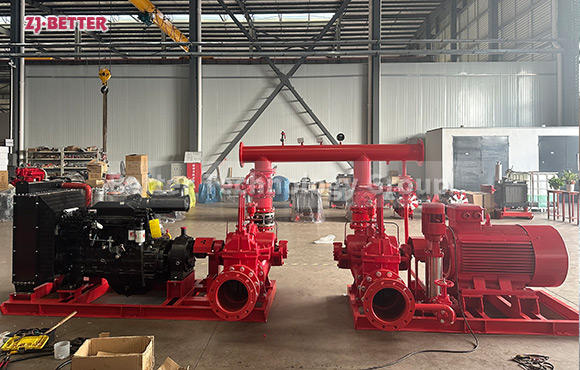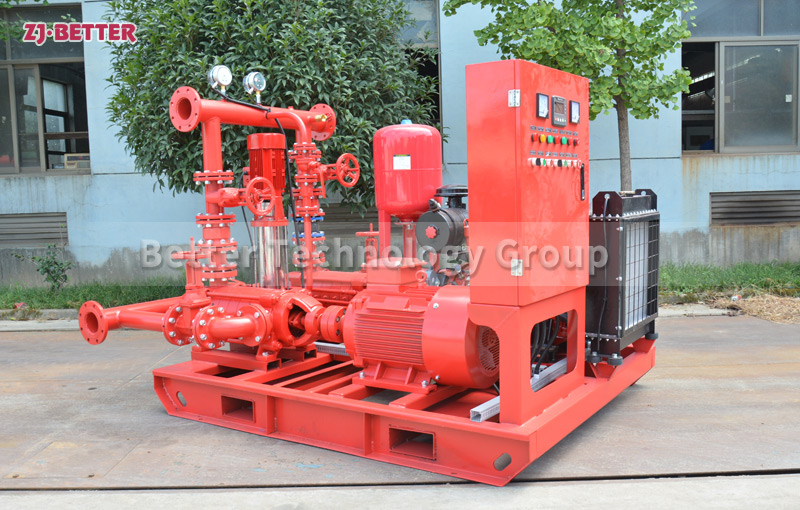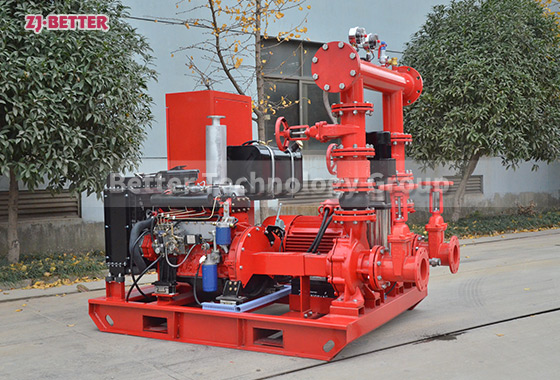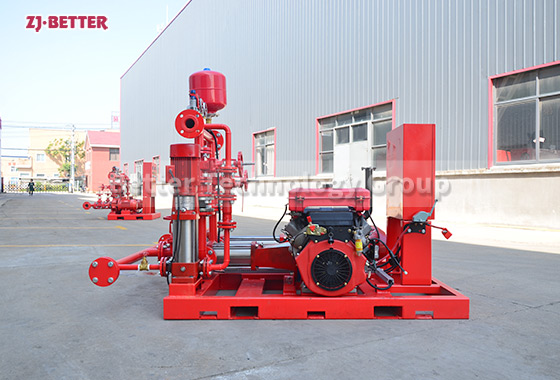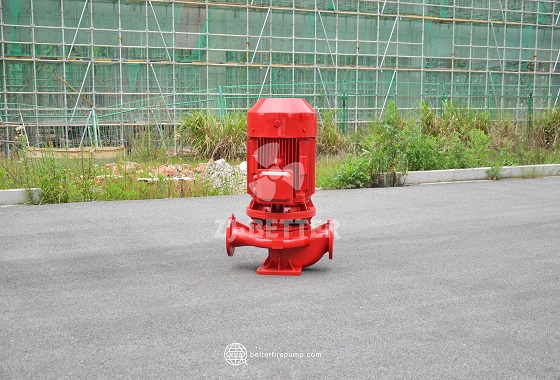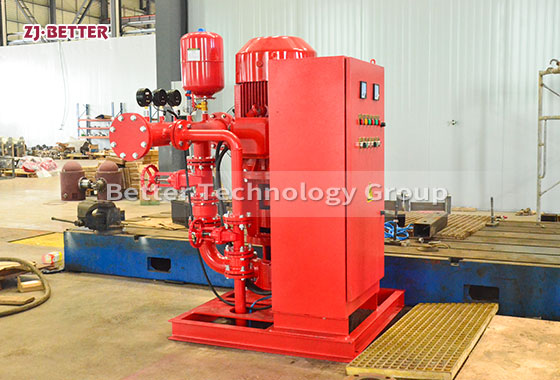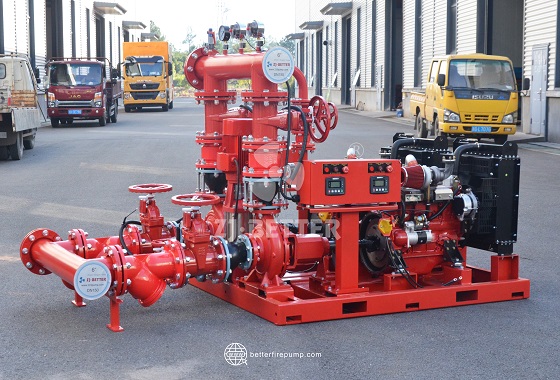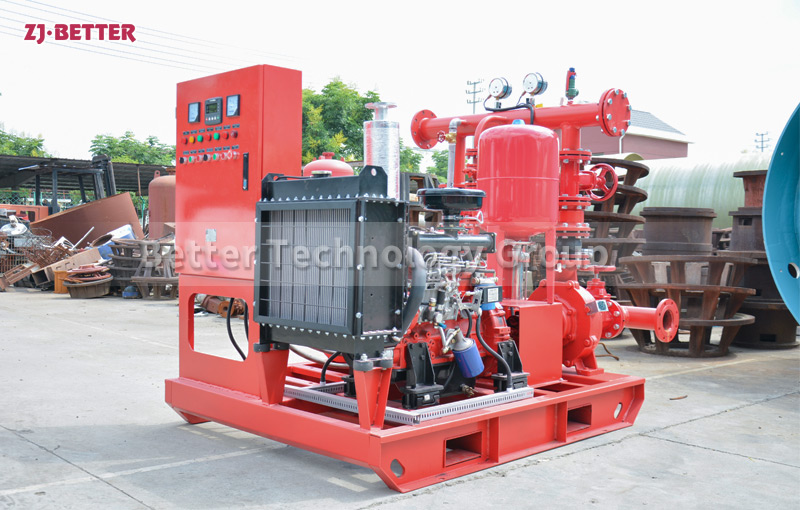
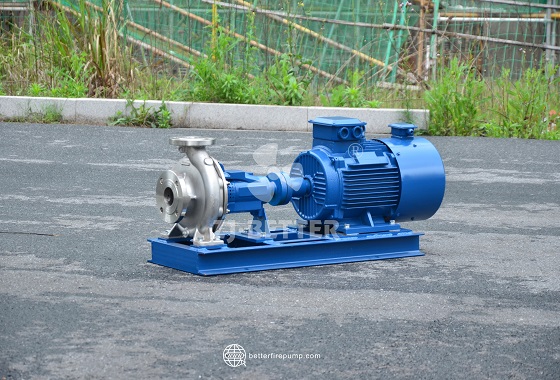
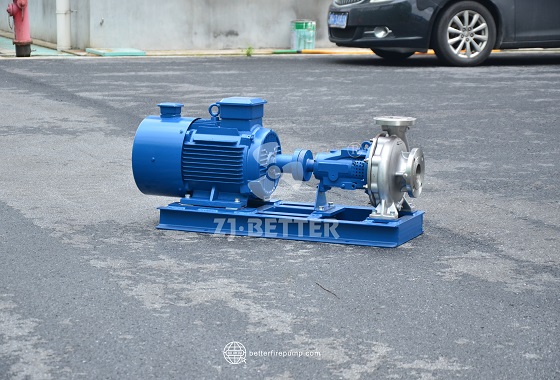
High Performance Fire Circulation Pump for Continuous Water Supply
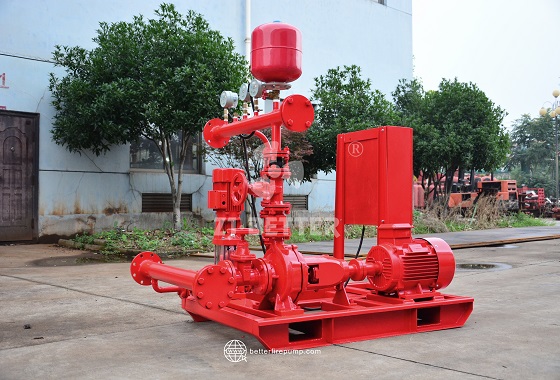
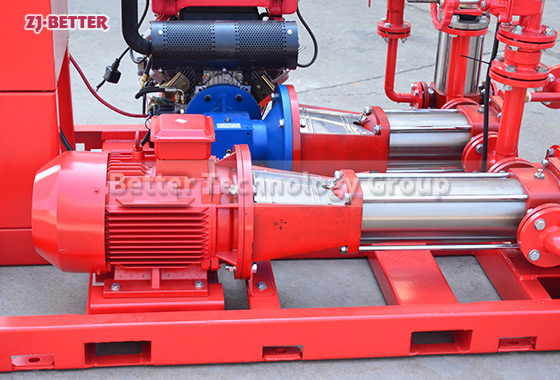
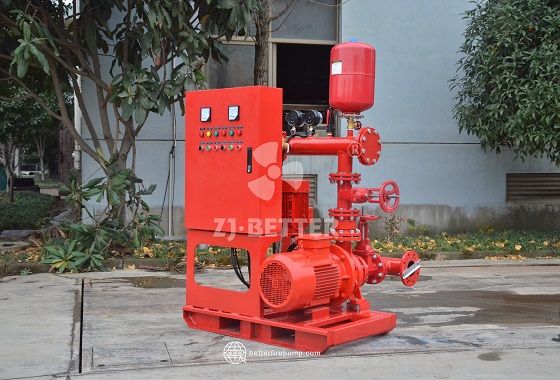
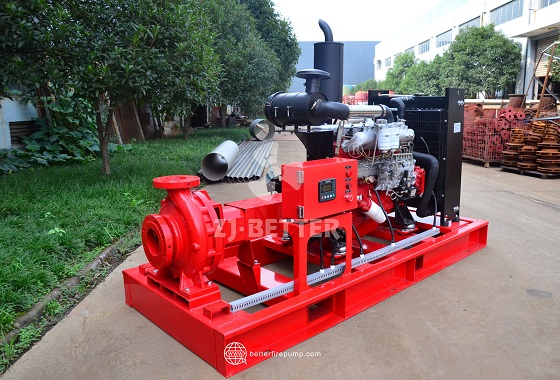
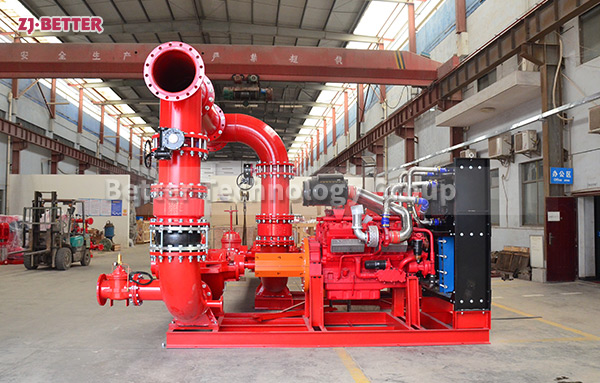
High-performance fire circulating pumps offer advantages such as stable water supply, high-efficiency water delivery, energy-saving operation, and intelligent control, and are widely used in high-rise buildings, industrial fire protection, and modern fire water supply systems.
In modern fire protection engineering, the stability and continuous operation of fire water supply systems directly affect fire fighting efficiency and overall building safety. With the continuous development of high-rise buildings, large industrial parks, commercial complexes, data centers, underground spaces, and large-scale warehousing and logistics projects, the requirements for fire protection systems’ water supply equipment are becoming increasingly stringent. Traditional fire pumps, under prolonged continuous operation, high-flow-rate transport, and complex operating conditions, are prone to efficiency decline, pressure fluctuations, and equipment wear, thus affecting the overall operational effectiveness of the fire protection system. High-performance fire circulating pumps, as key core equipment in modern fire water supply systems, have gradually become an indispensable component of modern fire protection engineering due to their high-efficiency water delivery capacity, stable circulation performance, and excellent durability. This type of equipment can provide stable and reliable water delivery capacity for sprinkler systems, fire hydrant systems, fire monitor systems, and industrial fire circulating pipe networks, thereby effectively improving the continuous water supply efficiency and overall fire extinguishing capability of the fire protection system.
One of the most significant characteristics of high-performance fire circulating pumps is their continuous and stable water circulation capability. In large-scale fire protection systems, fire pipe networks typically cover a wide area, have long water delivery distances, and need to maintain stable operation for extended periods under complex conditions. Ordinary fire pumps are prone to reduced overall water supply efficiency during continuous operation due to temperature rise, flow fluctuations, and internal losses. High-performance fire circulating pumps, through optimized impeller design and flow channel structure, effectively reduce hydraulic losses, ensuring stable flow and head output even during extended operation. The equipment maintains high-efficiency water delivery in standby circulation, pressure stabilization operation, and emergency fire suppression states, providing a reliable and continuous water supply for the entire fire protection system.
In modern high-rise building and industrial fire protection projects, the stability of fire water supply pressure is particularly important. High-performance fire circulating pumps employ a high-precision balanced design and stable drive structure, effectively reducing pressure fluctuations during operation. The equipment maintains a stable pressure supply even during long-term operation, ensuring that sprinkler and fire hydrant systems quickly establish a stable water flow in the event of a fire. This stable pressure supply not only improves fire suppression efficiency but also prevents water hammer effects caused by sudden pressure changes, thereby reducing impact damage to fire pipelines and equipment and improving the overall safety of the fire protection system.
Modern fire circulating pumps typically employ a combination of high-efficiency motors and precision impellers, resulting in higher energy utilization during operation. Traditional fire-fighting water supply equipment often suffers from high energy consumption during long-term standby and circulation. High-performance fire-fighting circulating pumps, by optimizing their internal fluid dynamics structure, effectively reduce operating resistance and mechanical losses, significantly lowering energy consumption while maintaining powerful water delivery capacity. Some models also support variable frequency speed control, automatically adjusting the operating speed according to the real-time needs of the fire-fighting system for more precise flow control. This energy-efficient operating mode not only reduces the long-term operating costs of fire-fighting systems but also aligns better with the development direction of modern green buildings and energy-saving fire protection engineering.
In complex industrial fire-fighting environments, equipment durability and reliability are equally crucial indicators. High-performance fire-fighting circulating pumps are typically manufactured using high-strength cast steel, stainless steel, or corrosion-resistant alloy materials, enabling them to withstand high humidity, high temperatures, and complex industrial environments. Key internal components undergo precision machining and wear-resistant treatment, effectively extending the equipment’s service life. Even under prolonged continuous operation, the equipment maintains stable performance and reduces the failure rate. This high reliability is particularly important for high-risk fire-fighting locations such as petrochemical plants, power facilities, mines, and large industrial parks.
High-performance fire circulating pumps also offer advantages in low vibration and low noise during operation. Traditional high-power fire pumps, due to their mechanical structure and water flow impact, often generate significant vibration and noise, affecting not only stable operation but also potential environmental disturbance. Modern fire circulating pumps effectively reduce vibration and noise levels through optimized rotor balance structures, vibration-damping bases, and low-noise impeller designs. This low-vibration operation reduces internal wear, improves long-term operational stability, and enhances the pump room’s working environment. This feature is particularly advantageous for locations with high environmental requirements, such as hospitals, schools, commercial complexes, and data centers.
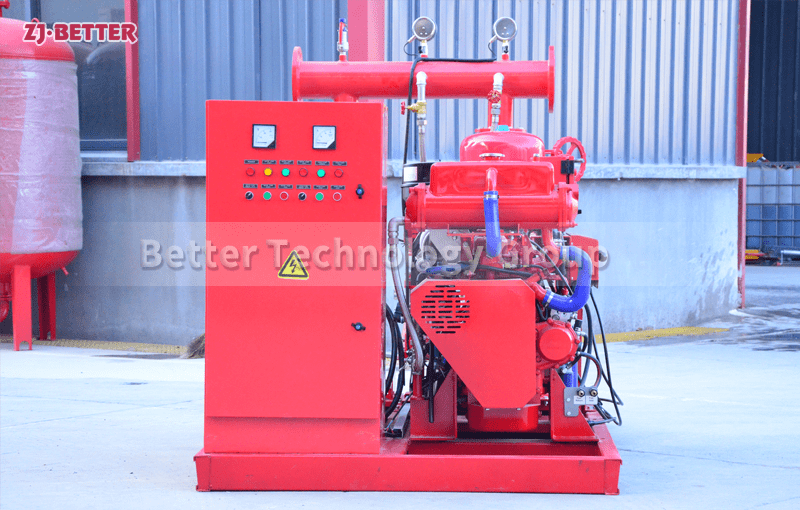
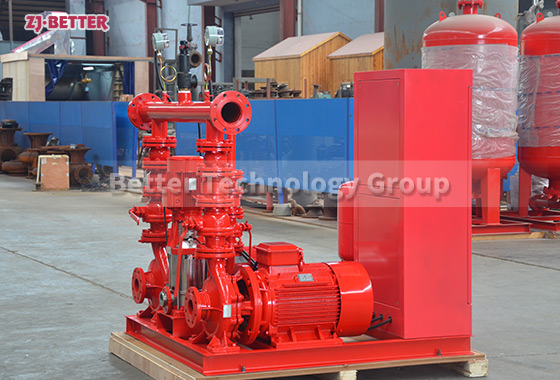
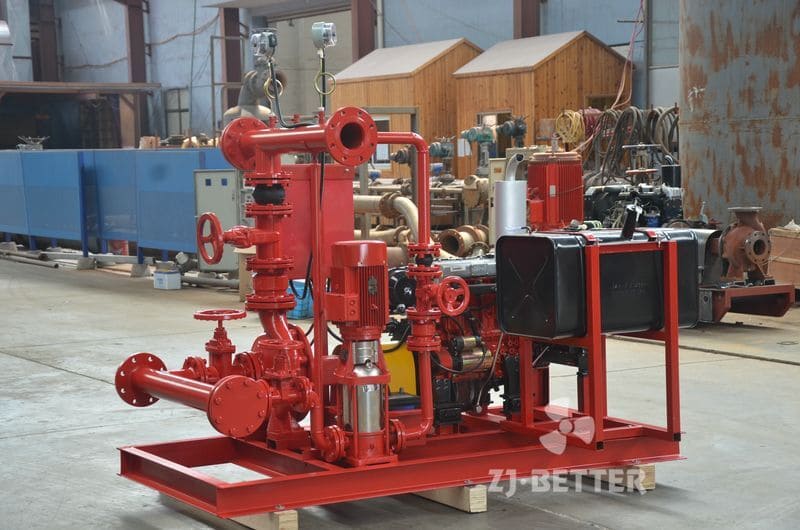
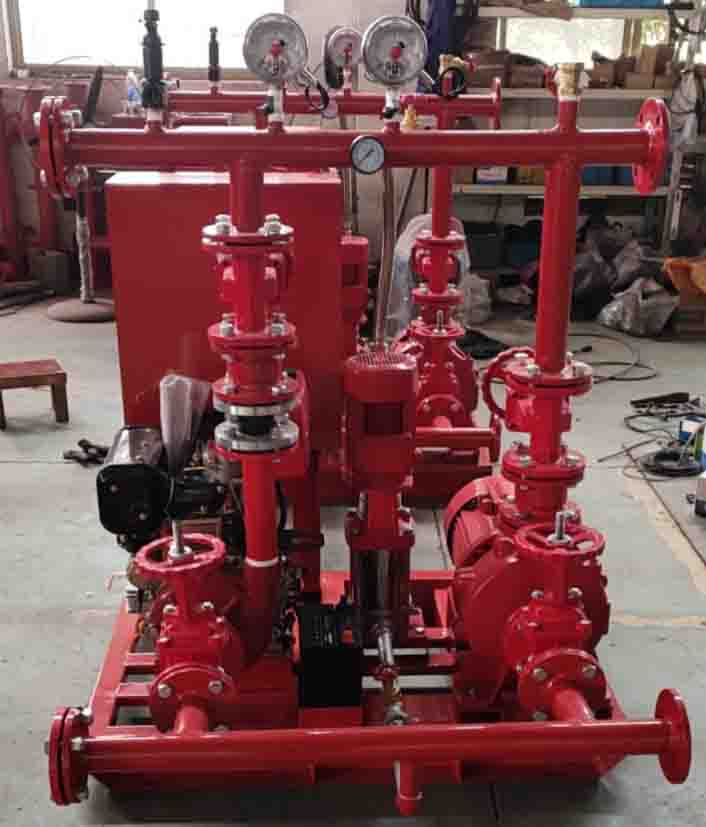
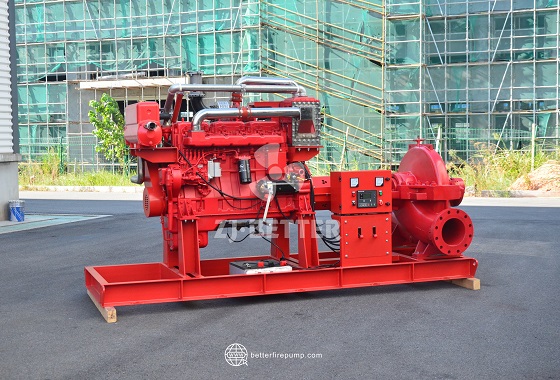
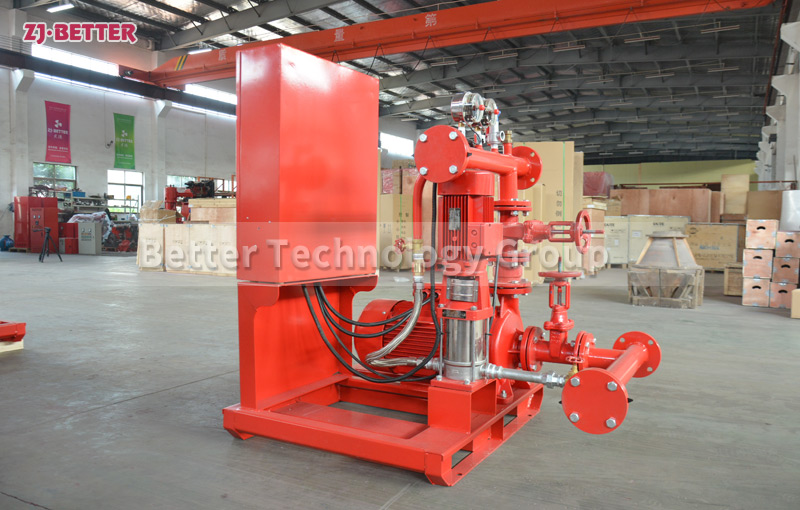
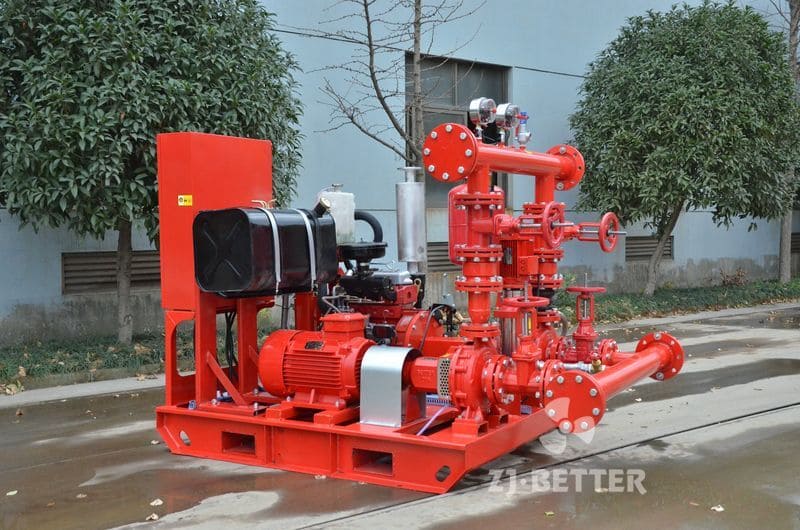
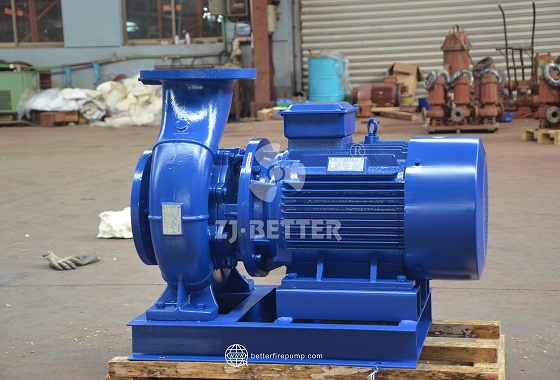
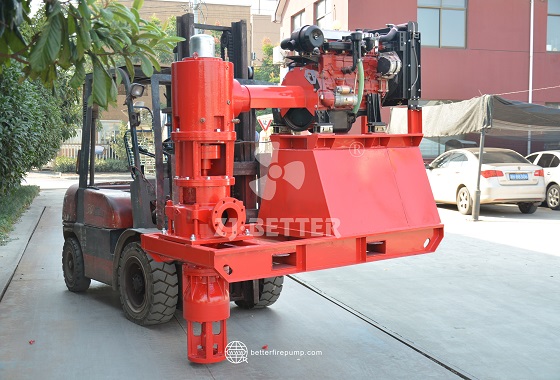
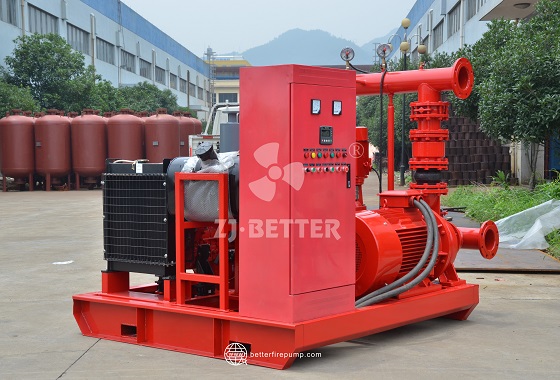
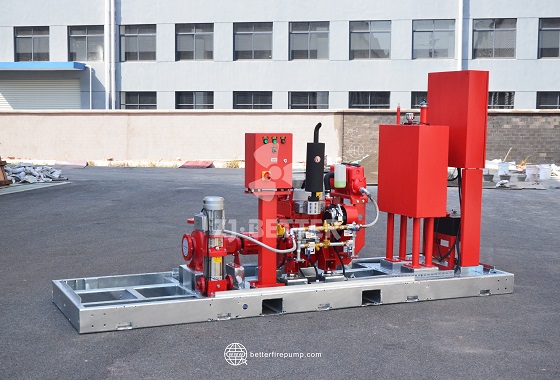
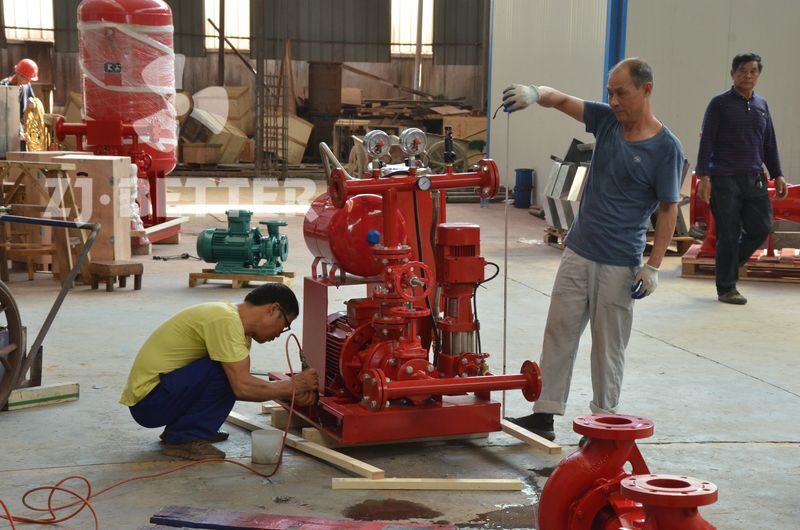
The application of intelligent control technology is another important development direction for modern high-performance fire circulating pumps. Modern equipment typically features digital control systems and intelligent monitoring modules that can monitor operating pressure, flow rate, current, temperature, and equipment status in real time. When pressure changes or abnormal conditions occur in the fire protection system, the control system automatically adjusts operating parameters and issues alarm signals. Some equipment also supports remote monitoring and IoT connectivity, allowing managers to view equipment operating data and perform remote management through a smart fire protection platform. This intelligent operation mode significantly improves the efficiency of fire protection system management while reducing manual inspection costs. High-performance fire circulating pump units also feature flexible installation and convenient maintenance. The equipment typically adopts a modular design, occupying a small area and can be flexibly configured in different fire pump rooms and water supply systems according to the actual needs of the project. Whether installed horizontally or in a combined pump unit layout, it can meet the diverse needs of modern fire protection engineering. The equipment has a reasonable internal structure layout, and key components are easy to disassemble and assemble, effectively reducing later maintenance time and repair costs. Furthermore, the equipment can complete overall testing and commissioning before leaving the factory, allowing for rapid operation after on-site installation, significantly improving project construction efficiency.
In modern fire protection systems, continuous water supply capacity directly determines whether the fire extinguishing system can operate stably for extended periods. High-performance fire circulating pump units, through stable water circulation and high-efficiency operation, can continuously deliver extinguishing water to the fire protection system during fire fighting. Especially in large industrial fires or high-rise building fires, the fire extinguishing process often lasts for a long time, requiring extremely high water supply stability. This type of equipment can maintain high-efficiency operation for extended periods, avoiding water supply interruptions due to equipment overheating or efficiency degradation, thereby improving the overall reliability of the fire extinguishing system.
With the continuous development of smart fire protection and digital building technologies, high-performance fire circulating pump systems will be further upgraded towards intelligence, digitalization, and energy conservation. Future equipment will integrate artificial intelligence, big data analytics, and cloud platform technologies to achieve more precise operation management and predictive maintenance. The system can automatically analyze equipment status based on historical operating data and proactively identify potential fault risks, thereby reducing the probability of equipment downtime. Simultaneously, through linkage with smart building fire protection systems, fire circulating pumps will achieve more efficient automatic control and remote management, providing a safer and more reliable water supply guarantee for modern building fire protection systems.
From a practical application perspective, high-performance fire circulating pump systems are widely used in fire protection engineering projects such as high-rise buildings, commercial complexes, industrial plants, petrochemical plants, power facilities, underground spaces, airports, ports, and large-scale warehousing and logistics centers. In these complex fire protection environments, the equipment can effectively meet the requirements for long-term continuous water supply and stable pressure, providing continuous and stable water source support for sprinkler systems, fire hydrant systems, and fire monitor systems. Its high efficiency, high reliability, and low energy consumption make it an important piece of equipment in the upgrading and renovation of modern fire water supply systems.
Overall, high-performance fire circulating pump units have become an indispensable core component in modern fire water supply systems due to their advantages such as stable circulating water supply, high-efficiency water delivery, energy-saving operation, and intelligent control. They not only improve the continuous water supply capacity and overall fire extinguishing efficiency of fire protection systems but also reduce equipment operating energy consumption and subsequent maintenance costs. With the continuous expansion of modern building scale and the ongoing development of smart fire protection technologies, high-performance fire circulating pump units will play an even more important role in future fire protection engineering construction, providing more efficient, safe, and stable water supply solutions for industrial, commercial, and public building fire protection systems.