Professional Fire Pump Solution with Durable Construction and Energy-Saving Design
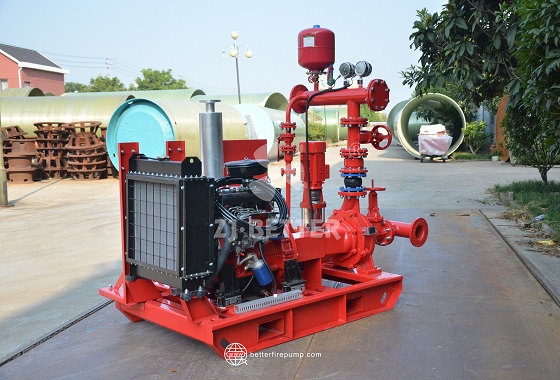
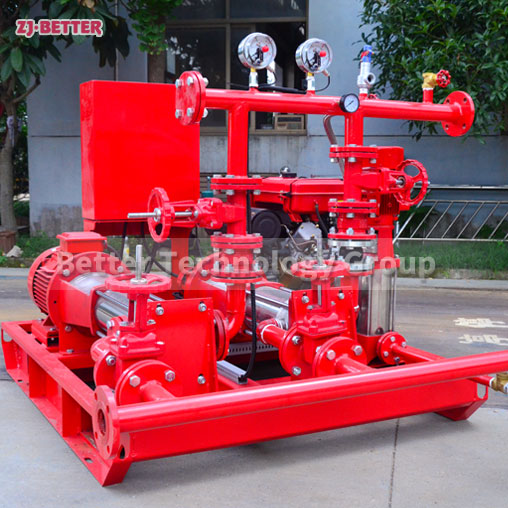
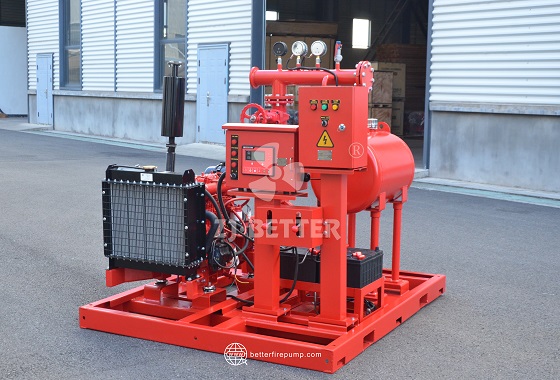
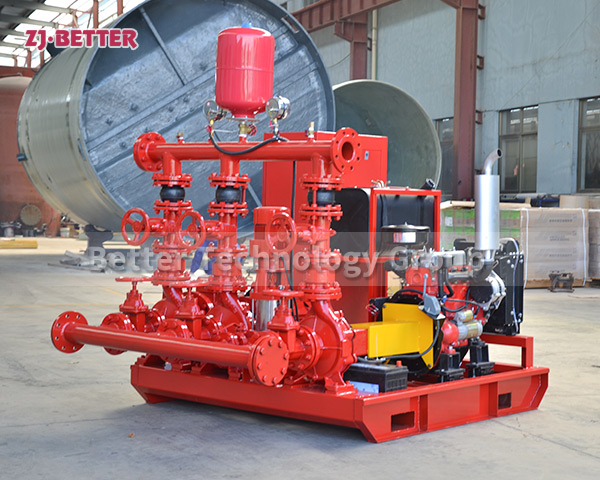
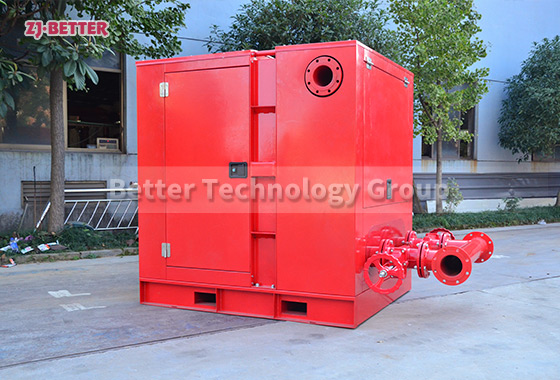
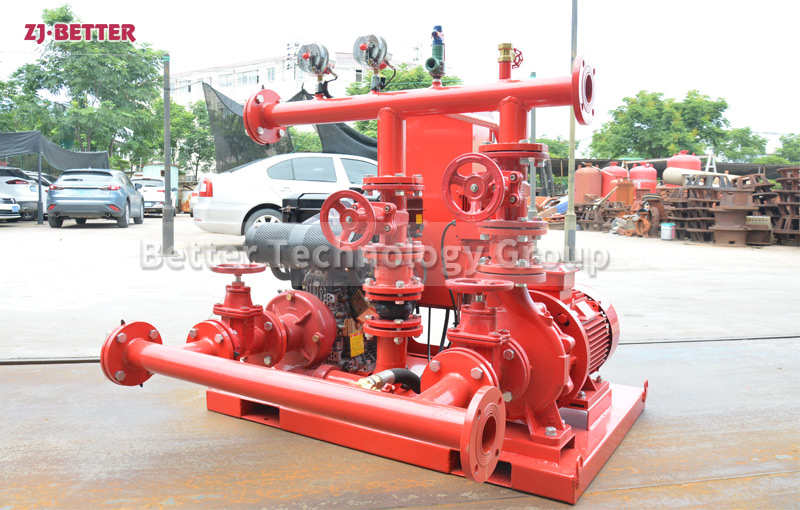
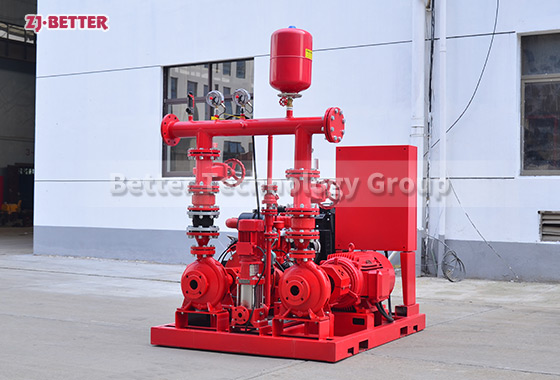
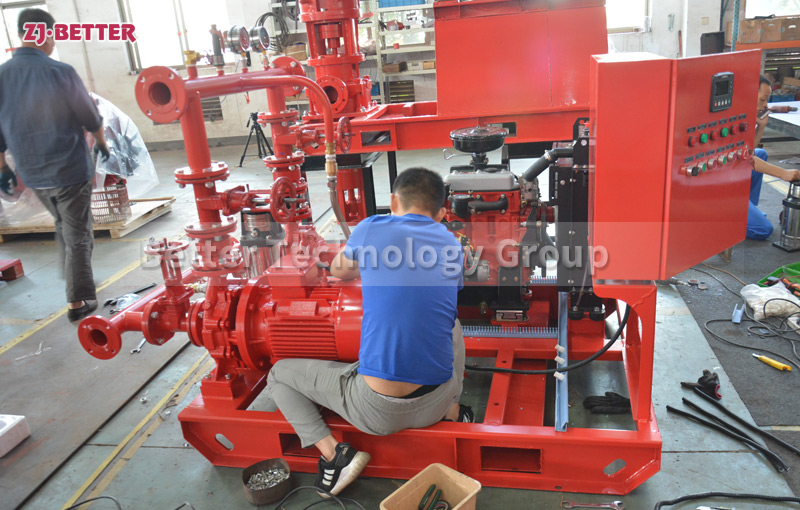
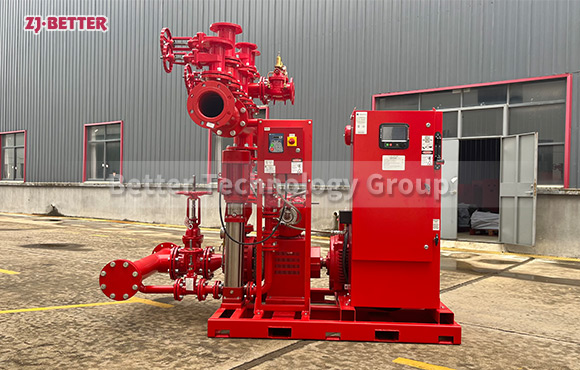
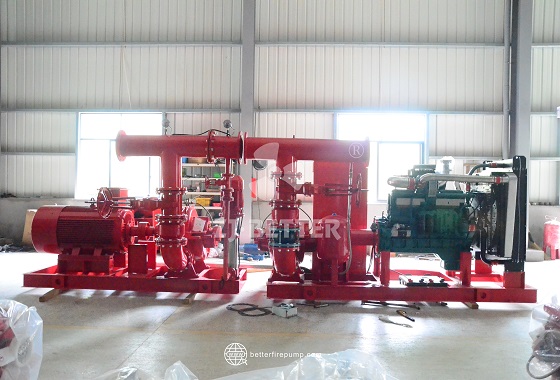
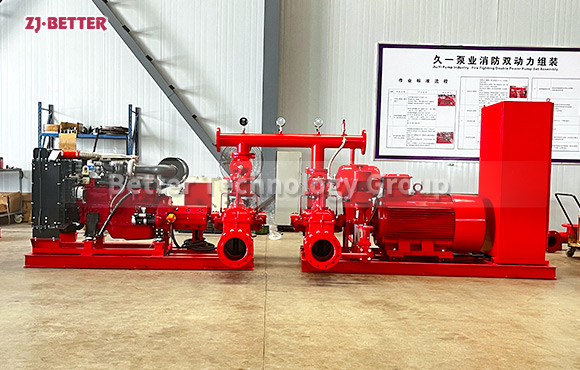
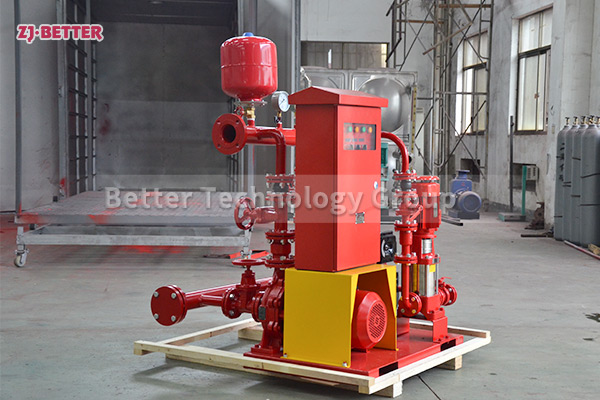
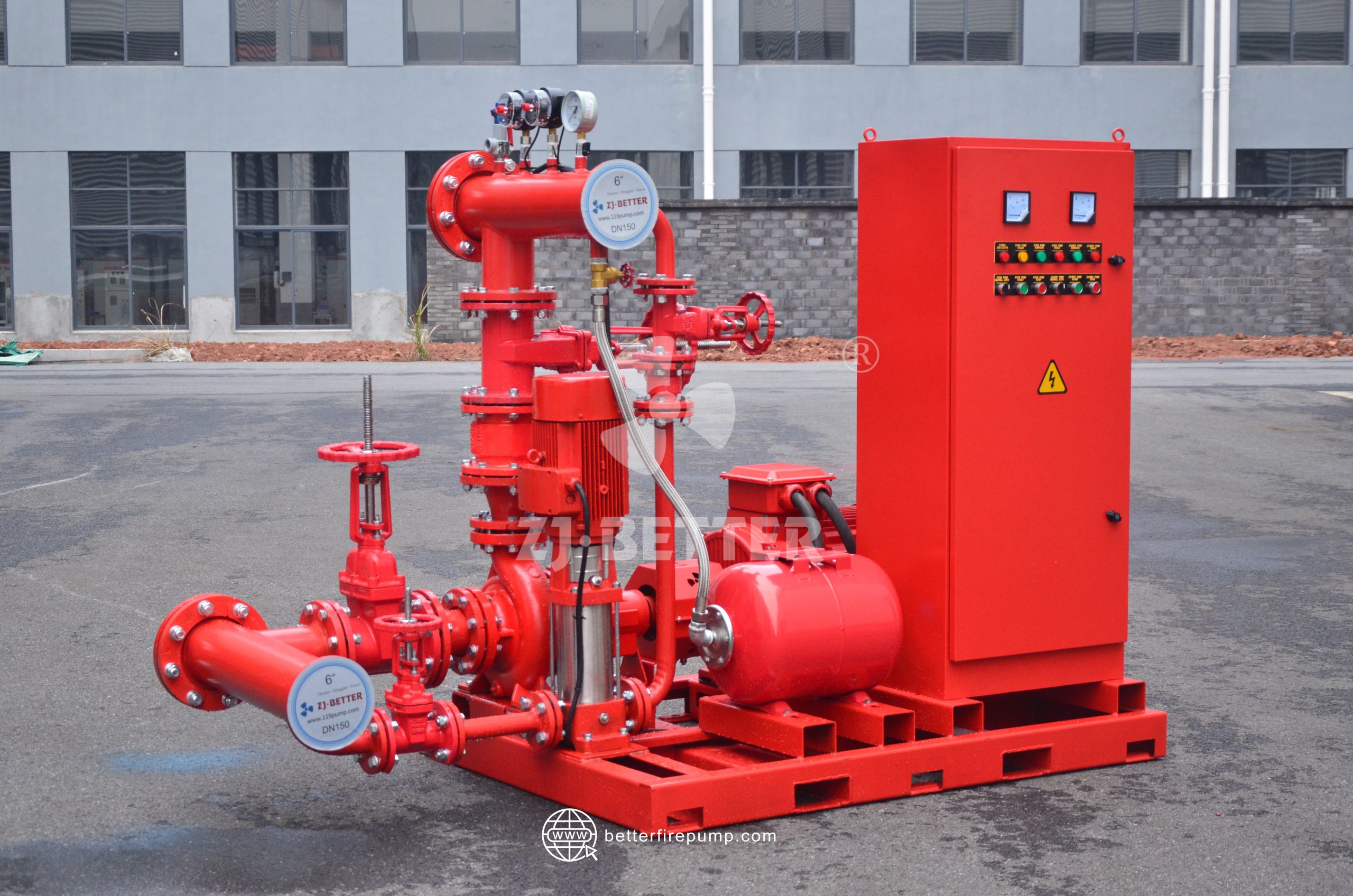
These high-efficiency, energy-saving fire pumps feature durable construction and stable performance, making them suitable for high-rise buildings, industrial parks, petrochemicals, power generation, and municipal water supply. They offer automatic control, low energy consumption, corrosion resistance, vibration resistance, and noise reduction, ensuring safe and reliable emergency water supply in fire situations.
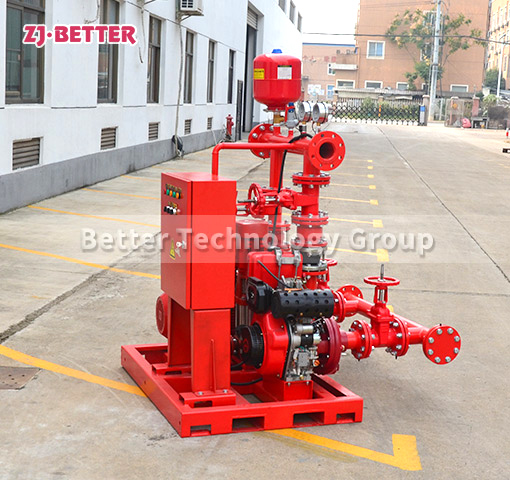
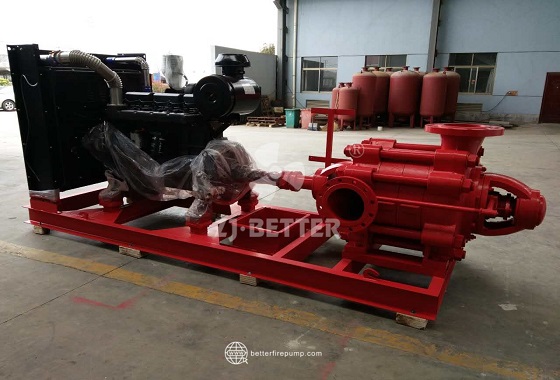
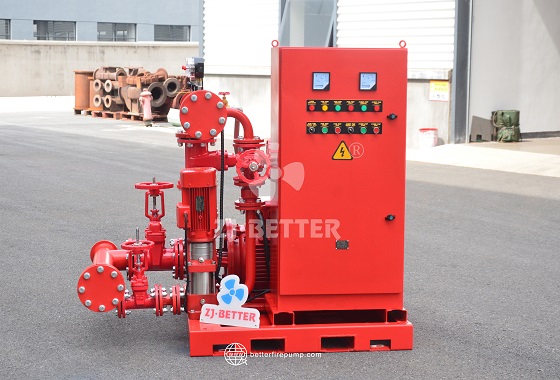
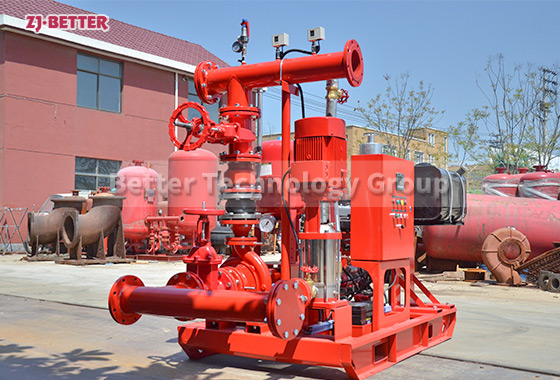
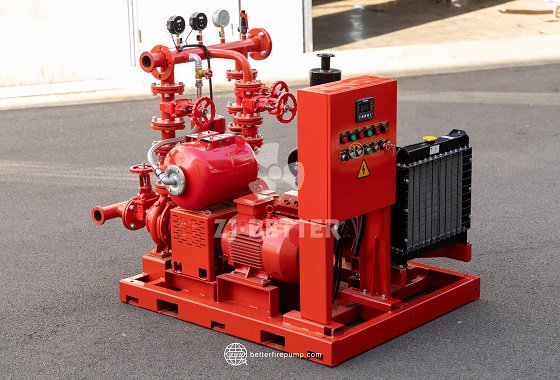
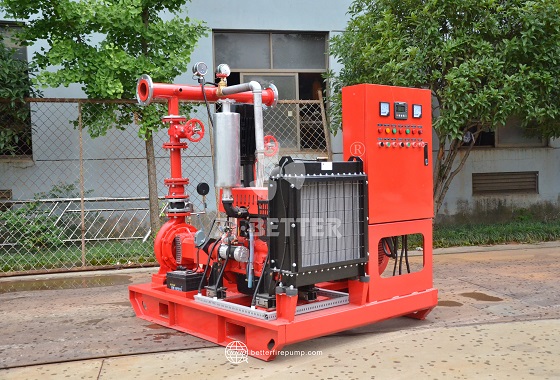
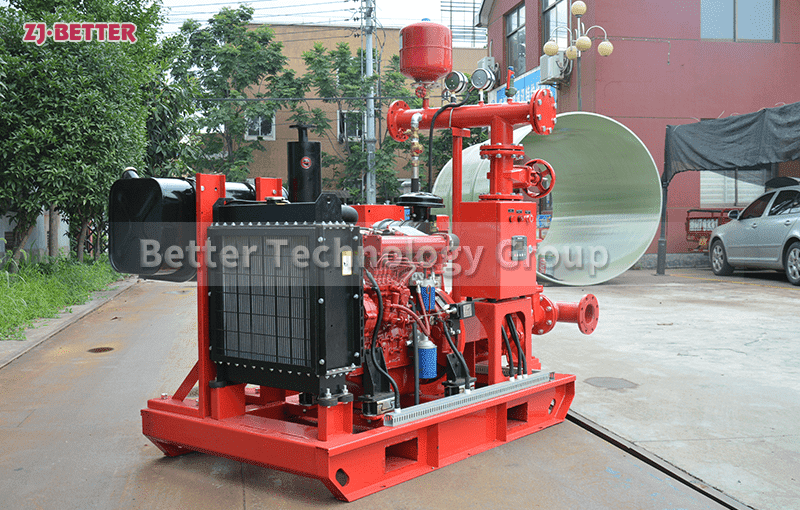
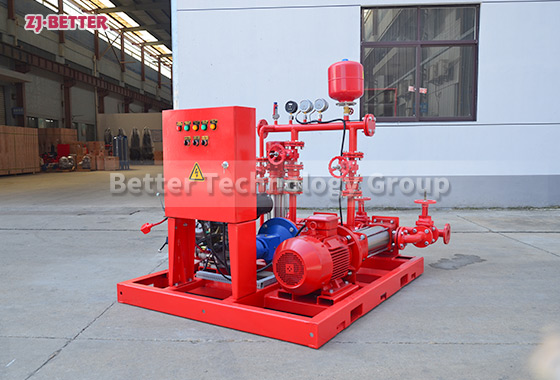
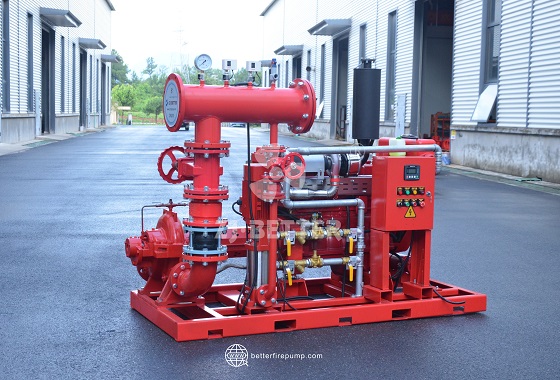
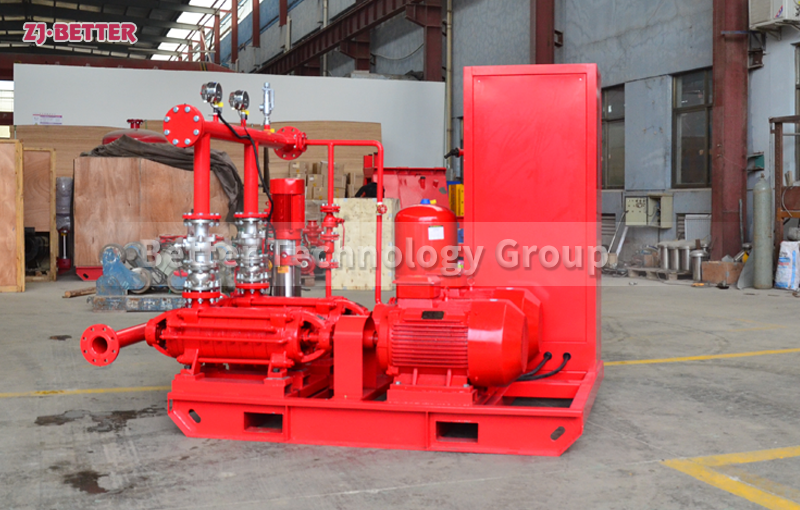
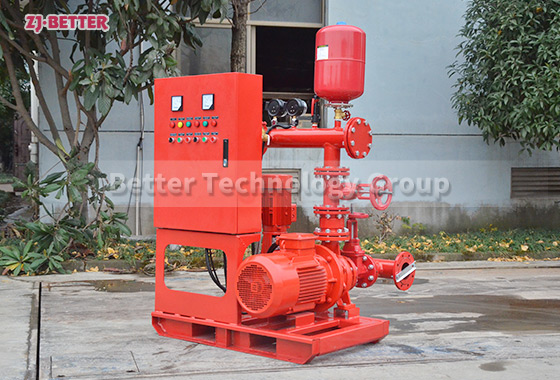
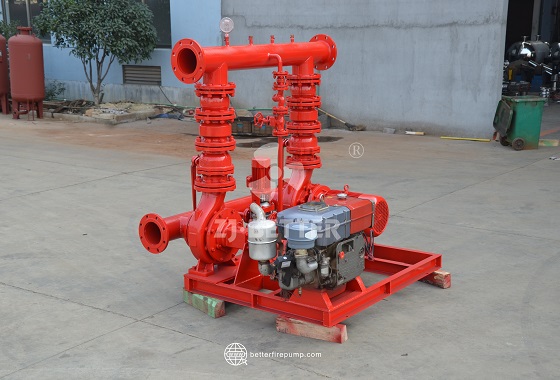
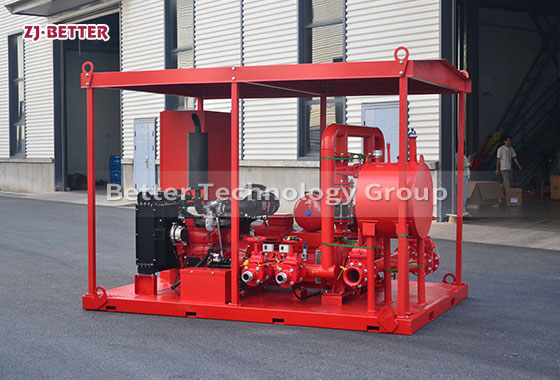
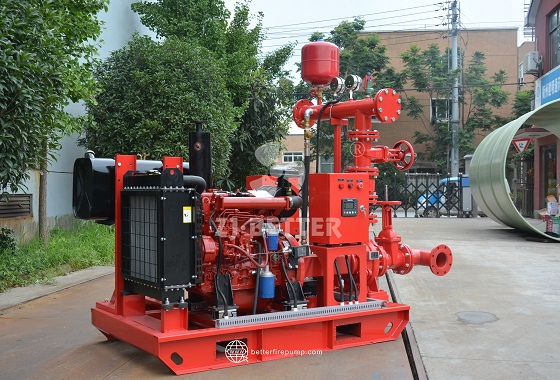
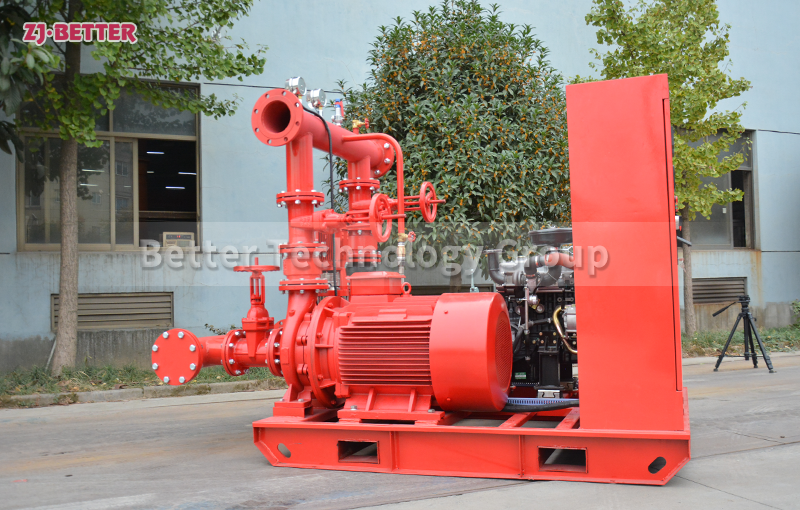
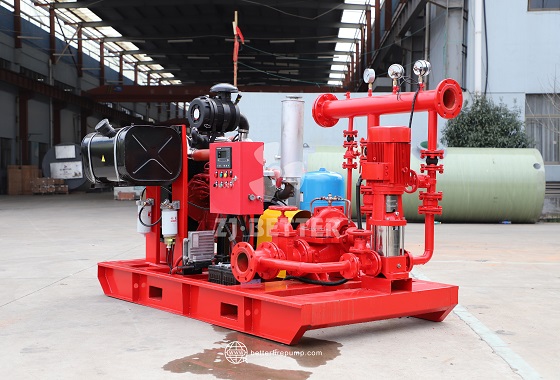
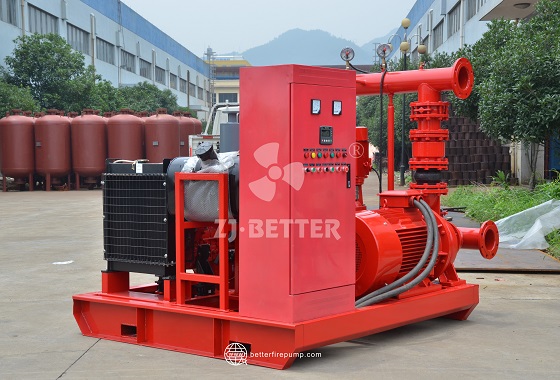
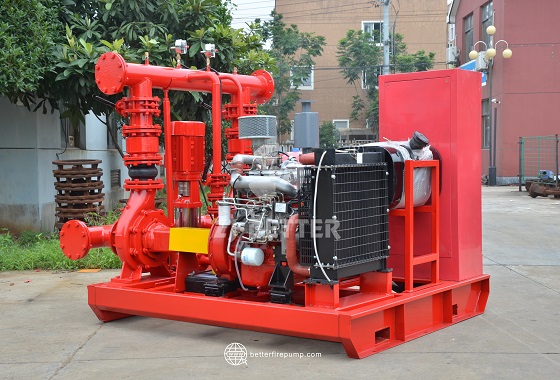
This fire pump is a professional firefighting water supply system with a durable structure and energy-saving design. Developed to meet the comprehensive requirements of modern firefighting systems for reliability, efficiency, and operating costs, it is suitable for a variety of applications, including high-rise buildings, industrial parks, petrochemical plants, power facilities, ports, and municipal water supply. Its core advantages lie in the use of high-strength materials and precision manufacturing processes, ensuring stable performance under high-pressure, high-flow, and long-term continuous operation. Optimized hydraulic design and power system configuration also achieve significant energy savings. The pump body is constructed of high-quality cast iron or stainless steel, offering exceptional corrosion and wear resistance, ensuring a long service life when pumping firefighting water or seawater containing certain impurities. The shaft seal system utilizes an advanced mechanical seal to prevent leakage and reduce maintenance frequency. Finite element analysis has been used to optimize the overall structure, resulting in more optimal force distribution among the pump shaft, impeller, and casing, enhancing operational smoothness and durability. The drive system is available with either a high-efficiency diesel engine or electric motor, providing stable power output and excellent start-stop response. The electric motor features a high-efficiency design that meets international energy efficiency standards, reducing energy consumption. The diesel engine is equipped with an advanced fuel injection and cooling system, ensuring strong power while reducing fuel consumption and emissions. The hydraulic channels are optimized through CFD fluid simulation, resulting in high hydraulic efficiency and stable head and flow performance, ensuring rapid and sufficient water supply even during peak demand or sudden fires. The control system adopts an intelligent modular design, enabling automatic start and stop, pressure monitoring, flow regulation, and remote monitoring. It also incorporates multiple safety protection mechanisms, including low oil pressure alarm, overtemperature protection, overload protection, and emergency shutdown. The pump unit base is constructed of high-strength steel with anti-corrosion treatment for excellent seismic resistance, ensuring safety and reliability in complex environments such as earthquakes and shocks. The casing and key components are spray-coated or electrophoretically protected, ensuring long-term operation in harsh climates such as high humidity and salt spray. The energy-saving design of this fire pump lies in its optimized hydraulic efficiency and low-resistance flow path. Combined with the high-efficiency power unit, it reduces energy consumption by 10%-20% compared to traditional products under the same operating conditions, significantly reducing operating costs. The pump unit has also been carefully considered for ease of maintenance. Its compact and well-designed layout and ample access allow routine maintenance to be completed quickly, effectively minimizing downtime. The unit can be flexibly installed to suit site conditions, supporting fixed, sliding, and portable configurations with a mobile trailer to meet the construction and emergency needs of various projects. To control noise and vibration, the pump unit is equipped with shock-absorbing pads and a noise-reducing cover, effectively reducing operating noise to within the environmental standards of urban and industrial areas, enhancing operator comfort. For reliable emergency water supply, the pump unit seamlessly integrates with the municipal water supply system and backup water sources. Its automatic switchover and redundant configuration ensure that even if the main power or water source is interrupted, water can be continuously supplied via backup power or a standby pump unit, ensuring that the fire protection system is always ready. Overall, this fire pump, with its durable construction and energy-saving design, not only provides powerful and stable fire water supply capacity, but also balances economical operation and easy maintenance. It meets the requirements of modern fire protection systems for efficient, safe, and sustainable operation, making it an ideal choice for various fire protection projects and emergency water supply projects. Whether in hot and humid industrial environments or in cold and rainy coastal areas, this pump unit can provide users with reliable fire protection and economical operating returns with its excellent performance and ultra-long service life.