Compact Electric Fire Pump – Integrated Installation of Pump, Motor and Control Cabinet
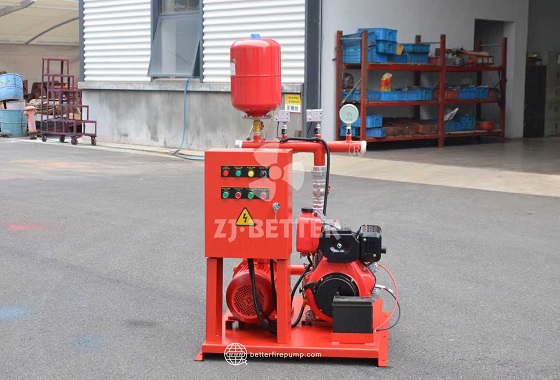
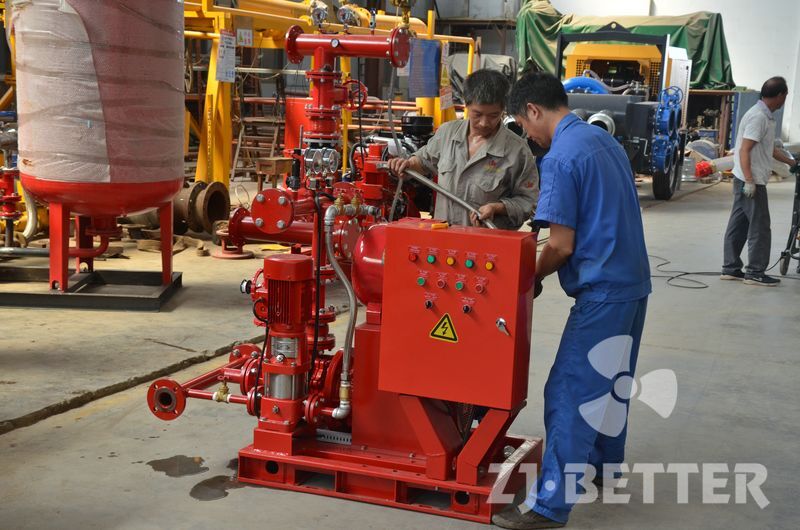
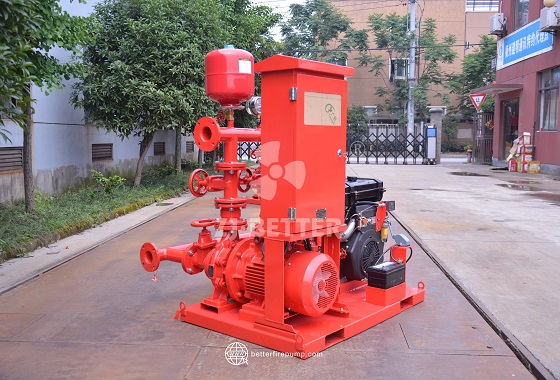
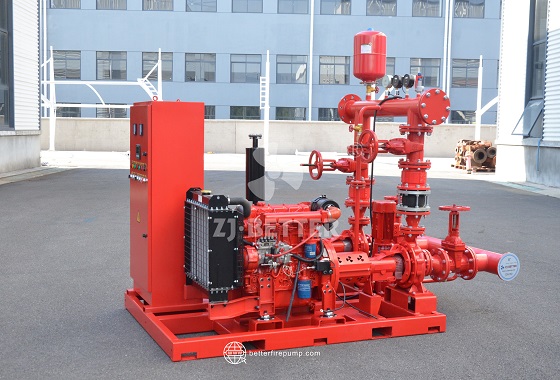
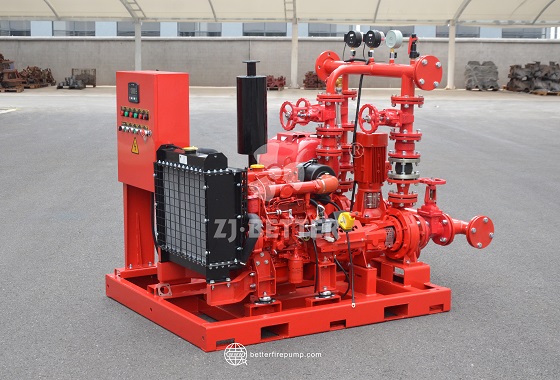
The compact electric fire pump features an integrated design, with the pump unit, motor, and control cabinet combined into a single assembly. This space-saving configuration allows for flexible setup based on specific flow rate, head, and power requirements, making it suitable for fire-fighting water supply systems in both buildings and industrial facilities.
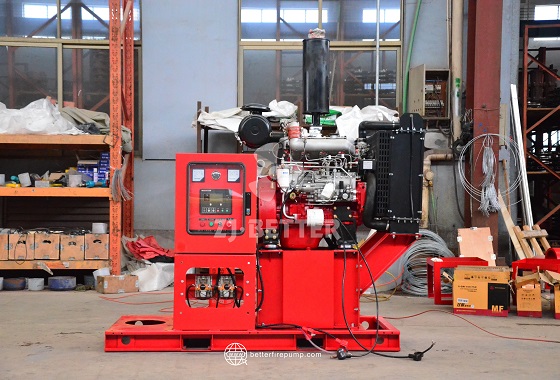
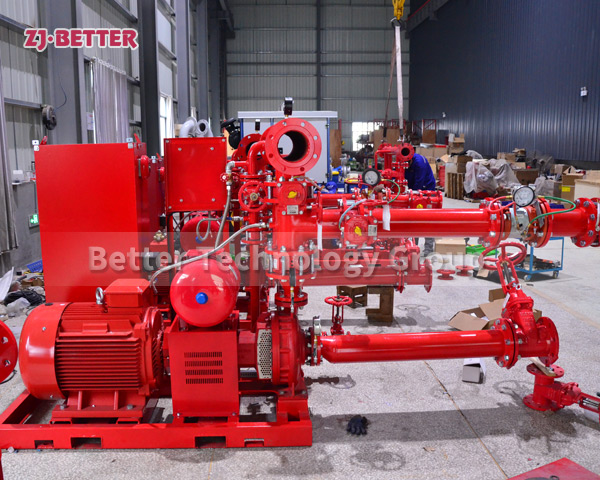
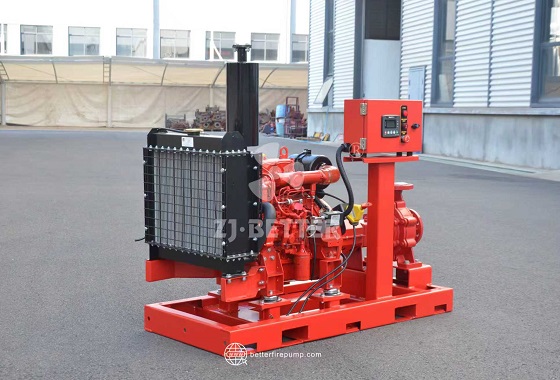
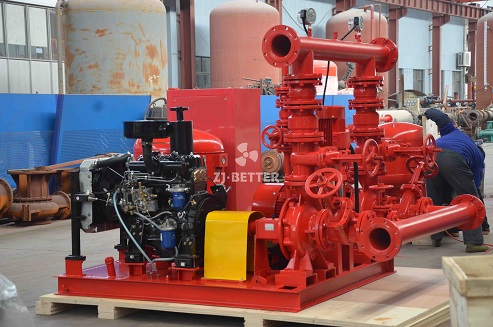
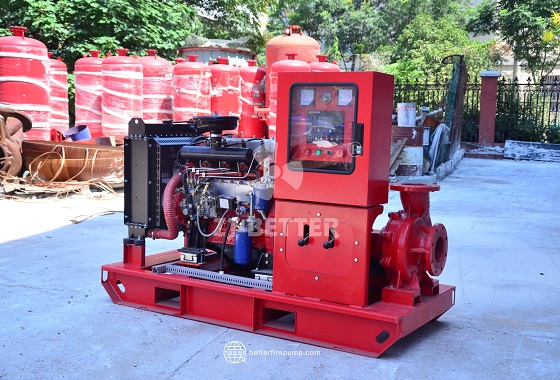
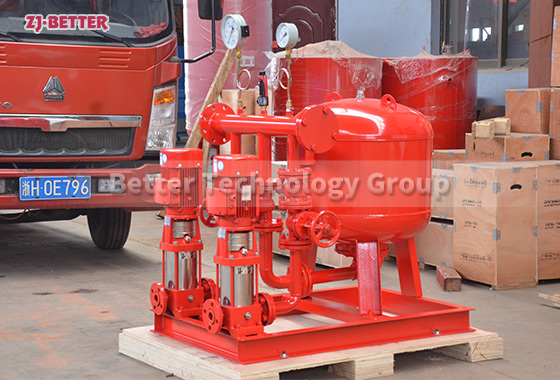
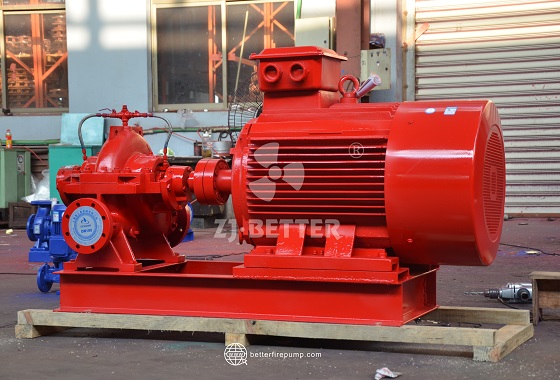
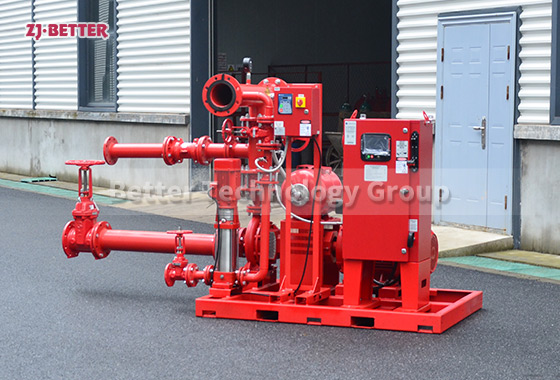
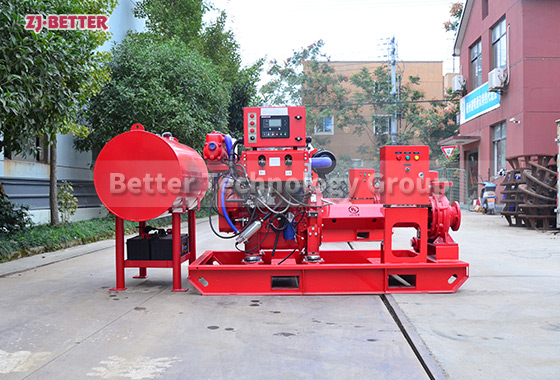
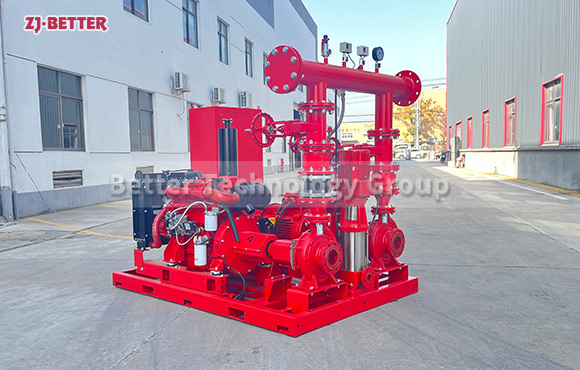
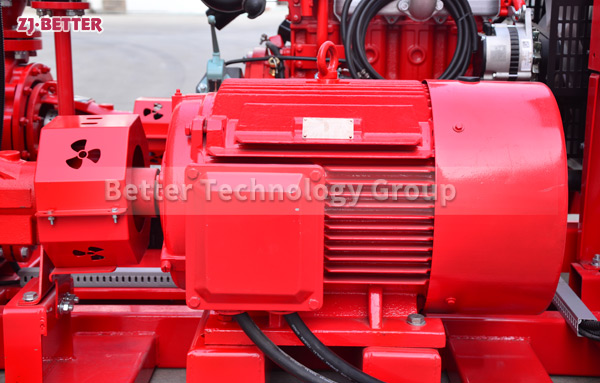
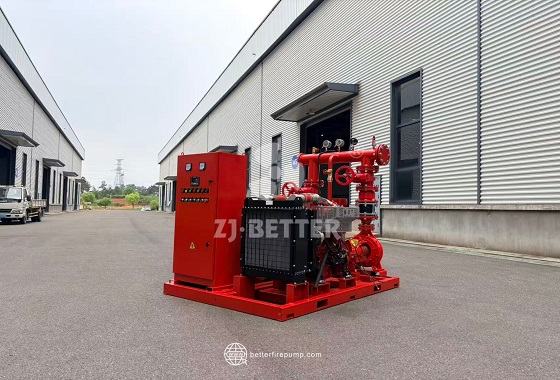
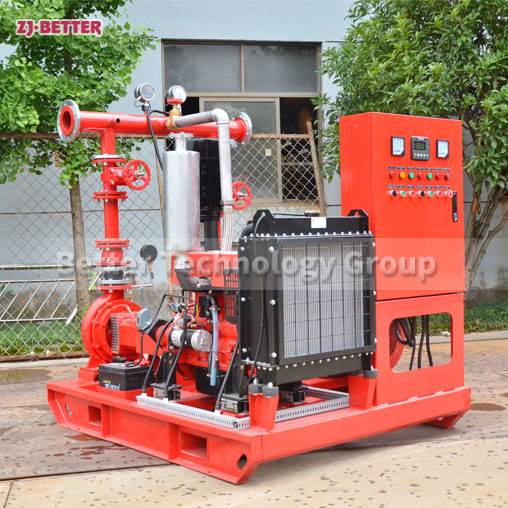
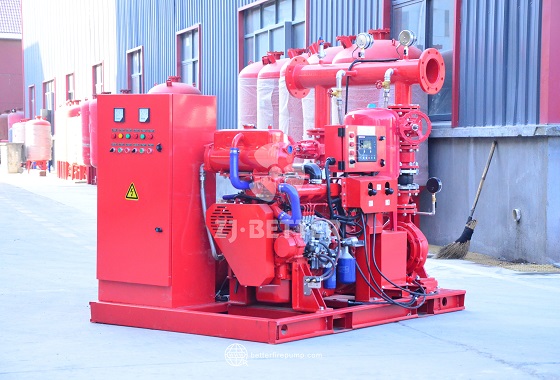
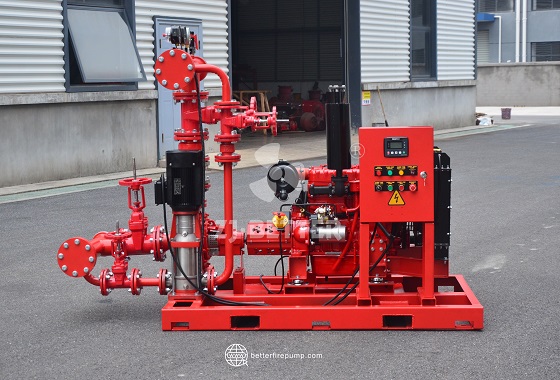
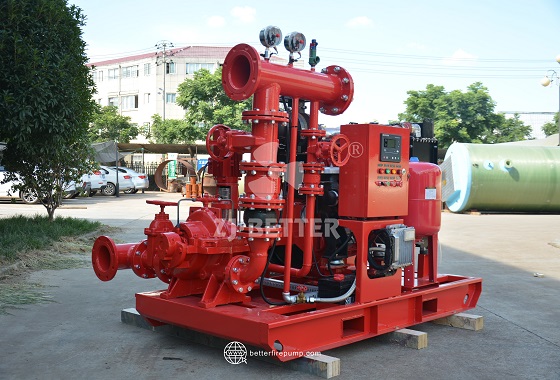
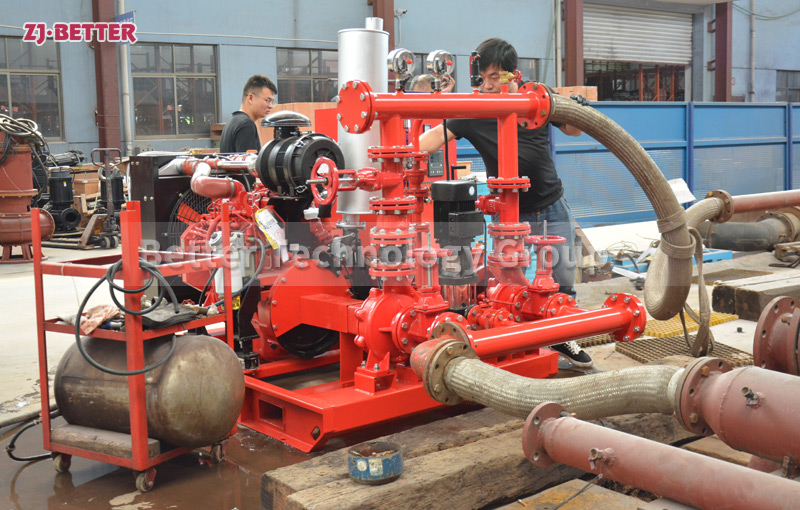
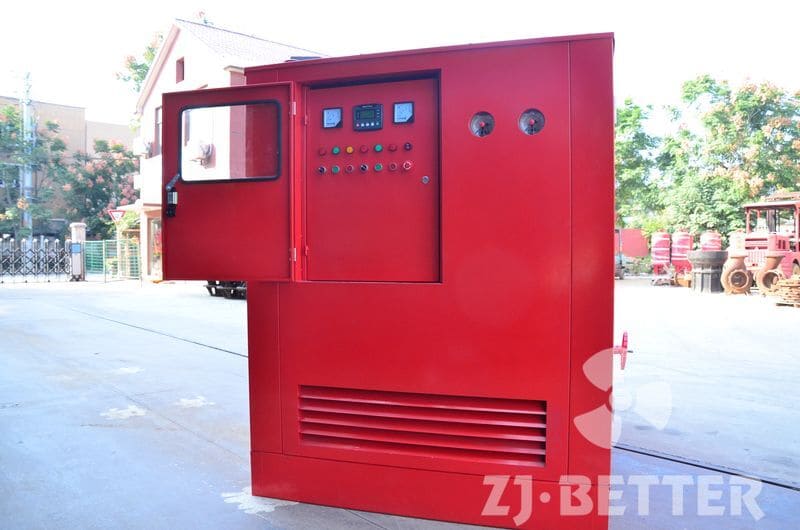
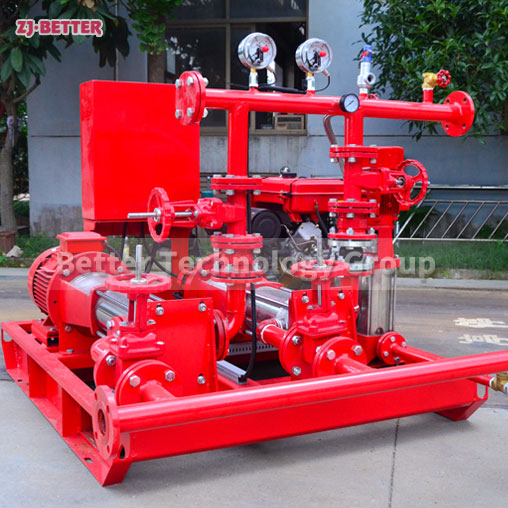
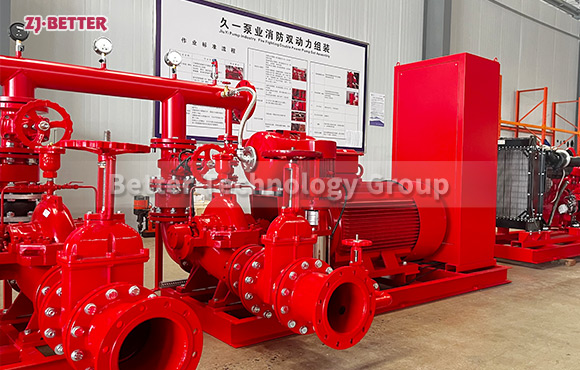
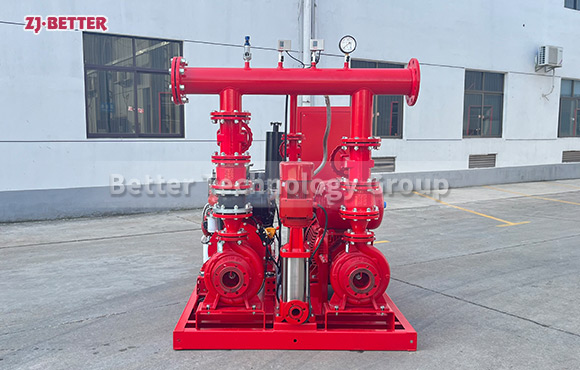
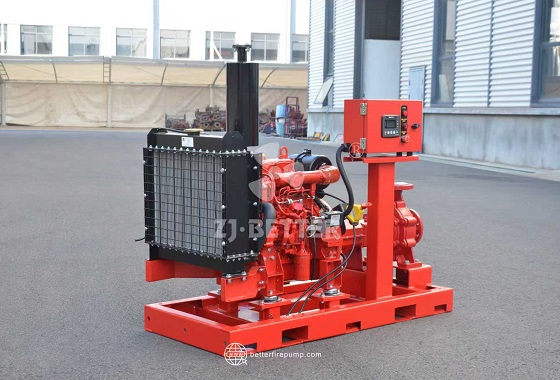
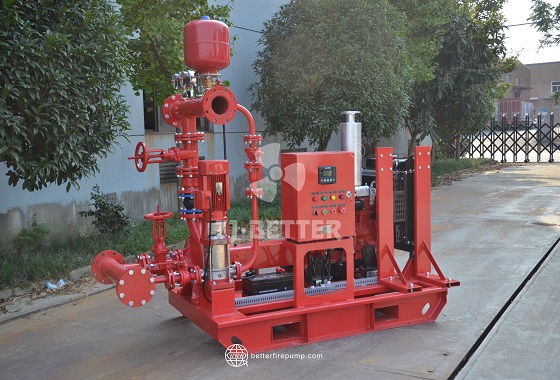
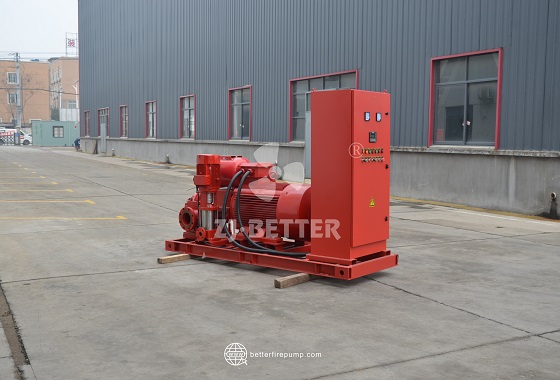
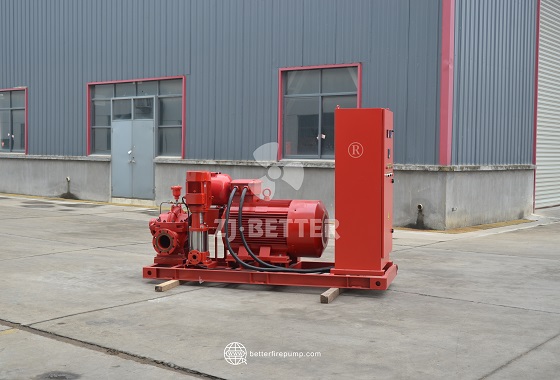
A compact electric fire pump is an integrated fire water supply system that combines a fire pump, an electric motor, a control cabinet, and a base frame. It is suitable for use in buildings, industrial facilities, warehousing and logistics centers, and other fixed fire water supply systems. The equipment shown in the image features a compact base design, with the motor and fire pump arranged horizontally and the control cabinet mounted on one side, creating a cohesive, self-contained unit. Compared to a decentralized installation of individual components, this centralized configuration reduces the required footprint, clarifies the connections between major components, and simplifies on-site installation, wiring, and commissioning. The electric motor serves as the prime mover, converting electrical energy into mechanical power to drive the pump shaft and impeller; this generates the necessary water pressure and flow rate to meet the requirements of the fire protection piping network. Depending on specific project needs, the electric fire pump can be configured as a single-stage pump, end-suction pump, horizontal split-case pump, or multi-stage pump, with the specific model selected based on design flow, head, pressure, and installation constraints. A key advantage of this system is the high degree of compatibility between the pump and the motor; by carefully selecting the motor power, pump type, impeller parameters, and rotational speed, the equipment can be precisely tailored to the hydraulic performance requirements of various fire protection systems. The available product range covers a wide spectrum of flow rates, heads, and power ratings. As actual specifications vary by model and system design, it is essential during procurement to verify parameters such as design flow, operating head, pipe diameter, power supply conditions, and the operating environment. The control cabinet is a critical component, managing the start/stop functions, operational status, and system protection. It can also be integrated with sensors—such as pressure transducers and pressure gauges—to enable automatic control of the fire water supply system. In some configurations, the electric fire pump may be combined with a diesel-driven fire pump, a jockey (pressure-maintenance) pump, pressure tanks, valves, and piping accessories. In such setups, the electric fire pump acts as the primary power source for fire water supply, while the pressure-maintenance equipment ensures the system remains at the required standby pressure, allowing the various components to work in coordination according to their respective functions. A compact design offers distinct advantages for projects with limited space in the fire pump room. By consolidating the pump, motor, and control cabinet, the footprint is minimized, while the integrated base facilitates precise positioning and secure anchoring. During installation, the layout must be carefully planned—accounting for foundation load-bearing capacity, equipment weight, piping stress, inlet/outlet orientation, and maintenance access—to ensure sufficient space for both operation and servicing. Furthermore, the unit can be equipped with accessories such as check valves, gate valves, pressure gauges, pressure sensors, flexible connectors, and flanges to ensure seamless integration into the broader fire water supply system. For reliable operation, the electric fire pump requires stable power output and optimal hydraulic performance; therefore, the motor power must be accurately matched to the pump’s flow rate and head to avoid issues like insufficient power or over-specification. Selection should always be based on the specific design requirements of the fire protection system for a given building or industrial project, rather than relying solely on external dimensions or a single parameter. In summary, by integrating the pump, motor, and control cabinet into a single unit, these compact electric fire pumps provide a centralized solution for fire water supply and control. Characterized by their space-saving design, organized layout, ease of installation, and flexible configuration, they serve as essential power units for fixed fire water supply systems, delivering stable, pressurized water to fire protection piping networks in both buildings and industrial facilities.