Modular Diesel Fire Pump Set – Integrated Pump, Engine and Control Equipment for Project Requirements
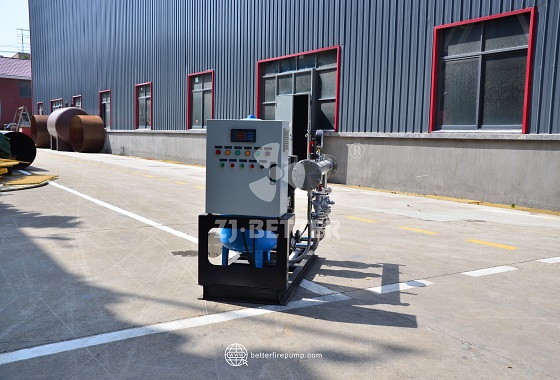
The modular diesel fire pump unit integrates a diesel engine, a fire pump, a control cabinet, and auxiliary components, all mounted on a common base. It can be flexibly configured based on flow rate, head, and specific project requirements, making it suitable for fire water supply systems in industrial facilities, warehouses, and large-scale buildings.
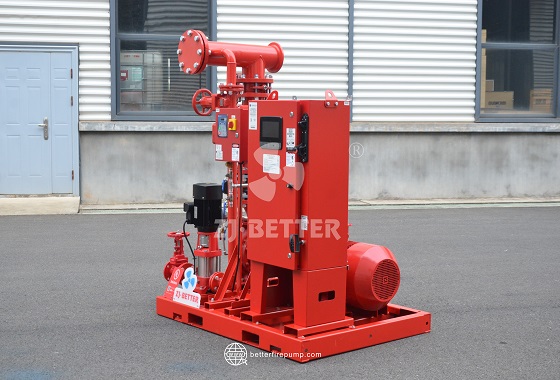
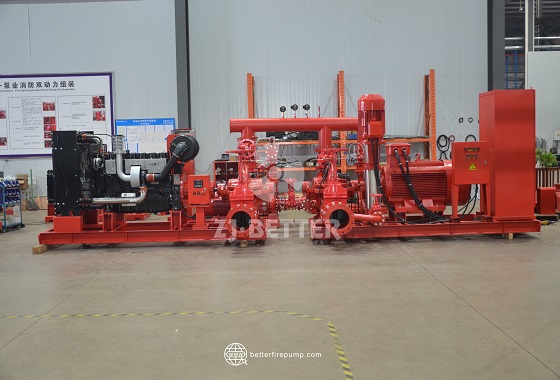
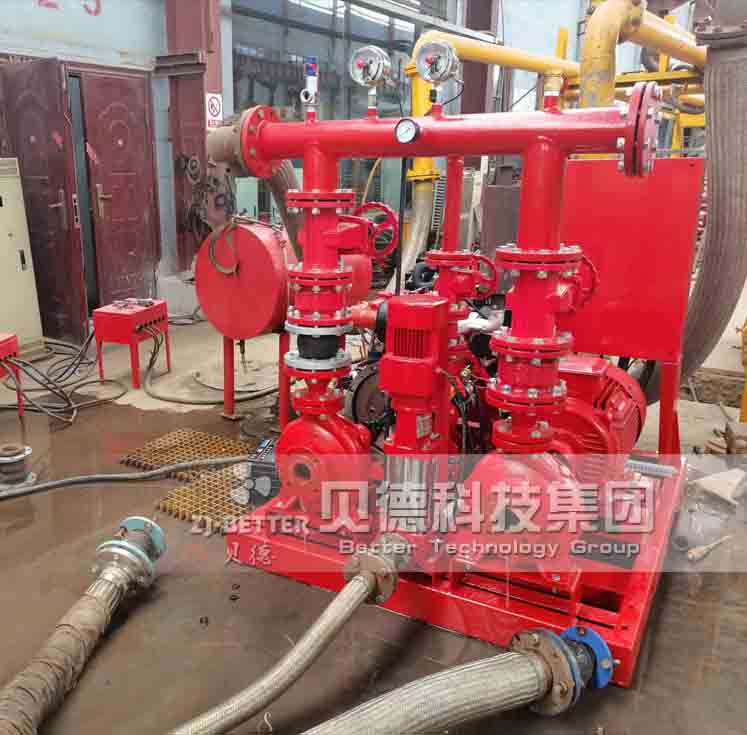
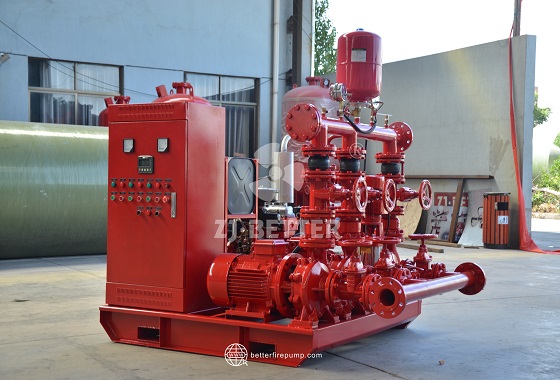
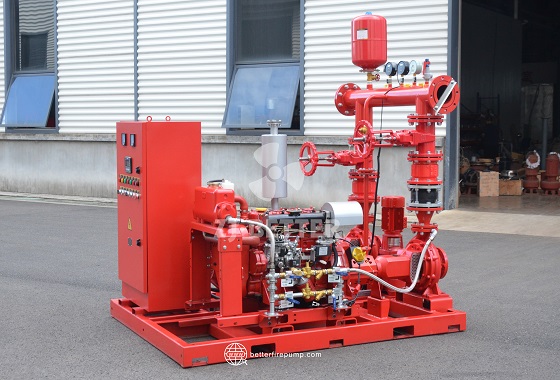
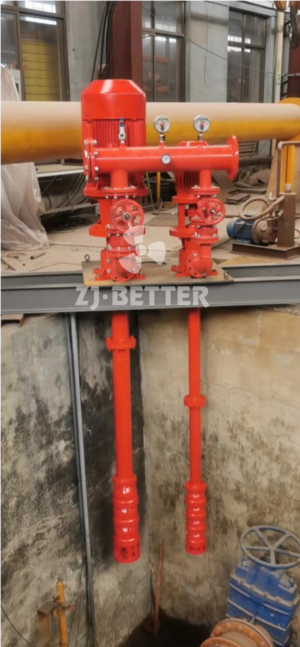
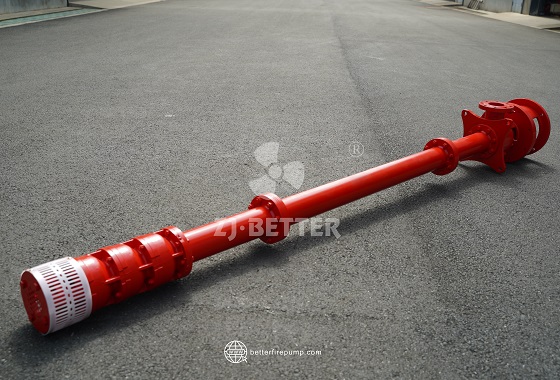
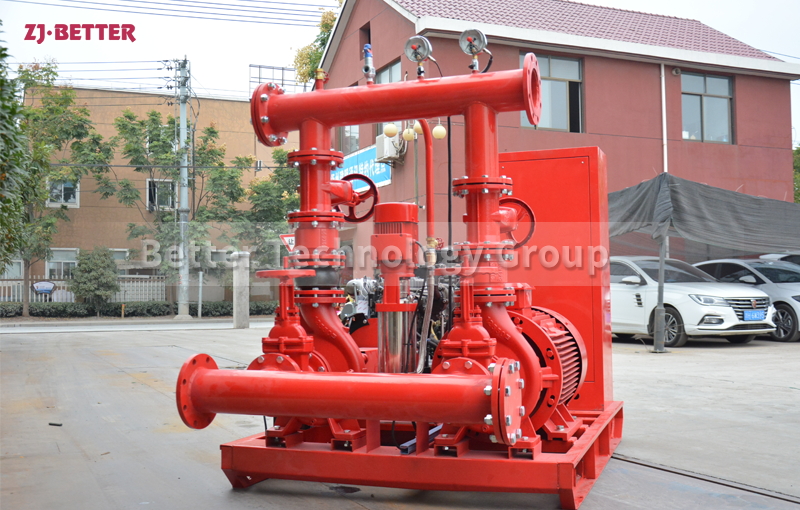
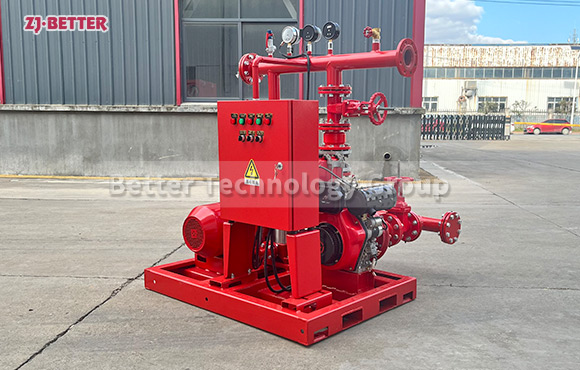
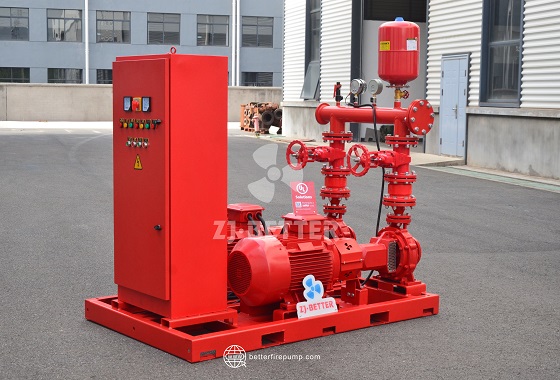
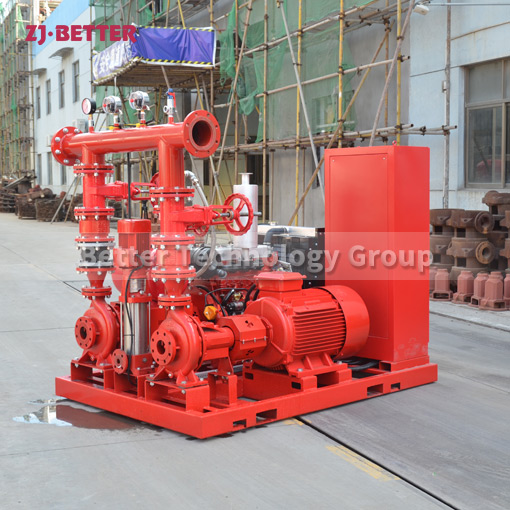
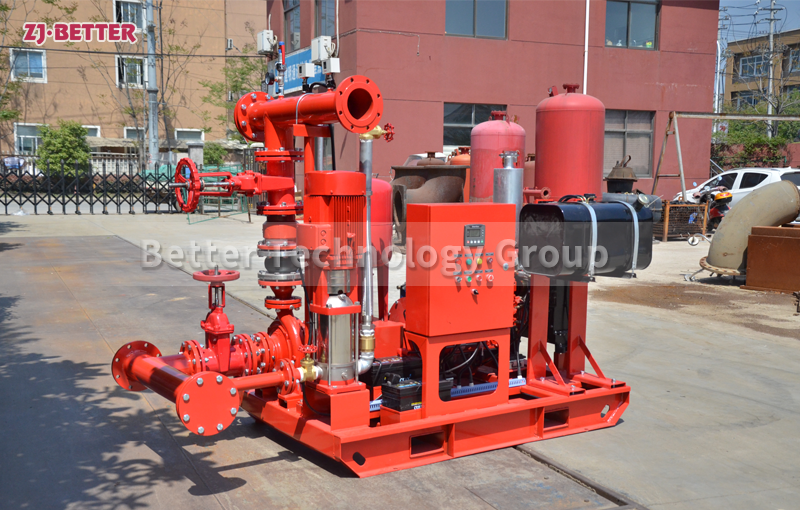
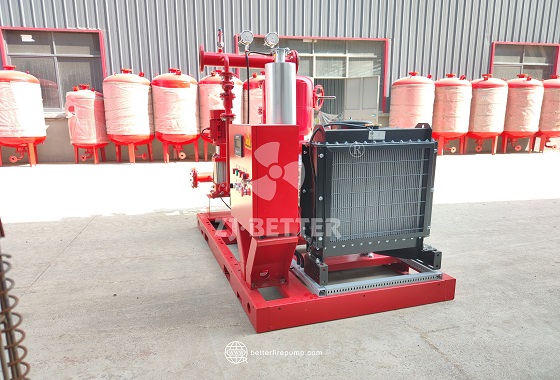
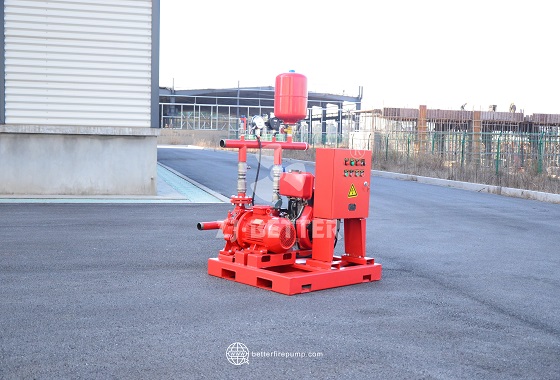
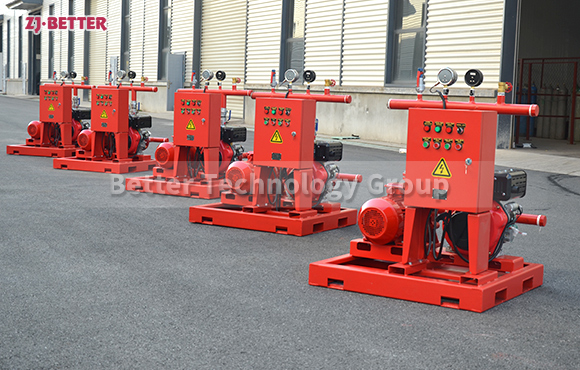
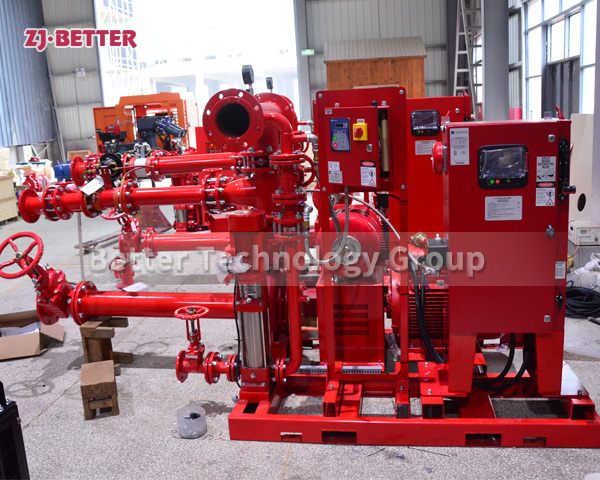
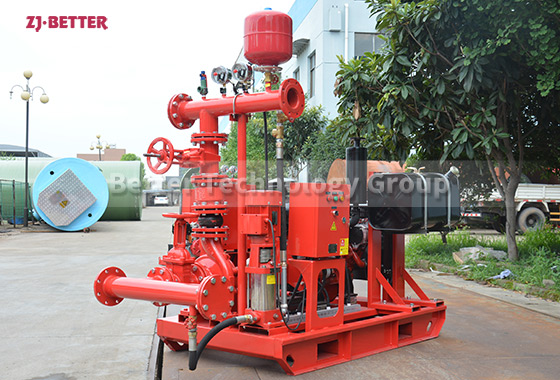
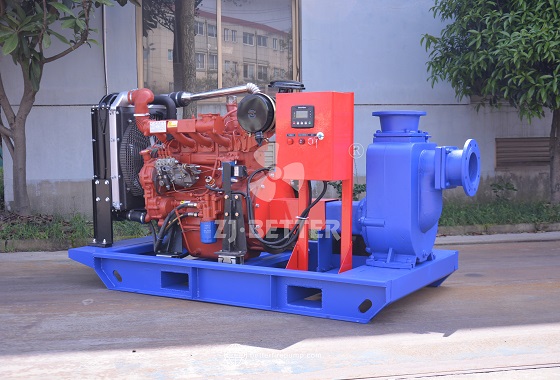
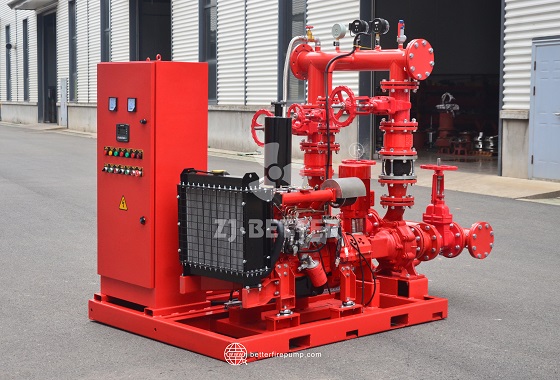
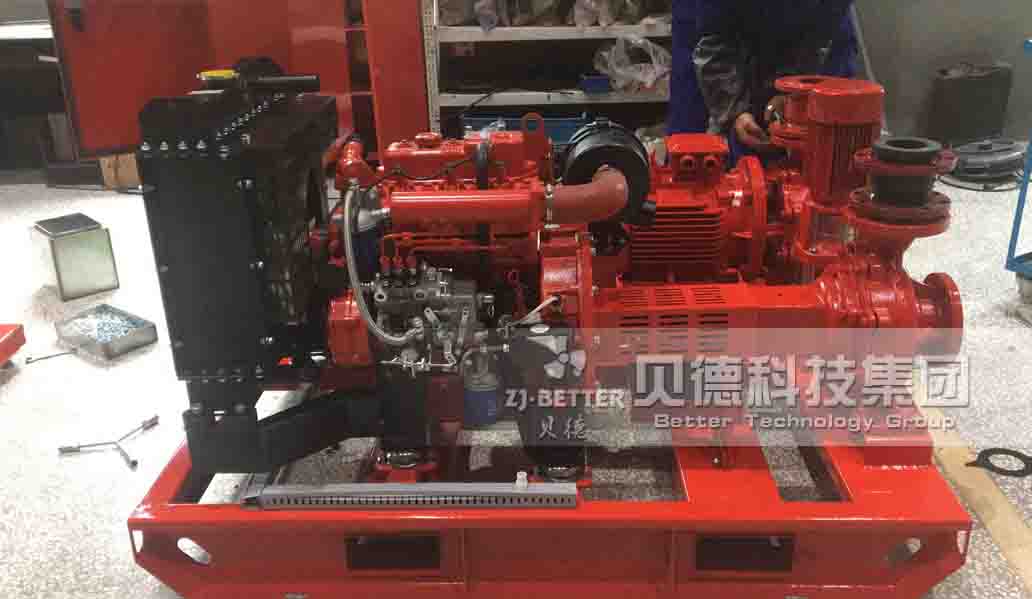
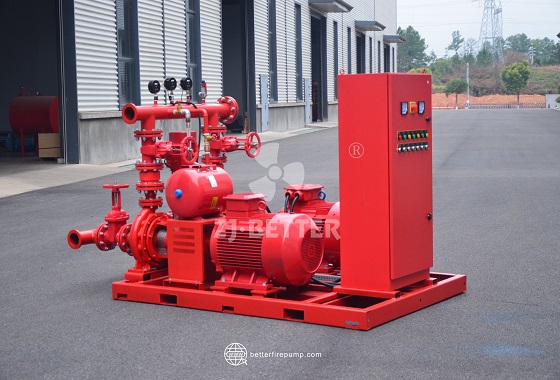
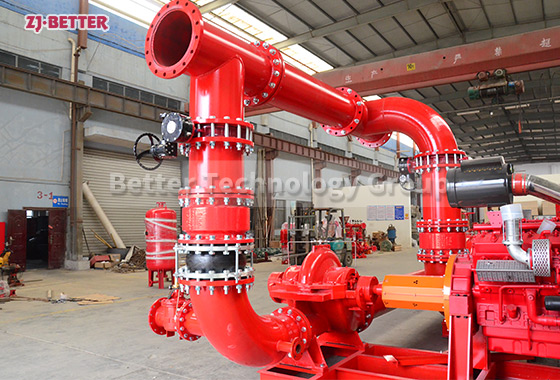
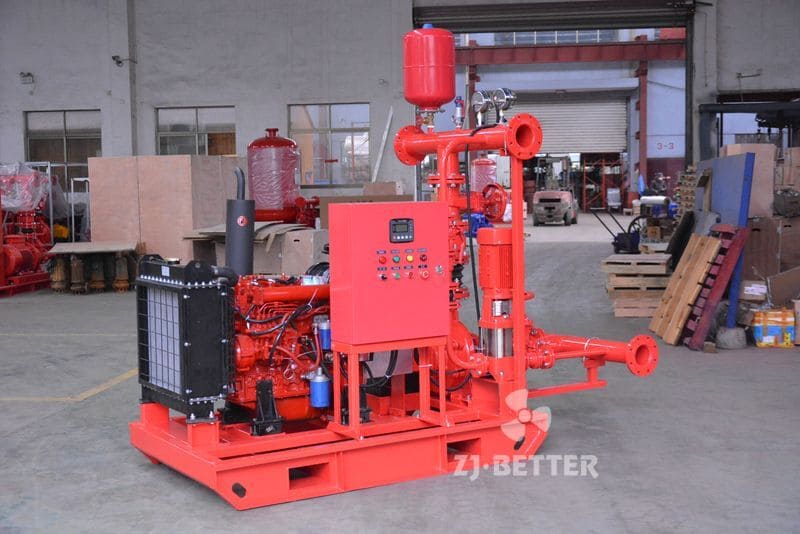
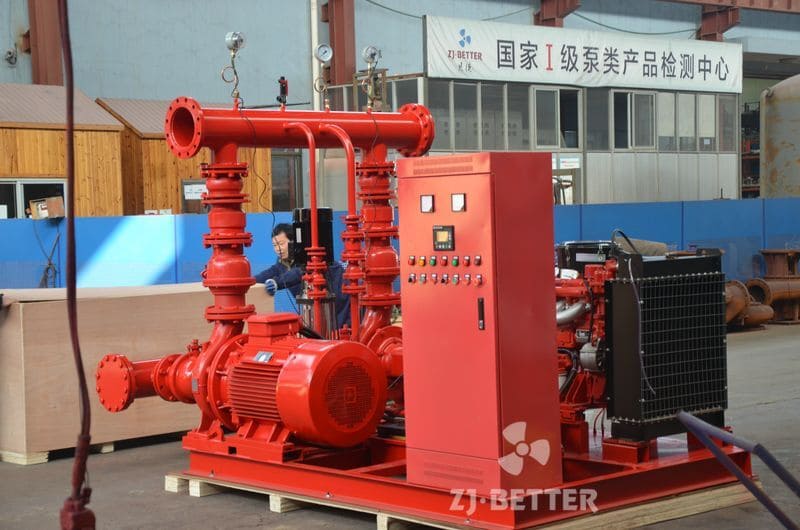
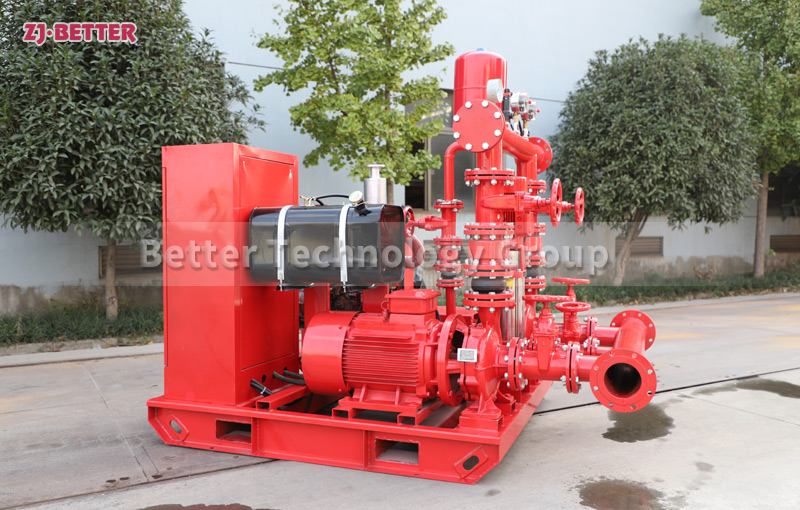
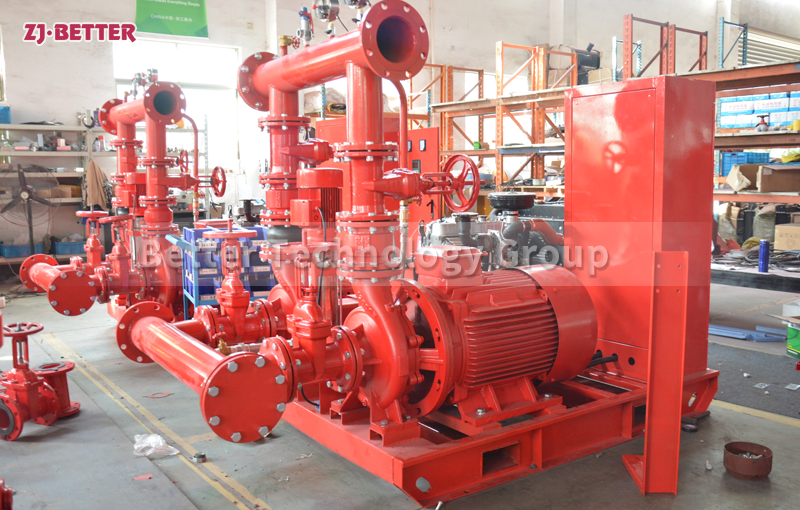
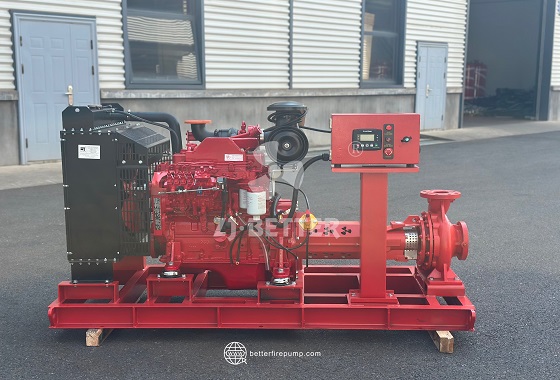
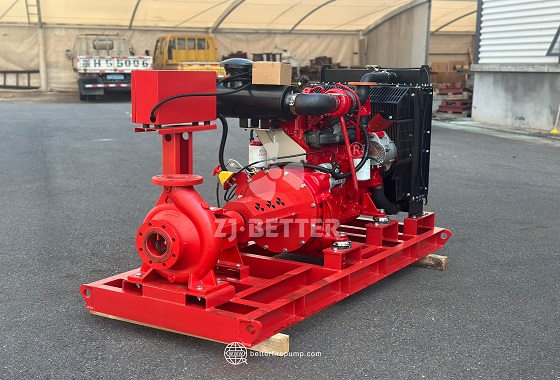
A modular diesel fire pump unit is an integrated fire-fighting water supply system in which a diesel engine, a fire pump, control equipment, and related auxiliary components are mounted together on a common base. This type of system is ideal for projects that demand high reliability in fire-fighting water supply and a high degree of equipment integration. The unit shown in the image features a horizontal fire pump coupled with a diesel engine; the engine provides independent mechanical power to the pump. Equipped with a dedicated control cabinet, the system integrates the power unit, the pumping unit, and the control system into a cohesive, self-contained assembly. Unlike systems with dispersed components, this modular design allows for the pre-assembly and basic configuration of key equipment at the factory. On-site, the unit simply needs to be positioned, connected to the existing piping and foundation, and commissioned—a process that significantly reduces redundant installation work. Serving as an independent power source, the diesel engine ensures the fire pump remains operational during power outages, instances of insufficient external power, or whenever a backup power source is required. Consequently, these units are well-suited for fire-fighting water supply systems in industrial plants, logistics warehouses, ports and terminals, airports, energy facilities, and large-scale buildings. According to official product documentation, these diesel fire pump units can be configured with various pump types—such as end-suction, horizontal split-case, vertical split-case, vertical in-line, or multi-stage pumps—selected based on specific requirements for flow rate, head, pressure, and installation conditions. A key advantage of this equipment is the ability to precisely match the power system with the hydraulic performance; the diesel engine’s power output is selected in accordance with the fire pump’s flow rate, head, and rotational speed to ensure it meets the power demands for optimal operation. Depending on the specific model and configuration, these pump units can offer flow rates ranging from 30 to 9,000 GPM and heads reaching 3 to 20 bar. The diesel engine power can be tailored to project requirements, with exact specifications determined by the final selection and design operating conditions. The modular base is a critical structural element; by consolidating the diesel engine, fire pump, control cabinet, and various piping and auxiliary components, it creates a well-organized layout that facilitates transport, positioning, and on-site installation. A common base frame reduces the installation effort required for securing multiple independent components, while also facilitating future inspections of the connections between the engine, pump, coupling, and control units. It is important to note that the modular design does not eliminate the need for on-site installation; the foundation must still be designed and the equipment secured based on factors such as unit weight, operational vibration, foundation load-bearing capacity, and the configuration of inlet and outlet piping. The control system manages the equipment’s operational status, enabling functions such as automatic startup, performance monitoring, fault alarms, and manual operation. Some control systems can also display parameters like diesel engine speed, oil pressure, and runtime, providing valuable data for routine inspections and maintenance. Within a complete fire-pump system, a diesel-driven fire pump can be integrated with electric fire pumps, jockey pumps (pressure-maintenance pumps), pressure sensors, pressure tanks, valves, and piping accessories; these components work in coordination to meet the water supply and pressure requirements of the fire-protection piping network. The diesel pump typically serves as a backup or independent power source, while the jockey pump maintains system pressure during normal conditions—with the control system regulating operations based on real-time pressure and status data. Furthermore, the equipment can be configured with auxiliary components—such as fuel systems, cooling systems, fans, control panels, check valves, gate valves, pressure gauges, pressure sensors, flexible connectors, and flanges—to better suit the requirements of integrated engineering projects. It should be emphasized that the actual performance of a diesel fire-pump unit is not determined by any single component, but rather by the effective integration and matching of the diesel engine, fire pump, control system, and piping accessories. Consequently, during the procurement and design phases, selection must be based on a comprehensive assessment of the fire-protection system’s design flow rate, head, operating pressure, water source conditions, and installation environment. In summary, by integrating the pump, engine, and control equipment onto a unified base, modular diesel fire-pump units retain the advantages of independent diesel power while enhancing the cohesion of equipment configuration and on-site installation. This offers a comprehensive solution for projects that require backup power or an independent fire-fighting water supply.