Electric Fire Booster Pump Set – Stable Pressure Output for Enhanced Fire Water Supply
The electric fire-fighting booster pump set features a high-efficiency motor drive and an optimized hydraulic design, delivering stable pressure and flow to fire-fighting piping networks; it is suitable for use in buildings, industrial facilities, warehouses, and fixed fire-fighting water supply systems.
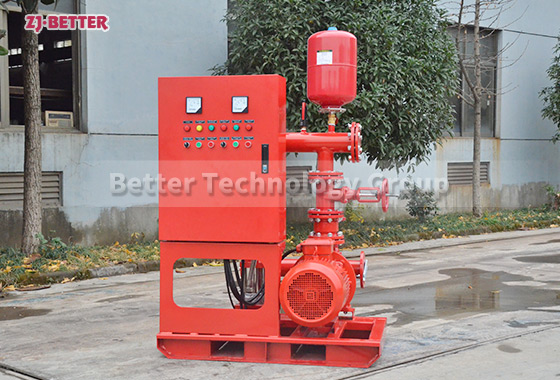
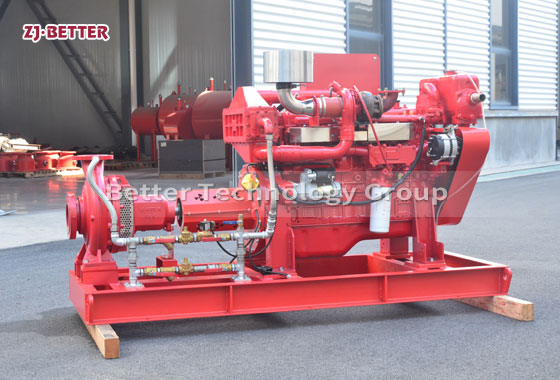
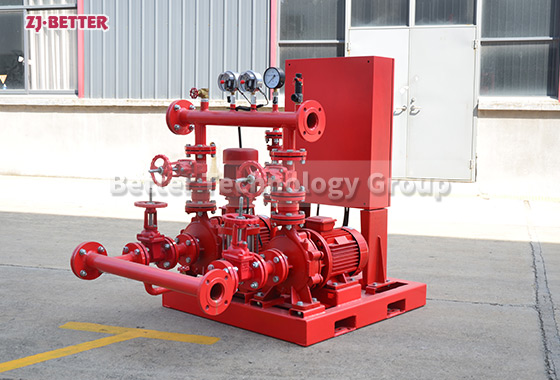
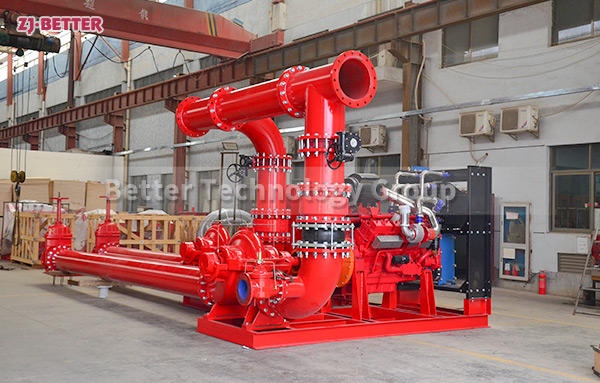
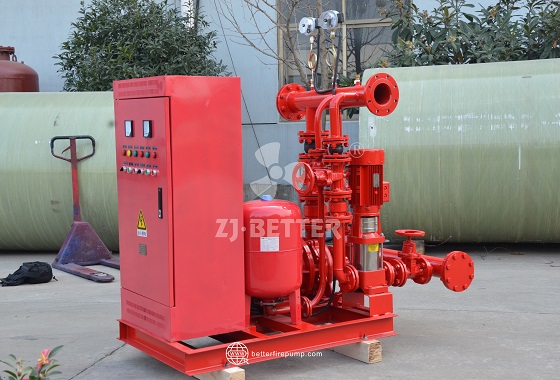
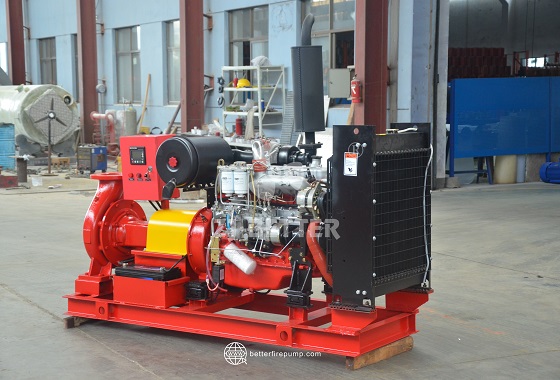
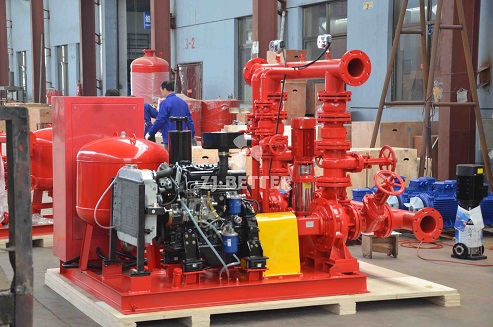
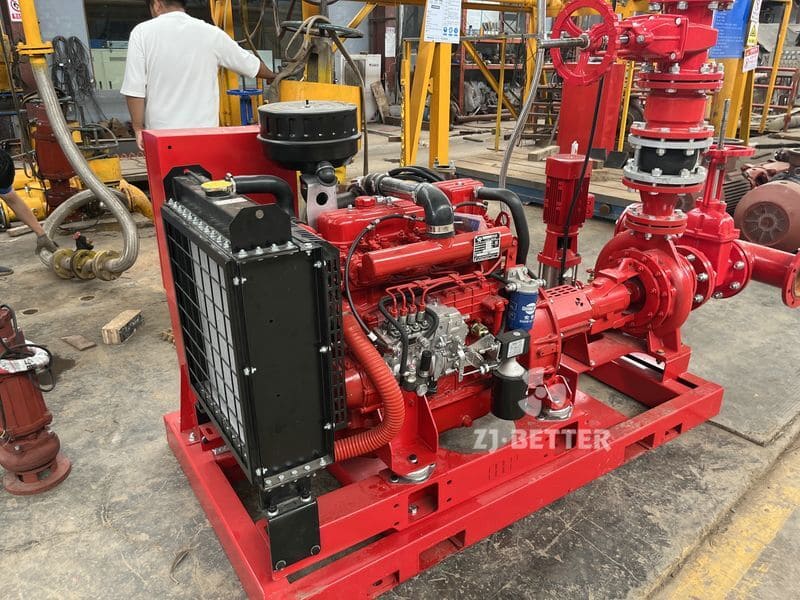
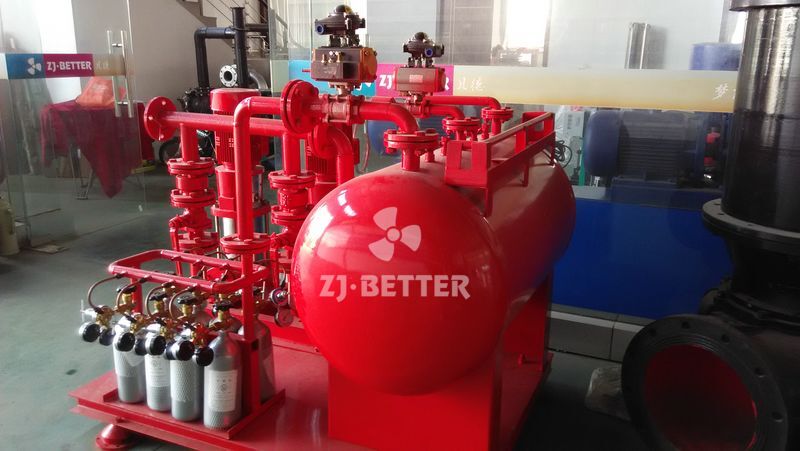
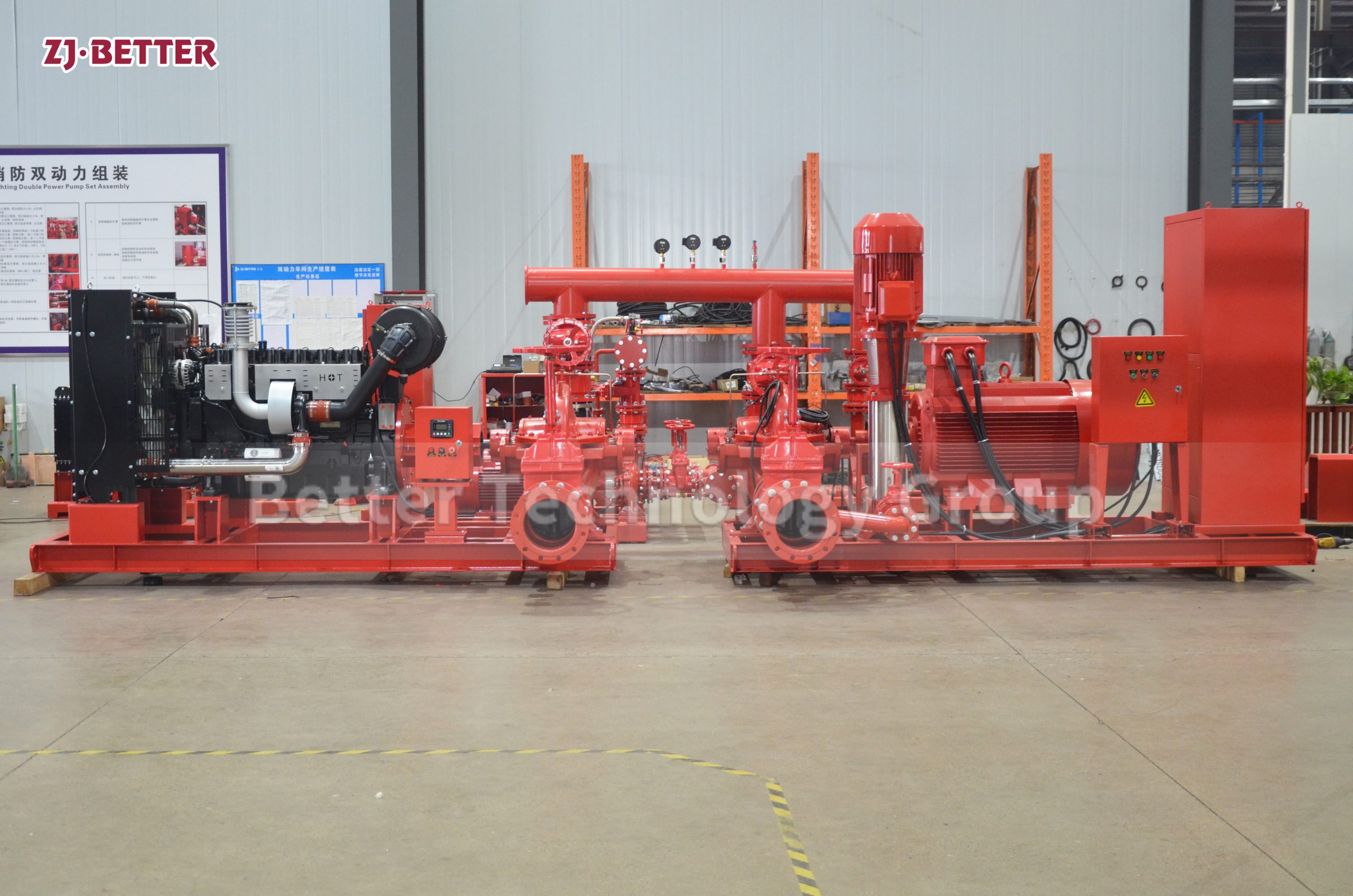
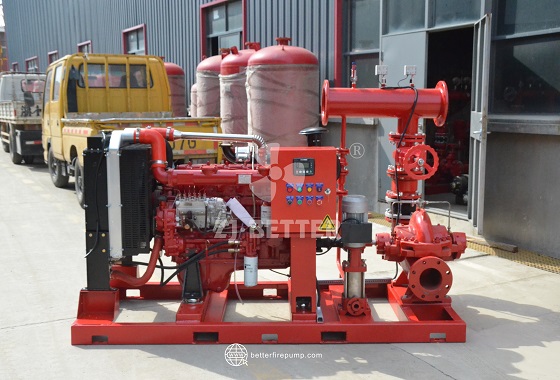
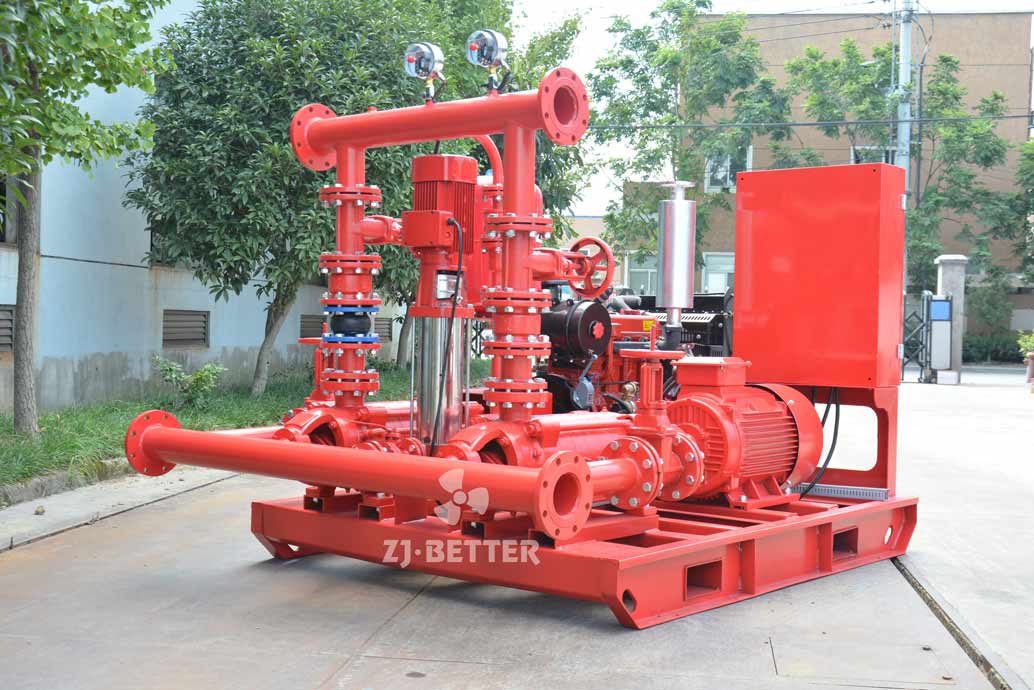
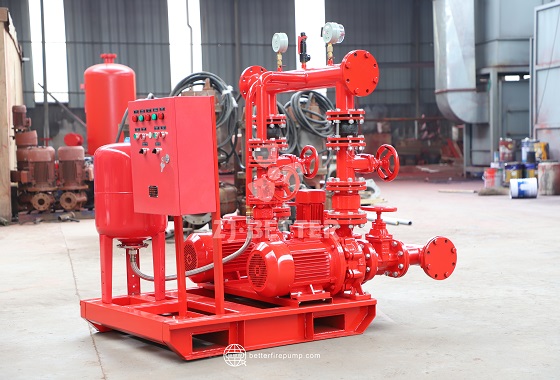
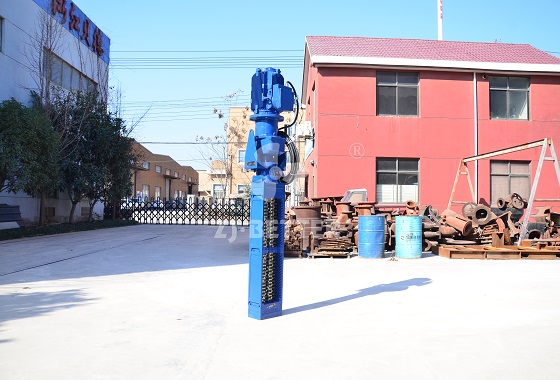
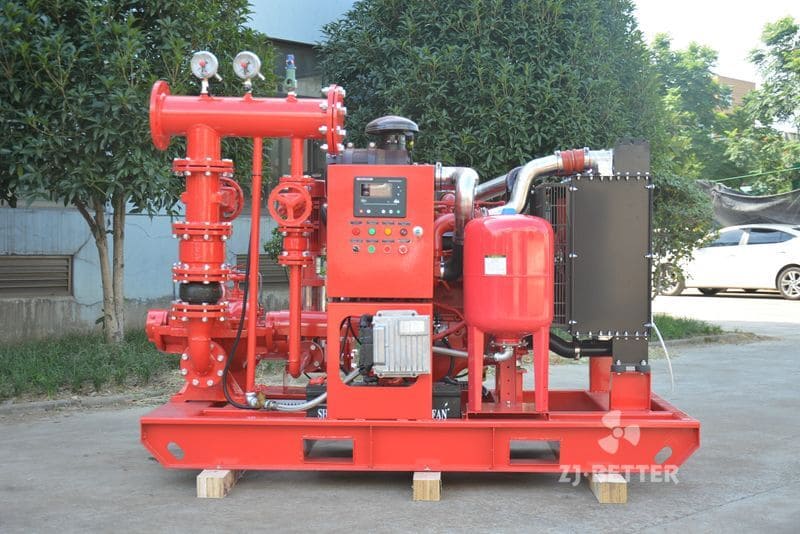
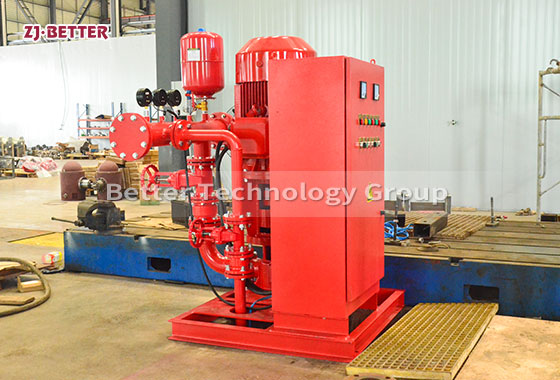
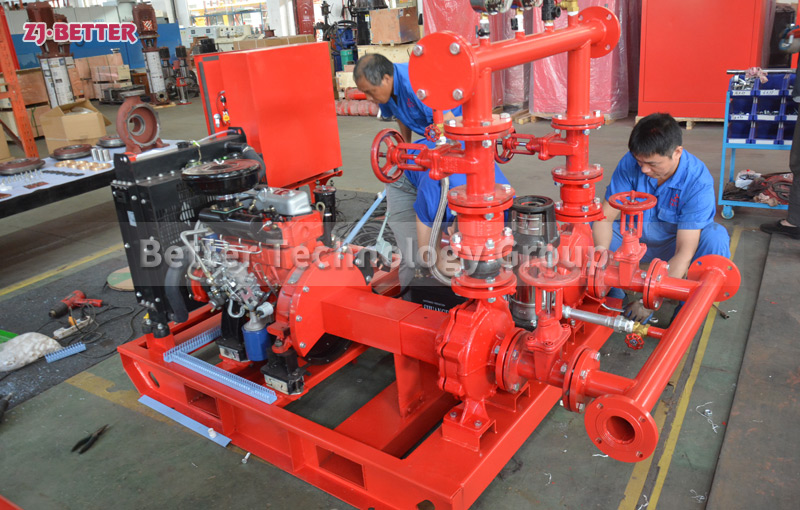
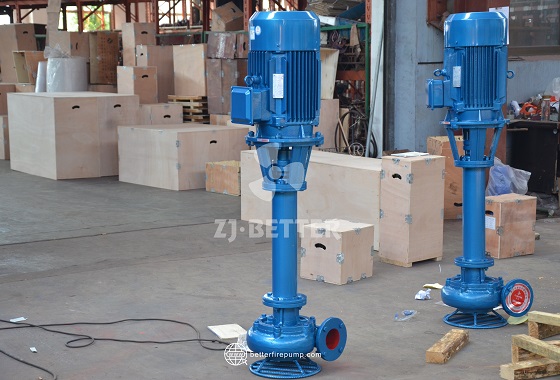
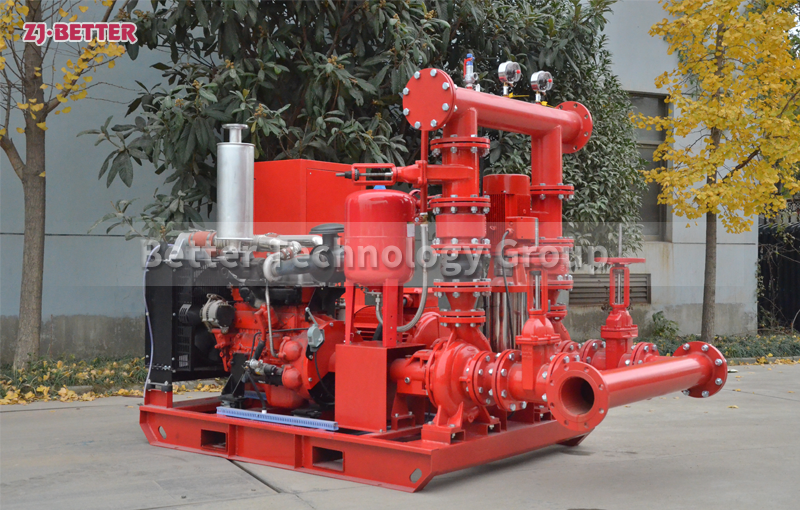
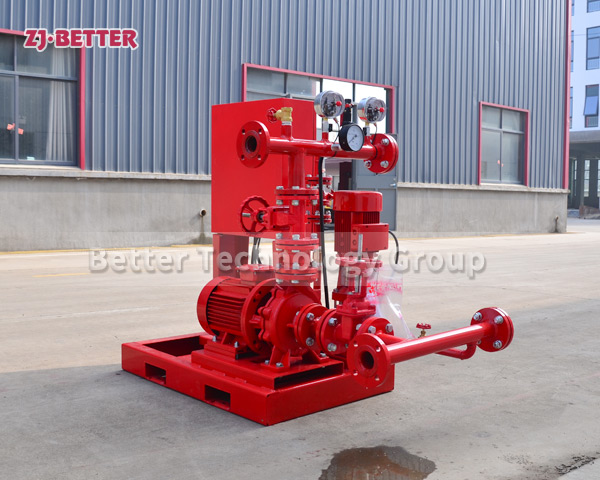
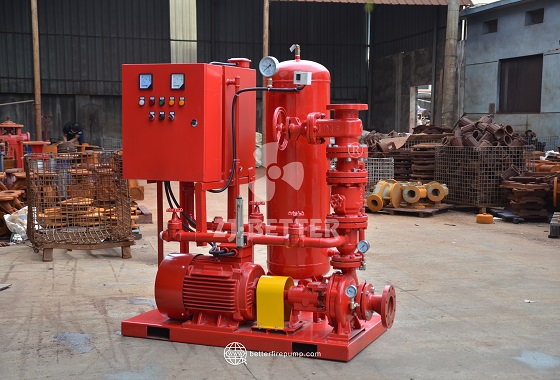
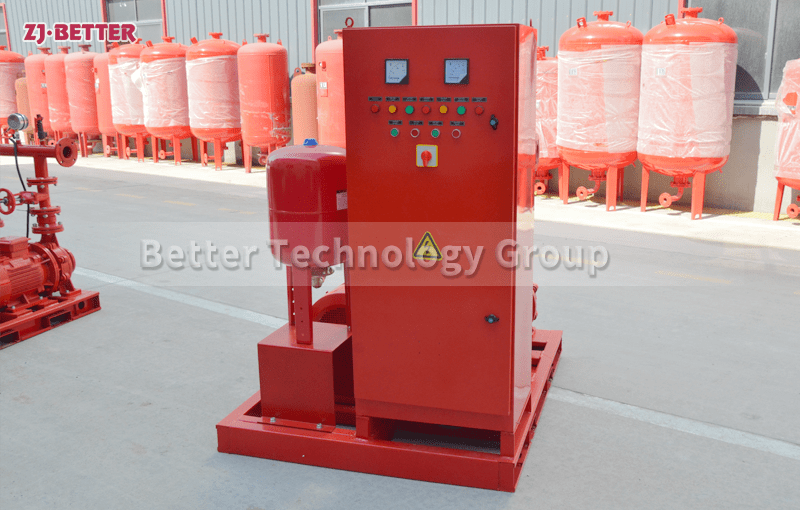
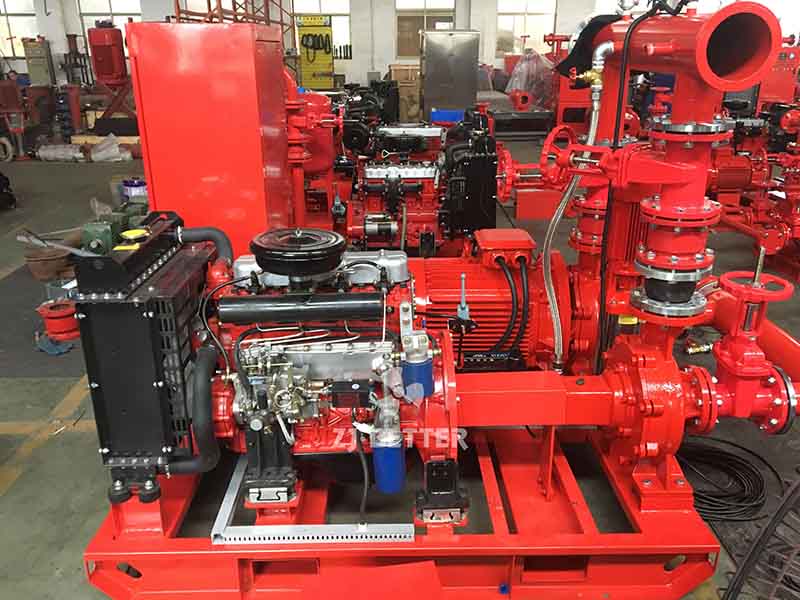
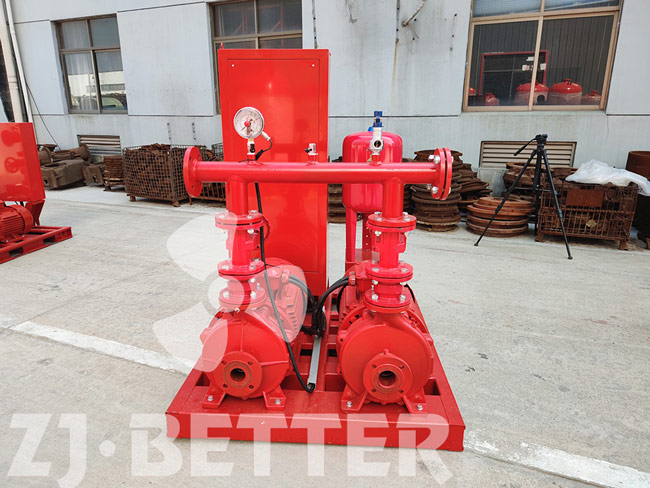
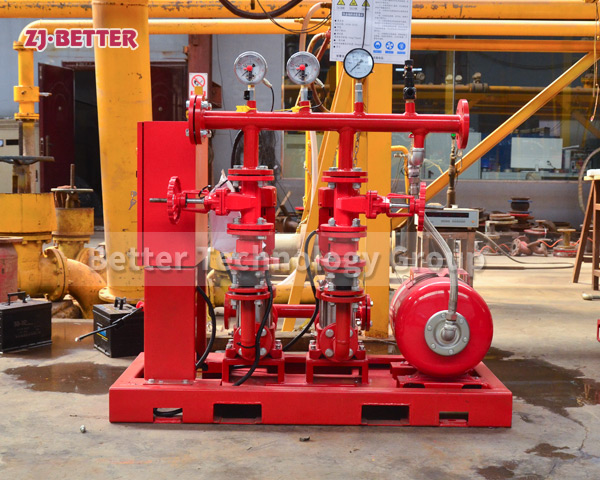
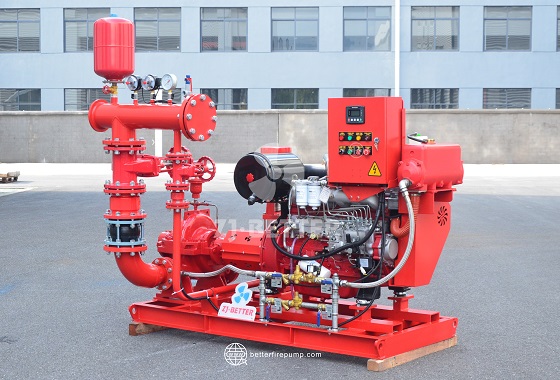
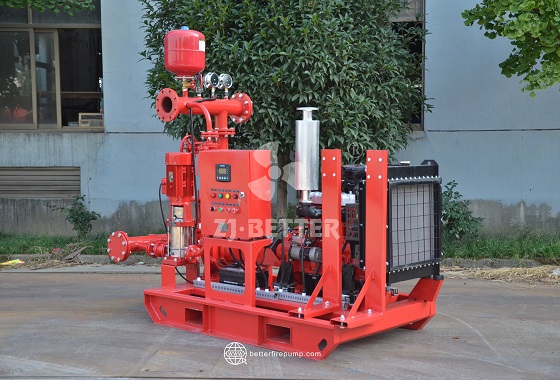
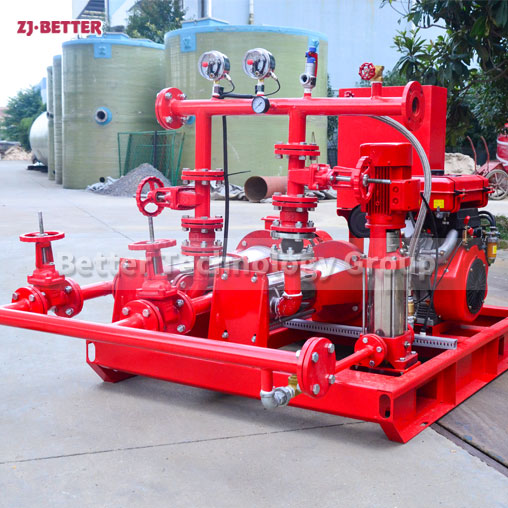
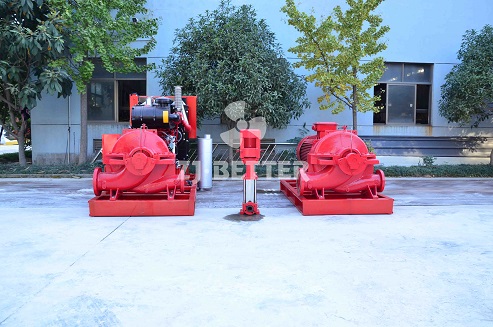
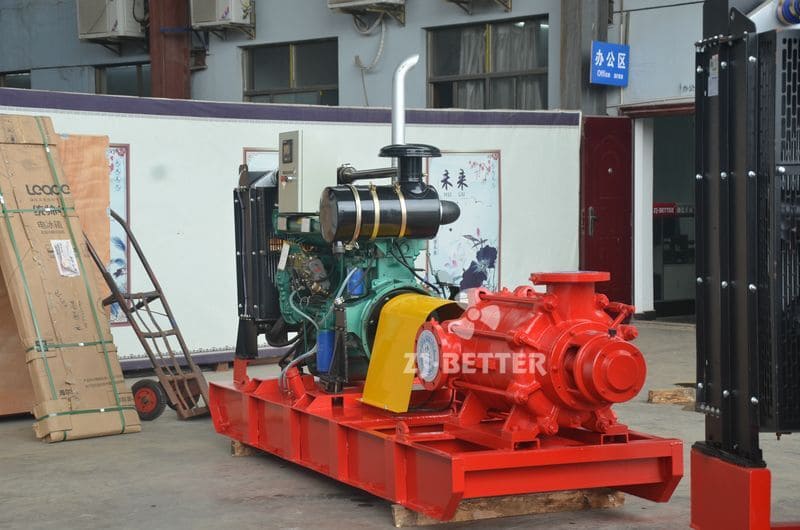
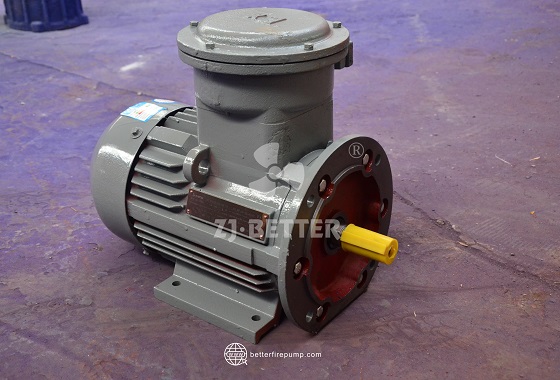
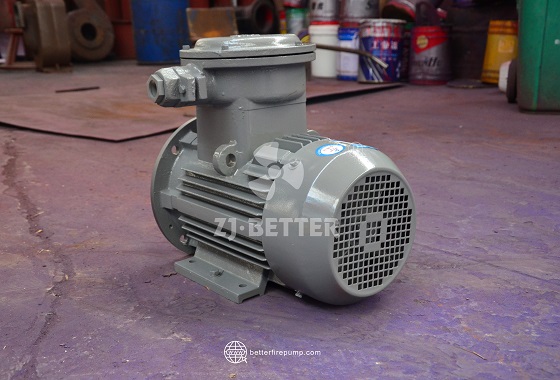
The electric fire-fighting booster pump unit is a critical component in fixed fire-fighting water supply systems, designed to boost water pressure and enhance water delivery capacity. Driven by an electric motor, the unit converts mechanical energy into the pressure energy of the water flow, ensuring a continuous and stable supply of pressure and flow to the fire-fighting piping network. The product features a compact, integrated motor-pump design, making it easy to install in fire pump rooms, equipment spaces, and other fixed locations. These pumps can be selected based on specific project requirements regarding flow rate, head, pipe diameter, and power; the product range covers flow rates of approximately 1–300 L/s, heads of 0.15–1.6 MPa, and port diameters of 25–500 mm, meeting the parameter specifications for fire-fighting water supply projects of various scales. The unit employs a stable motor drive system with a reliable connection between the pump shaft and the motor, which enhances power transmission efficiency and minimizes vibration and energy loss caused by transmission misalignment. The optimized hydraulic design of the pump casing and impeller utilizes centrifugal force to accelerate the water flow, converting kinetic energy into pressure energy for continuous pressure boosting and delivery. By effectively matching motor power with pump performance, the unit maintains stable flow and head output under design operating conditions. In scenarios involving insufficient network pressure, long delivery distances, or the need to boost pressure at the system’s terminal points, the unit provides effective pressure compensation, ensuring reliable hydraulic support for fire hydrant systems, automatic sprinkler systems, and other fire-fighting facilities. Mechanical seals minimize fluid leakage during operation, while pressure detection ports allow for easy monitoring of operating status via pressure gauges and control equipment; additionally, drainage and venting features facilitate startup, inspection, and maintenance. In practical fire-fighting systems, the electric booster pump can be integrated with pressure sensors, control cabinets, jockey pumps (pressure-maintaining pumps), and pressure storage devices to enable automatic pressure replenishment and operational control based on real-time monitoring of network pressure fluctuations. When a pressure drop occurs in the fire-fighting network, the control system activates the appropriate equipment based on preset parameters to rapidly restore system pressure; during low-flow or standby periods, pressure-maintaining equipment handles routine pressure replenishment, thereby reducing the need for the main fire pump to start up frequently and unnecessarily. A compact structure is a key advantage of this product; the rational integration of the motor, pump body, and base minimizes the equipment’s footprint while facilitating piping connections and routine inspections. For projects with limited space—such as fire pump rooms in buildings—this compact layout maximizes the utilization of the installation area. Depending on specific project requirements, various configurations of electric fire pumps—including single-stage, vertical, horizontal, and multi-stage models—can be selected to accommodate different flow rates, heads, and installation conditions. In settings such as industrial plants, warehouses, commercial complexes, high-rise buildings, public facilities, and other fixed fire-fighting water supply installations, these electric fire-fighting booster pump sets integrate seamlessly with fire piping networks and automatic control systems. They enhance the hydraulic performance of the entire water supply system through stable power output and consistent pressure delivery. Selection involves comprehensive calculations based on design flow, required head, piping network resistance, pipe diameter, power supply conditions, and the installation environment to ensure the pump set’s operating point aligns with the fire-fighting system’s actual needs. Characterized by a compact structure, high-efficiency motor drive, stable pressure output, flexible parameter configuration, and ease of system integration, these electric fire-fighting booster pump sets provide reliable pressurization for fixed fire-fighting water supply systems, serving as vital equipment for enhancing the water supply performance of fire-fighting piping networks.