Skid-Mounted Fire Pump System with Integrated Piping for Simplified Installation
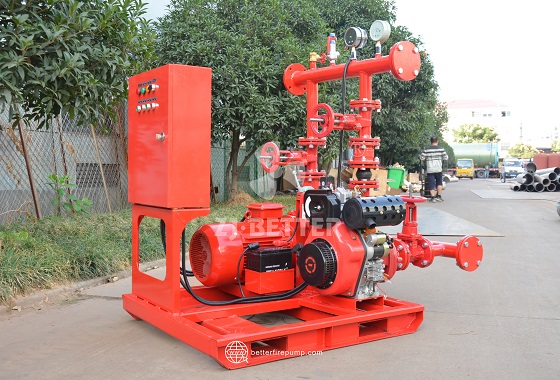
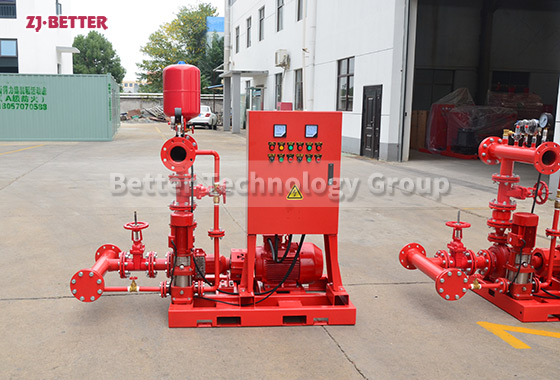
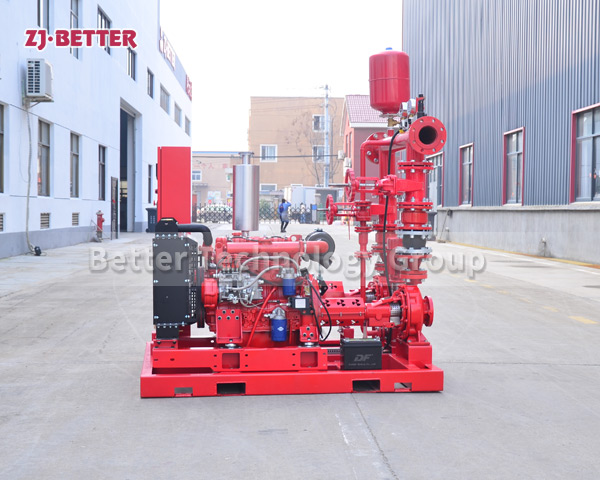
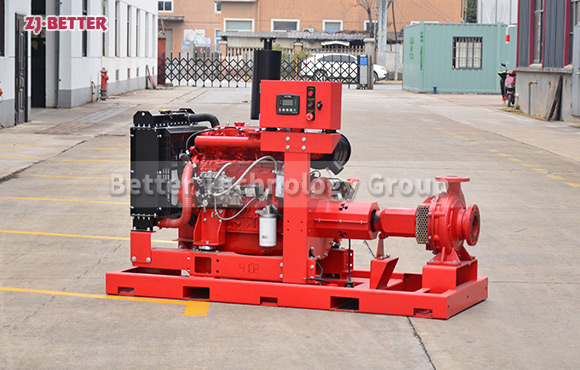
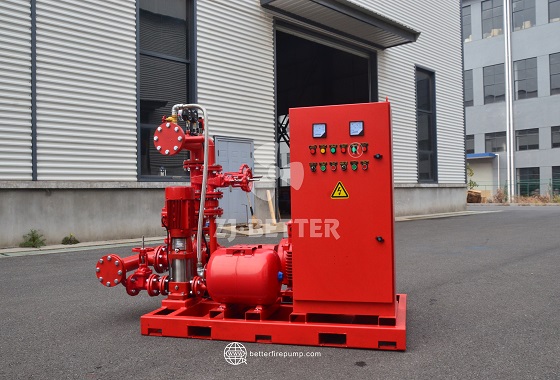
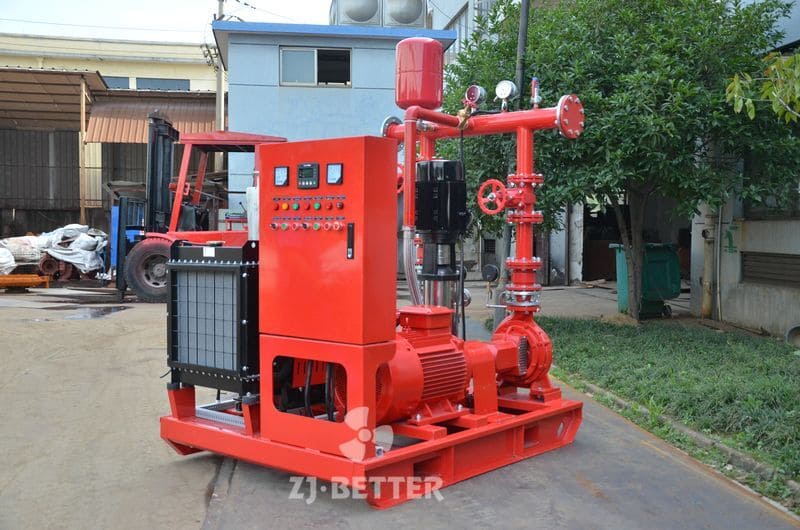
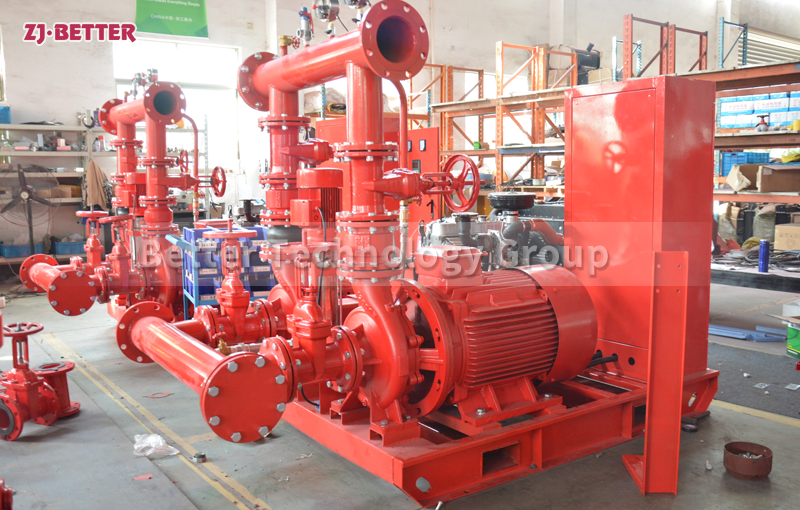
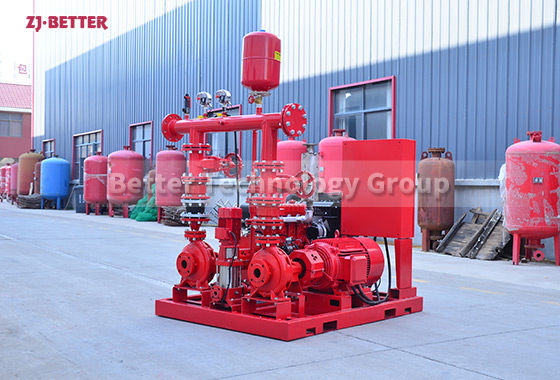
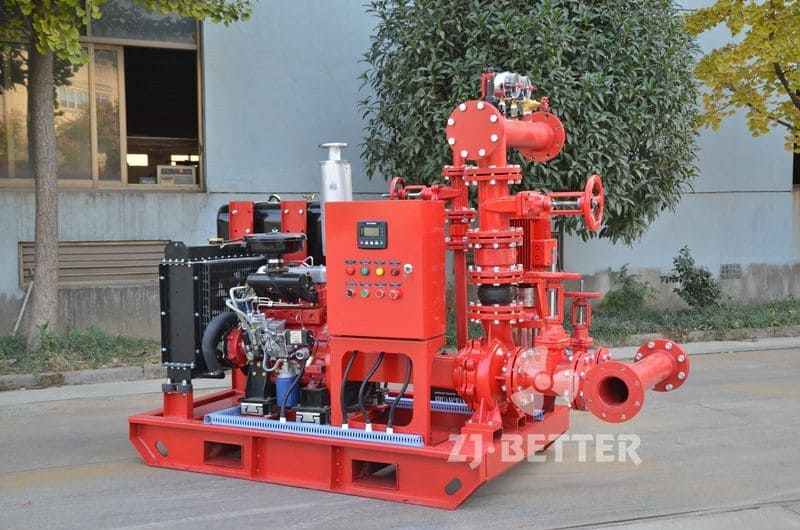
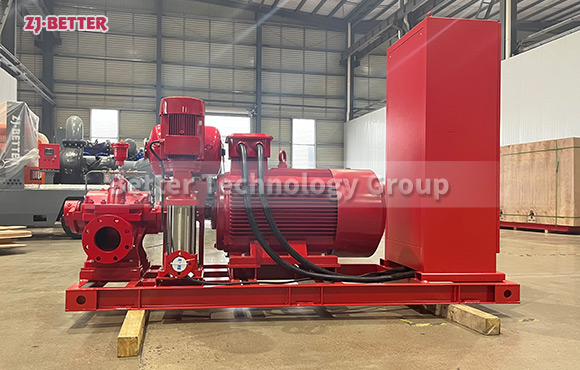
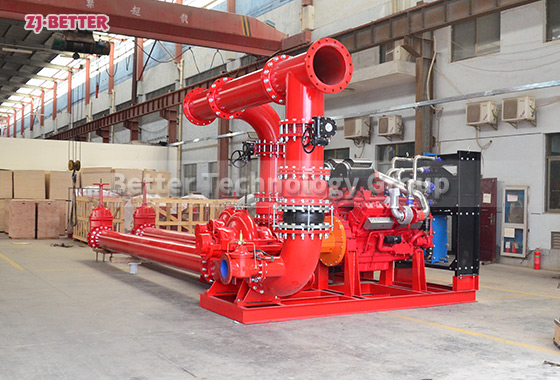
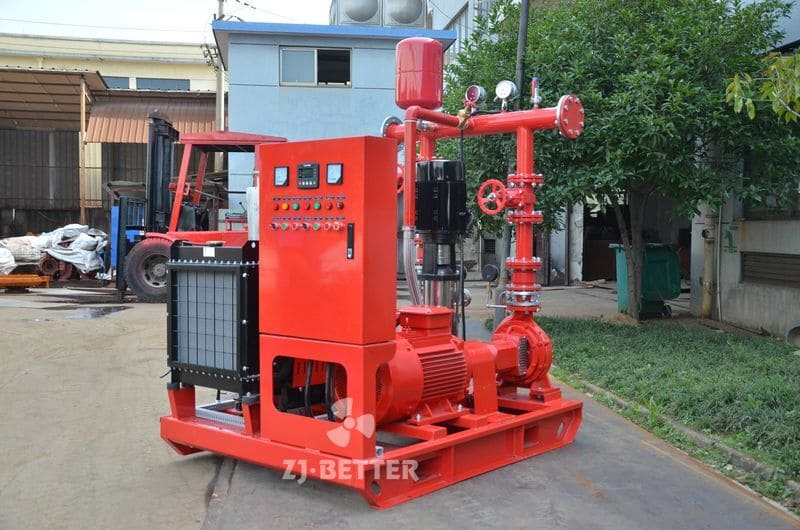
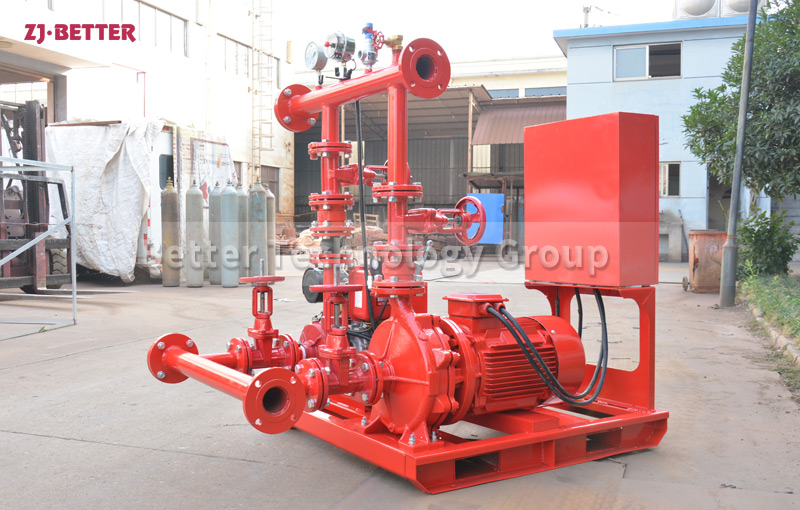
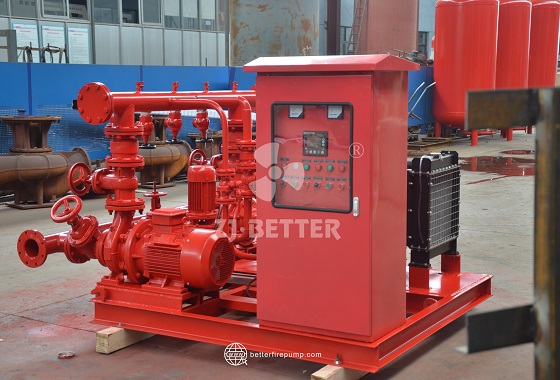
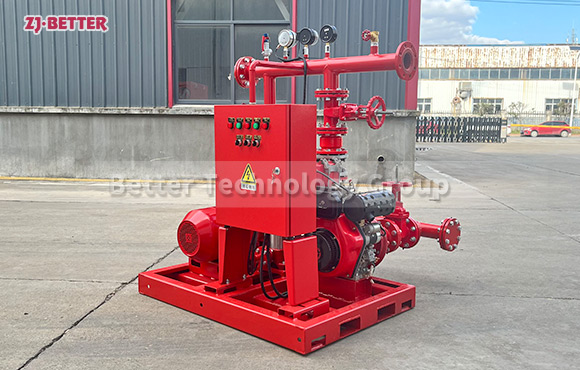
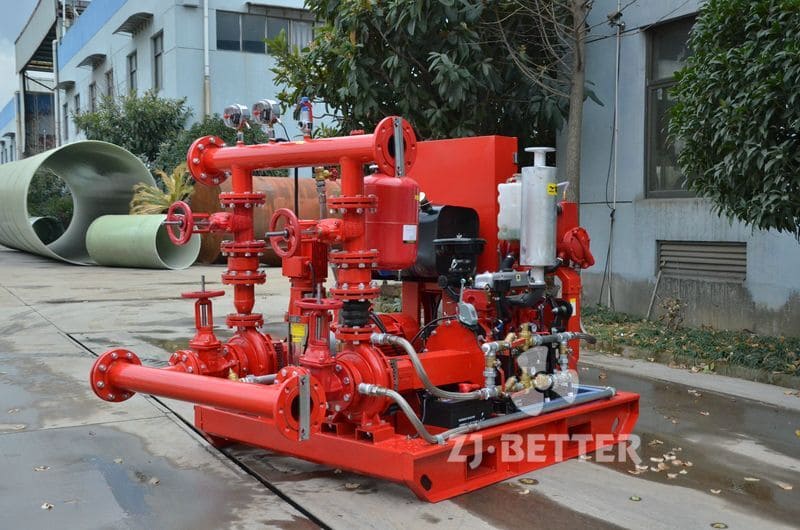
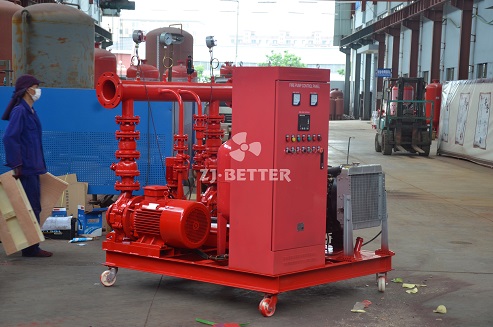
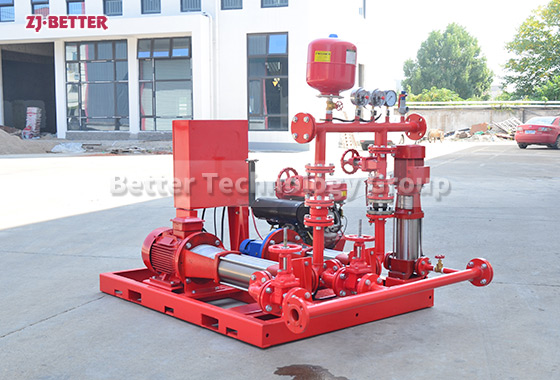
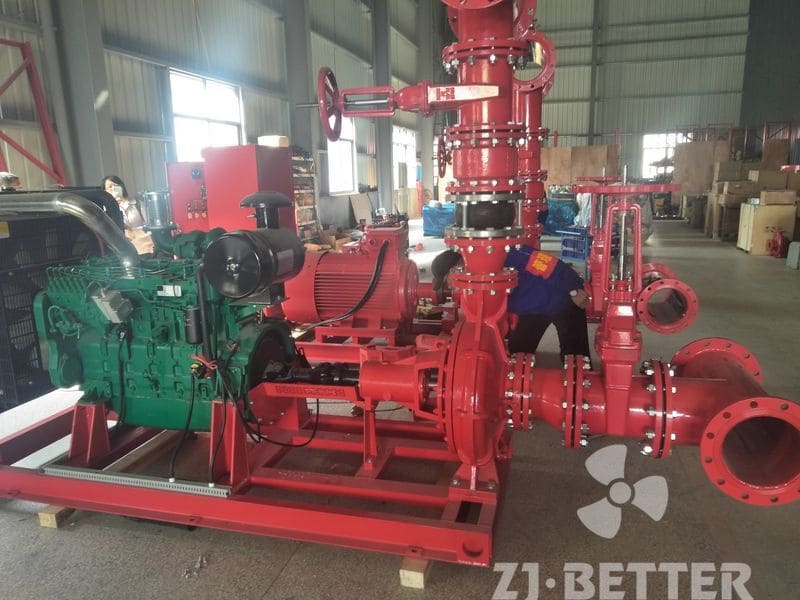
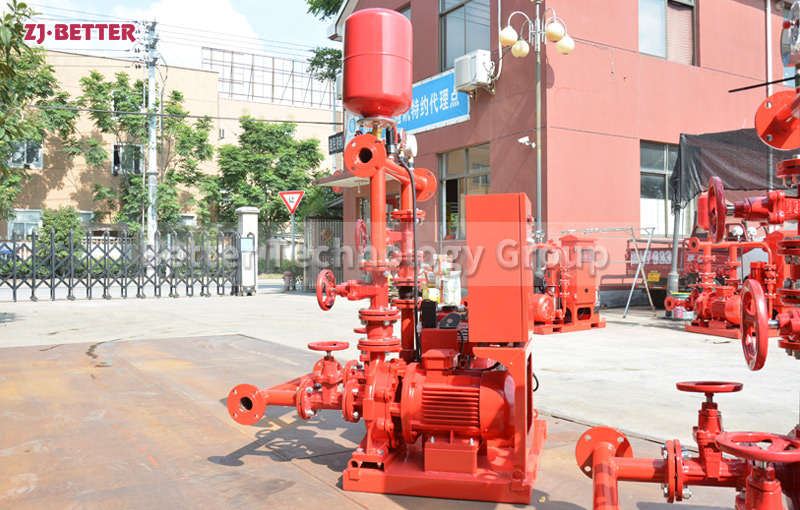
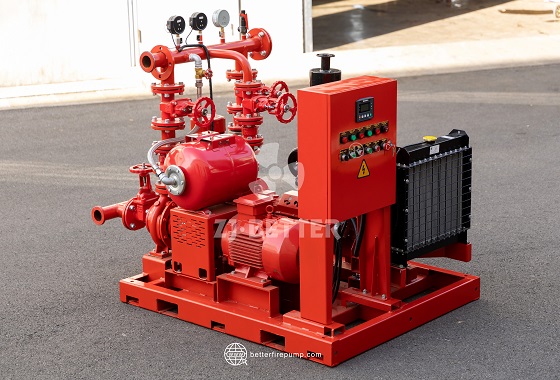
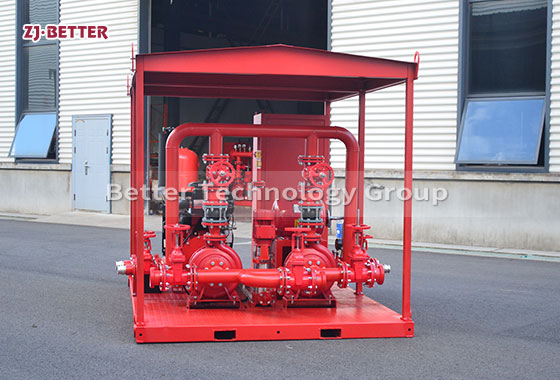
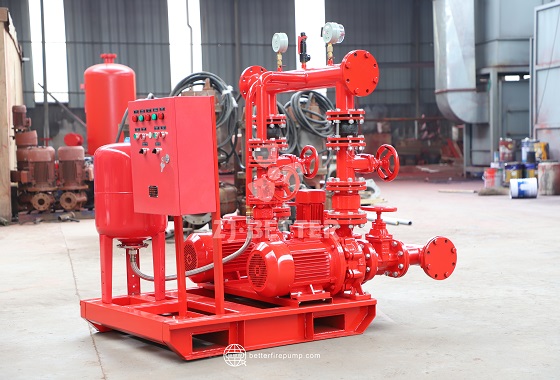
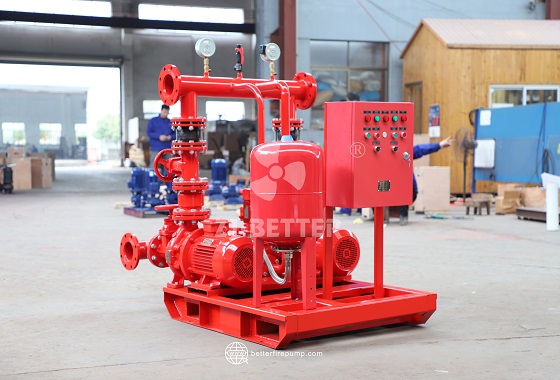
The skid-mounted fire pump system features a centralized piping layout and an integrated base design. It incorporates fire pumps, valves, pressure monitoring equipment, and control components, thereby simplifying on-site installation and piping connections. This system is suitable for industrial facilities, warehouses, commercial buildings, and a wide range of other fixed fire-water supply applications.
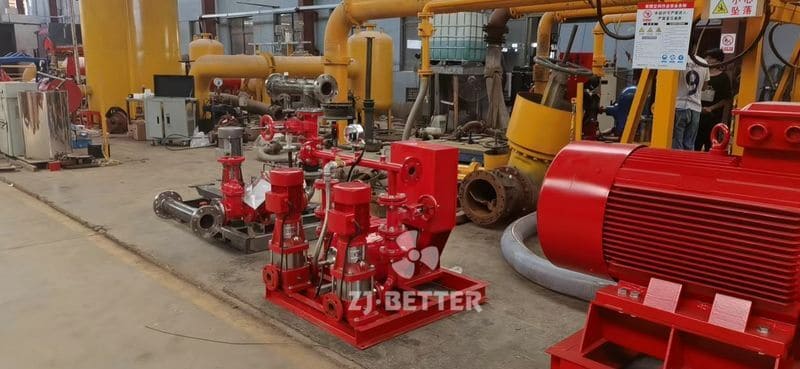
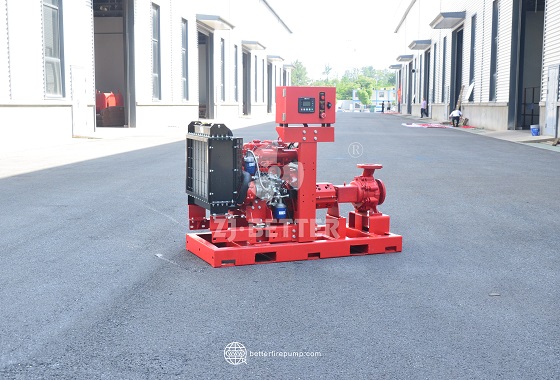
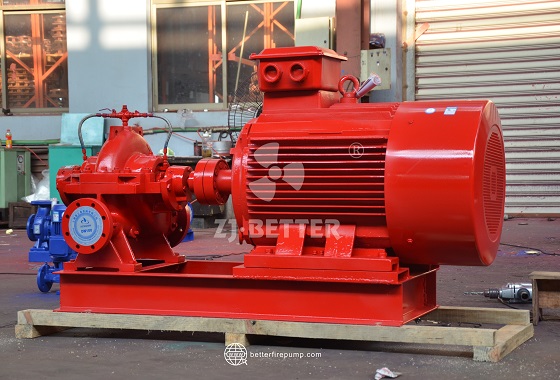
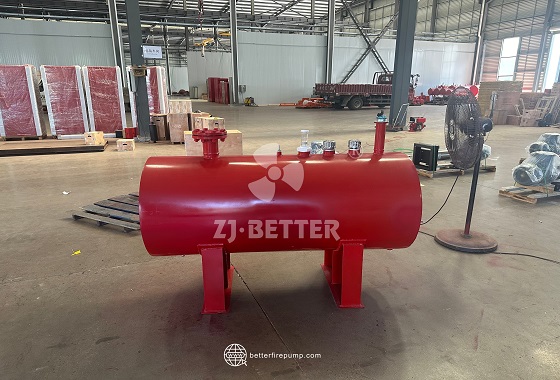
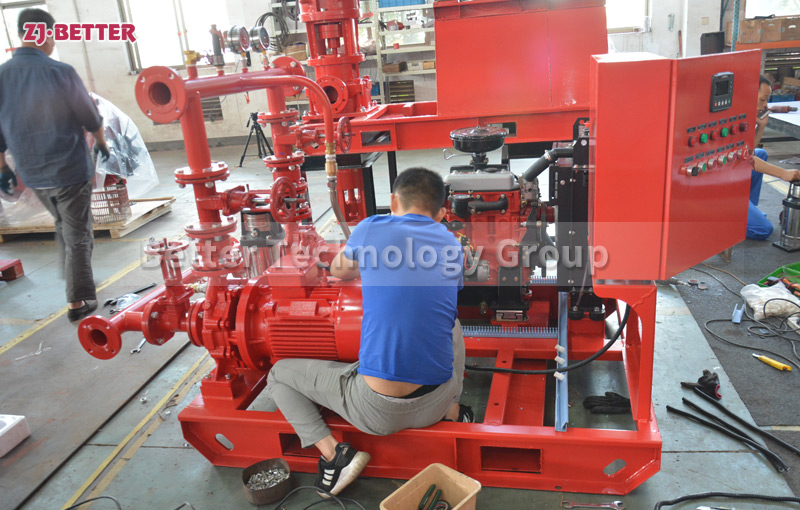
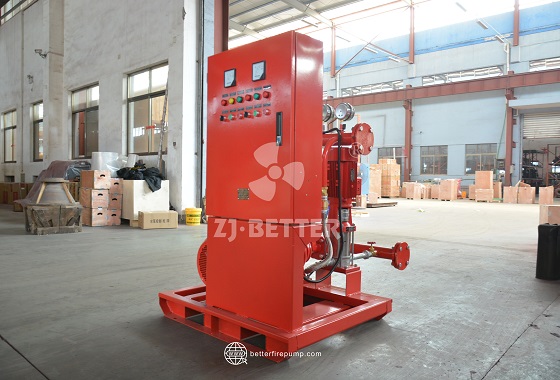
Skid-mounted fire pump systems feature an integrated design, consolidating components—such as fire pumps, electric motors, piping, valves, pressure-monitoring instruments, and control cabinets—onto a single common base. This creates a compact, well-organized, and complete fire water supply unit. Compared to decentralized installations, this centralized piping design allows for pre-planned routing of inlets, outlets, and interconnections, significantly reducing the need for on-site assembly and complex pipework, thereby enhancing installation efficiency. Depending on project requirements, the system can be configured with electric main pumps, diesel backup pumps, jockey (pressure-maintenance) pumps, pressure tanks, and associated control components to meet specific fire protection design criteria. The pump assembly provides the necessary flow rate and head, while the valve components facilitate pipeline isolation and flow control. Pressure gauges and sensors allow for real-time monitoring of system pressure, and the control cabinet manages equipment start/stop operations, performance monitoring, and alarm functions. The components work in tandem through an optimized piping layout, ensuring a stable water supply and simplifying routine inspection and maintenance. The skid-mounted base supports all primary equipment, facilitating transport, lifting, positioning, and on-site installation, while also maximizing space utilization within the fire pump room. Since components and piping can be pre-assembled at the factory based on project specifications, on-site work is limited to securing the unit to its foundation, connecting water supply and discharge piping, completing electrical wiring, and performing system commissioning—all of which reduce on-site construction complexity. The system can be tailored to specific building heights, network resistance, design pressures, and fire-water demand by selecting appropriate pump types, drive power ratings, pipe diameters, and auxiliary equipment. According to the product configurations listed on the website, some system options offer flow capacities ranging from approximately 30 to 9,000 GPM; specific pressure or head parameters must be verified against individual model specifications and technical documentation. Final equipment selection should be based on the project’s fire protection design requirements and the specific performance curves of the equipment. Such systems are suitable for industrial facilities, logistics warehouses, commercial buildings, ports, and any other locations requiring a reliable, fixed fire water supply. Featuring a centralized piping layout, a modular base, and flexible component configurations, skid-mounted fire pump systems reduce on-site installation requirements and improve the orderly arrangement of equipment. They also facilitate routine operational inspections, maintenance, and component replacement, offering a comprehensive equipment solution that balances installation efficiency, space management, and fire-fighting water supply needs.