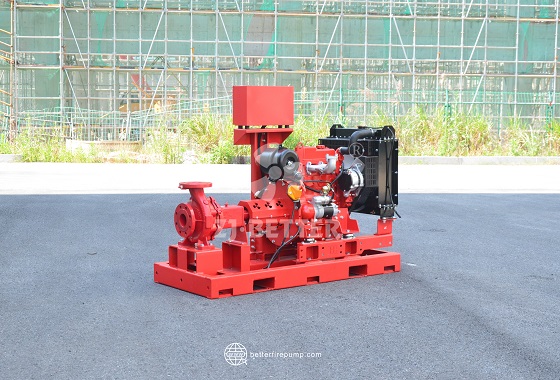
Auto-Control Fire Pump Unit with Independent Power for Off-Grid Applications
Independent power automatic control fire pump units adopt diesel drive and intelligent control technology, are suitable for fire water supply in environments without electricity, and have the characteristics of rapid start-up, stable operation and high reliability. They are widely used in emergency and industrial fire protection scenarios.
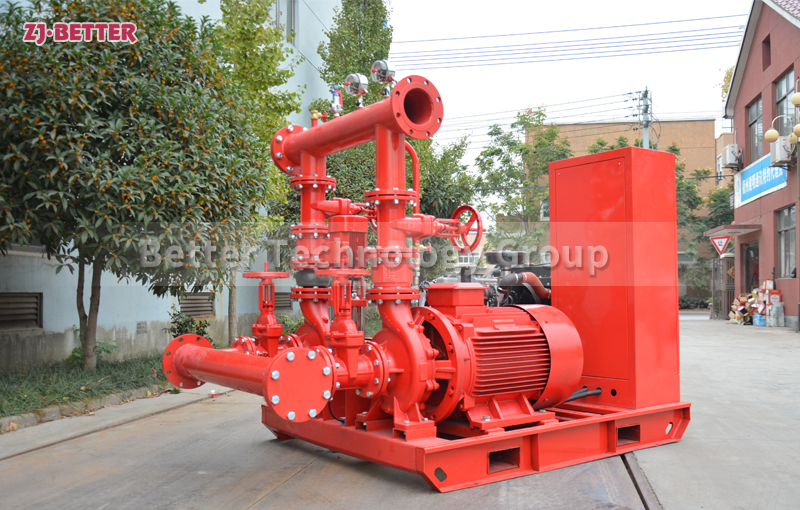
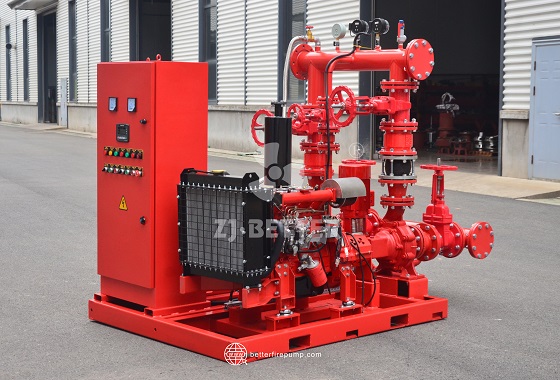
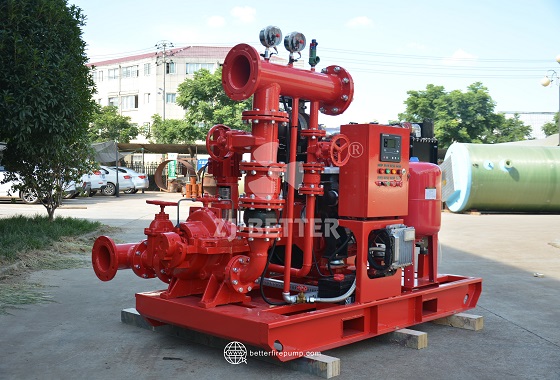
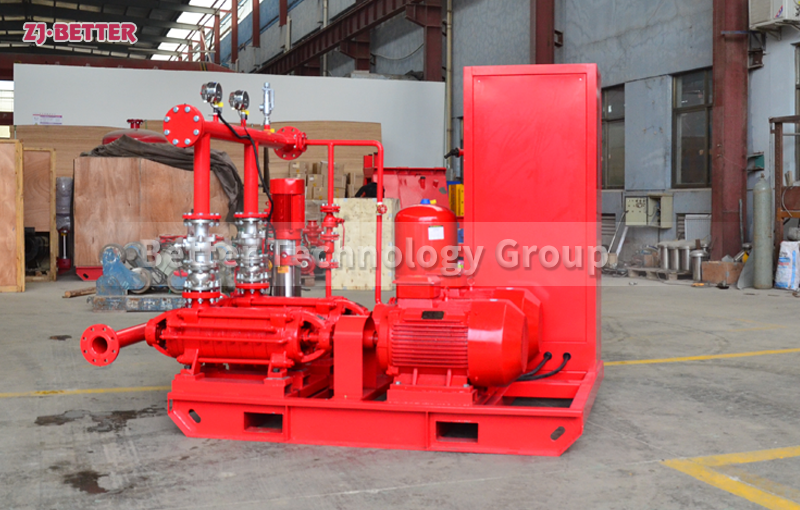
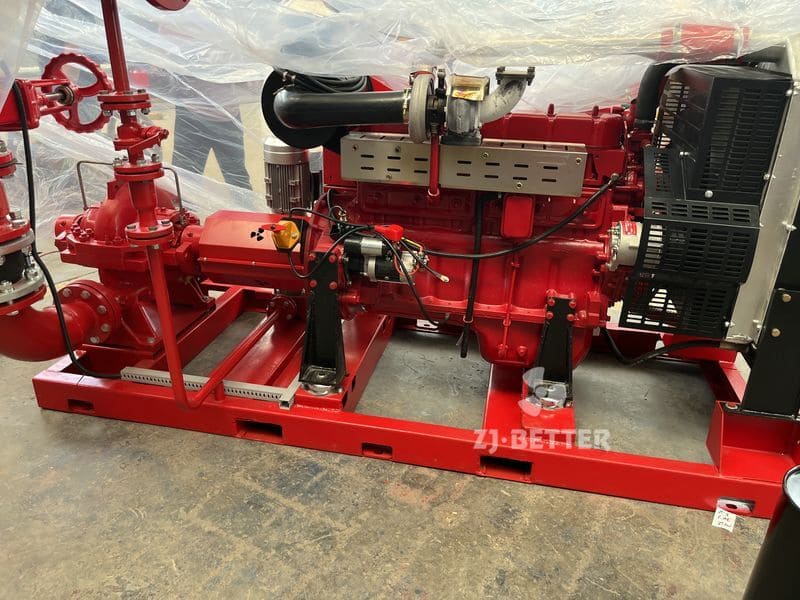
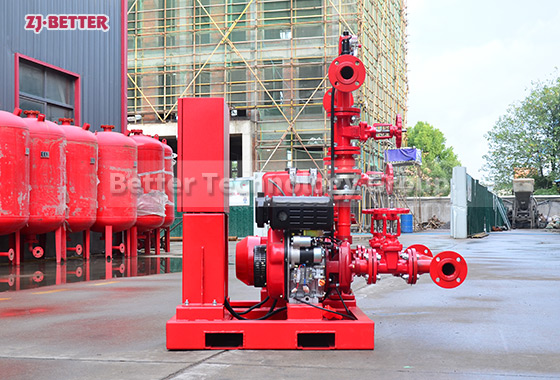
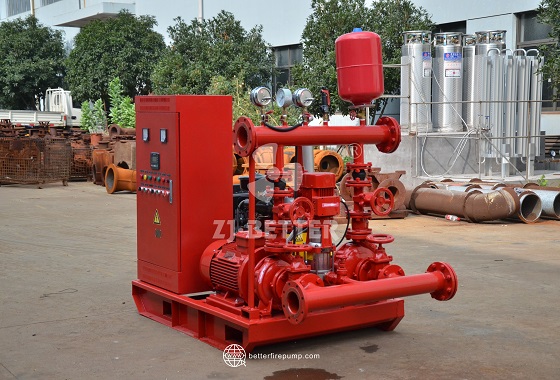
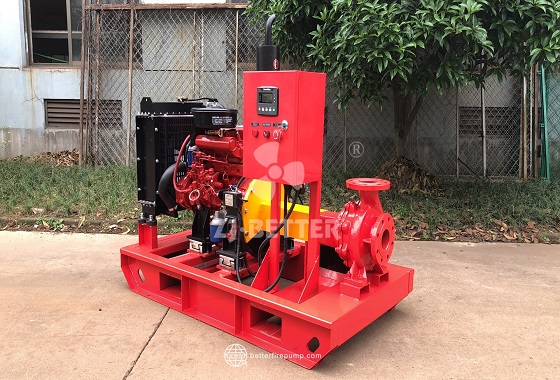
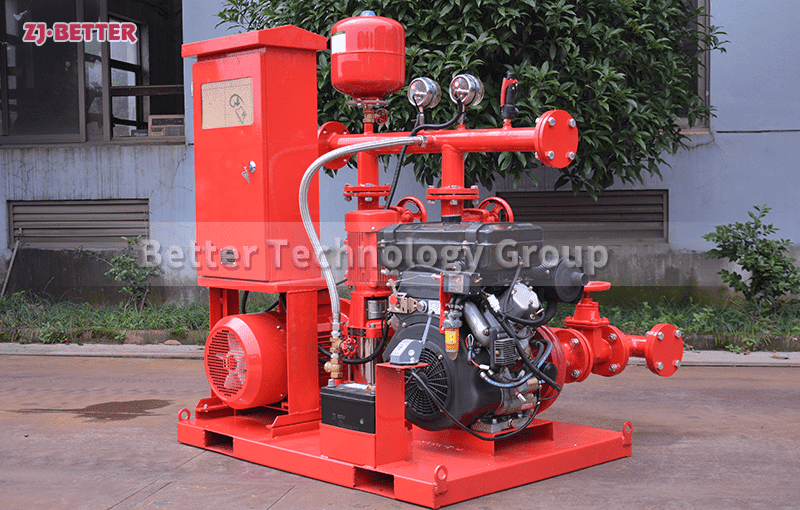
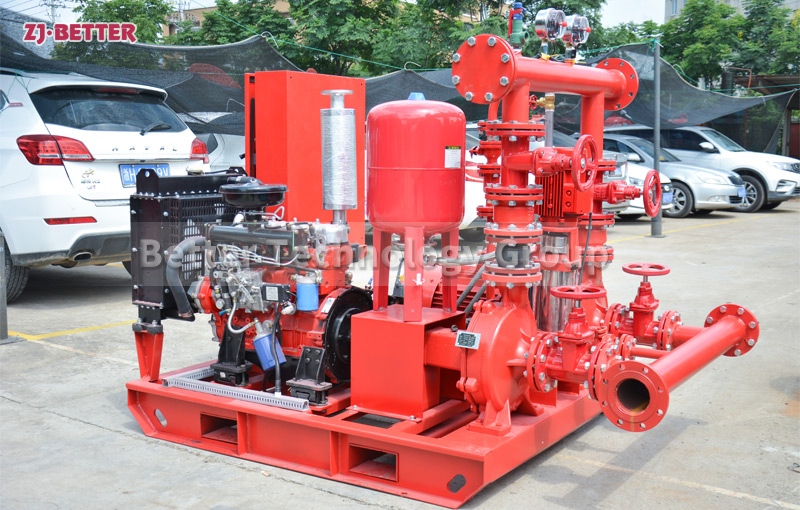
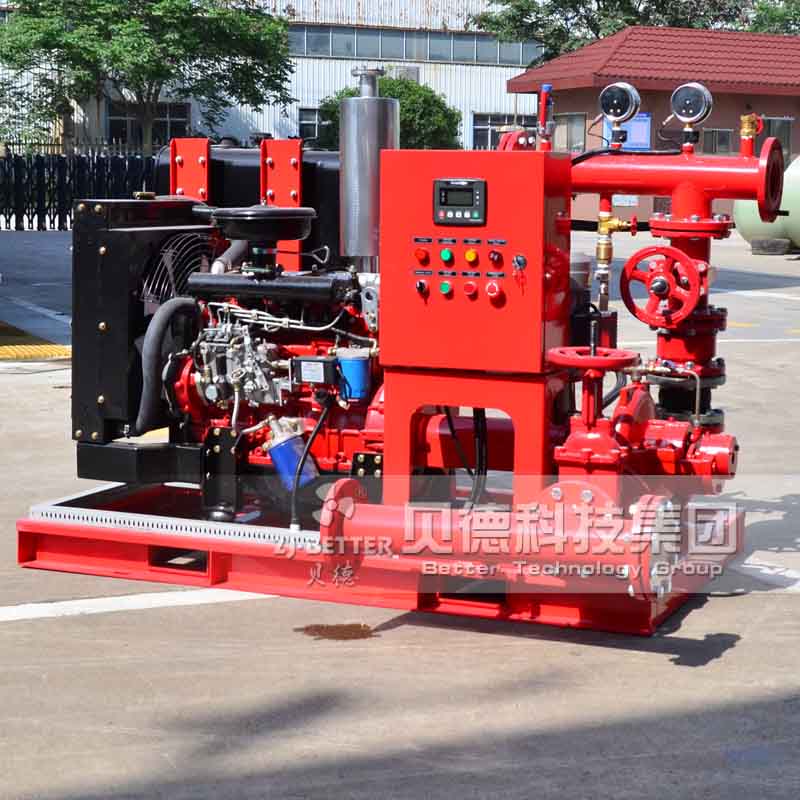
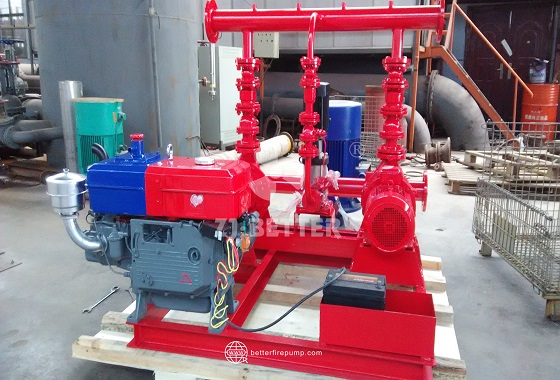
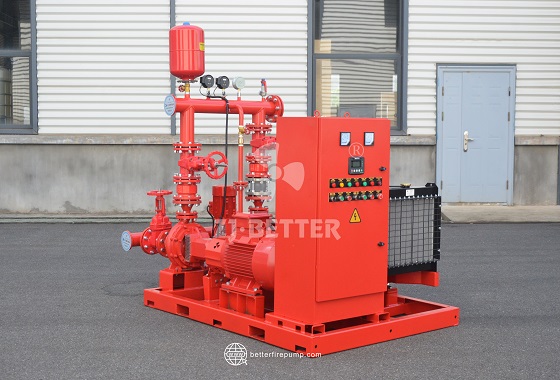
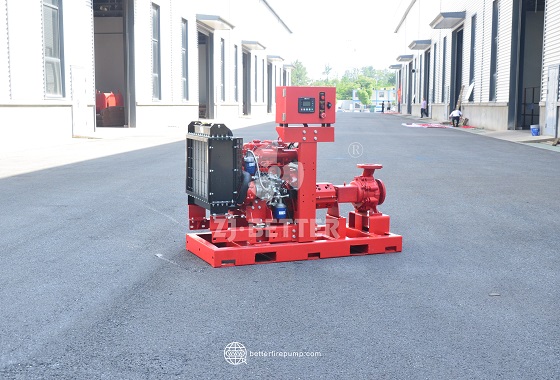
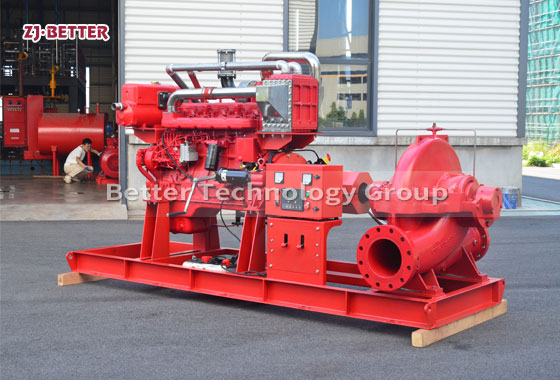
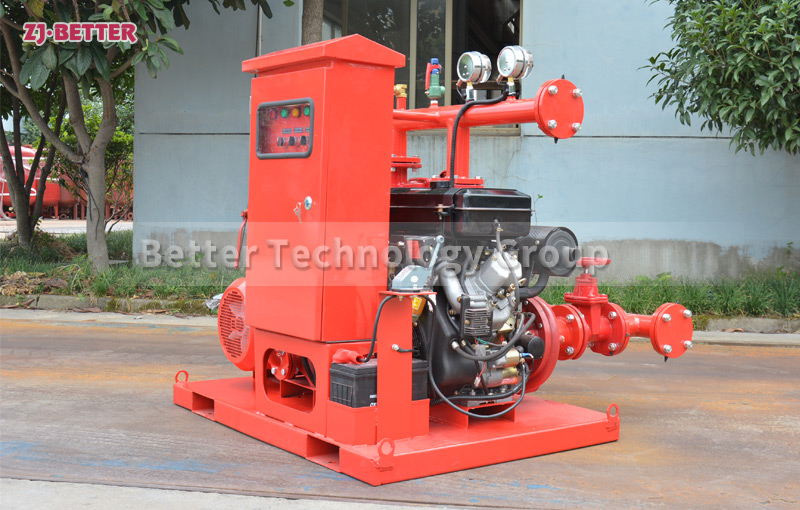
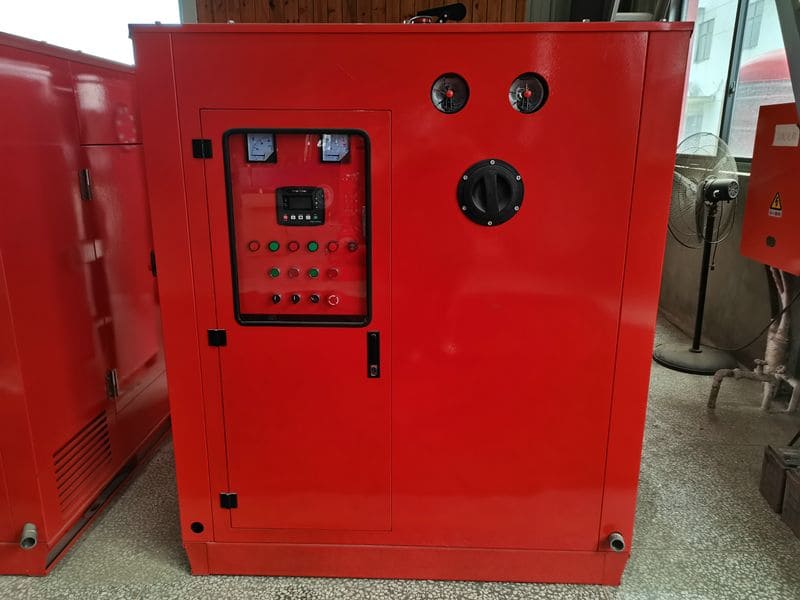
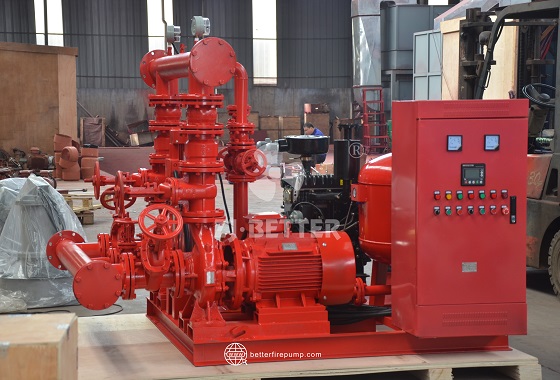
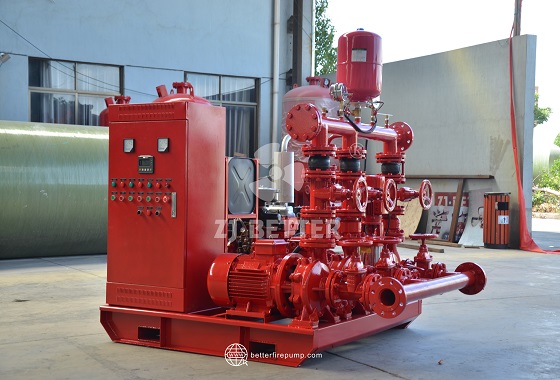
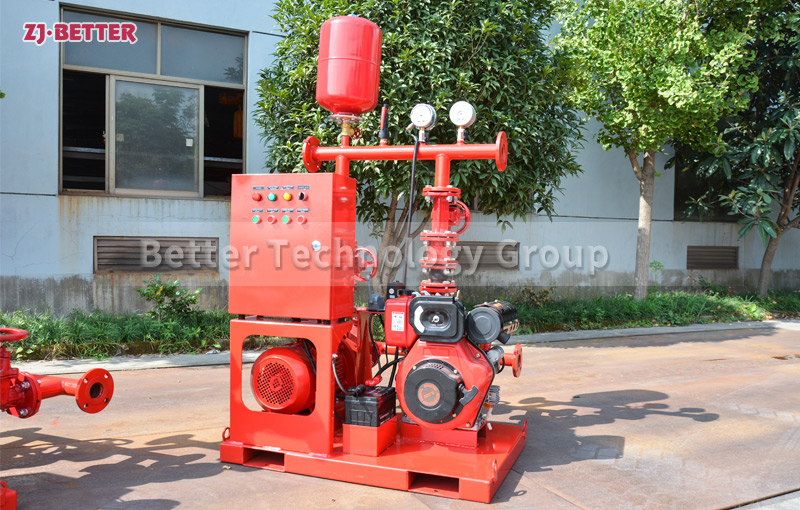
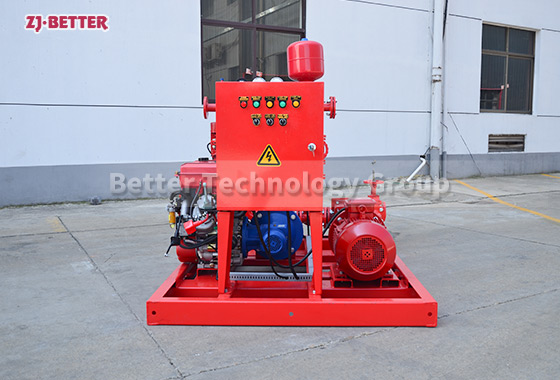
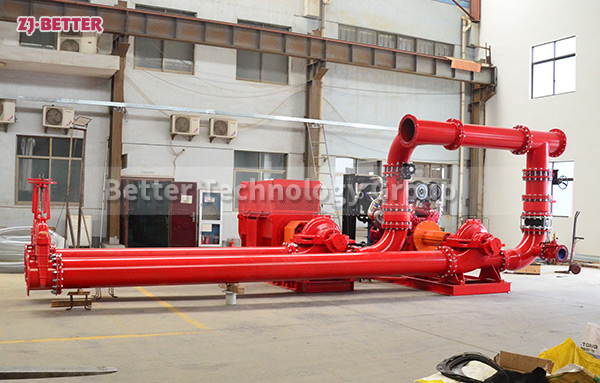
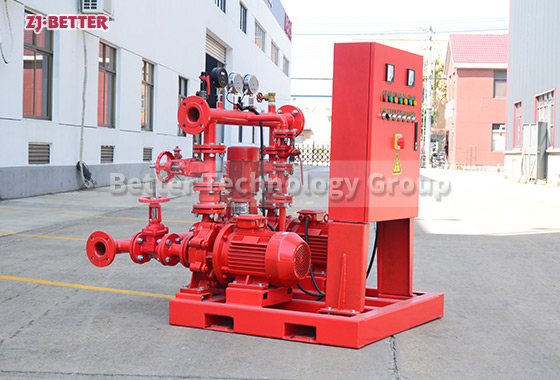
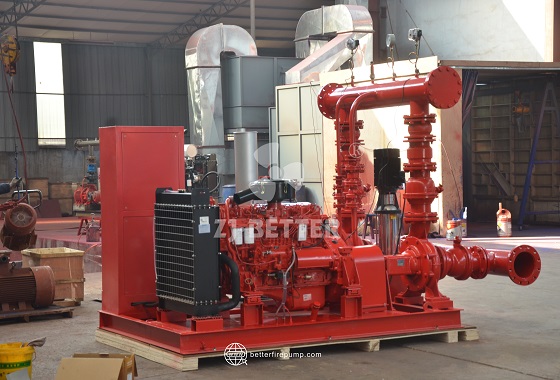
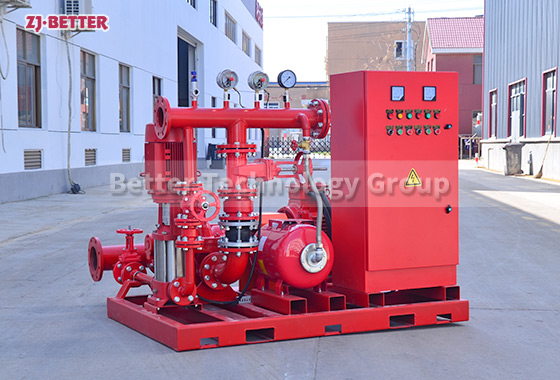
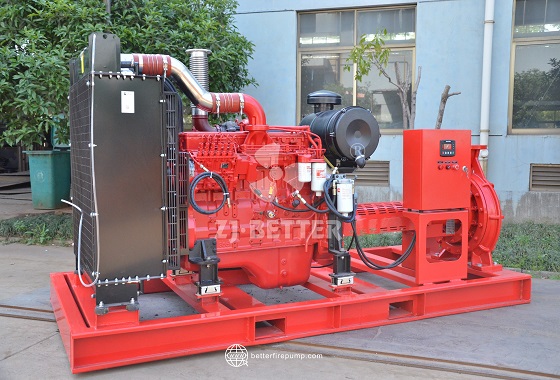
As modern fire protection systems continue to expand into multiple scenarios and environments, traditional fire-fighting water supply equipment, which relies on municipal electricity, is gradually revealing its limitations in certain special application scenarios. This is especially true in remote areas, field construction sites, mines, oil fields, temporary projects, and natural disaster emergency rescue environments, where power supply is often unstable or even completely unavailable. In the event of a fire, the inability to quickly establish a stable fire-fighting water supply system will greatly increase the risk of disaster losses. Therefore, fire pump equipment with independent power sources and the ability to operate automatically has become a key piece of equipment in these scenarios. Independent power automatic control fire pump units have been widely used in this context. Through the deep integration of diesel engine drive systems and intelligent control systems, they achieve efficient and stable operation in environments without electricity, providing reliable fire-fighting water supply for various special scenarios. These fire pump units use diesel engines as their core power source, possessing completely independent operating capabilities. They can complete startup and continuous water supply tasks without relying on an external power grid. This characteristic allows them to maintain normal operation even in areas with sudden power outages or no electricity, fundamentally improving the independence and safety of the fire protection system. Furthermore, the diesel power system is mature, reliable, quick to start, and highly adaptable, capable of stable operation under high and low temperature conditions and complex environments, ensuring that the equipment is not affected by external factors and will not fail at critical moments. In terms of automatic control, the independent power automatic control fire pump unit is equipped with an advanced intelligent control system. Through real-time monitoring of pressure, flow, and equipment operating status, it achieves automatic start-up and intelligent adjustment functions. When the fire pipeline pressure drops or the fire alarm system is triggered, the control system can automatically start the diesel engine and drive the water pump to quickly enter working condition, establishing a stable water supply pressure in a short time. After the pressure returns to normal, the system can automatically adjust its operating status according to the set logic, thereby achieving a balance between high efficiency and energy saving. This automated operation mode not only reduces the need for manual operation but also significantly improves emergency response speed. In terms of performance, these units possess high flow rate and high head output capabilities. They can be flexibly configured with different pump specifications to meet various application needs, ranging from small-scale emergency firefighting to large-scale industrial fire water supply. The pump section typically employs a high-efficiency centrifugal pump structure, optimizing impeller design and flow channel layout to achieve efficient water delivery within the pump body, reducing energy loss. This ensures water supply capacity while improving fuel efficiency and reducing operating costs. Furthermore, the equipment exhibits excellent stability during long-term operation, continuously providing a stable water source and reliable support for firefighting operations. In terms of structural design, independent power automatic control fire pump units typically adopt a skid-mounted integrated design, unifying the diesel engine, pump, control system, and auxiliary devices on a steel base. This results in a compact structure, convenient transportation, and rapid deployment to the site. This modular design significantly shortens deployment time, making it particularly suitable for emergency scenarios requiring rapid establishment of fire water supply capabilities. Simultaneously, the equipment base has excellent seismic resistance, effectively reducing the impact of vibration during transportation and operation, thereby improving overall stability and service life. In terms of safety, this type of equipment is equipped with multiple protection mechanisms, including low oil pressure protection, high temperature protection, overspeed protection, and emergency shutdown function. When abnormal operation occurs, protective measures can be taken promptly to prevent the fault from escalating and ensure safe operation. Simultaneously, the control system can be linked with the fire alarm system, automatically activating the equipment in the event of a fire, further improving system response efficiency. This highly integrated safety design provides a higher level of protection for the fire protection system. Regarding maintenance and upkeep, the independent power automatic control fire pump unit also performs well. Its diesel power system has a mature structure and a clear maintenance process. Routine maintenance, such as changing the engine oil, cleaning the filter, and checking the fuel system, can be completed quickly. Furthermore, the equipment adopts a modular design with a reasonable layout of functional components, facilitating inspection and replacement, thereby reducing downtime and maintenance costs. For fire protection equipment requiring long service life, this high maintainability is of significant value. In terms of environmental adaptability, these units can adapt to a variety of complex environments, including high and low temperatures, humidity, and dusty conditions. They can also be configured with rainproof, dustproof, and corrosion-resistant measures according to actual needs, enabling stable operation in harsh environments. For cold regions, preheating devices can be added to improve low-temperature start-up performance, ensuring good working capabilities even under extreme climatic conditions. This wide adaptability allows them to play a vital role in various special scenarios. In practical applications, independent power automatic control fire pump units are widely used in mines, oil fields, construction sites, temporary storage areas, and natural disaster emergency rescue. Their independent operation and automatic control significantly enhance fire protection capabilities in these scenarios. In the event of a fire, they can quickly establish a water supply system and continuously provide a stable water source, effectively controlling the spread of the fire and reducing disaster losses. Especially when professional firefighting forces cannot arrive in time, these units often become the most critical firefighting tool. With the continuous development of fire protection technology and the expansion of application scenarios, independent power-controlled automatic fire pump units will continue to upgrade in terms of intelligence and energy saving. By introducing remote monitoring systems to achieve real-time management of equipment operation status, optimizing fuel systems to reduce energy consumption and emissions, and further improving automation levels to reduce manual intervention, the equipment’s performance and efficiency will continuously improve. Overall, independent power-controlled automatic fire pump units, through the organic combination of diesel power and intelligent control technology, achieve efficient and stable water supply in environments without electricity. This not only enhances the independence and reliability of fire protection systems but also provides reliable fire protection solutions for various special scenarios, playing an irreplaceable and vital role in ensuring personnel safety and reducing fire losses.
.jpg)