Gasoline Powered Fire Pump for Independent Operation Without Electricity
Gasoline-powered fire pumps can operate independently without a power source, offering advantages such as efficient water supply, rapid start-up, and portability, making them suitable for forest, rural, and emergency rescue firefighting scenarios.
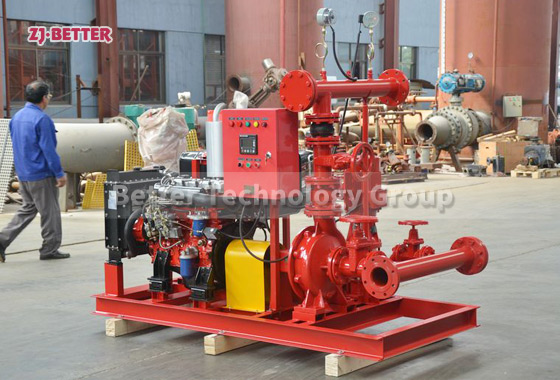
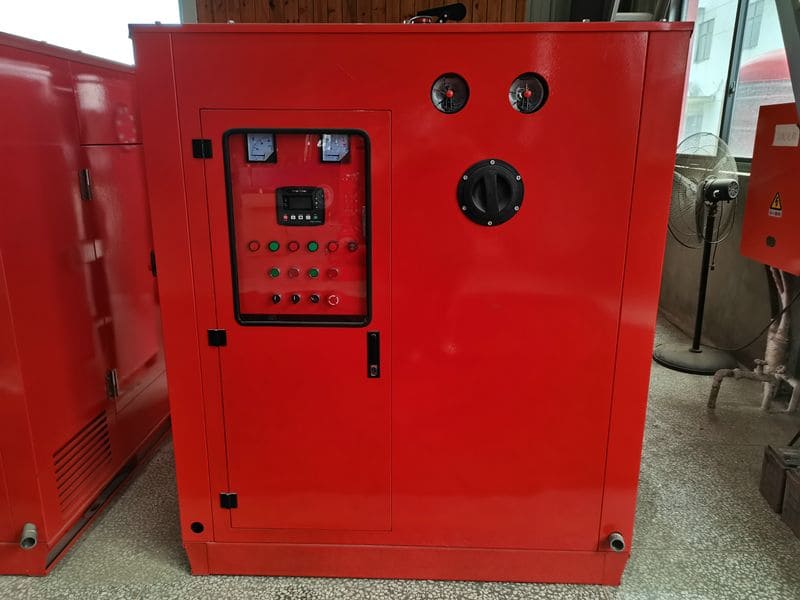
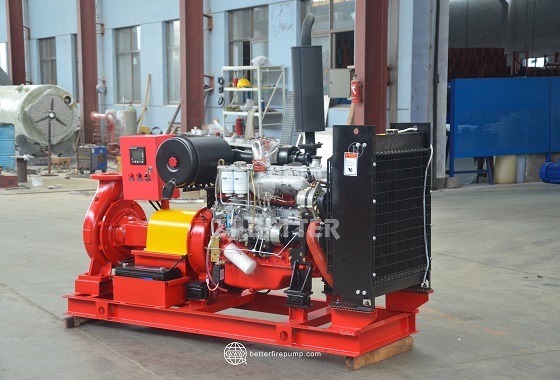
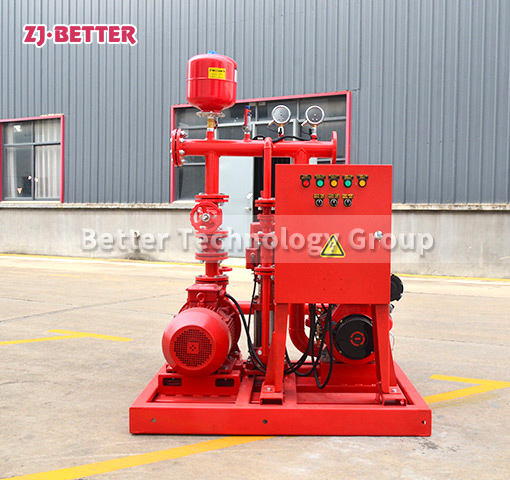
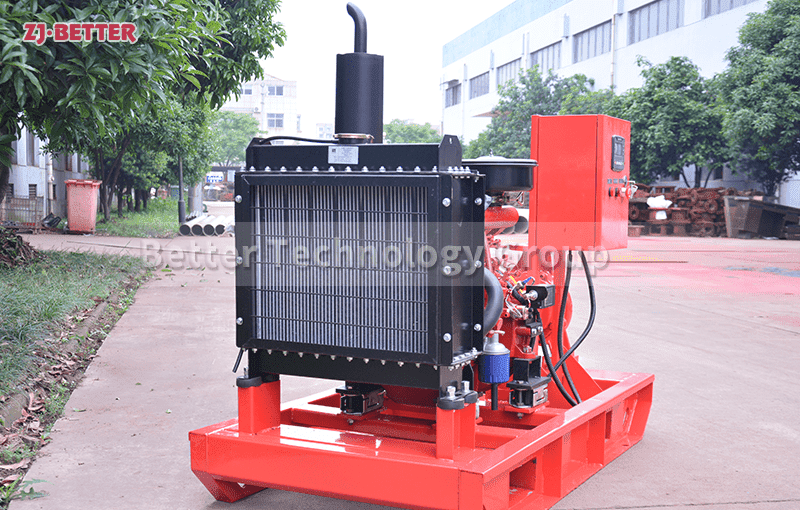
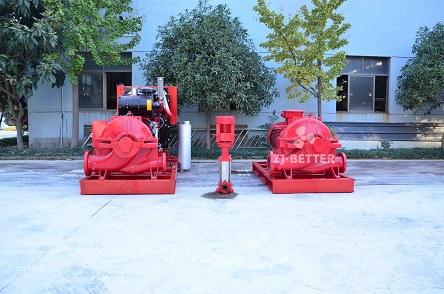
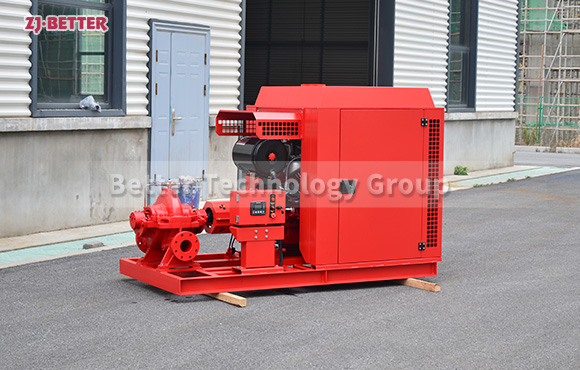
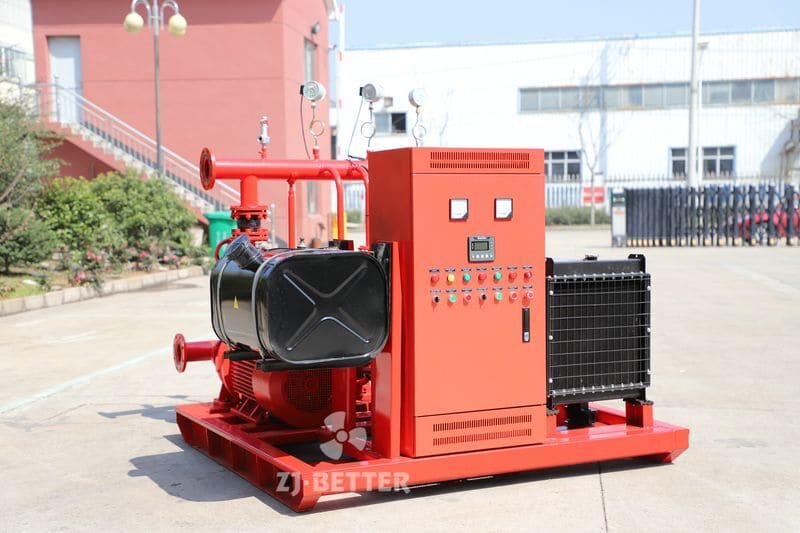
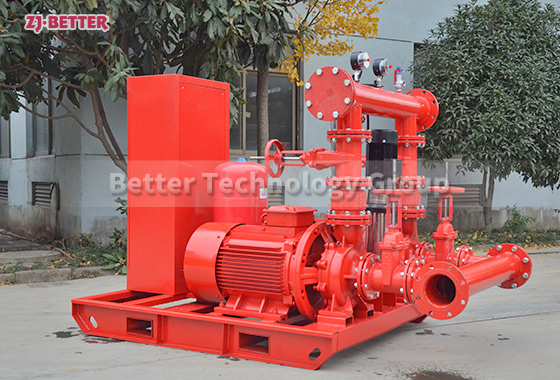
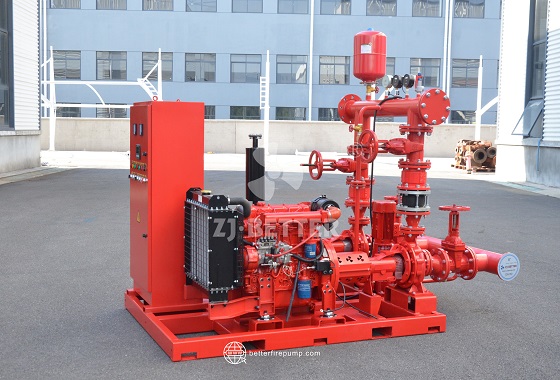
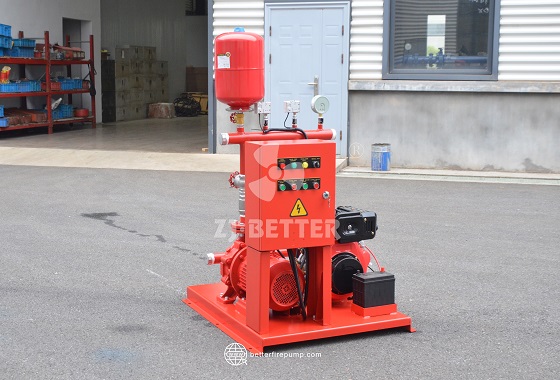
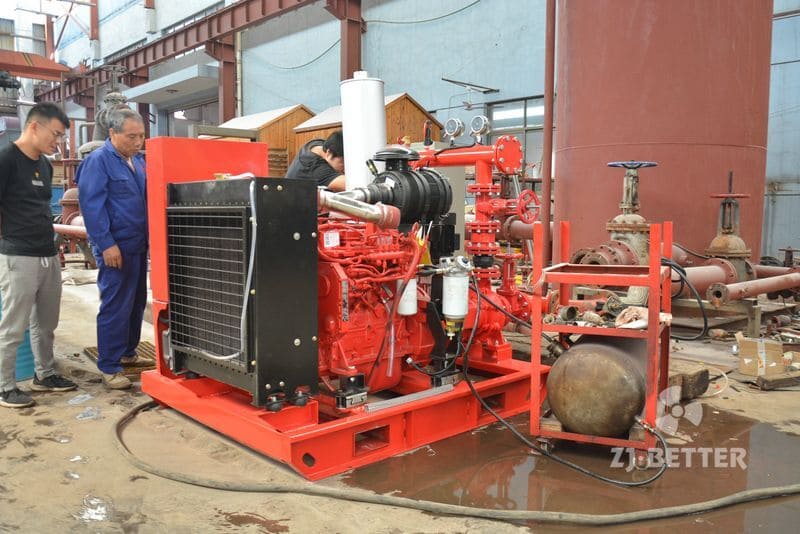
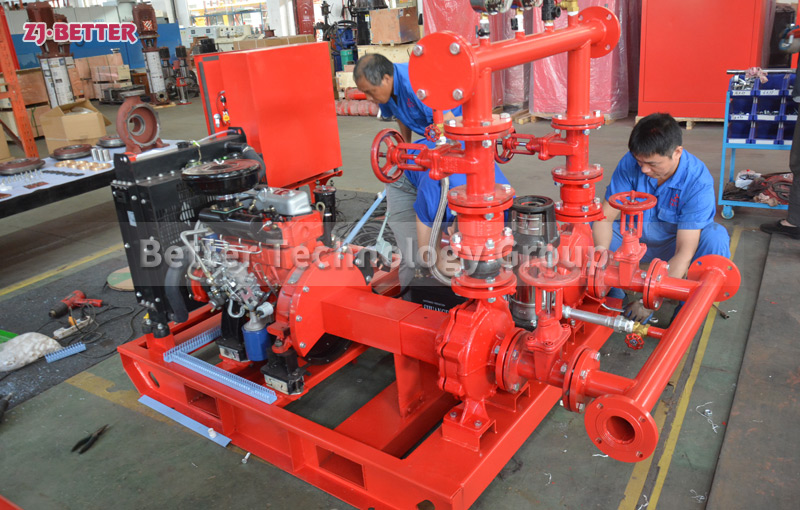
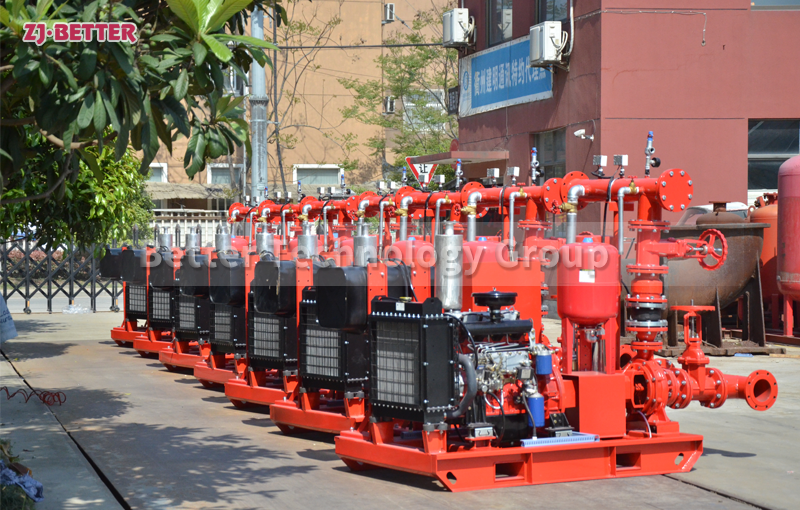
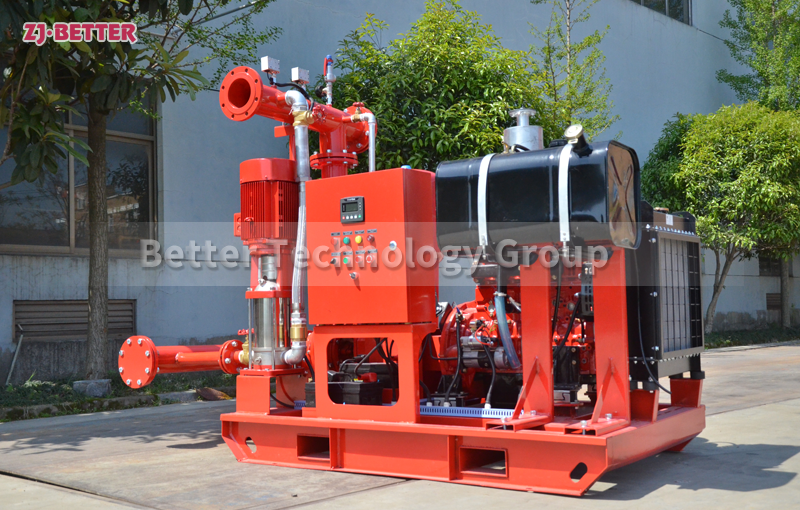
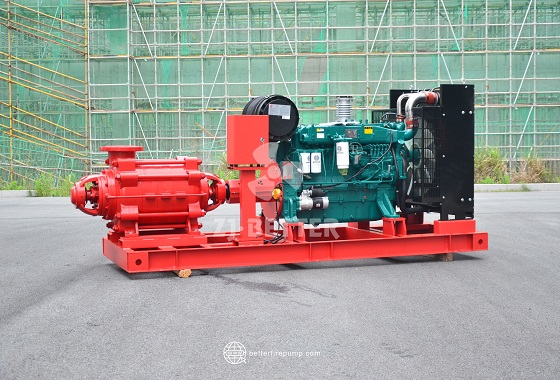
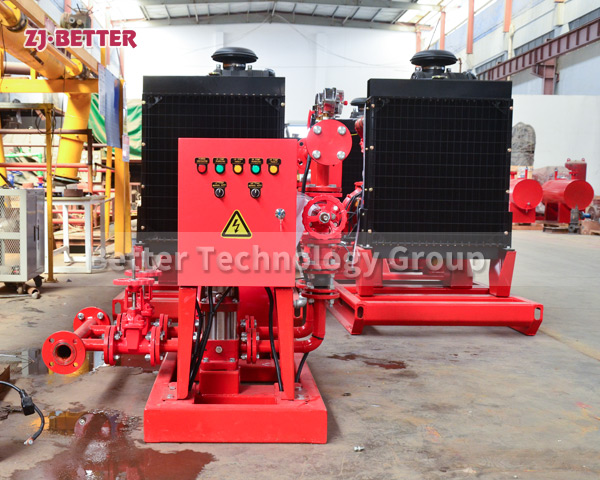
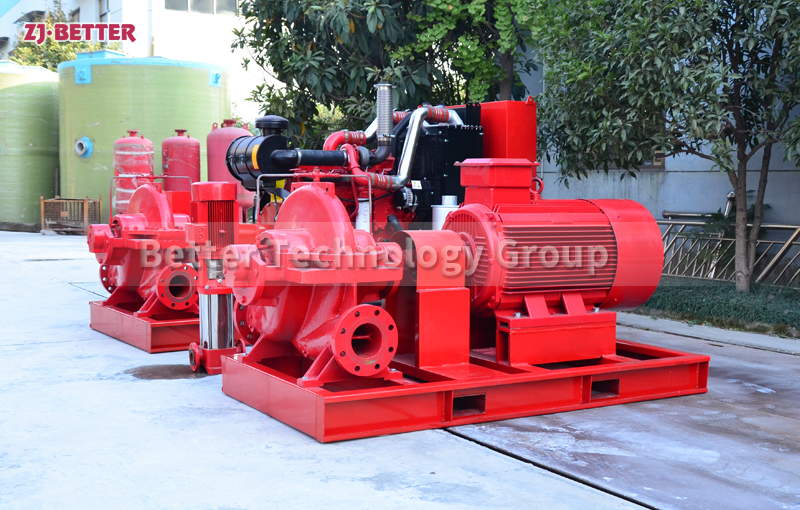
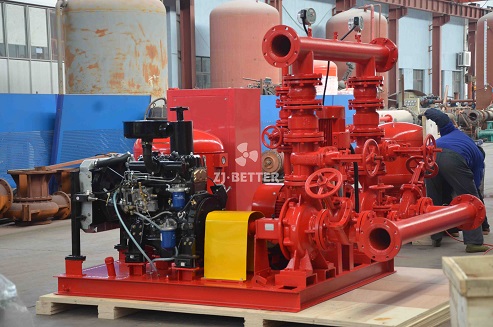
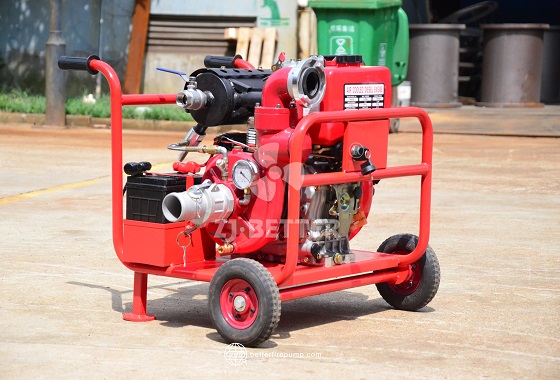
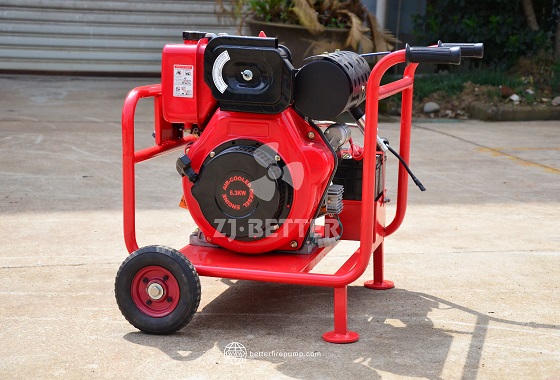
Gasoline-powered fire pumps, capable of independent operation without a power source, are a type of highly mobile emergency water supply equipment designed to cope with various complex fire-fighting environments. In modern fire-fighting systems, especially in areas with unstable or no power supply, such as forest fire zones, remote rural areas, construction sites, temporary emergency rescue points, and natural disaster sites, these devices, with their independent operation capability and rapid response characteristics, have become important tools for ensuring fire-fighting water supply. This product combines a high-efficiency gasoline engine with an optimized centrifugal pump structure to achieve a stable water output even without electricity. Its portable design allows for flexible deployment in various complex terrains, significantly improving overall fire-fighting efficiency. Regarding the power system, the equipment uses a high-performance gasoline engine as its core power source, featuring rapid start-up, stable operation, and strong adaptability. Compared to fire-fighting equipment dependent on electricity, the gasoline-powered system can operate independently without the power grid. In the event of a sudden fire or emergency rescue mission, it can start immediately without waiting for power access, greatly shortening response time. Furthermore, the engine’s optimized design ensures high combustion efficiency and stable power output. The equipment maintains a stable water supply capacity during continuous operation. In terms of hydraulic performance, this gasoline-powered fire pump is equipped with a high-efficiency centrifugal pump. Through meticulous design of the impeller and pump body flow channels, water flows more smoothly internally, reducing energy loss and improving efficiency. This allows for high flow rate and head output within a relatively small size, meeting the water needs of various fire-fighting scenarios. It provides reliable support for both initial fire control and continuous water supply operations. The optimized design also reduces the risk of cavitation, ensuring stable operation even under complex conditions. In terms of structural design, the equipment adopts… The compact frame structure rationally arranges the engine, pump body, and control components on a robust support, enhancing overall stability and providing excellent protection for the equipment. Constructed from high-strength materials, the frame boasts superior impact and vibration resistance, effectively protecting critical internal components during transportation and use. The open design facilitates heat dissipation and maintenance, ensuring the equipment remains in optimal condition during extended operation. In terms of mobility, the equipment features a push-type structure and durable casters, allowing operators to easily move the equipment to designated work locations without additional handling. This design significantly improves efficiency. The equipment is designed to adapt to complex terrains, enabling rapid deployment, especially in mountainous, forested, or narrow passage environments, thus improving emergency response efficiency. In terms of operability, the design prioritizes ease of use. Optimized control layout allows operators to quickly complete start-up and adjustment operations, enabling them to master the operation even in emergencies, thereby improving firefighting efficiency. The equipment’s operating status is clearly visible, facilitating real-time monitoring and adjustment. Regarding durability, key components are made of wear- and corrosion-resistant materials, allowing the equipment to operate stably for extended periods in dusty, humid, or high-temperature environments. Even under harsh conditions, it maintains good performance, extending its lifespan and reducing maintenance costs. For safety, the equipment is equipped with basic protection devices such as overheat protection and abnormal operation alerts, ensuring timely detection and appropriate action during operation, thus protecting both the equipment and operators. In terms of energy efficiency and economy, the gasoline engine, through optimized combustion system and power matching, improves fuel efficiency, reducing fuel consumption while maintaining performance output, thereby reducing operating costs, especially beneficial for emergency scenarios requiring frequent or long-term use. This energy-saving characteristic is of great significance. In terms of application scope, this gasoline-powered fire pump is widely applicable to various scenarios such as forest fire fighting, rural fire fighting, construction site emergencies, agricultural irrigation assistance, and flood control and drainage. In these environments, the equipment not only needs to be flexible but also must have a stable and reliable water supply capacity. This product meets these requirements through its independent power and high efficiency. From a system application perspective, this equipment can serve as an important supplement to fixed fire protection systems, providing temporary water supply support in emergencies. It can also be used independently in remote areas for extended periods. Its flexibility and reliability make it play a crucial role in various emergency tasks. In summary, the gasoline-powered fire pump, through its high-efficiency power system, optimized hydraulic design, robust structure, and portable mobile design, achieves independent and stable operation without the need for a power source. It not only possesses rapid response and efficient water supply capabilities but also demonstrates excellent adaptability and durability in complex environments. It is an indispensable piece of equipment in modern emergency fire protection systems. With the increasing trend of diversified fire protection needs in the future, this type of equipment will continue to play a key role, providing more flexible, efficient, and reliable water supply guarantees for various emergency scenarios.