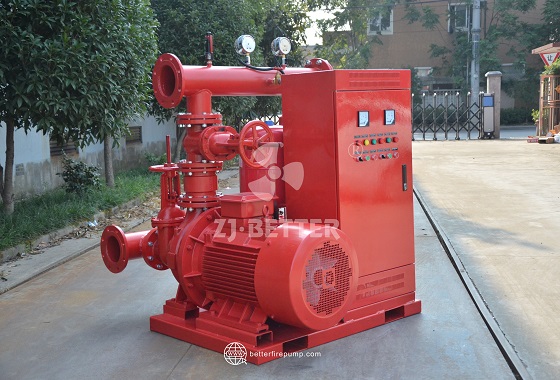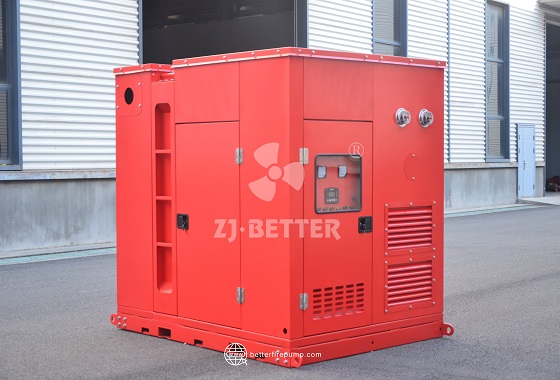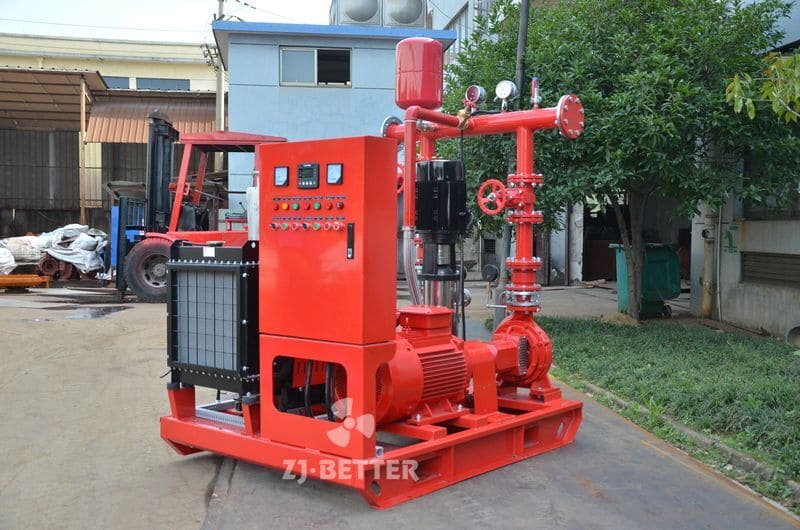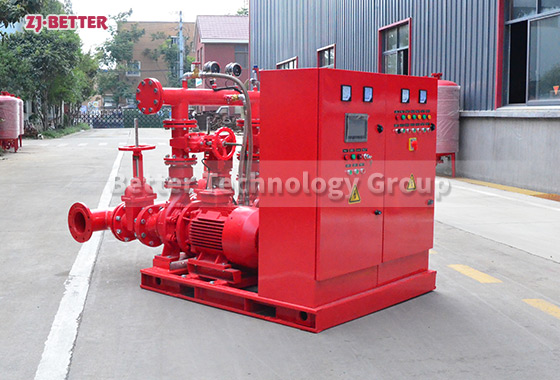
Fire Pump Pressure Stabilizing Package with Pressure Tank and Jockey Pump
The fire pump pressure stabilizing unit uses a pressure stabilizing pump and pressure tank to work together to replenish pressure, in conjunction with the main fire pump and automatic control system, effectively reducing pipeline pressure fluctuations. It is suitable for high-rise buildings, industrial plants and large-scale fire water supply systems.
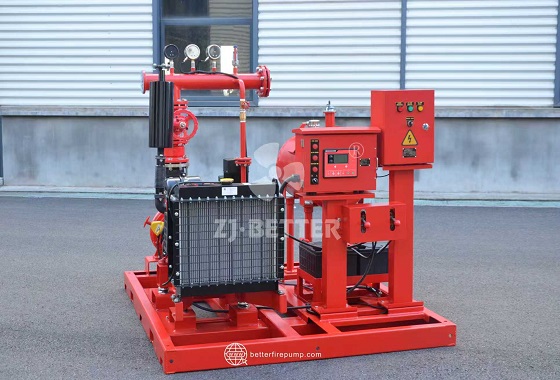
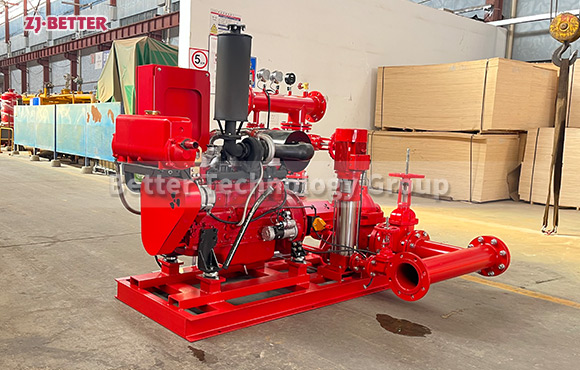
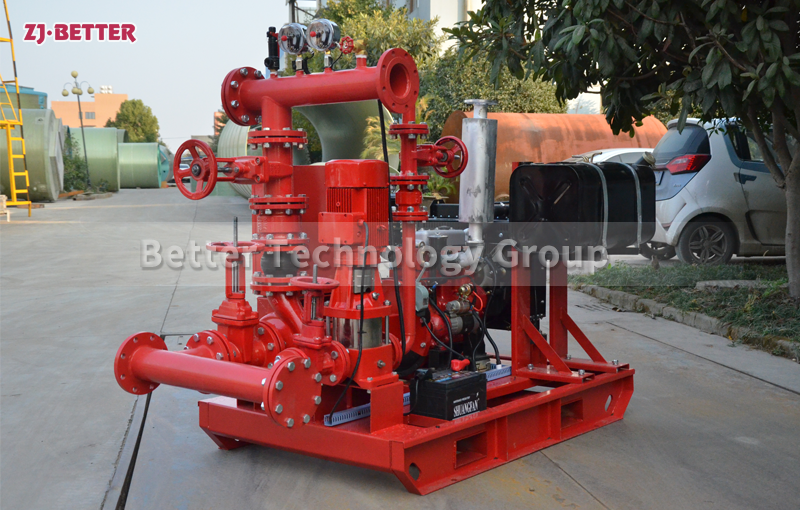
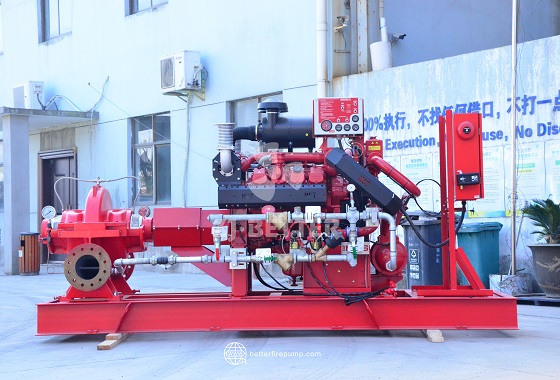
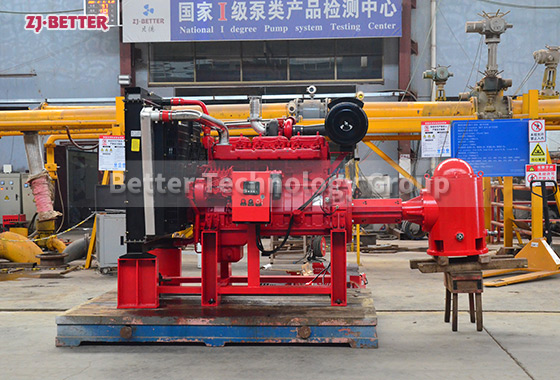
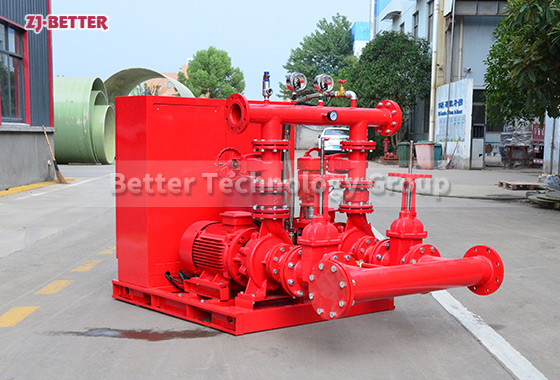
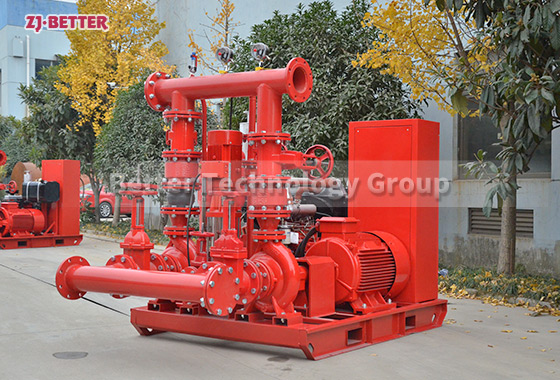
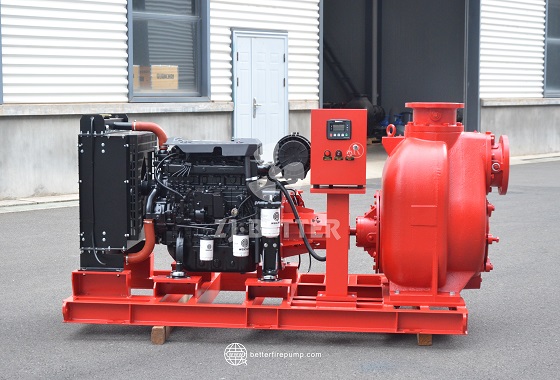
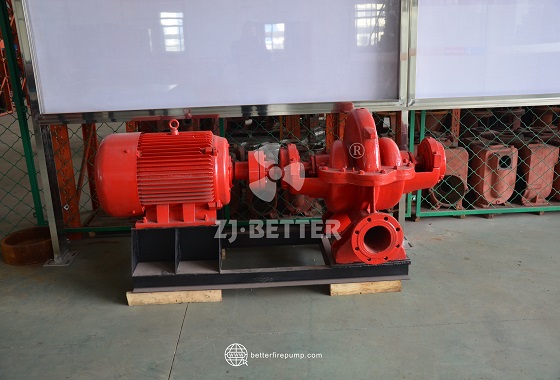
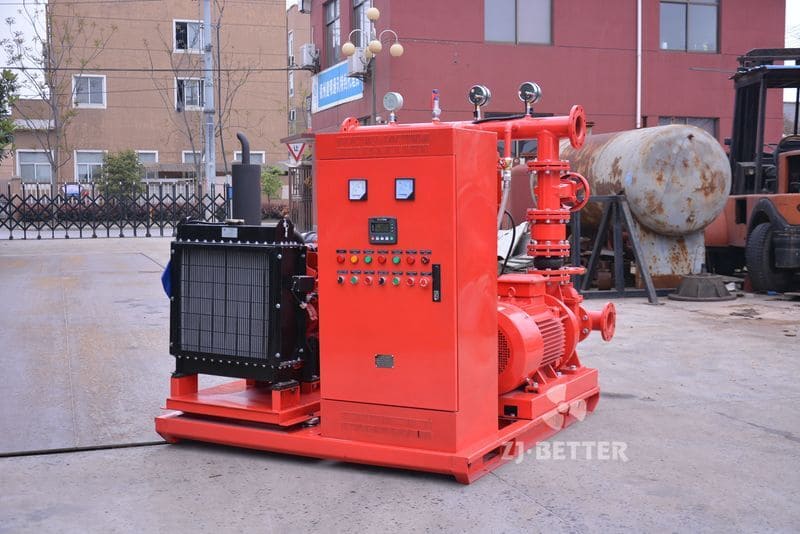
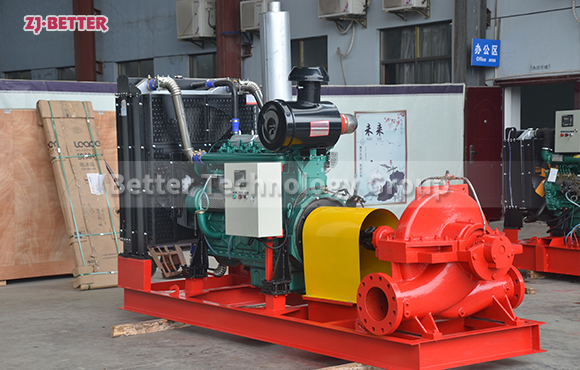
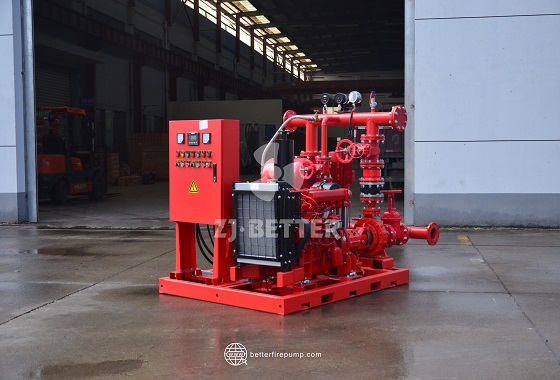
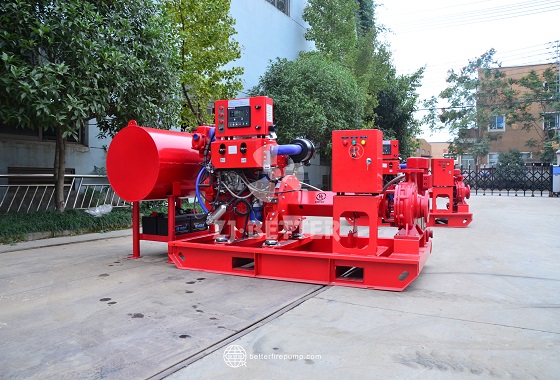
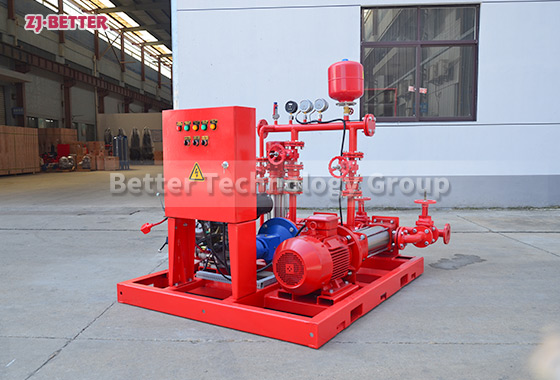
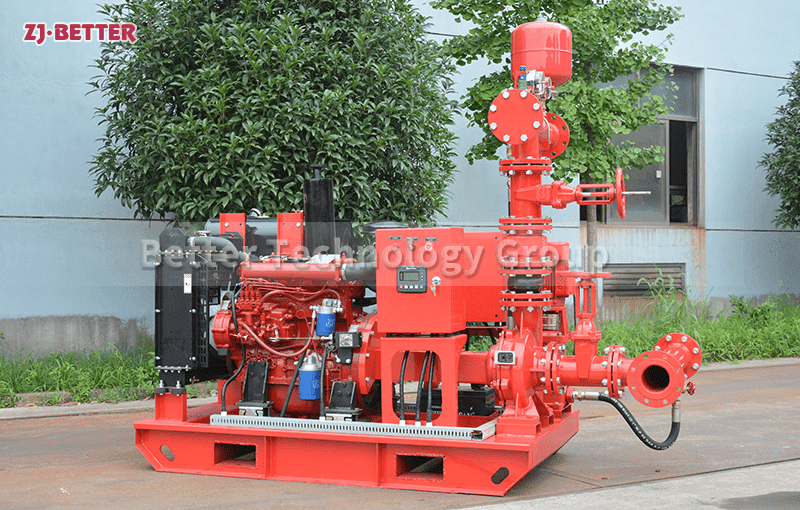
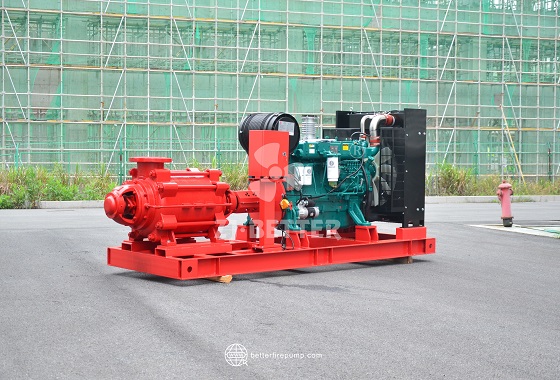
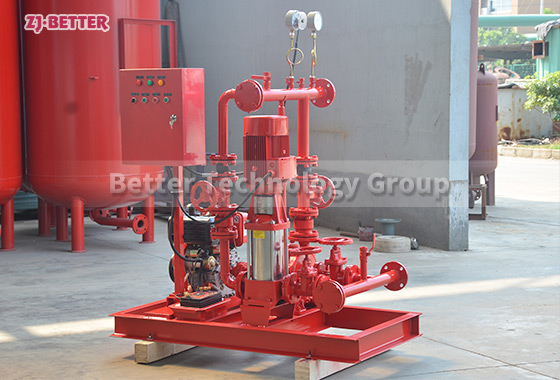
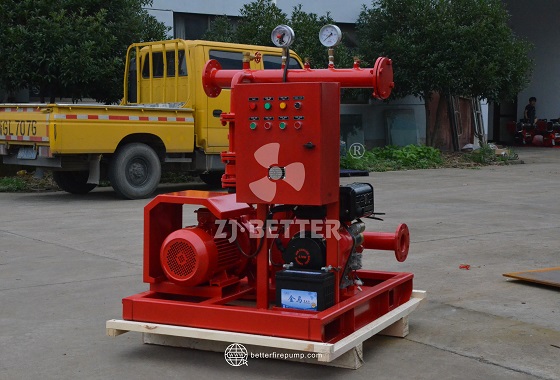
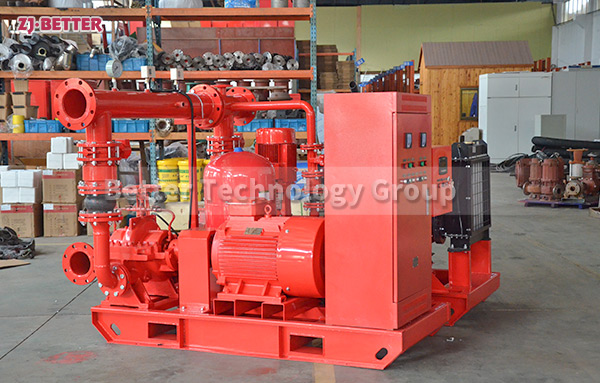
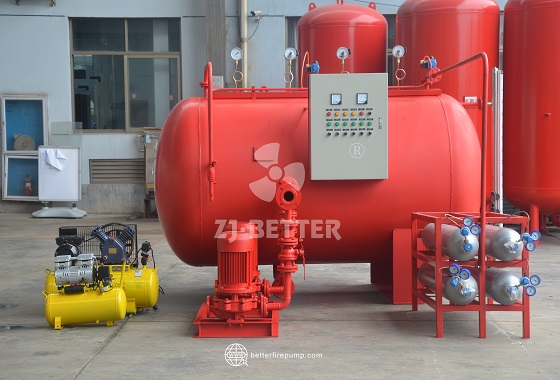
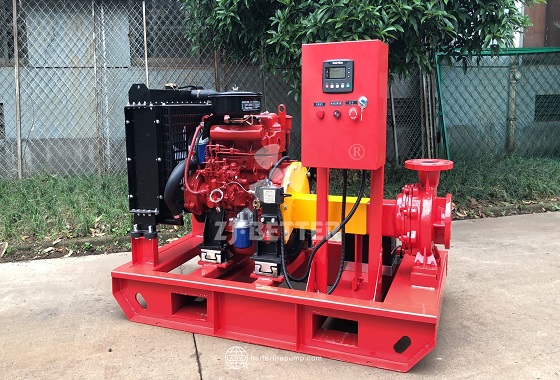
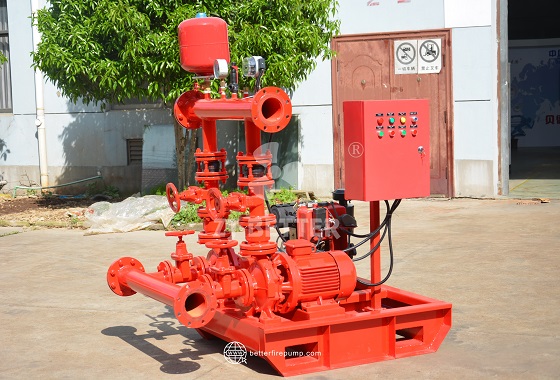
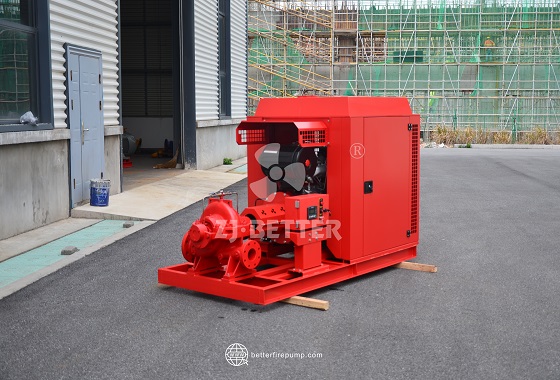
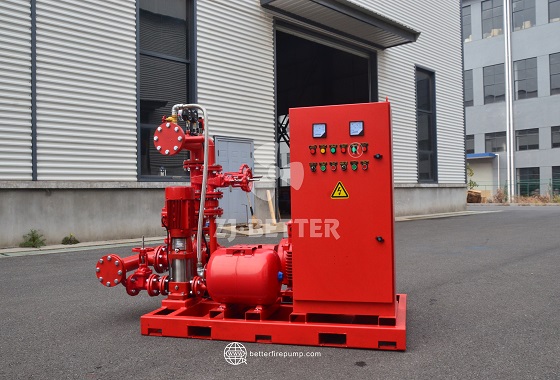
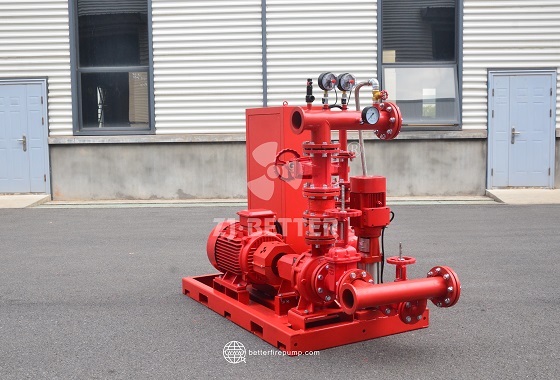
A fire pump pressure stabilizing unit is a professional water supply equipment used to maintain stable pressure in fire protection pipe networks. It mainly consists of a main fire pump, a pressure stabilizing pump, a pressure tank, a control cabinet, a pressure detection device, pipelines, and valves. Through the coordinated operation of the pressure stabilizing pump and the pressure tank, the equipment can promptly replenish pressure in response to low-flow daily water usage, minor leaks, and pressure drops in the fire protection pipe network, maintaining a reasonable pressure in standby mode. When fire water demand increases significantly, the main fire pump can be activated based on control signals, providing greater flow and pressure to fire hydrants, sprinklers, and other fire protection facilities. The equipment adopts a modular design, with all major components centrally installed on a common base. The pipeline layout is clear, and the overall structure is compact, facilitating on-site installation and subsequent maintenance. The pressure stabilizing pump is a crucial component in maintaining pipe network pressure. It is characterized by relatively small flow rates and fast response times, making it suitable for handling low-flow pressure demands in fire protection systems. When the pipe network pressure falls below the set value, the control system can activate the pressure stabilizing pump based on pressure detection signals to replenish pressure. Once the pressure returns to the set range, the pump stops operating, thus preventing frequent starts of the main fire pump due to minor pressure changes. Pressure tanks store fire-fighting water at a certain pressure, providing a pressure buffer during low-flow-rate use. They work in conjunction with pressure-stabilizing pumps to reduce network pressure fluctuations and decrease the frequency of pump start-stop operations. The main fire pump provides primary water supply during periods of high fire-fighting demand. It can be selected based on building height, network resistance, design flow rate, and required head. By appropriately matching motor power and pump performance, it provides stable pressure and flow support for the fire protection system. The accompanying automatic control cabinet centrally manages the operating status of the main pump and pressure-stabilizing pump, and acquires real-time network pressure changes through pressure sensors and gauges. Based on different control logics, the system can automatically start, stop, monitor pressure, display operating status, and issue fault alarms, reducing manual operation and improving equipment operation and management efficiency. The complete unit also has good parameter adaptability, allowing for configuration of appropriate flow rate, head, pipe diameter, power, and pressure rating according to the actual needs of different fire protection projects, enabling the equipment to match fire protection networks of different sizes. For high-rise buildings, commercial complexes, industrial plants, warehousing and logistics centers, hospitals, schools, and other large public buildings, stable fire-fighting pipeline pressure is fundamental to ensuring the normal operation of fire-fighting facilities. Therefore, a complete pressure-stabilizing system consisting of a main pump, a pressure-stabilizing pump, and a pressure tank can provide corresponding pressure regulation capabilities under different operating conditions. The product adopts a centralized installation method, reducing the piping connection and space layout problems caused by installing multiple devices separately on-site. The integrated base also facilitates equipment positioning and transportation. After proper configuration, the pump set, control cabinet, pressure tank, and piping accessories can form a relatively complete fire-fighting pressure-stabilizing water supply unit, facilitating project design, installation, and commissioning. During operation, the equipment can be rationally controlled according to the actual pressure requirements of the fire-fighting system. In normal standby mode, the pressure is mainly maintained by the pressure-stabilizing pump and pressure tank. When the fire-fighting water demand increases and reaches the main pump’s start-up conditions, the main fire pump undertakes the main water supply task, realizing the operational transition from daily pressure stabilization to fire-fighting water supply. Compared with a single pump water supply method, the fire pump pressure-stabilizing complete unit can match different water supply equipment according to different water usage conditions, making the system operation more flexible. By coordinating the pressure storage of the pressure tank, the pressure replenishment of the pressure stabilizing pump, and the water supply of the main pump, unnecessary high-power pump starts can be reduced, improving the operational rationality of the fire water supply system. Overall, the fire pump pressure stabilizing unit focuses on pressure stability, forming a multi-stage coordinated working mode through the pressure storage buffer of the pressure tank, the automatic pressure replenishment of the pressure stabilizing pump, and the high-flow water supply of the main fire pump. It boasts advantages such as compact structure, automatic control, flexible pressure response, stable water supply, and strong engineering adaptability. It can provide continuous pressure assurance for fire protection pipe networks of different types of buildings and is an important complete set of equipment in fire water supply systems suitable for daily pressure stabilization and emergency water supply.