Home » Fire Pump Set » Multistage electric fire pumps have a wide range of applications

Multistage electric fire pumps have a wide range of applications

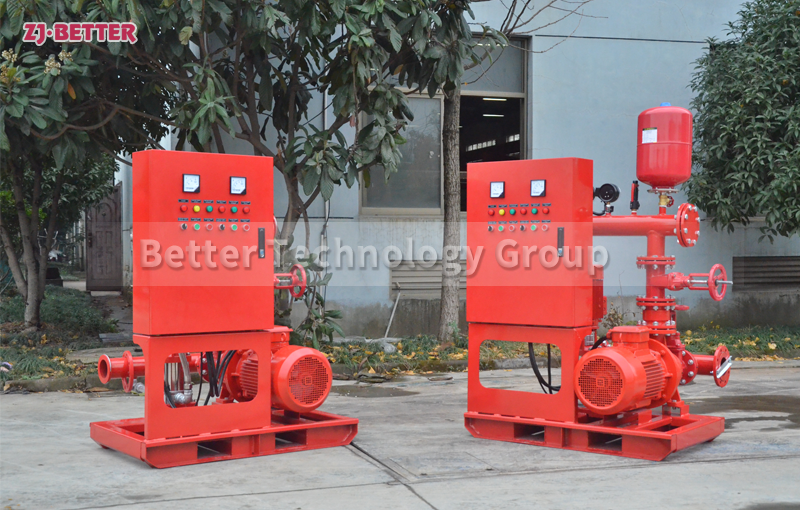
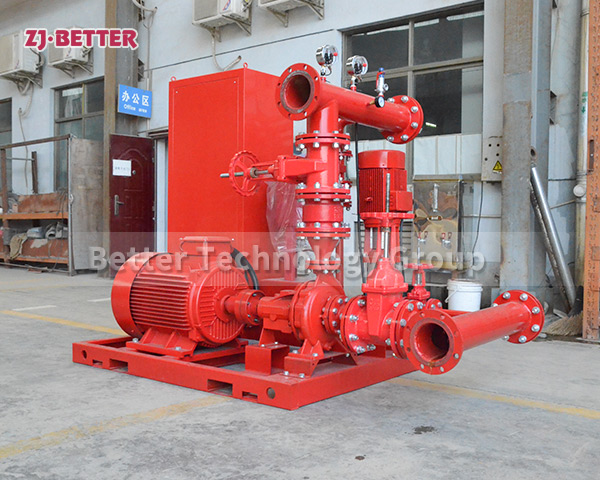
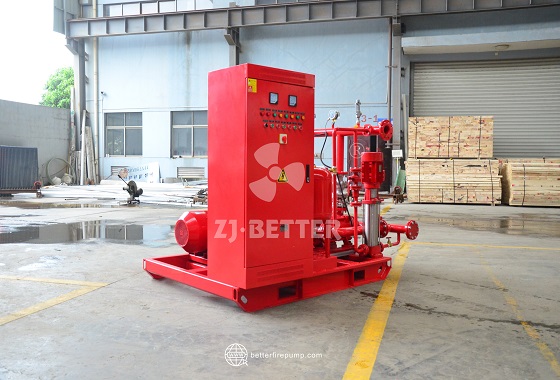
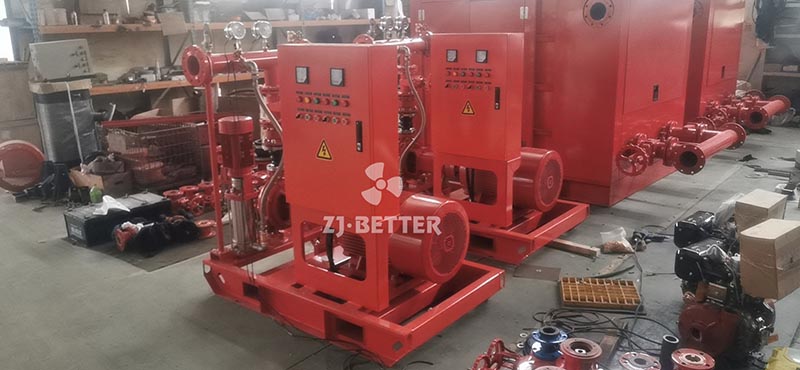
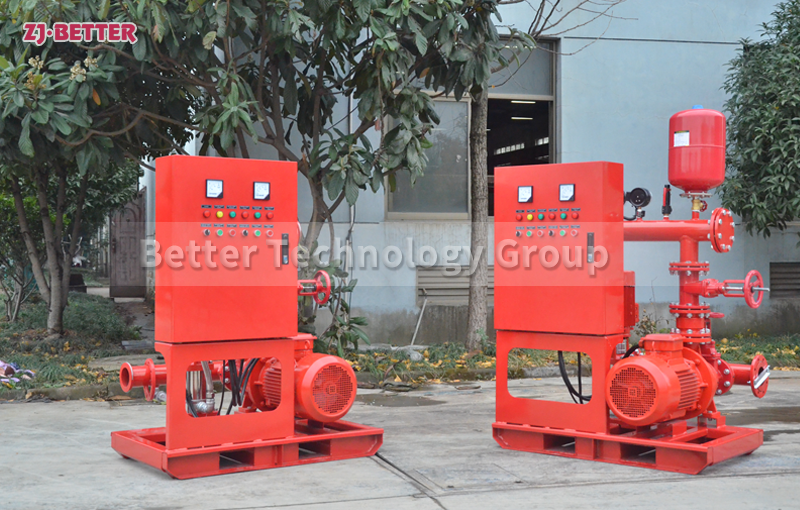
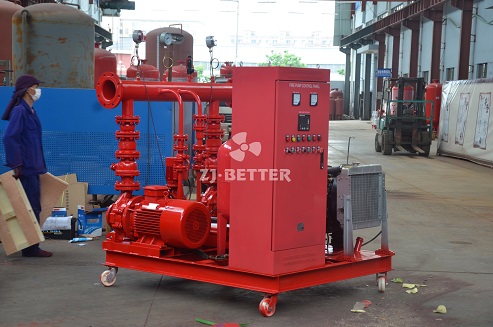
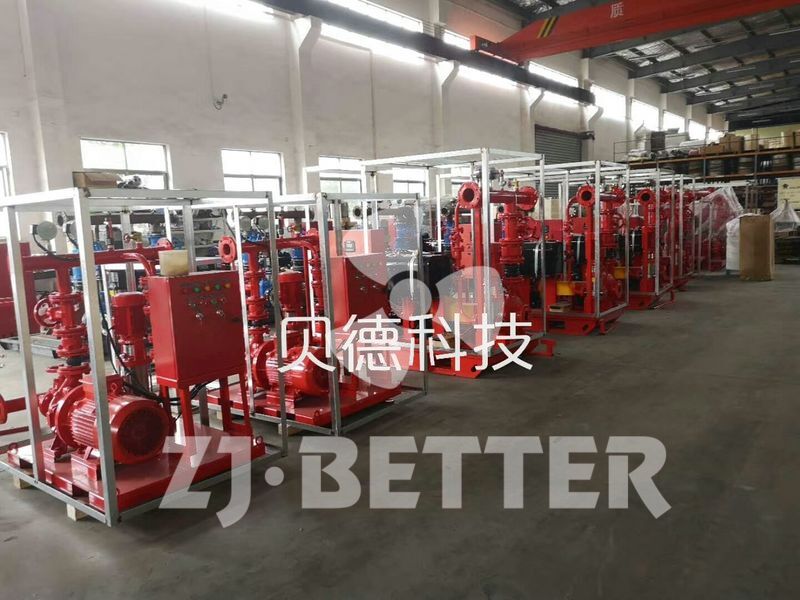
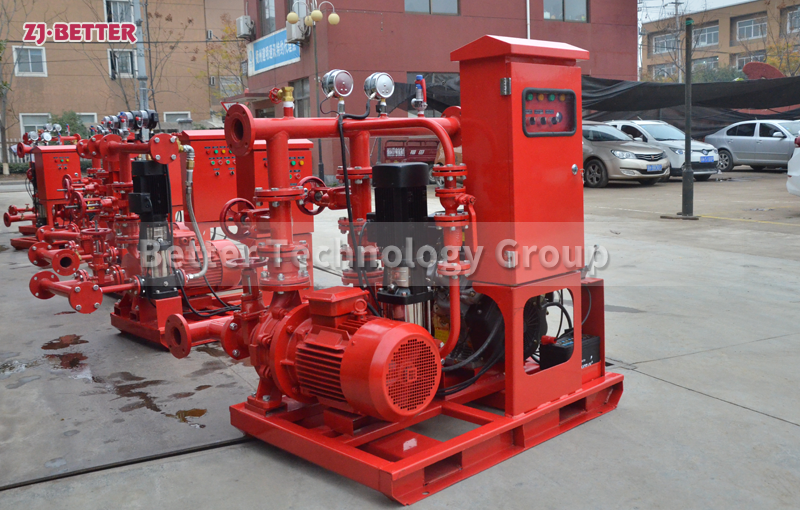
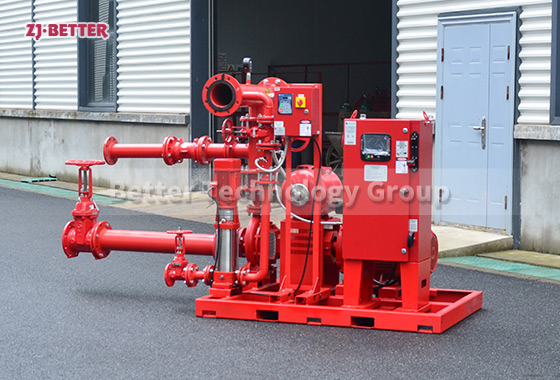
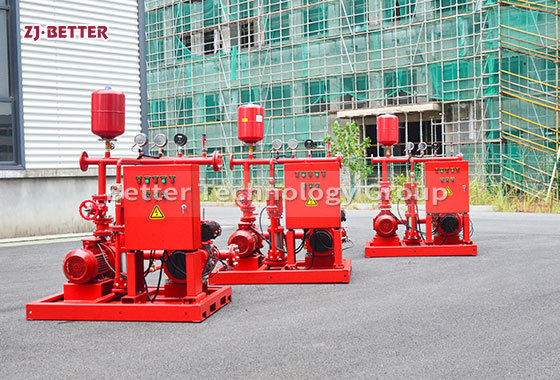
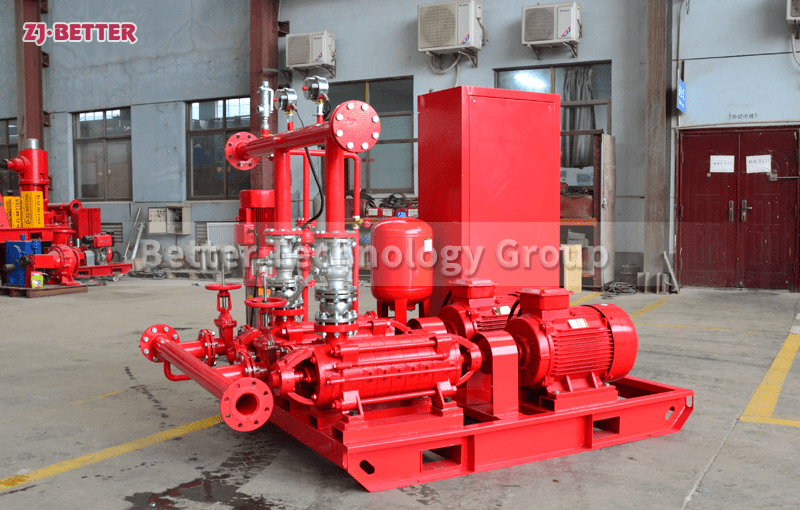
There are many types of multi-stage fire pumps, especially multi-stage fire pumps are more popular. Multi-stage fire pumps are a multi-functional product that can transport tap water and different liquids of various media, and can also be used in different Within the temperature range, different flow rates and different pressures can use multi-stage fire pumps. The application range of multi-stage fire pumps is very wide. It can be used in many industries such as petrochemical industry, medicine and food.

Rated 4.8/5 based on 469 customer reviews
Share:
Content

In production and life, fire pumps have the characteristics of a wide range of applications, such as in water treatment, fire safety and other departments. Fire pumps can not only be used in fire protection systems, multi-stage fire pumps can also be used in industrial production and urban construction, including industrial and urban water supply and drainage, and pumping water for high-rise buildings. Engineering fire pumps are used for fire pumps in engineering sites such as fire hydrant systems, water sprinkler fire extinguishing systems, and foam fire extinguishing systems.
Inquiry


    More Fire Pump Set

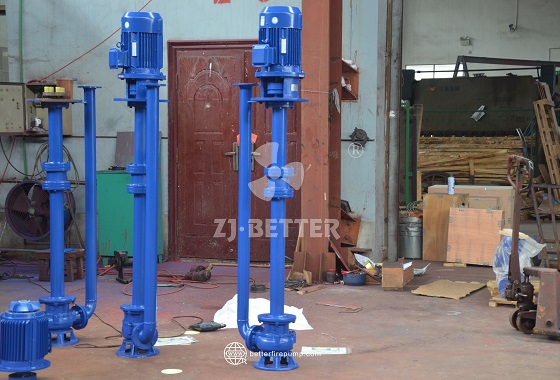
    In the fire fighting pipeline pump, according to the different installation methods can be divided into vertical fire pumps and horizontal fire pumps, many people have questions about these two common pumps, what is the difference between the two? Shanghai Xizhiquan will explain the difference between horizontal and vertical pumps.

    Obviously, different installation methods take up different space. Vertical pipeline pumps are installed vertically, covering a relatively small area, and vertical fire pumps do not require a foundation, while horizontal fire pumps need to be equipped with a base.

    According to the different structures of the two pumps, it can be concluded that there is also a certain difference in the ease of maintenance of the two types of fire fighting pipeline pumps. The impeller of the vertical fire pump needs to be dismantled from top to bottom, which makes maintenance more difficult; the horizontal fire pump only needs to have the inlet pipe removed so that the impeller can be overhauled, which is relatively simple.

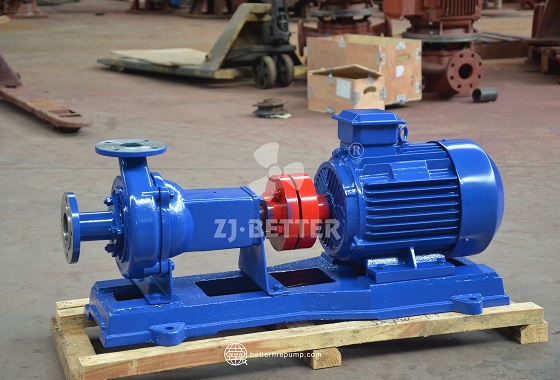
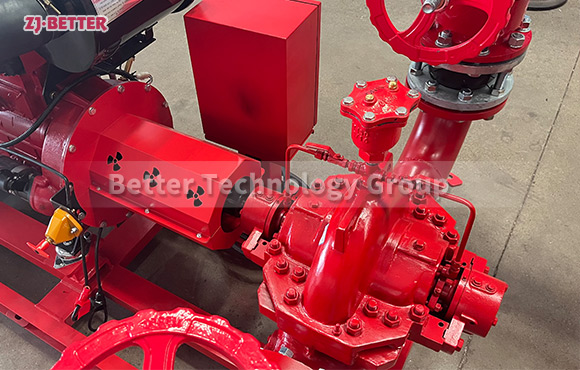
    Due to the different inlet and outlet pipe directions, the pipeline connection between vertical and horizontal is also different. As the vertical pump is a bottom-up structure, while the horizontal fire pump is longitudinally arranged on the base, so the motor of the vertical pump and the pump body are connected in the form of sub-mouth connection, while the horizontal pump needs to use couplings to connect with the motor, and the horizontal pipeline pump needs to be corrected regularly.

    Translated with www.DeepL.com/Translator (free version)

    1. Ability to provide a steady and reliable flow of water: Fire pumps are designed to provide a steady and reliable flow of water to the fire suppression system. This ensures that the fire is extinguished quickly and without any damage to the property.

    2. High-Pressure Output: Fire pumps can provide a high-pressure output to ensure that the water is able to reach further distances and at higher pressures than would be achievable by a standard water system. This is important in controlling and extinguishing fires, as it allows the water to reach all areas of the fire.

    3. Emergency Operation: Fire pumps are designed to be able to operate in the event of a power outage. This ensures that the fire suppression system can still be operational in the event of a power failure. This is especially important in commercial buildings and other areas where power outages can occur.

    4. Automatic Activation: Fire pumps are designed to automatically activate in the event of a fire. This ensures that the fire suppression system can be activated quickly and without any manual intervention. This is especially important in the event of a large fire, as it ensures that the system is already in operation before the fire department arrives.

    5. Low Maintenance: Fire pumps are designed to be low maintenance, requiring only regular inspections and maintenance to ensure that they are working correctly. This ensures that the fire suppression system is always ready for use and that it can be relied upon in the event of a fire.

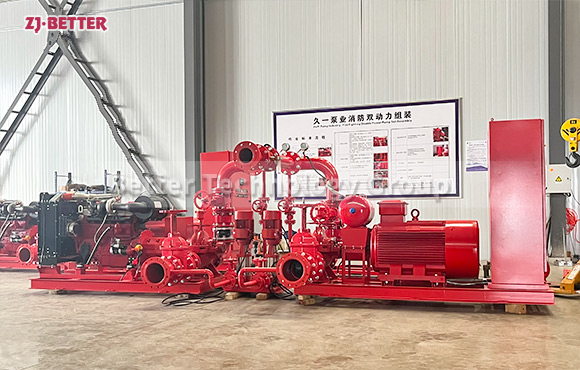
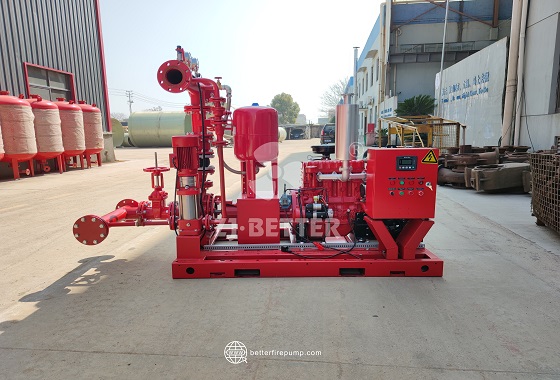
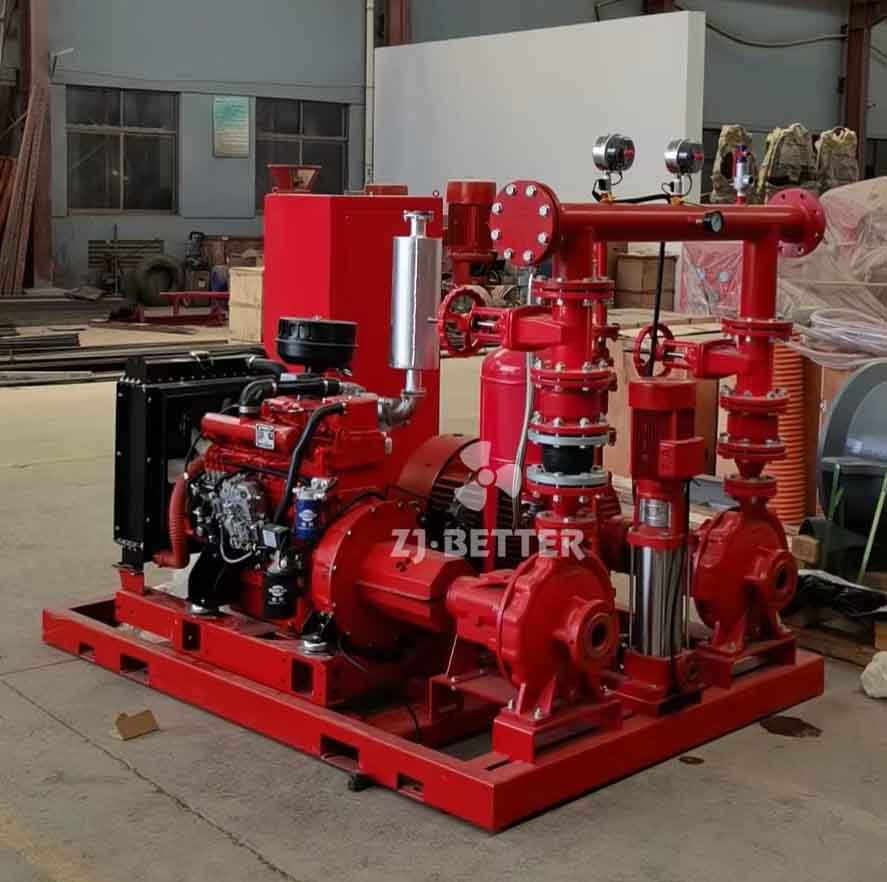
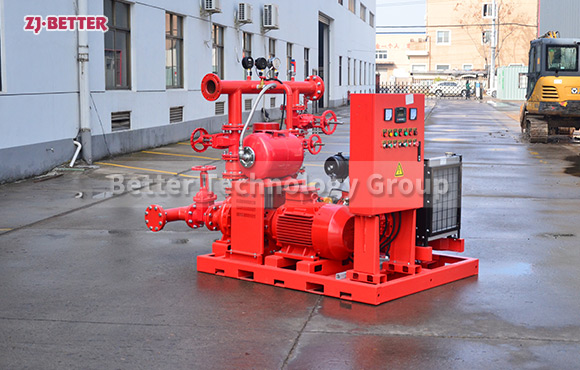
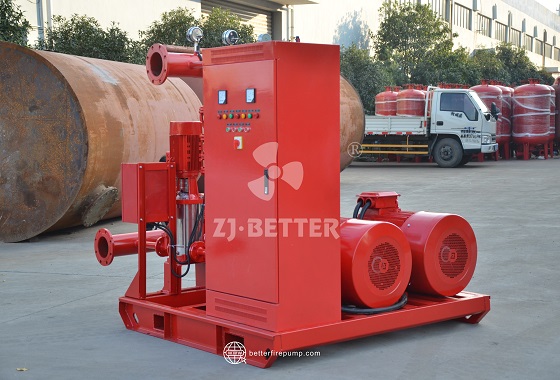
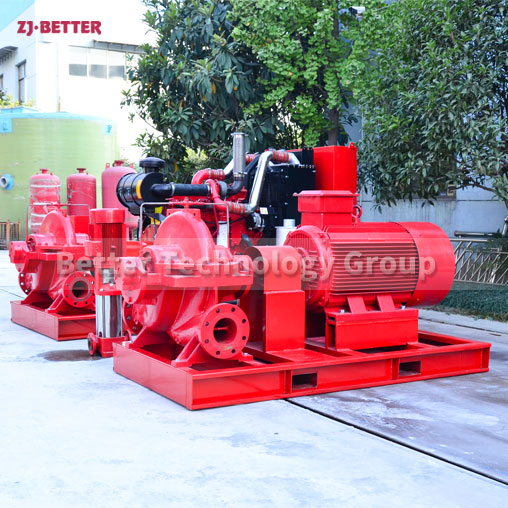
    When selecting a fire pump, understanding the advantages and suitable scenarios for electric fire pumps and diesel engine fire pumps is essential. Each type of pump has its unique features, providing different fire protection solutions to meet varying needs.

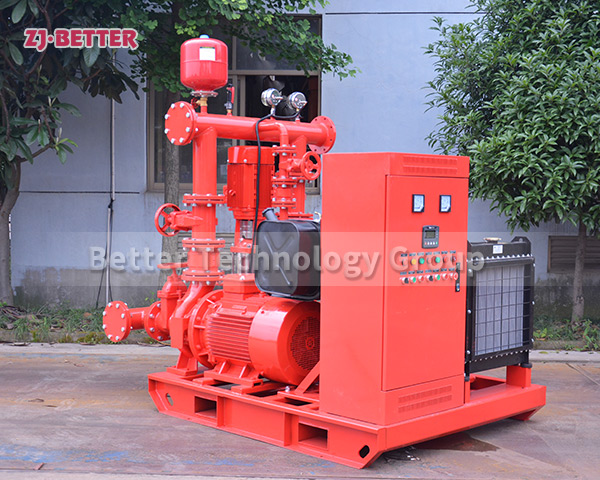
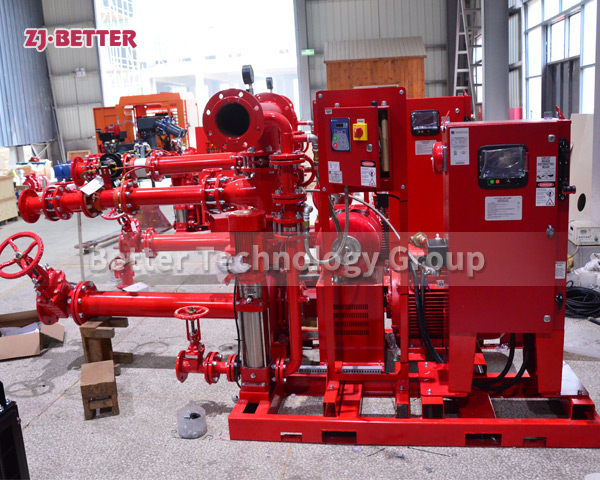
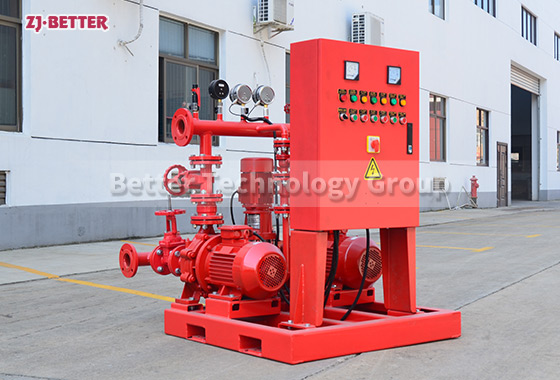
    Electric fire pumps are ideal for environments with stable power supply. They typically have lower operational costs and higher efficiency. Electric pumps start quickly, produce less noise, and require less maintenance, making them the perfect choice for most modern buildings and commercial facilities. Their intelligent control system supports automatic start-stop, fault diagnosis, and remote monitoring, ensuring the system operates efficiently and safely.

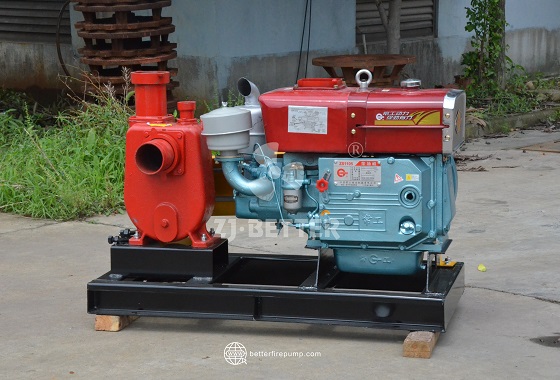
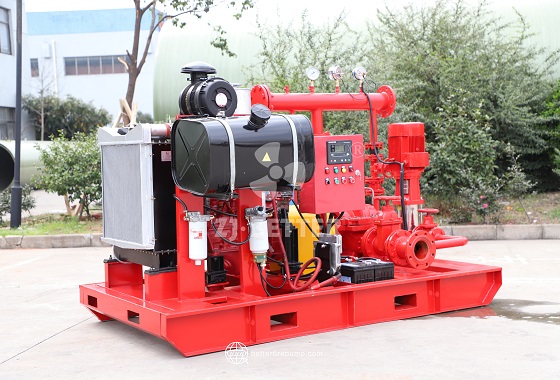
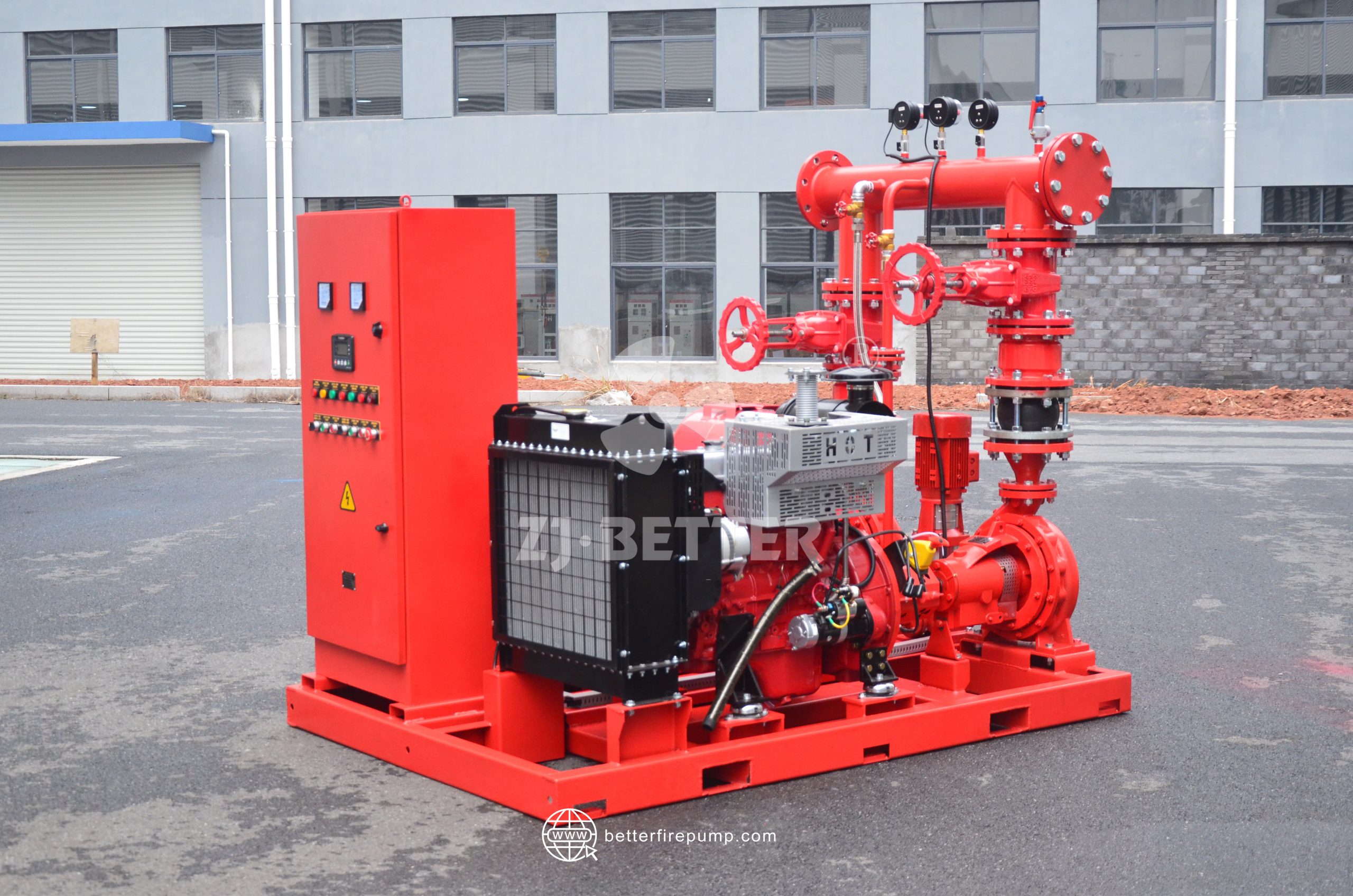
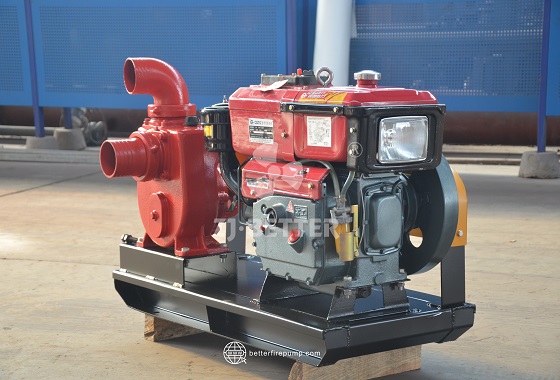
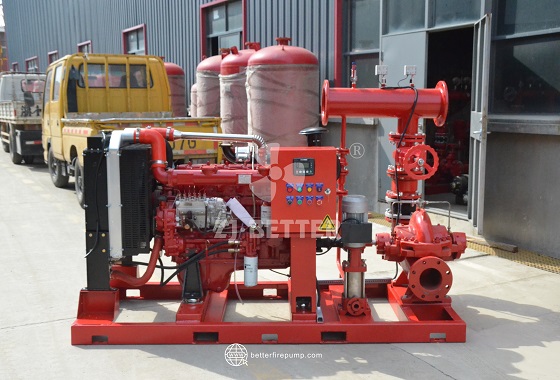
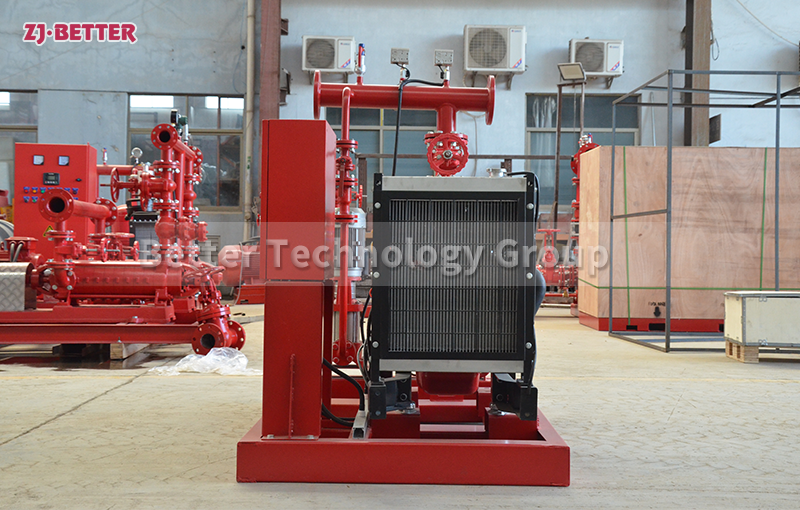
    Diesel engine fire pumps, on the other hand, are better suited for locations with unstable or no power supply. Diesel pumps can operate independently in the absence of electricity, ensuring a stable water source during emergencies. Although diesel pumps are usually more expensive and require more maintenance, they have exceptional emergency capabilities and can operate reliably in any environment, making them particularly suited for industrial parks, mining areas, and remote regions.

    Choosing the right fire pump system should depend on the site’s power supply situation, operating costs, maintenance capabilities, and the required emergency response capacity. Whether opting for an electric fire pump or a diesel engine fire pump, we are committed to providing you with the most reliable and efficient fire protection solutions.