Mobile Fire Pump Systems for Urban and Industrial Fire Response Needs
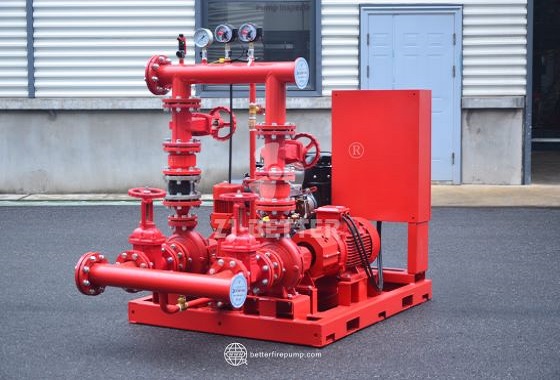
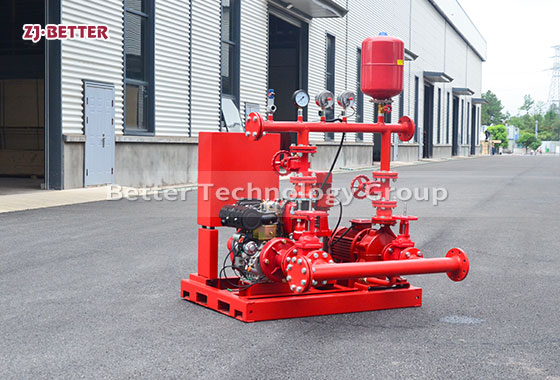
Mobile fire pump systems provide highly mobile fire extinguishing solutions for urban and industrial areas, featuring independent power, high head and large flow output, enabling rapid deployment and reliable emergency water supply.
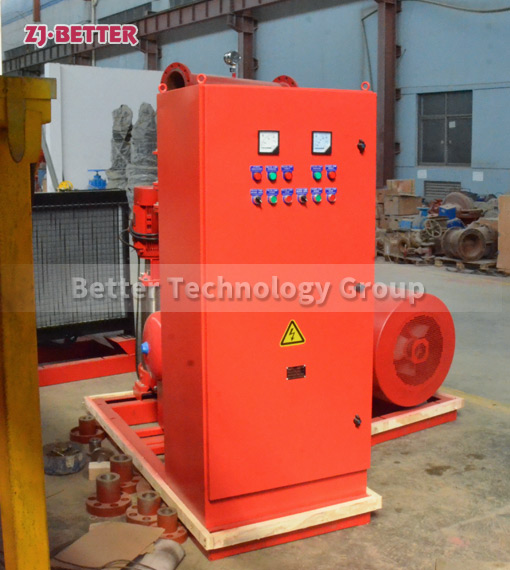
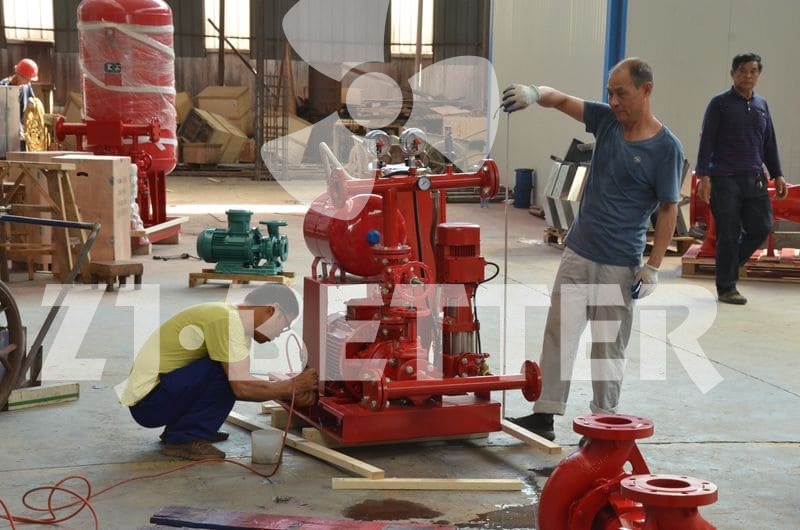
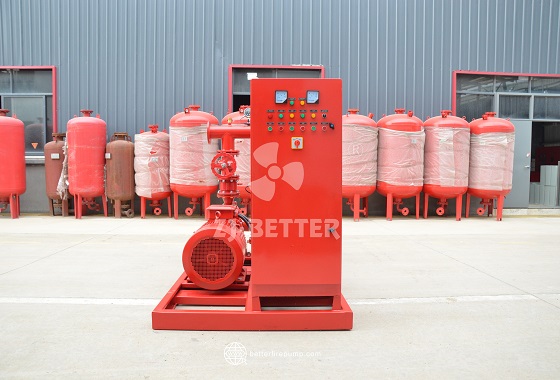
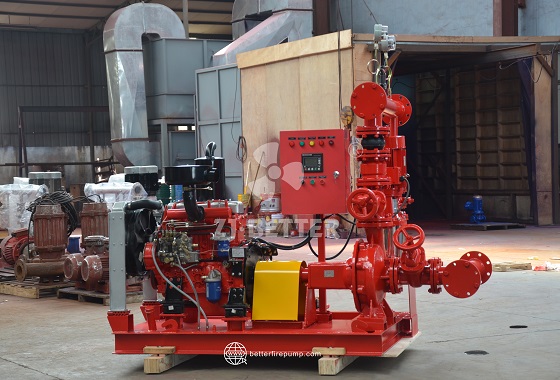
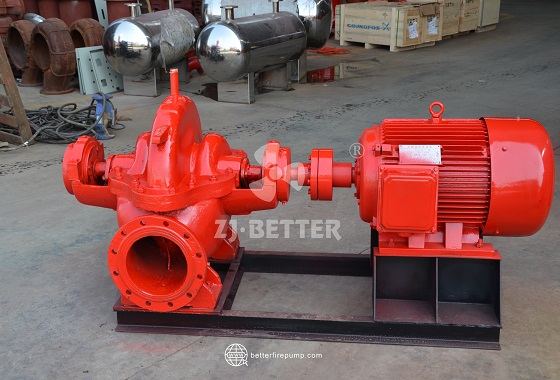
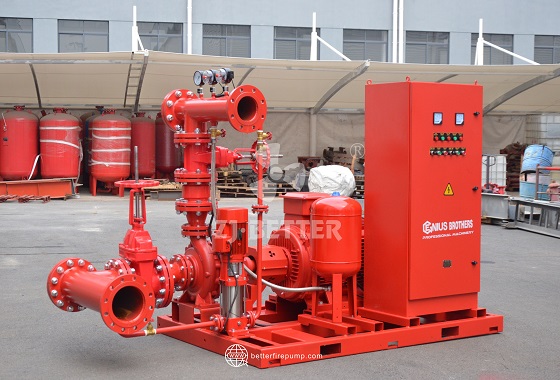
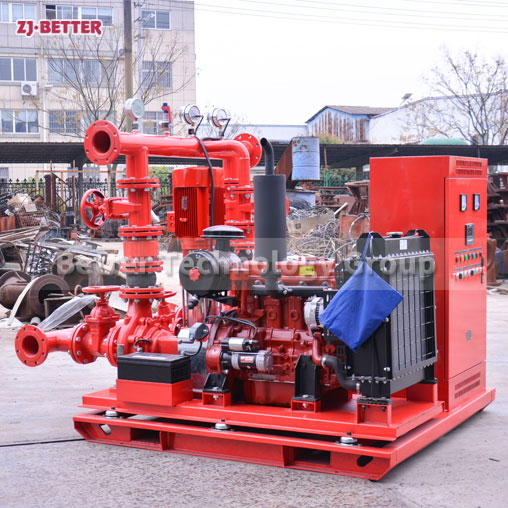
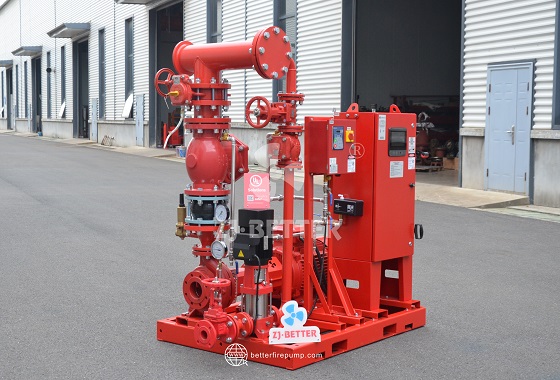
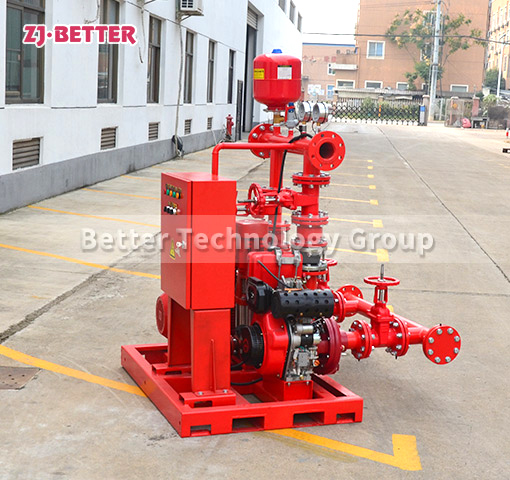
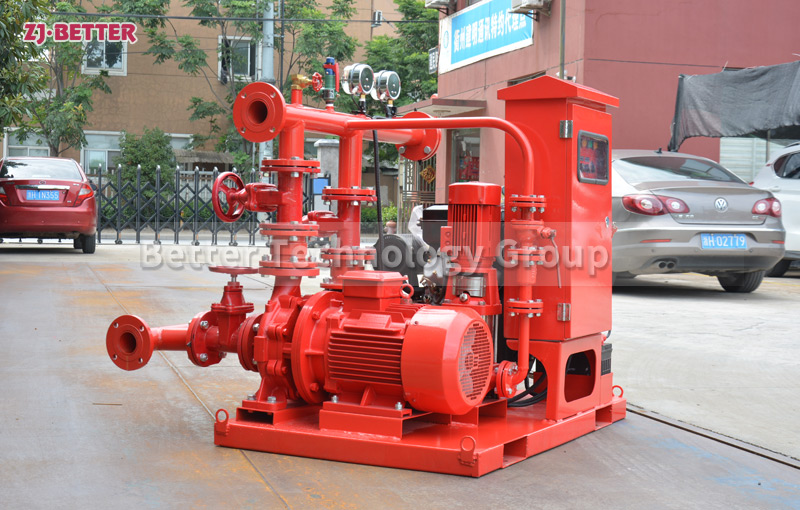
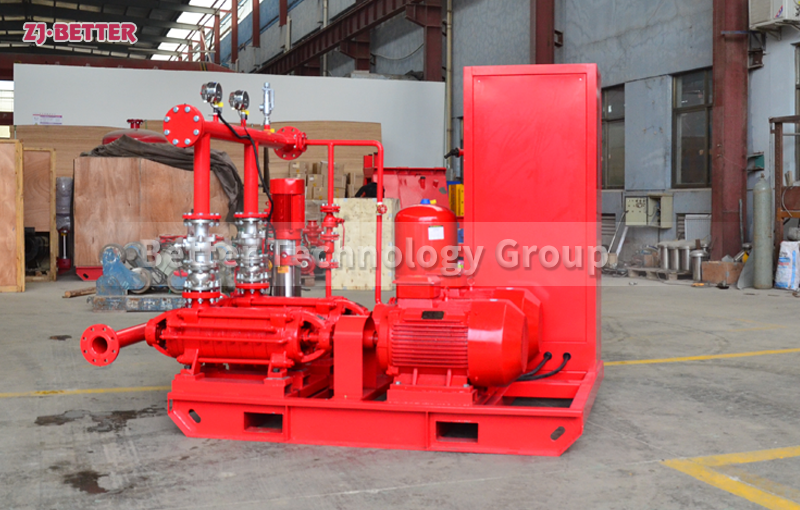
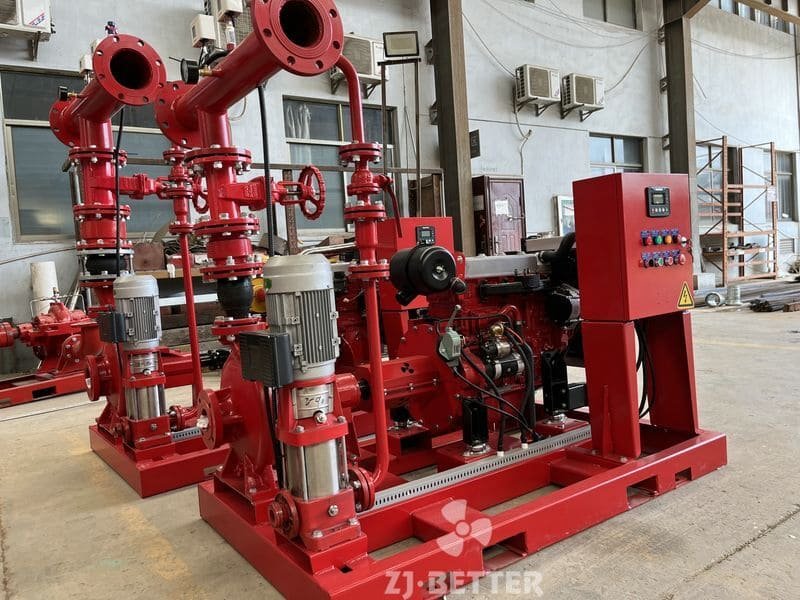
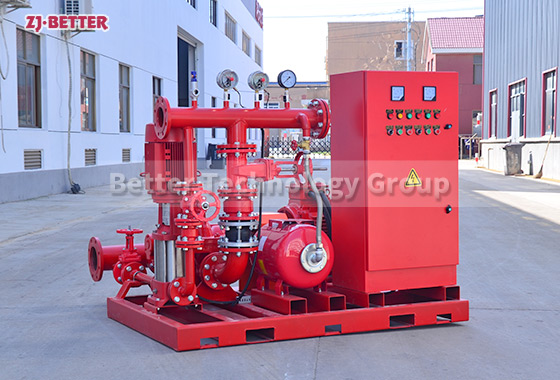
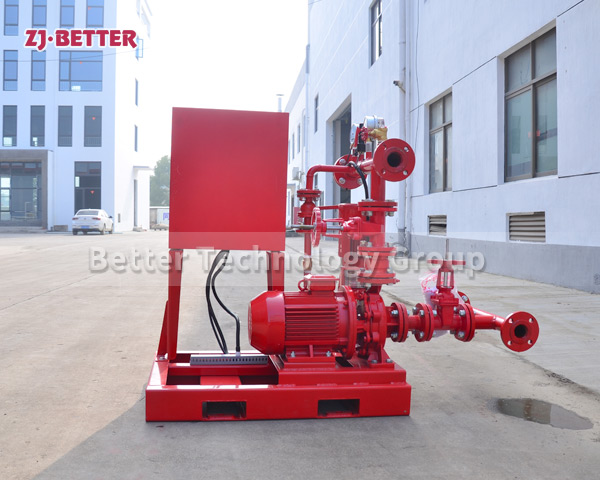
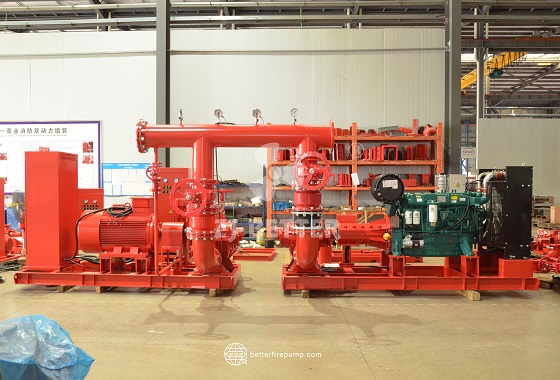
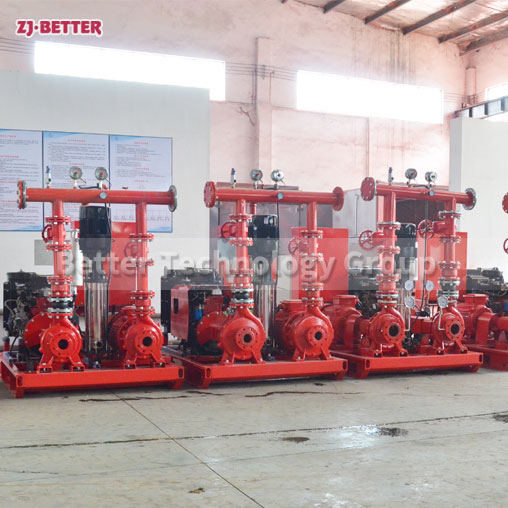
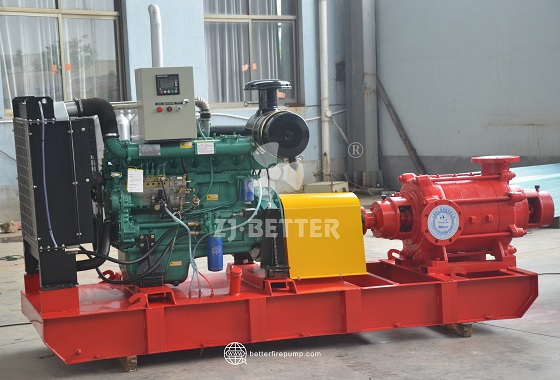
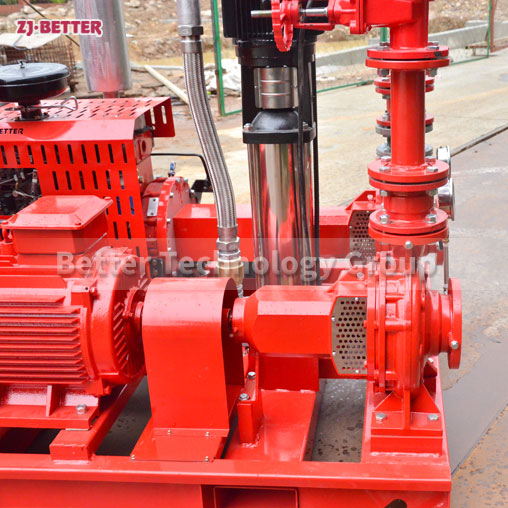
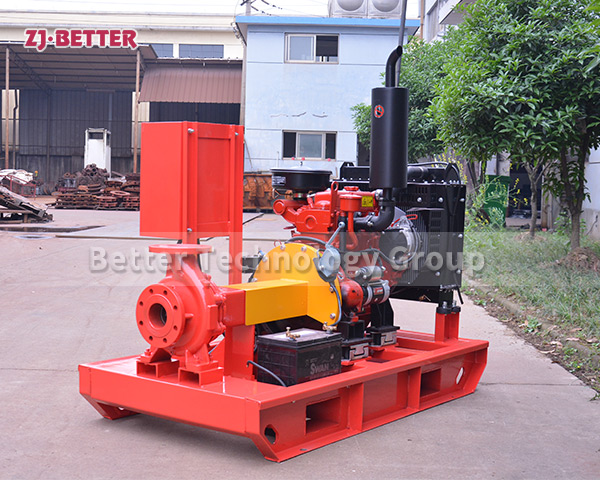
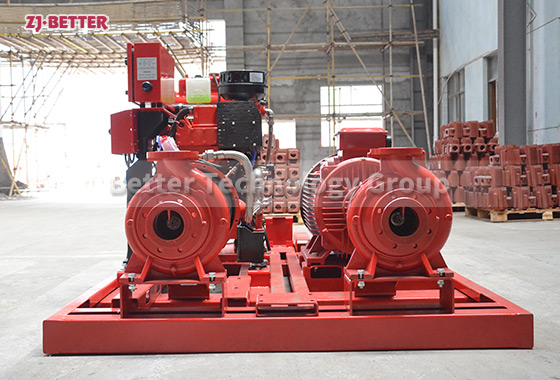
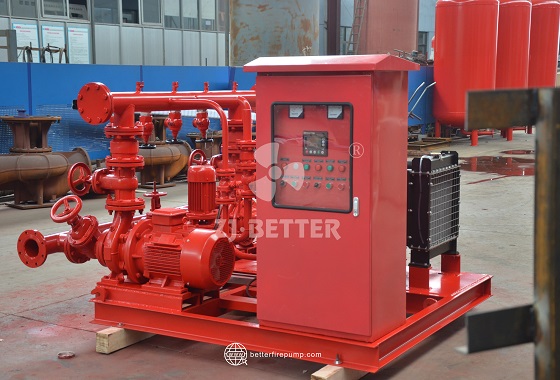
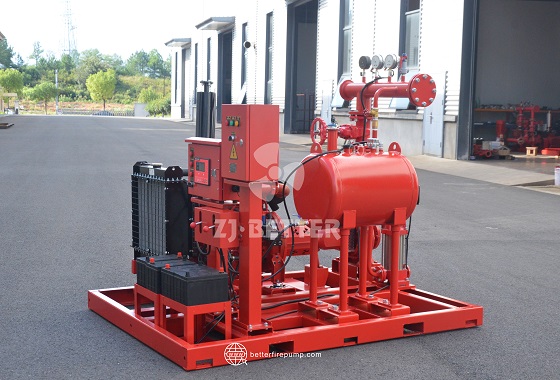
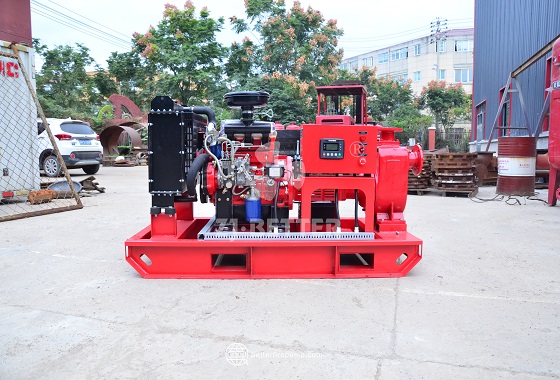
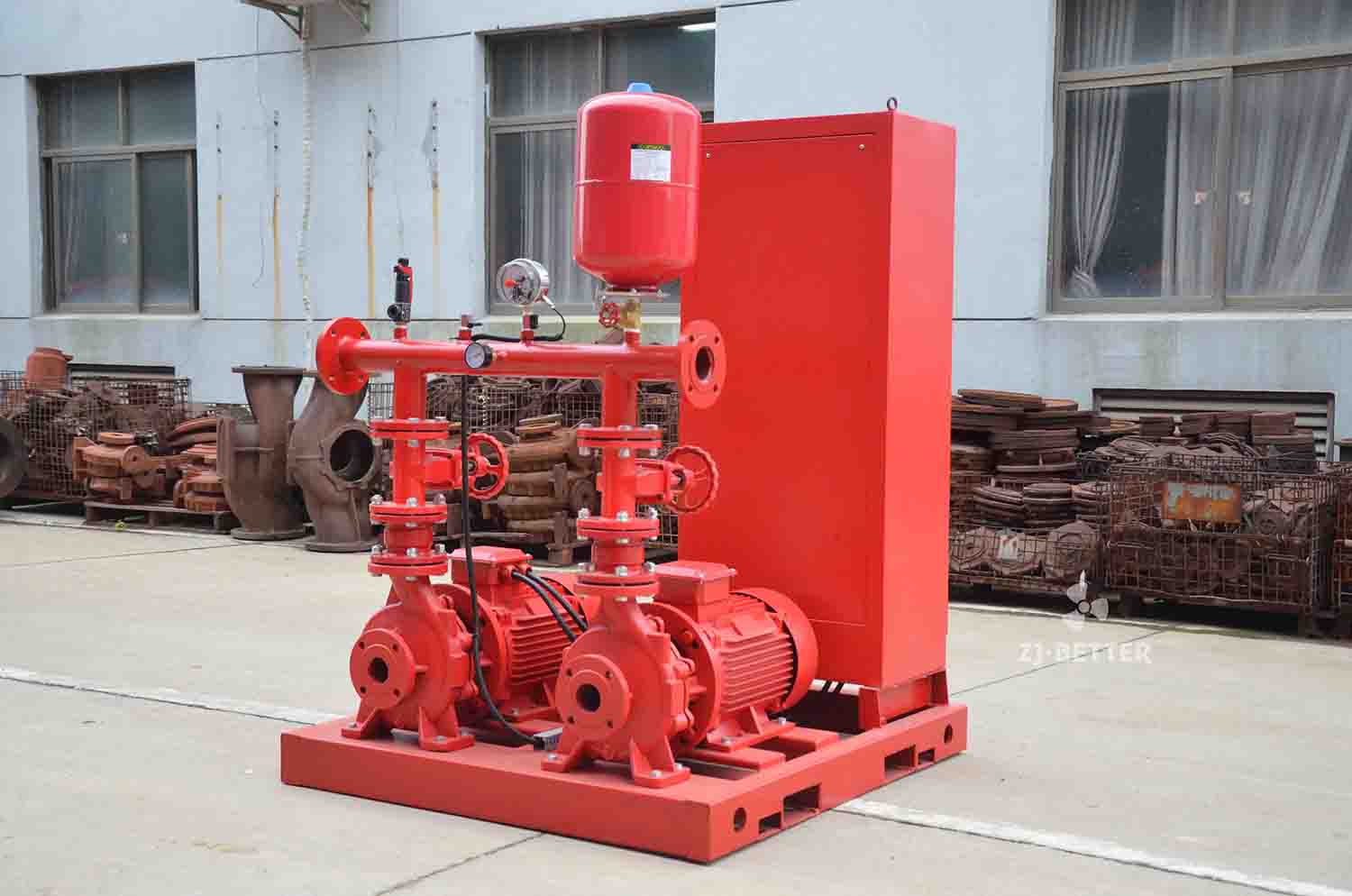
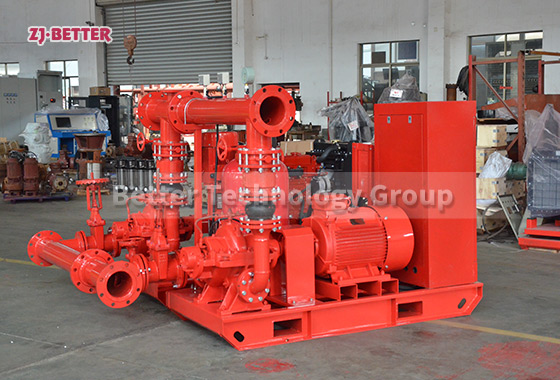
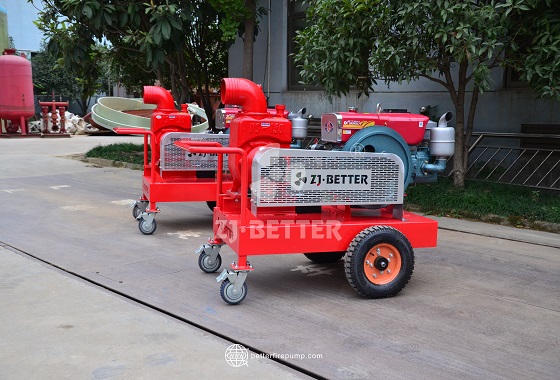
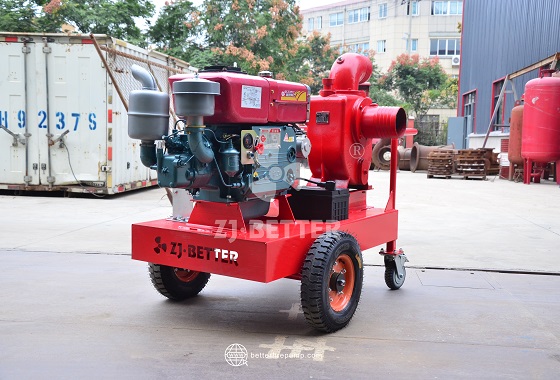
With the acceleration of urbanization and the continuous expansion of industrial facilities, various locations are placing higher demands on the flexibility, mobility, and independent operation capabilities of fire protection systems. This is especially true in large factories, warehousing and logistics parks, petrochemical areas, urban complexes, temporary construction sites, and environments far from fixed fire water sources. Traditional fixed fire pump systems often cannot reach the fire location immediately to provide a stable water supply. Therefore, a mobile fire pump system with rapid response capabilities, high mobility, and powerful output has become a key piece of equipment in modern fire safety systems. Mobile fire pump systems use diesel or gasoline engines as independent power sources and are flexibly deployed through mobile chassis, trailer bases, and push-type structures. They do not rely on fixed power sources or installation foundations and can be quickly deployed at any site requiring firefighting or emergency drainage, greatly improving emergency rescue efficiency and reliability. These devices employ high-performance power systems that maintain stable start-up and continuous operation capabilities even in harsh environments. They can provide reliable hydraulic output in low-temperature, high-temperature, high-humidity, and dusty environments, providing a solid guarantee for emergency firefighting. Its core pump body mostly adopts a high-pressure centrifugal structure, featuring high head, large flow rate, and high reliability. It can maintain a stable water supply even when the water source is far away and the pressure requirement is high, thus meeting the needs of various scenarios such as high-rise industrial plants, long-distance water delivery, and outdoor firefighting. The mobility of the mobile fire pump system is one of its greatest advantages. The entire unit uses a durable chassis structure, which can be towed by a trailer or quickly loaded and unloaded through forklift holes and lifting points. It is suitable for various transportation methods, and can quickly reach the designated location and be put into use, whether on urban roads, inside industrial park passages, or in rugged outdoor terrain. Some models are designed with a push-type structure, suitable for environments where vehicles cannot enter, such as narrow streets, warehouse interiors, and residential alleyways, allowing firefighters to maintain flexibility even in complex conditions. In addition, the equipment’s rapid start-up system ensures that it can be started and put into pumping operations within seconds in an emergency, significantly improving the initial fire extinguishing success rate. The mobile fire pump system adopts a large-capacity fuel tank design, enabling long-term continuous operation and reducing the frequency of refueling, providing stable power support for tasks such as large warehouse fires, forest fires, factory equipment fires, and municipal emergency drainage. Some models support long-distance water delivery, allowing multiple units to be connected in series to form temporary water supply lines. This creates a powerful water supply system in areas far from fire hydrants, providing temporary fire-fighting capabilities for large industrial parks or urban fringe areas. The pump body is constructed of corrosion-resistant cast iron or stainless steel, suitable for pumping clean water, lightly polluted water, and water containing impurities. It maintains stable operation even under complex water source conditions, is resistant to wear and clogging, extending its service life and reducing maintenance costs. To enhance operational convenience, modern mobile fire pump systems are equipped with multi-functional control panels that display key operating parameters such as speed, oil level, water pressure, and water temperature via digital instruments. This allows operators to monitor equipment status at any time, ensuring safe and efficient operation. Some models also support automatic pressure regulation, adjusting the output pressure according to actual needs to ensure stable water supply and prevent fluctuations in water source from affecting fire-fighting effectiveness. Furthermore, a safety protection system is a crucial component of mobile fire pumps, including low oil level alarms, overload protection, and high-temperature shutdown functions. This prevents equipment damage from the outset and ensures reliability during extended missions. Firefighting needs in urban and industrial areas are complex and diverse, and mobile fire pump systems, with their flexible deployment, independent power, and high-performance pump structure, have become an important solution for addressing fire risks in various scenarios. In urban environments, they are suitable for tasks such as auxiliary water supply for firefighting in high-rise buildings, drainage of basements, firefighting in narrow roads in old urban areas, firefighting outside urban complexes, and long-distance water replenishment for hose delivery. In industrial areas, they can be widely used in petrochemical plants, metallurgical plants, chemical warehouses, logistics parks, large tank areas, power facilities, ports, and other scenarios, providing strong and reliable mobile firefighting water supply capabilities for high-risk locations. In construction sites, field operation areas, temporary facilities, and other locations lacking fixed fire protection systems, mobile fire pumps are the primary firefighting equipment. Through rapid deployment, they meet the firefighting needs of various emergencies. Their mobility allows them to serve as both primary firefighting equipment and backup power for fixed fire pump systems, complementing each other and improving the overall reliability of the fire protection system. As modern fire protection systems evolve towards rapid response, flexible deployment, and intelligence, mobile fire pump systems are continuously upgrading in terms of structural design, control methods, and functional configuration. More models are equipped with intelligent monitoring functions, enabling operational data monitoring, fault self-diagnosis, and remote management, further enhancing stability and real-time response capabilities. The fuel efficiency of the power system continues to improve, making it more energy-efficient during long-term operation; enhanced pump efficiency and sealing technology further improve overall performance, allowing it to maintain high-efficiency output even under high pressure and high head. Considering the complexity of emergency rescue sites, mobile fire pumps are also continuously developing lighter, faster-deployment, and more durable structural solutions, enabling them to complete deployment and pumping operations in a shorter time, thus improving overall firefighting capabilities. In the future, mobile fire pump systems will play a more central role in urban fire protection construction, industrial safety planning, emergency rescue systems, and natural disaster response, providing reliable firefighting support to more critical locations through their superior mobility, powerful power systems, and all-scenario adaptability. With its high efficiency, high reliability and strong adaptability to various scenarios, this type of equipment can not only optimize the existing fire protection system, but also become an important choice for various enterprises and urban management departments to improve fire safety, providing a solid guarantee for reducing fire losses and improving emergency response capabilities.