Diesel Engine-Driven Skid-Mounted Fire Pump Set – Adaptable to Different Flow and Head Requirements
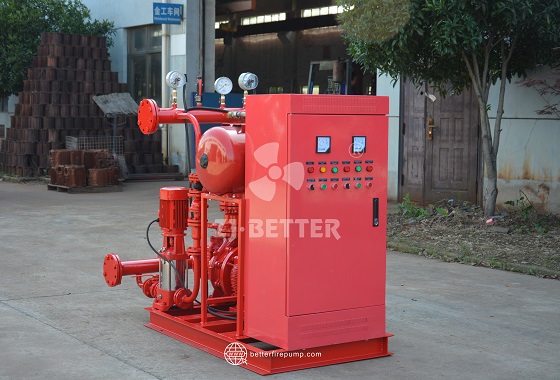
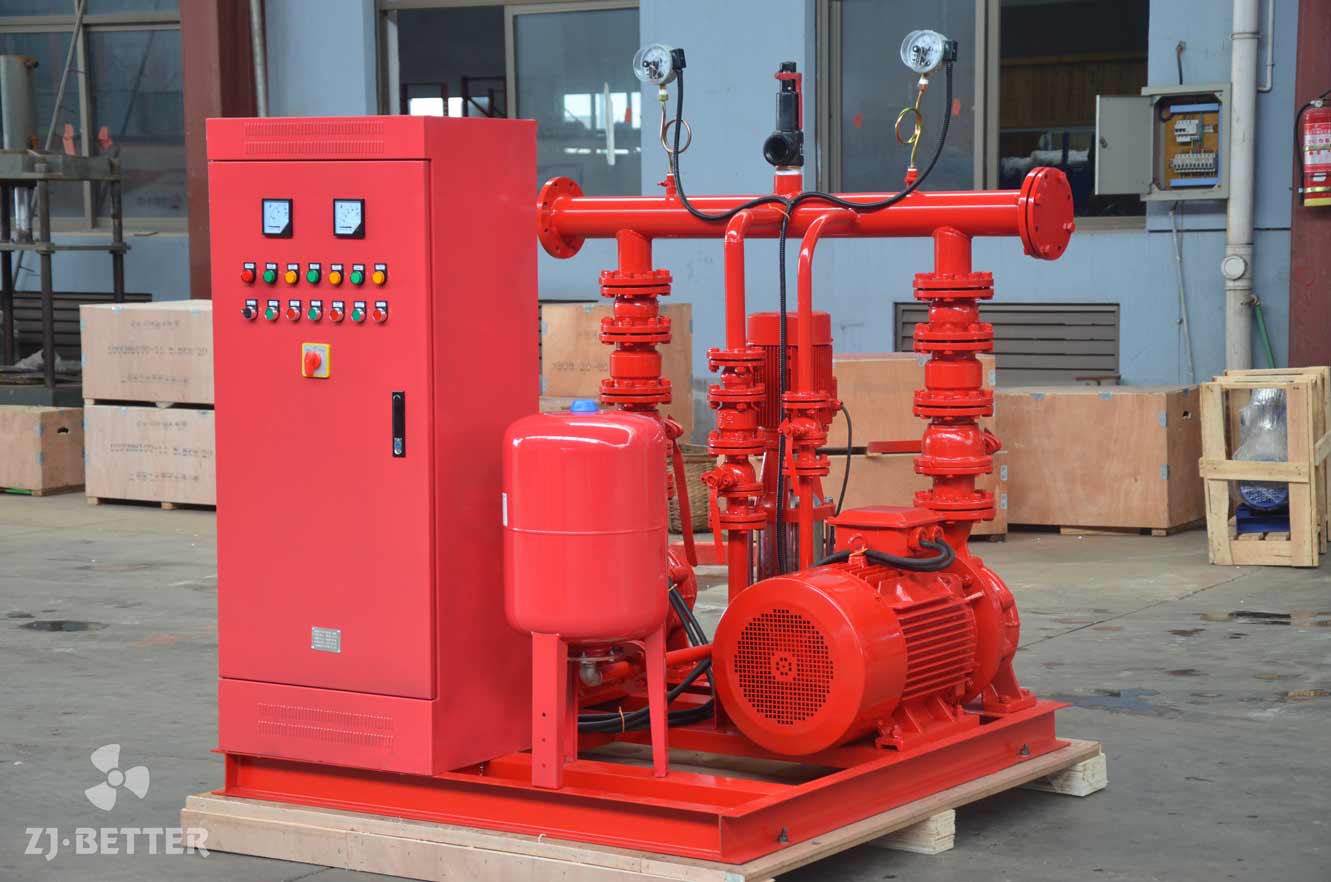
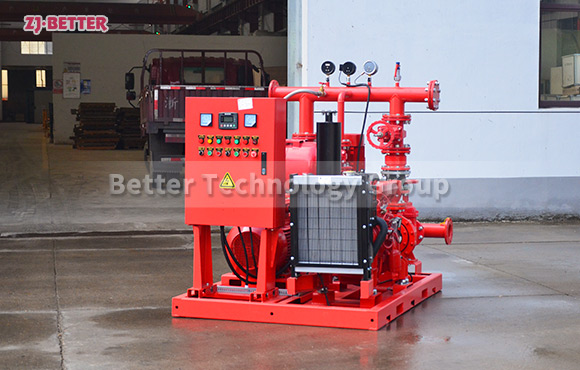
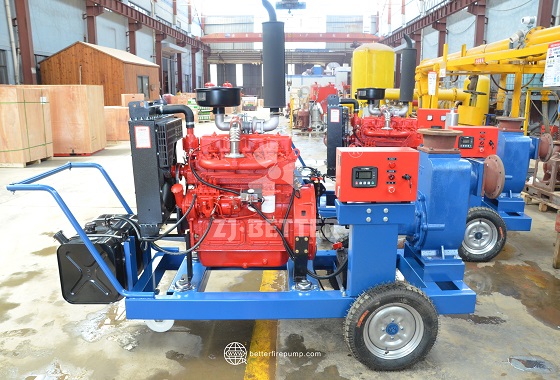
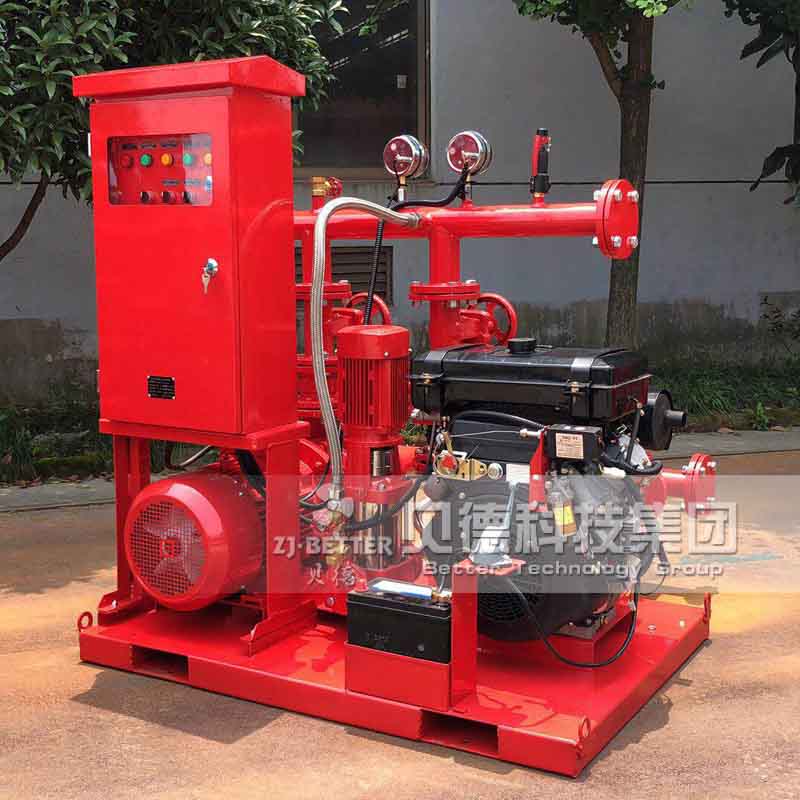
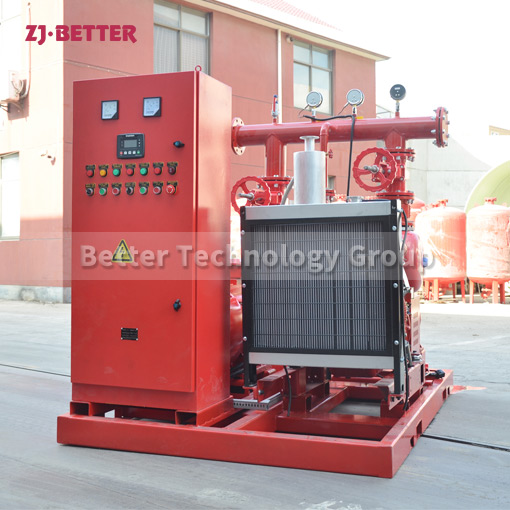
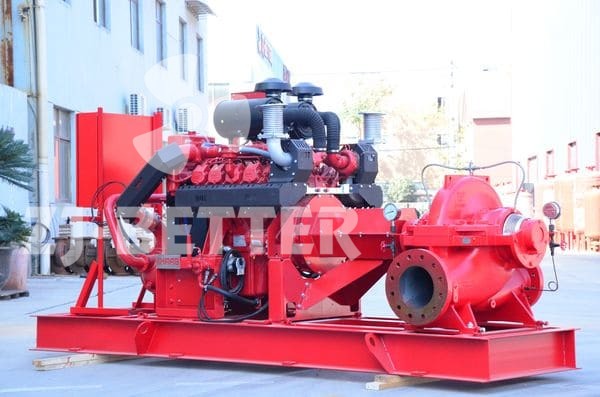
The diesel-driven skid-mounted fire pump unit features an independent diesel power source and an integrated base structure. It can be flexibly configured to meet specific project requirements regarding flow rate, head, pump type, and power, making it suitable for fire water supply systems in industrial, warehousing, and large-scale facilities.
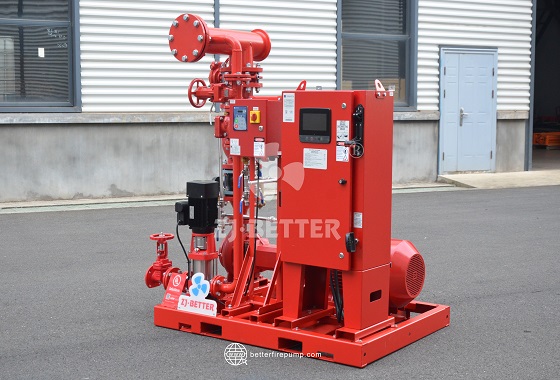
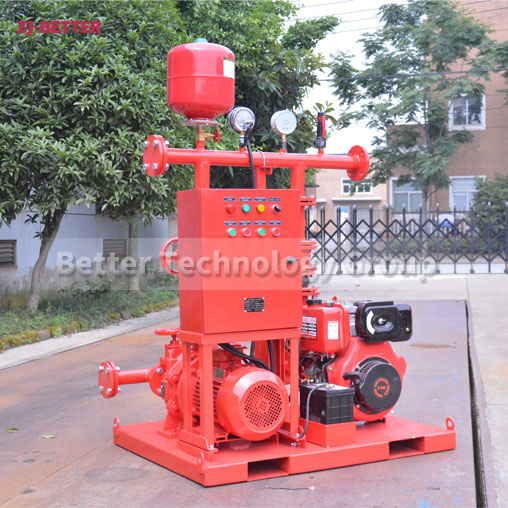
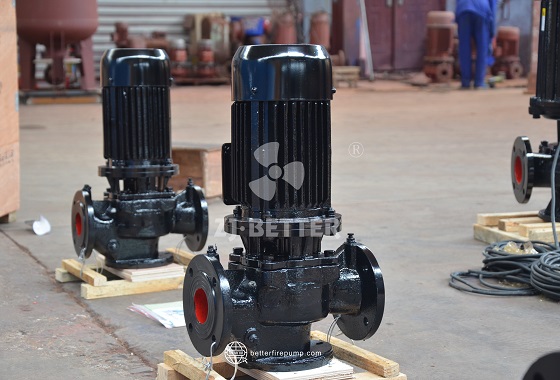
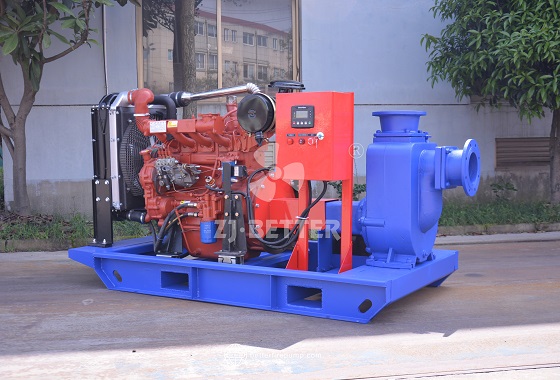
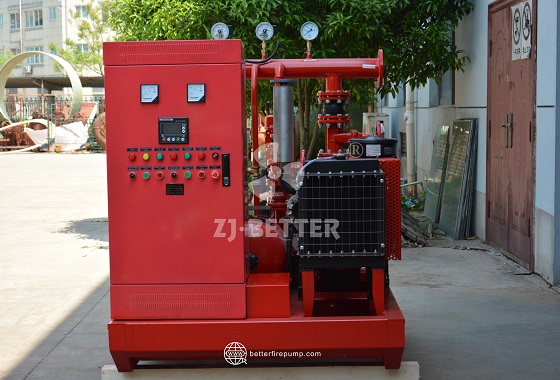
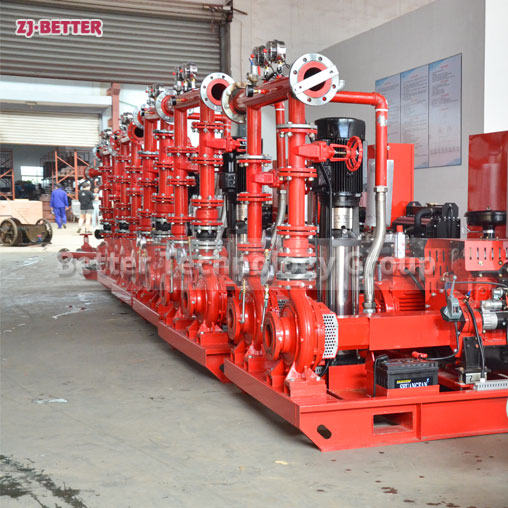
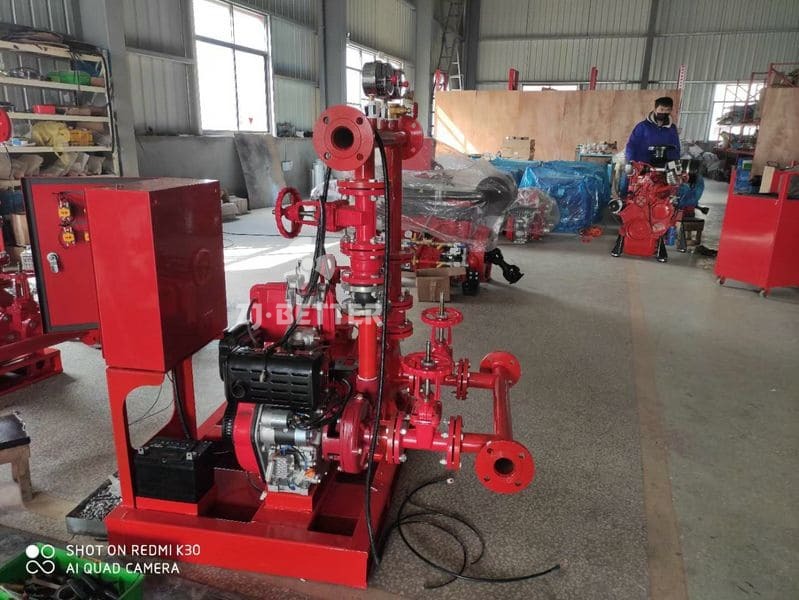
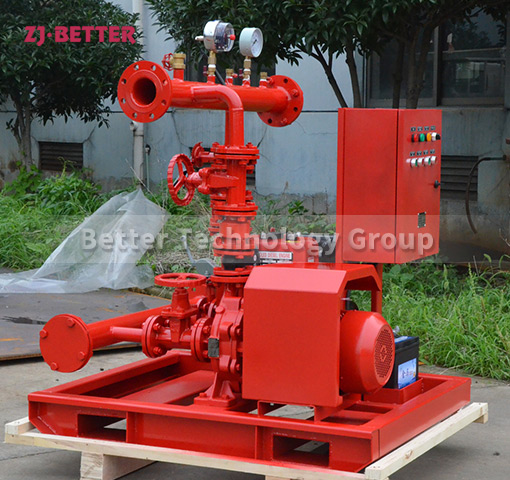
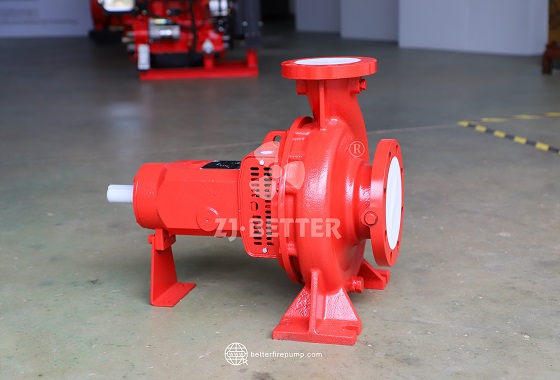
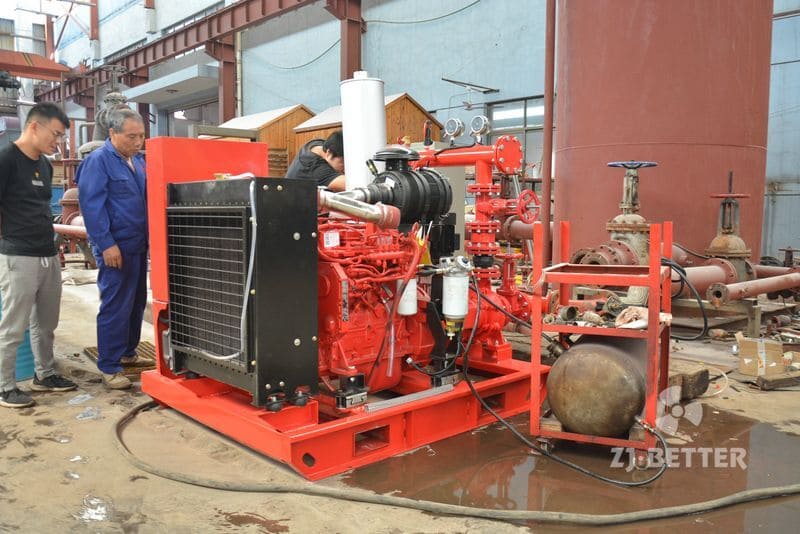
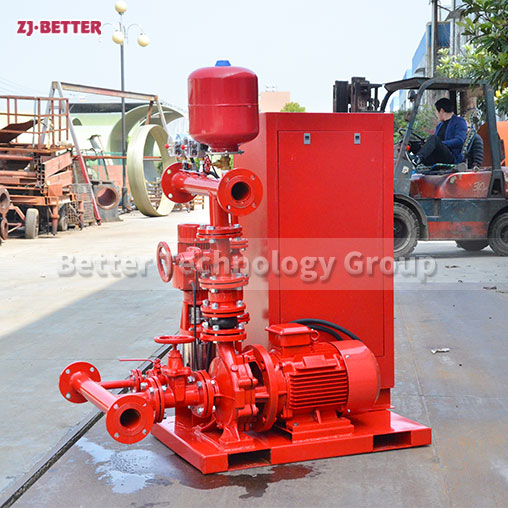
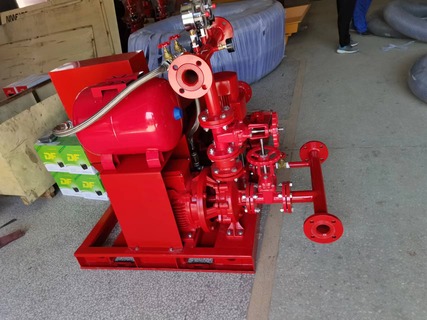
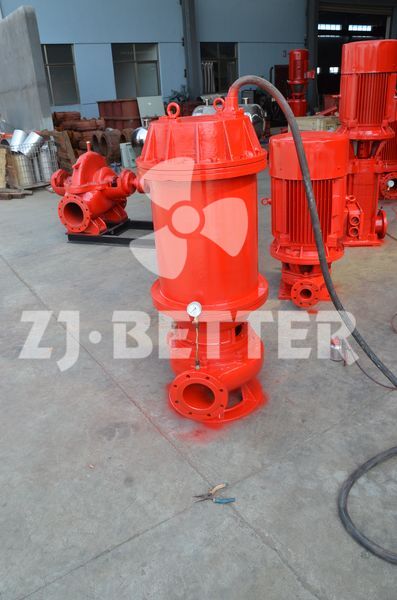
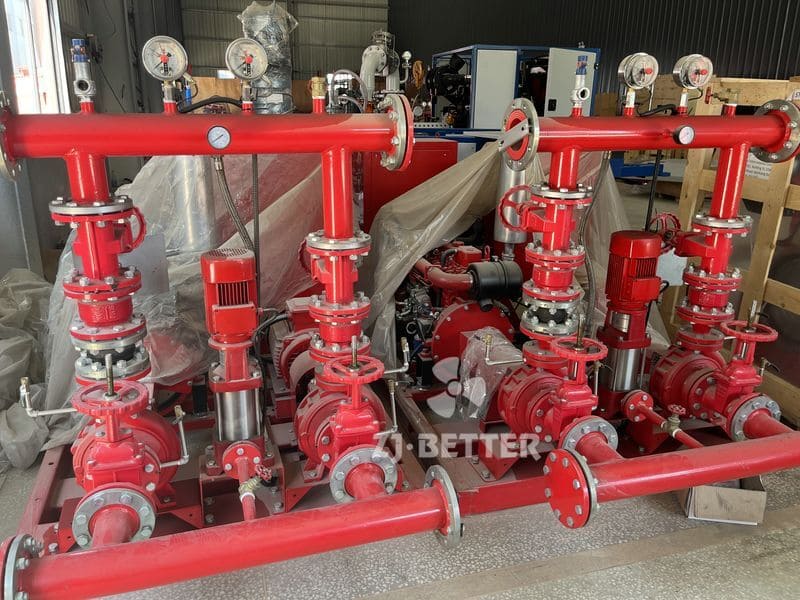
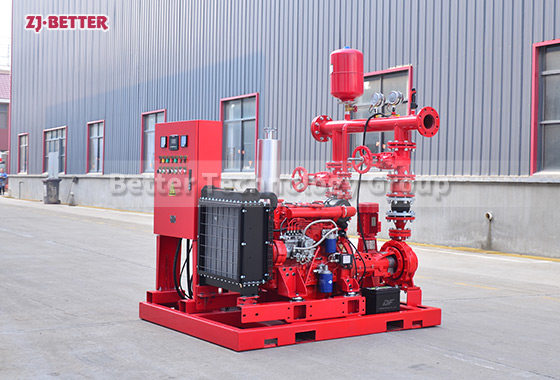
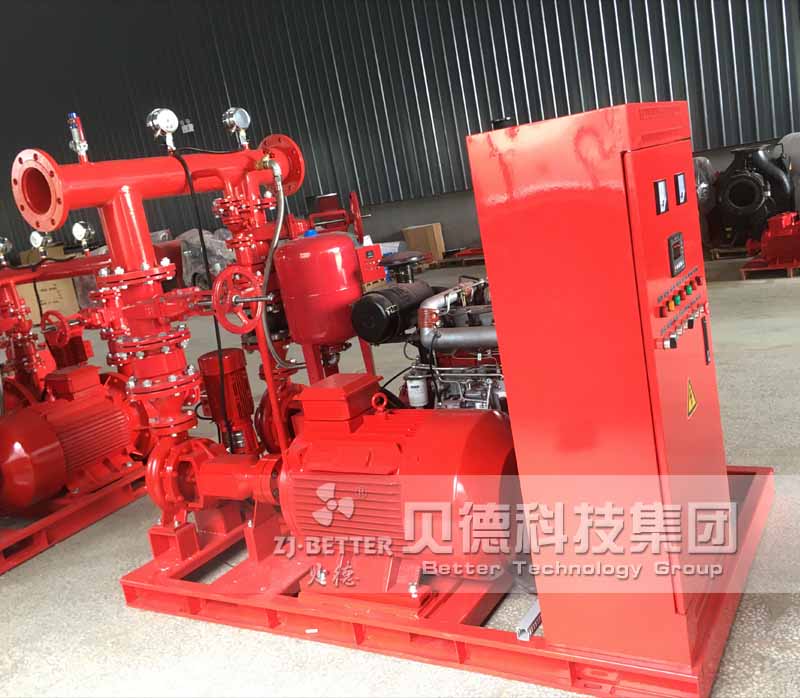
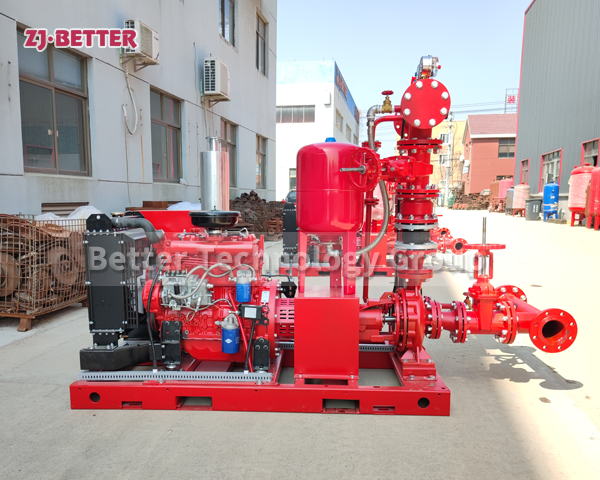
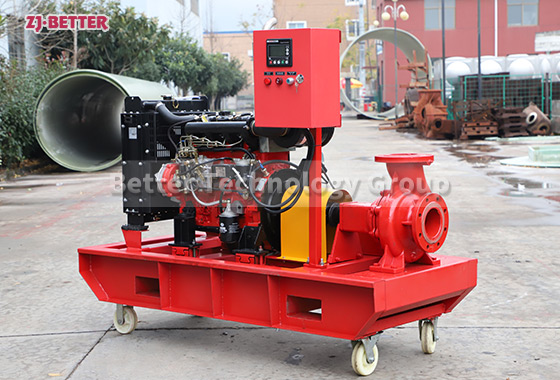
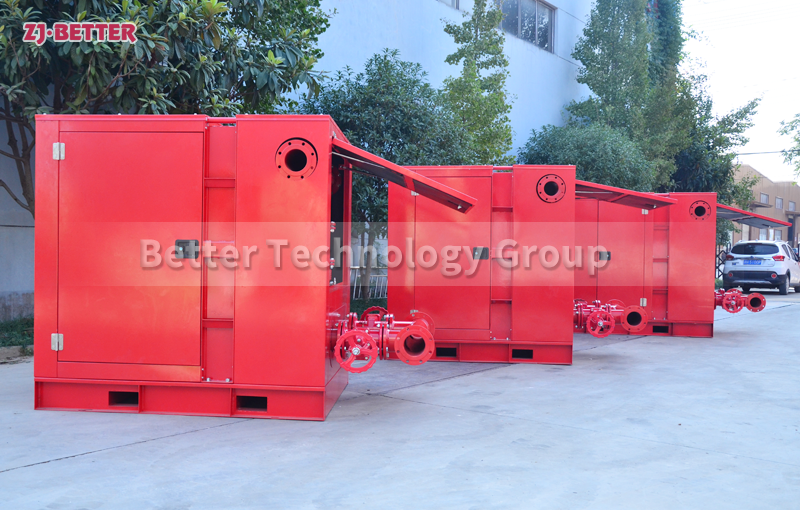
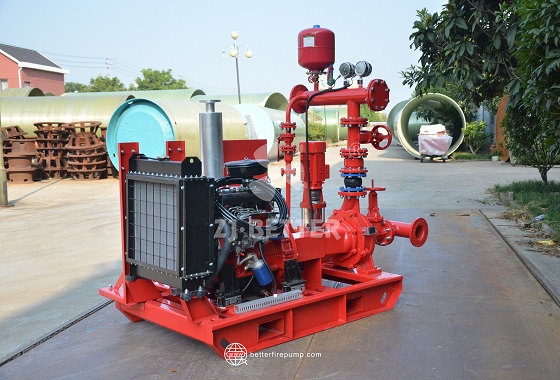
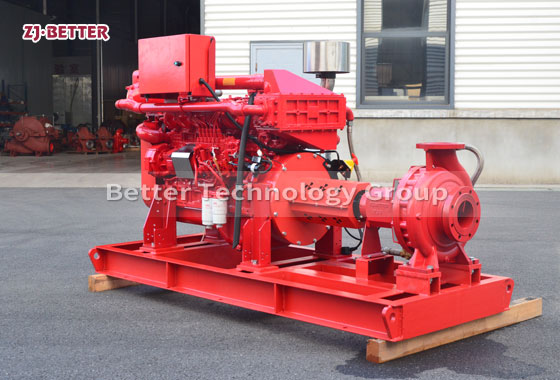
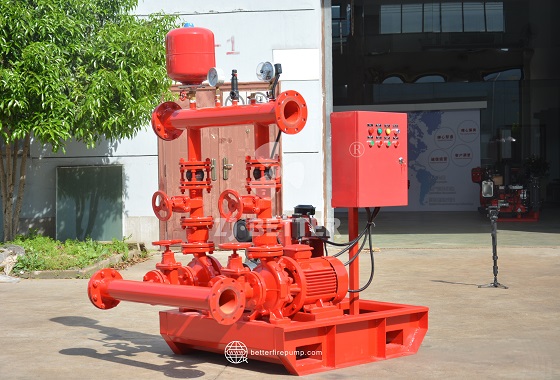
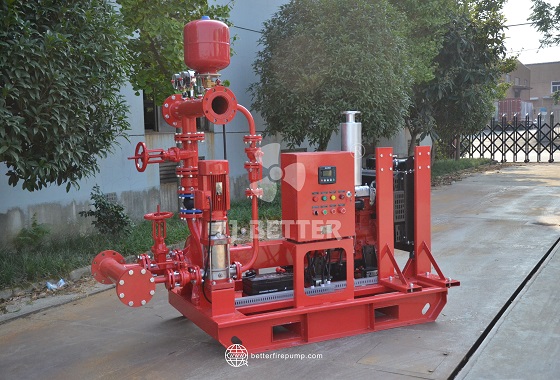
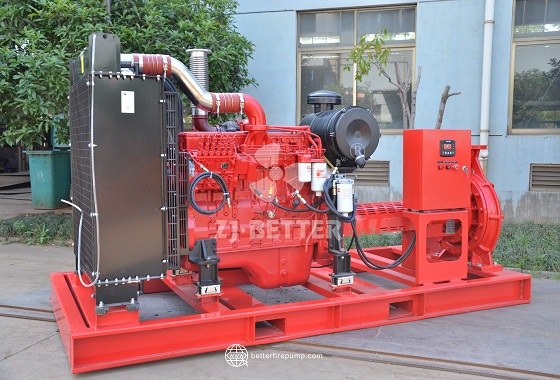
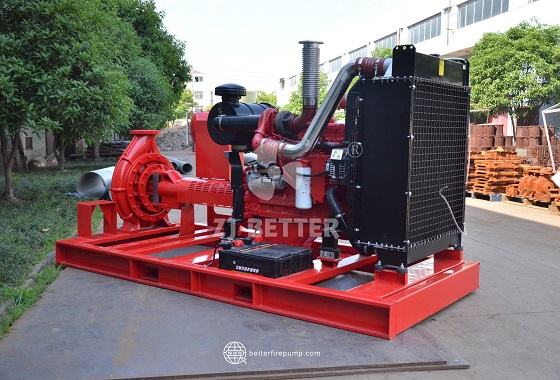
The diesel engine-driven skid-mounted fire pump unit is a fire water supply equipment that centrally installs a diesel engine, fire water pump, control system and related auxiliary components on a common base. The diesel engine is used to provide independent driving force, and the fire pump completes water source transportation and pressure increase. It is suitable for industrial plants, warehousing logistics, docks, airports, energy facilities and other fixed fire water supply projects. The product adopts a skid-mounted base structure, so that the power equipment and pumping equipment form a relatively complete overall unit, which is more convenient in terms of equipment transportation, on-site positioning and pipeline connection. According to the fire protection design requirements of different projects, the equipment can choose different types of fire pumps, and match them in combination with the design flow, head, speed and diesel engine power to maintain reasonable coordination between power output and hydraulic performance. Relevant product information shows that the flow rate of the diesel fire pump unit can cover about 30-9000 GPM, and the head can reach about 3-20 bar. The specific performance parameters should be determined based on the actual model and engineering design. As an independent power source, the diesel engine does not need to rely entirely on the fixed motor power supply for the operation of the fire pump, and has practical application value in fire protection systems that require backup power or independent water supply capabilities. The fire pump converts the mechanical energy provided by the diesel engine into the pressure energy and kinetic energy of the water flow through the rotation of the impeller, transports the fire water source to the pipe network, and selects the corresponding pump type according to different flow and lift requirements. The equipment can be configured with end-suction pumps, horizontal split-case pumps, vertical split-case pumps, vertical pipeline pumps or vertical turbine pumps in different forms according to project conditions to adapt to different water sources, installation spaces and hydraulic parameter requirements. The skid-mounted base is an important structural feature of this product. The diesel engine, fire pump and related accessories are installed centrally, which can reduce the on-site installation work caused by positioning multiple independent equipment separately, and at the same time facilitate the overall transportation and equipment layout. According to the project configuration, auxiliary components such as fuel systems, cooling systems, control cabinets, pressure sensors, pressure gauges, valves, flexible joints, and inlet and outlet pipelines can also be integrated, making the entire pump unit more suitable for overall configuration according to project requirements. The control system can be used for equipment operation management, and combines pressure sensors, instruments and other components to monitor the operating status of the fire water supply system; the specific automatic start, alarm and protection functions should be determined based on the control cabinet configuration and project standards used. In terms of performance matching, the power of the diesel engine is not bigger, the better, but should be reasonably selected based on the flow, lift, speed and actual working conditions of the fire pump to ensure that the engine output can meet the hydraulic performance requirements of the pump set, while avoiding under- or over-configuration of power configuration. For fire protection projects of different sizes, targeted configuration can be achieved by adjusting pump type, impeller specifications, diesel engine power and control methods. The skid-mounted structure of the equipment also facilitates later inspection and maintenance. Staff can centrally check the working status of the diesel engine, fire pump, fuel system, valves, pipelines and control components, which is conducive to daily equipment management. Overall, the diesel engine-driven skid-mounted fire pump unit has the characteristics of independent power, centralized installation, flexible parameter configuration and strong engineering adaptability. It can be customized according to the flow rate, head, water source conditions and installation environment of different projects, and provides matching power and pumping equipment for industrial, warehousing, energy, commercial and other fixed fire water supply systems. In actual application, the specific pump type, diesel engine power, flow rate and lift should be determined based on the fire protection design requirements, system operating points and relevant specifications to ensure that the entire set of equipment and the fire protection pipe network are reasonably matched.