Ensuring Continuous Water Flow in Critical Moments: Safety Assurance of Stationary Diesel Fire Pumps
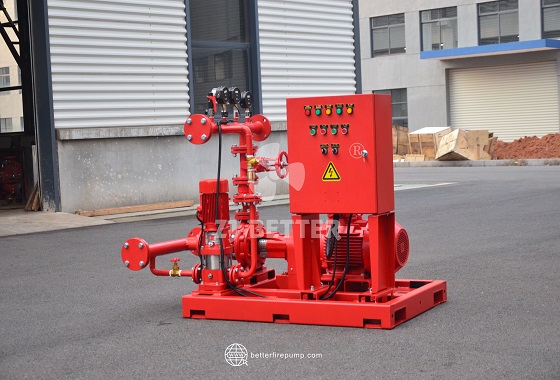
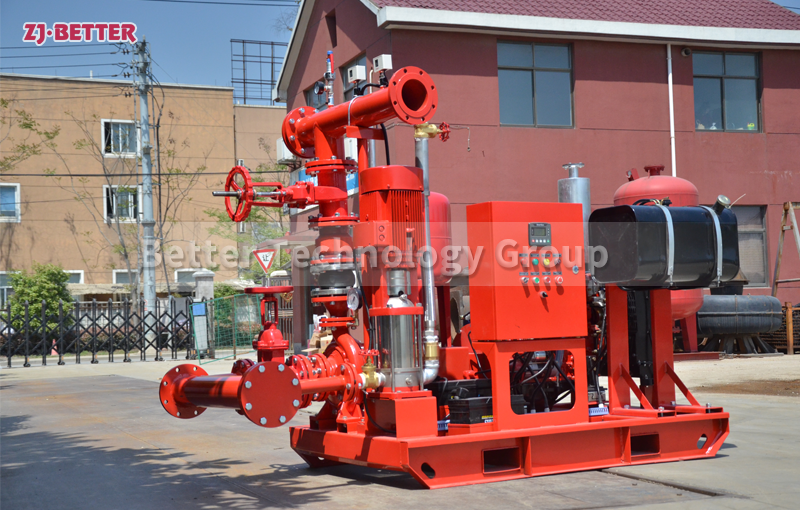
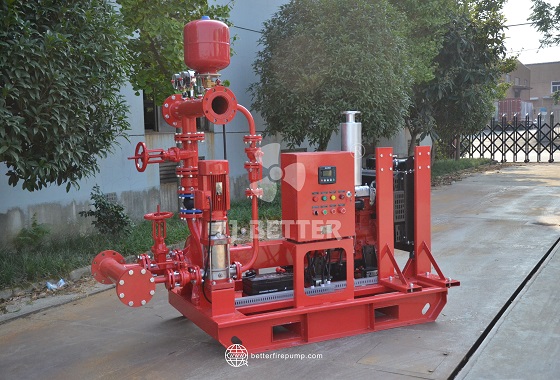
The stationary diesel fire pump provides independent operation and continuous water supply during power outages or system failures. With compact design, reliable performance, and easy maintenance, it ensures stable fire pressure for high-rise buildings, industrial zones, warehouses, and chemical facilities—delivering dependable fire protection when it matters most.
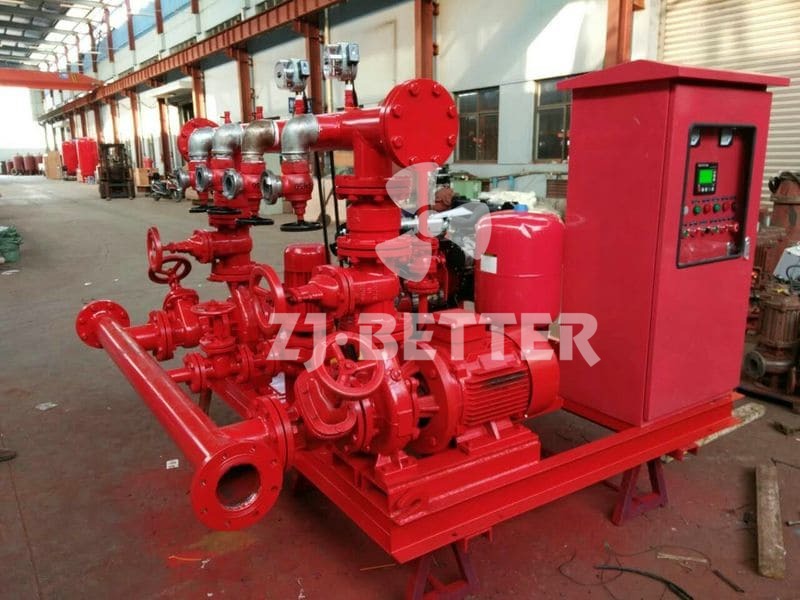
In any firefighting system, a continuous and stable water supply is crucial to the success of firefighting. As an indispensable core power device in modern firefighting systems, fixed diesel fire pumps, with their independent drive system, powerful power output, and high reliability, provide a solid guarantee for emergency firefighting water supply. They are widely used in a variety of critical locations, including high-rise buildings, industrial parks, storage and logistics bases, chemical plants, ports, and oil depots. Especially during power outages, unstable power supplies, or particularly hazardous environments, fixed diesel fire pumps demonstrate strong independent operation and long-lasting performance, becoming a vital barrier to protecting life and property.
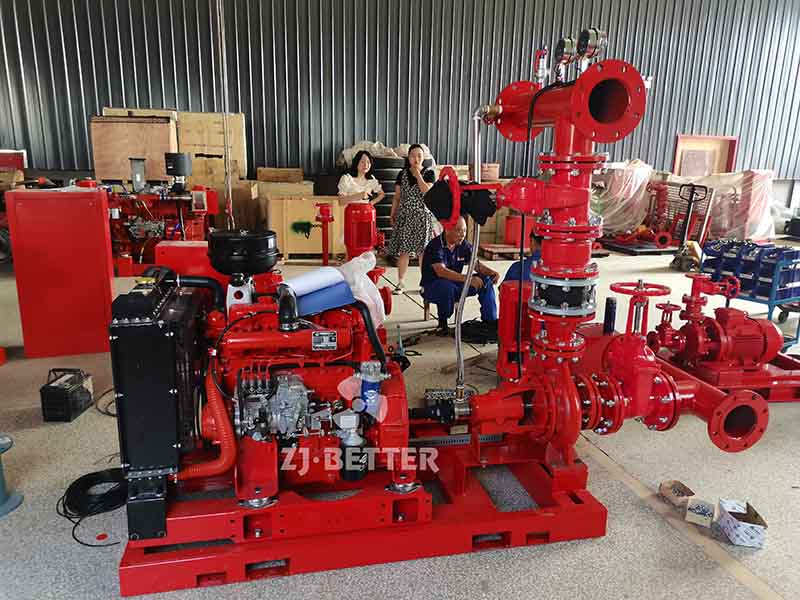
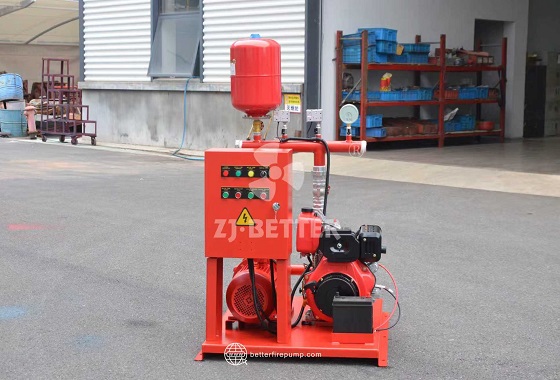
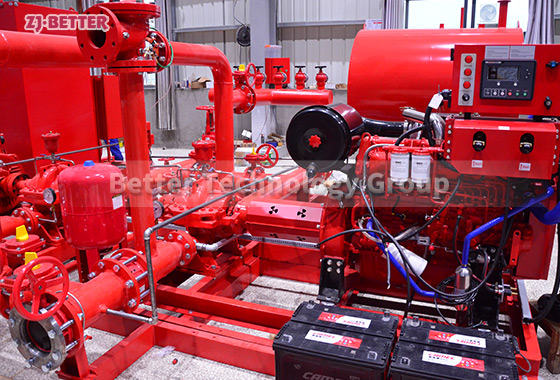
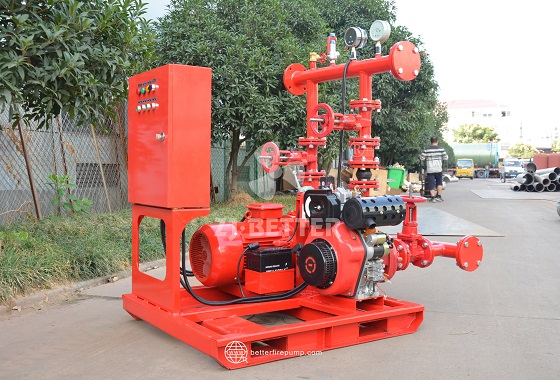
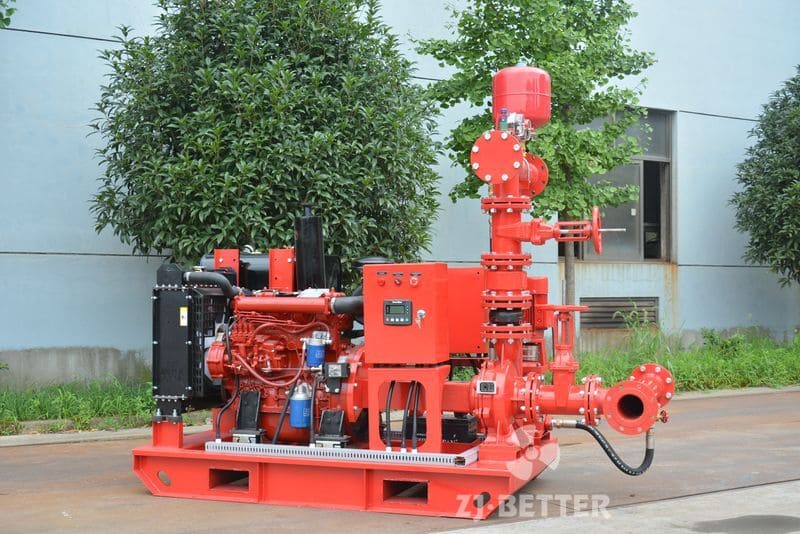
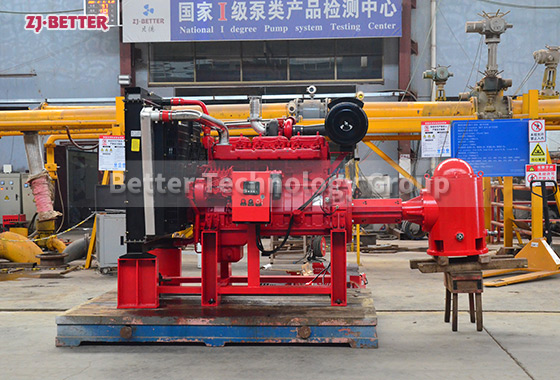
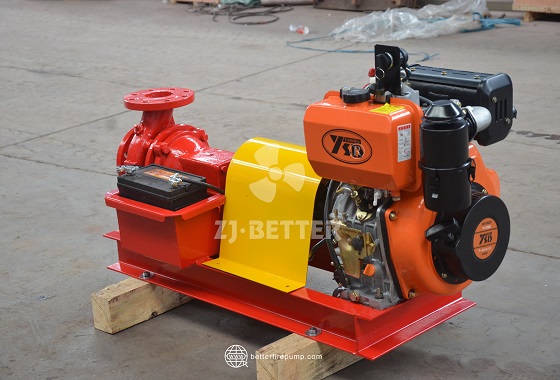
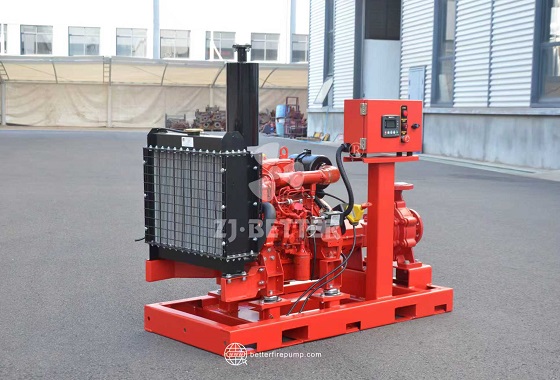
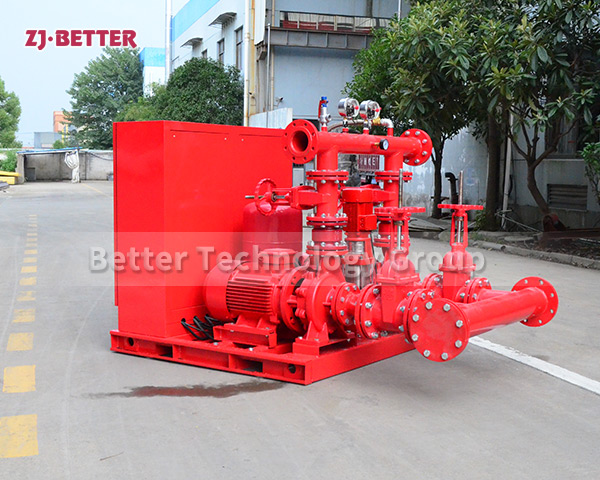
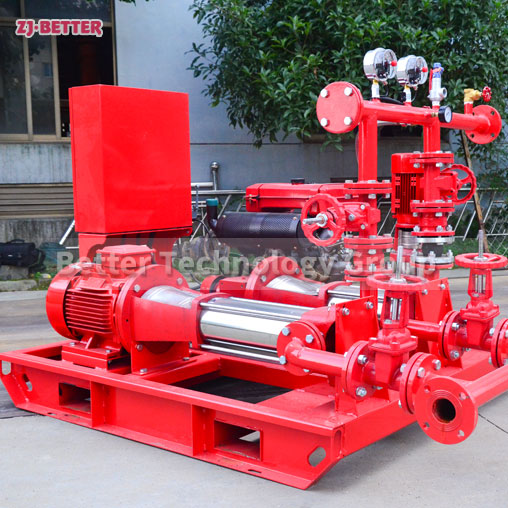
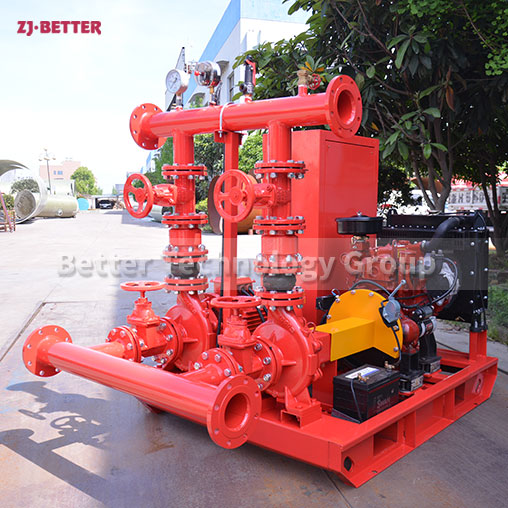
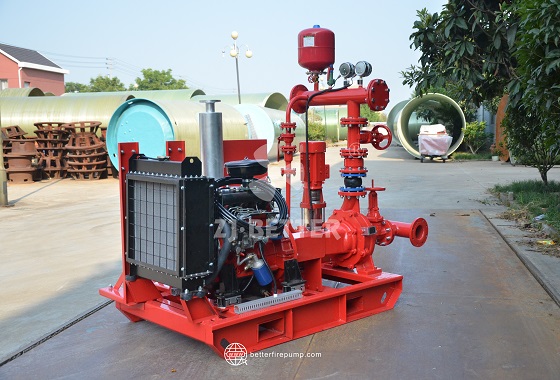
The core advantage of fixed diesel fire pumps lies in their powerful power system. Powered by a high-performance diesel engine, they operate independently without relying on external power. They can start quickly and maintain a continuous water supply in the event of a sudden power outage or main power system failure. The diesel engine features high torque, low fuel consumption, and quick start-up. Its sophisticated fuel injection system and efficient combustion technology deliver stable and sustained power output. Even under prolonged high-load operation, the engine maintains a constant speed and pressure, providing a reliable water source for the entire firefighting system. This independent drive structure ensures the fire protection system remains operational during any power outage, fundamentally resolving the passive nature of traditional electric fire pumps in power outage scenarios.
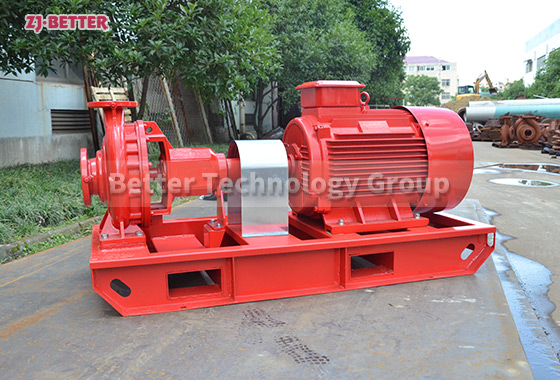
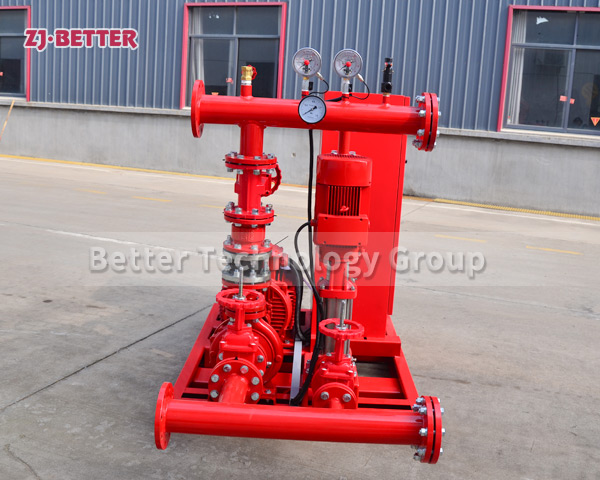
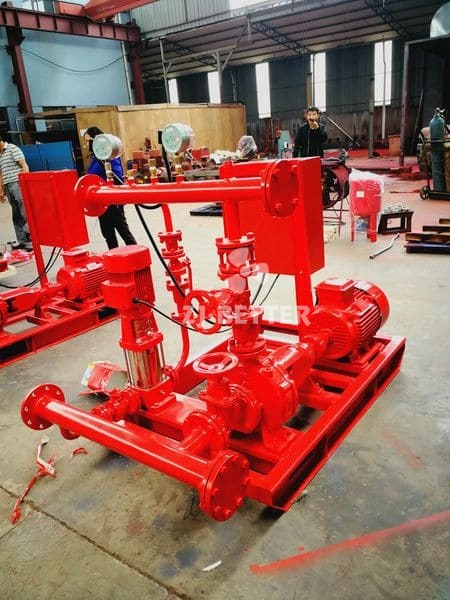
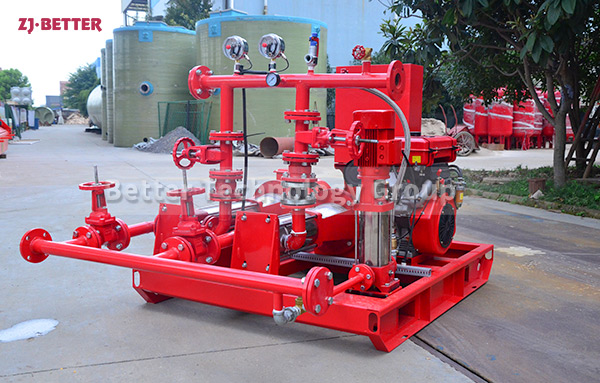
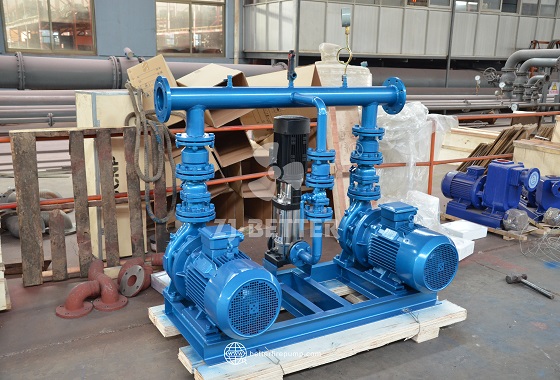
The pump utilizes a high-lift, high-flow centrifugal design, ensuring efficient water supply even in complex pipe networks and under high pressure. The pump body and impeller are precision-cast and anti-corrosion treated, ensuring they can withstand high-pressure water flow and mechanical wear without compromising efficiency. The optimized fluid channel structure effectively reduces energy loss and improves overall water delivery efficiency, making the pump unit particularly effective in supplying water to high-rise buildings or for long-distance water delivery. Furthermore, the unit is equipped with an advanced vacuum water induction system that rapidly completes water intake, significantly shortening the response time from startup to water delivery, saving valuable time for emergency response. This highly efficient water induction and delivery performance enables the stationary diesel fire pump to quickly function in actual firefighting and emergency scenarios, ensuring sufficient water pressure and uninterrupted water supply.
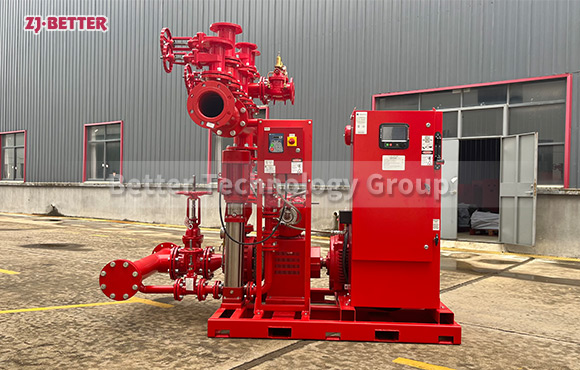
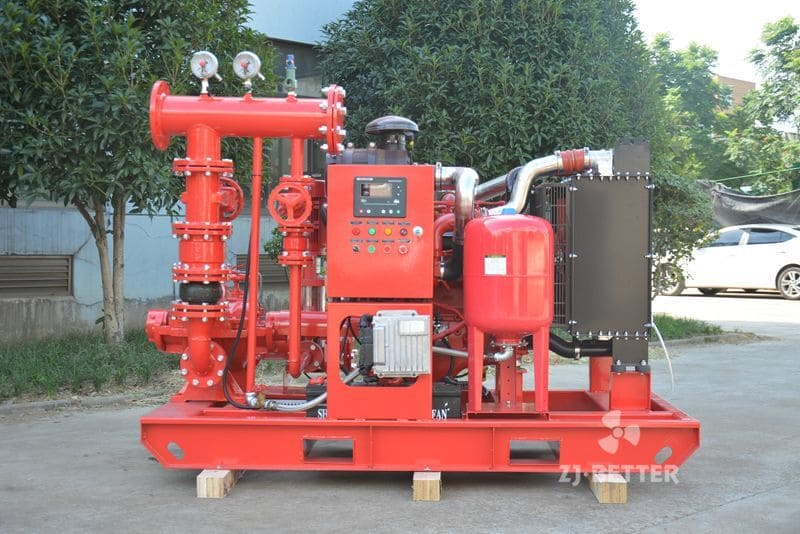
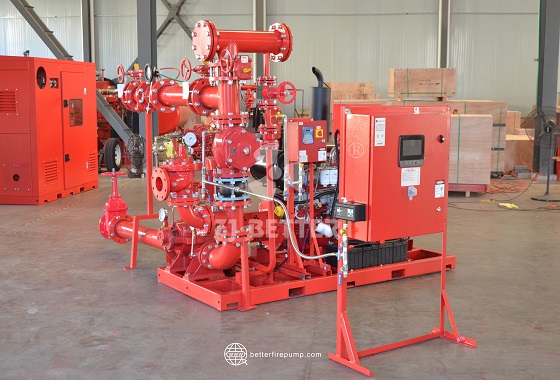
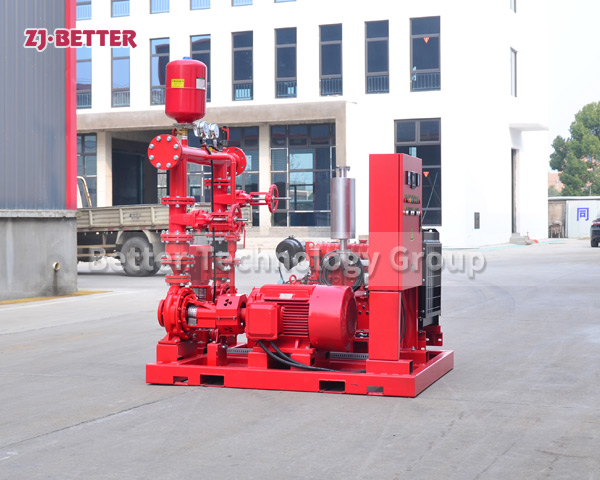
In terms of structural design, the stationary diesel fire pump utilizes a high-strength steel base and a vibration-resistant mounting system, ensuring stability despite long-term operation and ground vibration. The compact, integrated layout not only saves installation space but also facilitates transportation and on-site deployment. Its cooling system utilizes a combination of air and water cooling, maintaining the engine’s ideal operating temperature in high-temperature, high-humidity, or dusty environments, preventing overheating and performance degradation. The exhaust system is equipped with a silent muffler to effectively reduce operating noise, making it suitable for both urban and indoor environments. The entire unit boasts a high level of protection, including waterproof, dustproof, and corrosion-resistant, enabling long-term outdoor operation without environmental impact.
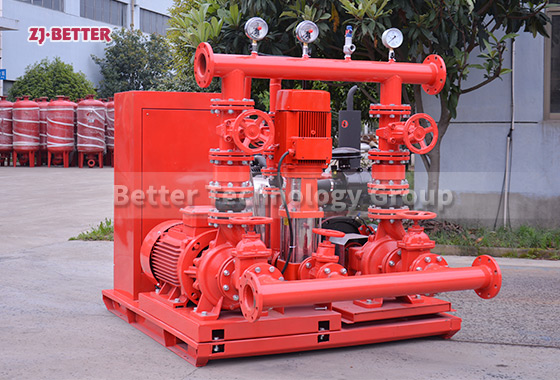
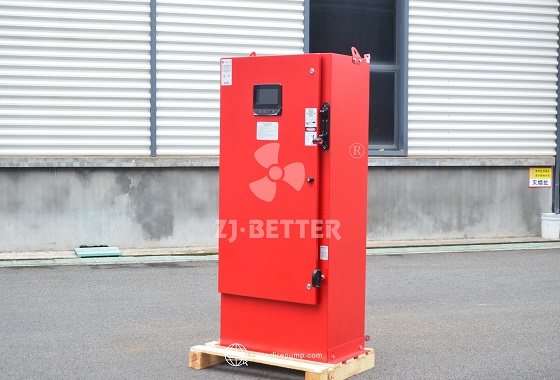
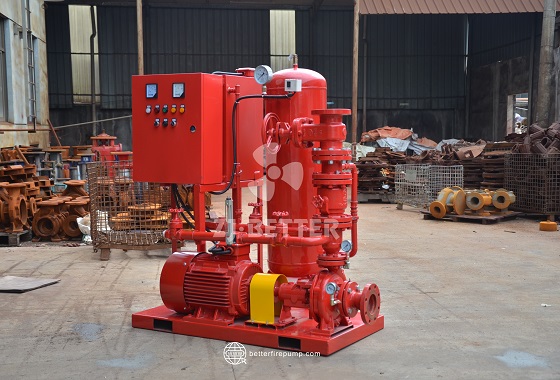
The control system is the intelligent hub of the stationary diesel fire pump. It integrates both automatic and manual control modes, enabling automatic start and stop based on system commands or fire signals. If an anomaly is detected in the main electric pump or power supply system, the diesel pump unit automatically starts and switches the water supply to ensure that the fire system’s water pressure remains within a safe range. The digital control panel monitors multiple operating parameters in real time, including water pressure, flow rate, speed, oil temperature, water temperature, and battery voltage. It also features audible and visual alarms and automatic shutdown protection. The simple and intuitive user interface allows on-site personnel to easily monitor equipment status, enabling intelligent “unattended, automatic response” operation.
Stationary diesel fire pumps demonstrate an excellent balance between energy utilization and economic efficiency. The efficient fuel system significantly reduces fuel consumption, enabling the equipment to maintain low energy consumption levels during extended operation. The optimized matching of the engine and pump transmission system reduces mechanical energy loss and improves overall operating efficiency. Regarding maintenance, the unit’s rationally designed structure allows for easy disassembly and inspection of key components, facilitating daily maintenance and servicing. Users can quickly perform oil changes, filter cleaning, and cooling system inspections, ensuring the equipment is always in optimal condition. Durable materials and anti-corrosion coatings further extend the equipment’s service life, reducing overall long-term operating costs.
Safety is also a significant advantage of stationary diesel fire pumps. The unit features multiple safety features, including alarms for low oil pressure, high water temperature, abnormal speed, low fuel, and automatic shutdown. In the event of an operational anomaly, the system immediately issues an alarm and initiates safety measures to prevent further malfunction or equipment damage. The fuel system design adheres to leak-proof and explosion-proof standards, and incorporates fire-resistant and heat-insulating materials to effectively safeguard the equipment and operating environment. Furthermore, the pump units have undergone numerous performance tests and safety certifications during the design phase, ensuring that each unit operates stably under high temperatures, high pressures, and harsh conditions.
In practical applications, fixed diesel fire pumps are widely used for emergency water supply in primary and backup fire water supply systems, as well as in independent fire stations. In the event of an anomaly in the main electric pump or municipal water supply, these pumps can take over water supply duties within seconds, ensuring the normal operation of fire sprinkler systems within buildings, factories, or facilities. Furthermore, these pumps can be used in large oil storage areas, chemical production lines, power plant cooling systems, and other locations for high-pressure water supply or cooling operations, ensuring the safety of critical equipment and production. In remote areas without power, such as oil fields, mines, or construction sites, fixed diesel fire pumps can independently handle firefighting and emergency water supply functions, demonstrating their strong practical value and reliability.
Overall, with their independent operation capabilities, high-efficiency output, intelligent control systems, and rugged design, fixed diesel fire pumps have become a crucial and safe power source in modern firefighting systems. They not only mitigate the risks associated with unstable power supplies, but also, through rapid response and continuous water supply, buy time for emergency rescue efforts and provide a solid foundation for fire safety. Whether in daily operation or emergencies, this equipment can support the reliable operation of the entire fire protection system with stable performance, safeguarding urban safety, industrial production, and life and property.