Home » Fire Pump Set » Complete Set Of Fire Pump Products

Complete Set Of Fire Pump Products

After several years of R&D testing and certification, Beide Technology Group Co., Ltd. has obtained FM/UL certification for its existing fire pumps after obtaining domestic 3CF certification, and joined the NFPA Fire Engineers Association. Beide Technology Group Co., Ltd. has been committed to providing human beings with more reliable, more energy-saving and safer pump products.

Rated 4.5/5 based on 578 customer reviews
Share:
Content

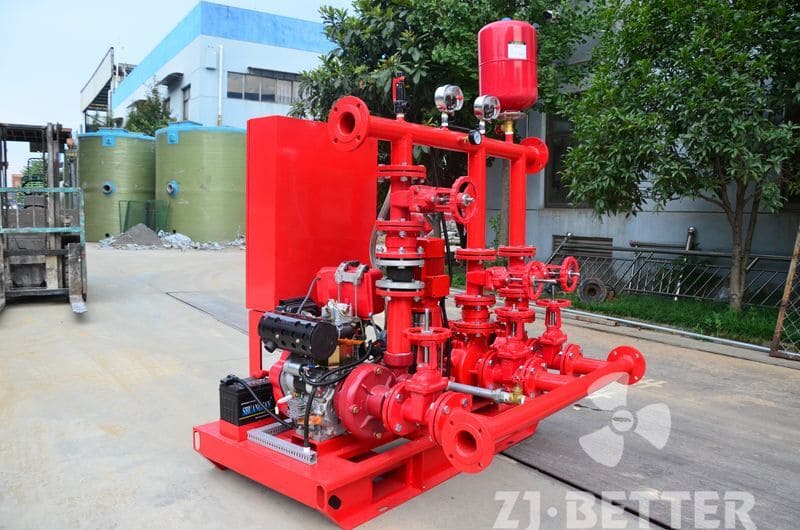
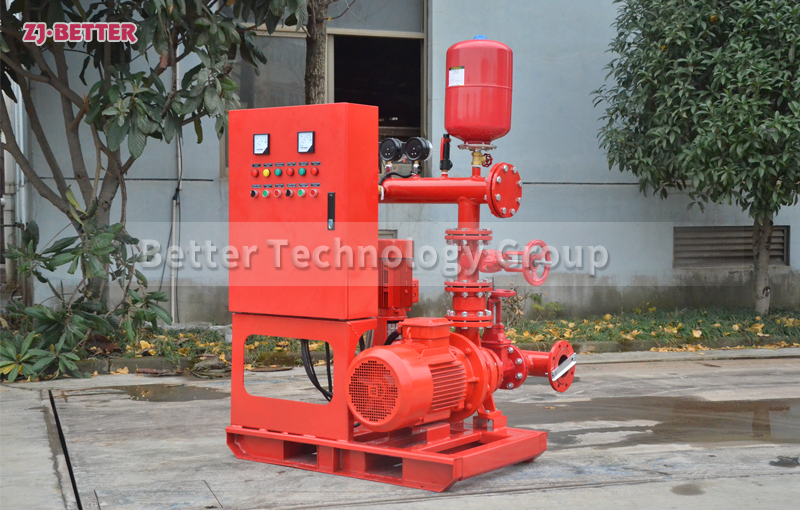
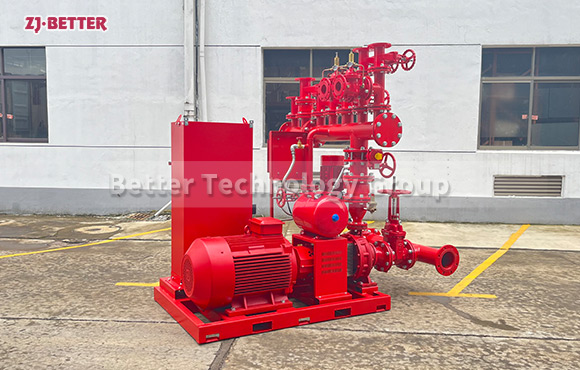
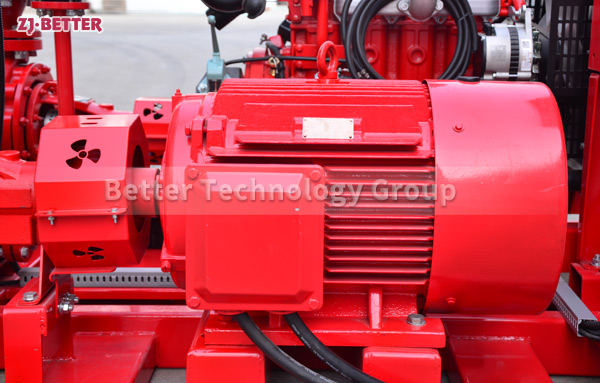
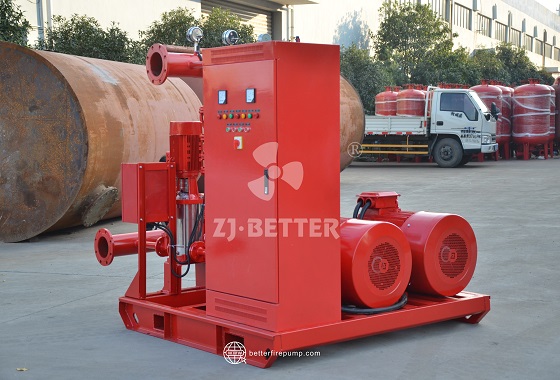
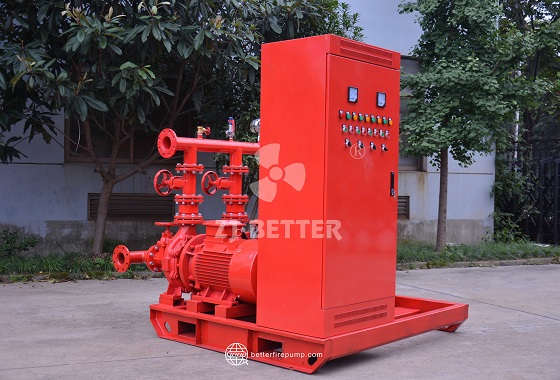
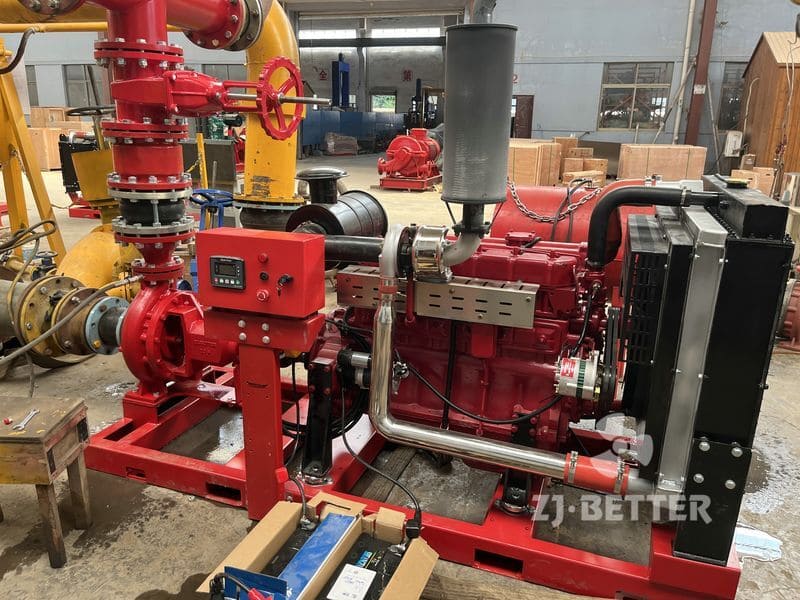
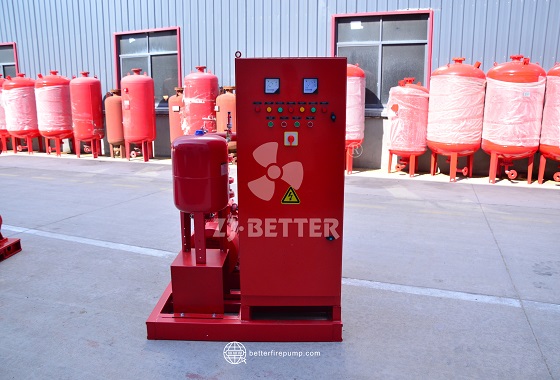
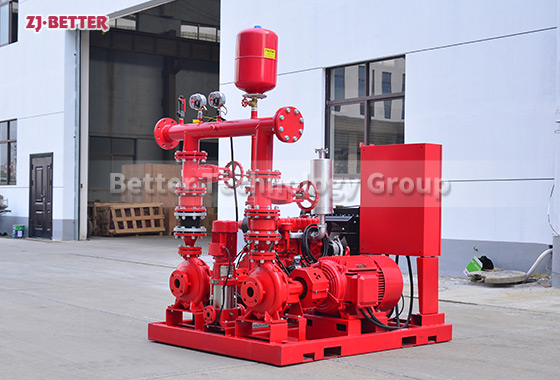
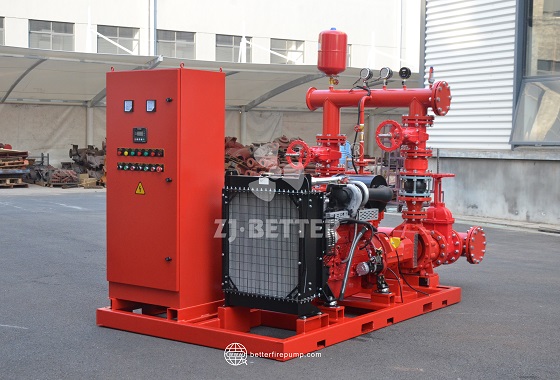
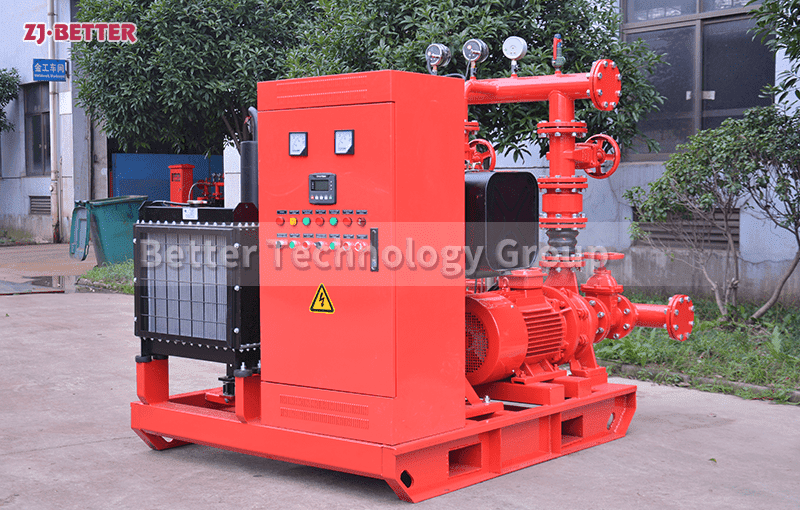
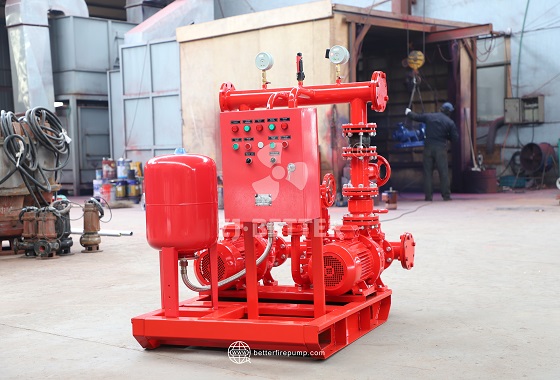
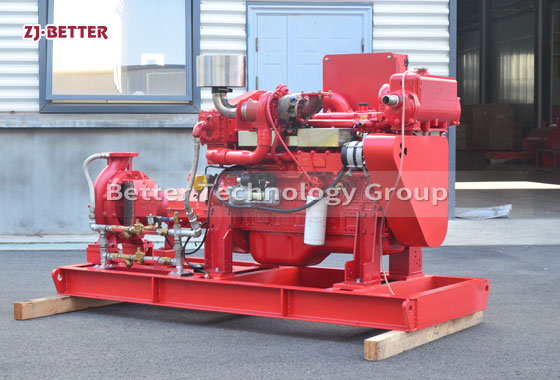
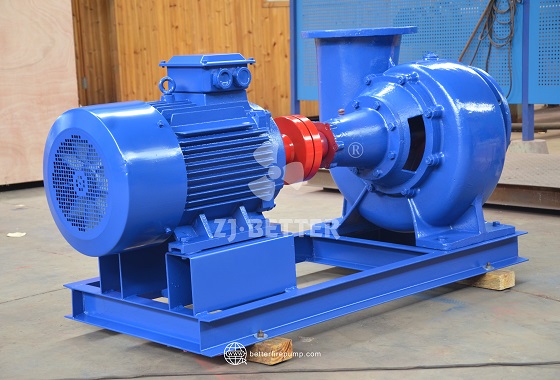
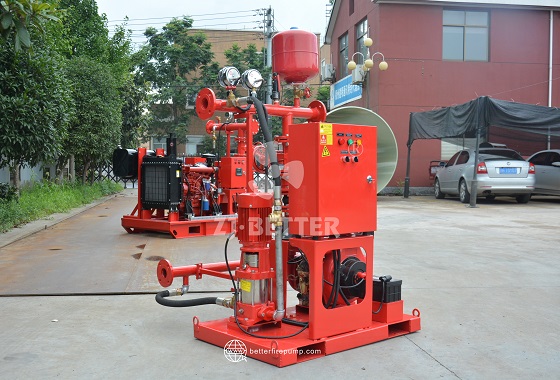
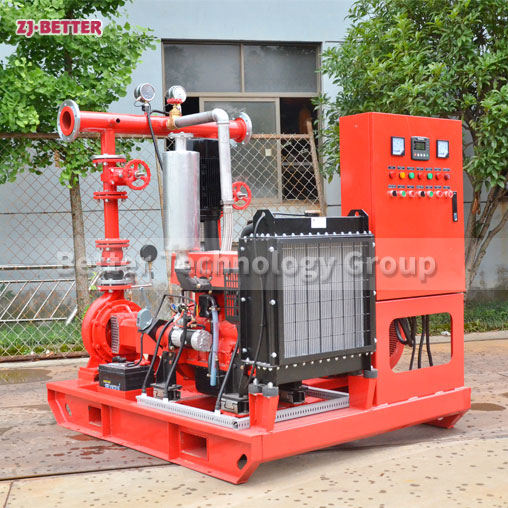
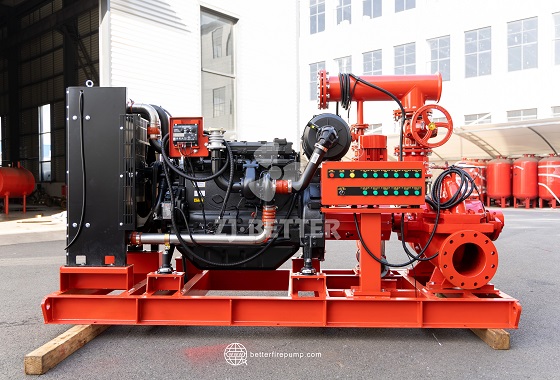
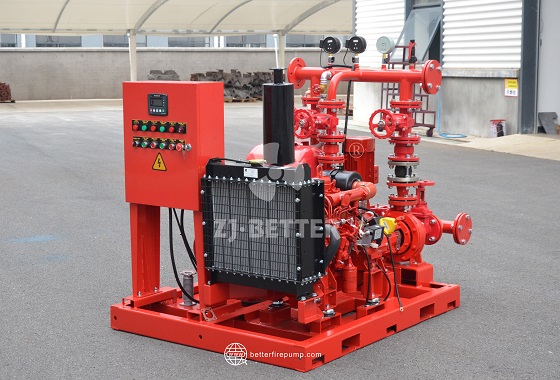
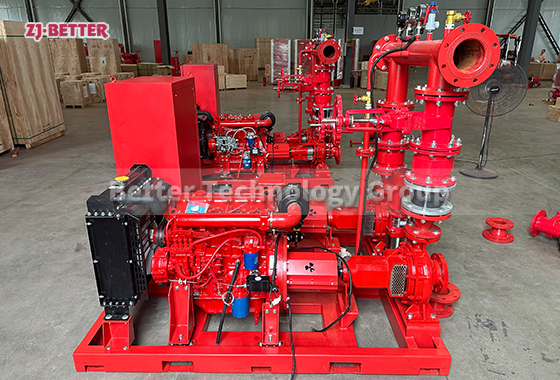
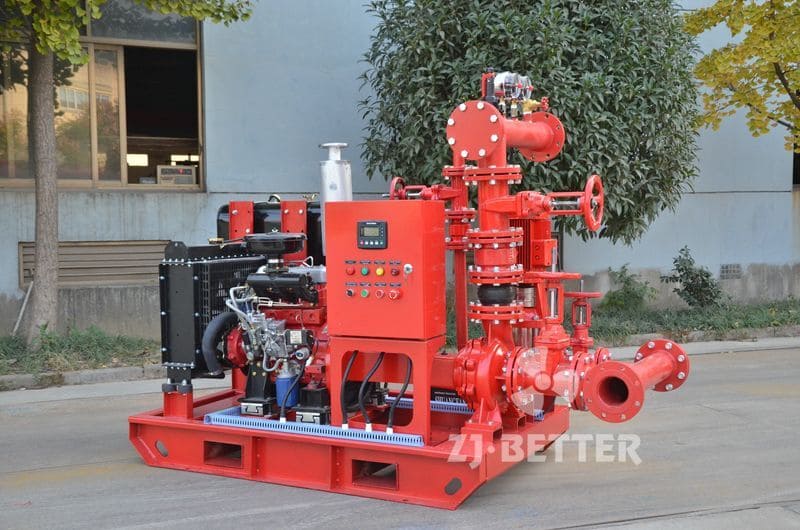
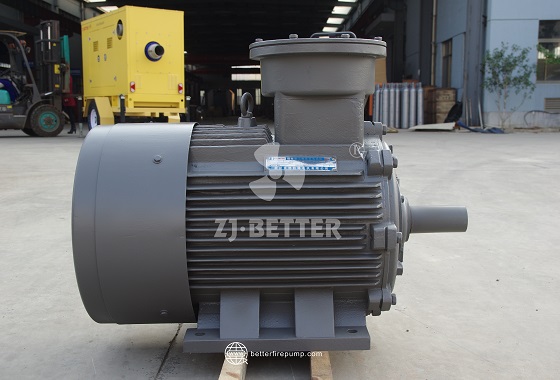
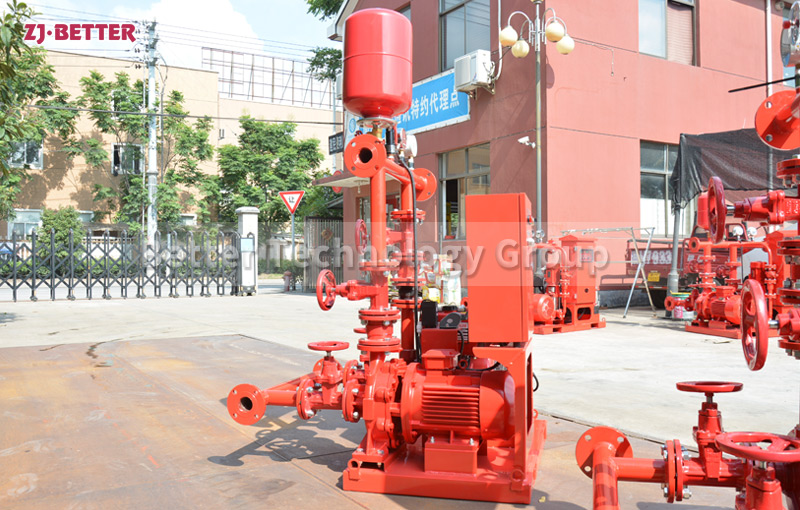
The electric motor fire pump is a relatively important water supply equipment in the fire protection system. The electric motor fire pump has a wide coverage of lift, flow and power, and can be used in many environments. Providing sufficient water supply is the key to ensuring emergency use. EDJ fire pump is composed of electric pump + diesel pump + jockey pump. There is no need to worry about power supply problems, and the three pumps are automatically switched. When purchasing fire pumps, you should choose regular and professional manufacturers. If there is a problem in the later stage, a special person will be responsible for solving it. Beide Technology Group Co., Ltd. is your best choice.
Inquiry


    More Fire Pump Set

    Fire pumps are classified into various types based on their specific applications and operational characteristics. The common classifications of fire pumps include:

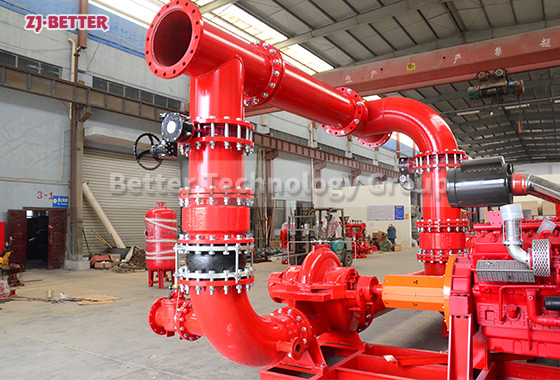
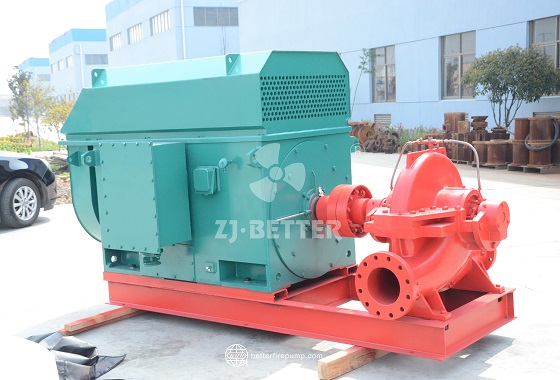
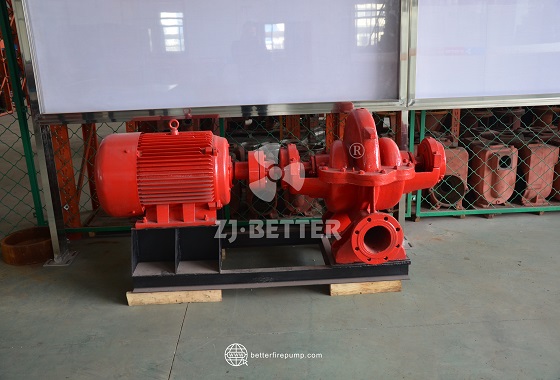
    Horizontal Split Case Fire Pumps: These pumps have a horizontally split casing, which allows easy access to internal components for maintenance and repairs. They are typically used in large-scale fire protection systems, such as industrial facilities, commercial buildings, and high-rise structures. Horizontal split case pumps are known for their high flow rates and can handle a wide range of pressures.

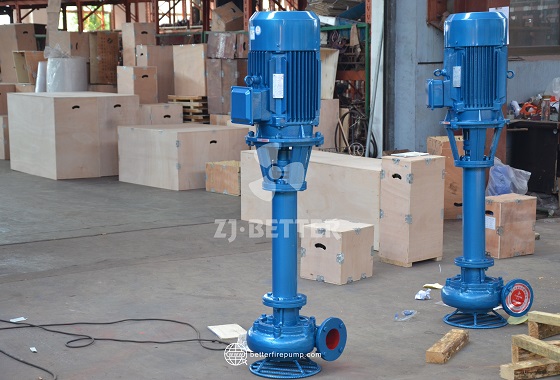
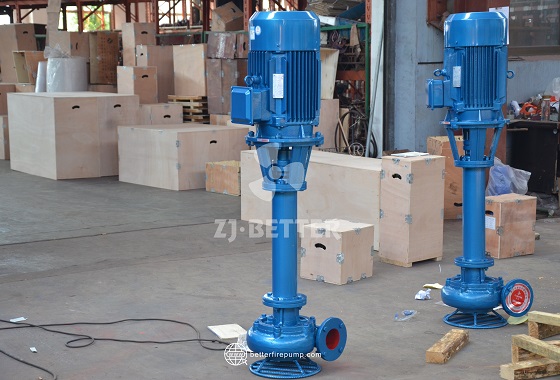
    Vertical Turbine Fire Pumps: Vertical turbine pumps have a vertical shaft and are designed to operate with submerged impellers. These pumps are commonly used in water sources such as wells, rivers, or lakes. Vertical turbine fire pumps are ideal for locations where space is limited, as they have a small footprint. They are also suitable for applications that require high pressures but lower flow rates.

    Vertical Inline Fire Pumps: Vertical inline pumps have a vertical design with the motor located above the impeller. These pumps are compact and space-saving, making them suitable for installations where floor space is limited. Vertical inline fire pumps are commonly used in commercial and industrial applications, such as office buildings, hospitals, and manufacturing facilities.

    End Suction Fire Pumps: End suction pumps have a single impeller mounted on the end of the shaft. They are widely used in various applications, including fire protection systems. These pumps are known for their simplicity, ease of maintenance, and cost-effectiveness. End suction fire pumps are typically used in smaller buildings, residential properties, and light commercial applications.

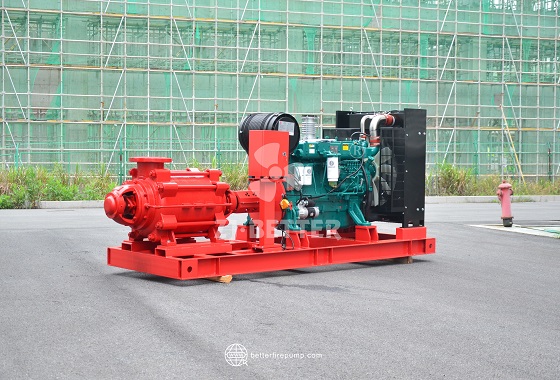
    Multistage Fire Pumps: Multistage pumps consist of multiple impellers arranged in series. Each impeller adds pressure to the water, allowing these pumps to deliver high pressures. Multistage fire pumps are suitable for applications that require high-pressure delivery, such as high-rise buildings, industrial plants, and sprinkler systems with demanding pressure requirements.

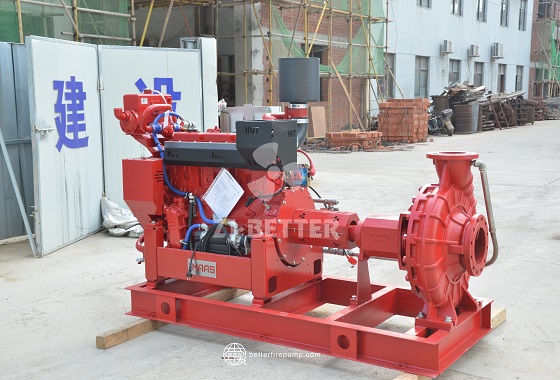
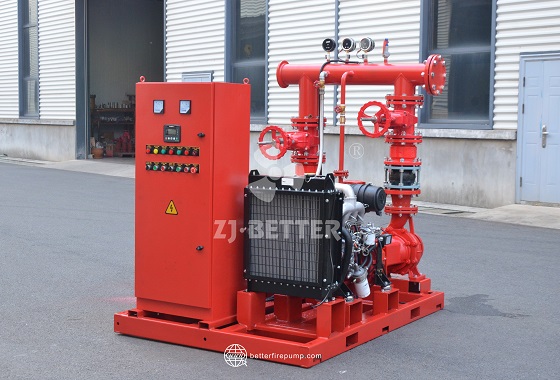
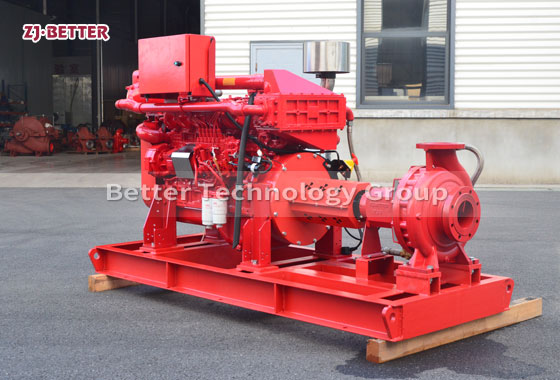
    Diesel-Driven Fire Pumps: Diesel-driven fire pumps are powered by diesel engines, providing a reliable source of power in situations where electricity may be unavailable or unreliable. These pumps are commonly used in remote locations, off-grid areas, and critical infrastructure where continuous operation is essential. Diesel-driven fire pumps are known for their durability and ability to deliver high flow rates and pressures.

    It’s important to note that these classifications are not exhaustive, and variations of fire pumps exist within each category. The choice of fire pump classification depends on factors such as system requirements, available space, flow rates, pressure requirements, and power sources. Consulting with fire protection experts or system designers can help determine the most suitable fire pump classification for a specific application.

    First, what’s a water pump? It’s a device used to transport liquid, pressurize the liquid, and make the liquid from the first liquid position to the high liquid position. The first water pump constructed by the Chinese is called” water windmill”. latterly, around 300 BC, the emergence of the” Archimedes screw pump” is more analogous to ultramodern pumps. In addition, the following introductory knowledge points are what you must understand.
    1. Centrifugal pump

    Centrifugal pump is the most common type of pump. In simple terms, the working principle of centrifugal pump is to rotate the impeller to drive the liquid under the action of centrifugal force. The liquid leaves the impeller and enters the volute. As the inflow passage of the volute gradationally expands, the fluid haste slows down, and the pressure rises continuously, and eventually it’s discharged through the conduit.
    2. Impeller
    The impeller is one of the main factors in the water pump, and it’s the core element that transmits mechanical energy to the liquid. The impeller is substantially divided into three types open type,semi-open type and closed type. The material conditions for the impeller are high, wear resistance is needed, and the manufacturing process is good.

    3. Cavitation

    Cavitation is the conformation of numerous bitsy recesses when the liquid connections the liquid under high- speed inflow and pressure, and gradationally expands into grottoes when serious, and cavitation frequently occurs in the impeller and pump covering.