Diesel Fire Pump Set with Integrated Control Panel and Piping for Easier Installation
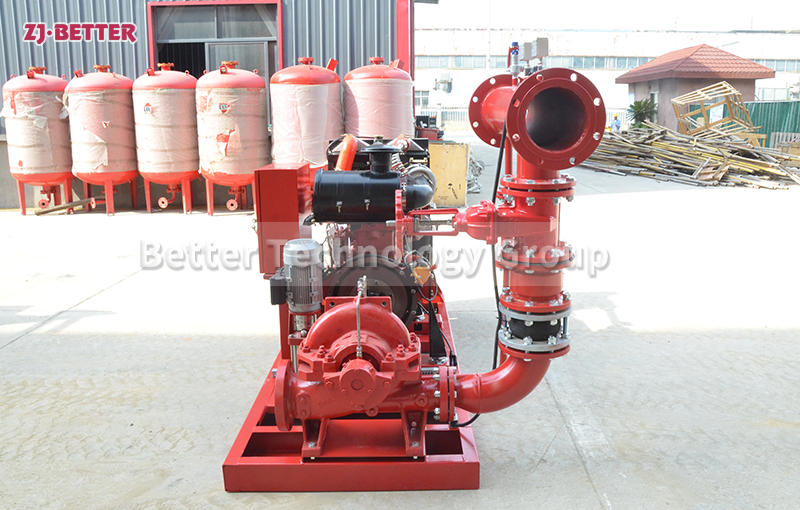
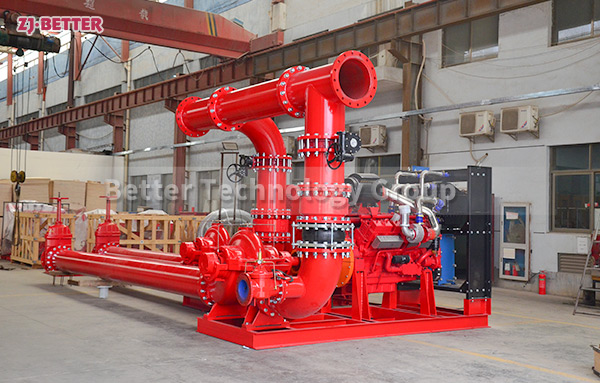
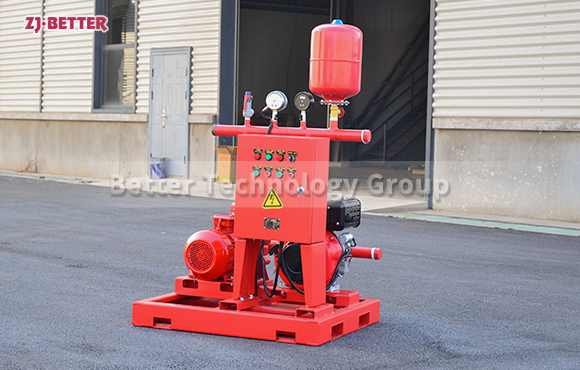
The diesel fire pump unit integrates a diesel engine, fire pump, control cabinet, and a complete piping system, supporting automatic control and pressure monitoring. Featuring a compact design and easy installation, it meets emergency fire water supply requirements for industrial sites, warehouses, and large-scale facilities.
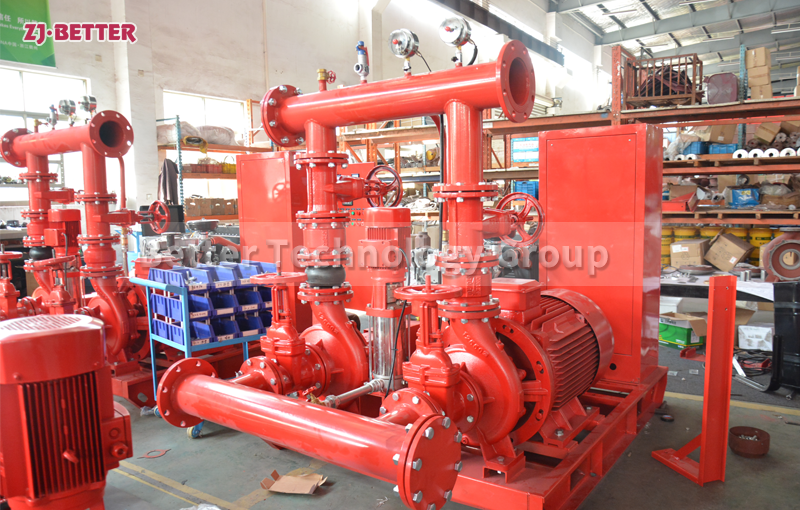
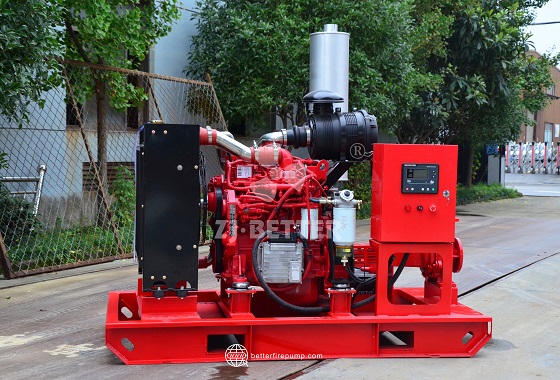
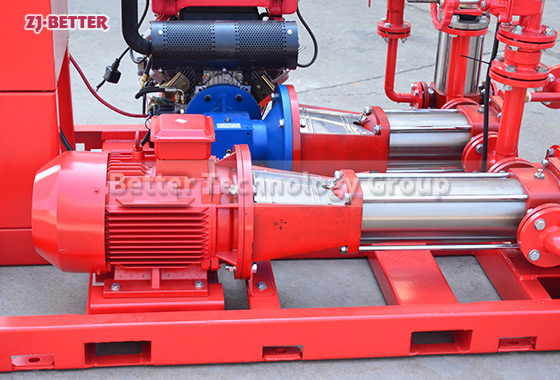
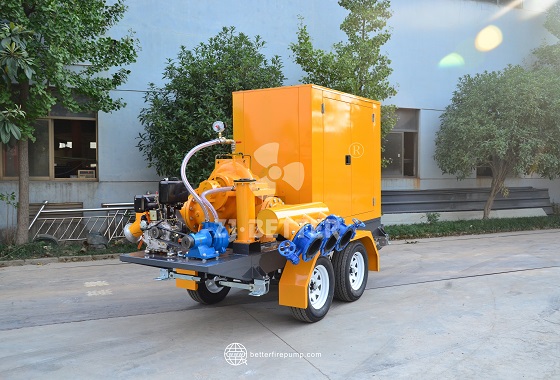
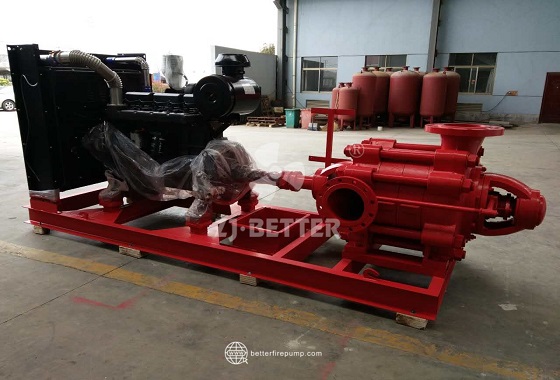
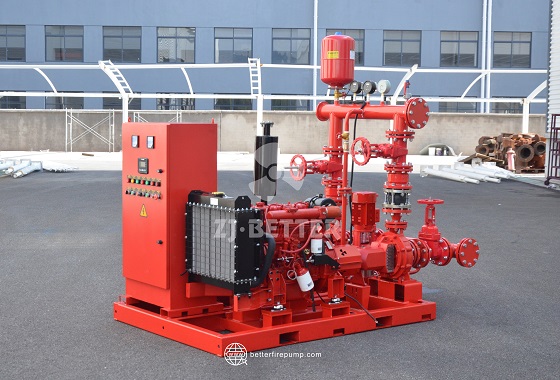
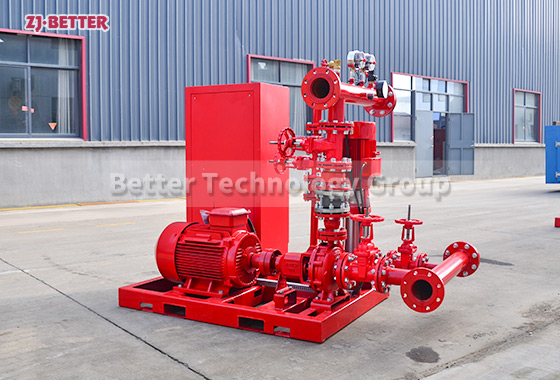
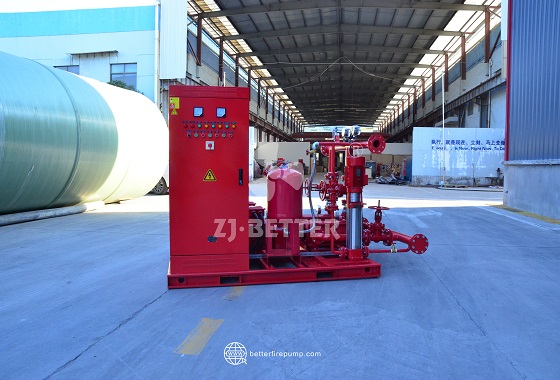
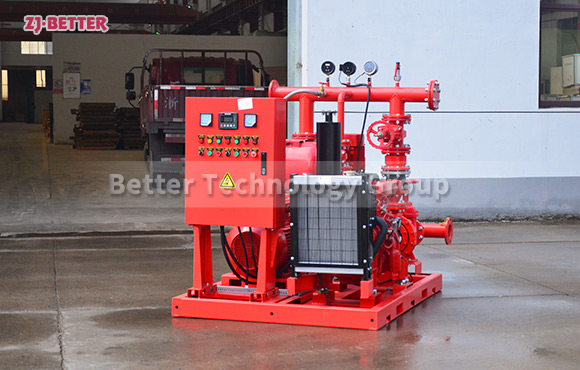
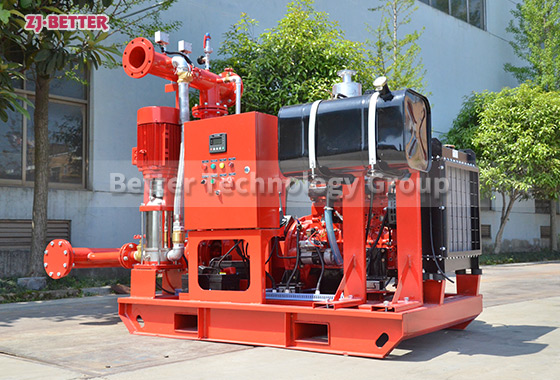
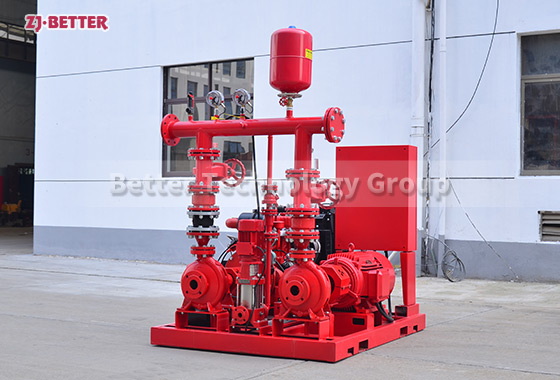
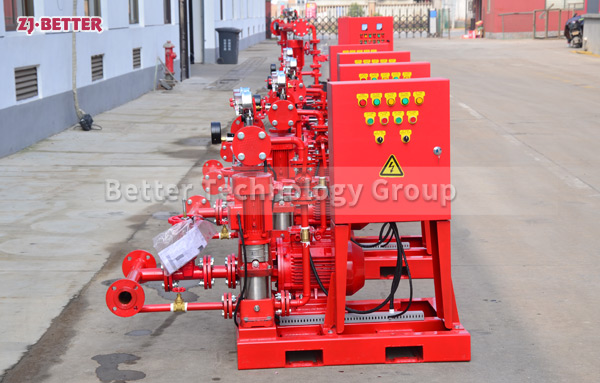
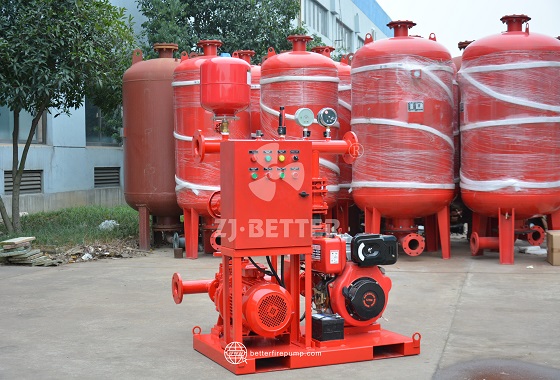
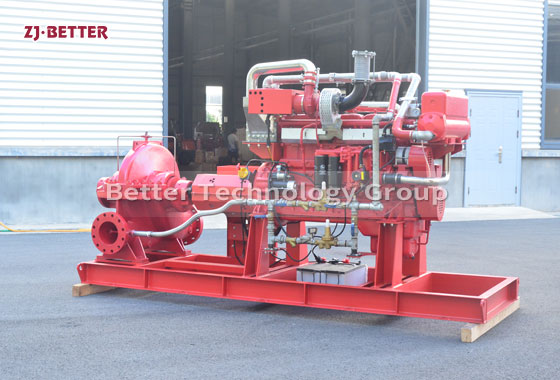
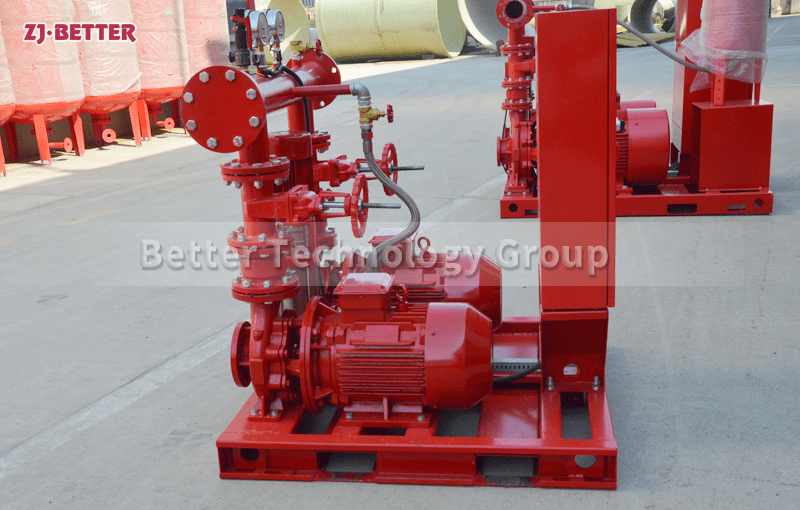
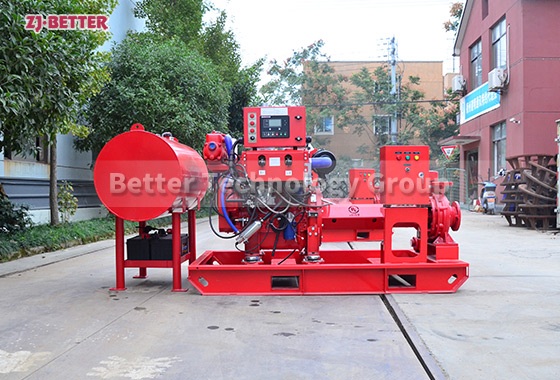
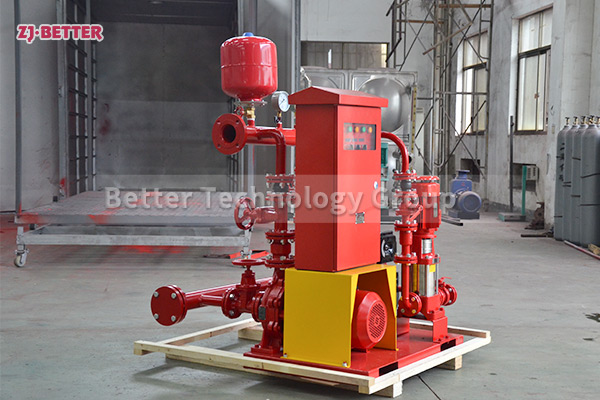
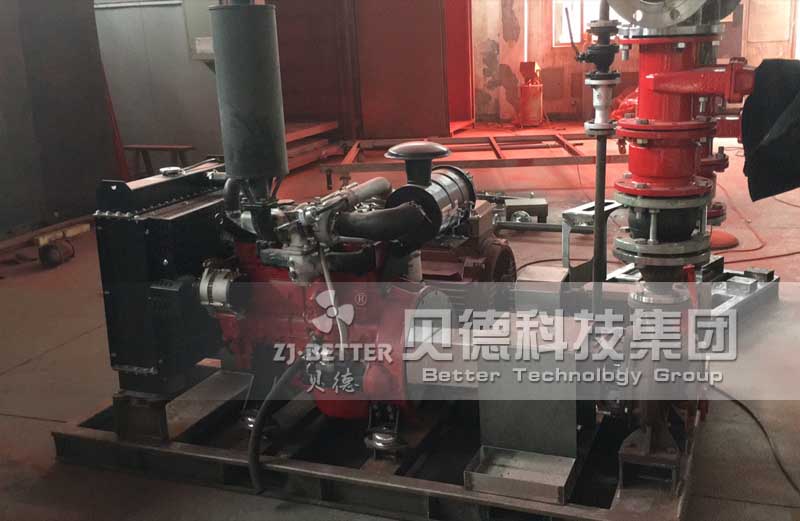
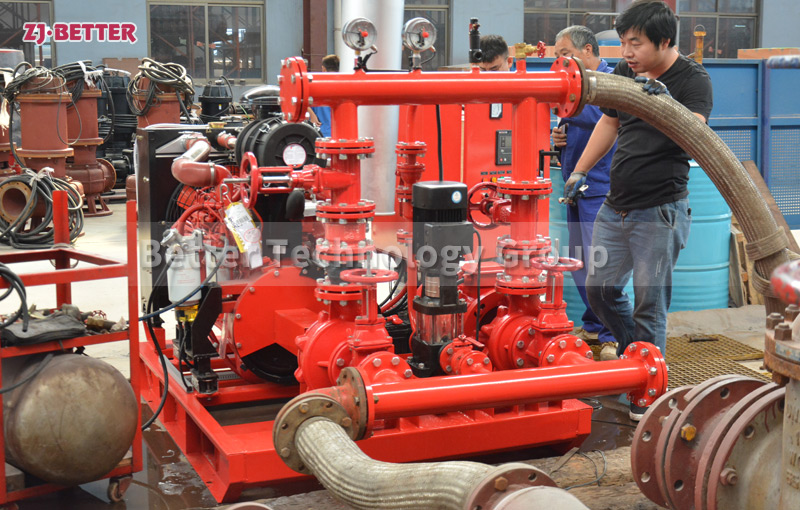
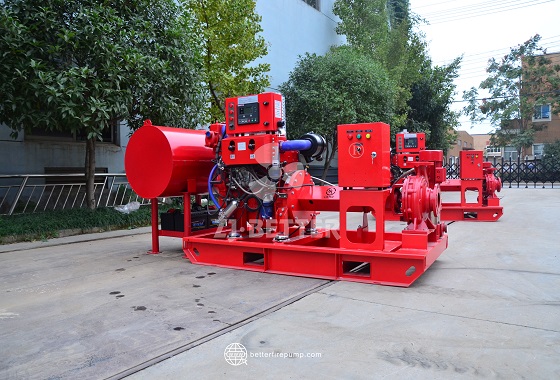
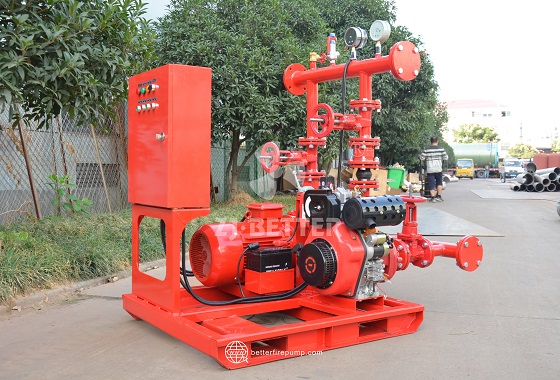
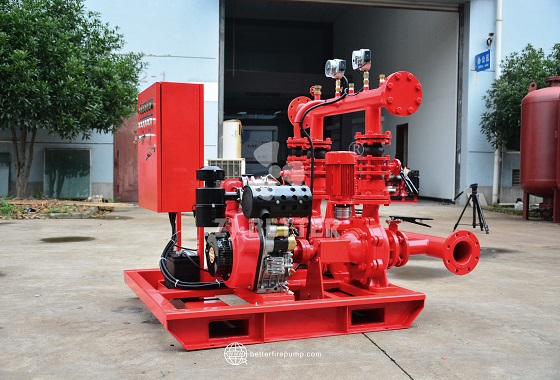
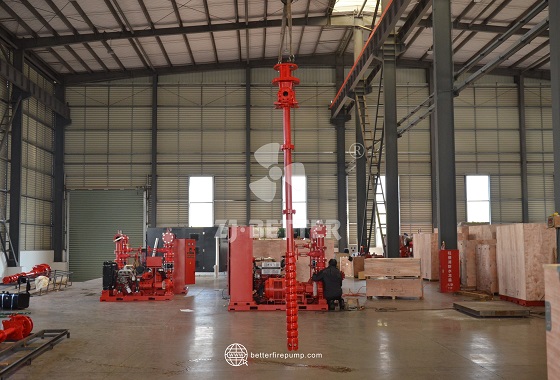
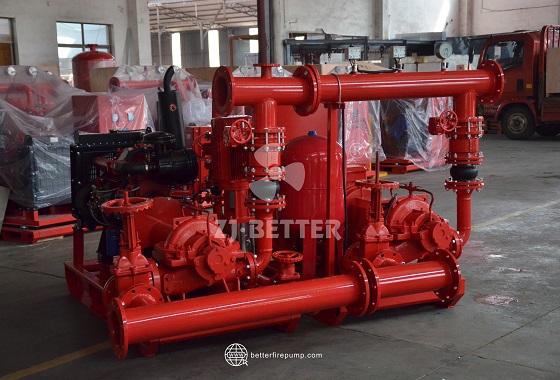
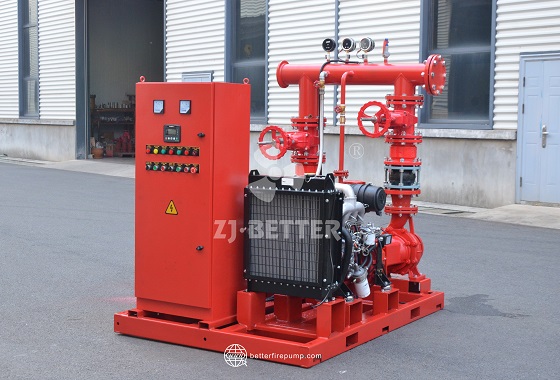
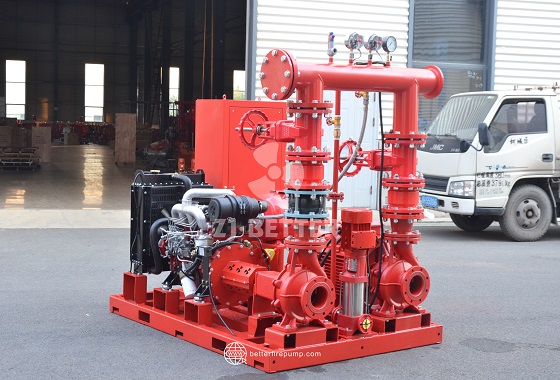
The diesel fire pump set is an integrated fire water supply system comprising a diesel engine, a main fire pump, a control cabinet, and piping accessories. Characterized by independent power, a compact structure, comprehensive configuration, and ease of installation, it is suitable for facilities requiring high reliability in fire water supply, such as industrial plants, warehouses, docks, airports, petrochemical and power facilities, and marine vessels. Powered by a diesel engine, the system delivers stable flow and pressure to the piping network when fire water is required; compared to systems relying solely on electric power, it is better suited for scenarios demanding an independent power source. The unit features an integrated design where the diesel engine, fire pump, control cabinet, pressure instruments, valves, and suction/discharge piping are mounted on a common base. This minimizes the on-site workload associated with component positioning, piping connections, and accessory installation—thereby enhancing installation efficiency—while creating a neat, organized structure that facilitates transport, positioning, commissioning, and maintenance. The control cabinet is a key component that automatically manages the diesel fire pump and jockey pump; it incorporates protective functions (such as overload and overcurrent protection) to simplify operation and management. Pressure gauges and sensors provide real-time system pressure data to support startup control, commissioning, and operational monitoring. The piping system can be configured with check valves, gate valves, pressure vessels, pressure instruments, flexible joints, flanges, and common suction/discharge headers to ensure a seamless connection between the pump set and the on-site fire piping network. Depending on specific project requirements regarding flow rate, head, and installation conditions, the system can utilize various pump types—such as end-suction pumps, horizontal double-suction pumps, vertical split-case pumps, vertical in-line pumps, or multistage pumps—and be constructed from materials like cast iron, stainless steel, or bronze to accommodate diverse water qualities, pressures, and operating environments. According to product specifications, this series of diesel fire pump sets offers a flow rate range of approximately 30–9,000 GPM, a head of about 3–20 bar, and an operating speed of 740–2,900 r/min, with port sizes spanning 25–800 mm. As the diesel engine and fire pump power ratings can be matched to specific project parameters, the system meets diverse requirements ranging from small-to-medium-scale fire water supply to large-scale industrial fire protection systems. The jockey pump—available in horizontal or vertical configurations—features relatively low flow and high head; it primarily maintains normal pressure within the fire piping network, thereby minimizing frequent start-ups of the main fire pump caused by minor pressure fluctuations. When the system demands a high volume of fire-fighting water, the main diesel fire pump engages to deliver the necessary flow and pressure. By integrating the power unit, control system, pressure monitoring system, and piping into a unified assembly, the equipment streamlines on-site installation and clarifies component interconnections, facilitating construction, commissioning, and routine maintenance. For industrial, commercial, and large-scale facility fire protection projects requiring reliable emergency power and rapid deployment, these complete diesel fire pump sets ensure a stable emergency water supply through optimized pump selection, power matching, and piping configuration.