Diesel Driven Fire Pump with Automatic Control for Improved Emergency Starting
The diesel-driven fire pump is equipped with an automatic control system, using independent diesel power, high-efficiency fire pumps, intelligent control cabinets, automatic charging, preheating and multiple safety protections to support quick start and stable water supply. It is suitable for industrial plants, warehouses, airports, ports, petrochemicals and large-scale fire protection projects.
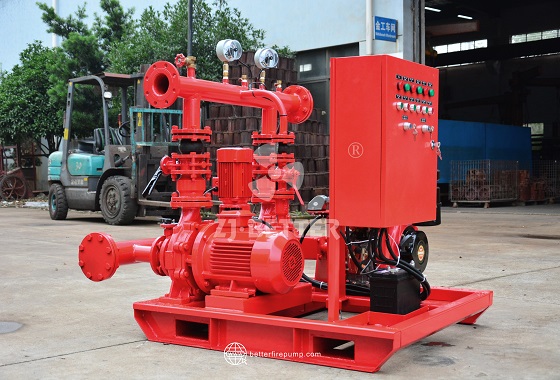
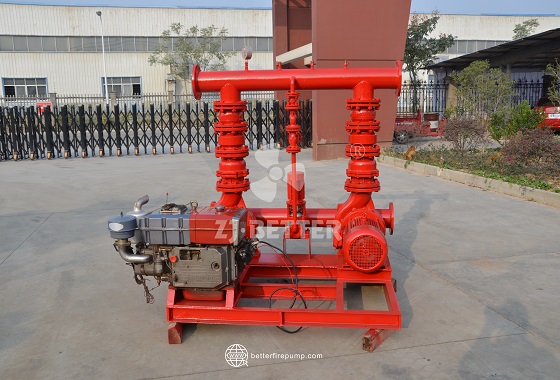
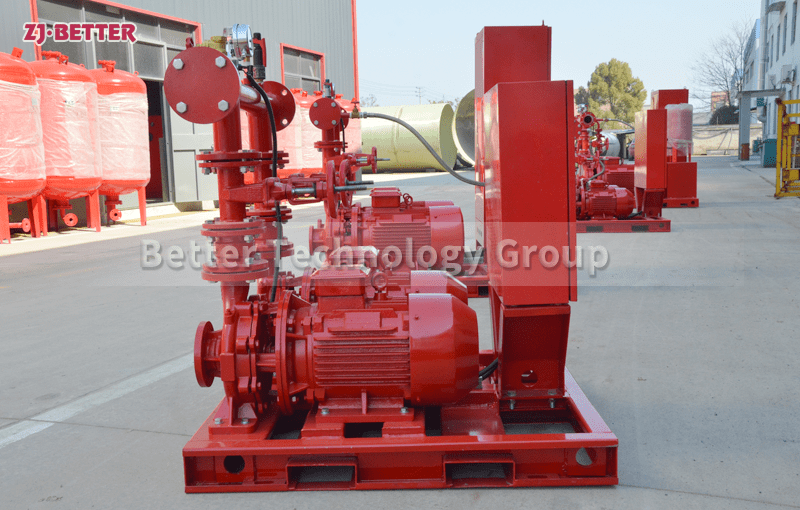
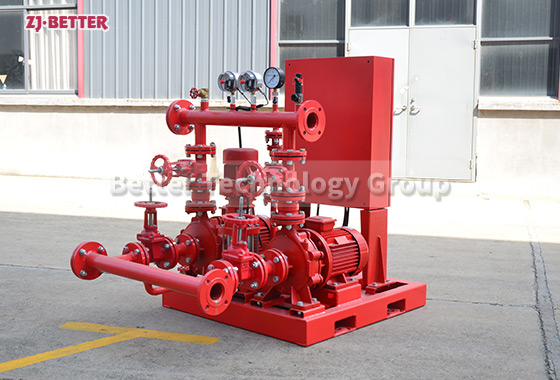
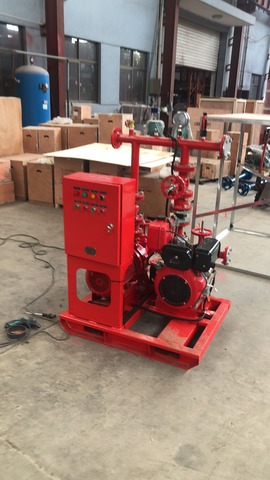
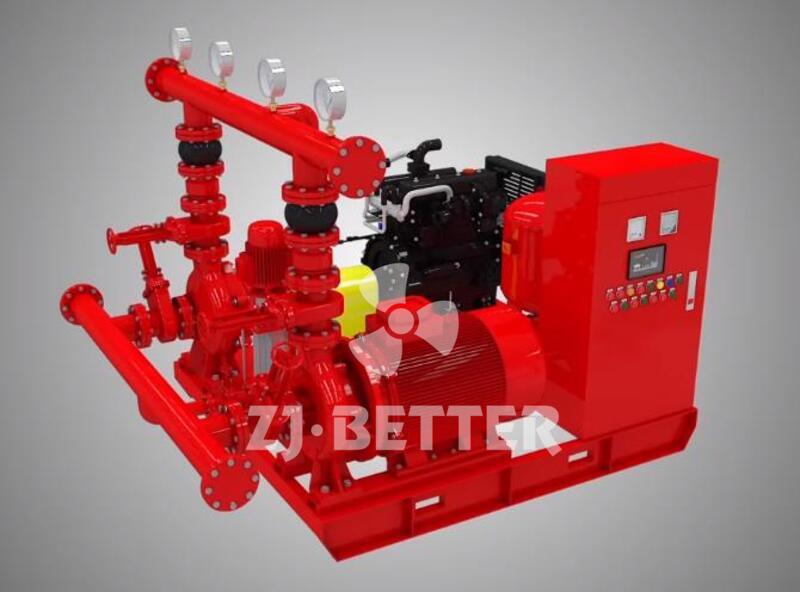
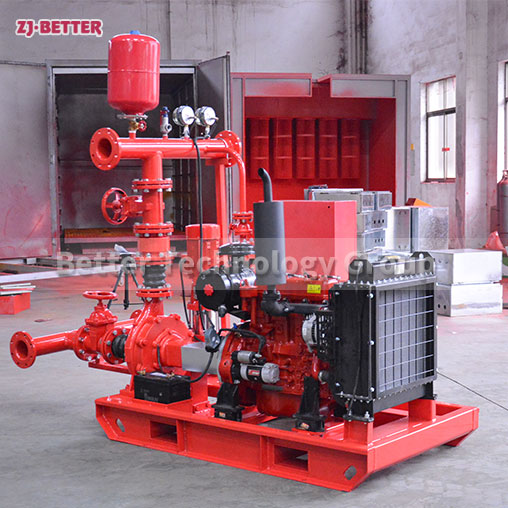
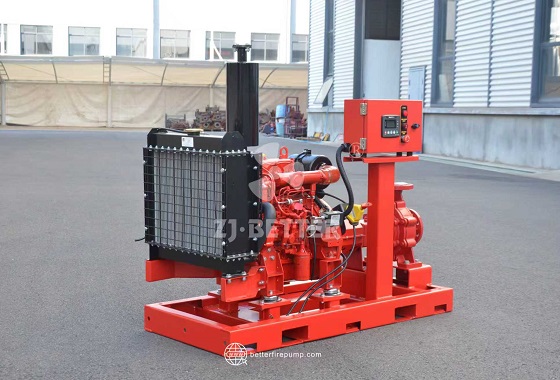
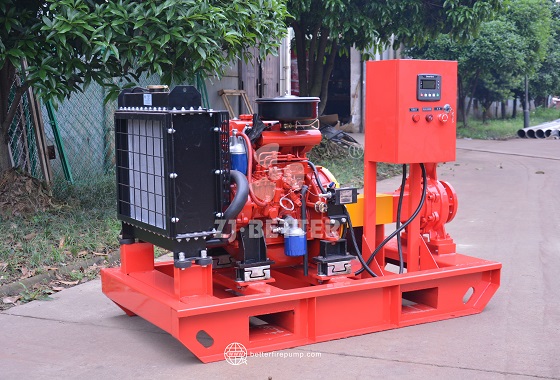
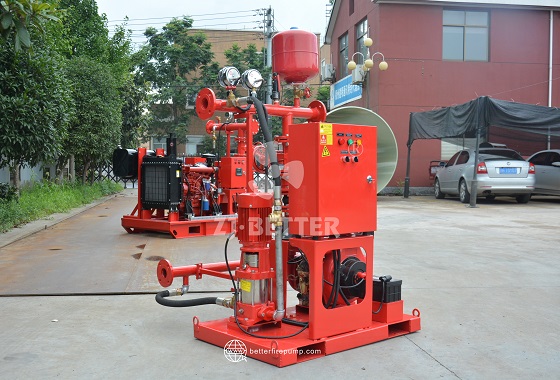
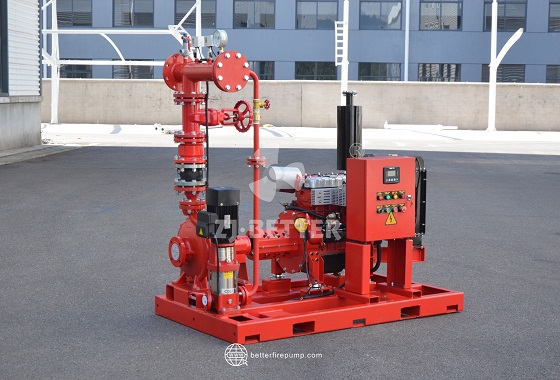
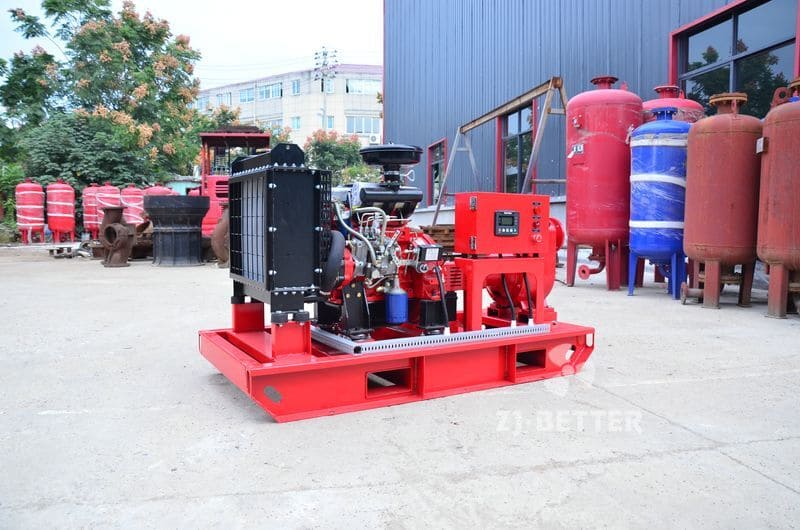
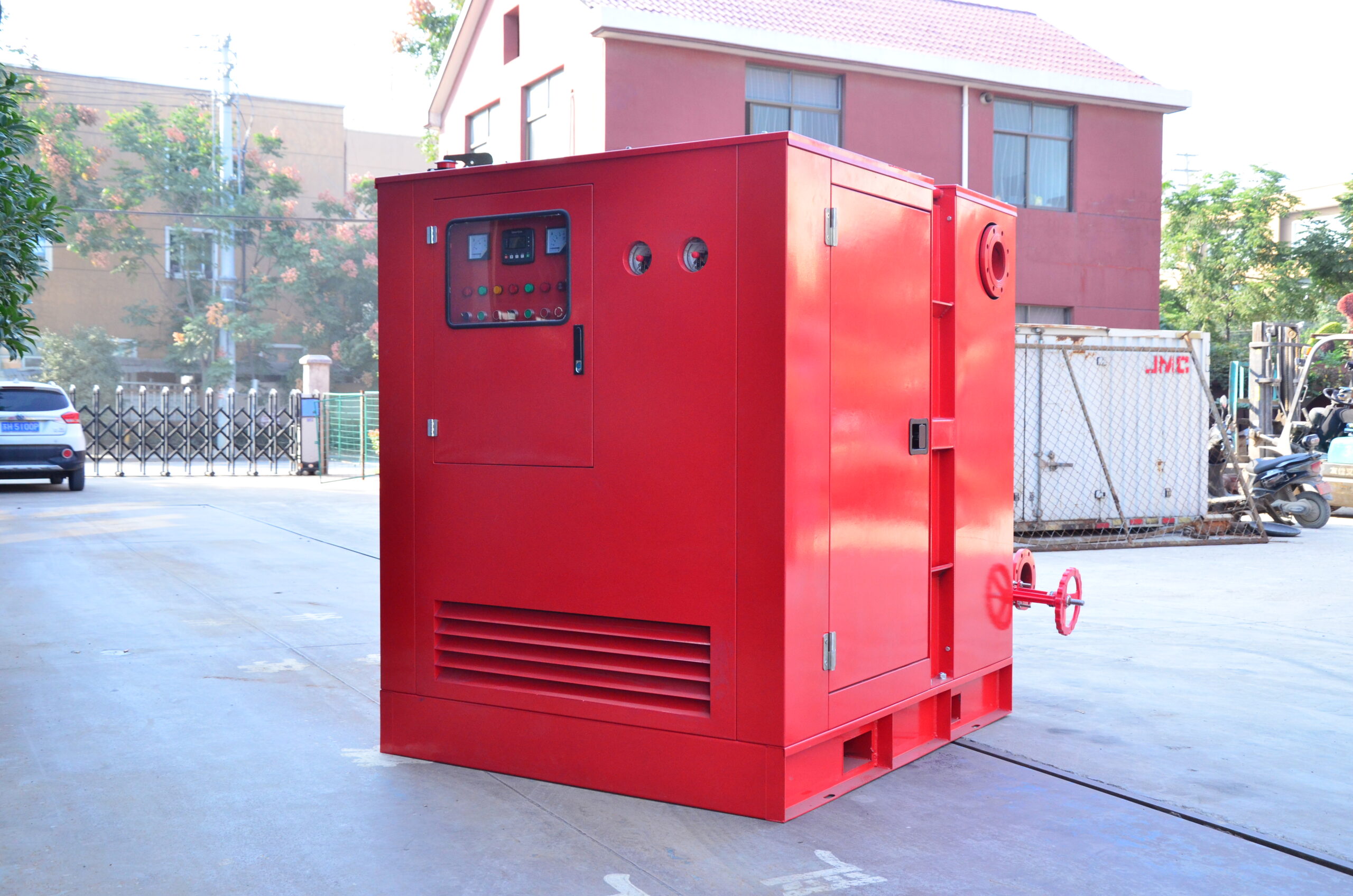
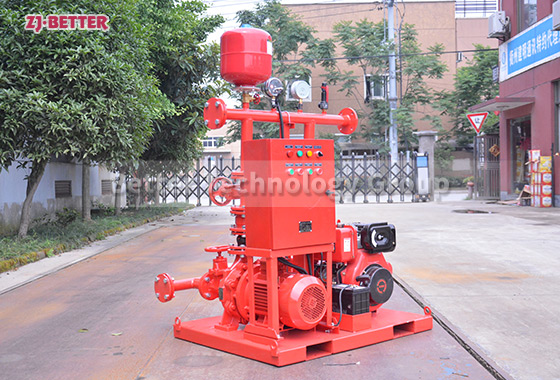
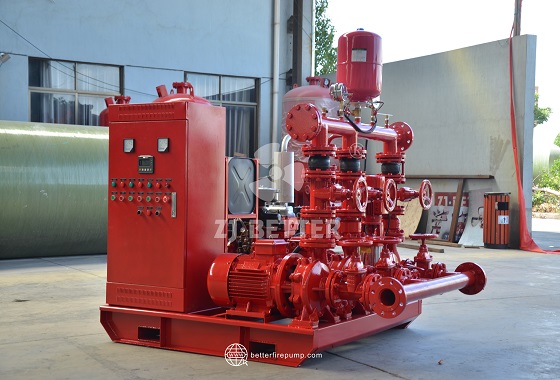
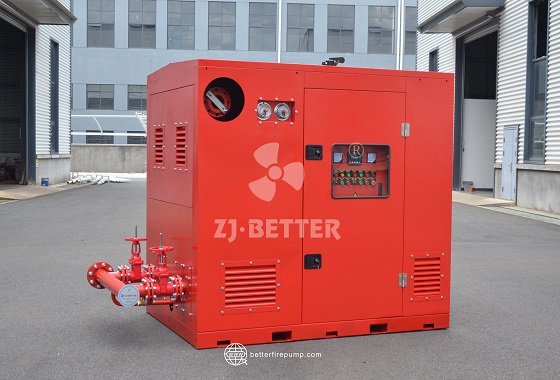
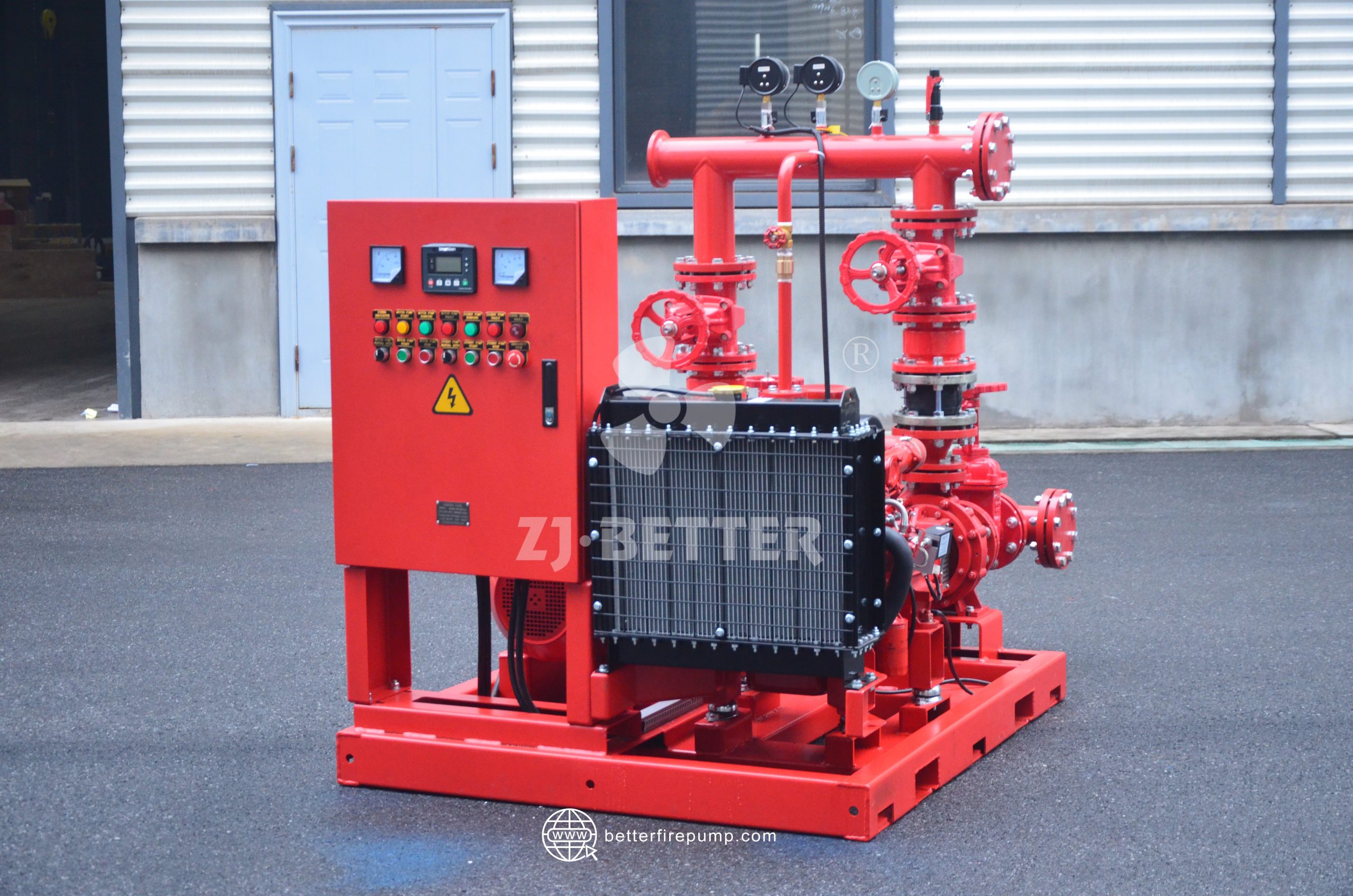
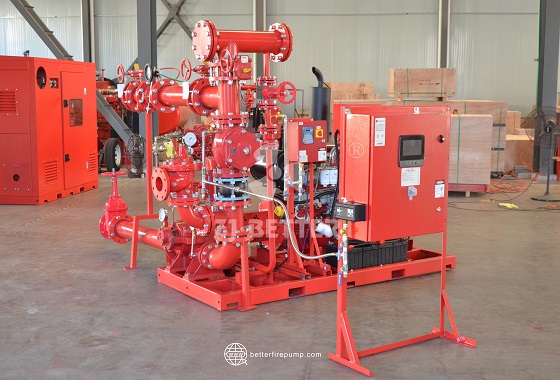
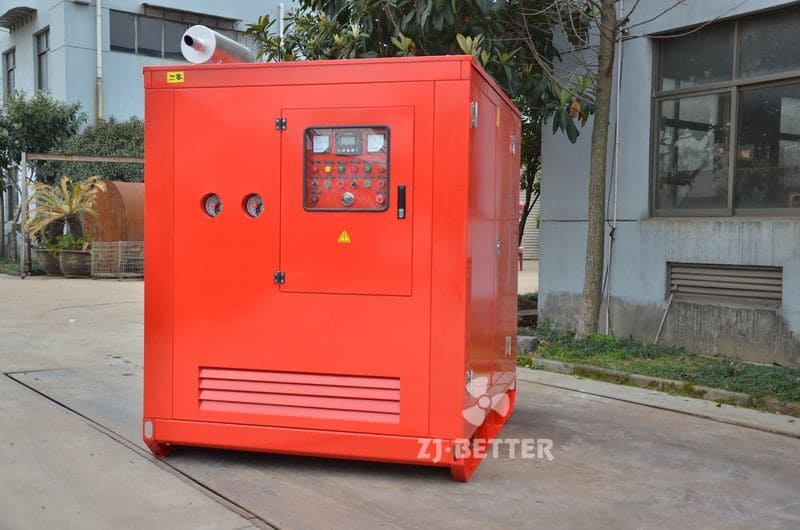
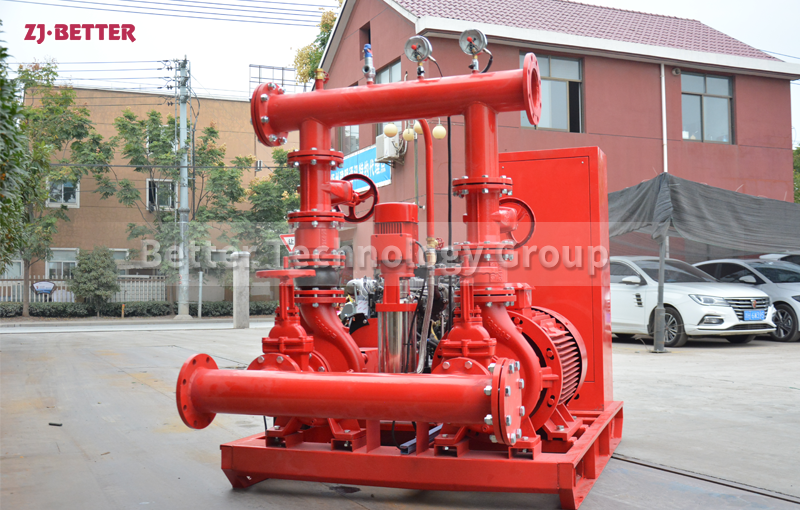
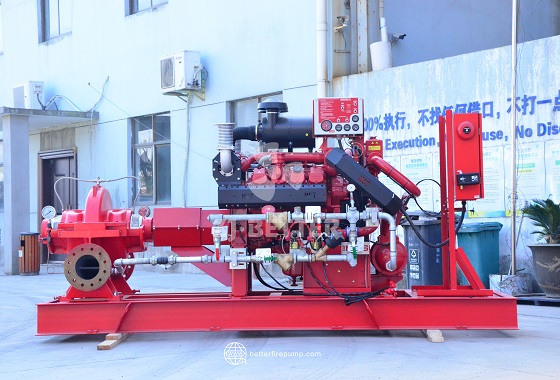
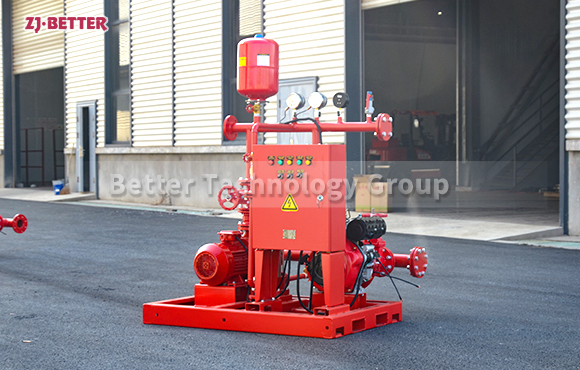
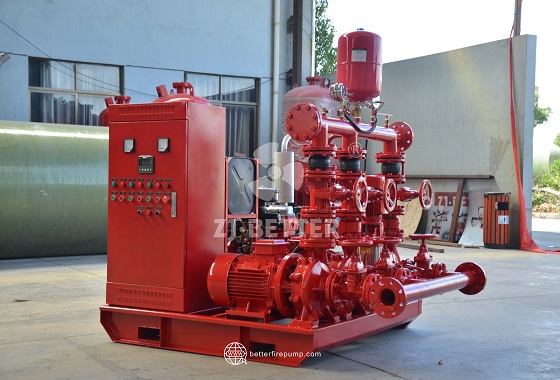
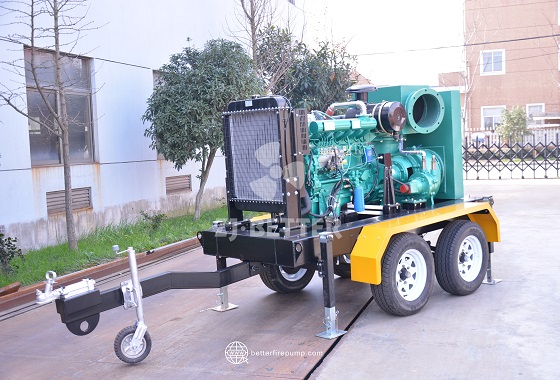
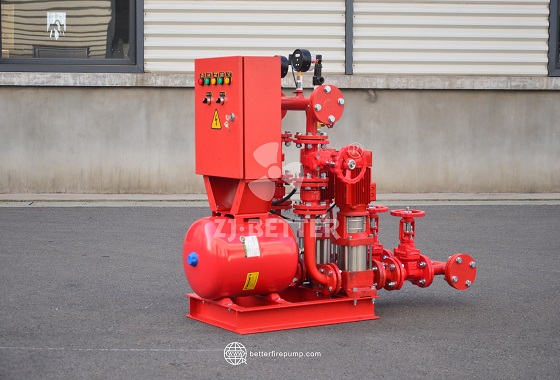
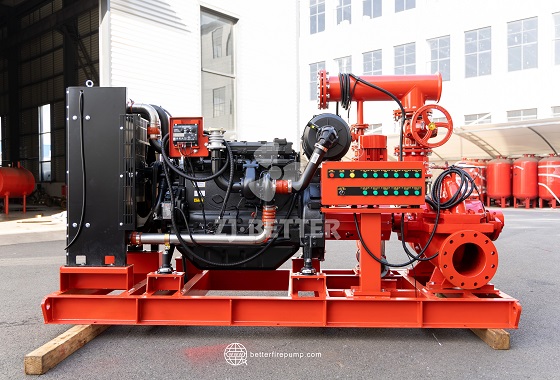
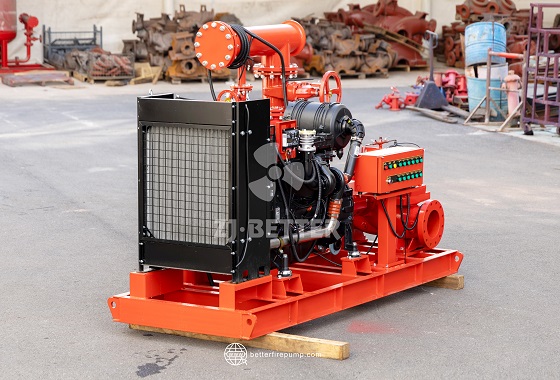
The diesel-driven fire pump is a kind of emergency power equipment specially used for fixed fire water supply systems. Based on the product structure shown in the picture, the equipment is mainly composed of a diesel engine, a fire pump, an automatic control cabinet, a cooling system, a fuel and starting system, a pressure detection component, pipeline accessories, and an overall base. The diesel engine provides independent mechanical power for the fire pump, and provides continuous and stable water flow and pressure for the fire pipe network in the event of fire, power outage, or abnormal building power system. Compared with ordinary electric fire pumps, the biggest product advantage of diesel-driven fire pumps is that they have an independent power source and can maintain fire water supply capabilities when the mains power fails to work properly. Therefore, they are especially suitable for industrial plants, large warehouses, logistics centers, commercial complexes, airports, ports, petrochemicals, power facilities, high-rise buildings and other places with high fire safety requirements. According to relevant product information, this series of diesel fire pumps can be matched with different types of fire pumps, including single-stage single-suction, single-stage double-suction and multi-stage fire pumps, and can be selected according to the flow, lift, pipe diameter and power configuration required by the project. It also supports functions such as automatic start, automatic charging, fault alarm, engine preheating, remote signal and control. 1. Independent diesel power enhances emergency water supply capacity. Diesel-driven fire pumps use independent diesel engines as the power source and do not need to rely entirely on the building’s mains power system. When a fire occurs, if the building power supply system is affected by fire, high temperature, line failure or other accidents, the electric fire pump may face the problem of being unable to start, while the diesel engine can use its own fuel and starting system to drive the fire pump to continue working, thus forming a more reliable backup power guarantee. The diesel engine and fire pump in the picture are installed on an integral base. A compact transmission structure is formed between the power equipment and the pump body, which can effectively utilize the engine output power to drive the fire pump. For industrial and large-scale construction projects that need to maintain the continuity of fire water supply, independent power structures can reduce the risks caused by a single power source and provide a more stable emergency operation basis for the fire protection system. 2. The automatic control system realizes rapid emergency start. Automatic control is one of the important functions of this product that distinguishes it from ordinary diesel water pumps. The equipment can determine whether the fire protection system has entered the water supply demand state through the fire pipe network pressure, fire alarm signal or other preset start signal. When the pipe network pressure drops to the set value, the control system can issue a start command to the diesel engine according to the set logic, so that the fire pump quickly enters the working state. Relevant product information shows that the diesel fire pump can start automatically after receiving a fire alarm, pipe network pressure change, power failure or other starting signal, and can enter the operating state in a short period of time; at the same time, the equipment also supports multiple operating modes such as automatic, manual and remote control, making it convenient for fire control rooms and on-site staff to manage according to different working conditions. 3. Reasonable matching of diesel engine and fire pump to improve power efficiency. A diesel fire pump is not simply a combination of a diesel engine and an ordinary water pump. Instead, it is necessary to select matching diesel power based on the flow, lift, speed and operating conditions of the fire pump. Reasonable power matching can ensure that the engine has sufficient output capacity during the operation of the fire pump, and at the same time avoid insufficient power that causes the pump unit to fail to meet the design working conditions. The engine and fire pump in the picture adopt a direct-coupled overall arrangement, which has a compact structure and a short power transmission path, which is conducive to reducing the number of transmission links. Relevant product information also introduces the design features of the diesel engine and fire pump being connected through elastic couplings and other methods. This structure can reduce intermediate transmission failure points and help improve equipment startup response and operational stability. 4. High-efficiency fire pumps provide stable flow and lift. The diesel engine is only the power source. It is the supporting fire pump that really undertakes the task of transporting fire water. Therefore, the hydraulic performance of the water pump itself directly determines the water supply capacity of the entire equipment. According to the project requirements, fire pumps with different structures such as end-suction type, horizontal split type, and multi-stage type can be selected to meet the fire water supply requirements under different flow and head conditions. Public product information on the official website shows that relevant diesel fire pump products cover different flow rates, lifts, pipe diameters and power ranges. For example, some end-suction diesel fire pumps have a flow rate of 5 to 120L/s and a lift of 0.2 to 1.6MPa. Specific parameters need to be matched according to engineering design. In practical applications, a reasonable hydraulic model can enable the pump unit to maintain stable water supply pressure when fire hydrants, automatic sprinklers, fire monitors and other systems work simultaneously or in separate areas, providing a continuous water source for fire extinguishing equipment. 5. The intelligent control cabinet centrally manages the operating status of the equipment. The automatic control cabinet in the picture is an important part of the entire diesel fire pump set. The control cabinet is not only responsible for starting and stopping the diesel engine, but also can centrally monitor the operating status of the equipment. Through the control panel, staff can check the operating status and perform manual operations. At the same time, the automatic mode allows the system to operate autonomously according to the fire engineering set logic. Modern diesel fire pump control systems can also monitor important parameters such as engine speed, water temperature, oil pressure, battery voltage, operating time, and fire pipe network pressure, and promptly send out alarm signals when abnormal conditions occur. Through this centralized control method, manual operations can be reduced, making the operation management of the fire pump unit more intuitive and efficient. 6. Multiple fault protection improves equipment operation safety. Fire pumps are critical safety equipment, and their operation reliability depends not only on performance under normal conditions, but also on protection capabilities under abnormal conditions. Diesel-driven fire pumps can be configured with low oil pressure alarm, high cooling water temperature alarm, overspeed protection, start failure alarm, battery abnormality monitoring and other operation protection functions. When an engine lubrication system abnormality, cooling temperature is too high, or a startup failure occurs, the control system can issue an alarm in time, allowing managers to quickly discover problems and take maintenance measures. Some abnormal conditions can also be combined with automatic protection logic to reduce the risk of damage caused by continued operation of the equipment. This multi-protection design is especially suitable for fire-fighting equipment that is on standby for a long time and must be put into operation quickly when a fire occurs. 7. Automatic charging and dual-battery starting improve standby reliability. The fire pump is in standby state most of the time, so whether the diesel engine can start quickly after a long shutdown is a very important performance in equipment design. The diesel fire pump can be equipped with a battery starting system and an automatic charging device to keep the starting battery in good working condition. Relevant product information shows that the system can automatically charge the battery through mains power or a diesel engine charging device, and can adopt a dual-battery starting structure to provide reliable guarantee for the quick start of the diesel engine. For fire protection projects that are on call for a long time, this automatic maintenance method can reduce the workload of frequent manual checks of battery power, and at the same time reduce the risk of the diesel engine being unable to start due to insufficient battery power. 8. The automatic preheating function improves the starting performance in low-temperature environments. In cold areas or winter operating environments, the starting performance of diesel engines is easily affected by the ambient temperature. Therefore, the fire pump unit can be configured with an automatic preheating function to maintain appropriate starting conditions for the engine in a long-term standby state. The automatic preheating system can maintain the temperature of engine-related components according to equipment design requirements, allowing the diesel engine to enter working status more quickly after receiving the fire start signal. This feature has practical application value for northern regions, cold regions and outdoor or semi-outdoor fire pump rooms. By integrating functions such as starting, charging, preheating, and alarming into the automatic control system, the emergency response capabilities of the entire diesel fire pump under different environmental conditions can be further improved. 9. High-efficiency cooling system supports continuous operation. After a fire accident, the fire pump may need to continue running for a long time, so the heat dissipation capacity of the diesel engine is very important. The diesel engine in the picture is equipped with a large radiator and fan assembly, which continuously removes the heat generated during engine operation through the cooling system to keep the power equipment within a reasonable operating temperature range. A stable cooling system can reduce engine performance degradation caused by high temperatures and provide basic guarantee for continuous fire water supply. For large industrial plants, warehousing and logistics centers, petrochemical facilities and other places where fire extinguishing may be required for a long time, the continuous operation capability of the diesel engine is closely related to the cooling system, lubrication system, fuel system and other parts. Therefore, during the product configuration process, the engine power and related auxiliary systems need to be reasonably determined based on actual working conditions. 10. The overall skid-mounted structure facilitates engineering installation and maintenance. As you can see from the product pictures, the diesel engine, fire pump, control cabinet, radiator and related accessories are all installed on a high-strength public base, forming a structurally complete skid-mounted fire pump unit. The integral base can not only improve the stability of equipment installation, but also facilitate equipment transportation, on-site positioning and pipeline connection. Compared with purchasing and installing multiple devices separately, the skid-mounted structure can reduce the workload of on-site assembly and maintain a reasonable installation relationship between the engine, pump body and control equipment. Relevant product information also emphasizes the feature of fire pumps, diesel power, control cabinets, radiators and pipelines being integrated using a common base, which is conducive to optimizing the floor space and improving on-site installation efficiency. At the same time, the neat equipment layout can facilitate staff to conduct daily inspections, oil inspections, battery maintenance, control cabinet inspections, and pump and valve maintenance.