Packaged Horizontal Centrifugal Fire Pump System – Integrated Pump, Instruments and Piping Accessories
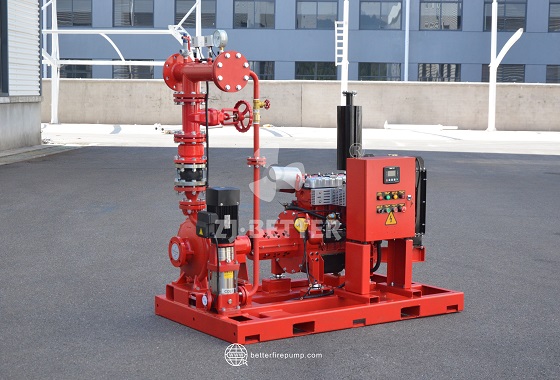
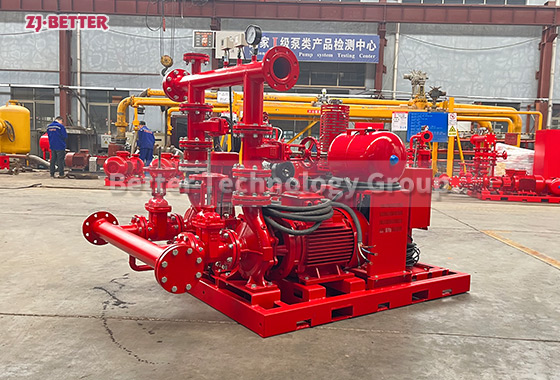
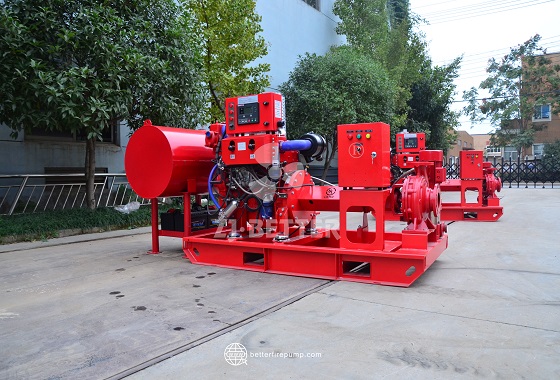
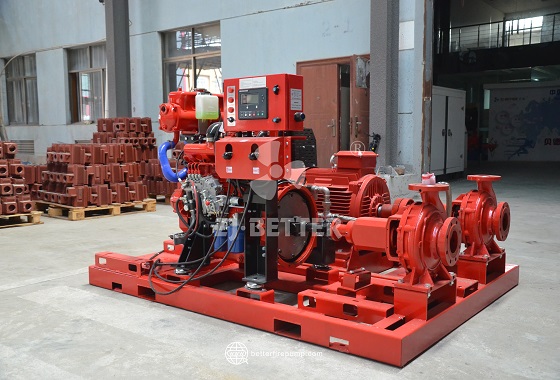
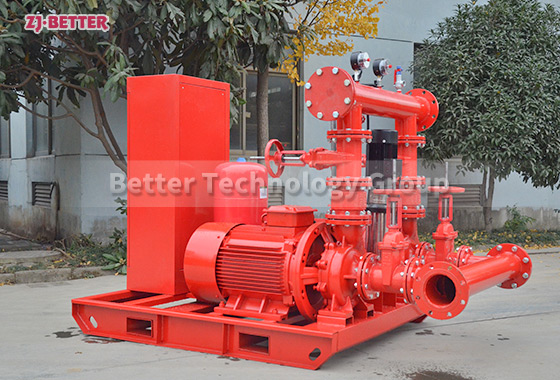
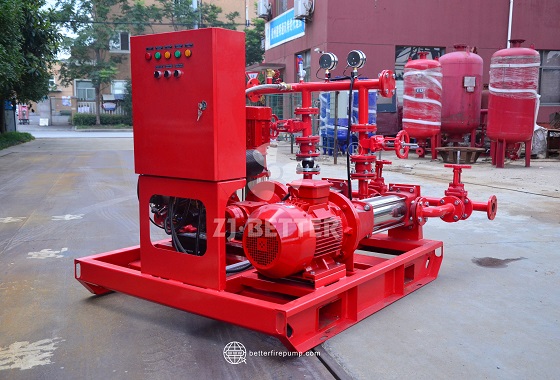
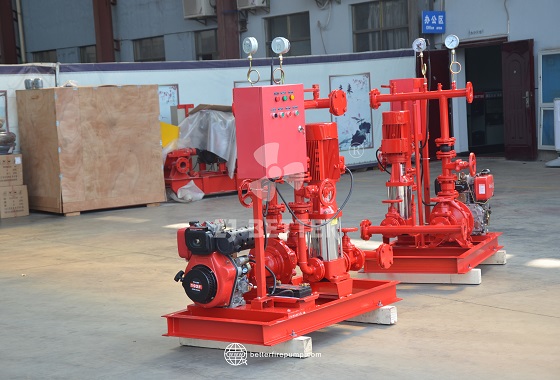
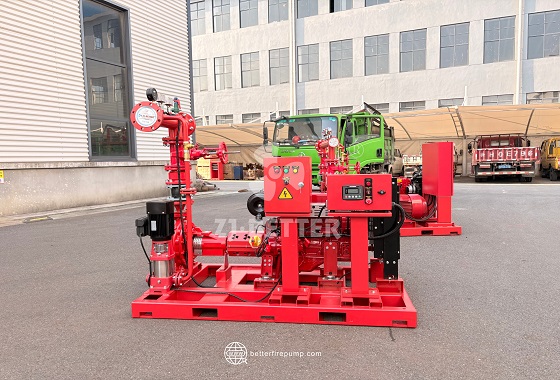
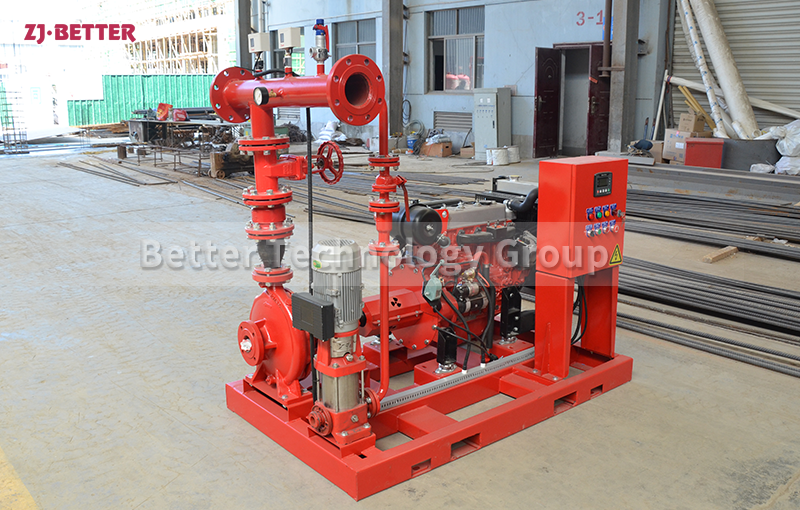
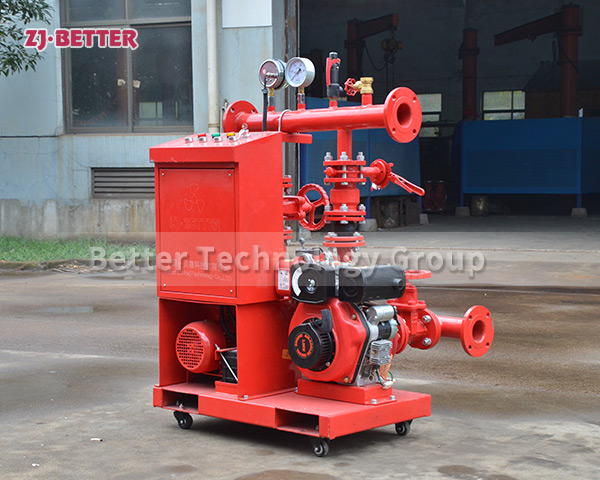
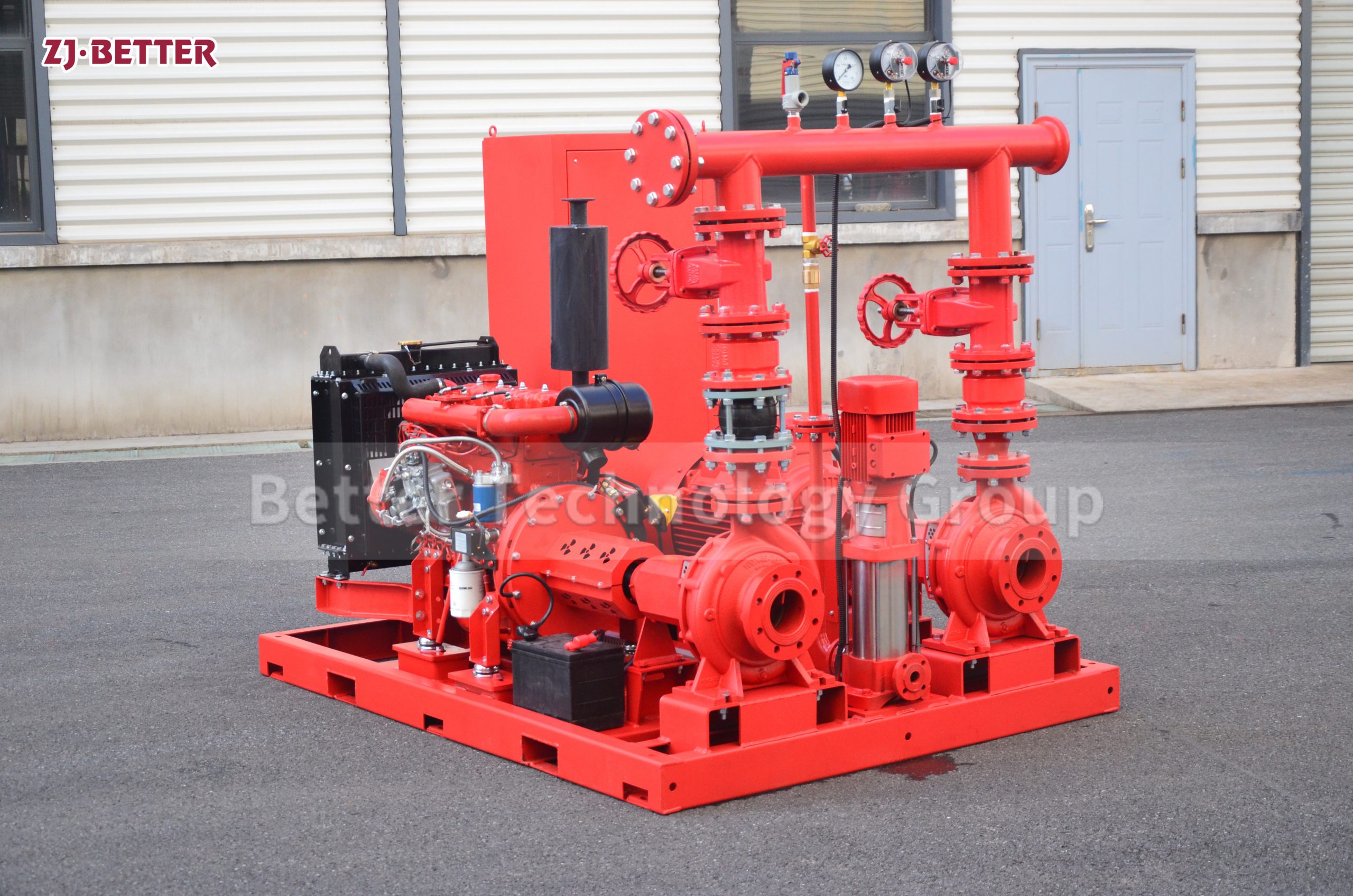
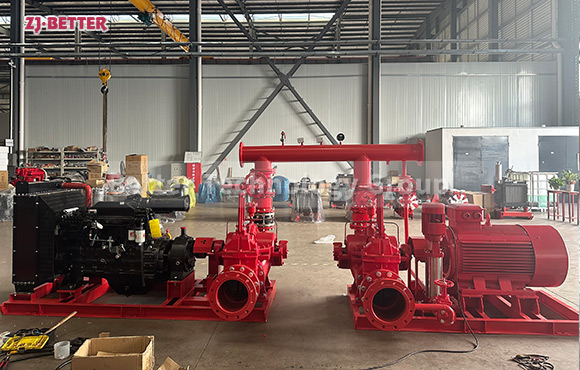
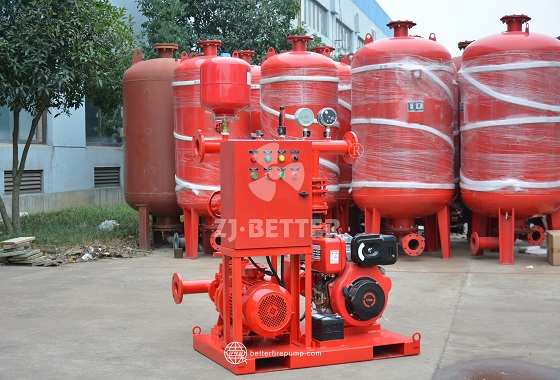
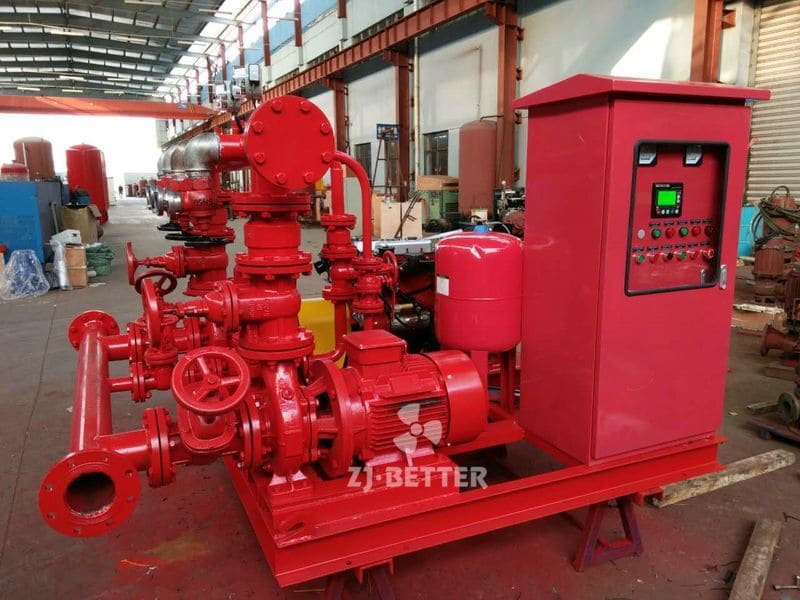
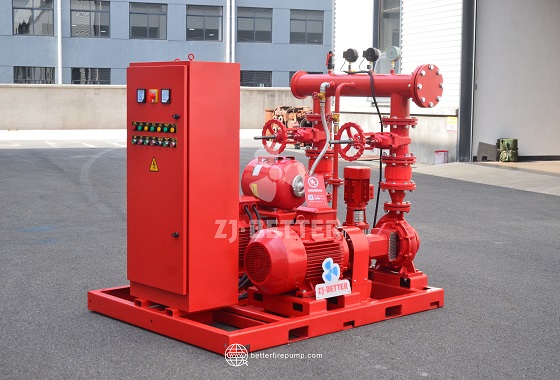
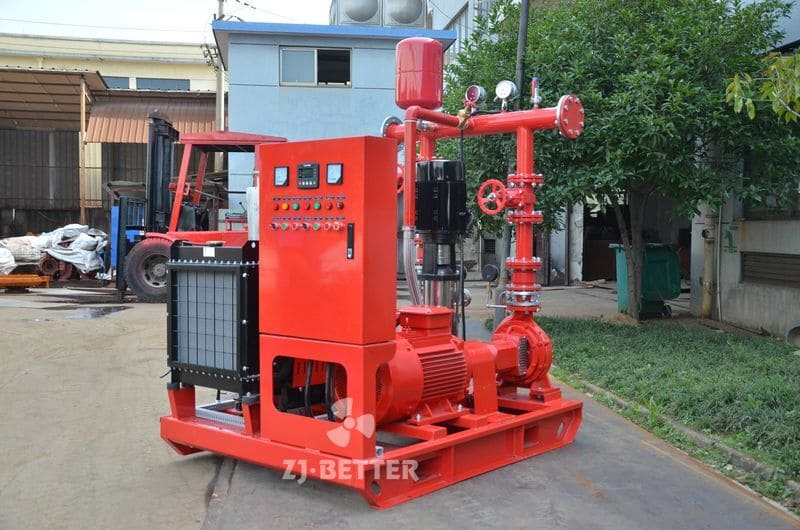
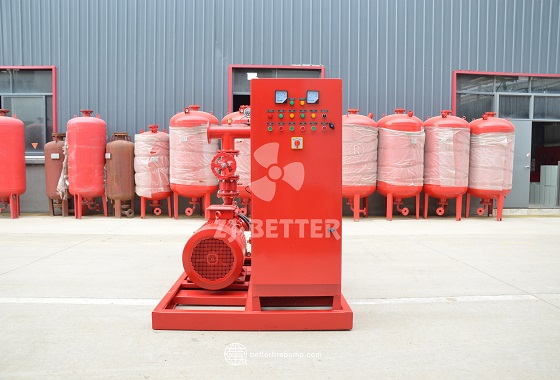
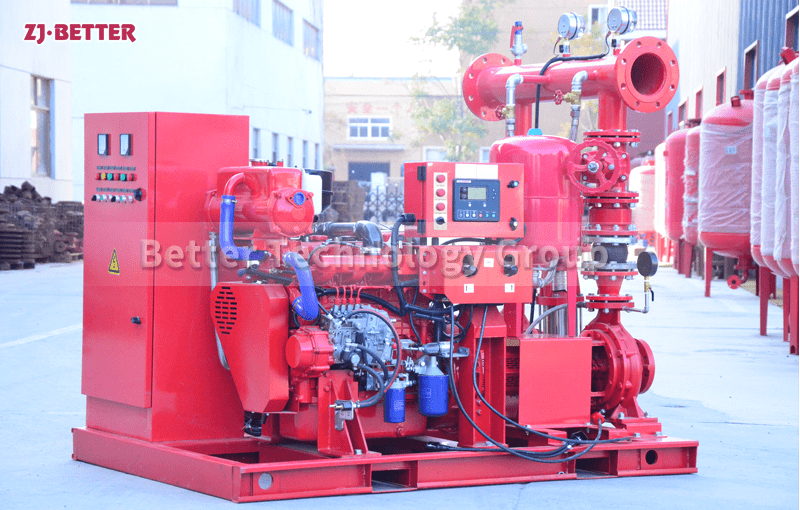
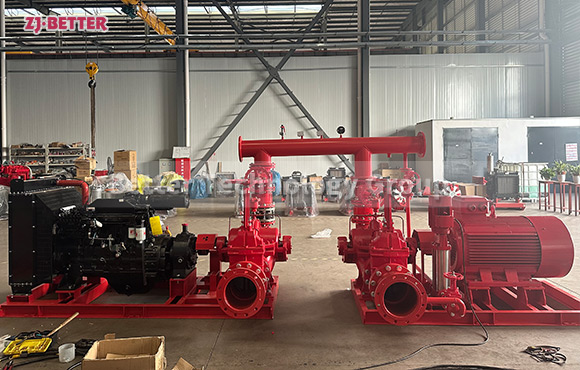
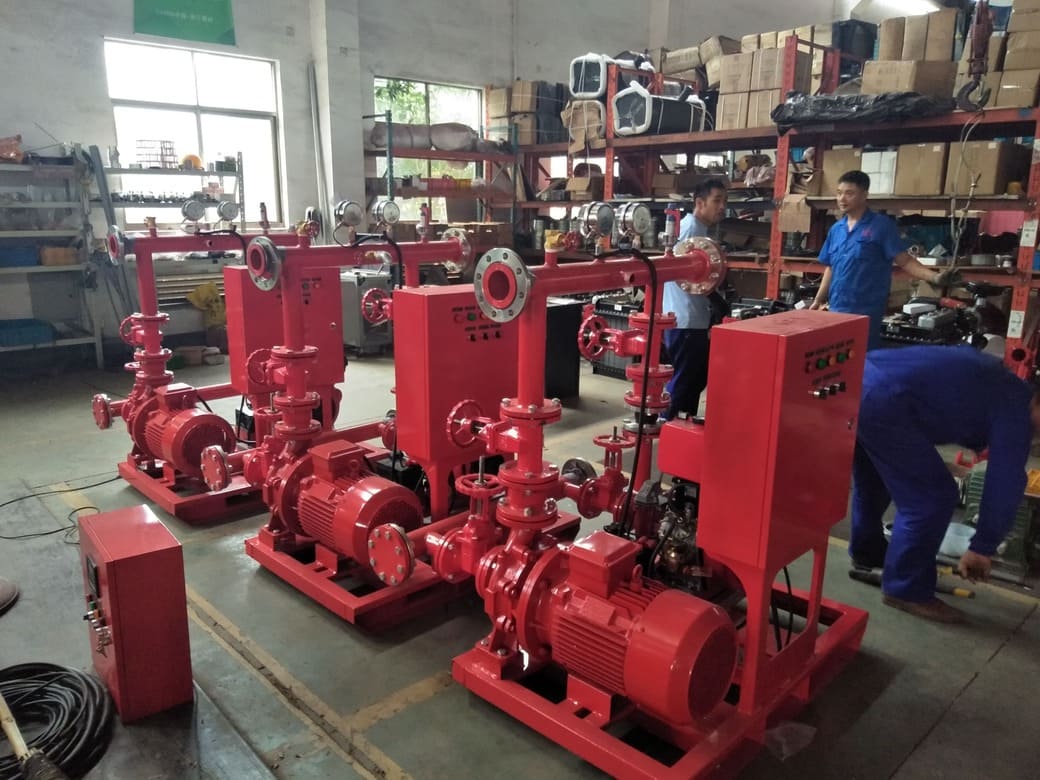
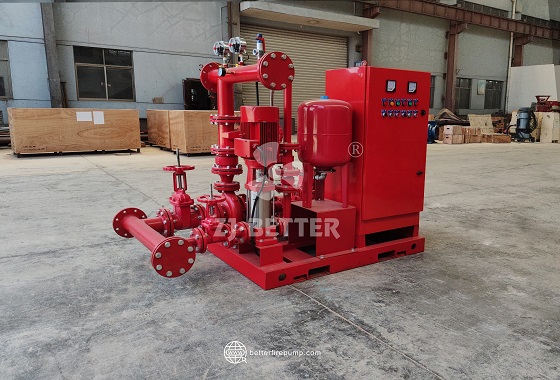
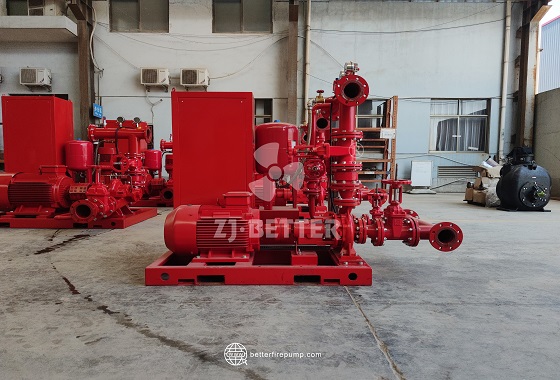
The horizontal centrifugal fire pump system integrates a horizontal centrifugal pump, pressure tank, control cabinet, pressure gauges, and piping accessories. It features a mature design, a compact layout, and is easy to install and maintain. The system can be customized based on specific flow rate, head, and project requirements, making it suitable for fire-fighting water supply systems in both buildings and industrial facilities.
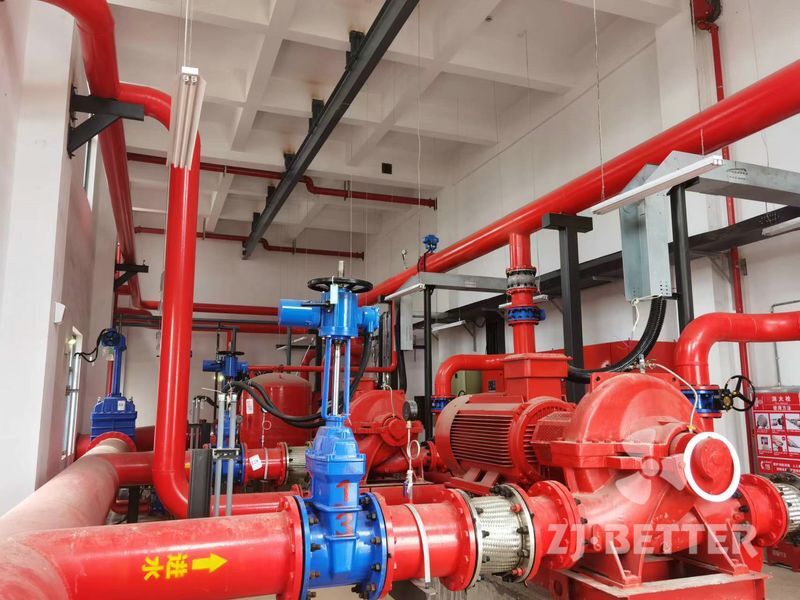
A horizontal centrifugal fire-fighting pump system is an integrated fire-water supply unit comprising a horizontal centrifugal fire pump, a pressure storage device (pressure tank), a control cabinet, pressure-sensing instruments, and associated piping and accessories. It is designed for use in industrial facilities, commercial buildings, logistics warehouses, and other fixed fire-water supply installations. The system utilizes a horizontal centrifugal pump as its core hydraulic component; a drive mechanism rotates the impeller, imparting energy to the water, which is then converted into the required pressure as the water flows through the pump casing, enabling the delivery of fire-fighting water. The horizontal configuration offers a mature design, intuitive piping connections, and ease of installation and routine inspection. Pump models, impellers, and materials can be selected based on specific project requirements to accommodate various flow rate and head (pressure) conditions. By consolidating the pump, pressure tank, control cabinet, and piping components, the system eliminates the space constraints and coordination challenges often associated with installing individual, separate components. The pressure tank stores water under pressure and acts as a buffer against minor fluctuations within the piping network. When equipped with a jockey pump (pressure-maintenance pump) and appropriate control logic, the system can maintain standby pressure in the fire-fighting network, preventing the main fire pump from starting unnecessarily due to minor pressure drops. Pressure gauges provide a clear visual indication of system pressure, while pressure sensors capture data on pressure changes, serving as inputs for the control system’s operational logic. The control cabinet manages pump start/stop sequences, displays operational status, and provides essential electrical protection; the specific automated control strategy is determined by the project design and equipment configuration. The inlet and outlet piping can be fitted with flanges, gate valves, check valves, flexible connectors, and other accessories, integrating the pump and pressure components into a cohesive fire-fighting network. A well-planned piping layout clarifies water flow direction, simplifies connection to the on-site network, and facilitates valve operation, pressure testing, and ongoing maintenance. A unified base frame provides a common mounting foundation for the major components, enabling factory pre-assembly, streamlined transport, and efficient on-site positioning—thereby reducing redundant on-site installation work and enhancing overall construction convenience. The actual performance of a horizontal centrifugal fire pump depends on its impeller design, rotational speed, drive power, and system operating conditions. During the selection process, comprehensive calculations—accounting for the required fire-fighting flow rate, total head, pipeline resistance, water source characteristics, and operating pressure—are essential to ensure the pump unit functions correctly under specified operating conditions. For fire-protection projects of varying scales, specifications such as pump size, drive mechanism, pressure tank capacity, control system configuration, and piping connections can be tailored to align the equipment with the specific requirements of the on-site fire-protection system. In routine operation, components including the pump casing, bearings, seals, drive unit, pressure tank, control cabinet, instrumentation, and pipeline valves should be inspected regularly. Furthermore, the equipment must undergo scheduled test runs and maintenance in accordance with manufacturer specifications, with any abnormal vibrations, leaks, or pressure fluctuations addressed promptly. As an integrated solution, a horizontal centrifugal fire pump system combines hydraulic transport, pressure monitoring, auxiliary pressure storage, and electrical control. Characterized by a mature design, a complete set of components, a clear installation layout, and flexible selection options, these systems provide a comprehensive fire-water supply solution for building and industrial fire-protection projects—facilitating ease of installation, operational management, and long-term maintenance.