Automatic Pressure Stabilizing Equipment for Diesel Fire Pumps – Pressure Sensing and Auxiliary Pump Control
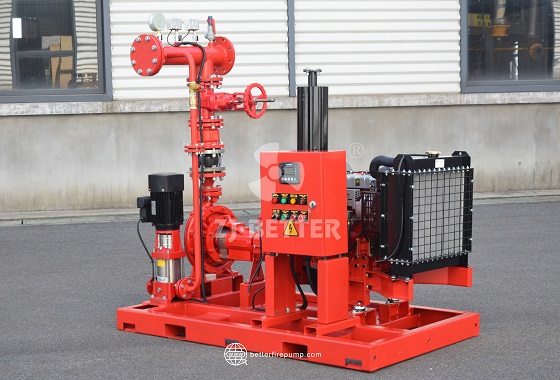
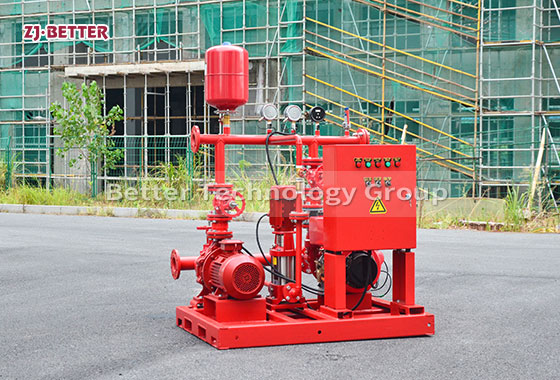
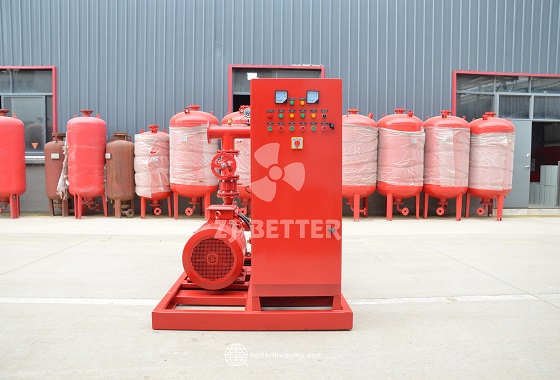
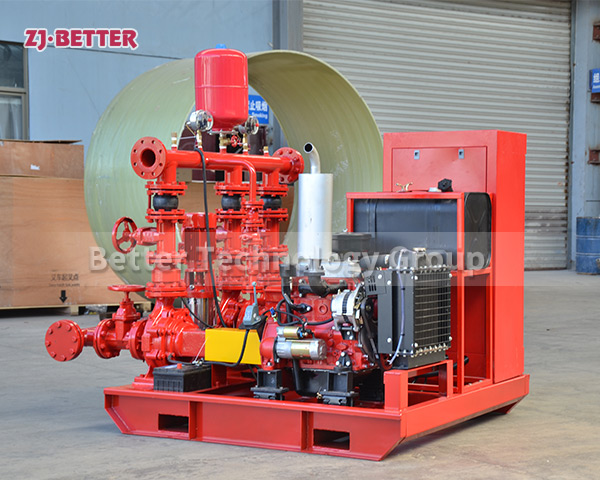
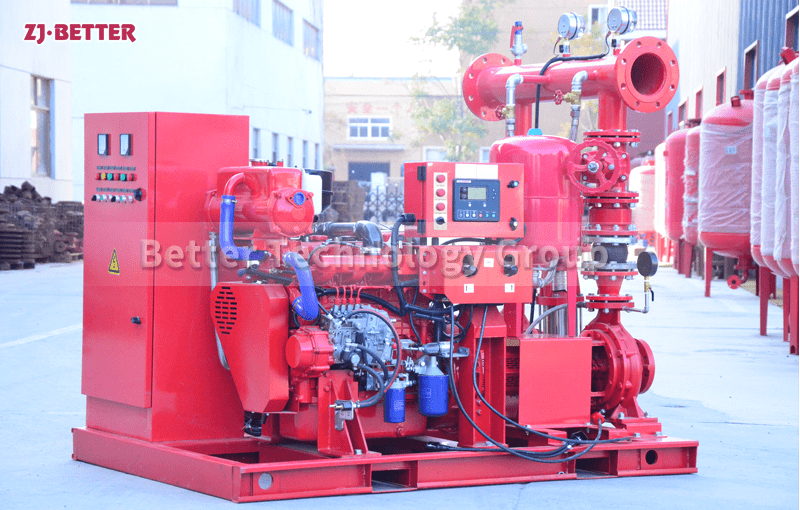
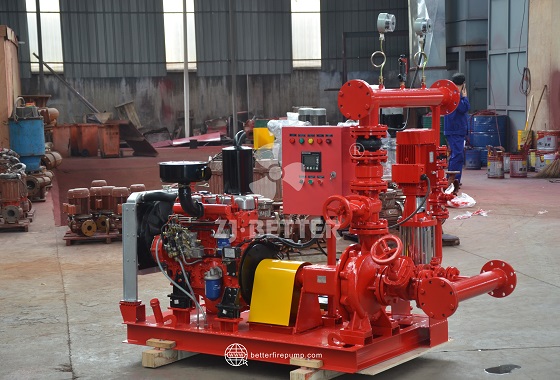
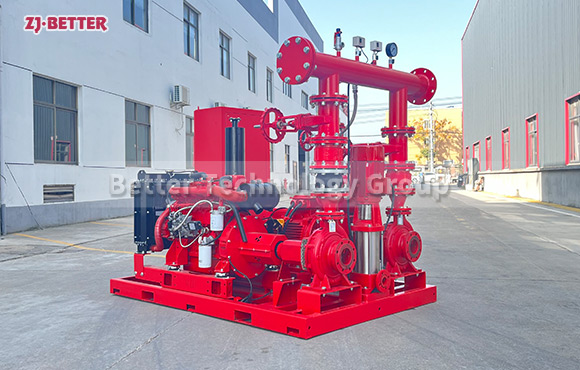
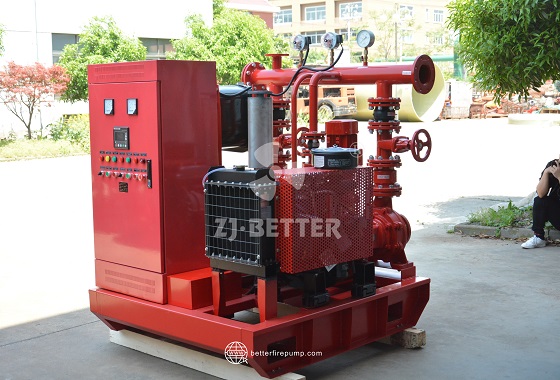
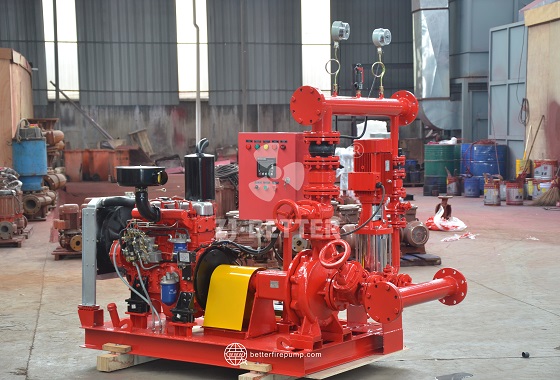
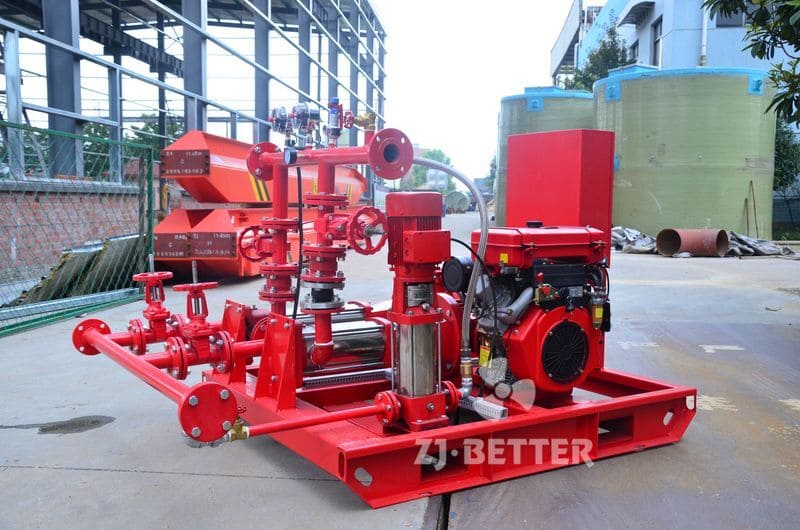
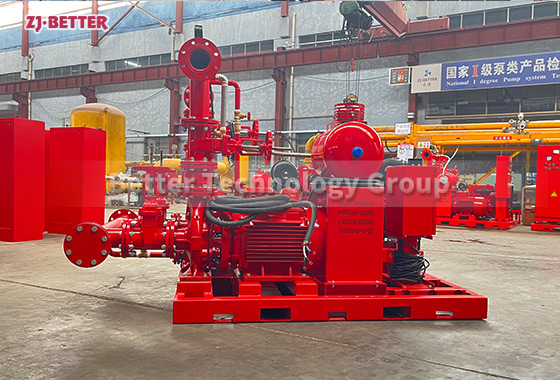
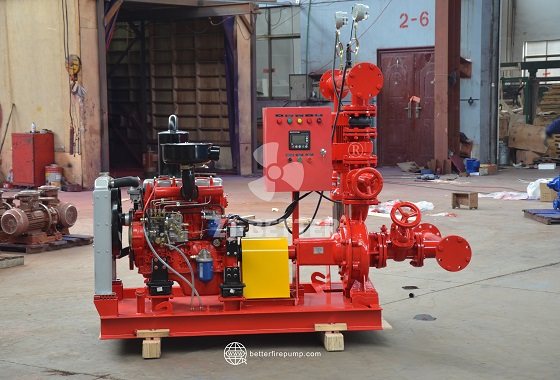
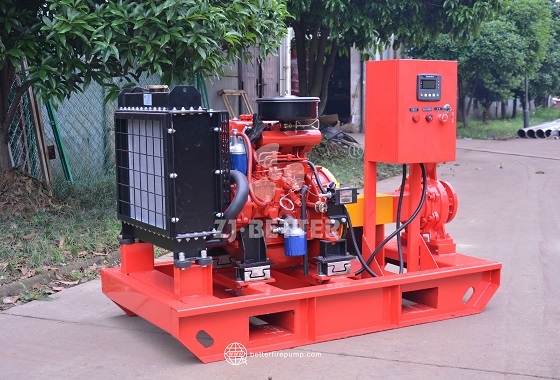
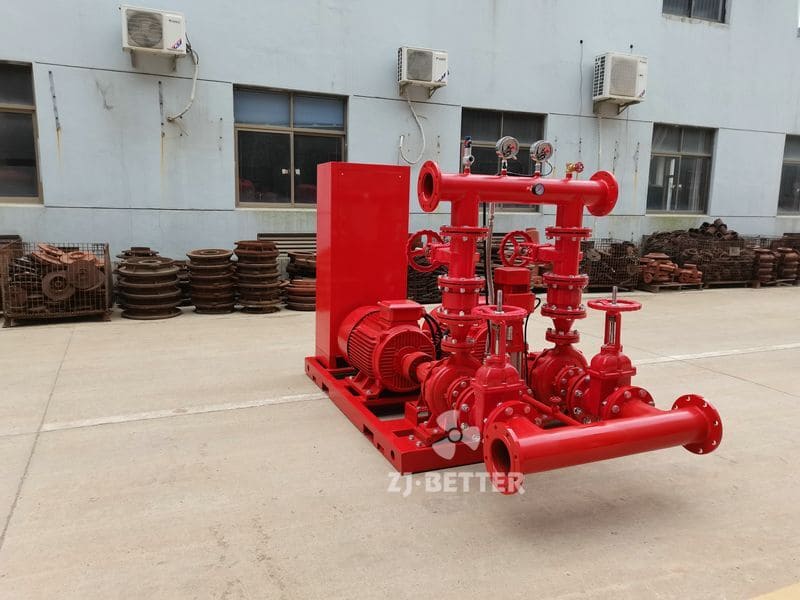
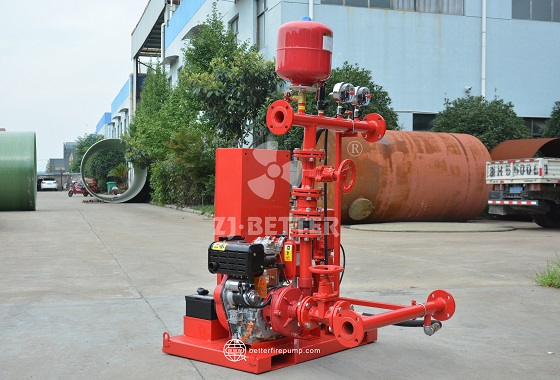
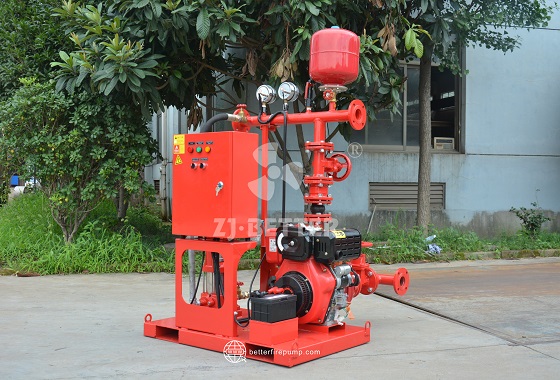
The automatic pressure-stabilizing diesel fire pump system integrates a primary diesel fire pump, an auxiliary pressure-stabilizing pump, a pressure tank, pressure sensors, and a control cabinet. It maintains pressure within the fire-fighting piping network through pressure monitoring and automatic pressure compensation control, making it suitable for fire-fighting water supply systems in industrial facilities, warehouses, and buildings.
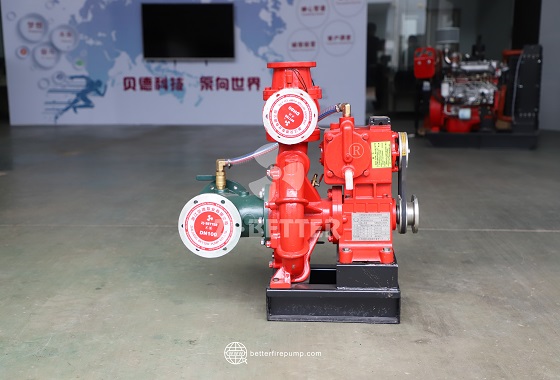
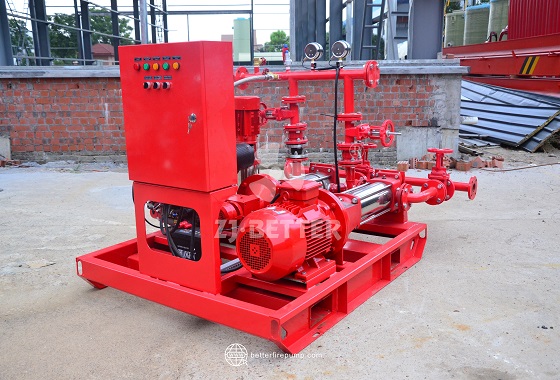
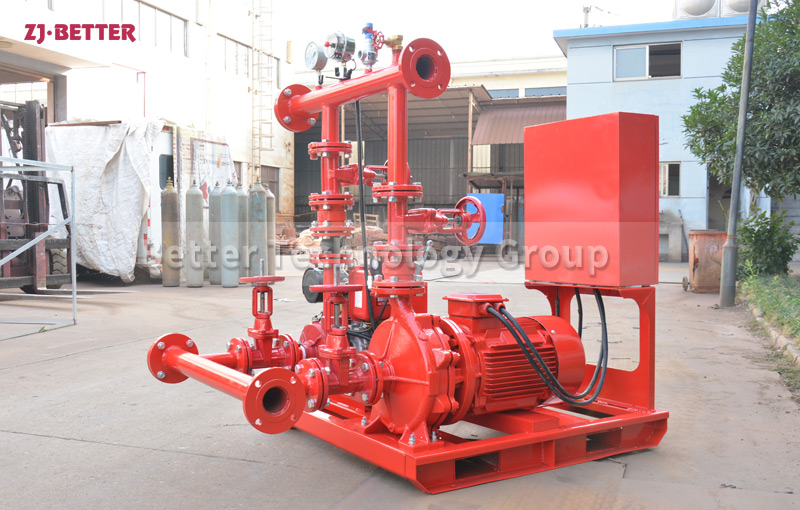
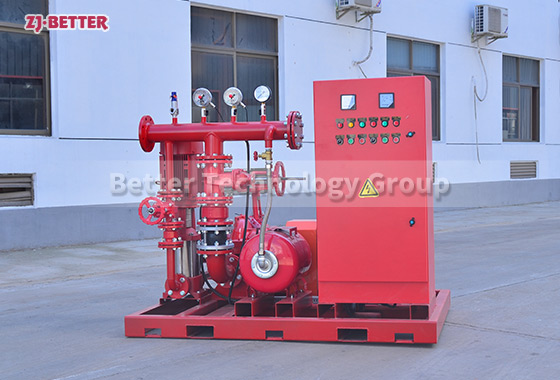
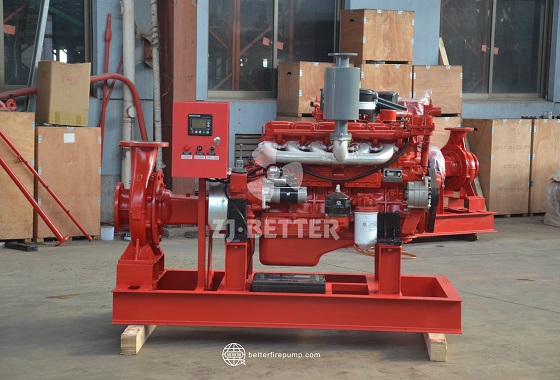
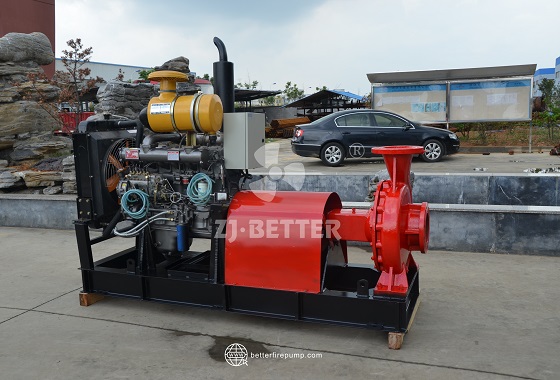
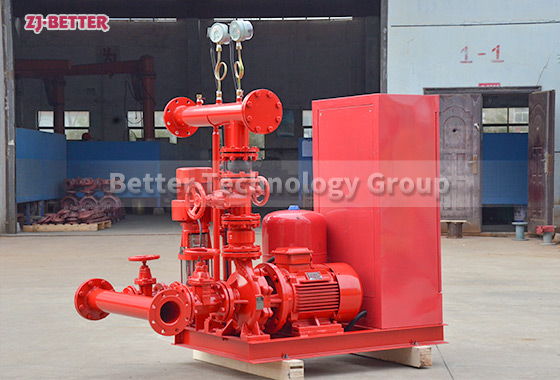
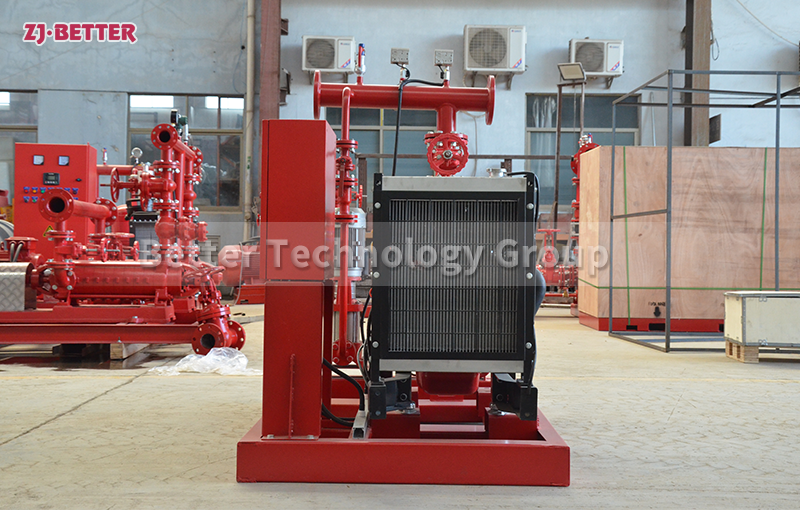
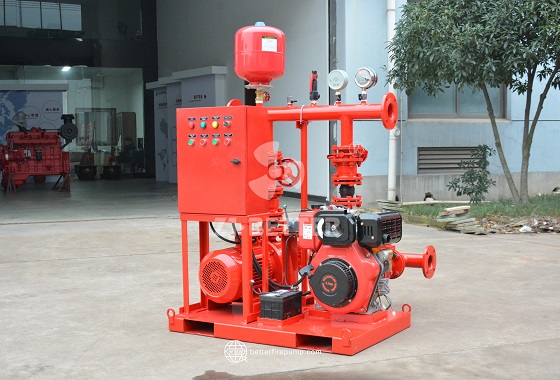
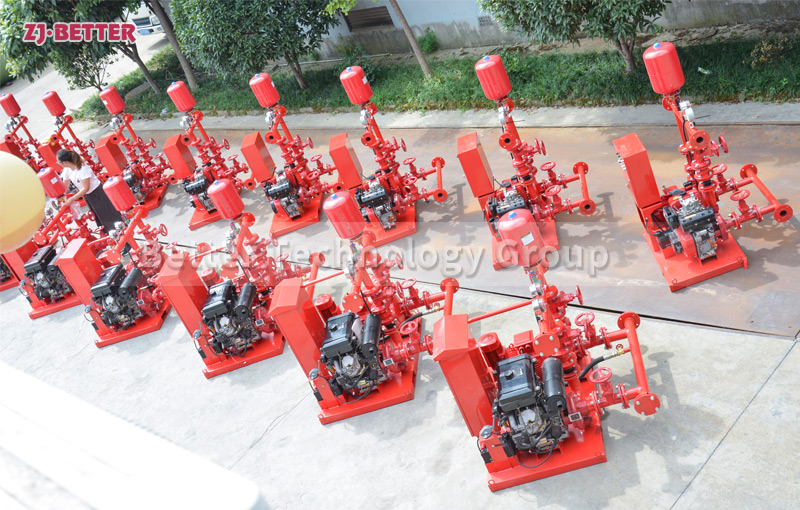
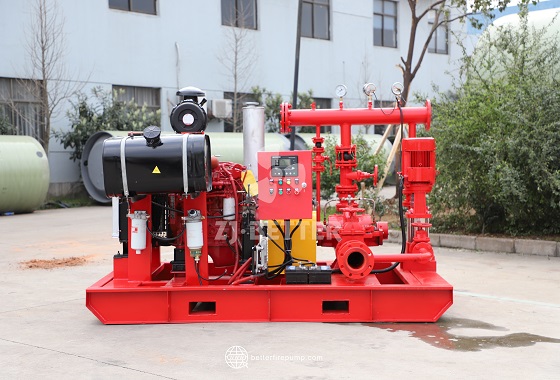
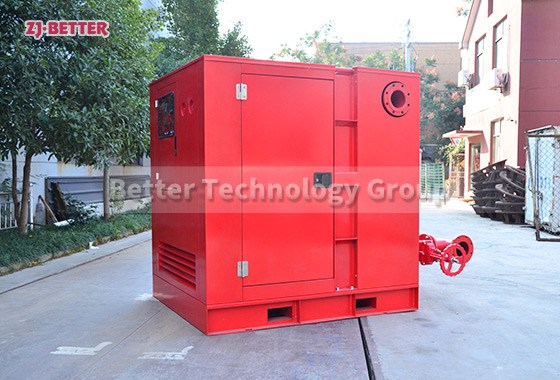
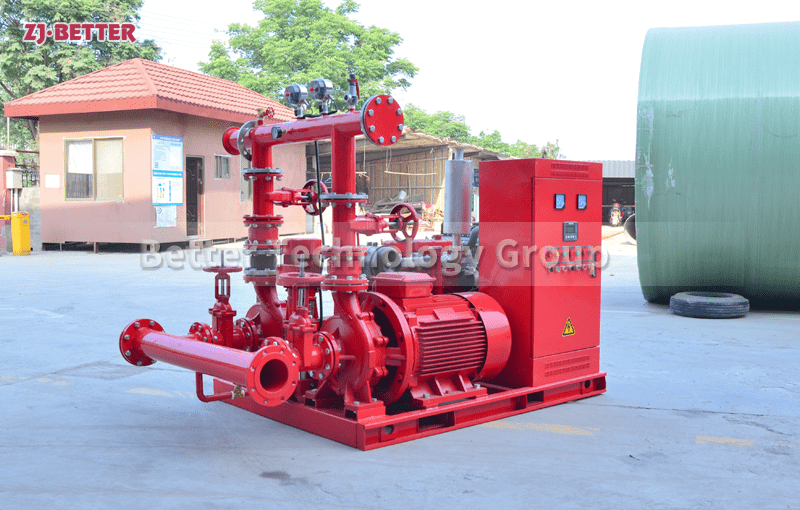
A diesel-powered automatic pressure-maintaining fire pump system is a fire-fighting water supply unit that integrates a diesel engine-driven fire pump, an auxiliary pressure-maintaining (jockey) pump, a pressure tank, pressure-sensing devices, and associated piping. It is primarily used in industrial facilities, warehouses, commercial buildings, and other fixed fire-protection systems. By combining pressure detection with pump control, the system monitors and regulates the pressure within the fire-fighting piping network, effectively balancing routine pressure maintenance with the primary water supply function required during a fire. Pressure sensors detect real-time fluctuations in the network pressure and transmit signals to the control system, which then determines—based on pre-set parameters—whether to start or stop the auxiliary pressure-maintaining pump. If the network pressure drops due to minor leaks or normal pressure loss, the auxiliary pump activates according to the control logic to restore the required pressure; once the pressure returns to the designated range, the system automatically stops the pump. This automated pressure-compensation mechanism prevents the main fire pump from starting frequently due to minor pressure fluctuations, thereby reducing unnecessary operational load on the equipment. The pressure tank stores a volume of pressurized water, acting as a buffer against small pressure changes and assisting the pressure-maintaining pump in stabilizing the system. The diesel engine-driven fire pump handles the primary fire-fighting water supply, providing the necessary power when specific start-up conditions are met. It does not rely on a continuous mains power supply, though its operation depends on factors such as fuel availability, battery status, and the functionality of the start-up control system. This diesel-powered configuration is ideal for fire-protection projects that require backup power or must account for specific on-site electrical supply conditions, offering an alternative to purely electric pump systems. The accompanying control cabinet facilitates pressure signal reception, pump start/stop control, operational status monitoring, and essential alarm/protection functions, allowing personnel to easily track the system’s performance. Pressure gauges enable on-site monitoring of pipeline pressure, while pressure sensors provide the necessary detection signals for automated control; together, these components enhance the efficiency of pressure monitoring and equipment management. The equipment features an integrated base-mounted design, consolidating the diesel engine, pump unit, auxiliary pressure-stabilizing components, pressure tank, and associated piping. This configuration clarifies the interconnections between components and facilitates transportation, on-site positioning, and piping installation. The piping system can be equipped with check valves, gate valves, flanges, and other fittings to accommodate maintenance, system isolation, and necessary connections. In practical applications, the control pressure, start/stop intervals, and the activation logic for the main pump must be determined in alignment with the overall fire protection system design to prevent operational conflicts between the pressure-stabilizing pump and the main fire pump. Equipment selection should also account for factors such as the main pump’s flow rate and head, diesel engine power, pressure-stabilizing pump performance, pressure tank capacity, and water source conditions to ensure optimal component matching. Once in service, the system requires regular inspection—including the status of pressure sensors, pressure gauge readings, the condition of the pressure tank, the diesel engine’s fuel and cooling systems, the operation of auxiliary pumps, and the electrical components within the control cabinet—along with periodic start-up testing and maintenance in accordance with fire safety equipment management protocols. By integrating pressure monitoring, auxiliary pressure maintenance, pressure buffering, and diesel-powered water supply, this system offers clear functional delineation, flexible automatic control configurations, and a compact, integrated design. It can be customized to meet the specific fire protection requirements of various building and industrial projects, providing a comprehensive solution for maintaining pressure in fire-fighting piping networks and ensuring a reliable primary fire-fighting water supply.