Mobile Fire Pump Set with Support Stands – Combining Towing Mobility and Stable On-Site Positioning
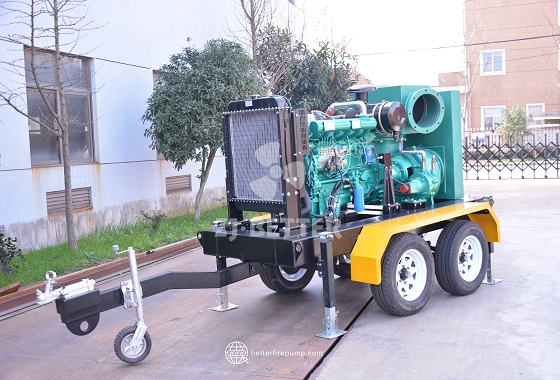
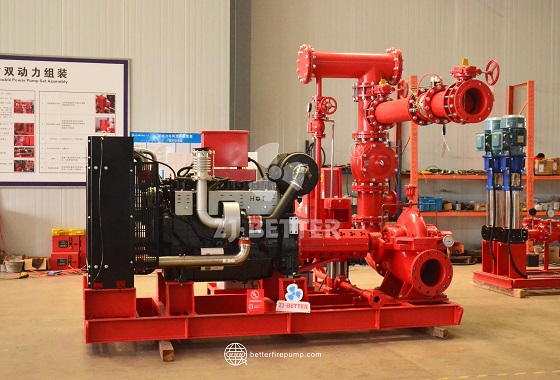
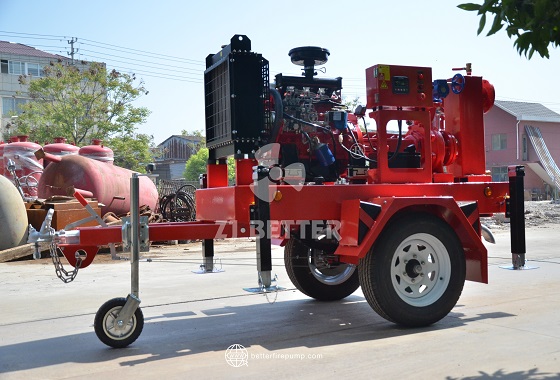
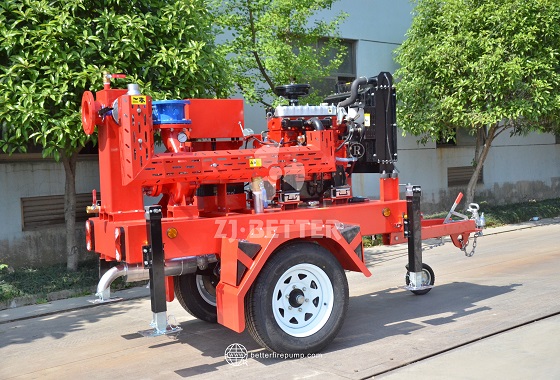
The mobile fire pump unit, equipped with support legs, is independently powered by a diesel engine and features a trailer-towing chassis along with on-site stabilization structures. It combines transport flexibility and operational stability to meet emergency fire-fighting water supply requirements, making it suitable for outdoor operations and temporary fire protection needs.
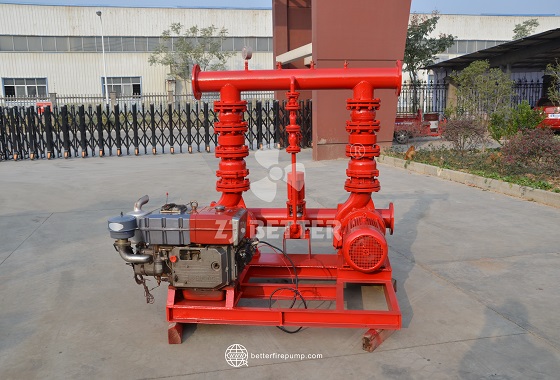
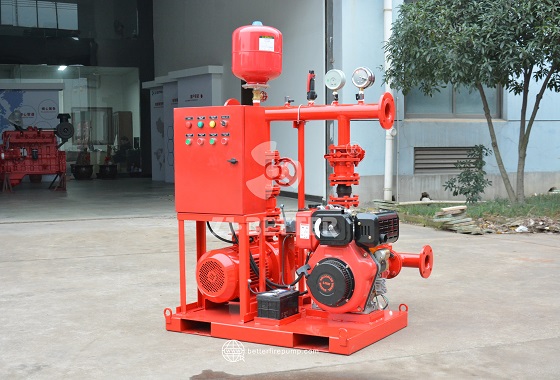
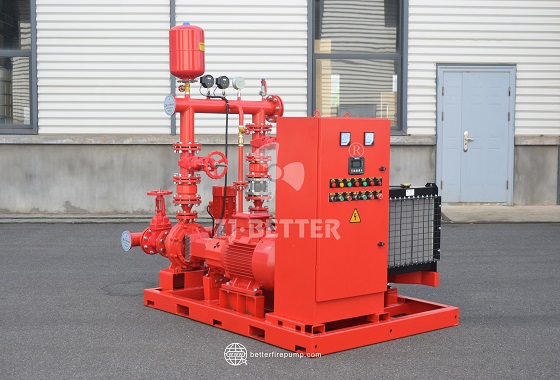
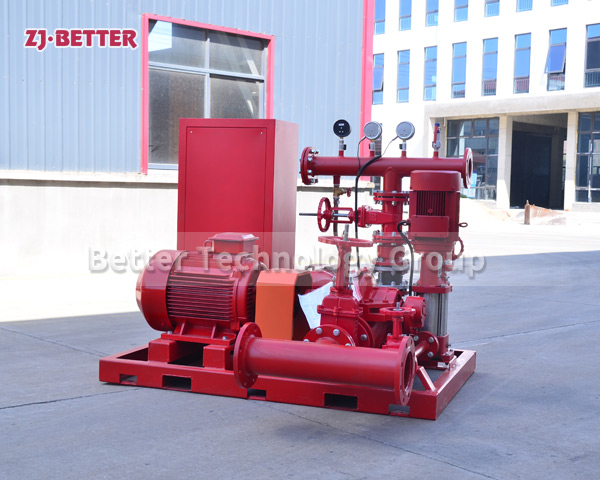
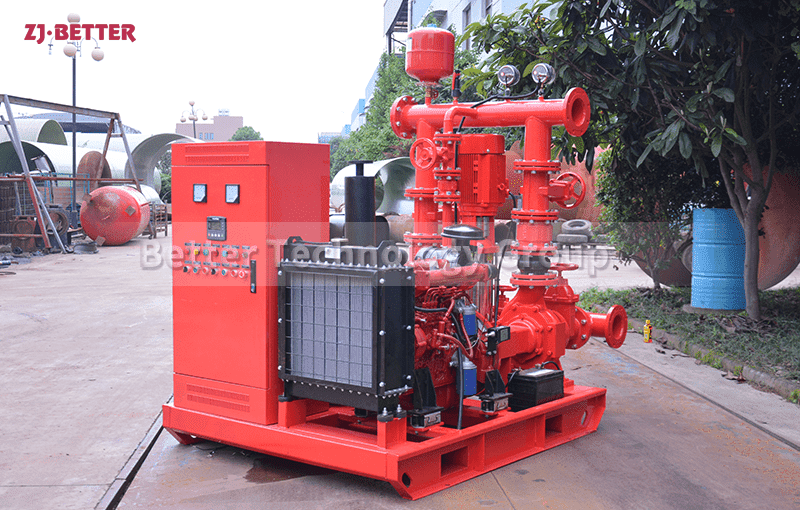
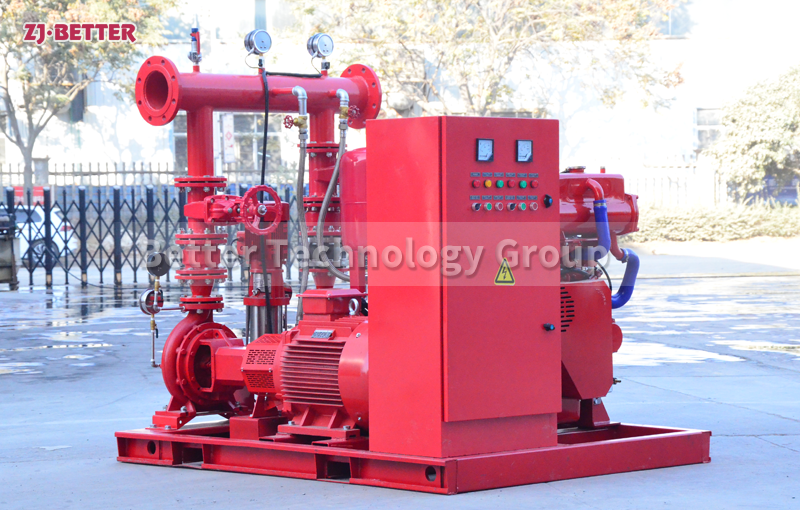
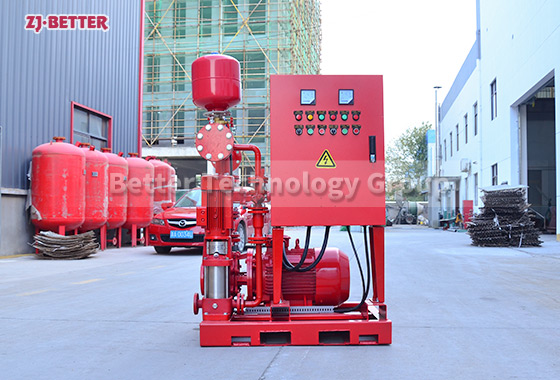
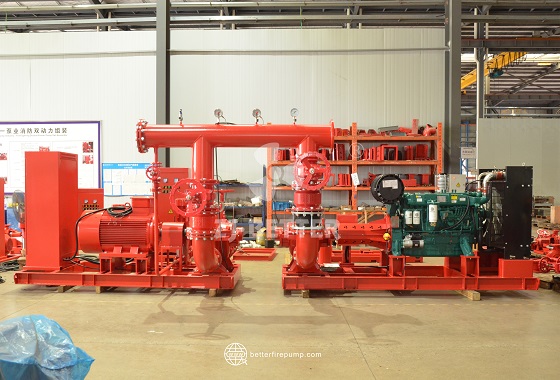
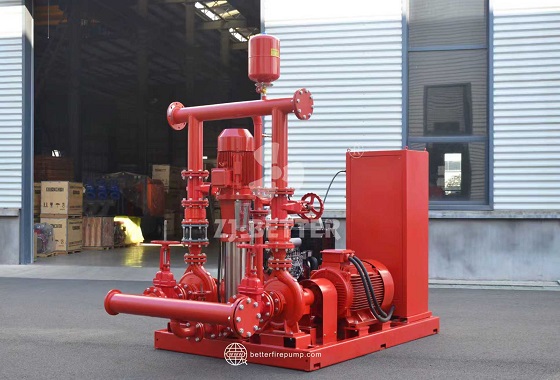
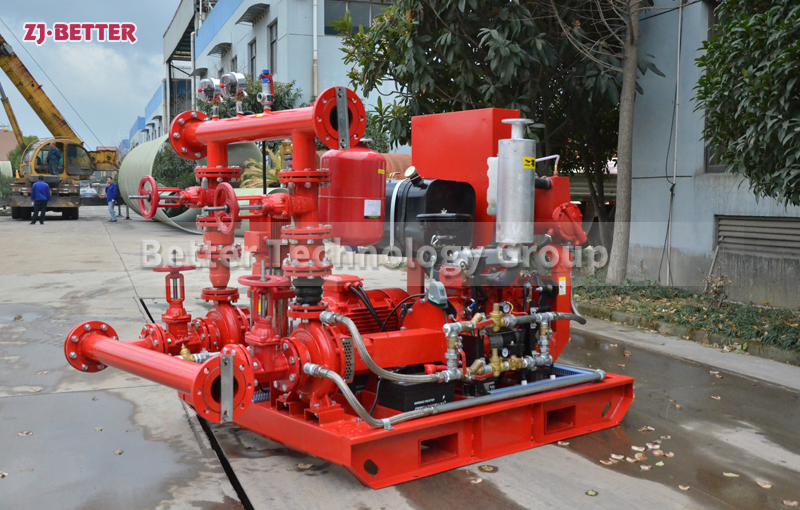
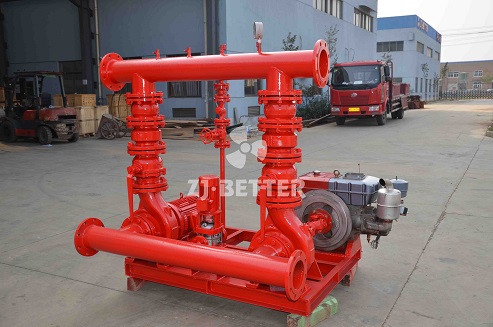
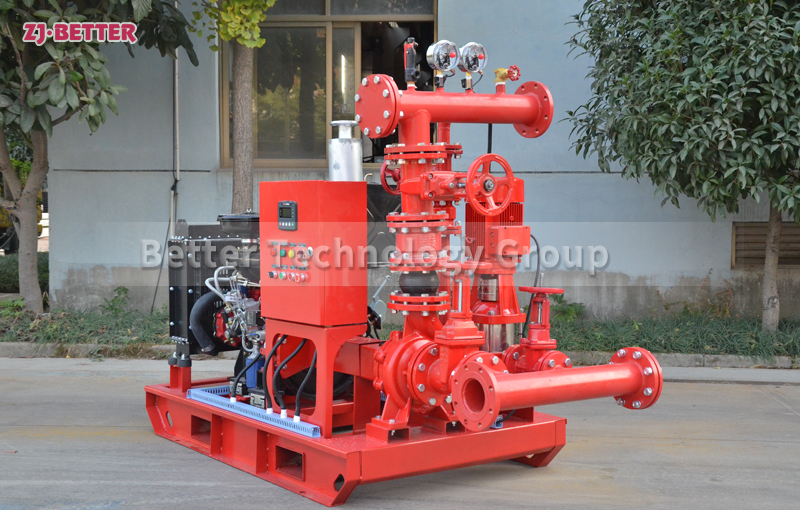
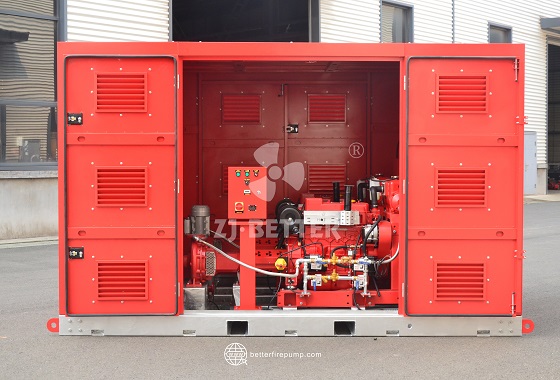
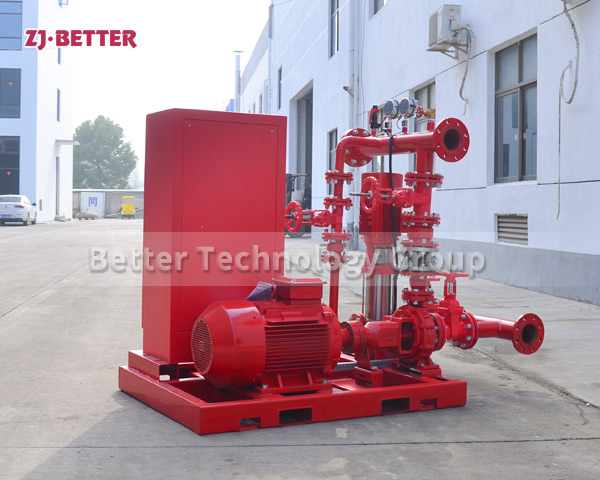
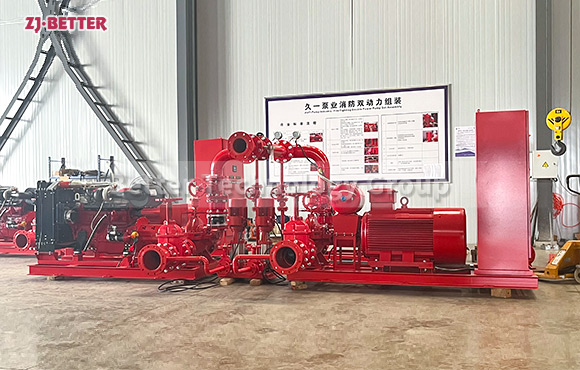
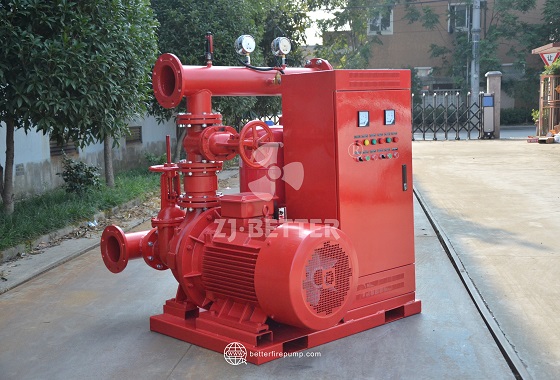
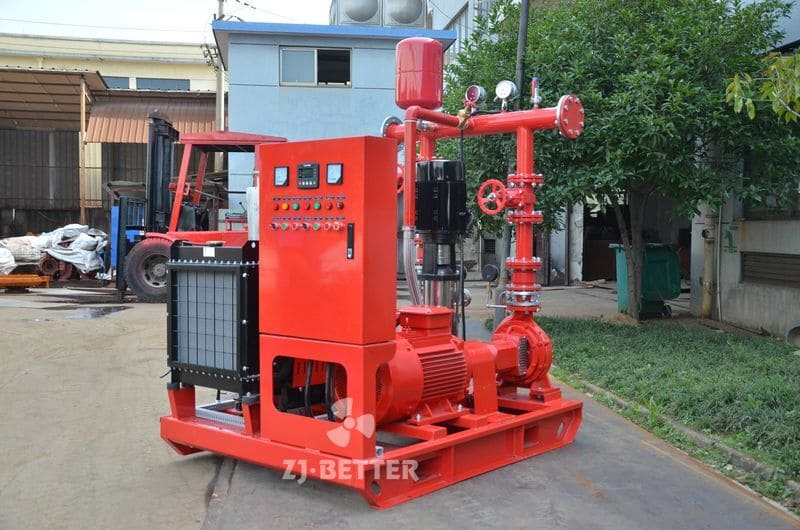
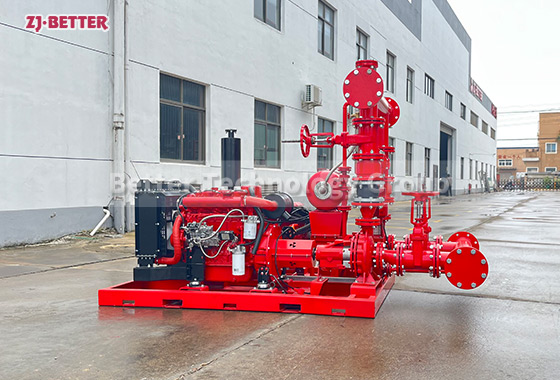
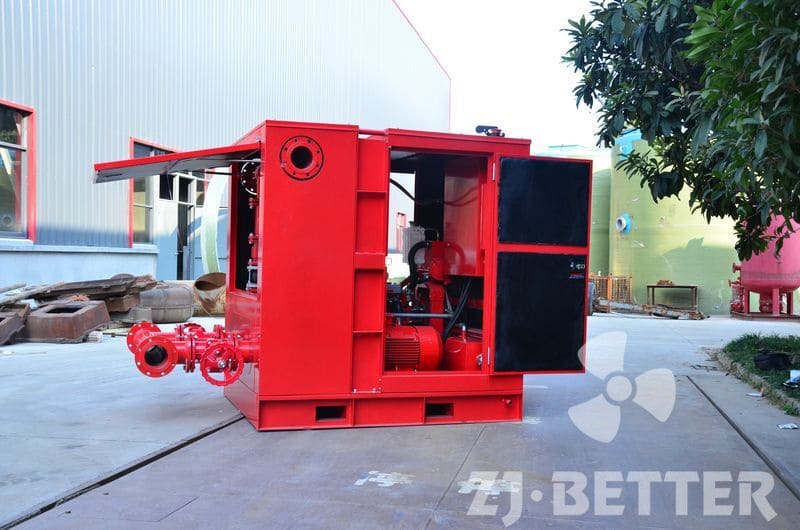
A mobile fire-fighting pump unit equipped with support legs is a water-supply system that integrates a diesel engine, a fire pump, and a trailer-mounted chassis. It is designed for temporary fire protection, outdoor operations, remote locations, and emergency scenarios requiring flexible equipment positioning. Unlike traditional stationary fire-pump installations, this unit features a trailer design with wheels and a towing mechanism, allowing it to be easily transported to various sites and eliminating the need for complex relocation or reinstallation. Powered by a diesel engine, the unit operates independently of a fixed power grid, making it highly advantageous in areas with limited electrical infrastructure or where an autonomous power source is required. The diesel engine and fire pump are mounted on a common base frame in a compact configuration, facilitating both transport and on-site deployment. The unit includes support legs that can be extended upon arrival at the operational site, providing a stable foundation and minimizing vibrations or movement of the chassis during operation. Its open design ensures that the engine, radiator, pump, and associated piping are easily accessible for inspection, routine maintenance, and the tightening of components. The diesel engine’s cooling system supports continuous operation; however, the specific operational capacity depends on the engine model, ambient temperature, and actual load. The pump type and power configuration can be tailored to specific project requirements, taking into account factors such as available water sources, transport distance, pipeline resistance, and the flow rate and head pressure required by the fire-protection system. For temporary construction sites, storage facilities, industrial parks, outdoor work zones, and other locations lacking permanent fire-pump stations, this mobile design offers superior deployment flexibility, enabling the unit to be rapidly moved to a designated location whenever a water-supply need arises. Before use, the unit must be properly secured, the support legs extended, the water inlet and outlet piping connected, and a pre-operational check performed—ensuring that the water source and the condition of the diesel engine meet all operational requirements. By integrating a diesel engine, a fire pump, a towable chassis, and a support structure, this mobile fire-pump unit offers a balance of ease of transport, on-site operational stability, and independent, self-powered water supply capabilities. It can be custom-configured to meet the specific requirements of different projects, serving as a practical equipment solution for mobile fire-fighting water supply and emergency response support.