Home » Fire Pump Set » Better specializes in the production of diesel engine fire pump sets

Better specializes in the production of diesel engine fire pump sets

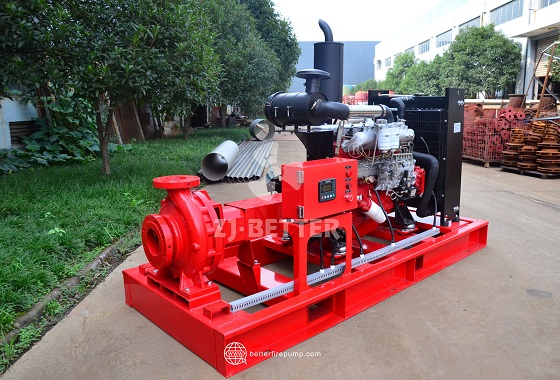
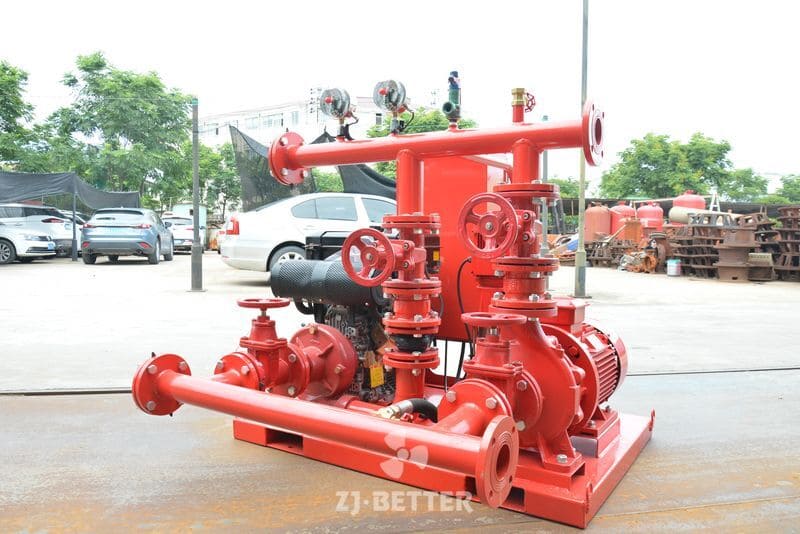
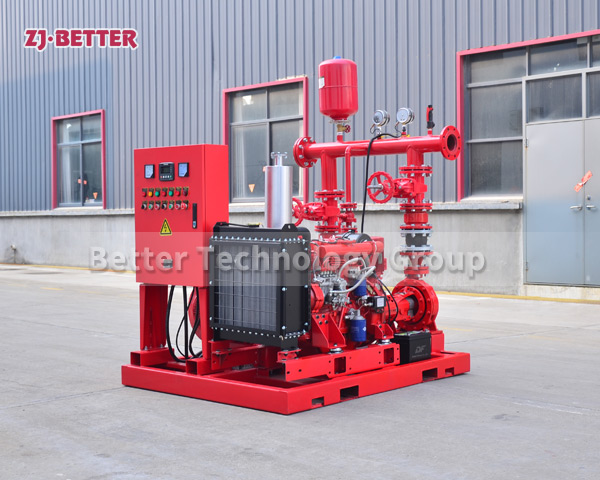
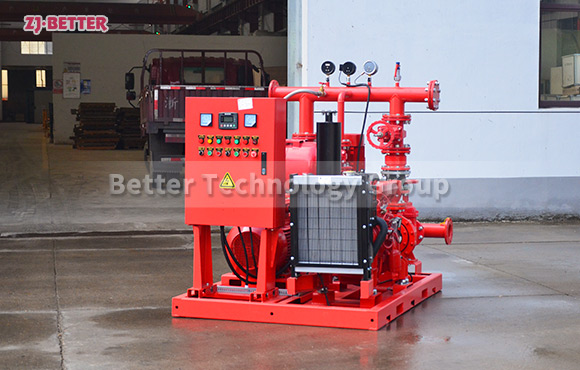
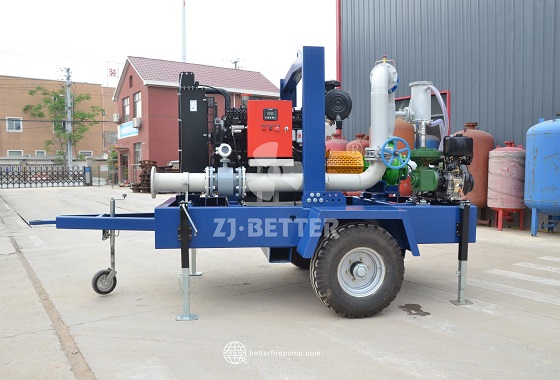
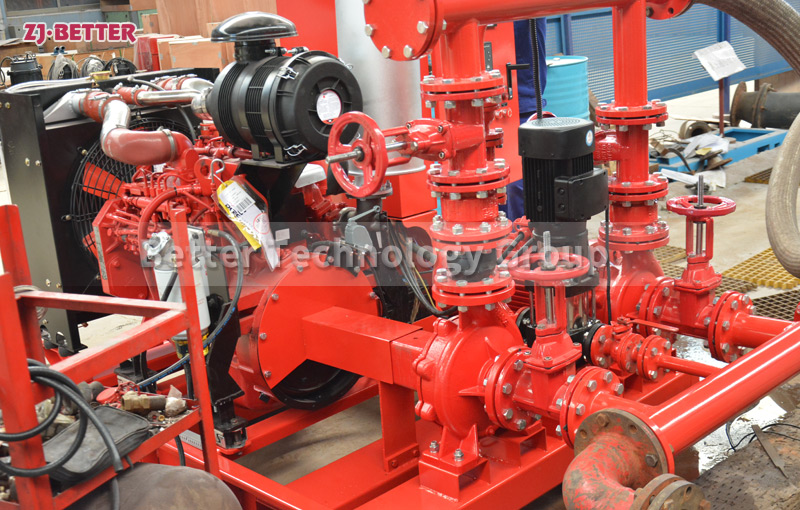
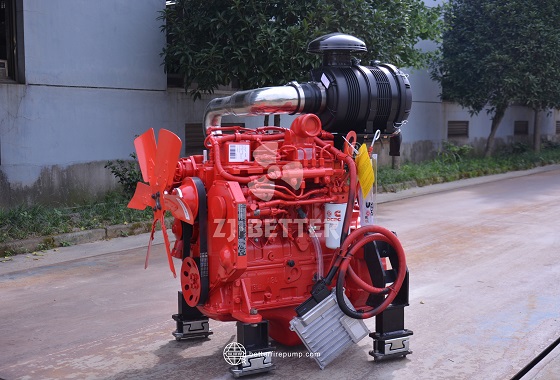
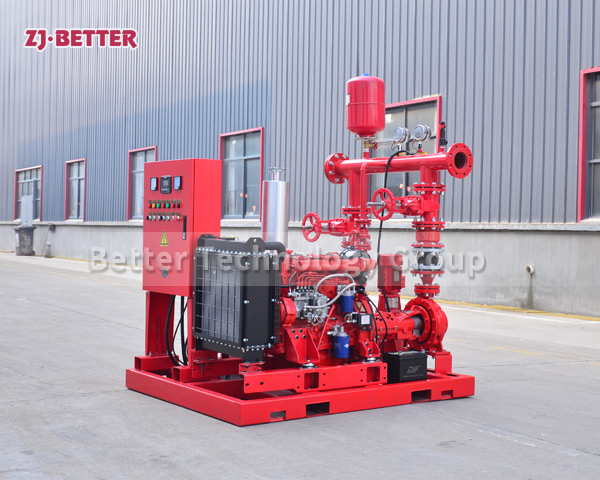
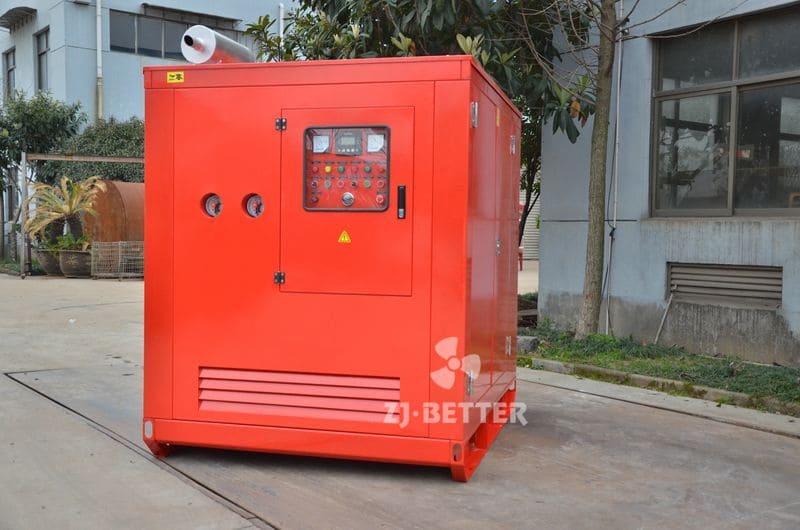
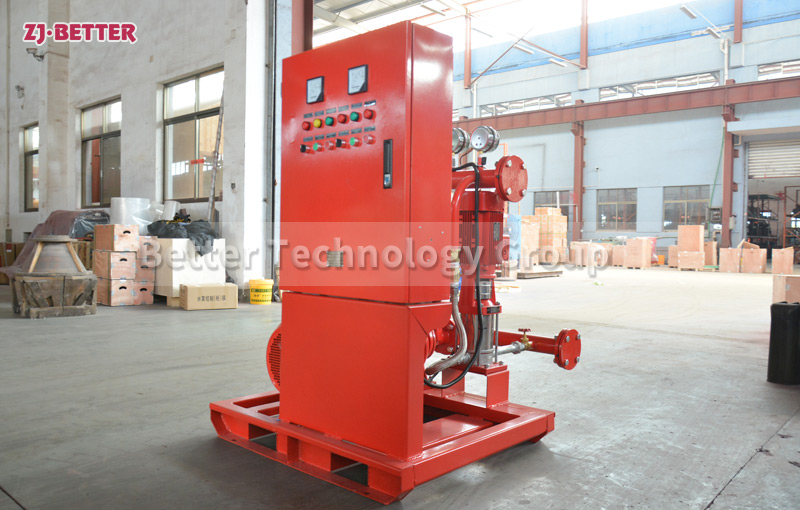
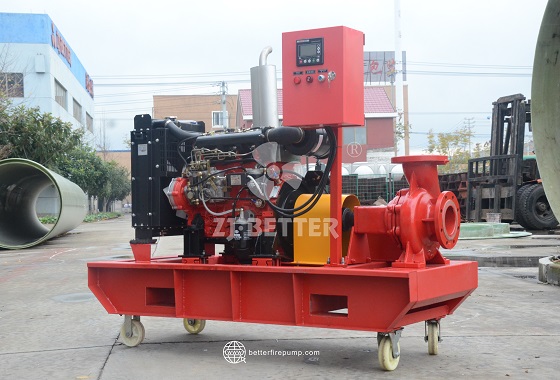
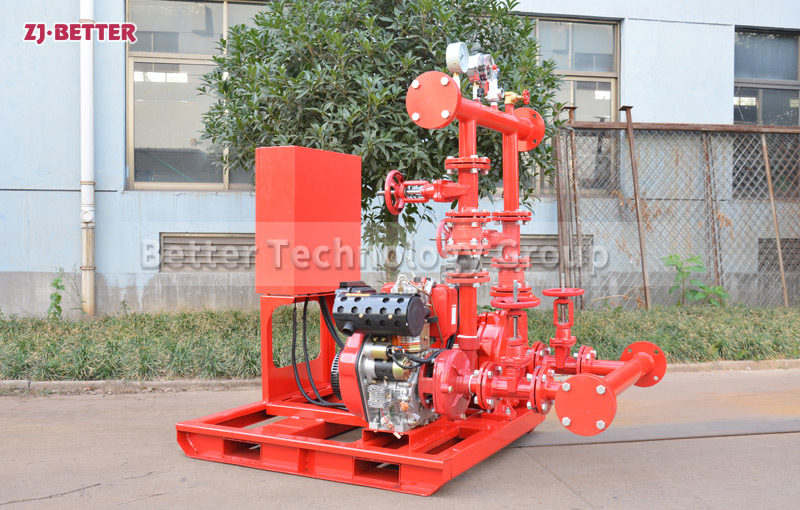
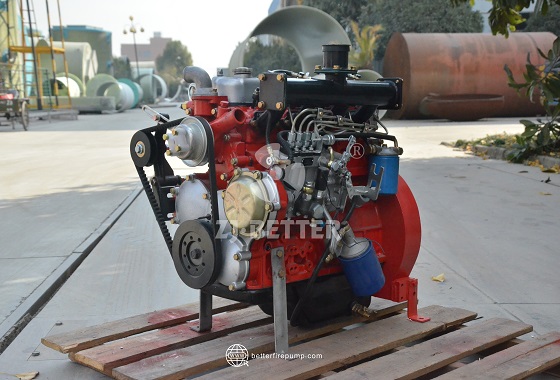
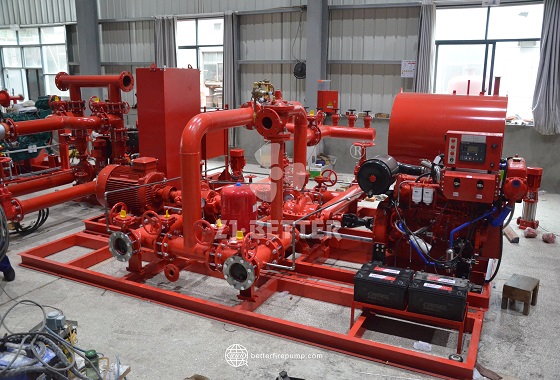
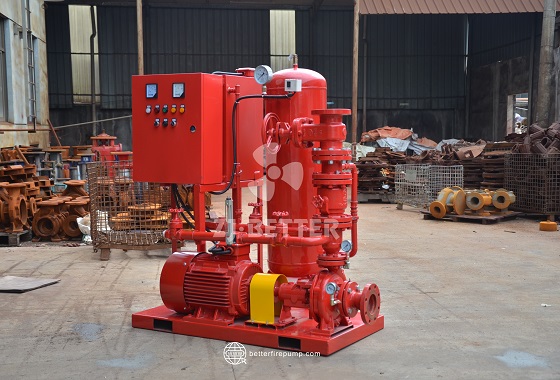
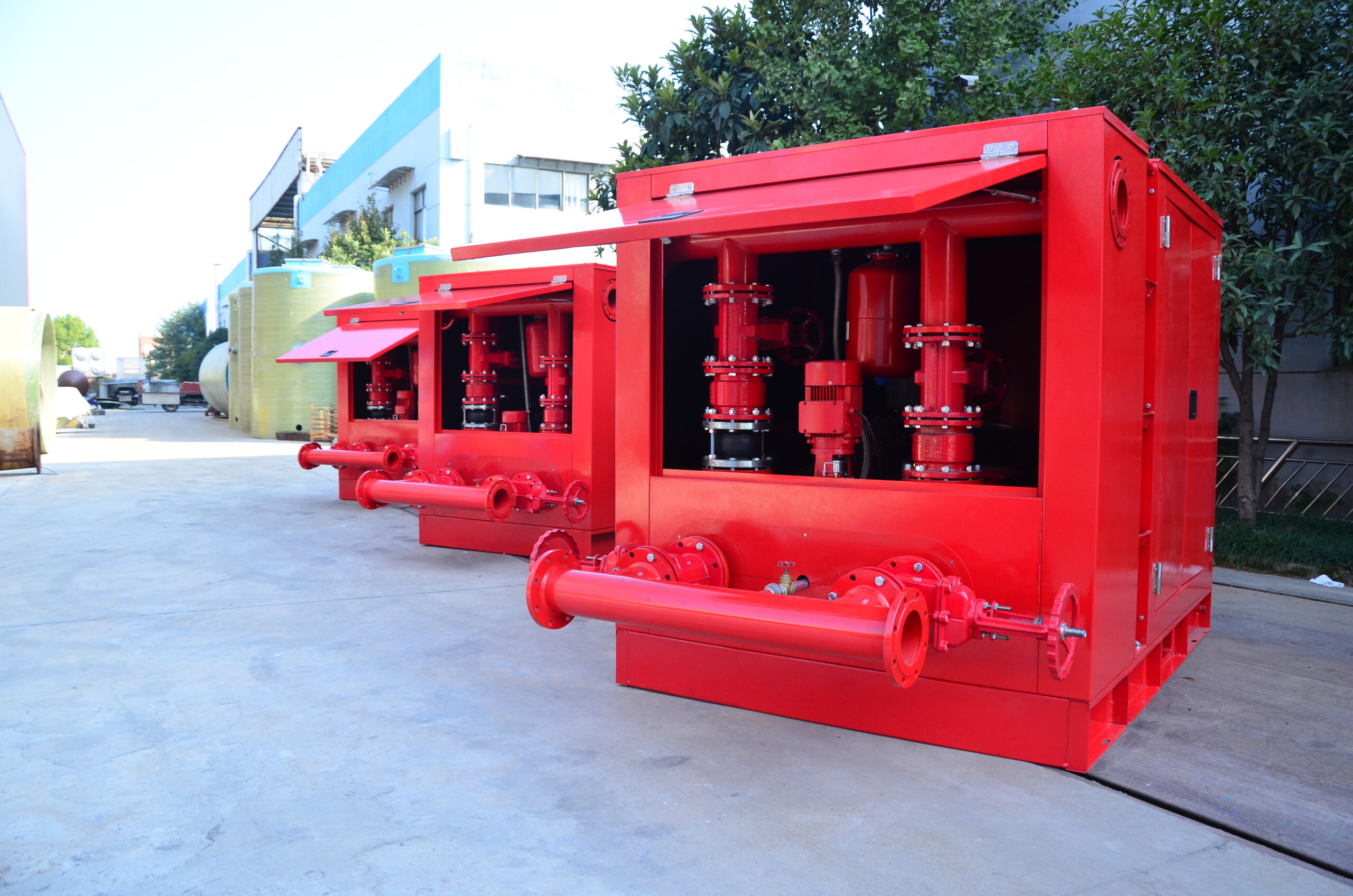
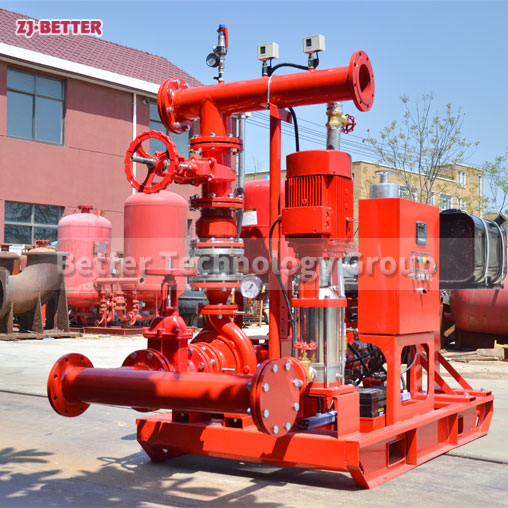
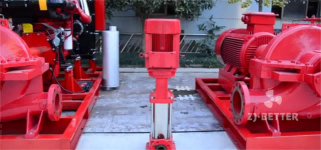
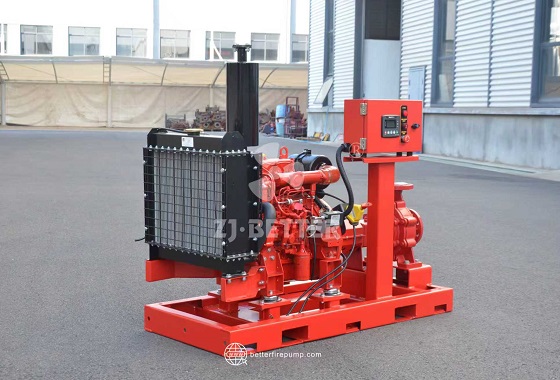
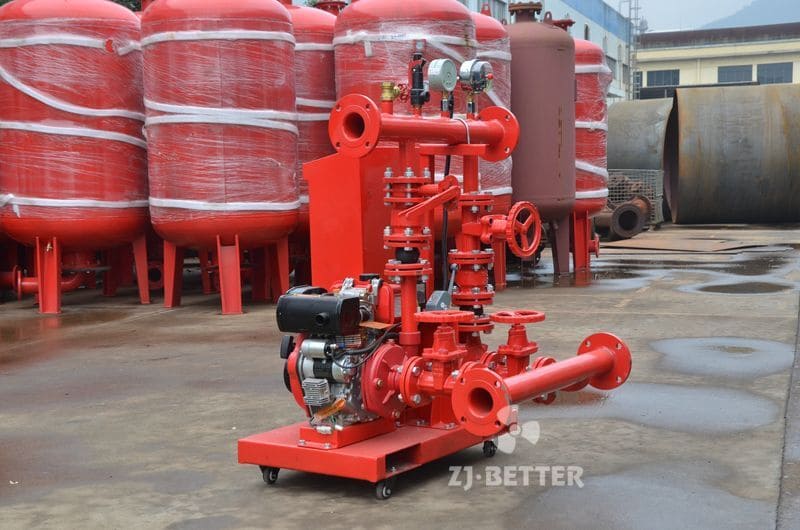
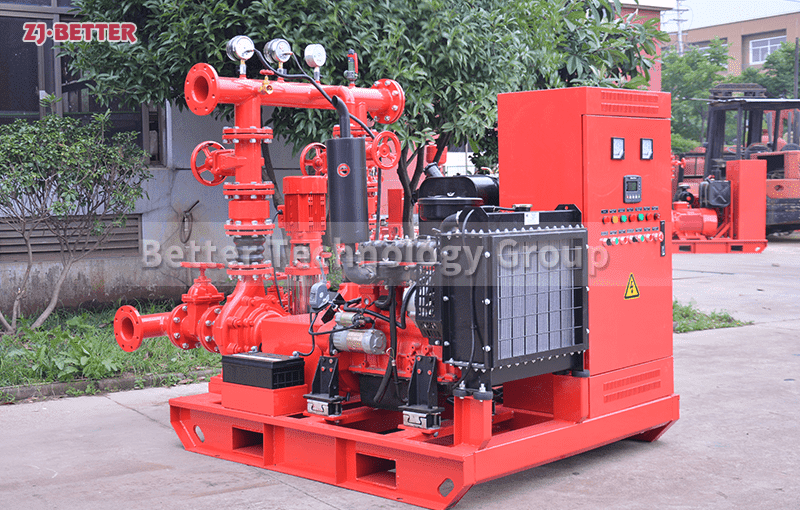
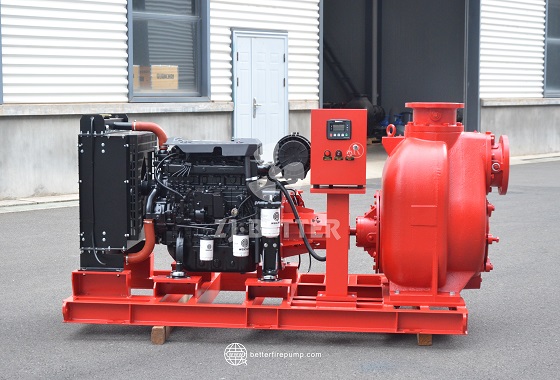
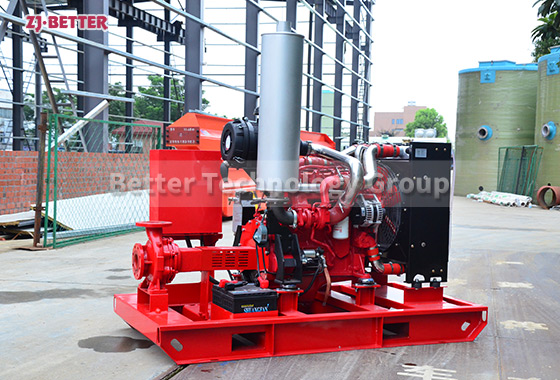
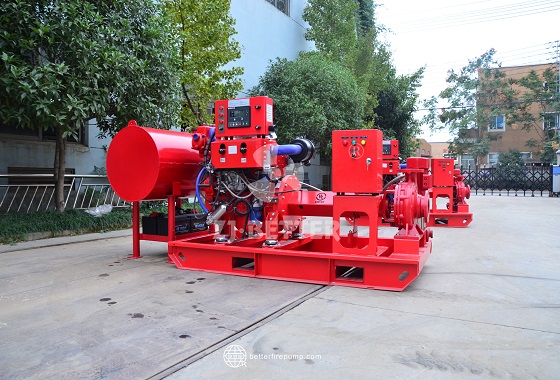
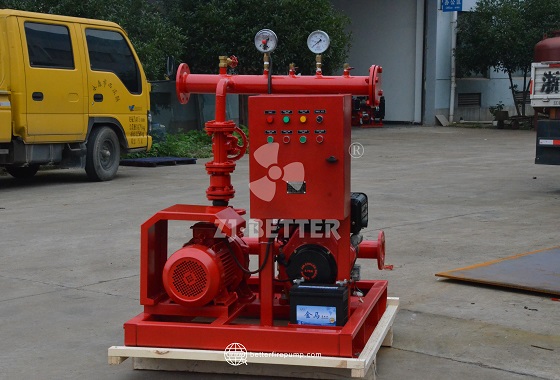
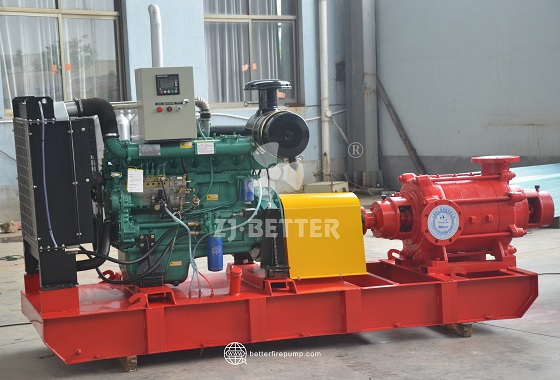
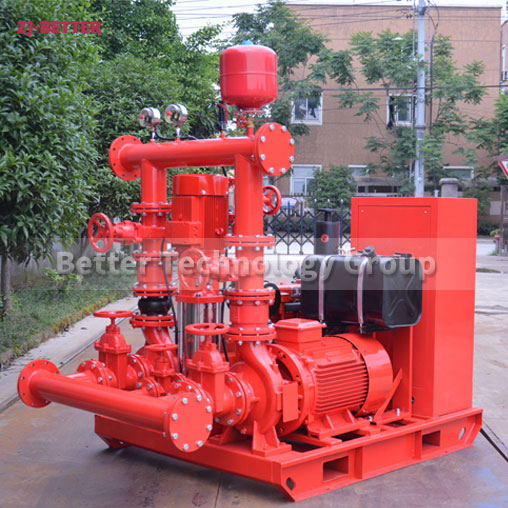
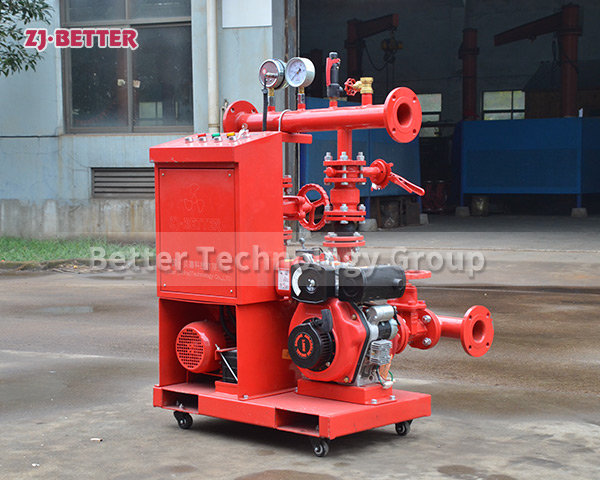
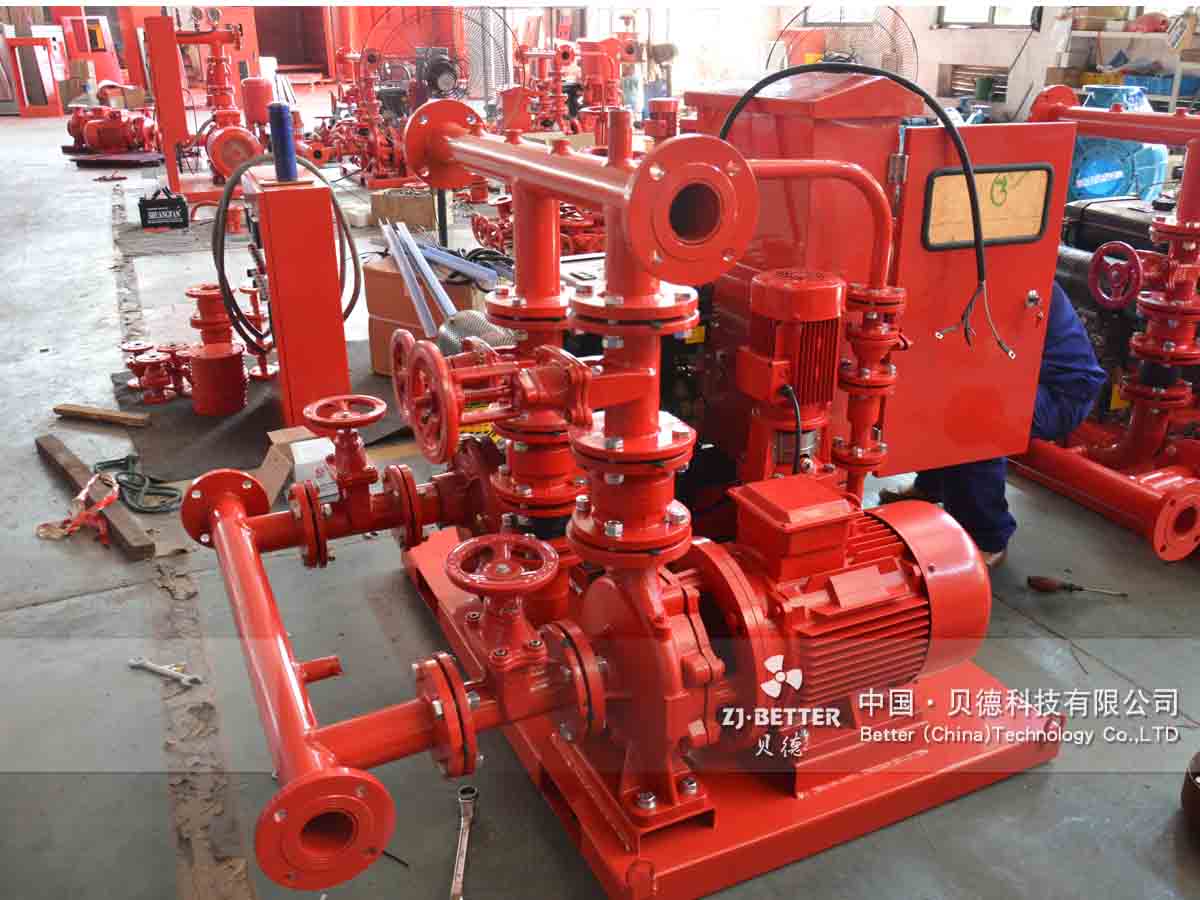
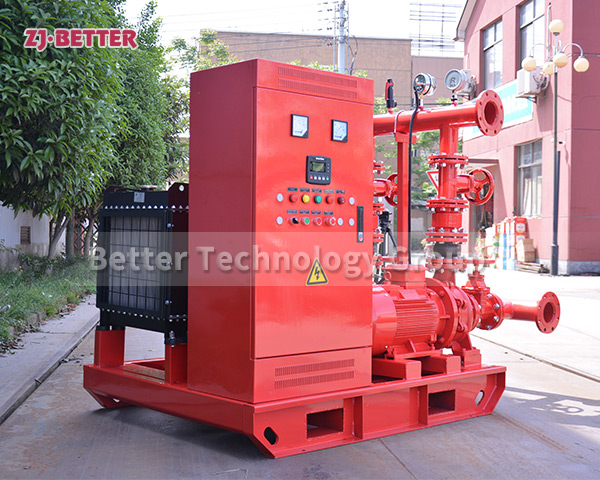
Diesel engine fire pumps are aimed at fire-fighting water supply for large-flow, high-lift occasions, and the diesel engine has good starting characteristics, fast starting speed, strong overload capacity, energy saving and does not need to be on standby all the time. The fire pump has complete performance and wide spectrum range. Single-stage single-suction pumps, multi-stage single-suction pumps, self-priming pumps and long-axis pumps can also be used in parallel, with a wide range of flow and pressure. Fire pumps are widely used for fire water supply in warehouses, docks, airports, petrochemical, power plants and other industrial and mining enterprises.

Rated 4.6/5 based on 269 customer reviews
Share:
Content

The diesel engine fire pump has a high degree of automation, with automatic, manual and fault self-inspection functions, the whole process monitors the working status, can restore the function of automatic restart after failure to start, automatic pre-lubrication and pre-heating, making the equipment start-up safer and more reliable. The diesel engine fire pump has the functions of remote control and remote transmission control in the central control room, and can also be connected to the field bus. The battery adopts automatic floating charging (constant current, constant voltage, trickle charging) to ensure that the battery is in a standby state at any time.
Inquiry


    More Fire Pump Set

    Using a fire pump efficiently and reasonably is crucial to ensure its optimal performance and effective firefighting capabilities. Here are some key considerations for using a fire pump efficiently:

    Proper Sizing: Ensure that the fire pump is properly sized for the specific application.

    Regular Maintenance: Perform regular maintenance on the fire pump to keep it in optimal condition.

    Optimal Operating Speed: Operate the fire pump at the optimal speed based on the required flow rate and pressure.

    Water Management: Manage the water supply efficiently to avoid unnecessary waste.

    Training and Familiarization: Provide training to firefighters and operators on the proper operation of the fire pump.

    Monitoring and Control: Utilize monitoring and control systems to optimize pump operation. These systems can provide real-time information on flow rates, pressures, and energy consumption. Use this data to adjust operating parameters as needed and identify any anomalies or inefficiencies that may require attention.

    Shut Down When Not in Use: When the fire pump is not actively needed, consider shutting it down to conserve energy and reduce wear on the equipment.

    Record Keeping: Maintain records of pump operation, maintenance activities, and any performance issues.

    Efficient and reasonable use of a fire pump not only helps conserve resources but also ensures its readiness to combat fires effectively. By following proper operating procedures, conducting regular maintenance, and promoting a culture of efficiency among operators, the fire pump can operate optimally and provide reliable firefighting capabilities when needed most.