Multi-Component Diesel Fire Pump Sets for Complete Fire Protection System Configuration
The diesel fire pump unit integrates multiple components and is equipped with electric fire pumps, diesel backup pumps, pressure stabilizing pumps, pressure tanks, control cabinets and valve pipelines to provide stable fire water supply, pressure maintenance and emergency power support. It is suitable for industrial plants, warehousing, airports, terminals, petrochemicals and large building fire protection projects.
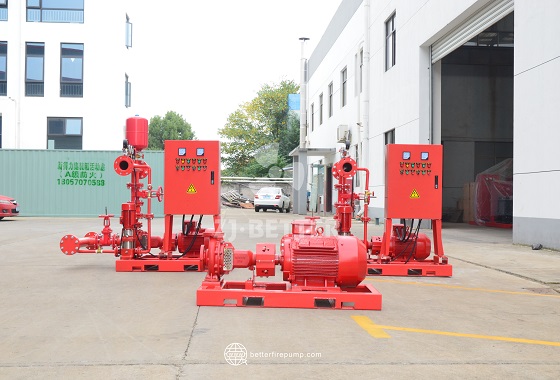
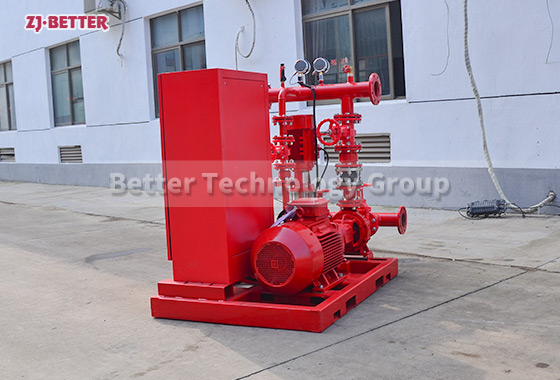
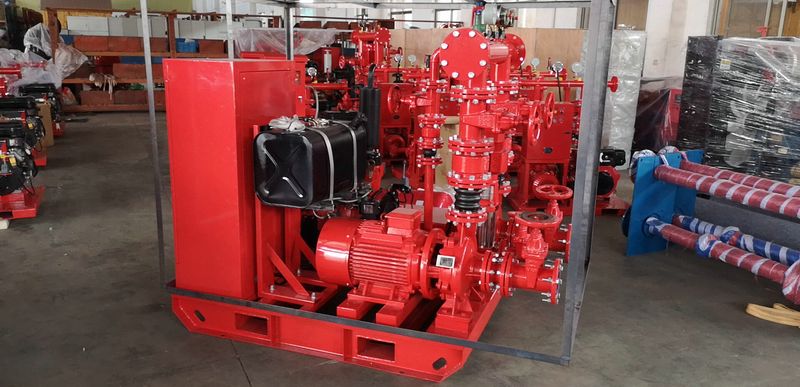
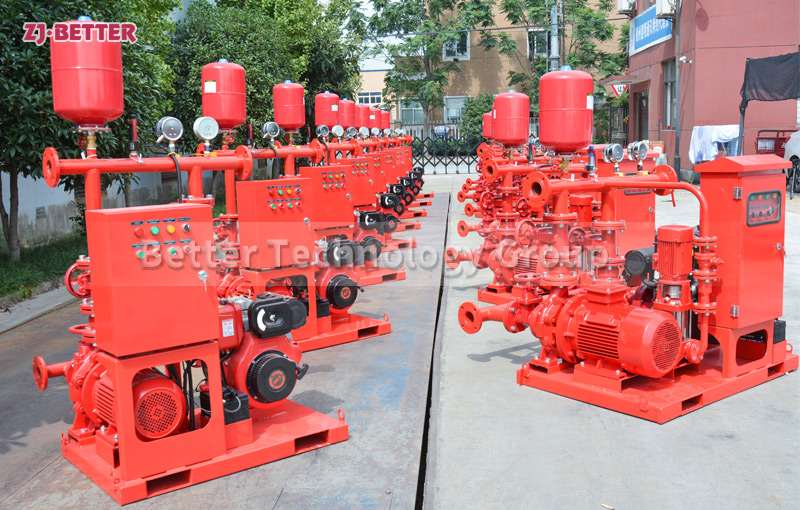
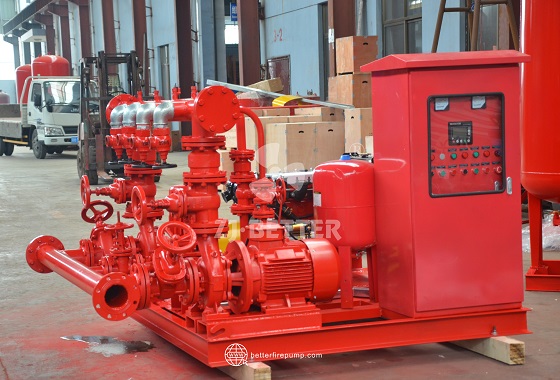
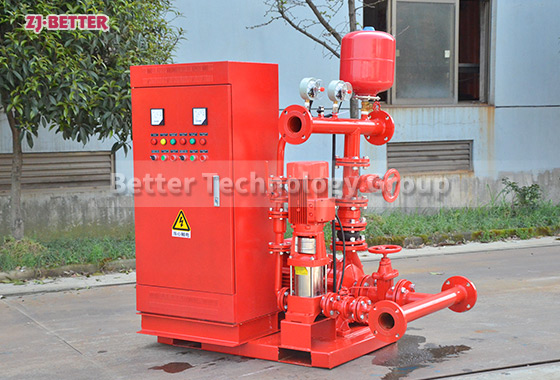
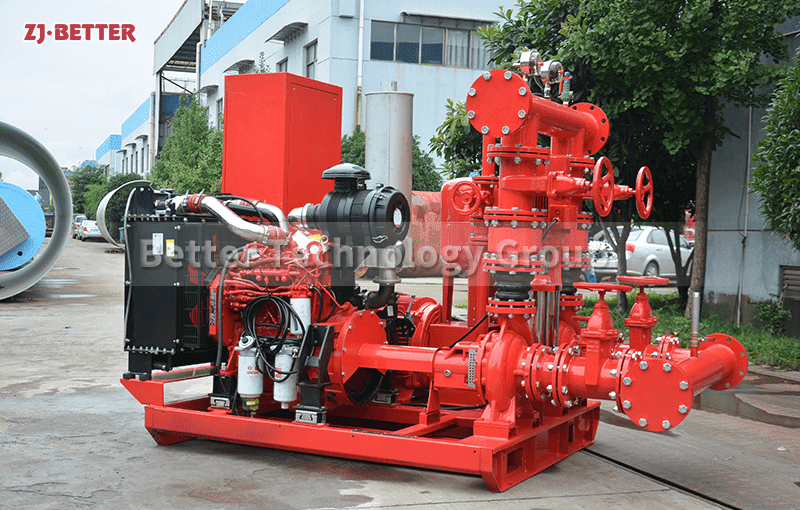
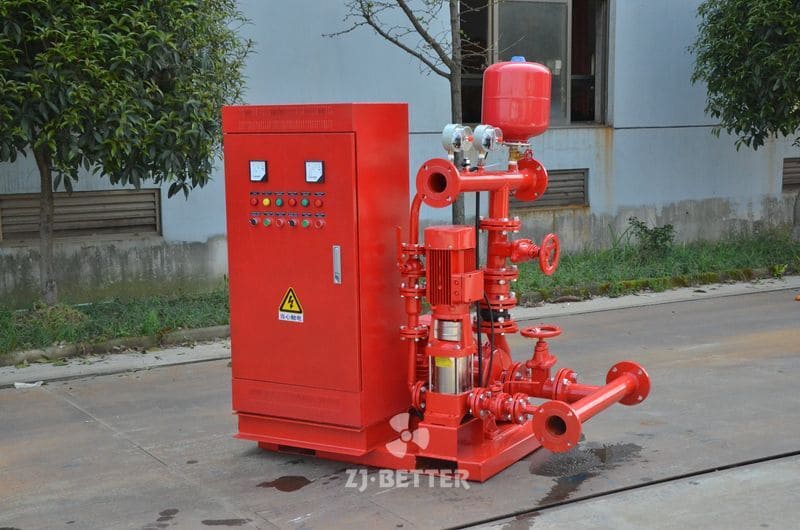
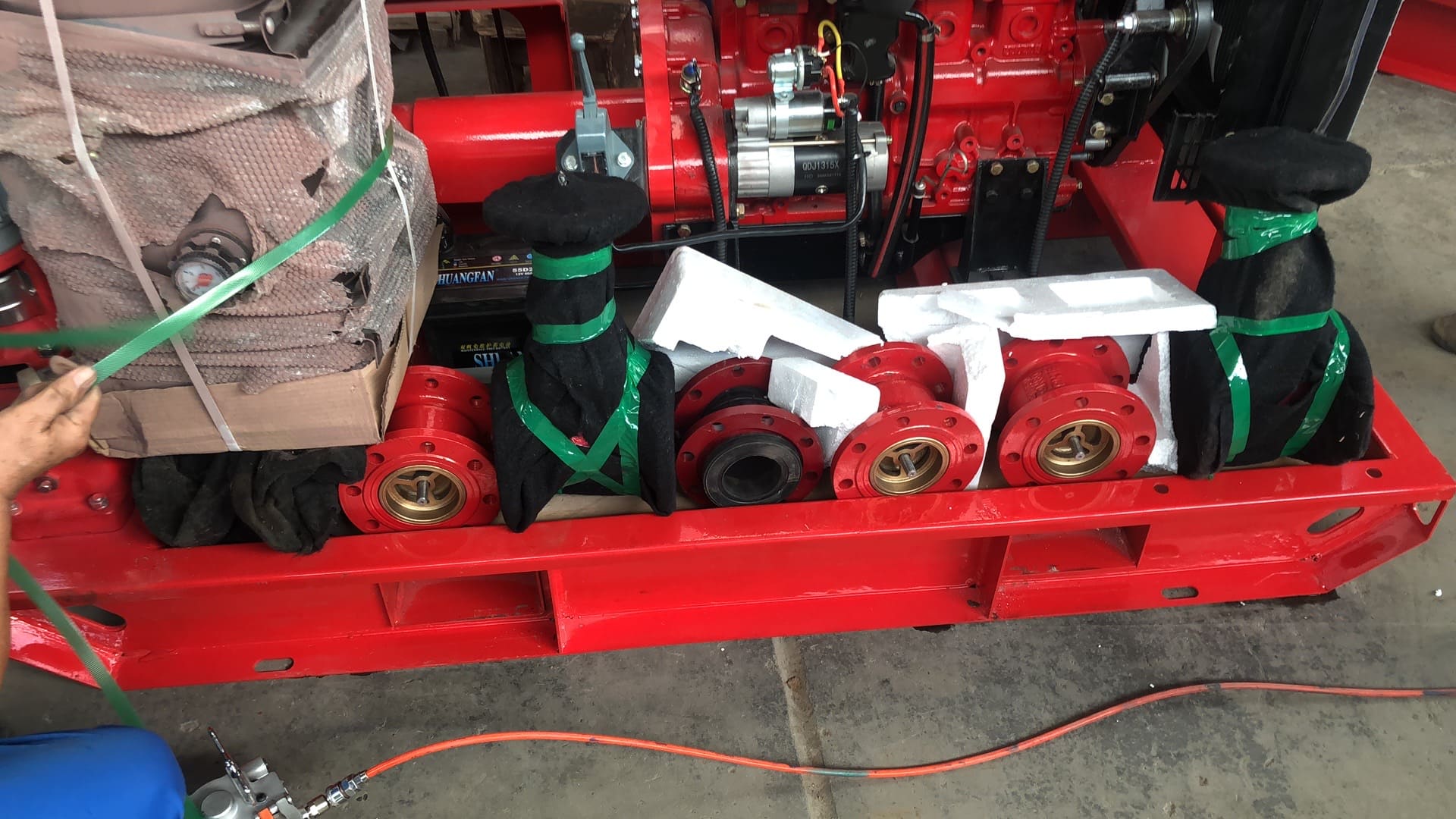
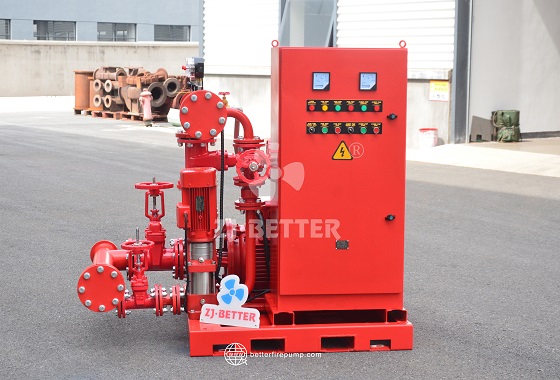
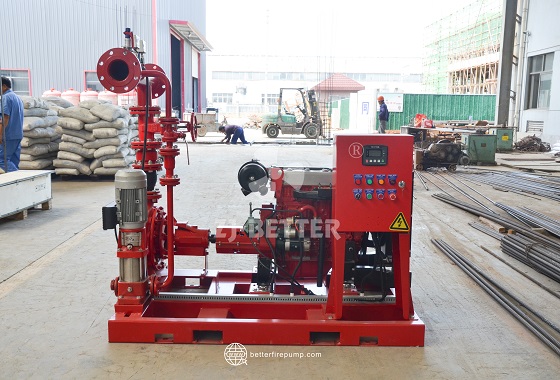
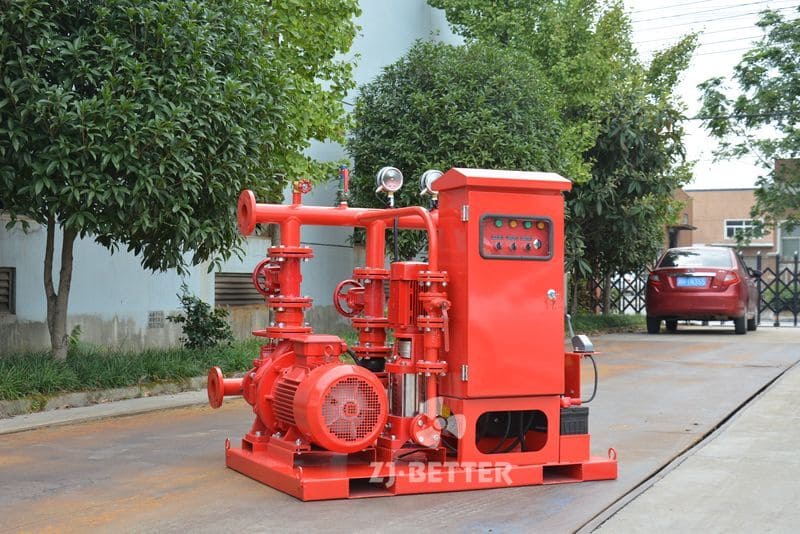
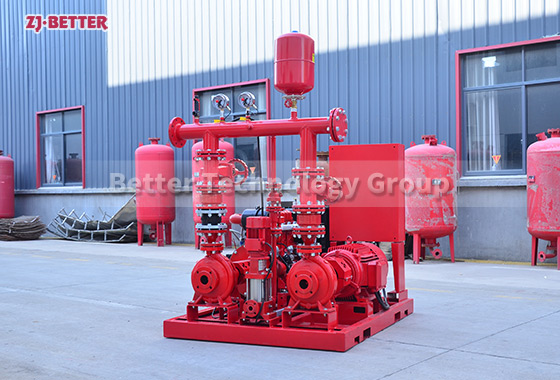
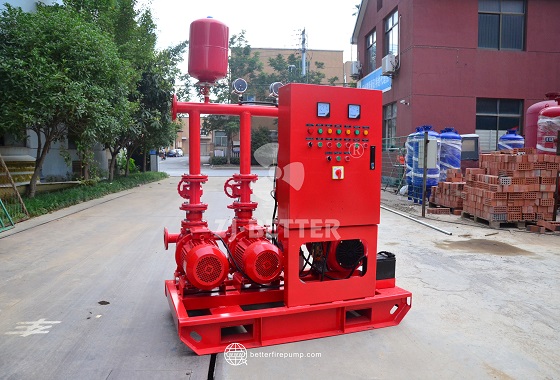
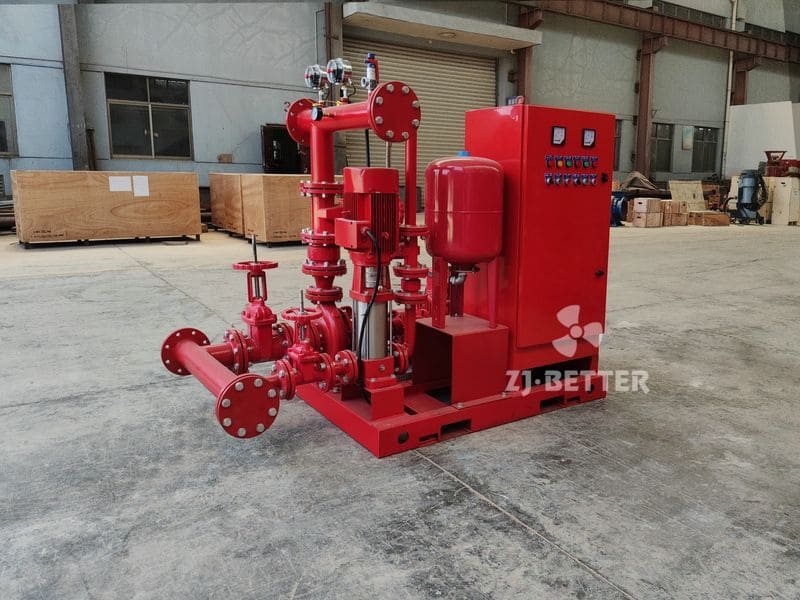
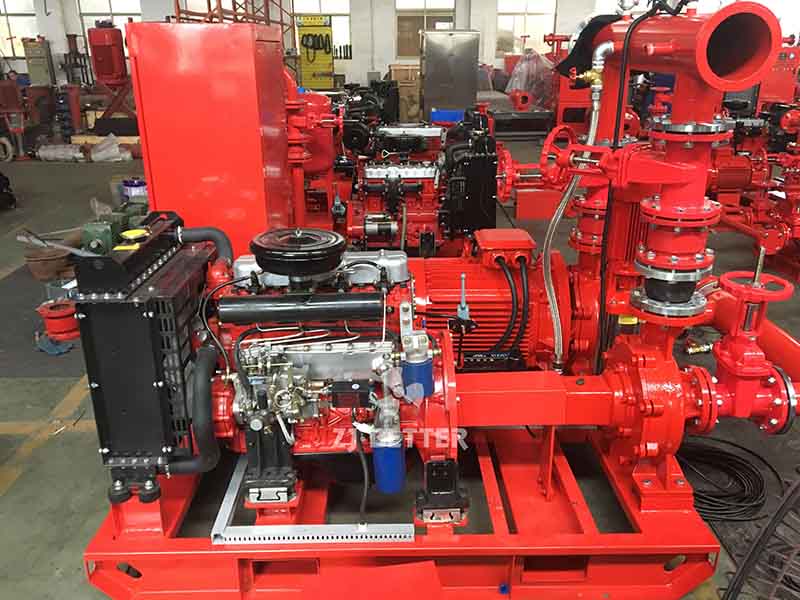
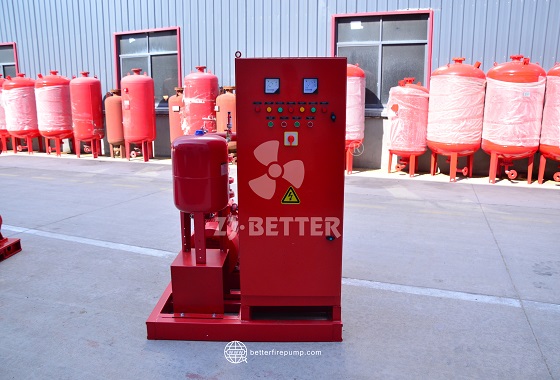
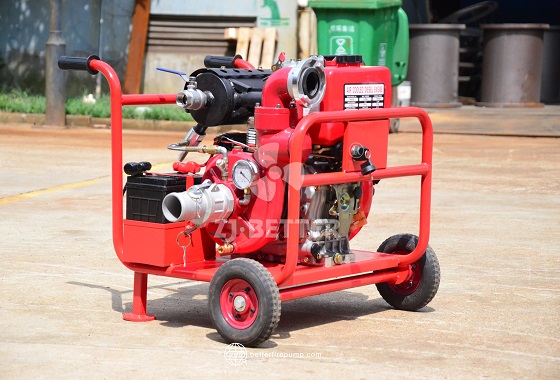
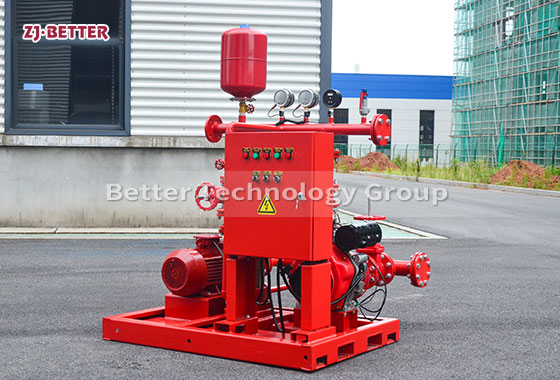
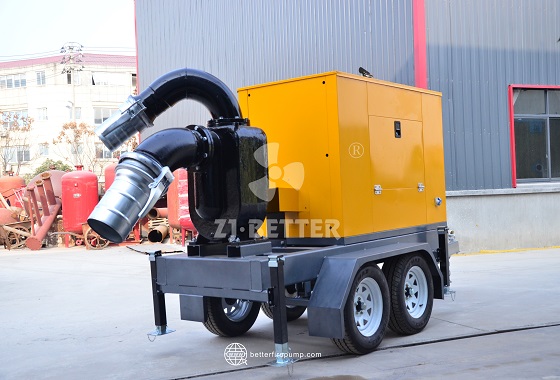
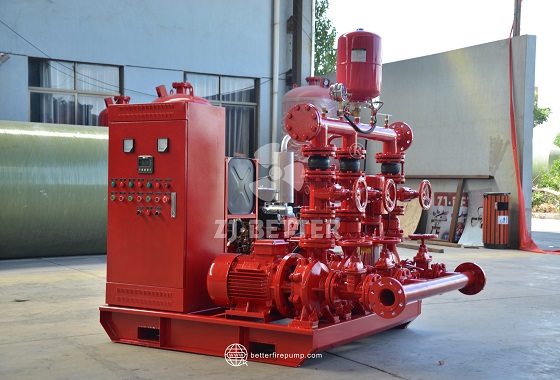
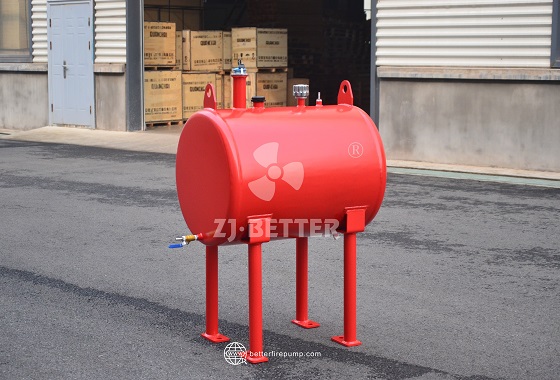
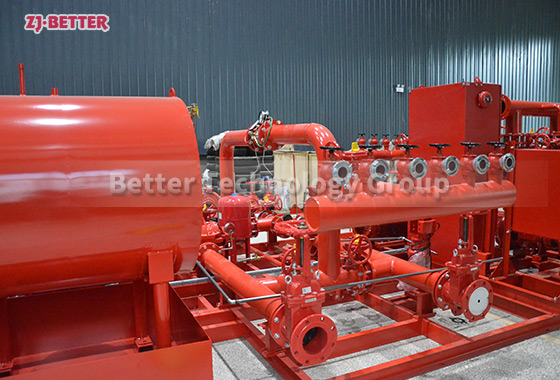
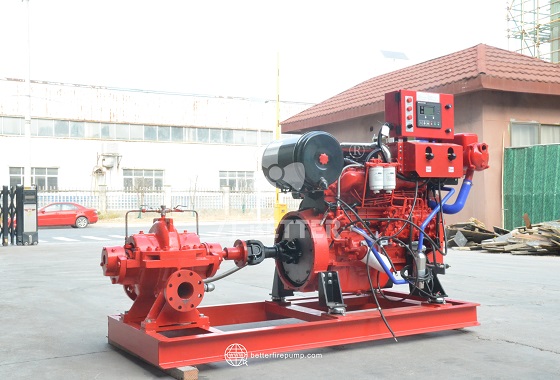
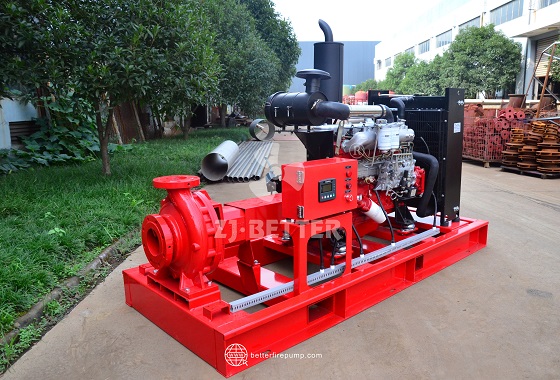
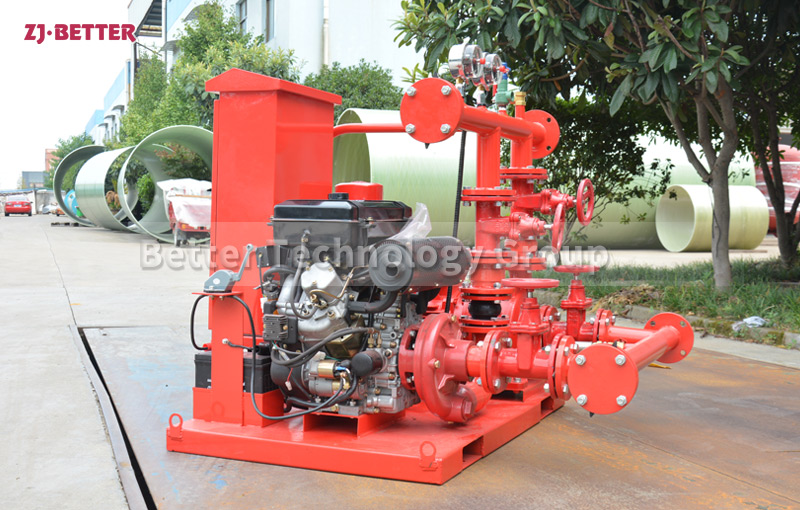
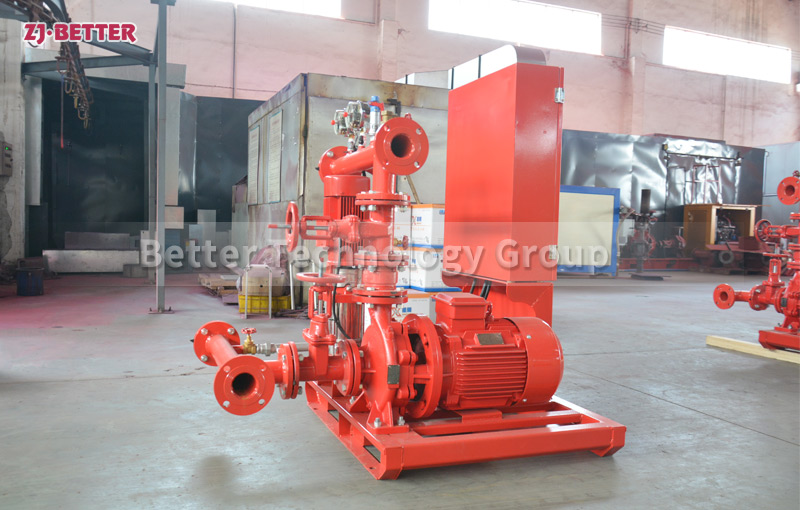
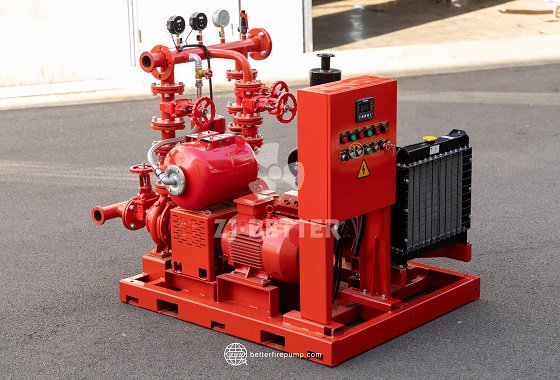
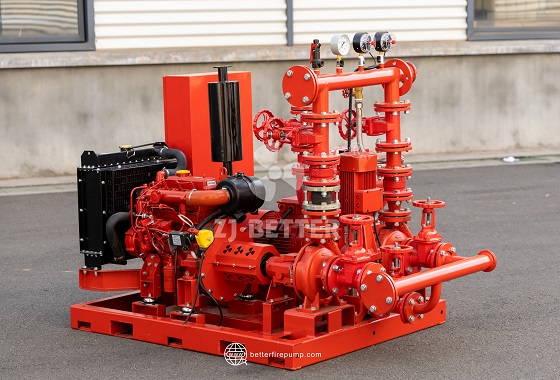
In modern fire protection engineering, fire water supply equipment not only needs to have stable flow and pressure, but also needs to maintain good emergency support capabilities in complex situations such as fires, power outages, and pipe network pressure fluctuations. Therefore, it is difficult to purchase a single fire pump to meet the integrity requirements of fire protection systems in large industrial facilities, warehousing logistics, commercial buildings, airports, docks, petrochemical industries, power facilities, and other key places. The multi-component integrated design of the diesel fire pump set is a complete set of fire water supply equipment formed in response to this demand. It systematically configures multiple functional components such as diesel fire pumps, electric fire pumps, pressure stabilizing pumps, pressure tanks, control cabinets, pressure gauges, pressure sensors, check valves, gate valves, public water suction and outlet pipes, flexible joints, flanges and public bases, so that a reasonable working relationship is formed between each equipment, thereby building a more complete fire water supply unit. According to relevant product information, the complete fire pump system can adopt a combination of “electric main pump + diesel backup pump + voltage stabilizing pump”, in which the electric pump is responsible for normal fire water supply, the diesel pump is used as backup power to undertake fire water supply tasks in the event of power failure, and the voltage stabilizing pump is used to maintain the daily pressure of the fire protection pipe network. At the same time, the system can also select different types of fire pumps based on project flow, lift and pressure requirements, including end-suction, horizontal split type, vertical split type, vertical pipeline type and vertical turbine pump, etc. 1. The complete complete structure reduces the difficulty of fire protection system configuration. One of the outstanding features of the diesel fire pump unit is the integration of multiple components. Traditional fire pump rooms often need to separately determine the main pump, backup pump, pressure-stabilizing pump, control equipment, valves and pressure accessories, and then conduct on-site connection and debugging. A complete fire pump unit can make unified planning of these main components during the equipment design stage, so that the water pump, power equipment, control equipment and pipeline accessories form an overall structure. The equipment in the picture is installed on a common base. The diesel engine, fire pump, control cabinet, pipeline components, pressure tank and other components are compactly laid out, which can reduce the complexity of connection between on-site equipment and facilitate the overall positioning, installation and debugging of the engineering personnel. For fire protection engineering contractors and project purchasers, complete sets of equipment can reduce the coordination work of multiple suppliers and make equipment selection, technical confirmation, transportation, installation and post-maintenance more centralized, which will help improve the implementation efficiency of the entire fire protection project. Official website information shows that the complete fire pump unit can install the main pump, diesel backup pump, pressure stabilizing pump, pressure tank, controller and standard accessories on a common base to form a complete fire pump equipment unit. 2. The electric main pump and the diesel backup pump form dual power guarantees. For important fire protection projects, the fire water pump cannot only consider the operating capacity under normal power supply, but also needs to consider the power outage that may occur during the fire. Electric fire pumps are usually used as the main power equipment for daily fire water supply, providing stable water flow and pressure when the fire protection system encounters water supply needs; diesel fire pumps are used as independent backup power and are not directly driven by the building power grid. They can still undertake fire water supply tasks in the event of abnormal power supply. This dual power configuration of electric and diesel can significantly enhance the operational redundancy of the fire protection system, allowing the equipment to have corresponding water supply capabilities under different energy conditions. For places with high fire safety requirements, such as industrial plants, warehouses, docks, airports, petrochemical facilities, and power facilities, the dual-power structure can reduce the impact of a single power source failure on the fire water supply system. The relevant complete system data clearly adopts the operating configuration of “1 working electric pump + 1 diesel backup pump + 1 pressure stabilizing pump”. Different flow rates and pressure levels can be selected according to the engineering design. 3. The pressure-stabilizing pump is responsible for maintaining the basic pressure of the fire protection pipe network. Although the flow rate of the pressure-stabilizing pump is usually smaller than the main fire pump, it plays a very important role in the entire fire water supply system. The firefighting pipe network still needs to maintain a certain pressure in a long-term standby state. When there is a slight leak in the pipeline, the pressure naturally drops, or local water use causes pressure fluctuations, the pressure stabilizing pump can promptly replenish the pressure according to the control system settings to keep the firefighting pipe network within the design range. This can reduce the frequent startup of large fire main pumps due to slight pressure changes, help reduce the number of unnecessary starts of the main pump, and keep the fire protection system in a stable standby state. For large buildings and long-distance fire protection pipe networks, the pressure-stabilizing pump can help the system maintain a more stable pressure base, so that when a fire actually breaks out and fire hydrants or sprinkler equipment are turned on, the fire main pump can quickly enter the corresponding working state. The pressure stabilizing pump in this type of system can adopt a horizontal or vertical structure and is selected according to the flow and pressure parameters of the actual fire protection pipe network. Its design lift is usually higher than the working pressure of the main fire pump to meet daily pressure stabilization needs. 4. The pressure tank improves the pressure stabilization capability of the fire protection system. The pressure tank is one of the important components of the complete set of equipment in the picture. It, together with the pressure stabilizing pump and the pressure control system, constitutes the pressure regulating unit of the fire protection pipe network. By rationally selecting the pressure tank volume and working pressure, the equipment can have a certain buffering capacity when small pressure changes occur in the fire protection pipe network, thus reducing the frequent starts and stops of the pressure stabilizing pump. Different engineering projects have different fire pump lifts and pipe network pressures, so the pressure tanks do not use exactly the same specifications, but need to be matched based on system design parameters. The pressure tank capacities listed in relevant product information include 25L, 50L, 75L, 100L and other specifications. The working pressure can be selected at different levels according to system requirements, such as 0.6MPa, 1.0MPa and 1.6MPa. 5. The control cabinet realizes unified management of multiple devices. If a multi-component fire pump unit does not have a reasonable control system, it will be difficult to coordinate the operation of each device. Therefore, the control cabinet is an important control core of the entire set of equipment. The control cabinet can manage the operation of electric pumps, diesel pumps and pressure-stabilizing pumps according to the pressure status of the fire protection system and preset control logic, while providing equipment status display, alarm and related protection functions. For diesel pumps, the control system also needs to be managed in conjunction with engine starting, operating status, battery and other related parameters, so that the diesel engine can start according to the set program when it needs to be put into work. The control cabinet can also protect the motor from abnormal conditions such as overload and overcurrent, thereby reducing the risk of equipment damage due to abnormal working conditions. Through centralized control, managers can more intuitively understand the operating status of the entire fire pump unit, which also facilitates daily inspection and maintenance. Official website information shows that the complete fire pump system can use automatic control methods to uniformly control electric pumps, diesel pumps and pressure-stabilizing pumps, and is equipped with overload, over-current and other protection functions. 6. The pressure detection component improves the system response accuracy. Whether the fire water supply system needs to start the main pump or the pressure stabilizing pump is closely related to the pressure changes in the pipe network. Therefore, pressure gauges, pressure sensors and other detection components are an indispensable part of the entire equipment. Pressure gauges can provide on-site maintenance personnel with intuitive pressure readings to facilitate judgment of equipment operating status and pipe network pressure conditions; pressure sensors can transmit real-time pressure changes to the control system to provide detection basis for automatic control. Through the combination of pressure detection and control logic, the fire pump unit can be operated and managed according to the actual pipe network status, rather than simply relying on manual operation. For large-scale fire protection projects, this detection method can improve the controllability of equipment operation and provide important data reference for daily maintenance. When there are abnormal changes in system pressure, maintenance personnel can also promptly check the status of the pipe network, water source, valves or water pumps based on the pressure display and alarm information, thereby reducing the risk of long-term potential failures. 7. Standard valves and pipeline accessories improve the integrity of the system. The fire pump unit not only includes water pumps and power equipment, but also accessories such as suction pipelines, water outlet pipelines, check valves, gate valves, flexible joints, and flanges also affect the operation of the entire system. Check valves can control the direction of water flow and reduce the adverse impact of backflow on equipment after the pump is stopped; gate valves facilitate equipment maintenance and pipeline isolation; pressure gauges and pressure sensors are responsible for detecting operating parameters; flexible joints can improve the connection conditions between equipment and pipelines to a certain extent. By integrating these accessories into the fire pump unit, the problem of specification mismatch caused by temporary configuration on site can be reduced, and it is also conducive to keeping the overall layout of the equipment clear. For large-scale fire protection projects, the specifications, connection dimensions and pressure levels of accessories need to be matched according to the performance of the main pump and the design of the fire protection pipe network. The price of a single component cannot be the basis for selection. 8. A variety of fire pump structures meet different engineering conditions. There are obvious differences in the fire water supply needs of different buildings and industrial facilities. Therefore, the complete set of fire pump units does not use a fixed pump structure. Instead, different pump types can be selected based on flow, head, installation space and pipe network form. The end-suction fire pump has a relatively compact structure and is suitable for a variety of conventional fire water supply scenarios; the horizontal split-type fire pump is suitable for projects with larger flow rates and higher water supply requirements; multi-stage pumps can obtain higher lift through multi-stage impellers; vertical pipeline pumps and vertical turbine pumps can adapt to specific space layout or water source conditions. According to public information on the official website, the fire pump unit can be of end-suction, horizontal split, vertical split, vertical pipeline and vertical turbine pump types. The materials can also be configured with cast iron, stainless steel or bronze impellers according to the transmission medium and engineering requirements. 9. The diesel engine has the advantages of independent power and emergency operation. The diesel engine is an important backup power source for this type of complete equipment. Its advantage is that it does not directly rely on the on-site power grid. In a fire accident, the building’s electrical system may be affected by fire, high temperature, short circuit or other factors, so it is of great significance to configure the fire protection system with independent diesel power. The diesel engine is equipped with a fuel system, starting system, cooling system and control components, which can provide the required mechanical power for the fire main pump. In order to ensure that the equipment can still be put into normal operation after a long period of standby, daily maintenance requires regular inspection of fuel, oil, coolant, battery and engine-related components, and trial operation according to project requirements. Reasonable maintenance and management can help the equipment maintain good starting status and enable the diesel backup pump to truly play its role in fire emergency support. 10. The common base design improves the convenience of installation and maintenance. From the picture, you can see that the entire fire pump equipment is installed on a common base. The main components are arranged according to a certain spatial relationship, so that the equipment forms a complete skid-mounted structure. The public base has the characteristics of stable structure, convenient transportation, and simple on-site positioning. It can also provide unified support for diesel engines, fire pumps, control cabinets and pipeline components. When installing the equipment, you only need to complete the foundation positioning, water inlet and outlet pipe connections, electrical connections and necessary debugging work according to the engineering design, which helps to reduce repeated assembly work on site. For export projects, the complete base design also facilitates overall packaging and transportation, reducing the management difficulty caused by packaging multiple bulk equipment separately. During later equipment maintenance, the unified equipment layout also helps staff quickly find the engine, pump body, control cabinet, valves and pressure detection components, improving inspection efficiency.