Diesel Engine Fire Pump Unit: Power Matching and Hydraulic Performance Explained
Diesel engine fire pump units combine reliable diesel power with optimized pump matching to deliver stable flow and head performance for industrial, commercial, and emergency fire water supply systems.
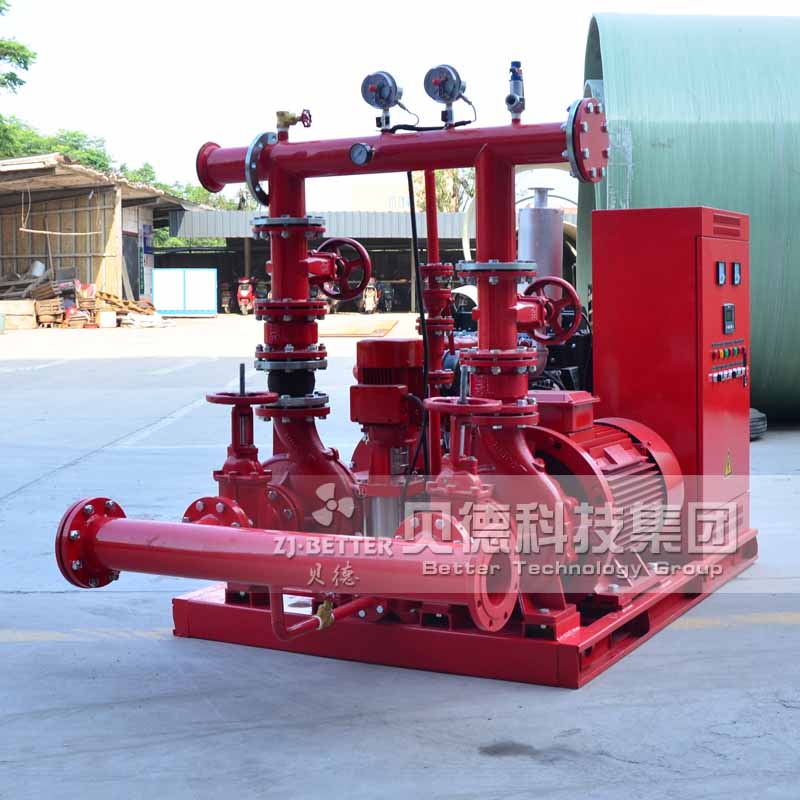
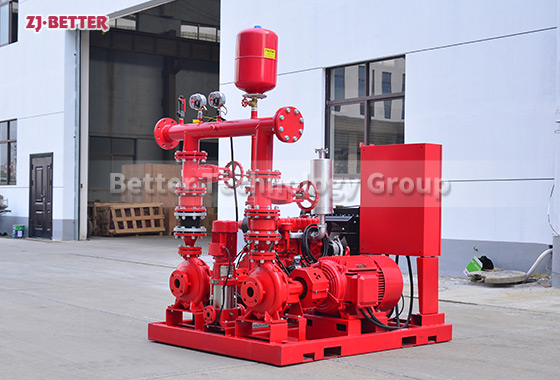
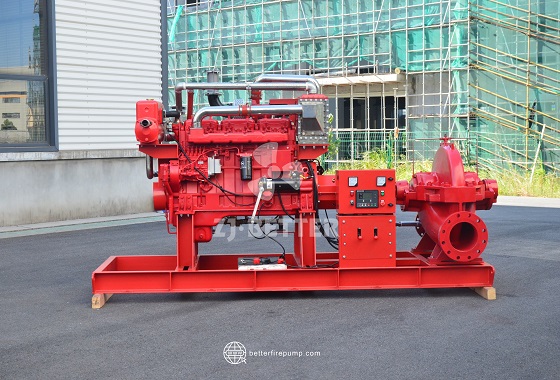
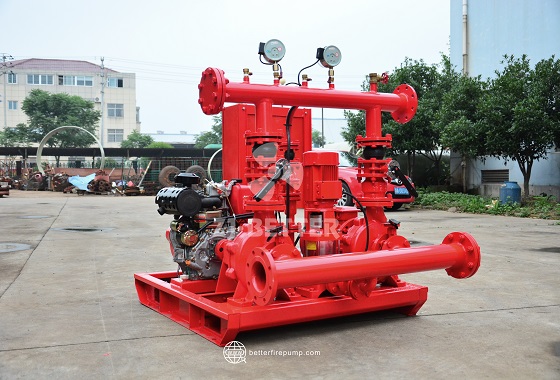
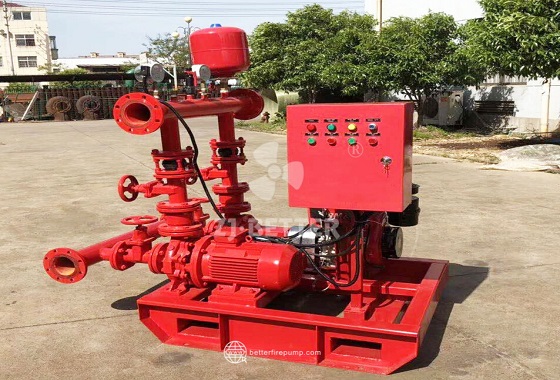
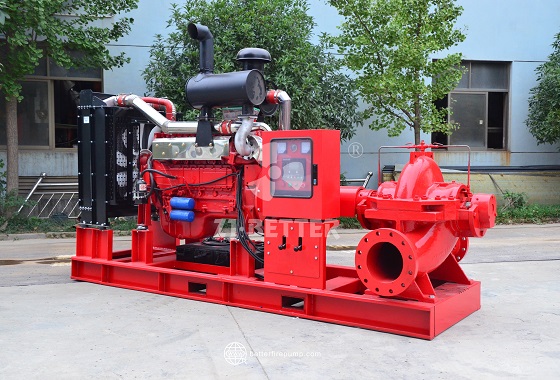
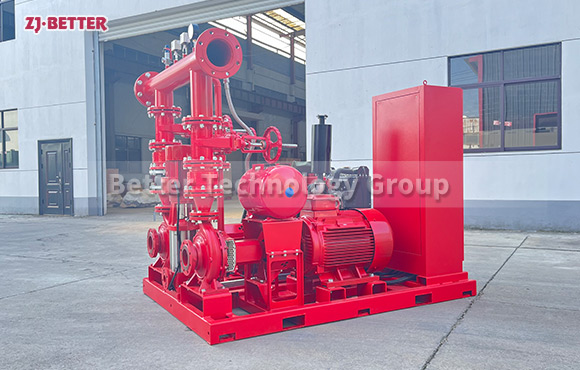
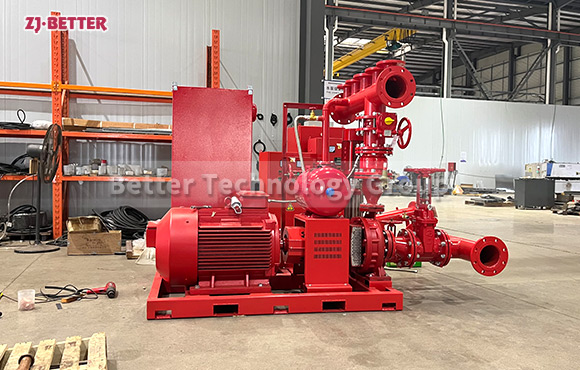
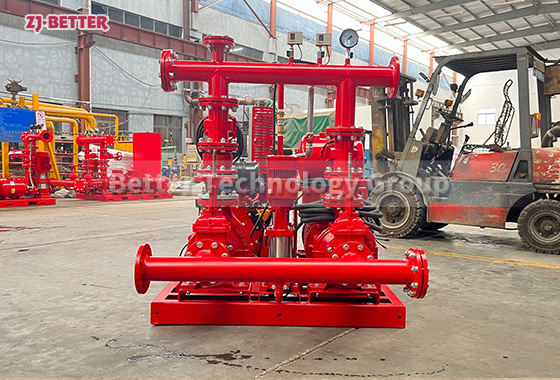
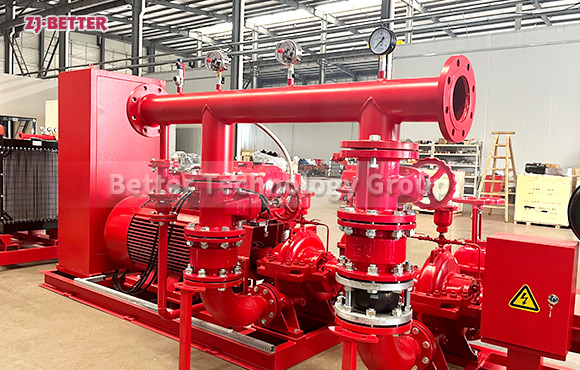
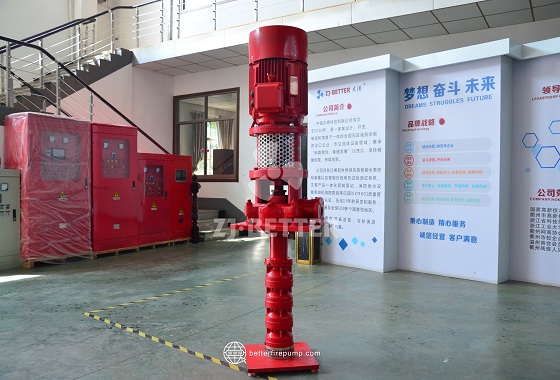
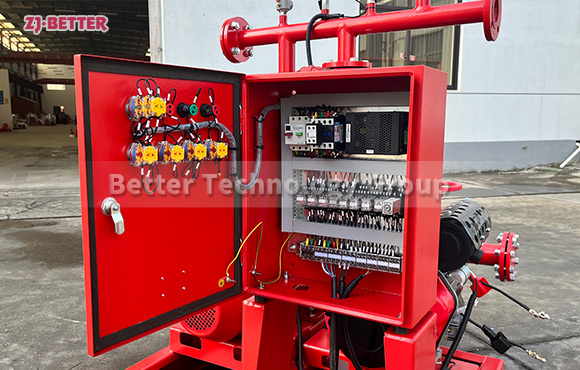
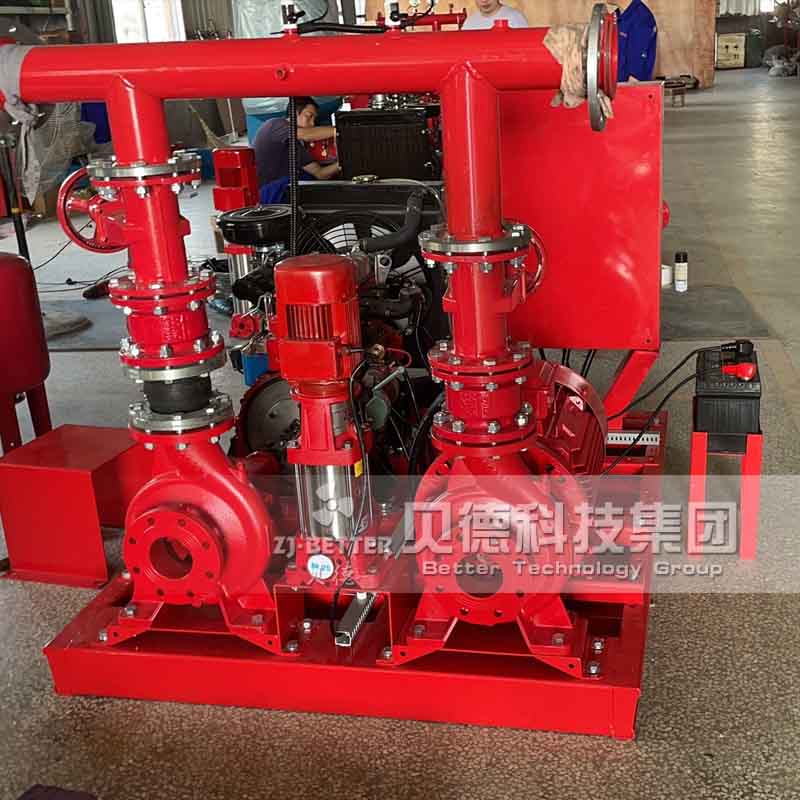
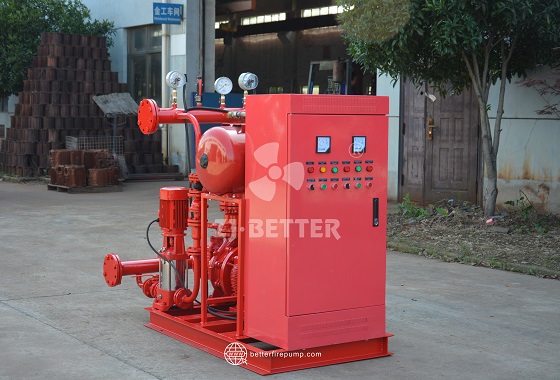
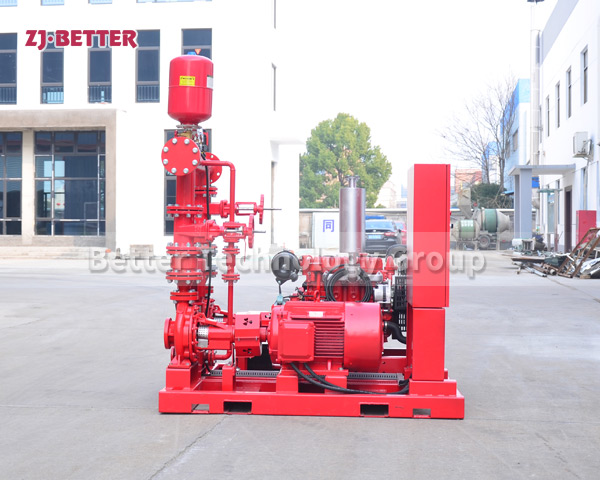
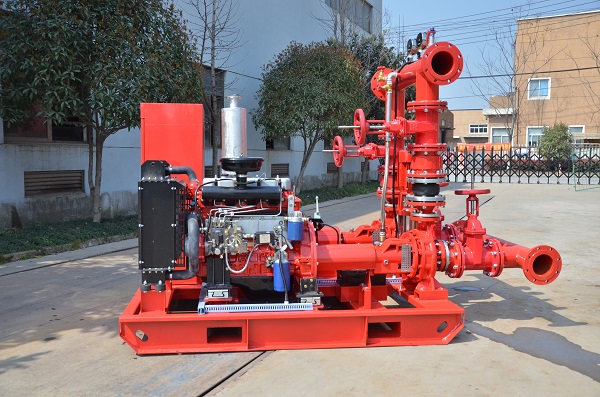
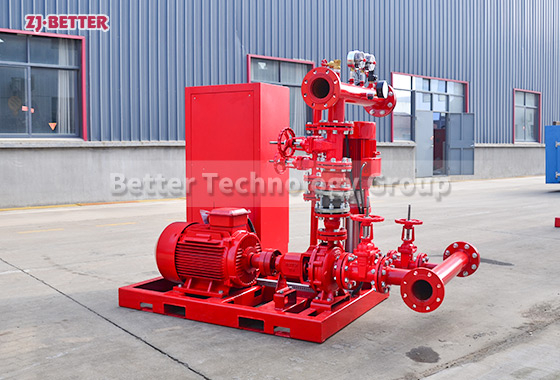
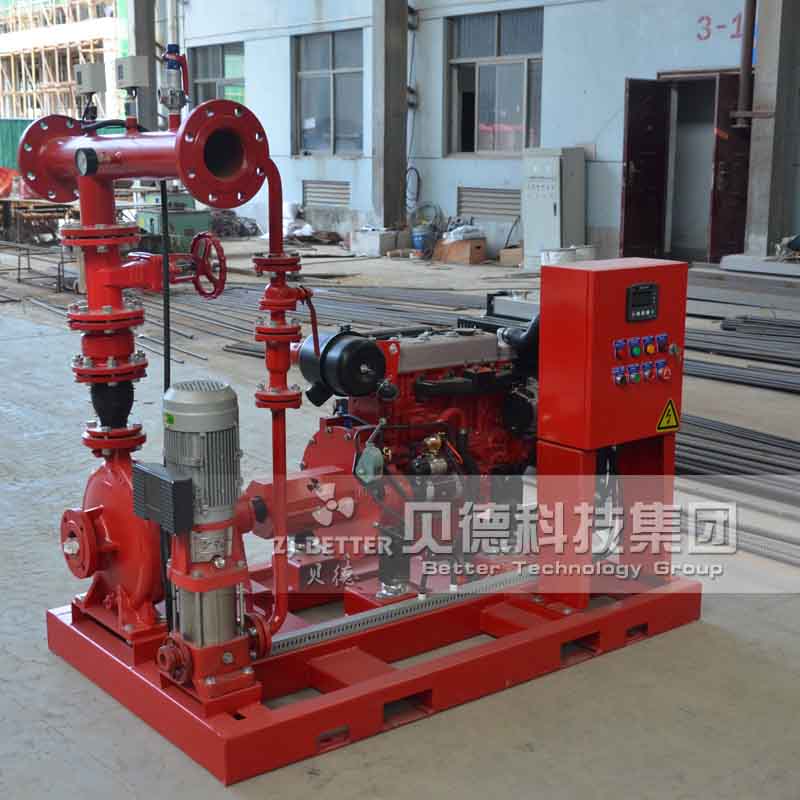
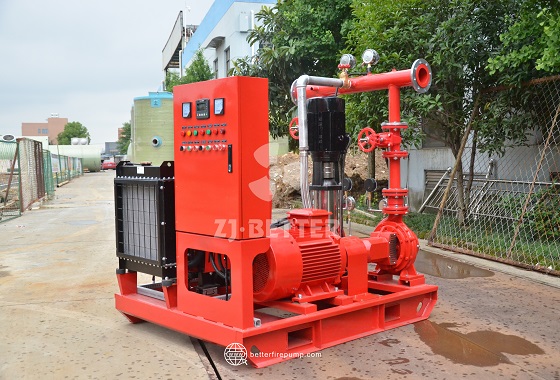
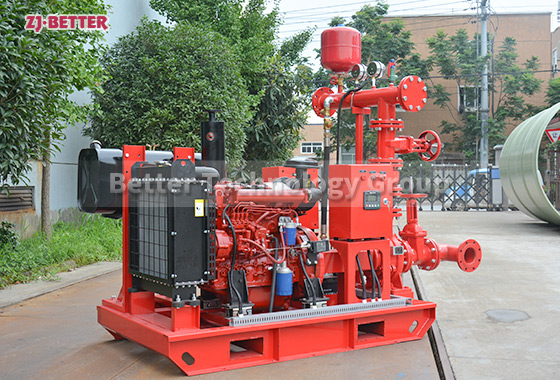
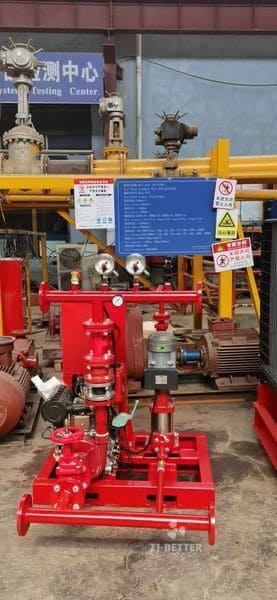
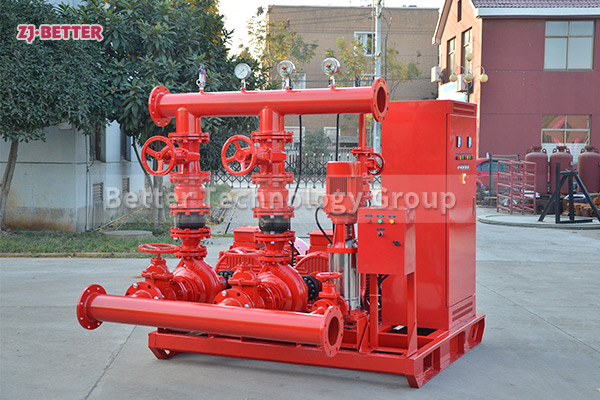
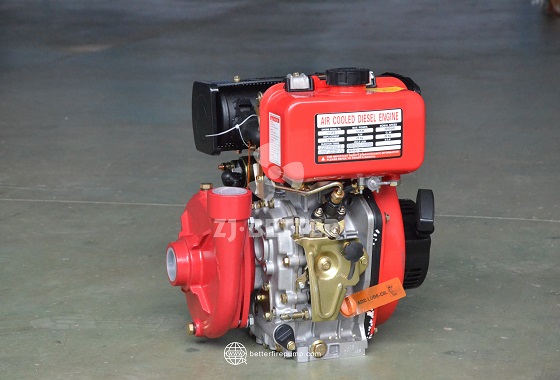
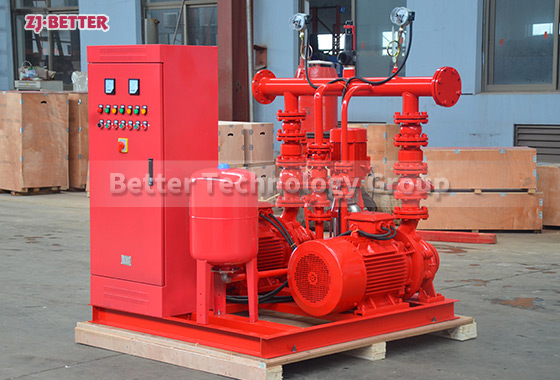
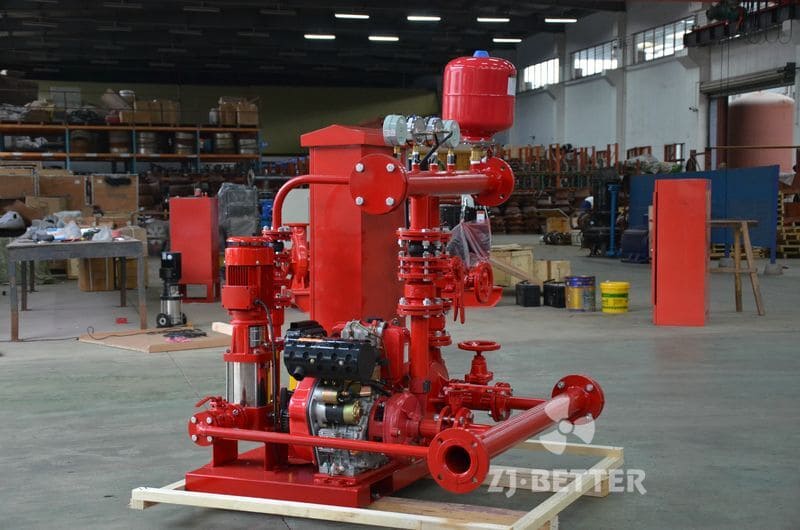
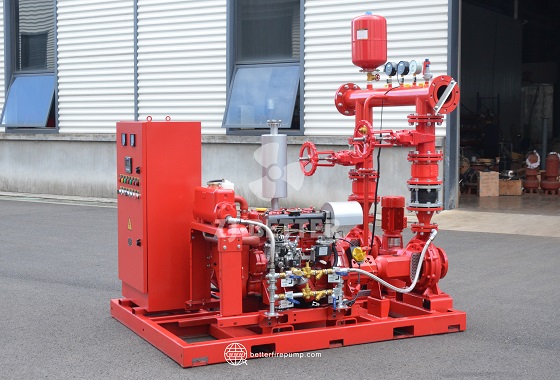
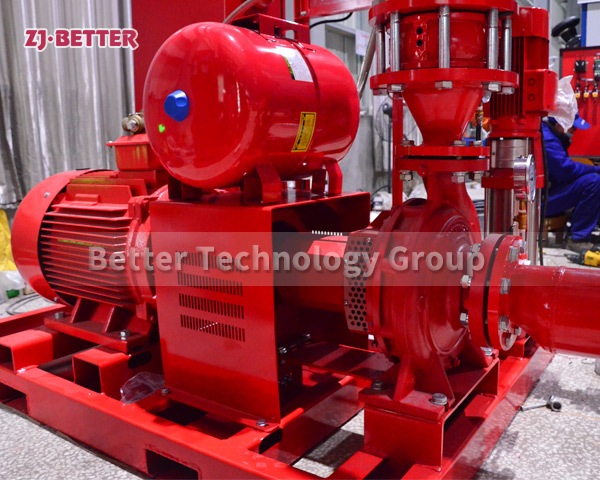
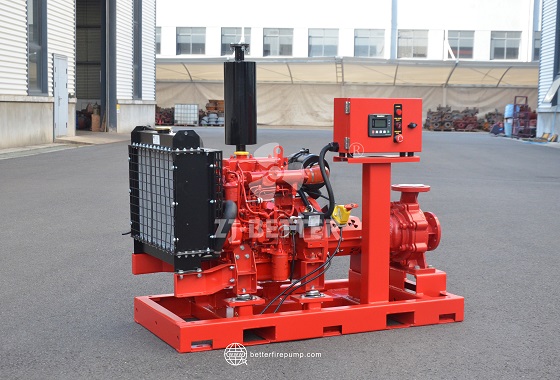
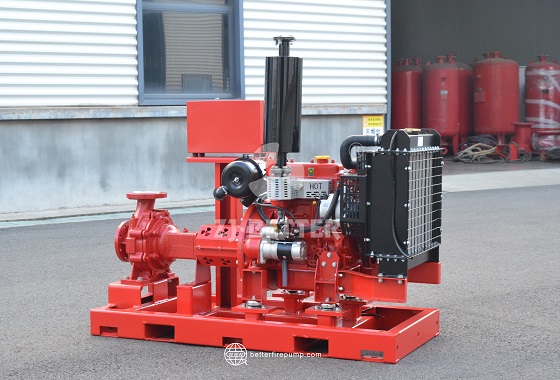
A diesel engine fire pump set is a fire water supply system comprising a diesel engine, a fire pump, a control system, and related auxiliary components. It is primarily used in locations requiring high reliability in fire water supply, such as industrial plants, warehouses, docks, airports, petrochemical facilities, power plants, and large-scale buildings. Its core advantage lies in using the diesel engine to provide independent drive power to the fire pump; by properly matching engine power with pump performance—based on the specific flow rate, head, pressure, and installation requirements of the fire protection system—the power system and hydraulic system operate in coordination. Unlike focusing solely on engine power or pump flow rate, a complete diesel engine fire pump set emphasizes the compatibility between the two; only when the engine delivers power suited to the pump’s operating conditions can the fire pump consistently output the required water volume and pressure under design specifications. Depending on product configuration, these sets can utilize various pump types—such as end-suction, horizontal multistage, or horizontal split-case pumps—paired with appropriate diesel engines to meet diverse flow and head requirements. Typical specifications include flow rates of approximately 30–1250 GPM, heads of 3–20 bar, pump inlet/outlet diameters of 25–800 mm, and rotational speeds of 740–2900 r/min; specific parameters are selected and matched based on the actual project. The diesel engine serves as the system’s power core, converting fuel energy into mechanical power and driving the pump impeller via a transmission mechanism; this process pressurizes water drawn from the source and delivers it into the fire protection piping network. This independent diesel power structure offers a configuration distinct from purely electric pump systems, serving as a vital power source for fire protection systems during mains power failures or when backup power is required. For industrial plants, warehouses, and other facilities requiring continuous fire water supply, this independent power structure enhances the flexibility of the system’s configuration. Power matching is a critical aspect of the performance design for diesel engine fire pump sets. Since the shaft power required by the pump varies with flow rate and head conditions, the engine’s rated power and speed must be comprehensively balanced against the pump’s flow rate, head, and efficiency. Proper matching allows the engine to drive the water pump within its optimal operating range while minimizing performance limitations caused by insufficient power. For various fire protection projects, the appropriate pump type can be selected based on hydraulic calculations; subsequently, the diesel engine’s power rating is determined by factoring in the target flow rate and head, ensuring the entire unit operates stably under design conditions. Official product specifications indicate that diesel fire pumps can be paired with various pump types—such as single-stage, end-suction, horizontal split-case, and multi-stage pumps—allowing for configurations tailored to specific flow and pressure requirements. Hydraulic performance directly determines the water supply capacity the pump unit can deliver to the fire protection piping network. Flow rate primarily reflects the volume of water delivered per unit of time, whereas head relates to the pressure-generating capability of the pump. Selection for standard building fire protection systems may depend on factors such as building height, piping network length, and the water demands of hydrants and sprinkler systems; conversely, large-scale industrial projects may require higher flow rates and the pressure capabilities needed for long-distance transport. Consequently, there is no single diesel fire pump specification suitable for every project; instead, parameters must be matched to specific operating conditions. For instance, existing diesel fire pump products span a wide range of flow and head ratings, with some models offering high-pressure and high-power configurations to meet the selection needs of fire water supply systems of varying scales. Regarding product structure, diesel fire pump units typically feature an integrated base or skid-mounted design, consolidating the diesel engine, fire pump, control cabinet, and auxiliary components into a cohesive unit. The equipment shown in the image utilizes an open-base design, with the diesel engine and fire pump mounted on a shared base alongside the control cabinet and connecting components; this layout facilitates transport, installation, and on-site connection, while also simplifying inspection and maintenance of the engine, pump body, and control system. Complete fire pump units can also be equipped with accessories such as fuel systems, batteries, pressure-sensing devices, pressure gauges, valves, flexible joints, and suction/discharge piping, depending on project requirements. The control system is a critical component in ensuring the standardized operation of the diesel fire pump unit. The control cabinet enables manual or automatic control of diesel fire pumps and other fire-fighting pump equipment, while monitoring the fire-fighting system’s status through devices such as pressure switches and sensors. When the pressure in the fire-fighting piping network changes and meets preset conditions, the control system triggers the corresponding pump set according to pre-programmed logic, thereby minimizing the impact of manual intervention on the system’s response time. A complete fire pump assembly may combine an electric main pump, a diesel backup pump, and a pressure-maintaining (jockey) pump; the jockey pump maintains network pressure, while the diesel pump serves as an independently powered water supply unit. Heat dissipation is another critical factor for diesel engine fire pump sets. Since diesel engines generate heat during operation, they are typically equipped with radiators and fans, requiring an installation environment designed for adequate ventilation and heat exhaust. During installation, the control cabinet should not be placed directly in front of the diesel engine’s radiator to prevent high-temperature airflow from affecting the internal electrical components; additionally, the inlet and outlet piping must be properly supported to ensure the weight of the pipes does not bear directly on the pump body and impair operation. Reliability depends not only on the quality of the engine and pump themselves but also on the overall system configuration, control method, installation conditions, and routine maintenance. The diesel engine’s fuel, lubrication, starting, cooling, and exhaust systems must be kept in good working order, while the fire pump requires regular inspection of bearings, seals, couplings, valves, and related connections. Given that fire pumps often remain in standby mode for extended periods, regular start-up tests and operational checks are essential; these procedures help identify potential issues with batteries, fuel, control systems, or mechanical components, ensuring the equipment is ready for use when needed. For engineering projects, diesel engine fire pump sets offer the advantage of flexible configuration. Depending on specific fire safety design requirements, one can select appropriate pump types, engine power ratings, flow rates, heads, connection sizes, and control methods, integrating various functional components into a unified fire water supply system. Comprehensive pump assemblies may also combine electric pumps, diesel pumps, and jockey pumps under centralized control, creating a complete fire water supply solution. Therefore, when selecting a diesel engine fire pump set, key factors such as design flow rate, design head, diesel engine power, rated speed, pump type, pipe diameter, control method, and on-site installation conditions must be prioritized; selection should be based on the hydraulic calculation results of the actual fire protection system rather than judging equipment performance solely by engine power. For industrial fire protection systems requiring high flow rates, pump models suited to such operating conditions can be selected; for systems requiring higher pressures, appropriate multi-stage or other high-pressure pump models can be chosen based on head requirements. Through the proper matching of the engine and fire pump, stable mechanical transmission, a comprehensive control system, and standardized installation and maintenance, the diesel engine fire pump set establishes a complete operational chain—from power output to fire water supply—delivering the flow and pressure required by the engineering design to the fire protection piping network; it serves as a vital piece of diesel-powered equipment in fire water supply systems for industrial facilities and large-scale buildings.